Artwork
Tantric Manuscript "Sangrahani Sutra"
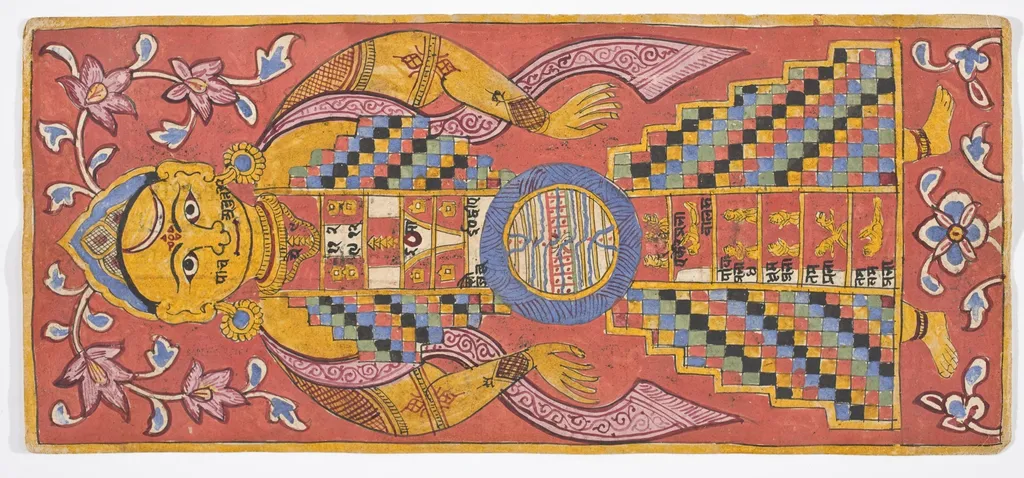
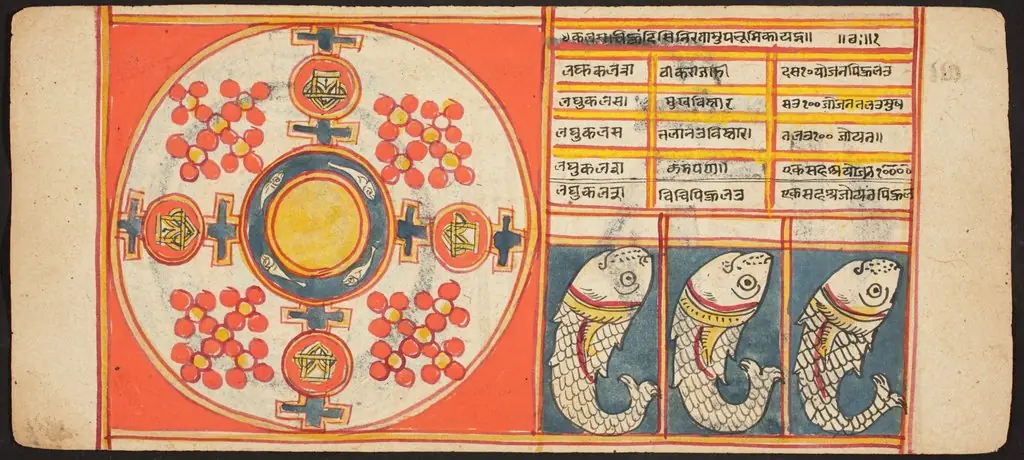
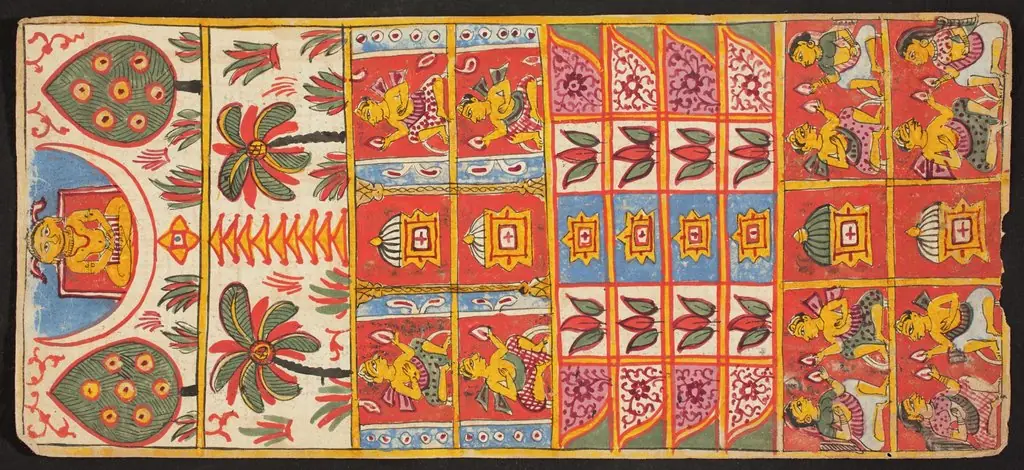
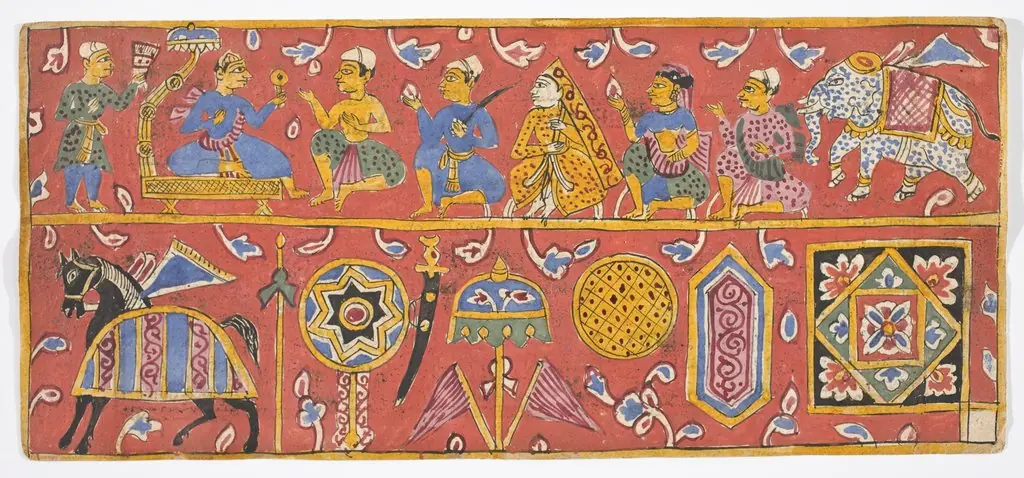
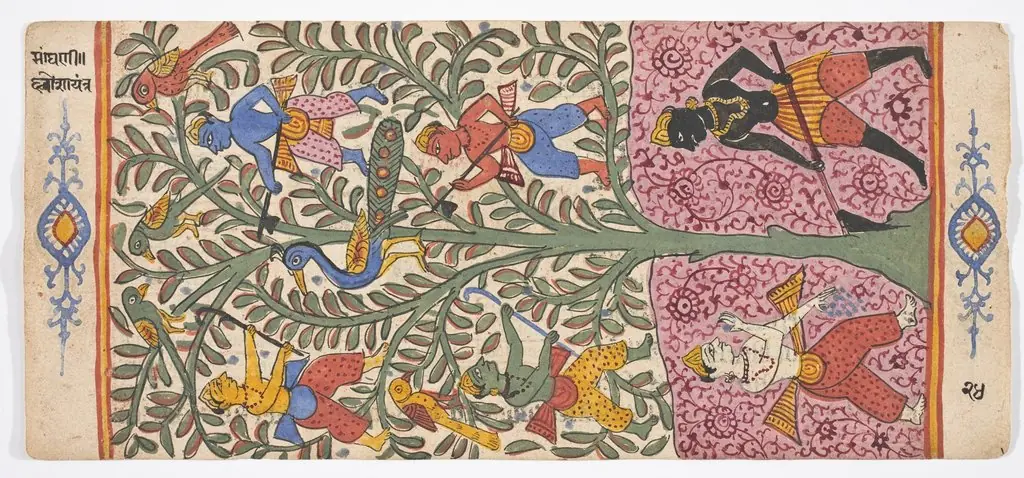
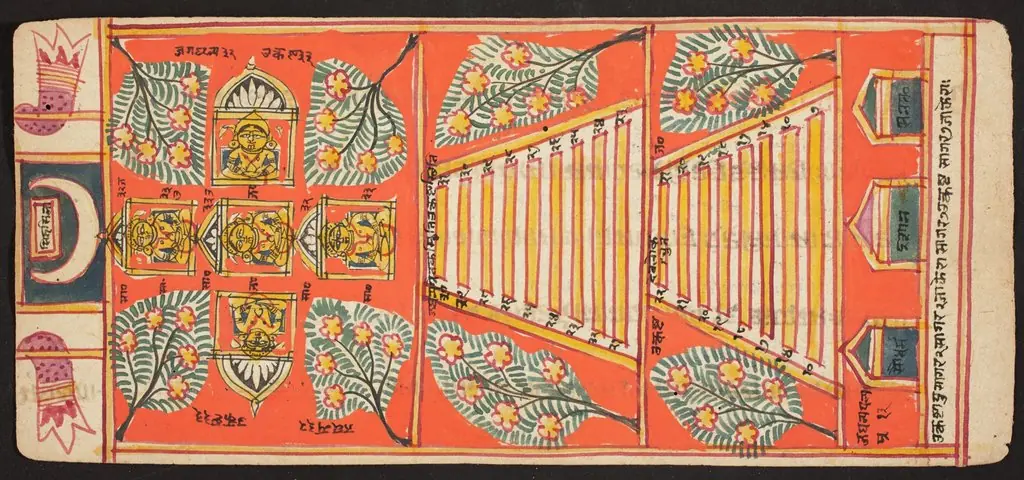
Tantric Manuscript "Sangrahani Sutra" is an unspecified painting by Unknown. It is held in the collection of the Detroit Institute of Arts. The 'Sangrahani Sutra' is a painted manuscript originating from the tantric Buddhist tradition in medieval India.
About this work
Overview
The 'Sangrahani Sutra' is a painted manuscript originating from the tantric Buddhist tradition in medieval India.
The 'Sangrahani Sutra' is a painted manuscript originating from the tantric Buddhist tradition in medieval India. Created on palm leaf or paper, it functions as a ritual and meditative aid rather than a literary text alone. Its visual elements are arranged to guide contemplation, aligning symbolic imagery with doctrinal teachings. The work reflects the integration of visual art and spiritual practice within esoteric Buddhist communities.
Subject & Meaning
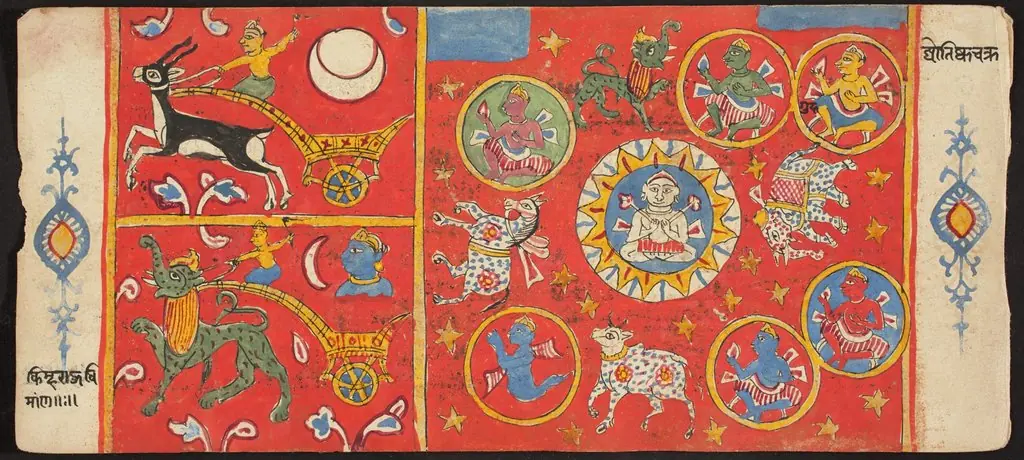
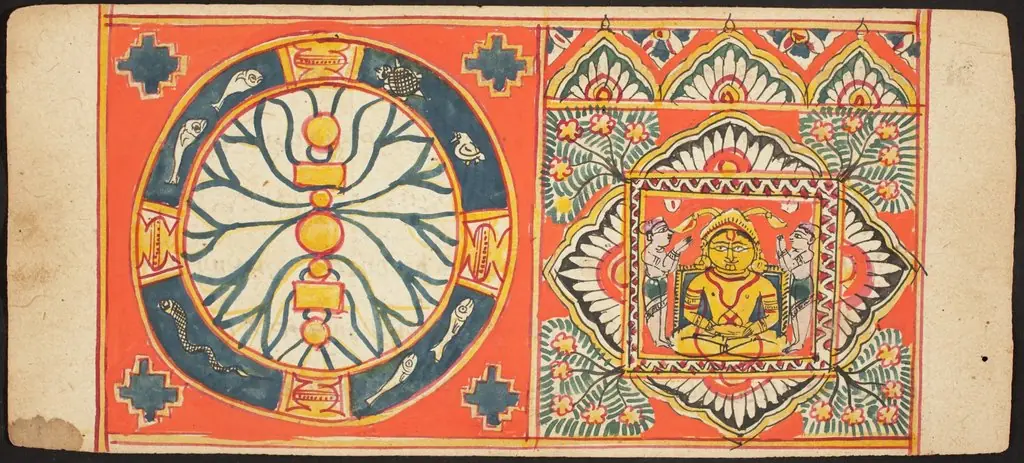
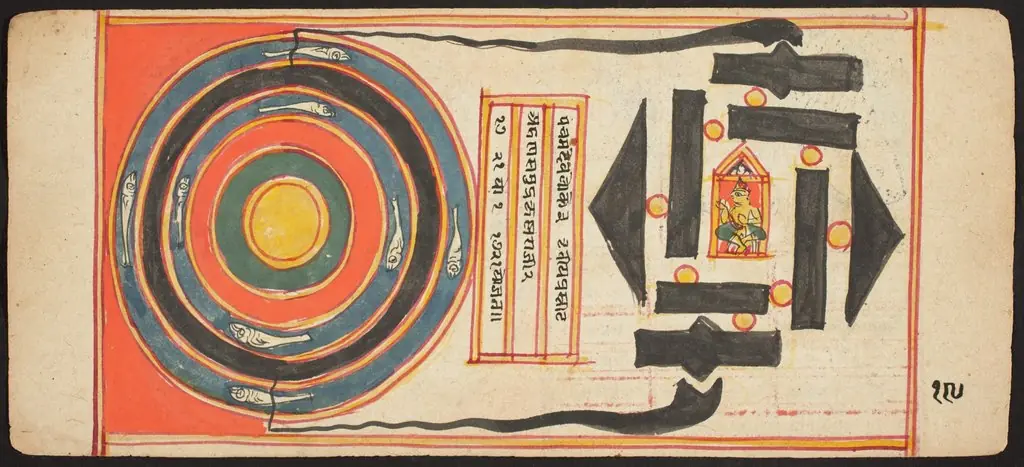
The manuscript depicts deities, mandalas, and esoteric symbols drawn from tantric cosmology. Figures are arranged in precise geometric patterns meant to represent cosmic order and inner spiritual states. Each element corresponds to a stage of meditation or a metaphysical principle, serving as a visual map for initiates. The imagery is not decorative but instructional, designed to facilitate direct experiential understanding beyond textual study.
Technique & Style
Painted with mineral pigments and fine brushwork, the illustrations exhibit meticulous detail and flat, stylized forms typical of early Indian manuscript art. Lines are precise, colors are muted yet deliberate, and composition follows strict iconographic rules. The absence of perspective and naturalistic shading emphasizes symbolic over representational intent. The scale of figures is hierarchically determined by spiritual significance, not physical presence.
History & Provenance
The manuscript likely originated in eastern India during the Pala or Sena periods, between the 8th and 12th centuries. It was produced in monastic scriptoria associated with tantric centers such as Nalanda or Vikramashila. Surviving examples are rare, often preserved in temple collections or later transferred to private and institutional holdings in South Asia and Europe through colonial-era acquisitions.
Context
This work emerged within a broader tradition of tantric Buddhism that emphasized ritual, visualization, and direct transmission of knowledge. Unlike mainstream Buddhist texts, tantric manuscripts combined esoteric doctrine with visual symbolism to convey truths inaccessible through words alone. They were used by initiated practitioners under the guidance of a guru, reinforcing the secrecy and exclusivity of the tradition.
Legacy
The 'Sangrahani Sutra' and similar manuscripts influenced later Tibetan thangka painting and Southeast Asian ritual art. Their iconographic systems were transmitted along trade and pilgrimage routes, shaping visual languages in Himalayan Buddhism. Today, they serve as critical sources for understanding the material culture of medieval tantric practice, studied more for their ritual function than aesthetic qualities.
Artist & collection

 Domestic Scene
 Giacomo and Cardinal Marco, investing Andrea, Abbot of San Zeno, with his Benefice
 The Nymph of Fontainebleau
 Portrait of a Woman
 Madonna and Child with Saints in the Enclosed Garden
 Venus and Minerva
 Family Group of Four on Sofa
 Wall painting from Room H of the Villa of P. Fannius Synistor at Boscoreale
 Tantric Manuscript "Sangrahani Sutra"
 Tantric Manuscript "Sangrahani Sutra"
 Tantric Manuscript "Sangrahani Sutra"
 Tantric Manuscript "Sangrahani Sutra"
 Tantric Manuscript "Sangrahani Sutra"
 Tantric Manuscript "Sangrahani Sutra"
 Tantric Manuscript "Sangrahani Sutra"
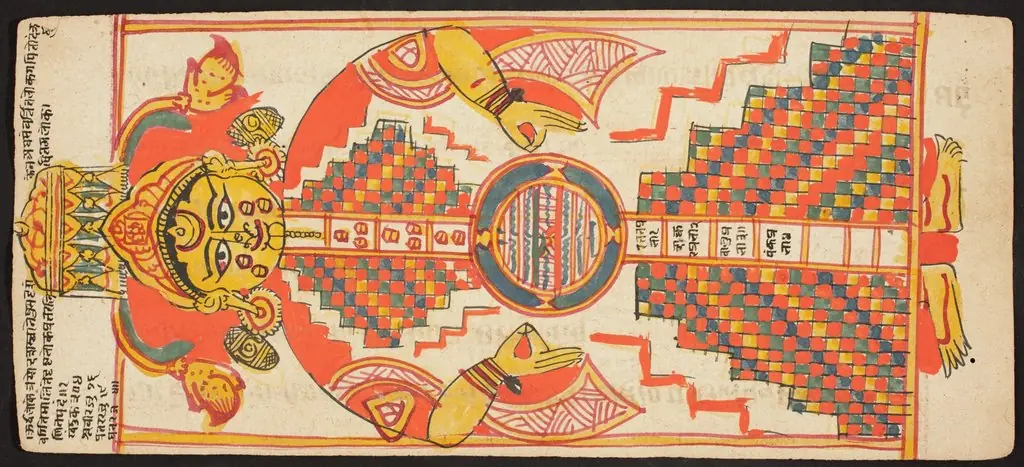 Tantric Manuscript "Sangrahani Sutra"
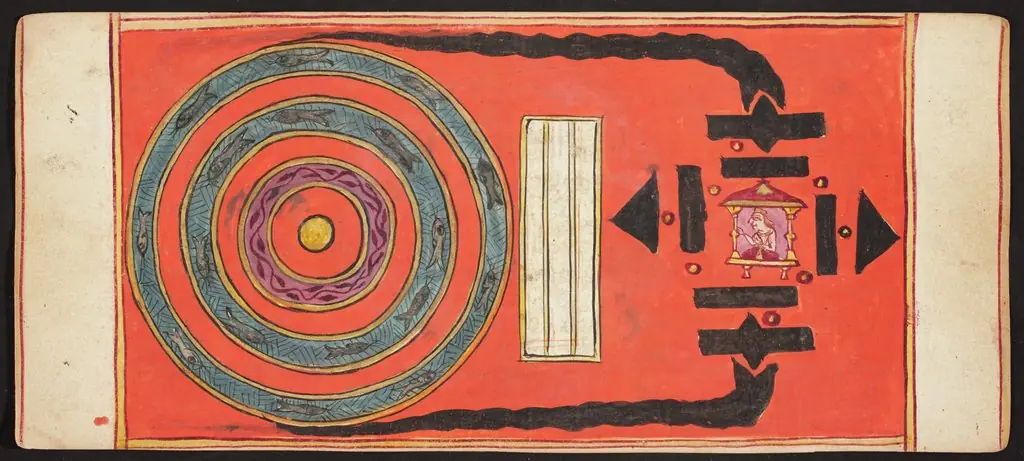 Tantric Manuscript, "Sangrahani Sutra"
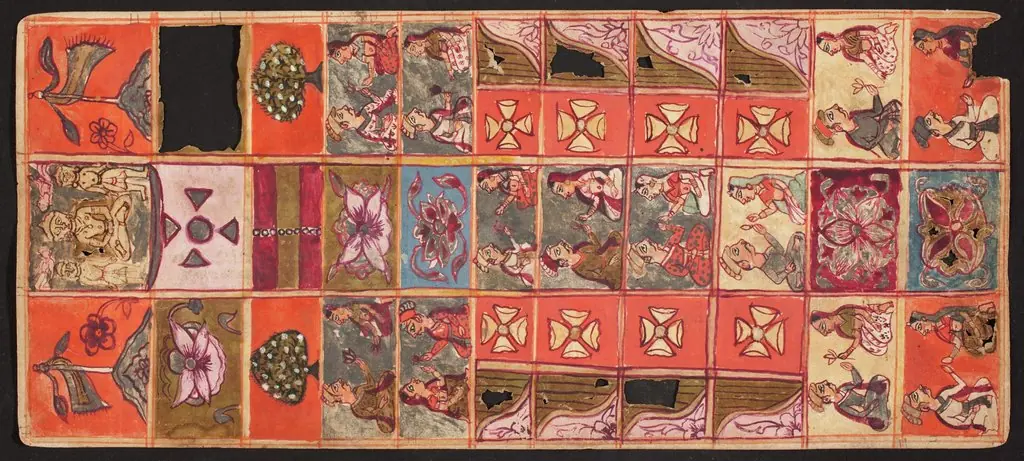 Tantric Manuscript, "Sangrahani Sutra"
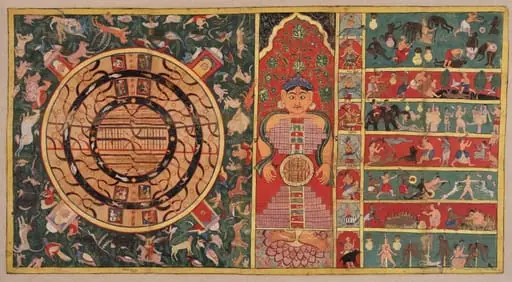 Diagrams of the Universe: The Two-and-a-Half Continents, the Universe in the Shape of a Person, and the Seven Levels of Hell
 Tantric Manuscript "Sangrahani Sutra"