Artwork
The Cholmondeley Ladies
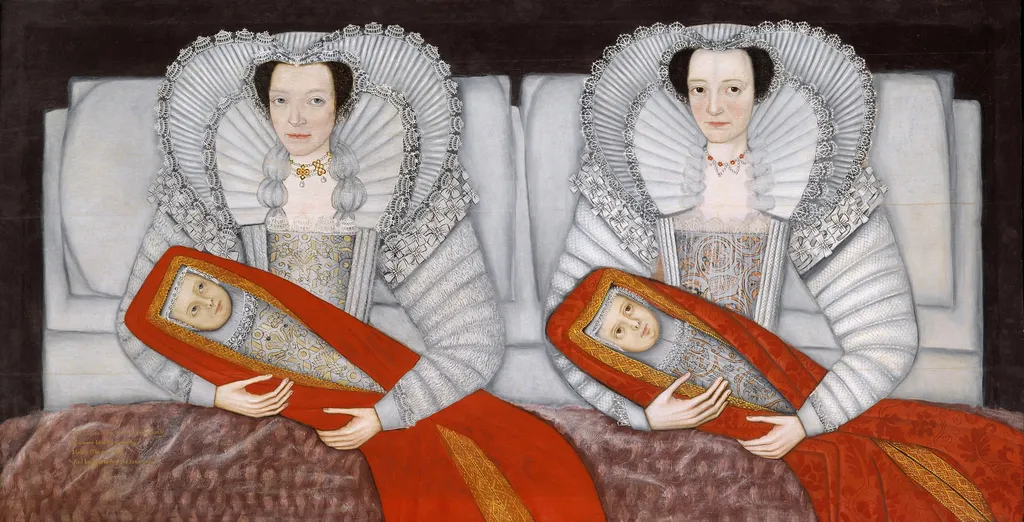
The Cholmondeley Ladies is an oil painting by the Early Baroque Italian artist Unknown. It dates from 1600 and is held in the collection of the Tate Britain.
About this work
Overview
The Cholmondeley Ladies is an early‑17th‑century English oil painting executed on four joined oak panels, measuring roughly 89 × 172 cm. It shows two women seated side by side in a bed, each cradling an infant. A gold‑lettered inscription identifies the sitters as members of the Cholmondeley family who shared the same birth, marriage and childbirth dates.
Subject & Meaning
Both mothers are dressed in elaborate white gowns with lace ruffs and adorned with jewelry, while the babies are swaddled in richly patterned christening robes.
Both mothers are dressed in elaborate white gowns with lace ruffs and adorned with jewelry, while the babies are swaddled in richly patterned christening robes. Although the pair appear almost twin‑like, careful observation reveals differences in facial features and eye colour, suggesting they were likely sisters rather than identical twins. The composition echoes motifs common in contemporary funerary art, hinting at a commemorative intent.
Technique & Style
The work rests on a white chalk ground bound with animal glue, primed with lead‑white and oil‑mixed chalk. The painter employed an additive approach, building colour in layers, and used chiaroscuro to model the figures against a dark background, creating depth and a focused intimacy around the mothers and children.
History & Provenance
The artist remains unidentified, though the painting is thought to have been produced near the Cholmondeley estates in Cheshire during the first decade of the 1600s. The inscription and stylistic clues tie the work closely to the family’s own commemorative practices.
Context
During the early Stuart period, portraiture often emphasized lineage and shared milestones. The depiction of two women with their infants, presented in a pose uncommon in British portraiture but frequent in funerary monuments, reflects contemporary concerns with family continuity and memorialization.
Artist & collection

 Domestic Scene
 Giacomo and Cardinal Marco, investing Andrea, Abbot of San Zeno, with his Benefice
 The Nymph of Fontainebleau
 Portrait of a Woman
 Madonna and Child with Saints in the Enclosed Garden
 Venus and Minerva
 Family Group of Four on Sofa
 Wall painting from Room H of the Villa of P. Fannius Synistor at Boscoreale
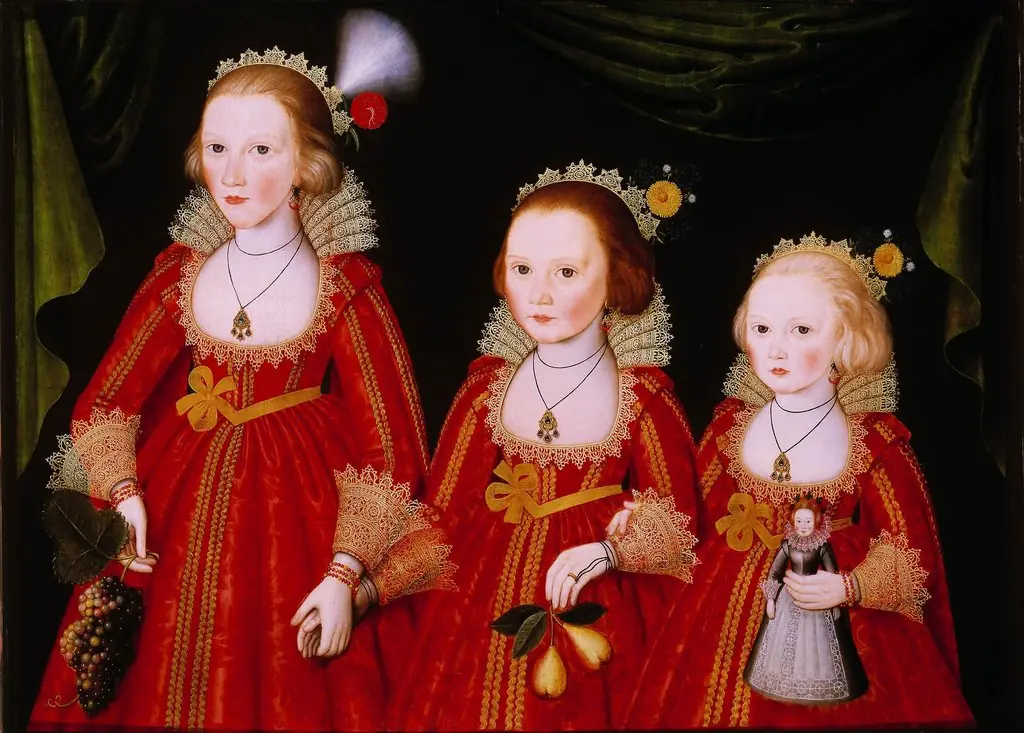 Three Young Girls
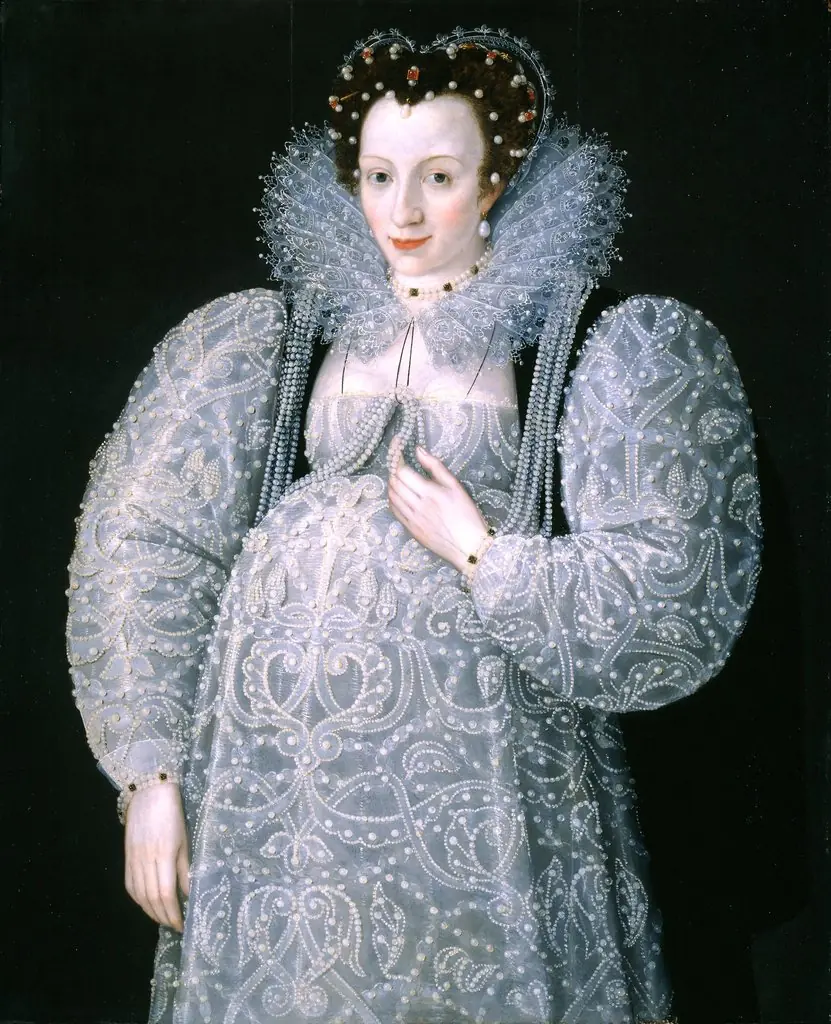 Unknown Lady
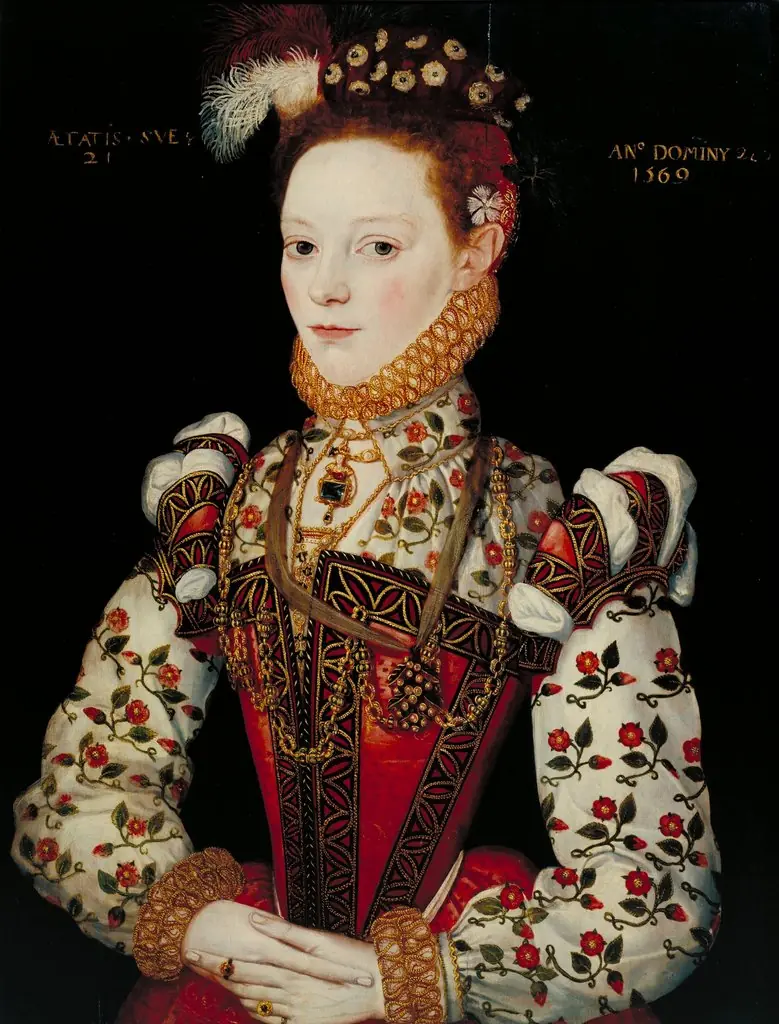 A Young Lady Aged 21, Possibly Helena Snakenborg, later Marchioness of Northampton
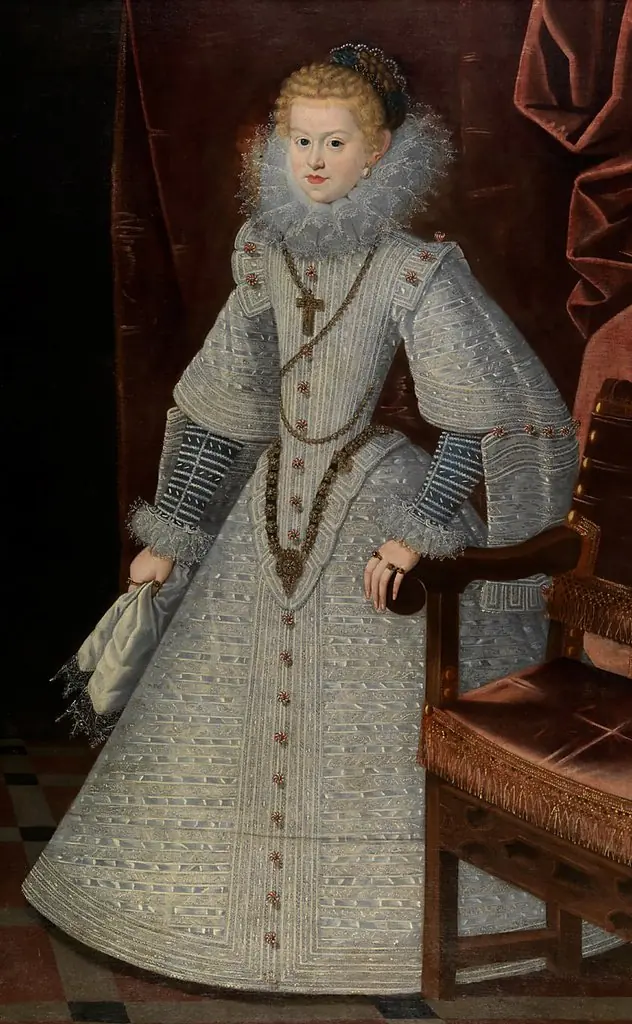 Infantin Maria Anna (1606-1646), Kaiserin, in ganzer Figur
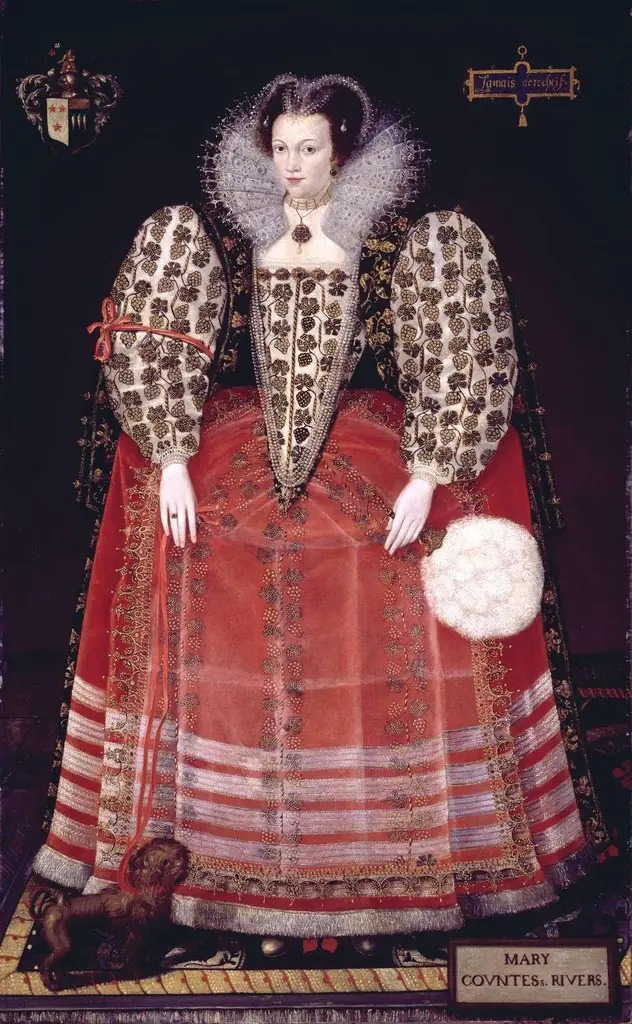 Portrait of Mary Kytson, Lady Darcy of Chiche, later Lady Rivers
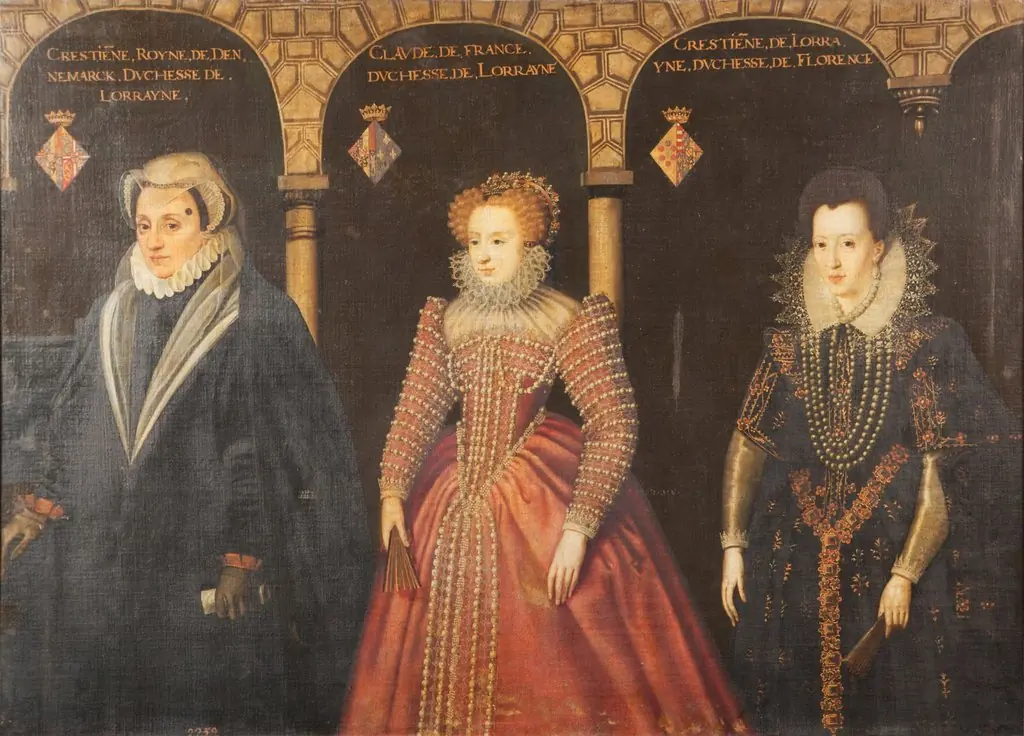 Portrait of Christina of Denmark, Claude of Valois and Christina of Lorraine
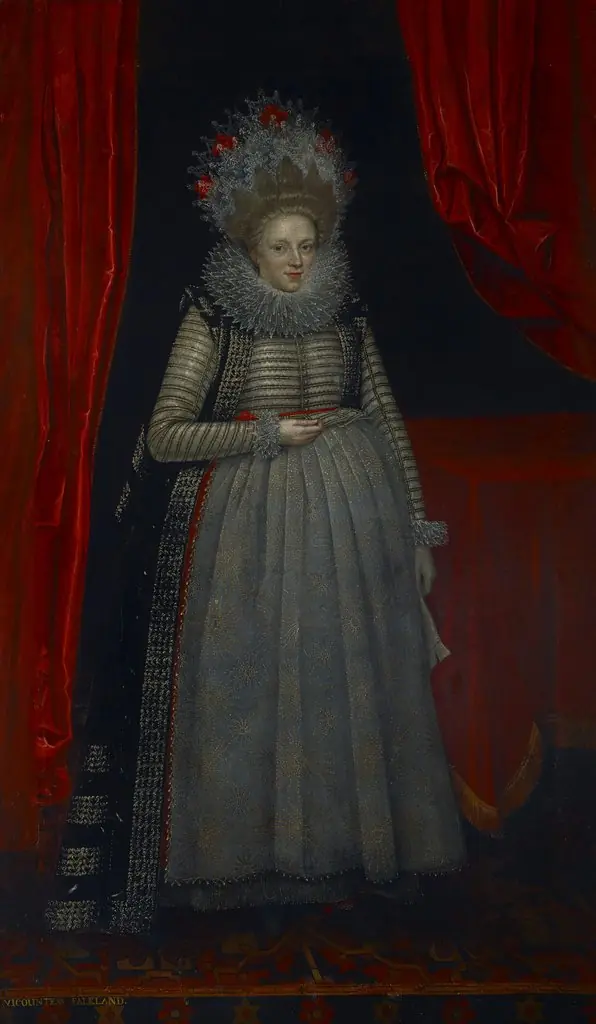 Elizabeth Cary, Viscountess Falkland (1585-1639)
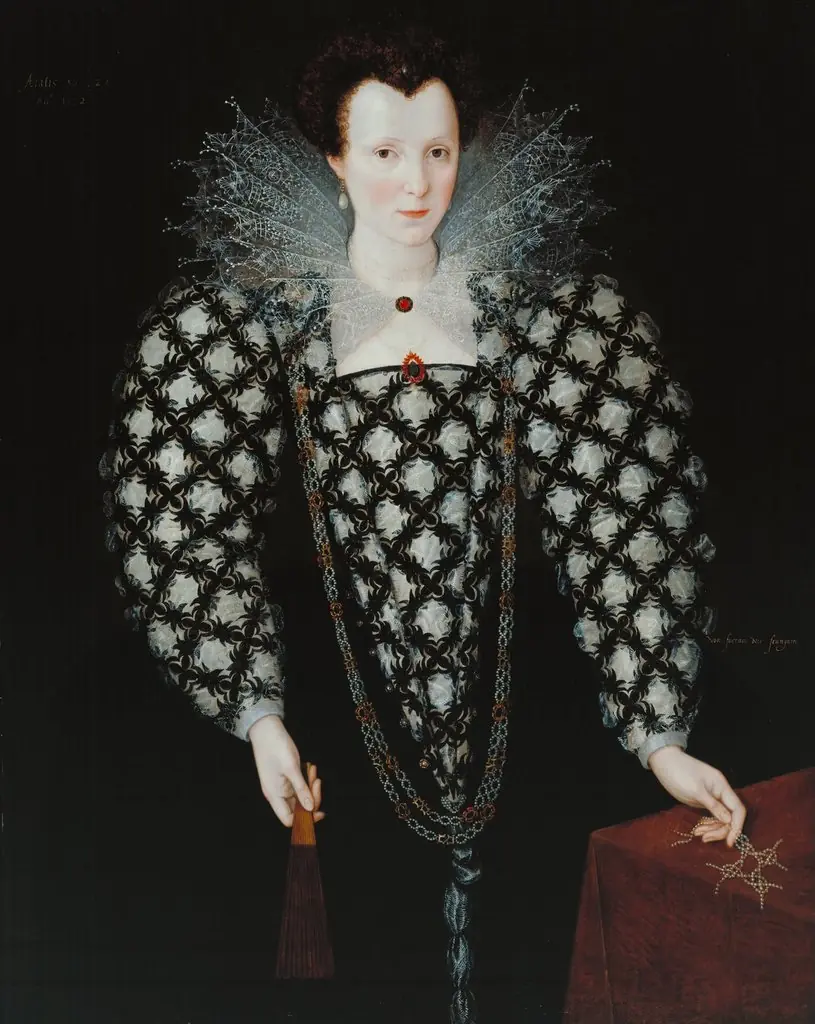 Mary Rogers, Lady Harington
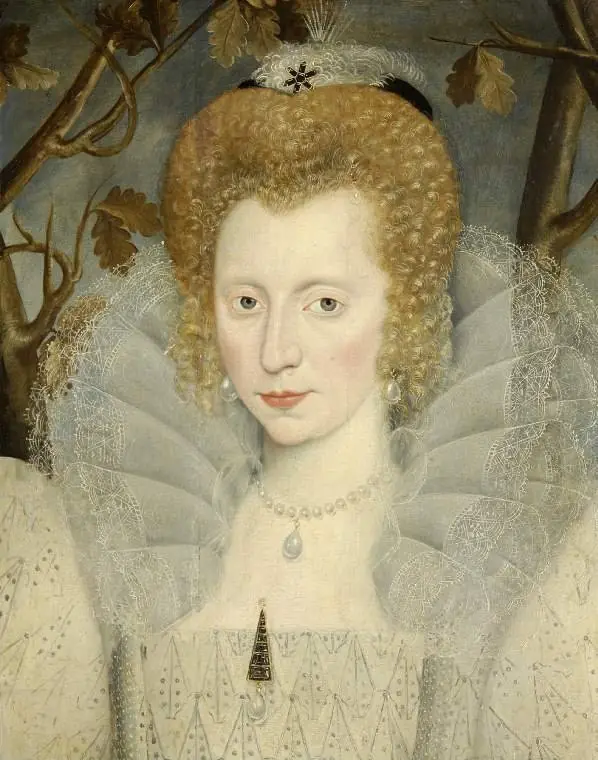 Unknown Lady
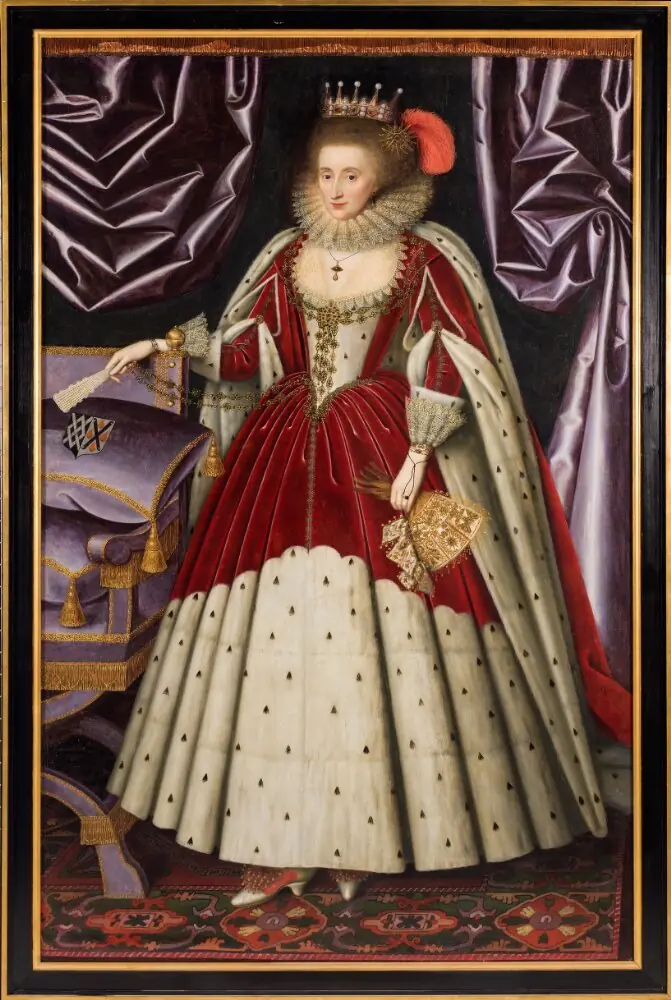 Lucy Harington, Countess of Bedford
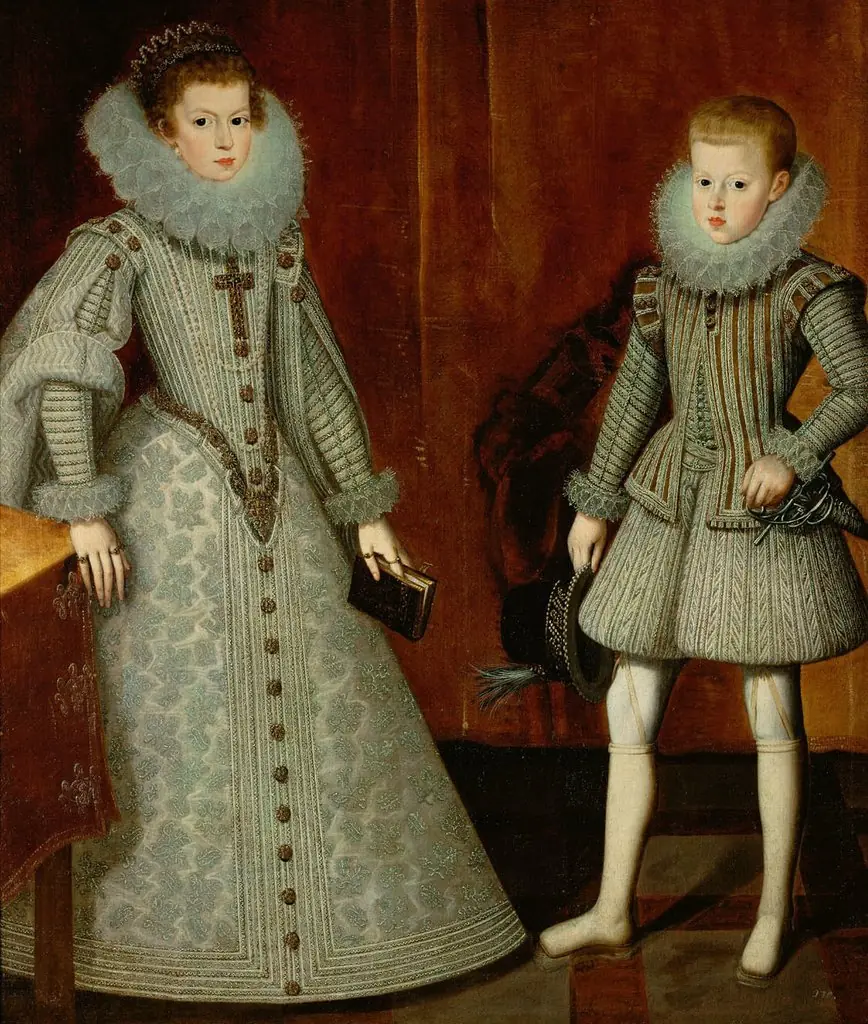 König Philipp IV. von Spanien (1605-1665) mit seiner Schwester, der Infantin Anna (1601-1666), Bildnis in ganzer Figur
 Louise de Lorraine