Artwork
Tantric Manuscript, "Sangrahani Sutra"
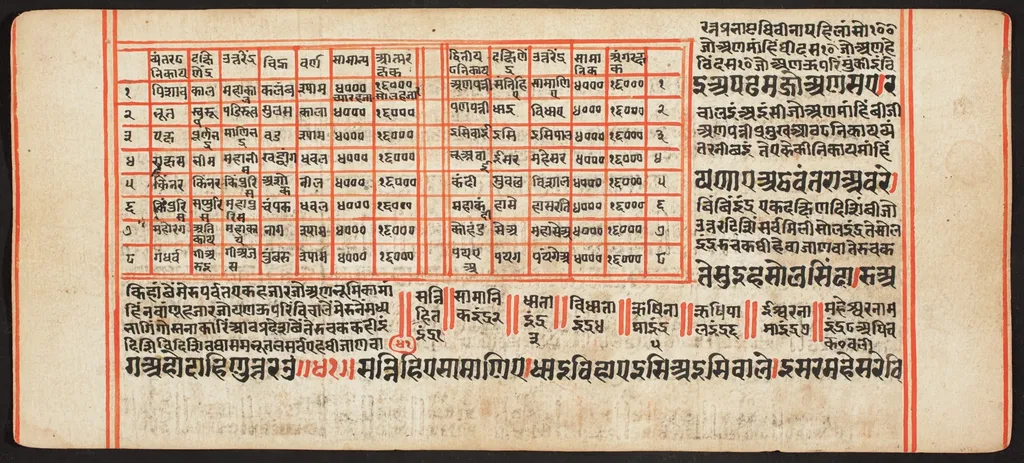
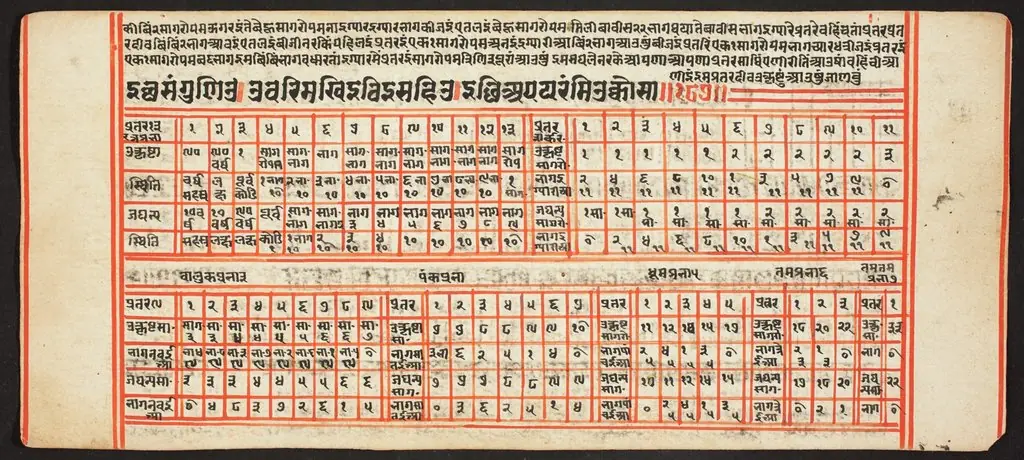
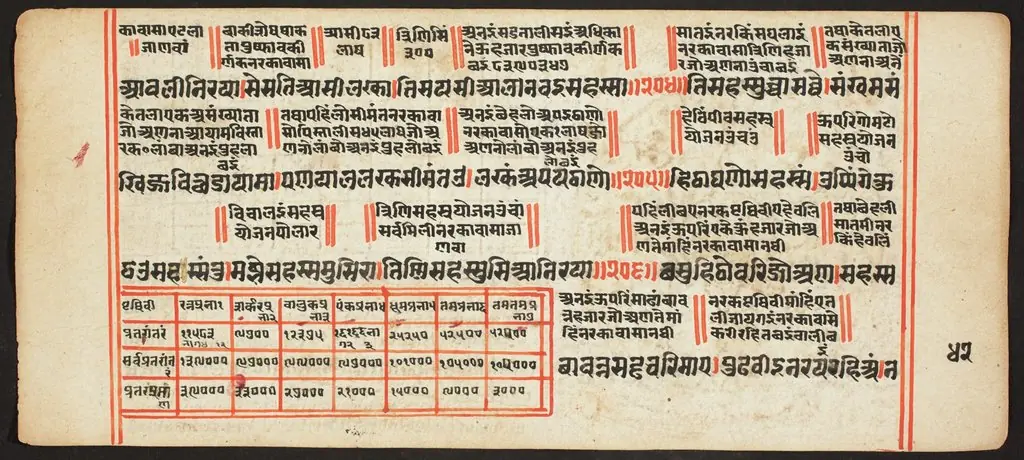
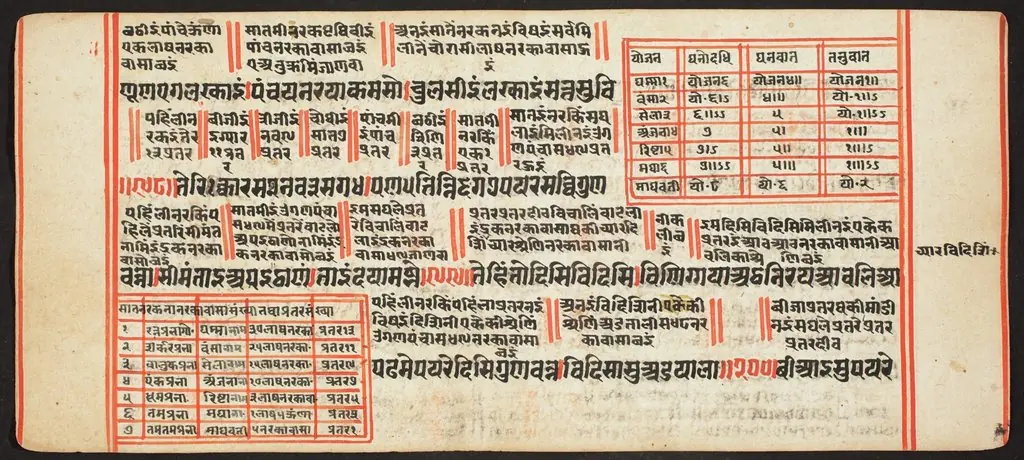
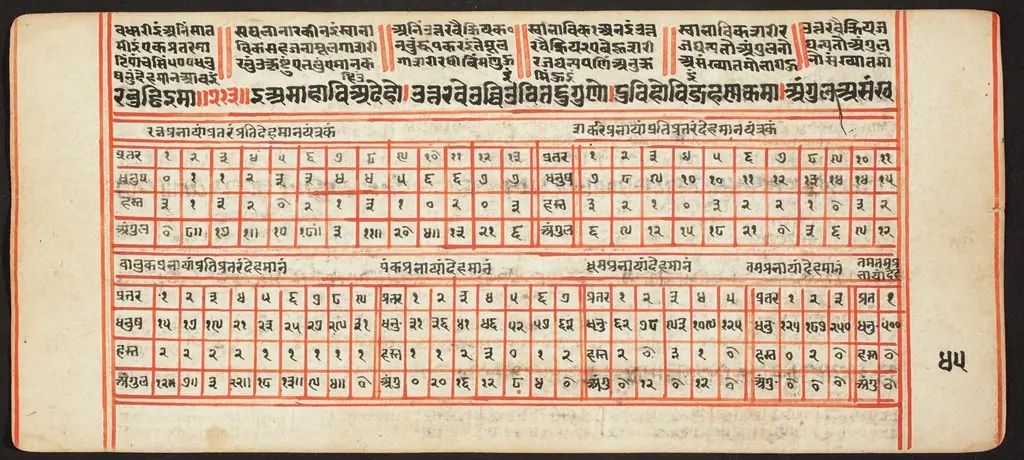
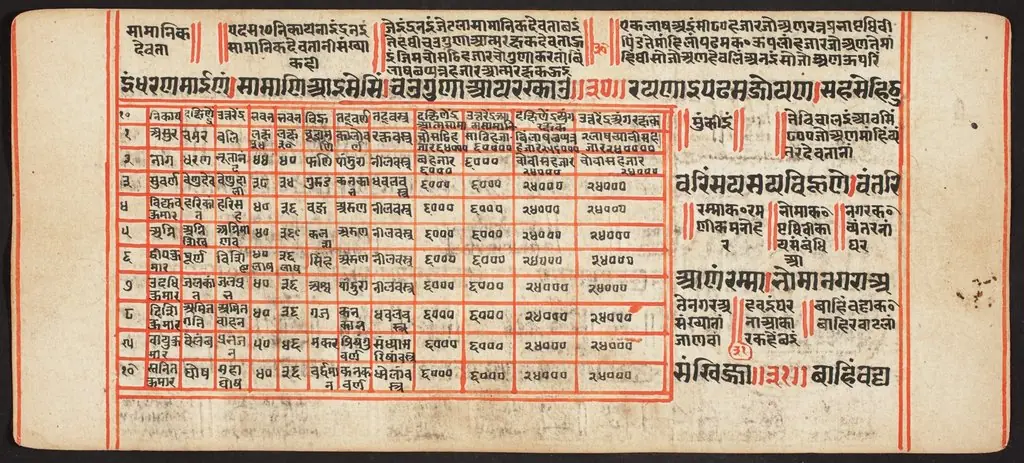
Tantric Manuscript, "Sangrahani Sutra" is an unspecified painting by Unknown. It is held in the collection of the Detroit Institute of Arts. This manuscript page originates from a Buddhist tantric text known as the Sangrahani Sutra, produced in medieval India.
About this work
Overview
Rendered on beige parchment, it features a structured layout defined by red ink borders that frame the text and separate its components.
This manuscript page originates from a Buddhist tantric text known as the Sangrahani Sutra, produced in medieval India. Rendered on beige parchment, it features a structured layout defined by red ink borders that frame the text and separate its components. The script, written in black and red ink, reflects a devotional tradition where visual organization enhances ritual reading. Its design prioritizes clarity and sacred emphasis over decorative flourish.
Subject & Meaning
The Sangrahani Sutra is a doctrinal compilation used in esoteric Buddhist practice, outlining principles of spiritual synthesis and meditative discipline. The text’s arrangement—some passages enclosed in boxes, others flowing freely—signals hierarchical importance, guiding the reader’s focus during recitation. The use of red ink for key phrases may denote sacred utterances or ritual invocations, reinforcing the text’s liturgical function.
Technique & Style
The script is executed in a precise, cursive script typical of early Indian manuscript traditions, with careful attention to letterform consistency. Red ink outlines define margins and internal divisions, creating a visual rhythm that aids textual navigation. Ink application is controlled and deliberate, suggesting the work of a trained scribe operating within a monastic scriptorium, where accuracy was paramount for spiritual efficacy.
History & Provenance
The manuscript likely dates to the late first millennium CE, produced in eastern India or Nepal, regions where tantric Buddhism flourished. It was probably used in monastic settings for study and ritual. The Detroit Institute of Arts acquired it as part of a broader collection of South Asian religious artifacts, though its specific provenance before the 20th century remains undocumented.
Context
During the medieval period, tantric Buddhist communities relied on handwritten texts as both doctrinal guides and ritual objects. Manuscripts like this were not merely read but ritually handled, sometimes anointed or displayed during ceremonies. The emphasis on layout and color reflects a belief that the physical form of the text carried spiritual weight, aligning visual structure with metaphysical order.
Legacy
This page exemplifies the enduring link between writing and sacred practice in South Asian Buddhism. Though replaced by printed texts in later centuries, such manuscripts remain vital to scholarly study of religious transmission and material culture. Their survival offers insight into how spiritual knowledge was preserved, transmitted, and visually encoded across generations.
Artist & collection

 Domestic Scene
 Giacomo and Cardinal Marco, investing Andrea, Abbot of San Zeno, with his Benefice
 The Nymph of Fontainebleau
 Portrait of a Woman
 Madonna and Child with Saints in the Enclosed Garden
 Venus and Minerva
 Family Group of Four on Sofa
 Wall painting from Room H of the Villa of P. Fannius Synistor at Boscoreale
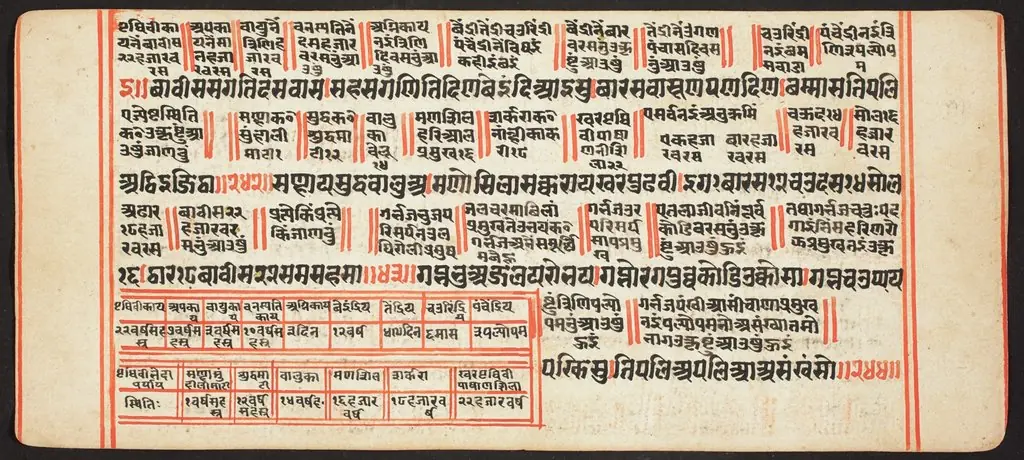 Tantric Manuscript, "Sangrahani Sutra"
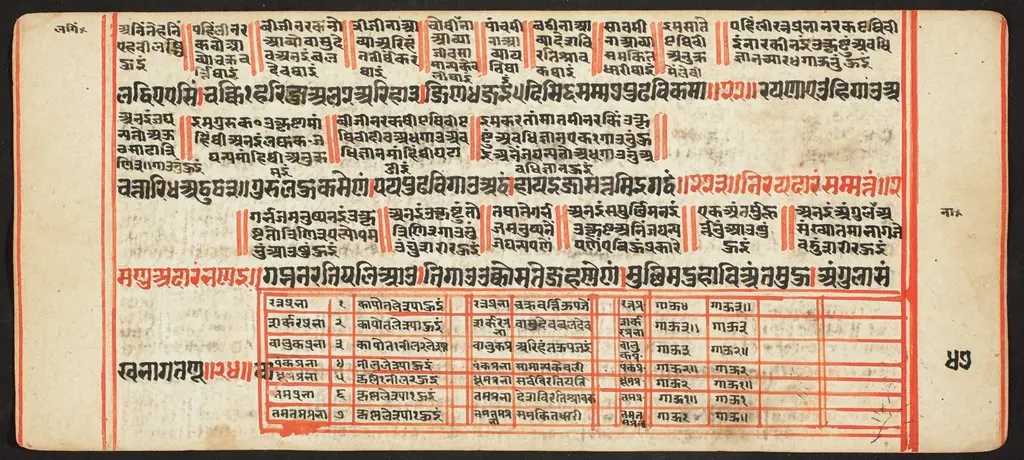 Tantric Manuscript, "Sangrahani Sutra"
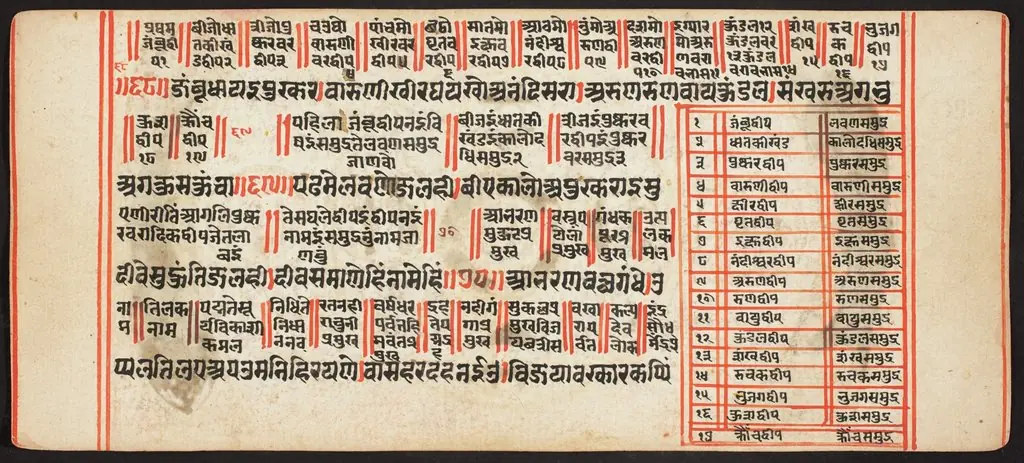 Tantric Manuscript, "Sangrahani Sutra"
 Tantric Manuscript, "Sangrahani Sutra"
 Tantric Manuscript, "Sangrahani Sutra"
 Tantric Manuscript, "Sangrahani Sutra"
 Tantric Manuscript, "Sangrahani Sutra"
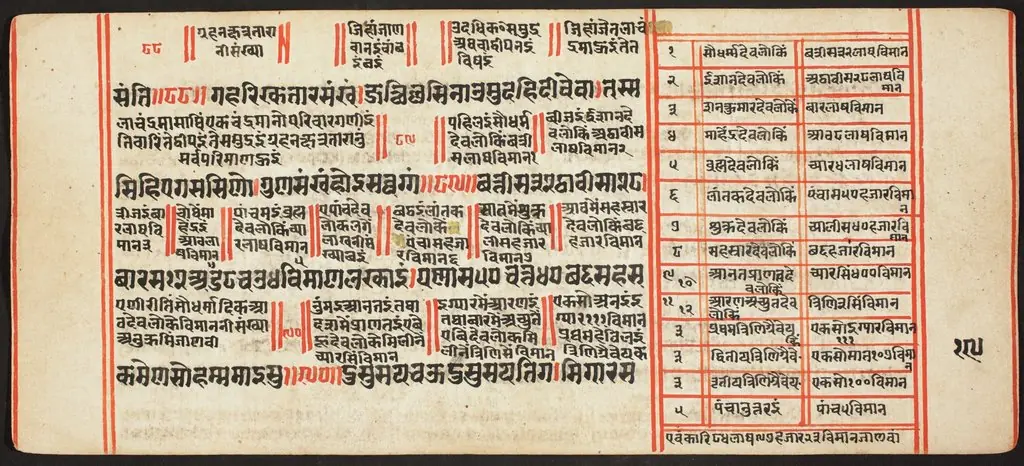 Tantric Manuscript, "Sangrahani Sutra"
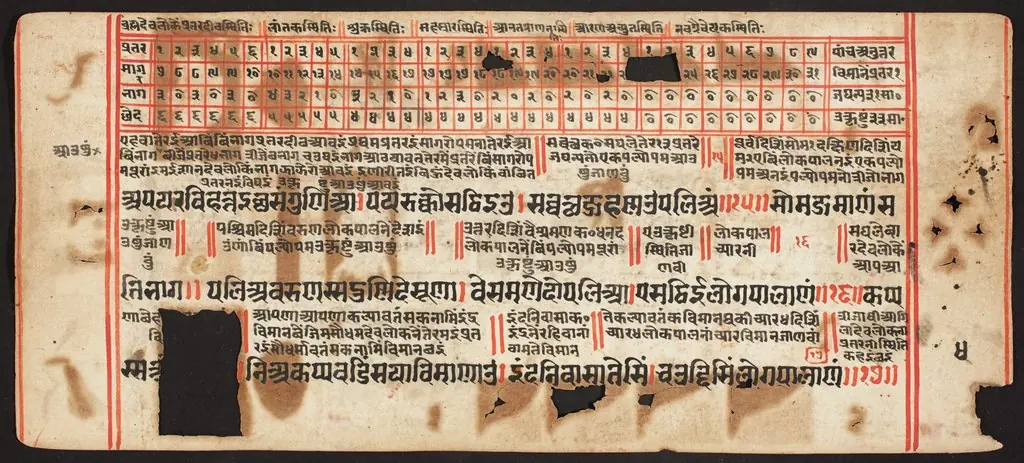 Tantric Manuscript, "Sangrahani Sutra"
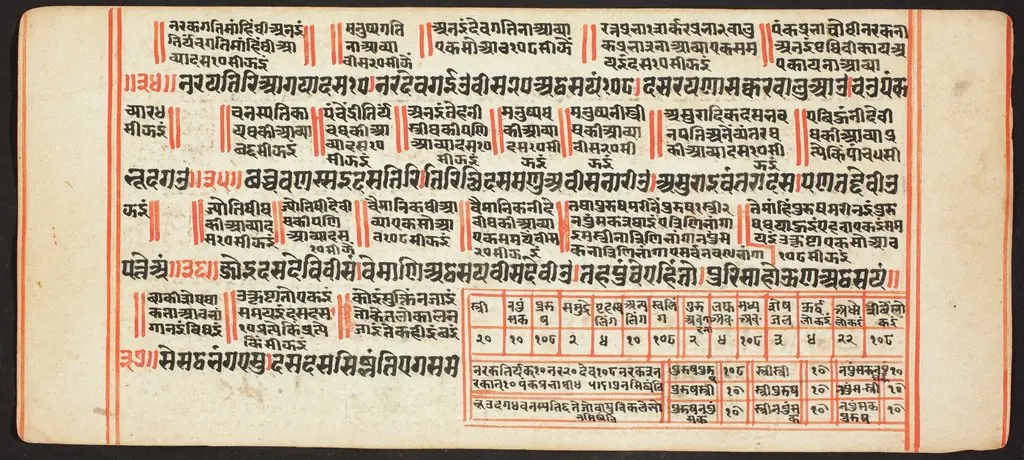 Tantric Manuscript, "Sangrahani Sutra"
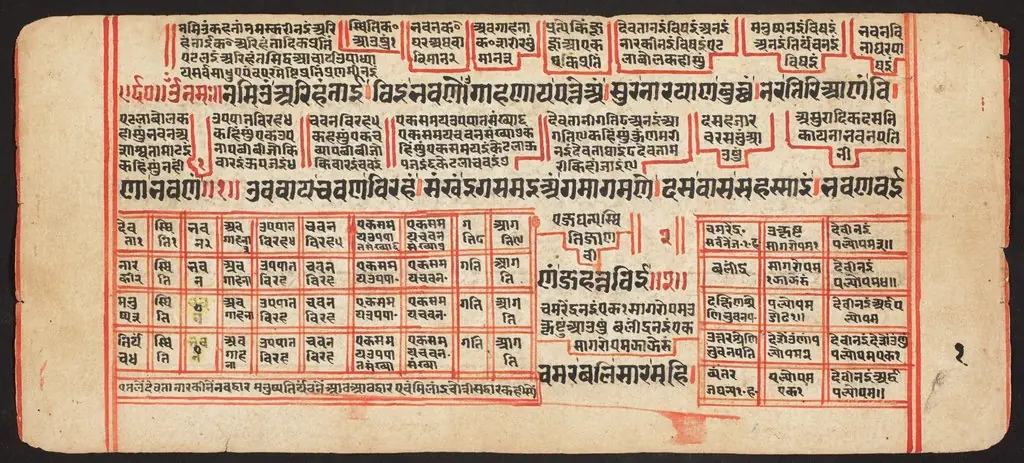 Tantric Manuscript, "Sangrahani Sutra"
 Tantric Manuscript, "Sangrahani Sutra"