Artwork
The Virgin with the Child and Young St. John
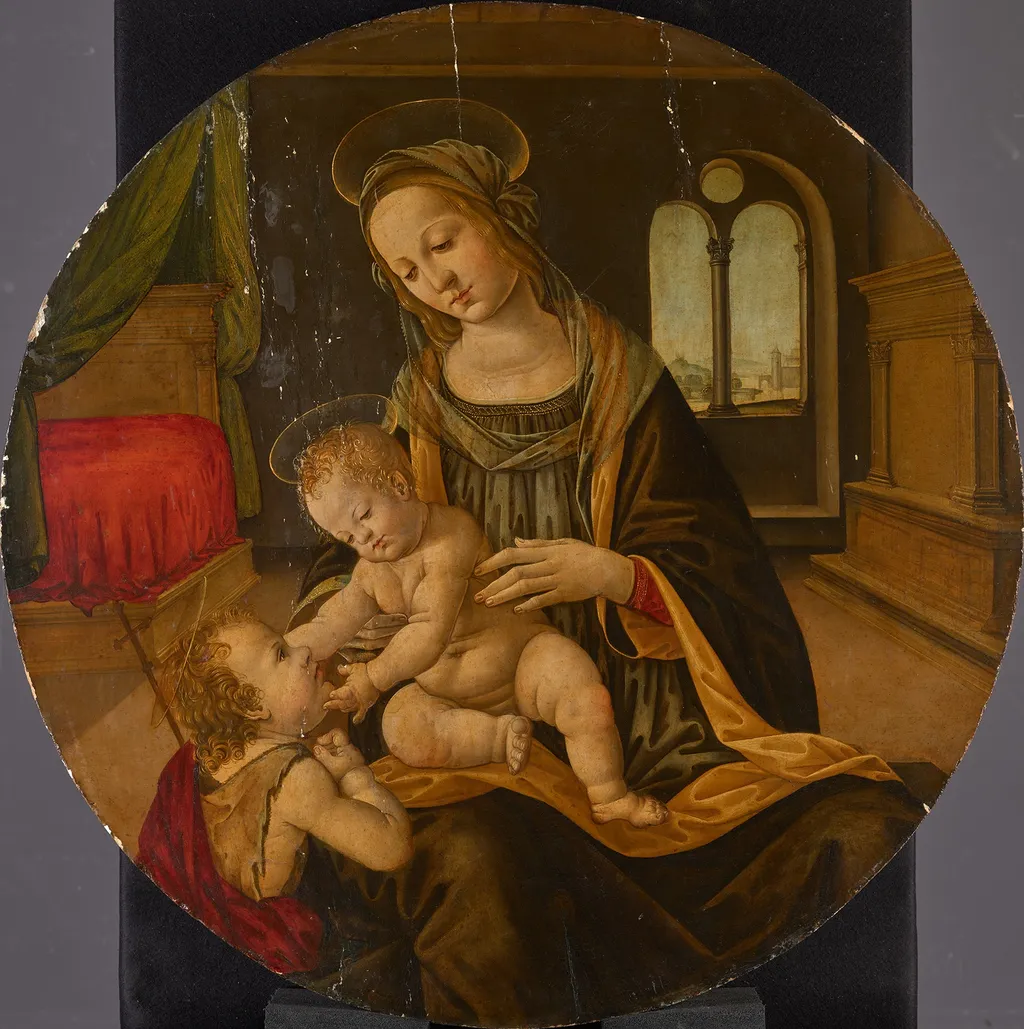
The Virgin with the Child and Young St. John is a paint painting by the High Renaissance artist Unknown. It dates from 1496 and is held in the collection of the Gemäldegalerie Berlin. This oil painting portrays the Virgin Mary, the infant Christ, and a young Saint John the Baptist in an intimate domestic setting.
About this work
Overview
This oil painting portrays the Virgin Mary, the infant Christ, and a young Saint John the Baptist in an intimate domestic setting. The figures are arranged closely, their gestures suggesting quiet connection. Warm tones of deep brown, gold, and crimson dominate the palette, while the play of light and shadow enhances the spatial depth and emotional gravity of the moment.
Subject & Meaning
The scene captures a tender, humanized moment between sacred figures. Mary, seated with calm authority, watches as the child Jesus, bare and vulnerable, reaches toward John, who offers a gesture of recognition or devotion. The inclusion of John, traditionally associated with Christ’s future ministry, subtly foreshadows his role as precursor, grounding the divine narrative in familial tenderness.
Technique & Style
The artist employs chiaroscuro to model forms with dramatic contrast, giving volume to the figures and interior space.
The artist employs chiaroscuro to model forms with dramatic contrast, giving volume to the figures and interior space. Soft transitions between light and shadow define the bodies, while the rich textures of fabric—Mary’s dark robe with its golden lining, John’s crimson garment—anchor the composition in tactile realism. The background window introduces ambient light, balancing the warmth of the room.
History & Provenance
The painting’s origins trace to the late medieval or early Renaissance period, likely created in Italy or southern Europe. Its intimate scale and domestic setting align with devotional works intended for private contemplation. Early records suggest it was held in a religious household or small chapel before entering a private collection, though its full provenance remains partially undocumented.
Context
During this period, devotional imagery increasingly emphasized emotional accessibility over hierarchical grandeur. Scenes of the Holy Family in domestic interiors reflected a broader shift toward personal piety. The inclusion of John the Baptist as a child, often absent in earlier iconography, signals evolving theological narratives that highlighted kinship and prefiguration within sacred history.
Legacy
The painting exemplifies a quiet transition in religious art from symbolic rigidity toward psychological nuance. Its focus on gesture, texture, and intimate lighting influenced later Renaissance depictions of sacred families. Though not widely reproduced, its compositional harmony and emotional restraint remain representative of a regional style that prioritized quiet reverence over spectacle.
Artist & collection

 Domestic Scene
 Giacomo and Cardinal Marco, investing Andrea, Abbot of San Zeno, with his Benefice
 The Nymph of Fontainebleau
 Portrait of a Woman
 Madonna and Child with Saints in the Enclosed Garden
 Venus and Minerva
 Family Group of Four on Sofa
 Wall painting from Room H of the Villa of P. Fannius Synistor at Boscoreale
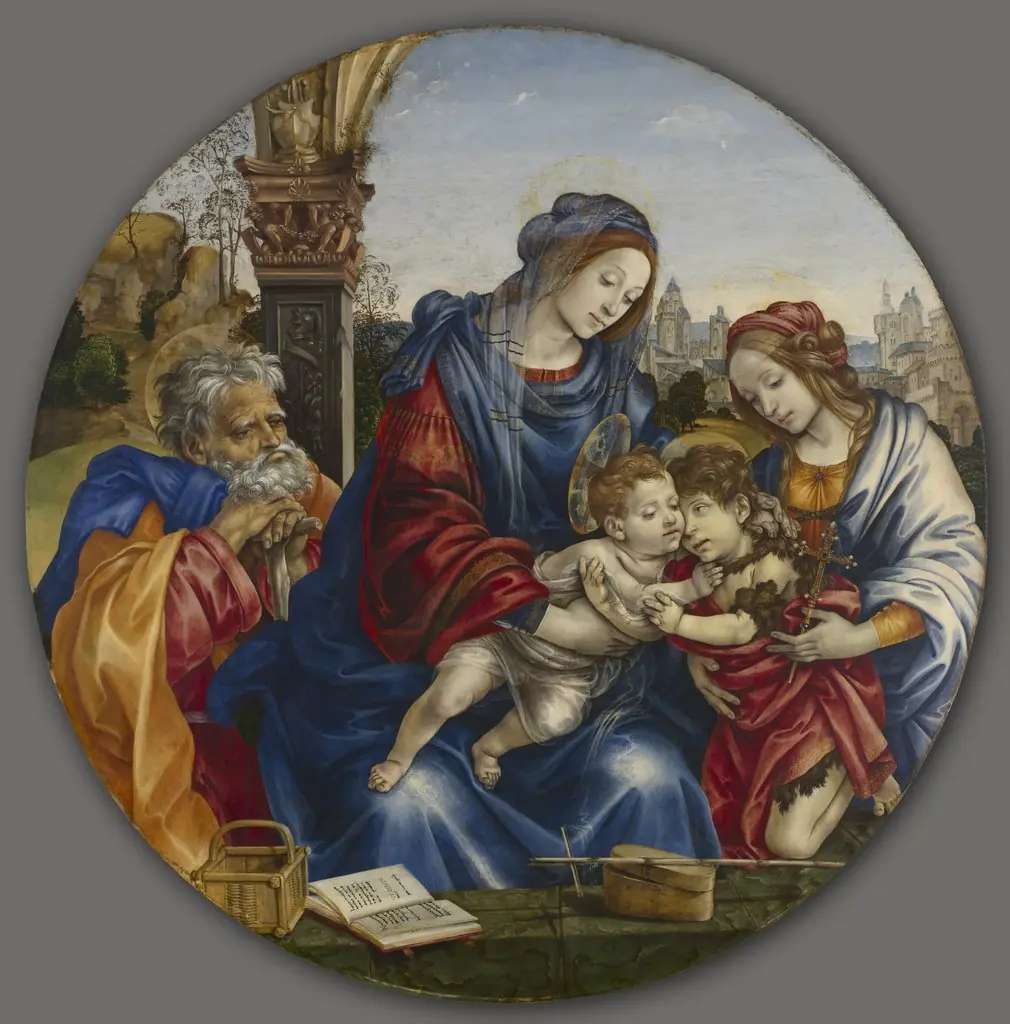 The Holy Family with Saint John the Baptist and Saint Margaret
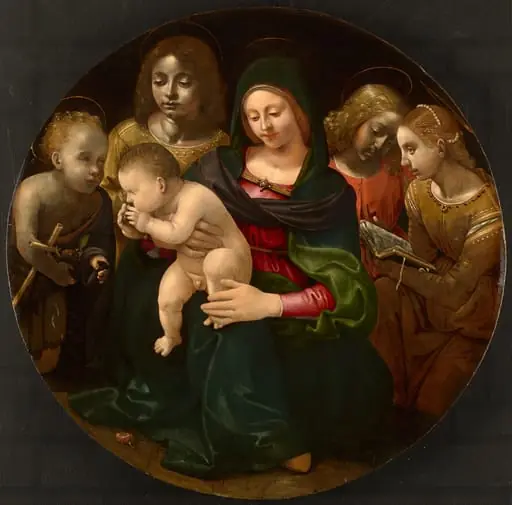 Virgin and Child with the Young Saint John the Baptist, Saint Cecilia, and Angels
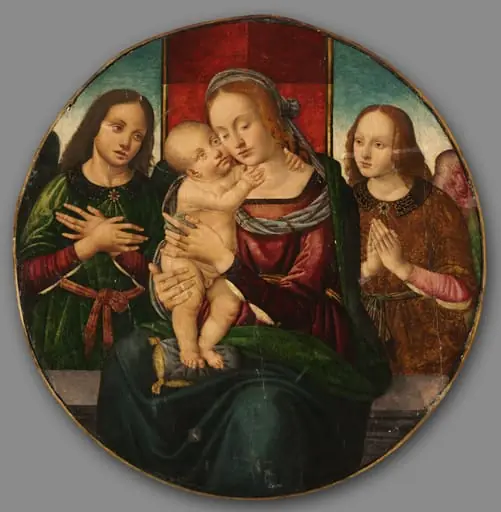 Virgin and Child with Angels
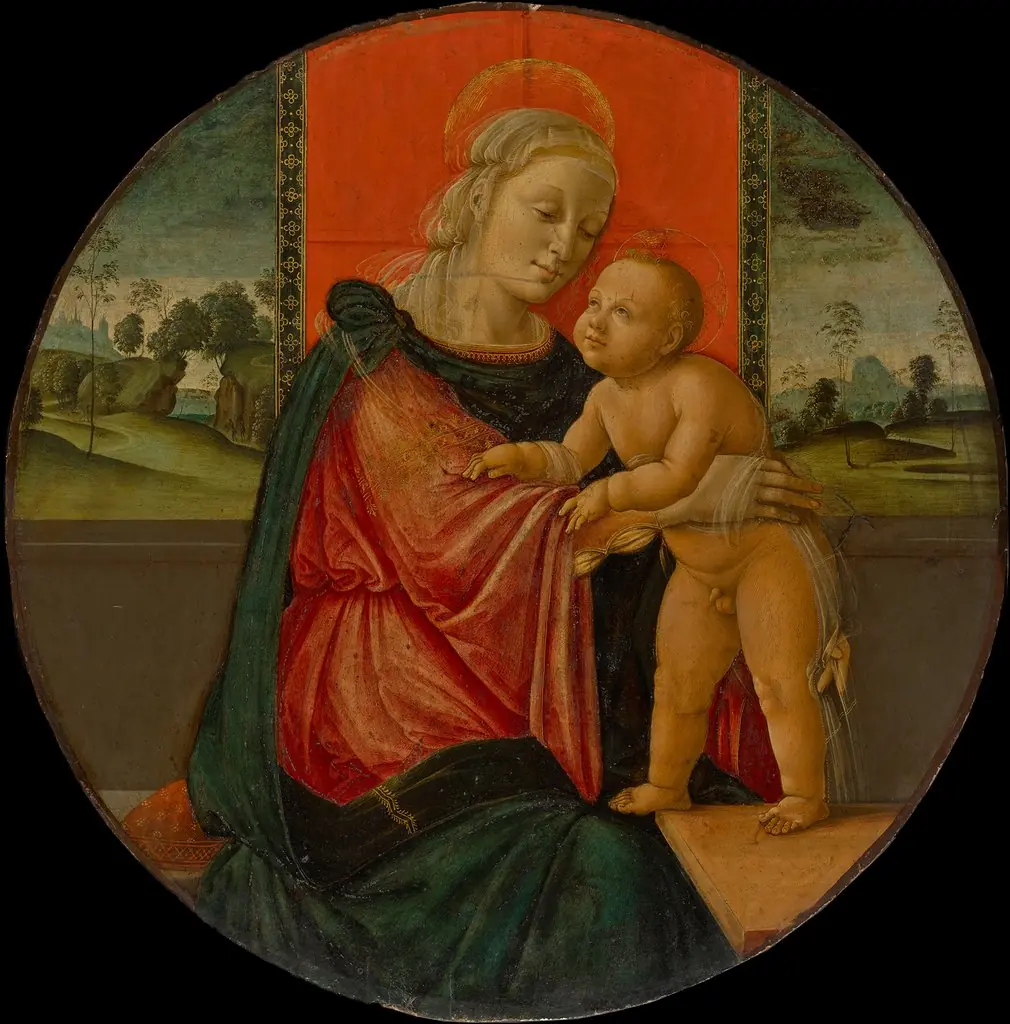 The Virgin and Child
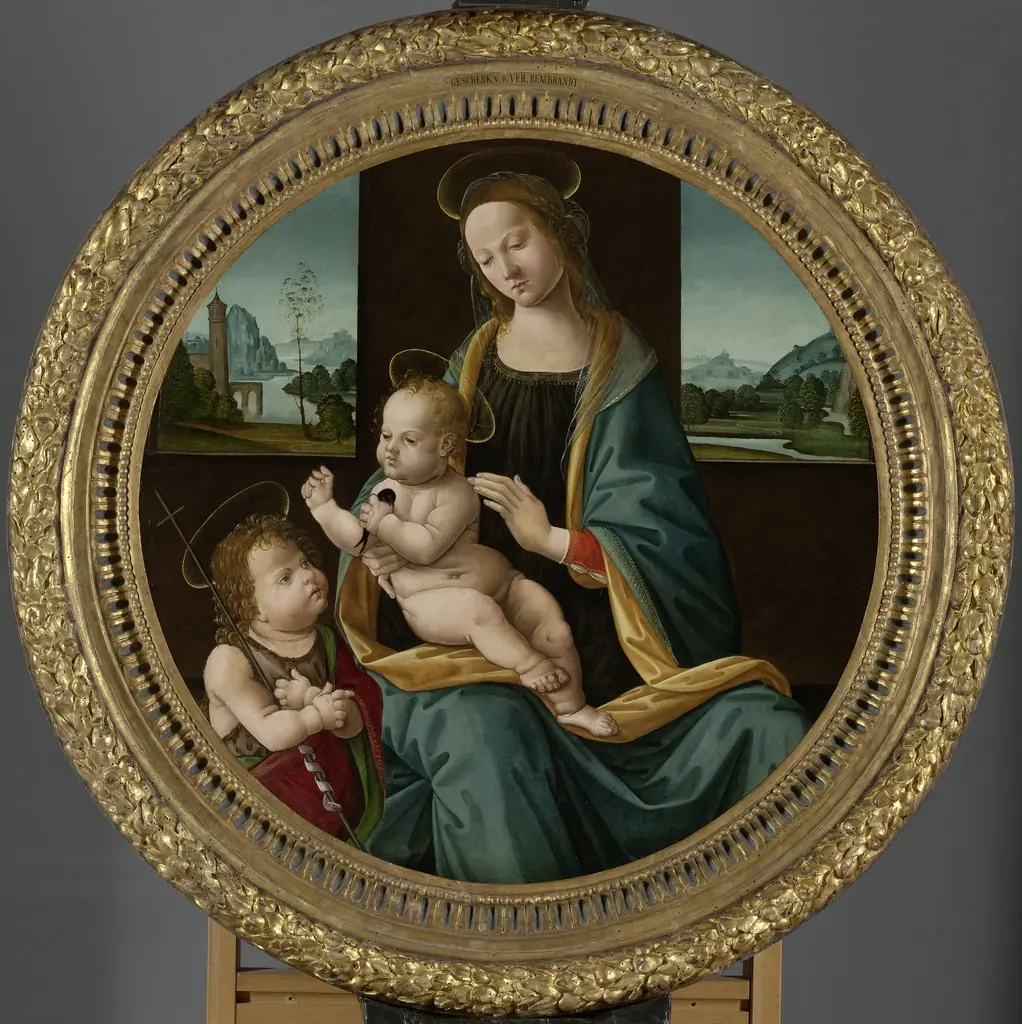 Virgin and Child with the Infant Saint John the Baptist
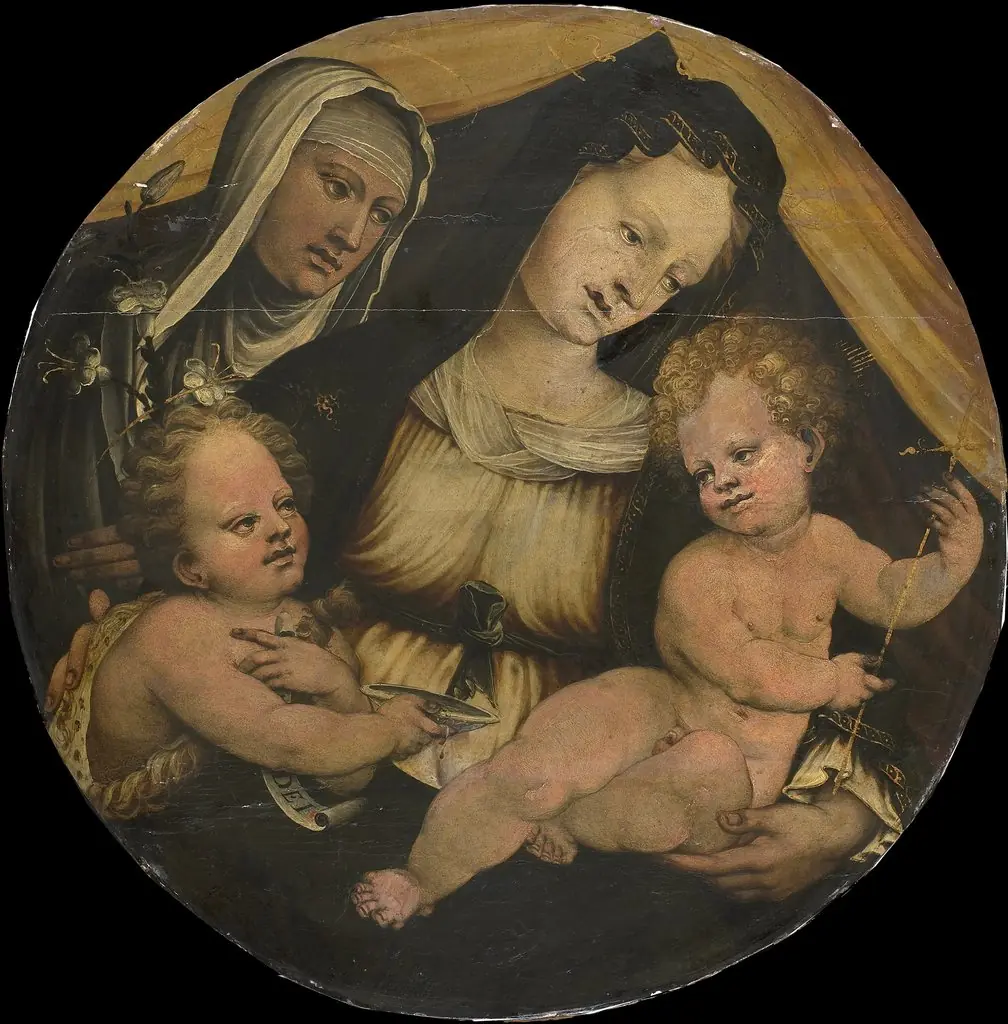 Madonna and Child with the Infant John the Baptist and St Clara
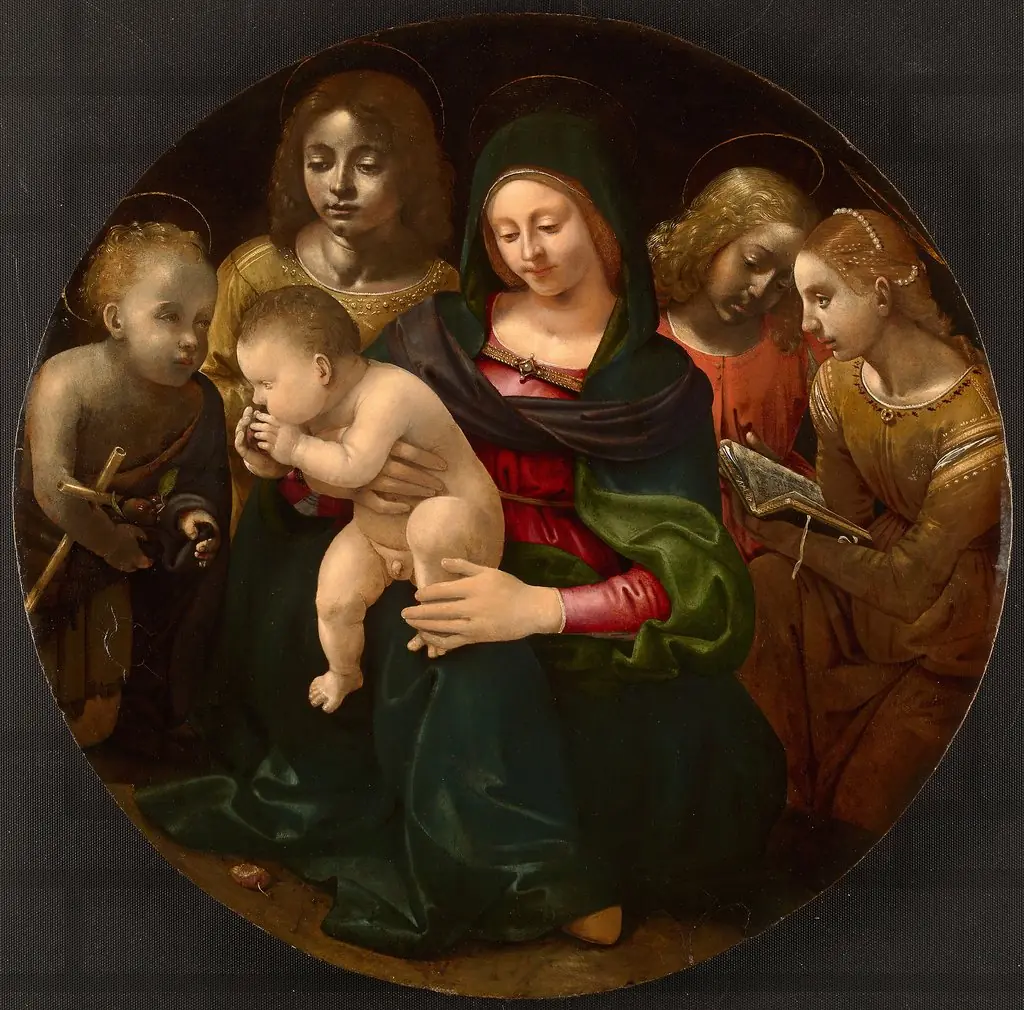 Virgin and Child with the Young Saint John the Baptist, Saint Cecilia, and Angels
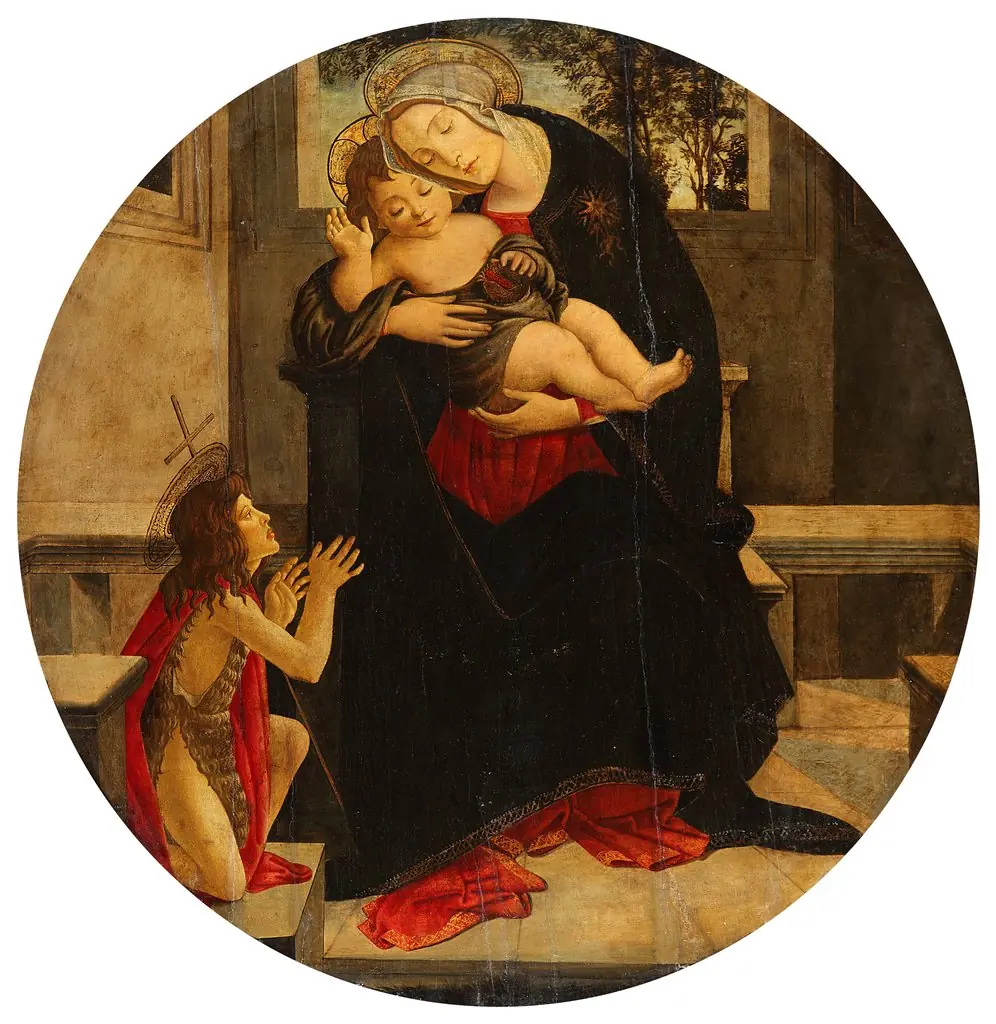 The Virgin and Child with the Young St. John (Tondo)
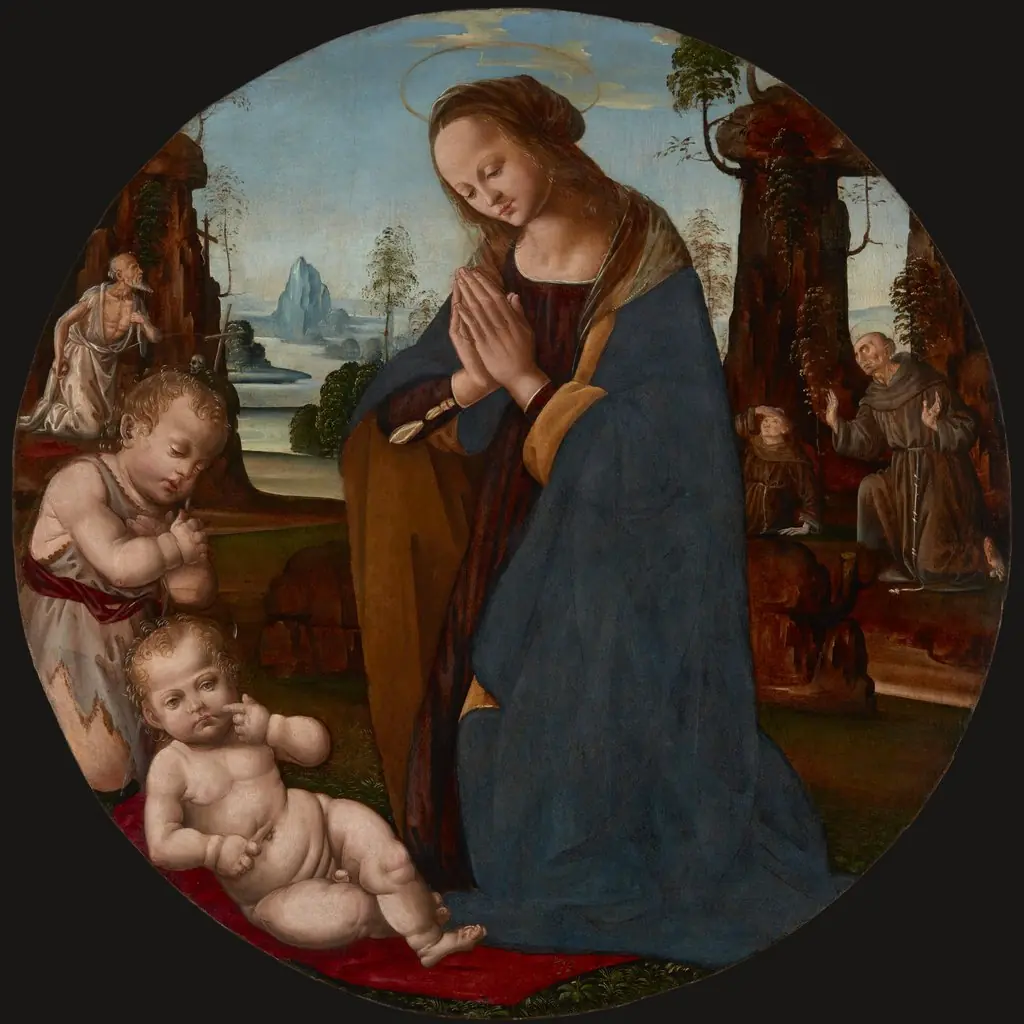 Adoration of the Child with Young St John the Baptist – Tondo