Artwork
The Song Interrupted
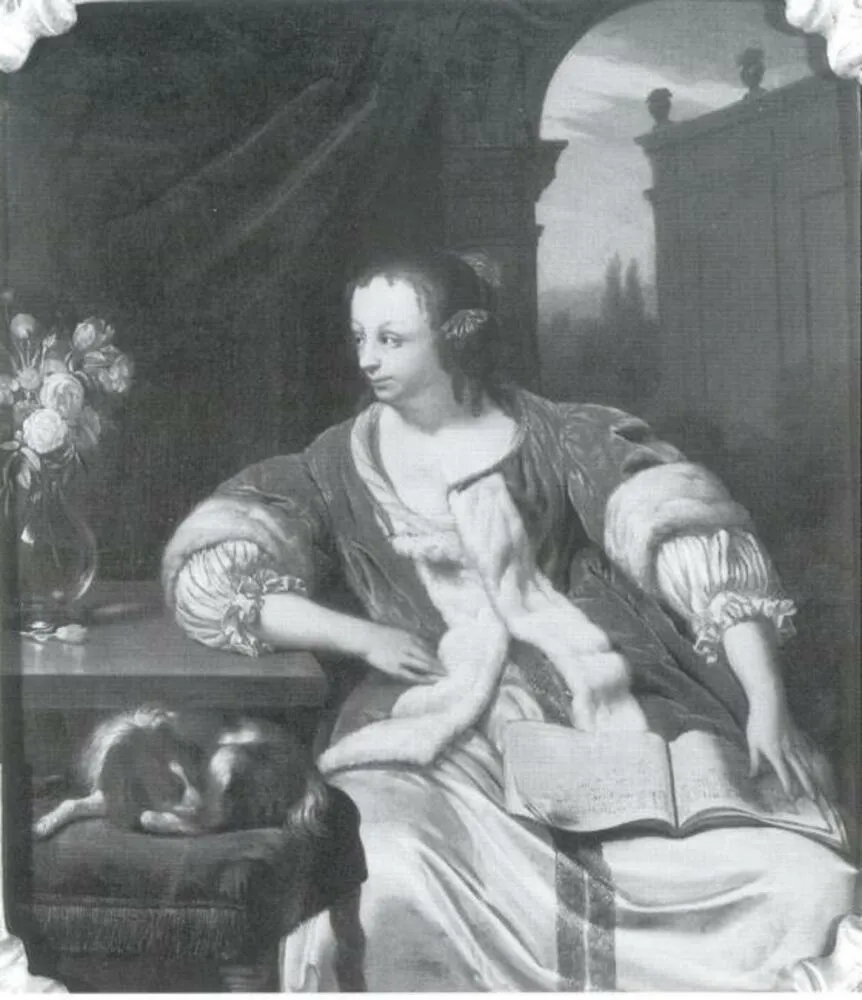
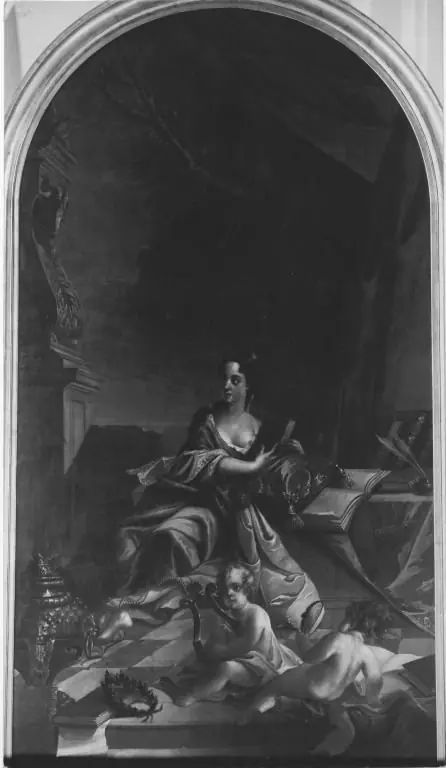
The Song Interrupted is an oil painting by Unknown. It dates from 1674 and is held in the collection of the Nationalmuseum. This oil painting depicts a woman seated at a table, paused mid-activity.
About this work
Overview
The medium and手法 reflect a tradition of intimate genre scenes from the late Renaissance or early Baroque period.
This oil painting depicts a woman seated at a table, paused mid-activity. She holds an open book on her lap, her gaze directed away from it, suggesting an interruption. A vase of flowers and a dog rest nearby, adding quiet domestic detail. The work emphasizes stillness and subtle narrative, rendered with careful attention to texture and light. The medium and手法 reflect a tradition of intimate genre scenes from the late Renaissance or early Baroque period.
Subject & Meaning
The woman, caught in a moment of suspension, implies an unseen disturbance—perhaps a knock at the door or a voice calling. The open book suggests intellectual or personal engagement, now halted. The dog, resting at her feet, reinforces a sense of domestic calm. Together, the elements convey an ordinary yet poignant pause in daily life, inviting contemplation of the unseen forces that disrupt quiet routines.
Technique & Style
The artist employs chiaroscuro to model form through sharp contrasts of light and shadow, particularly on the fabric of the dress and the vase. Impasto adds tactile depth to highlights, while glazing creates luminous transitions in the skin and floral tones. The detailed rendering of fabric folds and individual petals demonstrates a commitment to naturalism, rooted in observational precision rather than idealization.
History & Provenance
The painting’s origin remains undocumented in public records. No known artist, date, or early ownership is securely established. Its style aligns with Northern European or Italian genre works from the 16th to early 17th century, but without archival evidence, its path from creation to present remains speculative. It has likely passed through private collections before entering its current context.
Context
This work belongs to a broader tradition of domestic scenes that emerged in Europe during the Renaissance and Baroque eras, where quiet moments of private life were elevated as subjects worthy of artistic attention. Unlike grand historical or religious themes, such paintings valued subtlety and psychological nuance, reflecting growing interest in individual experience and the material world.
Legacy
Though not widely reproduced or studied, the painting contributes to the understanding of how everyday life was rendered with dignity in pre-modern art. Its focus on interruption, texture, and light echoes techniques later refined by Dutch genre painters and French realists. It stands as a quiet testament to the artistic value found in stillness and the unremarkable.
Artist & collection

 Domestic Scene
 Giacomo and Cardinal Marco, investing Andrea, Abbot of San Zeno, with his Benefice
 The Nymph of Fontainebleau
 Portrait of a Woman
 Madonna and Child with Saints in the Enclosed Garden
 Venus and Minerva
 Family Group of Four on Sofa
 Wall painting from Room H of the Villa of P. Fannius Synistor at Boscoreale
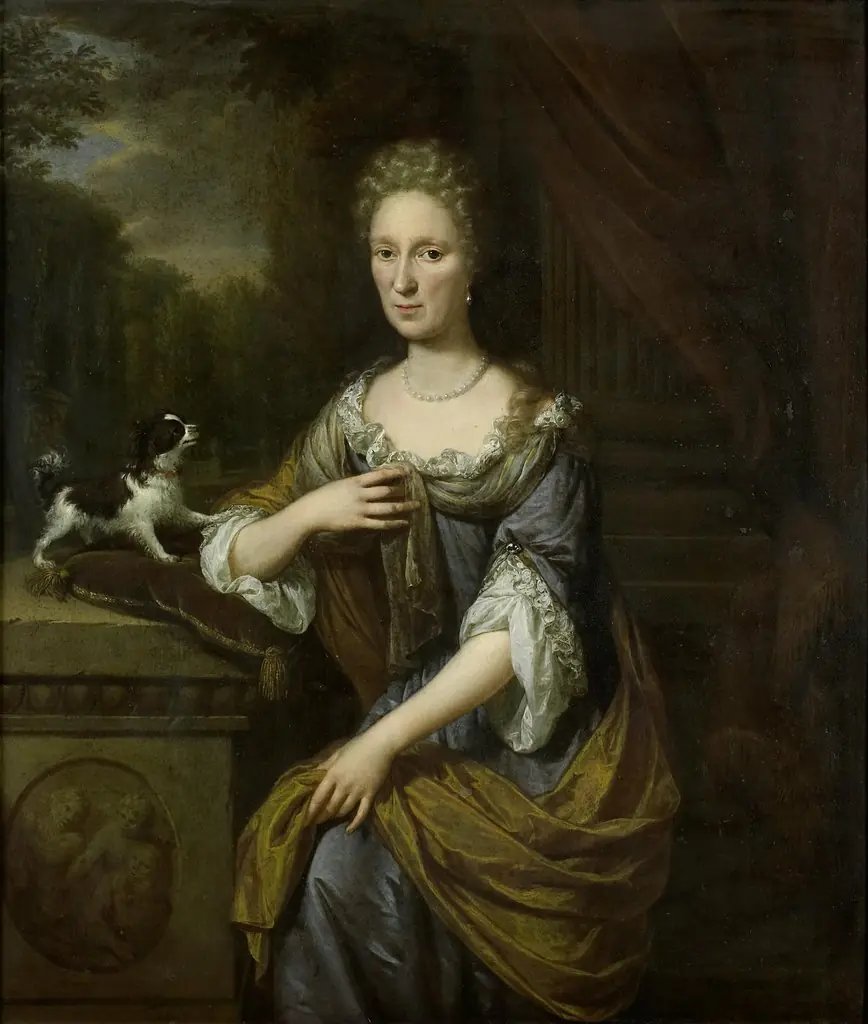 Portrait of a Woman
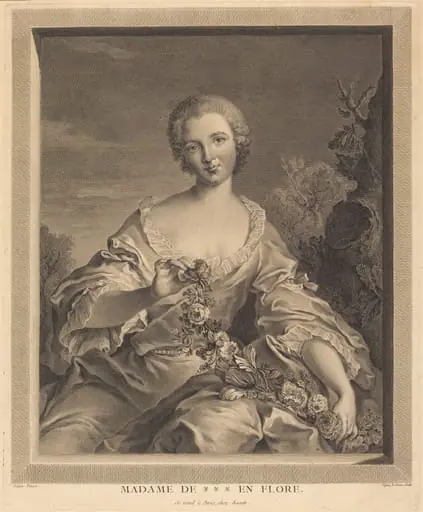 Mme. XXX en Flore
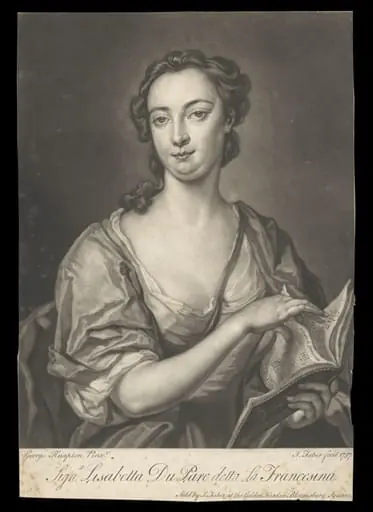 H Beard Print Collection
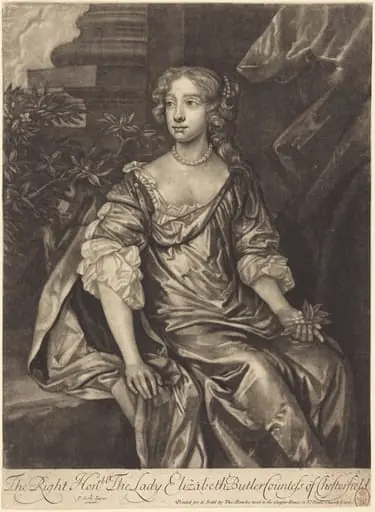 The Right Honorable Lady Elizabeth Butler, Countess of Chesterfield
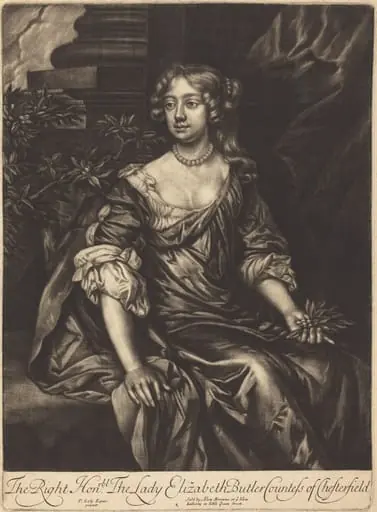 The Right Honorable Lady Elizabeth Butler, Countess of Chesterfield
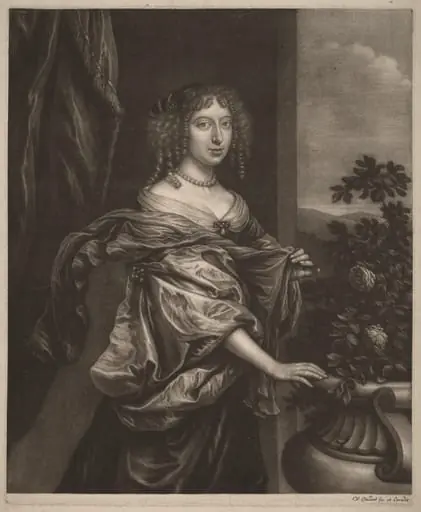 Portrait of a Lady beside a Rose Bush
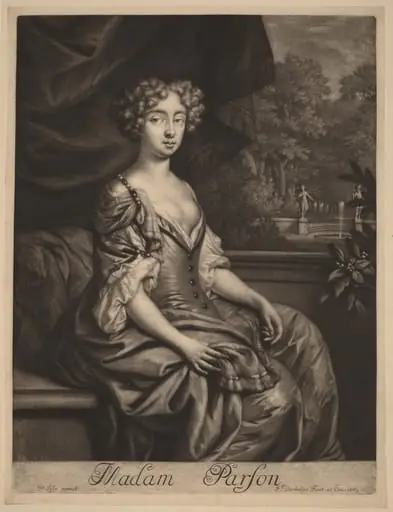 Madam Parson
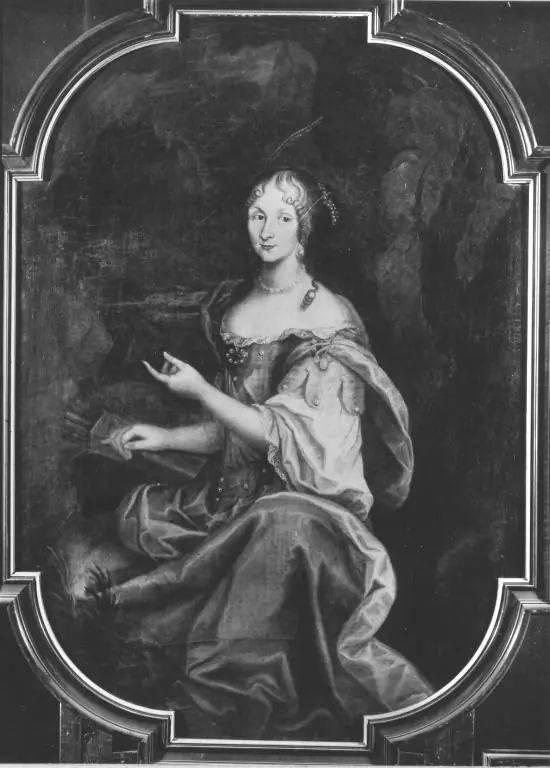 Bildnis einer Hofdame
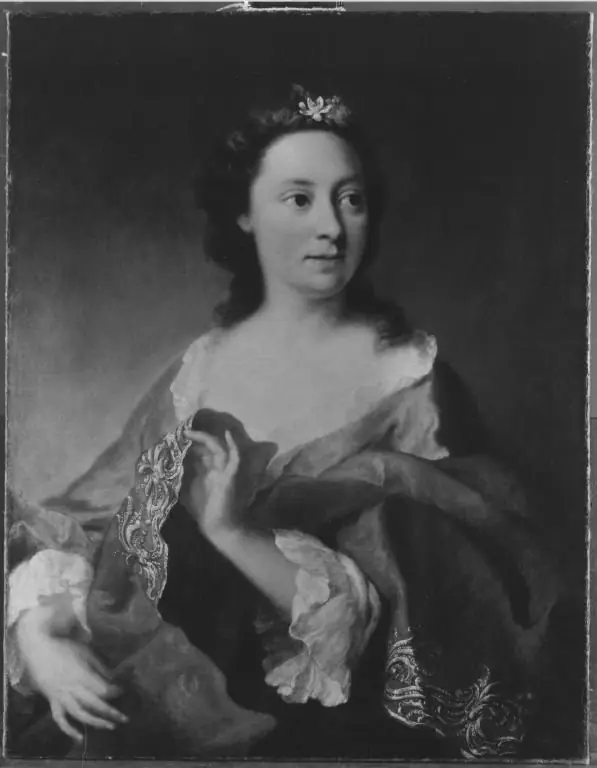 Bildnis der Gemahlin des Hofmedailleurs Franz Aandreas Schega
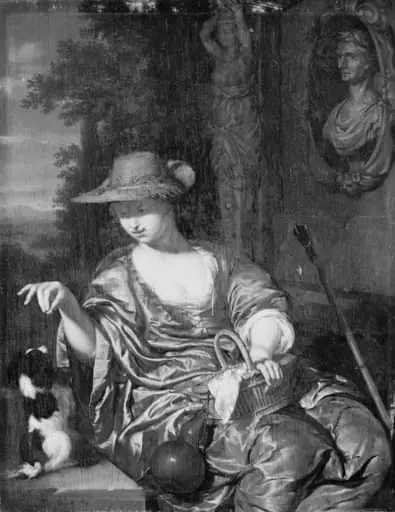 A Shepherdess with a Dog
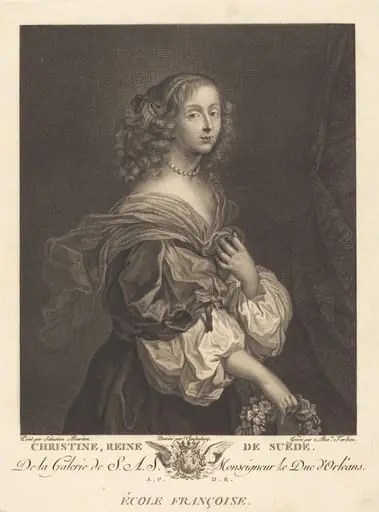 Queen Christina of Sweden
 Poesie und Musik