Artwork
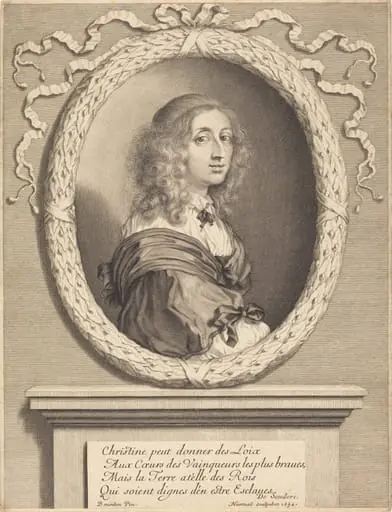
Queen Christina of Sweden
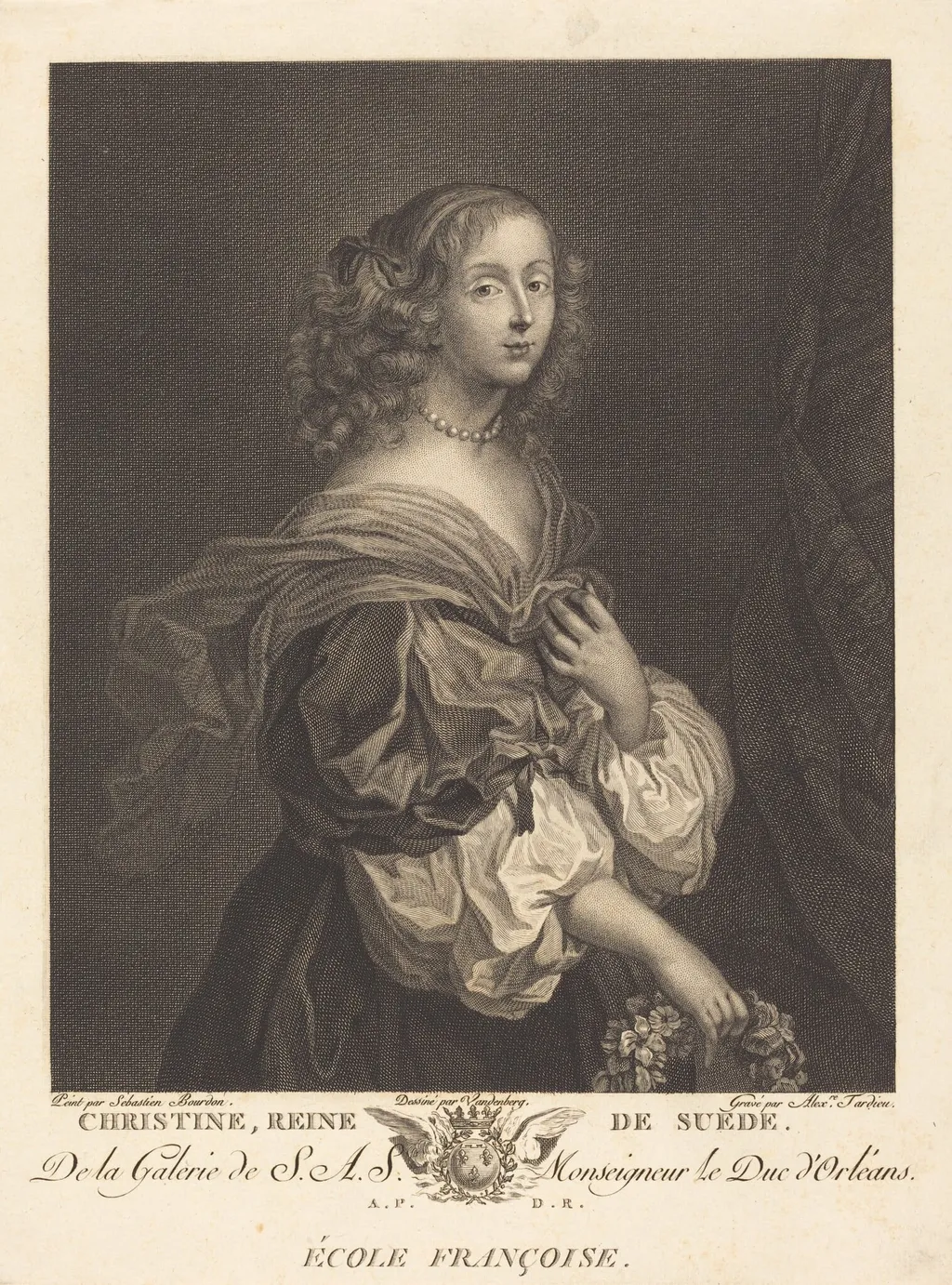
Queen Christina of Sweden is an ink print by the Romanticist artist Alexandre Tardieu. It dates from 1800 and is held in the collection of the National Gallery of Art.
About this work
Overview
Queen Christina of Sweden is an engraving by Alexandre Tardieu, dated to 1800. The print portrays a serene female figure set against a dark background, emphasizing her prominent presence.
Subject & Meaning
The subject is depicted in a contemplative state, with gaze directed into the distance. Adornments such as a pearl necklace and a bouquet of flowers convey elegance, while loose curls and lightweight attire suggest a relaxed, intimate demeanor.
Technique & Style
The use of a dark background to highlight the subject, along with the emphasis on emotional expression and the subtle, naturalistic details (like the bouquet), align the engraving with the principles of Romanticism, which prioritized emotion and imaginative representation.
History & Provenance
Created in 1800 by Alexandre Tardieu, specific details regarding the engraving's commission, original display, or ownership history are not provided in the available information.
Context
Emerging in the late 18th century, Romanticism influenced various art forms. This engraving reflects the movement's focus on individual emotion and the beauty of natural, everyday moments, distinguishing it from the more formal, rational art of preceding periods.
Legacy
As a representative of Romantic-era engraving, Queen Christina of Sweden contributes to the understanding of how Romantic ideals were expressed through printmaking, though its broader impact or influence on subsequent artists is not detailed in the provided context.
Artist & collection


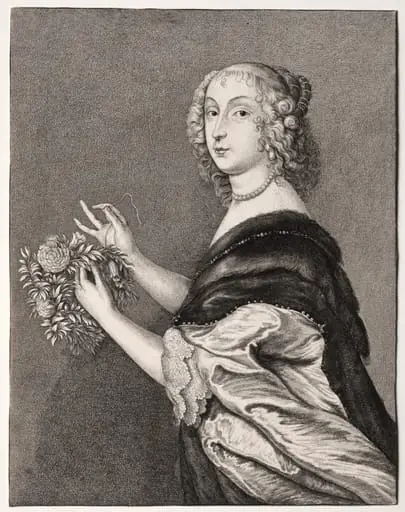 Cecilia, Lady Killigrew
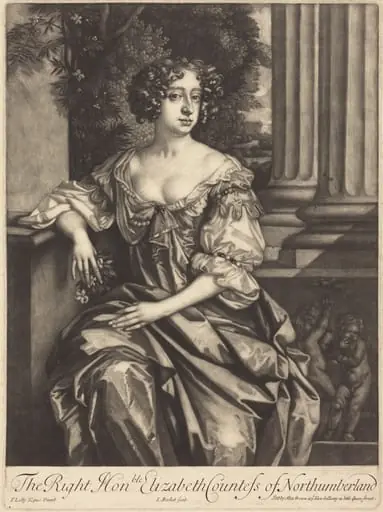 The Right Honorable Elizabeth Countess of Northumberland
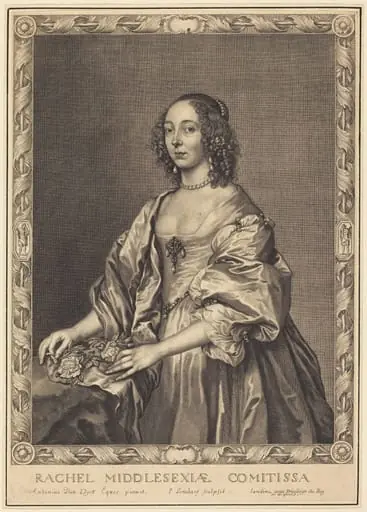 Rachel, Countess of Middlesex
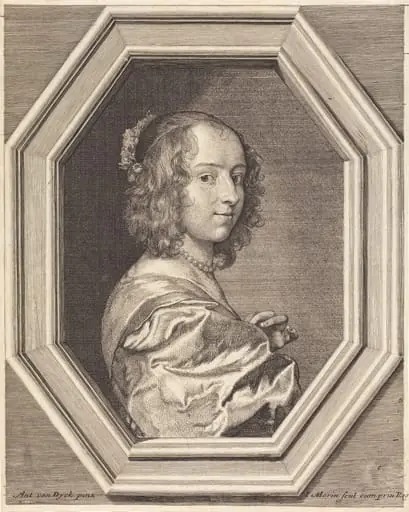 Marguerite Lemon
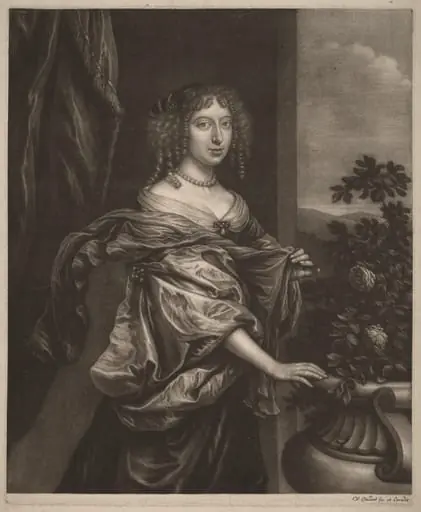 Portrait of a Lady beside a Rose Bush
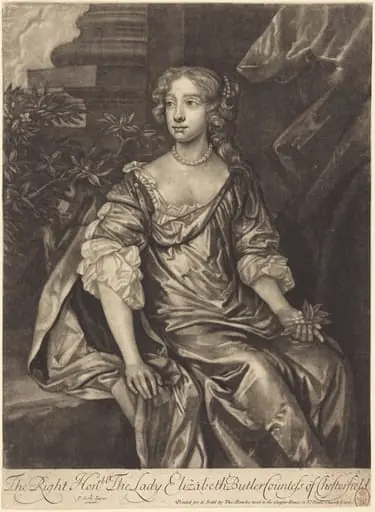 The Right Honorable Lady Elizabeth Butler, Countess of Chesterfield
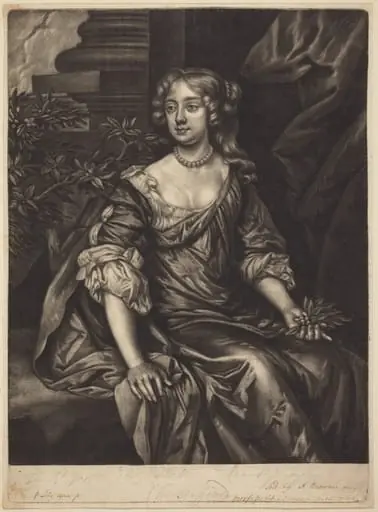 The Right Honorable Lady Elizabeth Butler, Countess of Chesterfield
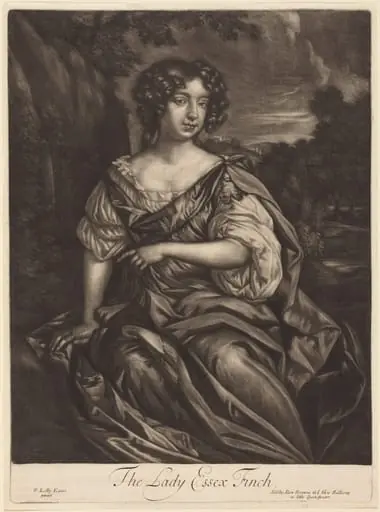 The Lady Essex Finch
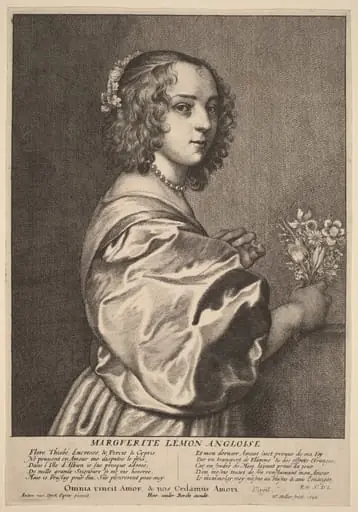 Margaret Lemon
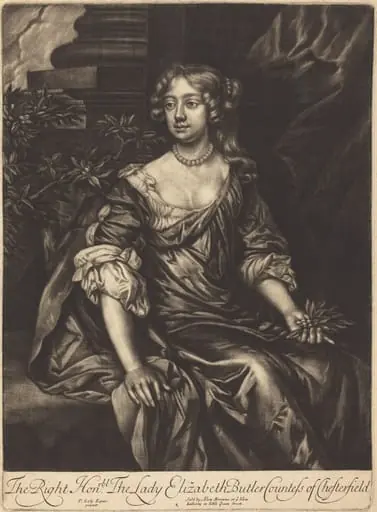 The Right Honorable Lady Elizabeth Butler, Countess of Chesterfield
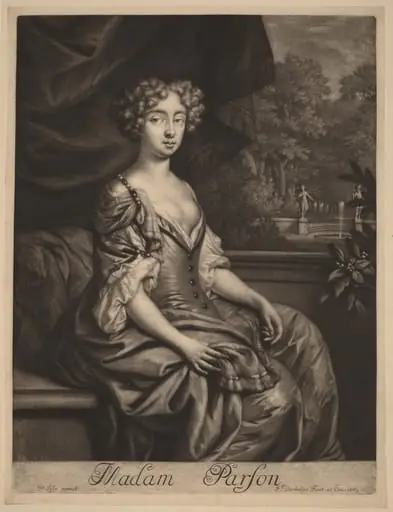 Madam Parson
 Christina, Queen of Sweden