Artwork
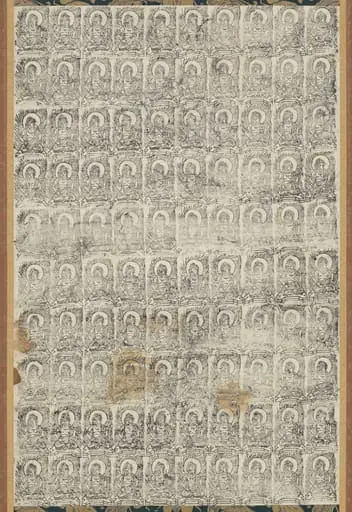
Stamped Images of the Wisdom King Fudō (Acala)
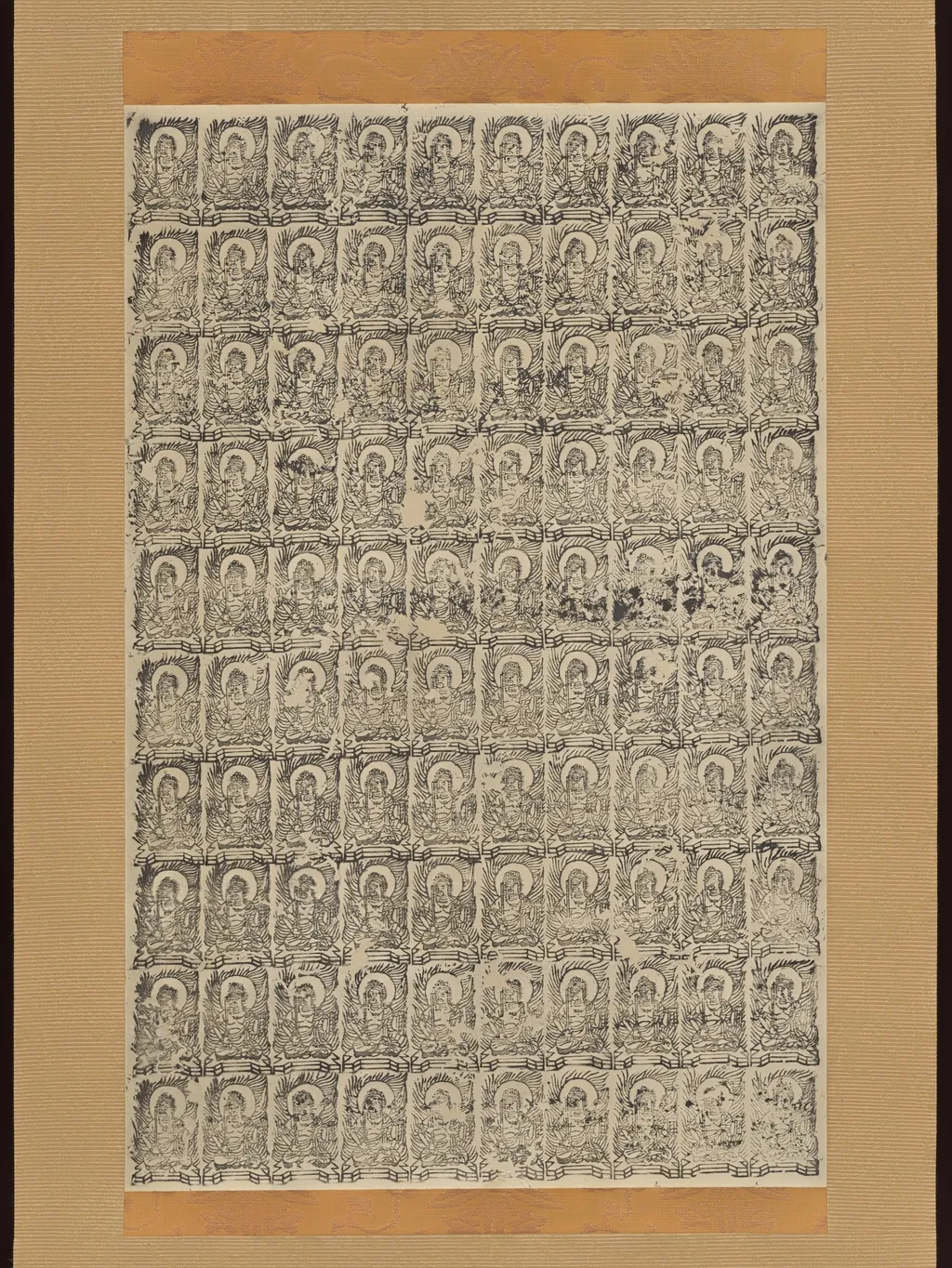
Stamped Images of the Wisdom King Fudō (Acala) is an unspecified painting by the Byzantine icon painting artist Unknown. It dates from 1400 and is held in the collection of the Metropolitan Museum of Art.
About this work
This painting is titled Stamped Images of the Wisdom King Fudō (Acala).
It was created in 1399, which is an interesting fact because it shows the artist was working during a significant time in history. The fact that the medium is unknown adds to the mystery of the piece.
You can learn more about this type of art by visiting the museum: The Metropolitan Museum of Art.
Overview
Stamped Images of the Wisdom King Fudō (Acala) is a painted work dated to the year 1399. The piece belongs to the corpus of Japanese religious imagery that depicts the fierce protector deity Fudō Myōō, known in Sanskrit as Acala. Its creation at the close of the 14th century places it within the early Muromachi period, a time of significant political and cultural transition in Japan.
Subject & Meaning
The composition centers on the figure of Fudō, a Wisdom King traditionally portrayed with a sword and rope, symbolizing the cutting of ignorance and the binding of evil. Such images served devotional purposes, intended to invoke the deity’s protective power for practitioners of esoteric Buddhism.
Technique & Style
Although the specific medium has not been recorded, the work is classified as a painting, suggesting the use of pigment applied to a support such as silk or paper, common in Japanese religious art of the era. The visual style reflects the bold, linear qualities typical of late‑13th‑century Nara and early Muromachi iconography.
History & Provenance
The painting entered the collection of the Metropolitan Museum of Art, where it is currently held. Its provenance prior to acquisition by the museum is not detailed in the available records, and the lack of a documented medium adds an element of scholarly uncertainty.
Context
Created during a period when the Ashikaga shogunate was consolidating power, the work reflects the heightened patronage of Buddhist institutions and the spread of esoteric practices. Images of Fudō were especially popular among warrior classes seeking divine protection.
Artist & collection

 Domestic Scene
 Giacomo and Cardinal Marco, investing Andrea, Abbot of San Zeno, with his Benefice
 The Nymph of Fontainebleau
 Portrait of a Woman
 Madonna and Child with Saints in the Enclosed Garden
 Venus and Minerva
 Family Group of Four on Sofa
 Wall painting from Room H of the Villa of P. Fannius Synistor at Boscoreale
 十三仏図大津絵|Ōtsu-e of Thirteen Buddhist Deities
 Zhenwu with the Eight Trigrams, the Northern Dipper, and Talismans
 Endpaper with Saints
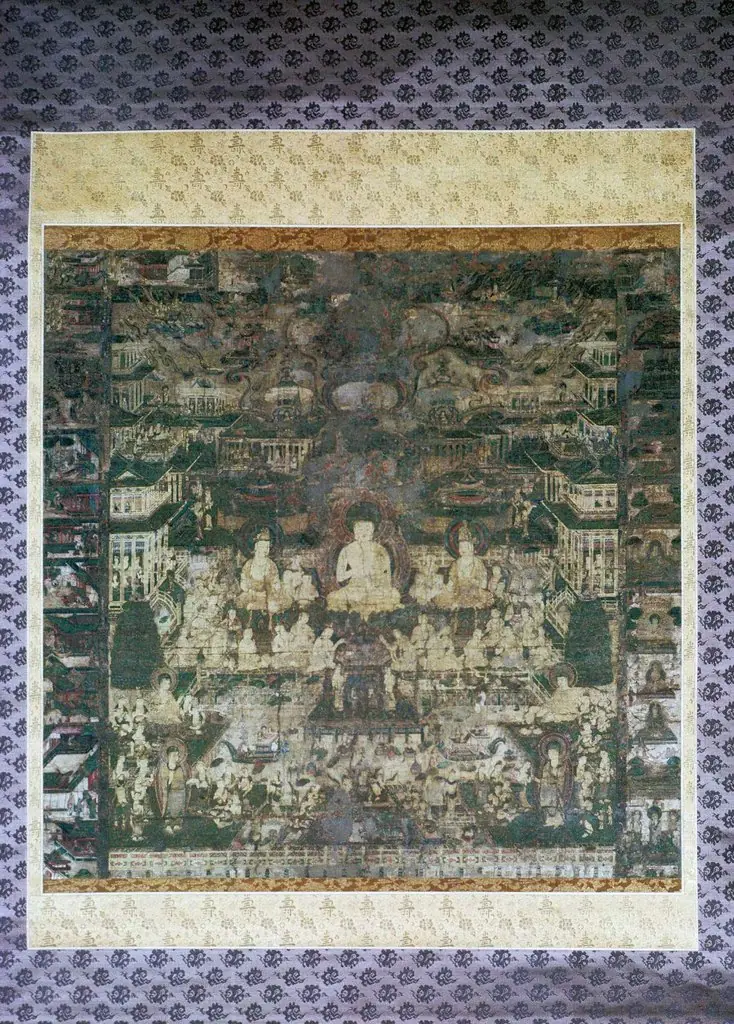 Jodo Mandara
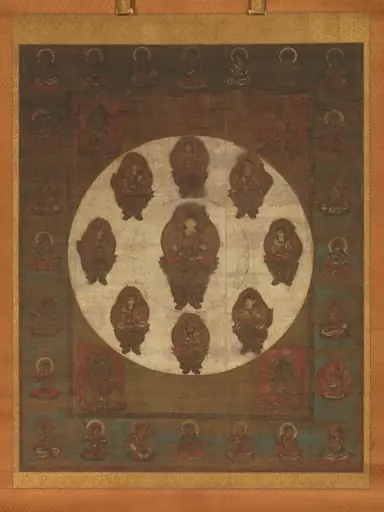 八字文殊曼荼羅図|Mandala of the Bodhisattva Monju (Manjushri) of the Eight Syllables
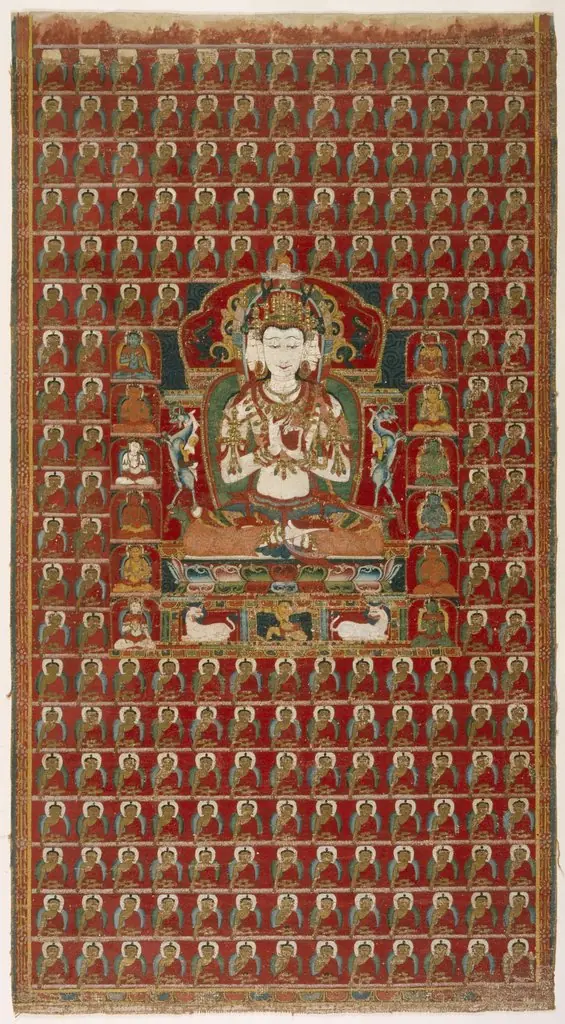 Sarvavid Vairochana, From a Set of the Five Jina Buddhas, based on Complete Purification of All Evil Rebirths (Sarva Durgati Parishodana Tantra)
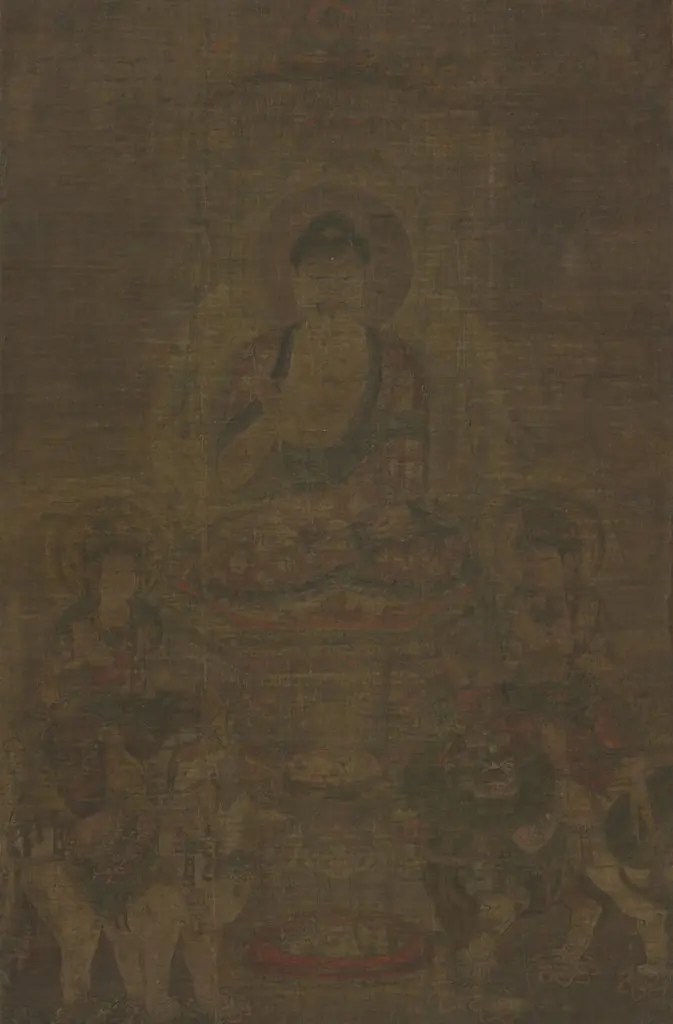 Shakyamuni Triad: Buddha Attended by Manjushri and Samantabhadra
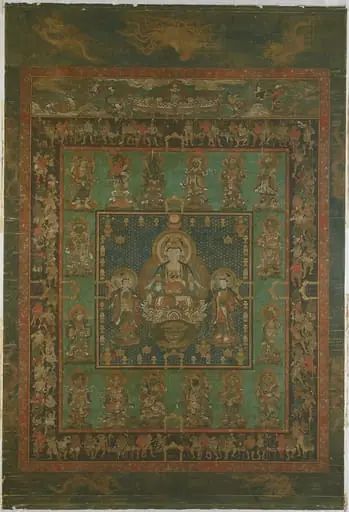 般若菩薩曼荼羅図|Mandala of the Bodhisattva Hannya (Prajnaparamita)
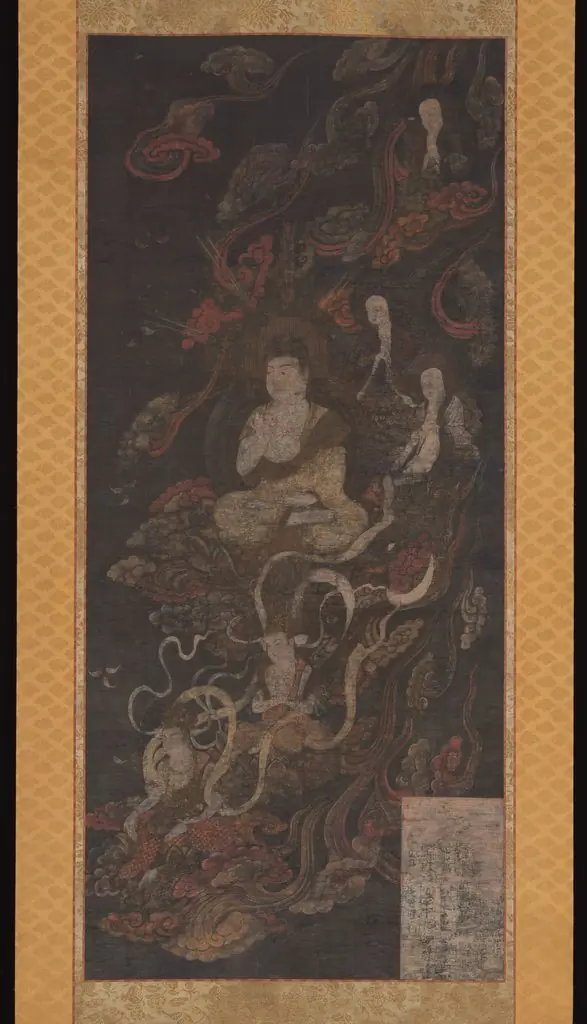 Welcoming Descent of Amida, the Buddha of Infinite Light, and His Holy Retinue
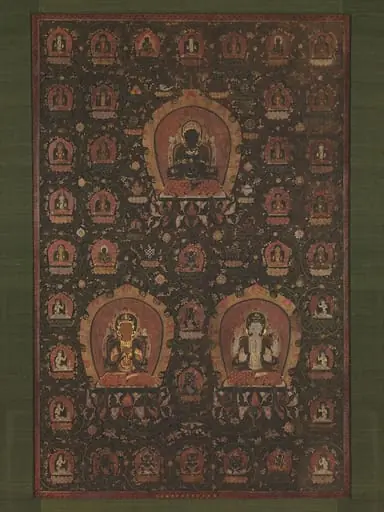 明 佚名 釋教三尊曼陀羅圖 軸|Mandala of Vajradhara, Manjushri and Sadakshari -Lokeshvara
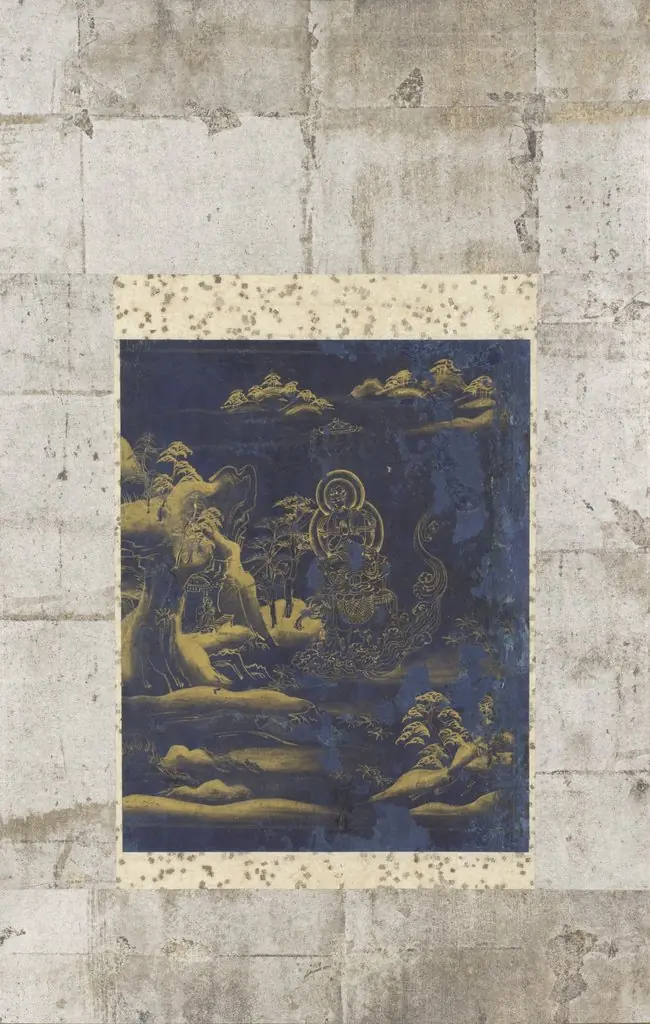 Frontispiece Painting of the Sutra of Meditation on Samantabhadra from the Threefold Lotus Sutra, Chusonji Version
 One Hundred Images of Fudo (Acala)