Artwork
Child with a Soap Bubble
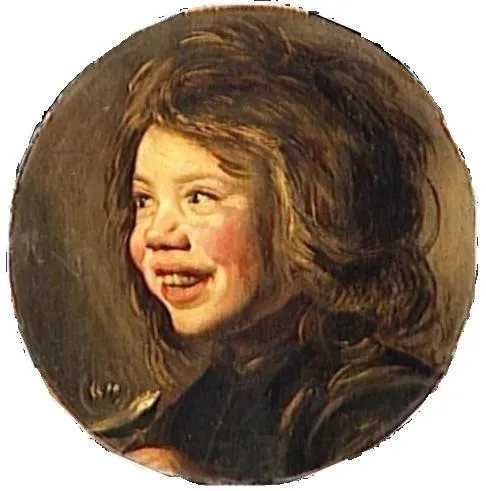
Child with a Soap Bubble is an oil painting by the Dutch Golden Age artist Unknown. It dates from 1625 and is held in the collection of the Department of Paintings of the Louvre.
About this work
Overview
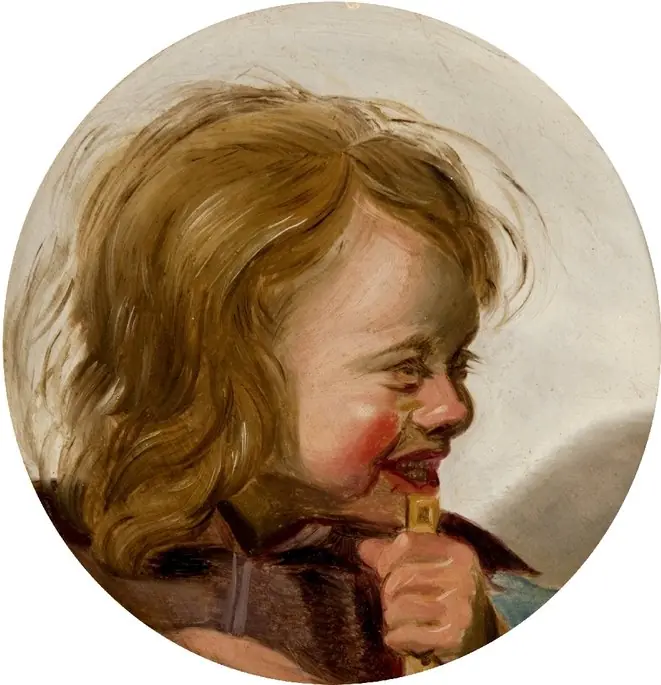
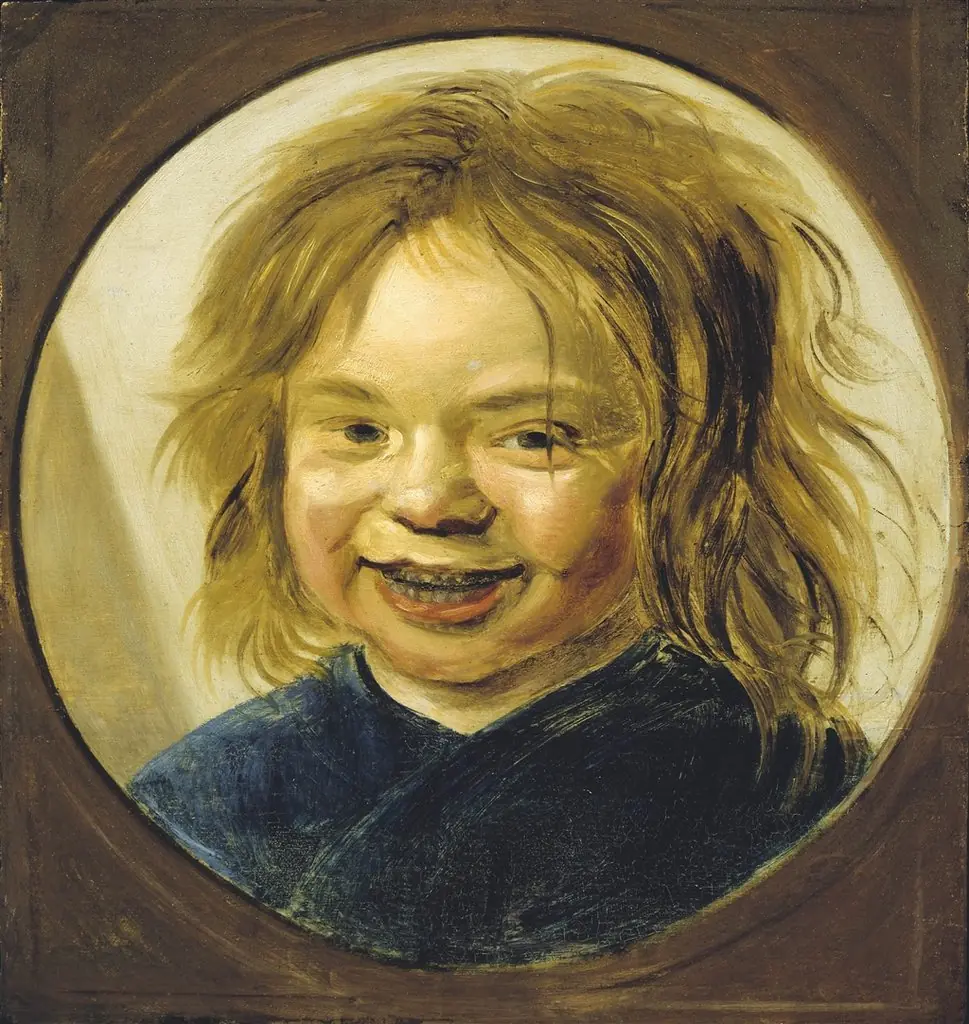
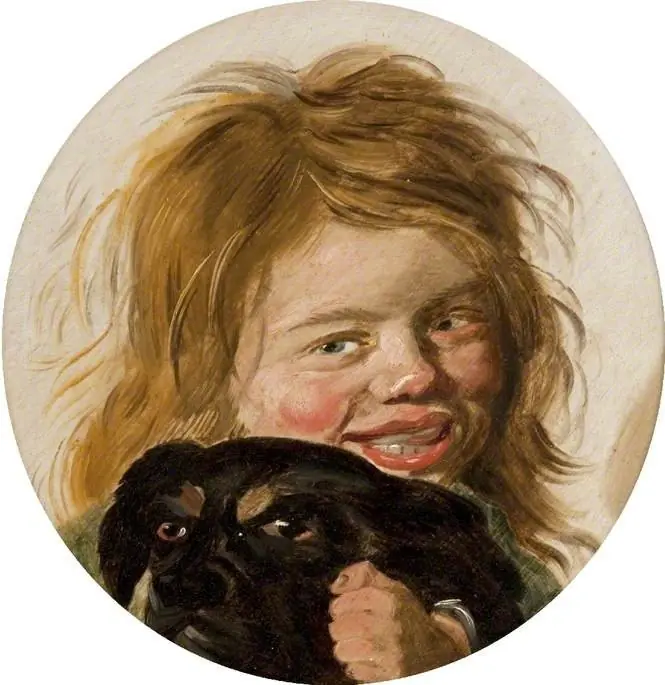
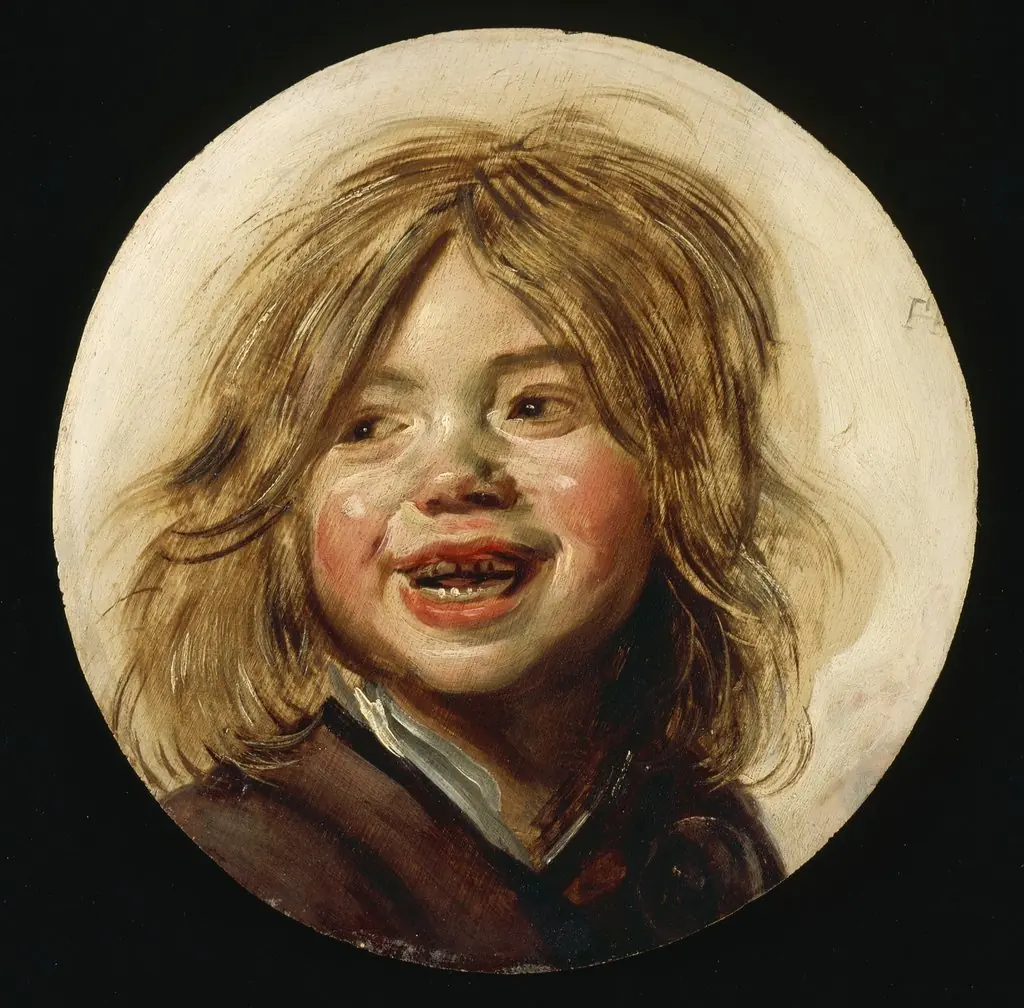
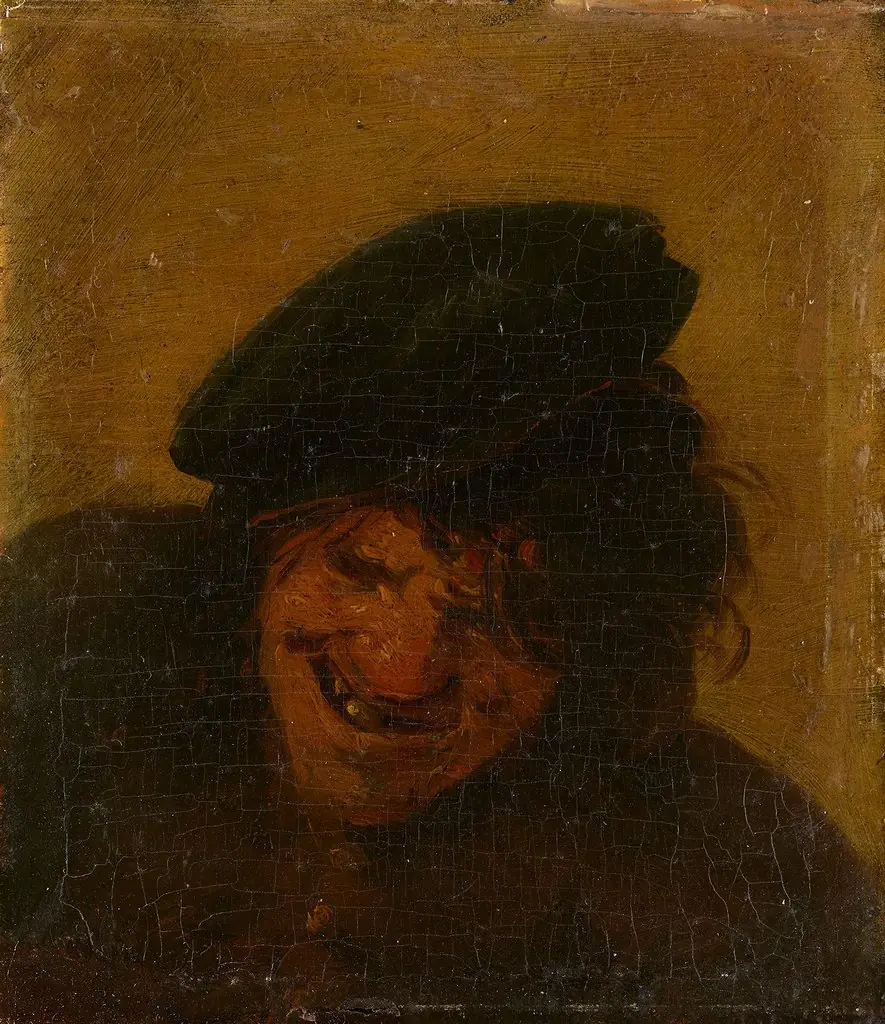
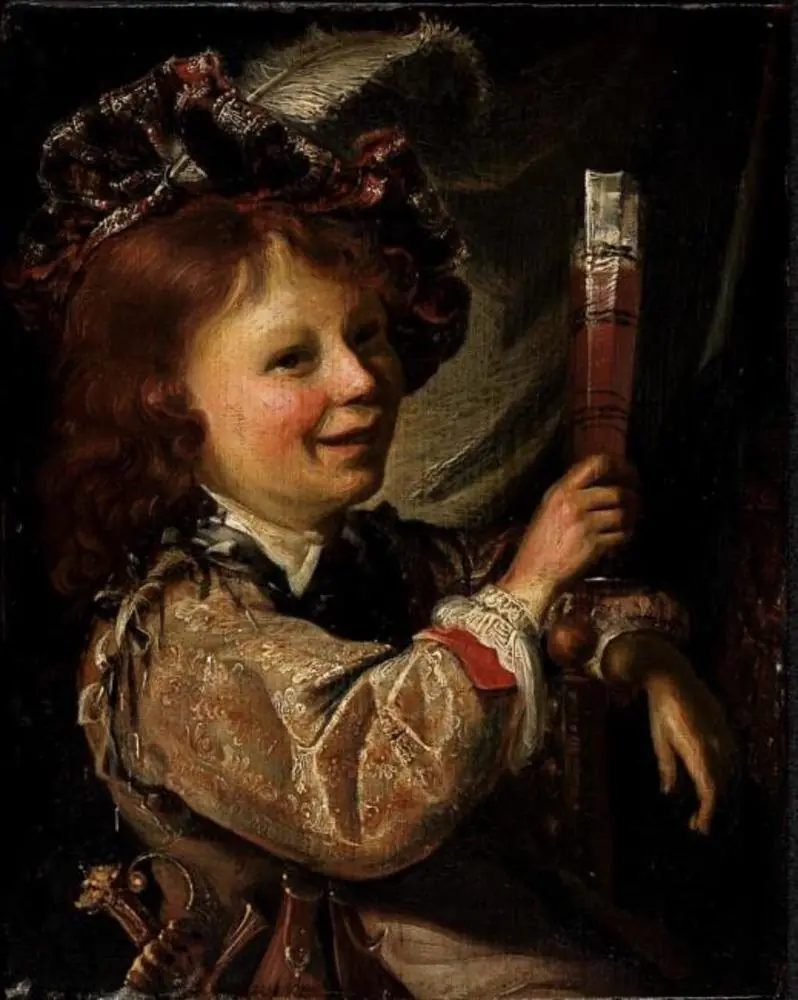
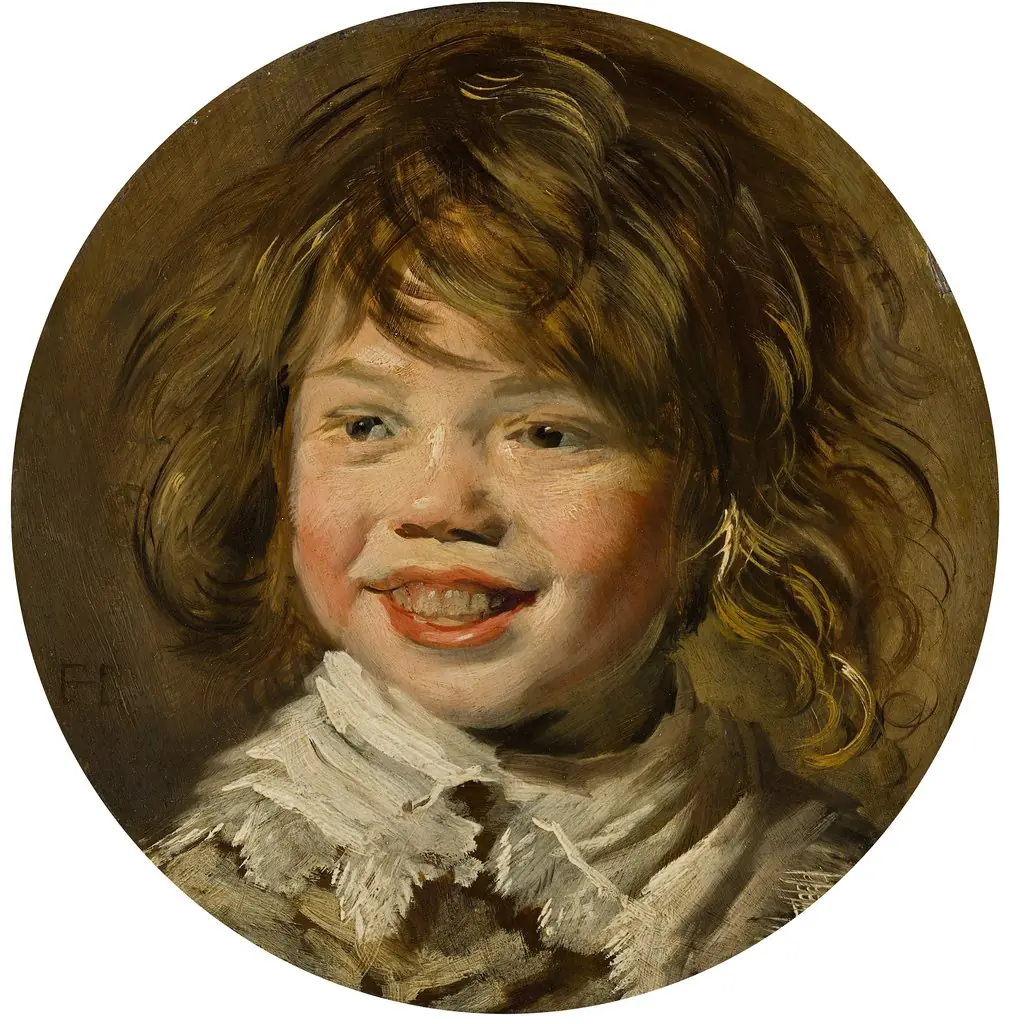
This oil painting depicts a young child, dressed in a dark jacket with curly hair, smiling directly at the viewer while holding a soap bubble. The composition centers on the child’s face, illuminated by a warm, golden light that enhances the intimacy of the moment. The bubble, catching subtle reflections, introduces a fleeting, delicate element against the solidity of the figure.
Subject & Meaning
The child’s expression conveys joy and curiosity, while the soap bubble serves as a quiet symbol of transience. The direct gaze invites the viewer into a private, tender instant, suggesting themes of childhood innocence and the impermanence of life. The bubble’s fragility contrasts with the child’s vitality, hinting at deeper contemplation beneath the surface playfulness.
Technique & Style
Rendered in oil paint, the work employs soft modeling and gentle gradations to capture the child’s skin and the bubble’s iridescent surface. The warm, golden tonality unifies the scene, drawing attention to the face as the focal point. Brushwork is refined yet unobtrusive, prioritizing emotional resonance over ornate detail, aligning with intimate portraiture traditions of the period.
History & Provenance
The painting’s early ownership is undocumented, but its style and technique suggest it was created in the late 17th or early 18th century, likely in the Netherlands or Flanders. It entered a public collection in the 19th century, where it has remained since, preserved as an example of genre portraiture from the era.
Context
During the 17th century, Dutch and Flemish artists frequently depicted children in domestic settings, often incorporating symbolic objects to convey moral or philosophical ideas. The soap bubble, a common motif in vanitas imagery, was used to reflect on life’s brevity. This work adapts that tradition with a lighter, more affectionate tone.
Legacy
The painting continues to be studied for its subtle interplay of emotion and symbolism. While not widely reproduced, it remains a representative example of how childhood was portrayed with psychological nuance in early modern European art, influencing later depictions of youth in genre painting.
Artist & collection

Museum
Department of Paintings of the Louvre
Continue through works from the same source collection.
 Domestic Scene
 Giacomo and Cardinal Marco, investing Andrea, Abbot of San Zeno, with his Benefice
 The Nymph of Fontainebleau
 Portrait of a Woman
 Madonna and Child with Saints in the Enclosed Garden
 Venus and Minerva
 Family Group of Four on Sofa
 Wall painting from Room H of the Villa of P. Fannius Synistor at Boscoreale