Artwork
Sleeping Venus
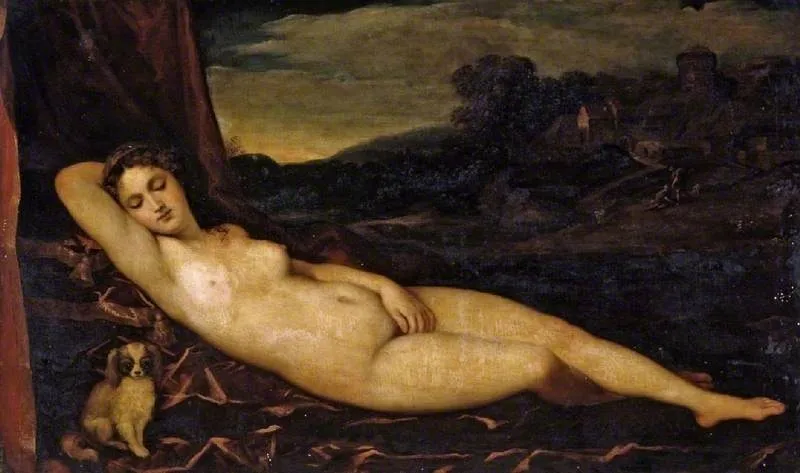
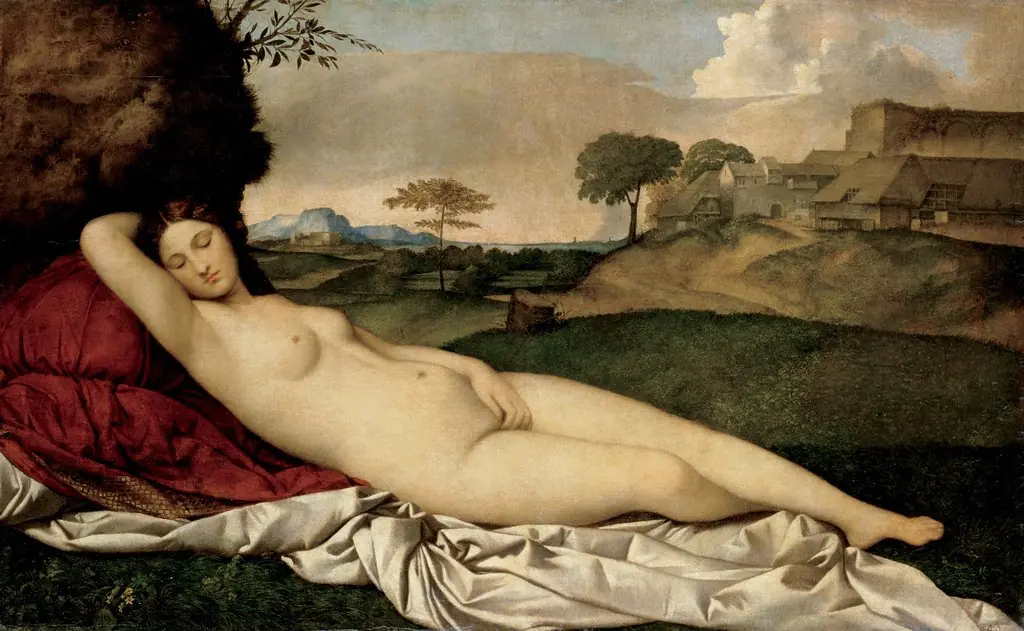
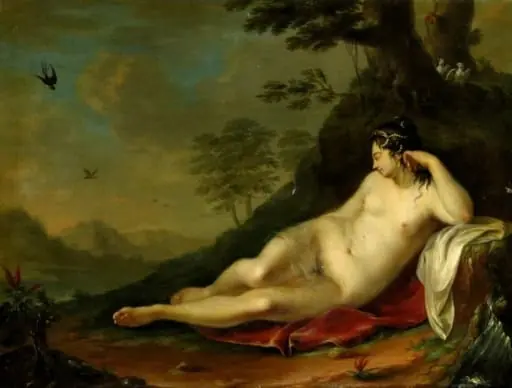
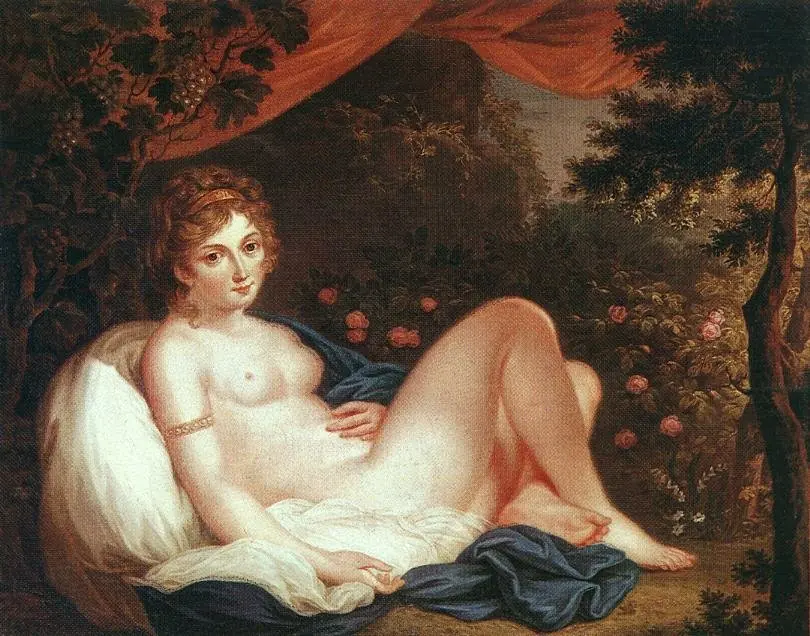
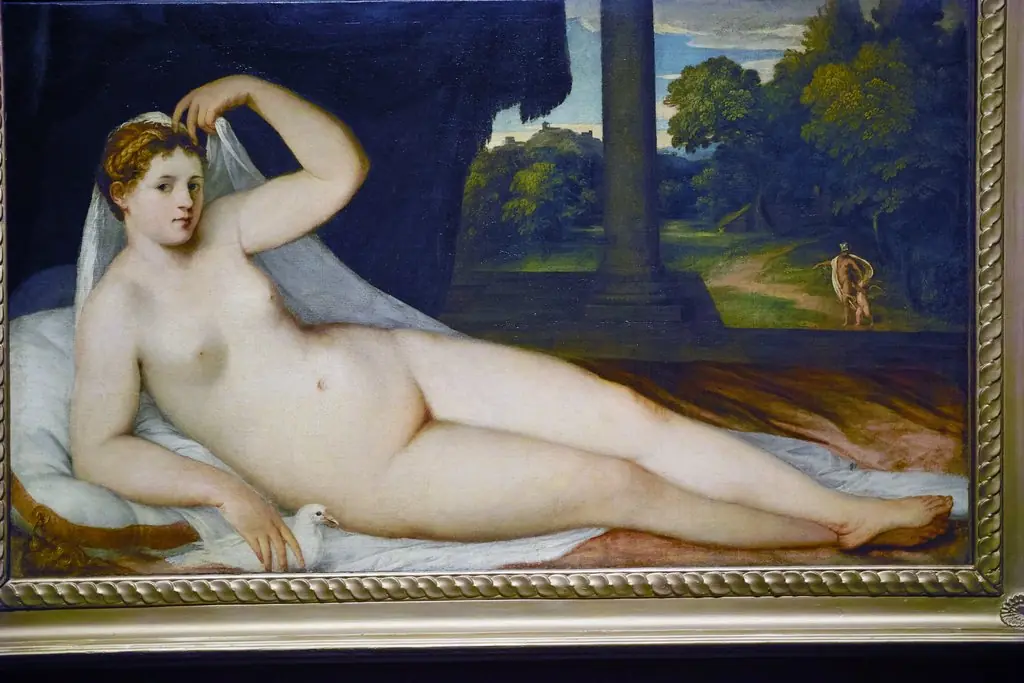
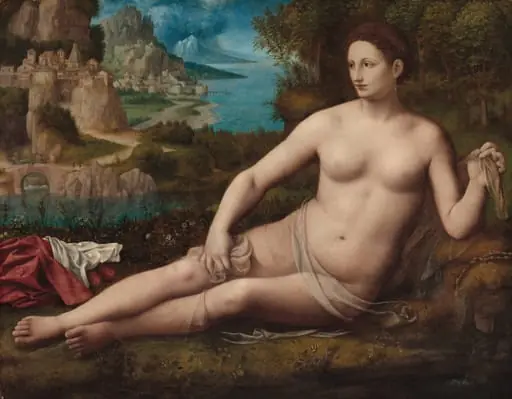
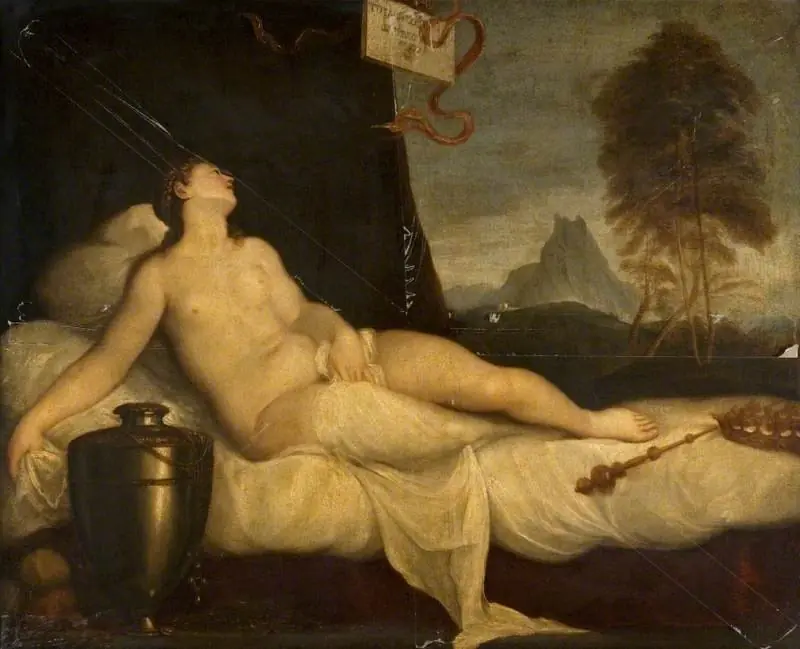
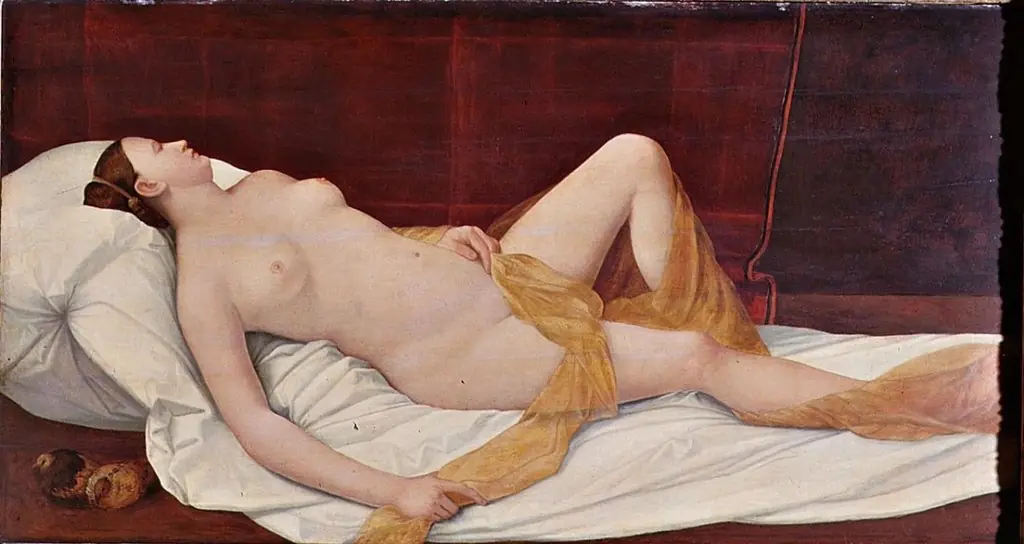
Sleeping Venus is an oil painting by the Rococo painting artist Tizianello. It is held in the collection of the Fitzwilliam Museum. Painted in 1760, this oil-on-canvas work presents a reclining female figure in a pastoral setting.
About this work
Overview
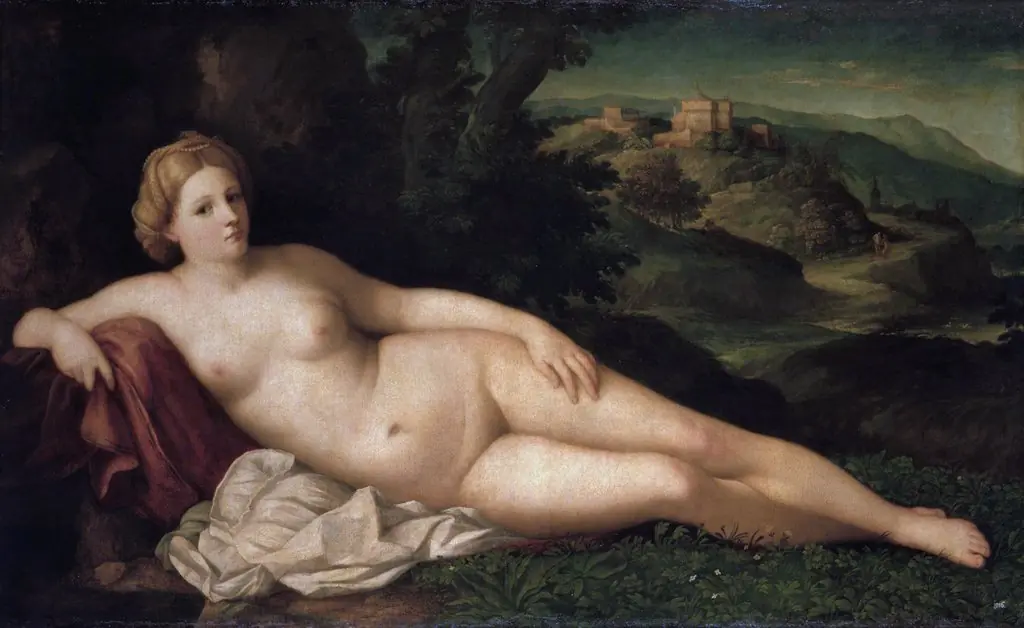
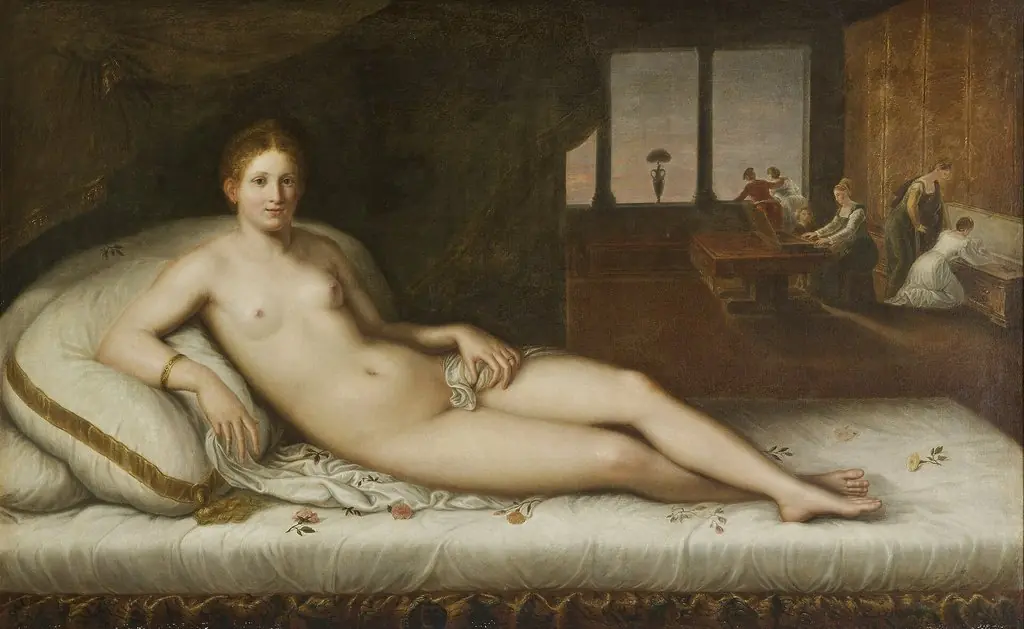
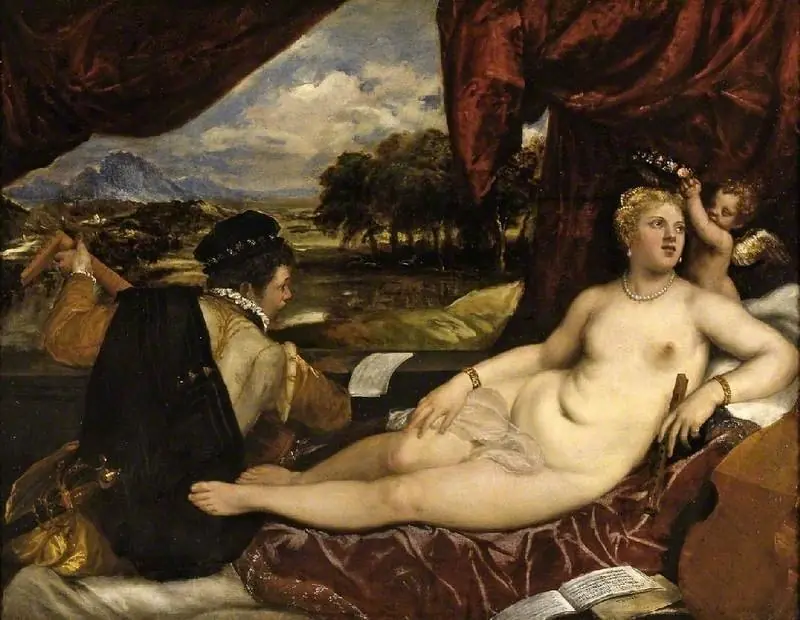
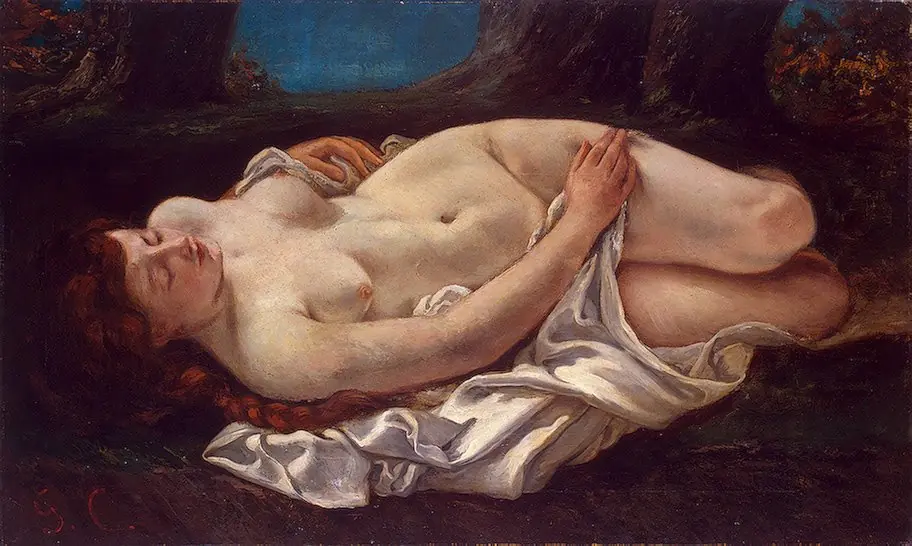
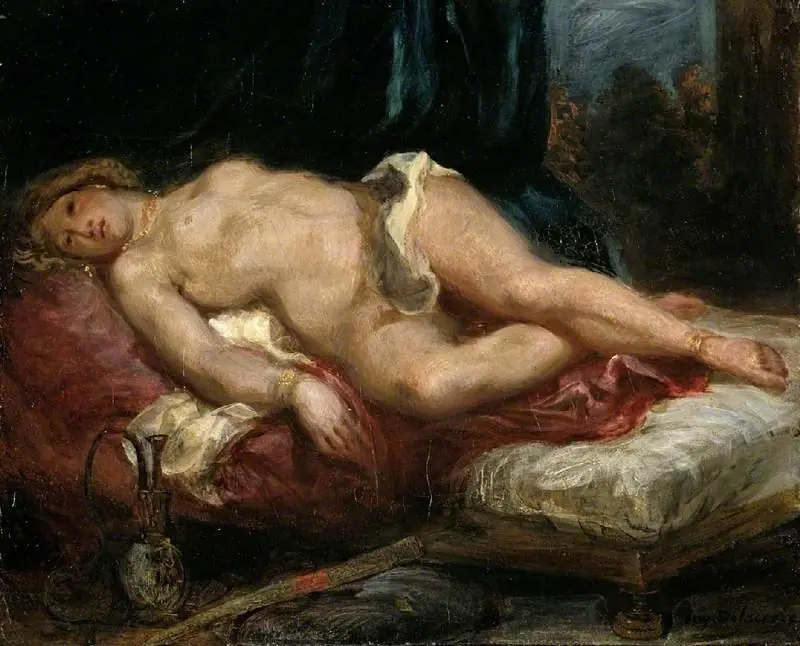
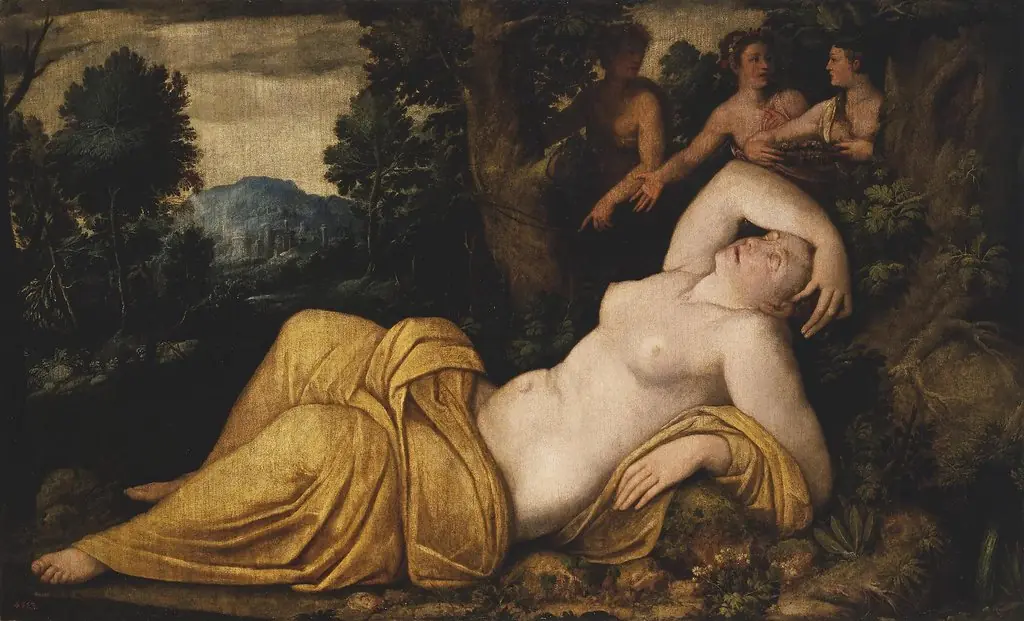
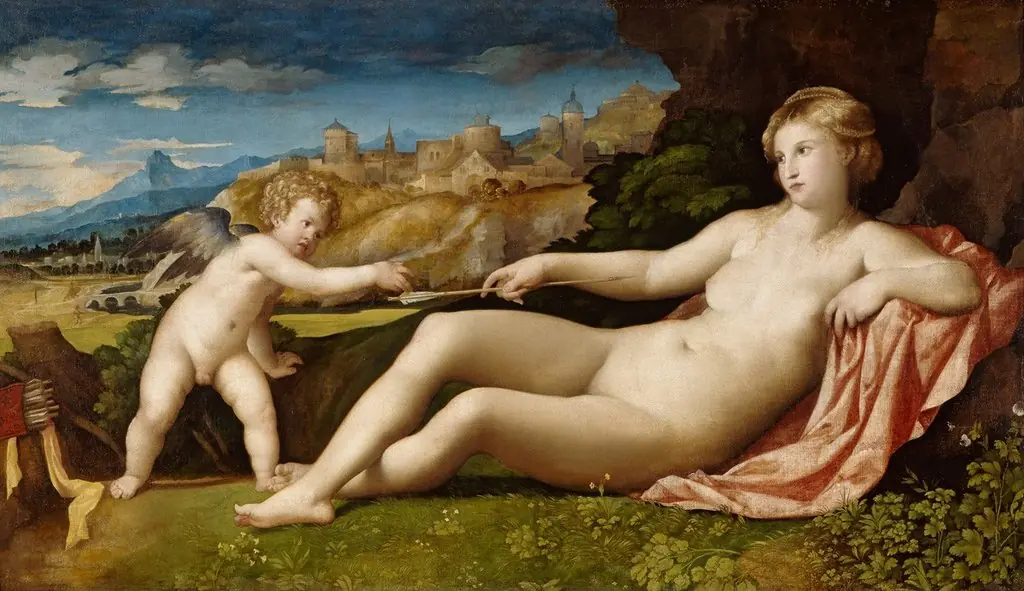
Painted in 1760, this oil-on-canvas work presents a reclining female figure in a pastoral setting. Attributed to Tizianello, it belongs to the collection of the Fitzwilliam Museum in Cambridge. The composition centers on a serene, nude woman resting beneath a tree, surrounded by a quiet landscape. The painting’s mood is contemplative, emphasizing stillness and naturalism over dramatic narrative.
Subject & Meaning
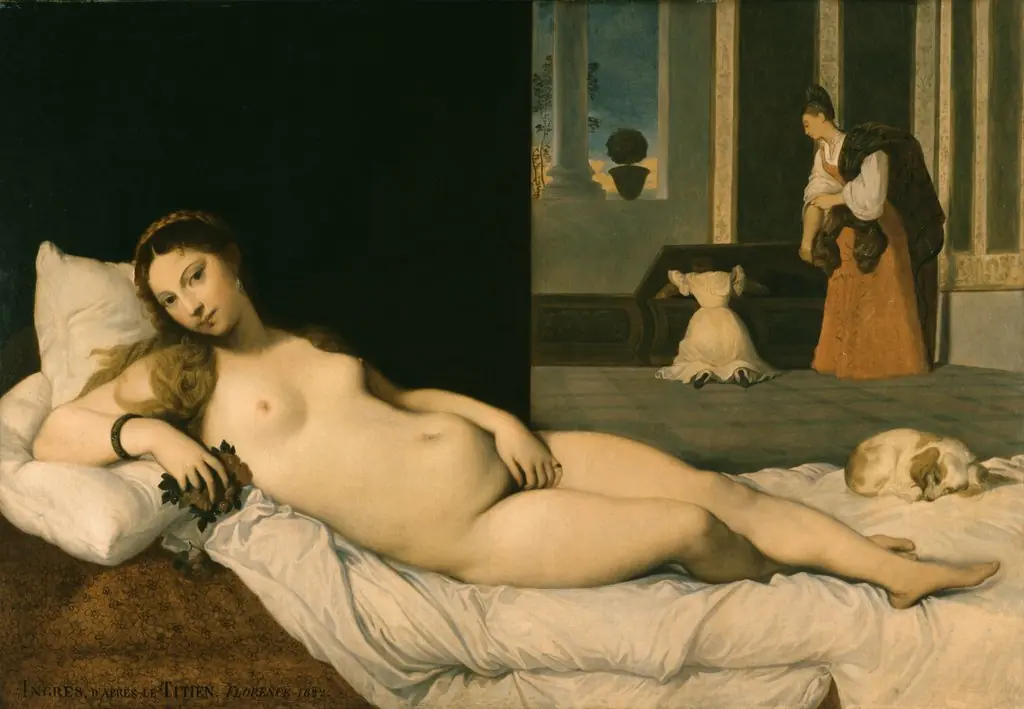
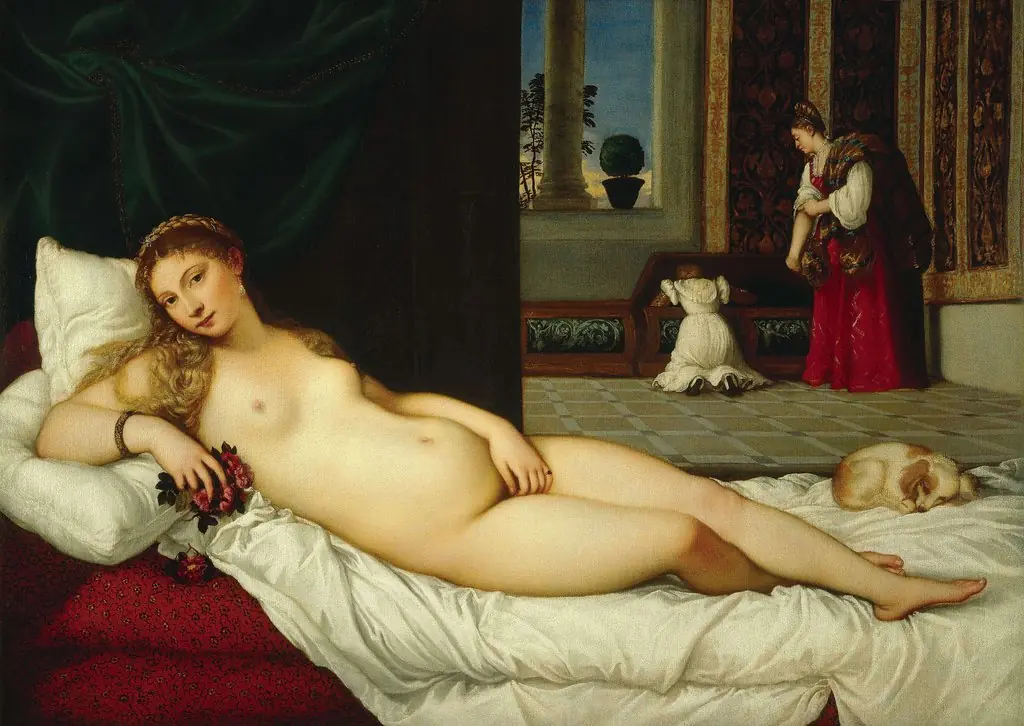
The presence of a small dog at her feet may allude to fidelity or domesticity, reinforcing a gentle, earthly interpretation of the divine.
The figure is interpreted as Venus, the Roman goddess of love, depicted not in action but in repose. Her relaxed posture and unguarded form suggest a moment of private tranquility, aligning with Renaissance and Baroque traditions that idealized the female body as a symbol of harmony and beauty. The presence of a small dog at her feet may allude to fidelity or domesticity, reinforcing a gentle, earthly interpretation of the divine.
Technique & Style
The artist employs subtle chiaroscuro to model the figure’s form, with soft transitions between light and shadow that enhance the tactile quality of the skin. Brushwork is smooth and blended, avoiding sharp edges to maintain a dreamlike atmosphere. The background is rendered in muted tones, allowing the warm glow of the figure to dominate the composition and draw the viewer’s attention to her stillness.
History & Provenance
The painting entered the Fitzwilliam Museum’s collection in the 19th century, though its earlier ownership remains undocumented. It was long attributed to Titian, but scholarly consensus now assigns it to Tizianello, a lesser-known follower active in the Venetian tradition. Its date of 1760 places it in a period when mythological subjects were still favored in academic circles, despite shifting artistic trends.
Context
Created during the late Baroque era, the work reflects lingering interest in classical themes amid rising Enlightenment ideals. While major artists were turning toward realism or moralizing narratives, this painting preserves the poetic sensibility of earlier Venetian schools. Its quiet intimacy contrasts with the theatricality of contemporaneous history painting, offering a more personal meditation on beauty and rest.
Legacy
Though not widely exhibited or studied, the painting serves as an example of how Venetian stylistic conventions persisted in provincial workshops into the 18th century. It illustrates the enduring appeal of the reclining nude as a vehicle for aesthetic contemplation, bridging Renaissance ideals with emerging sensibilities in portraiture and landscape. Its preservation in a major museum underscores its value as a historical artifact of artistic continuity.
Artist & collection