Artwork
Vow of the Pheasant (Philip the Good and Isabella at the Feast of the Pheasant in Lille in 1454)
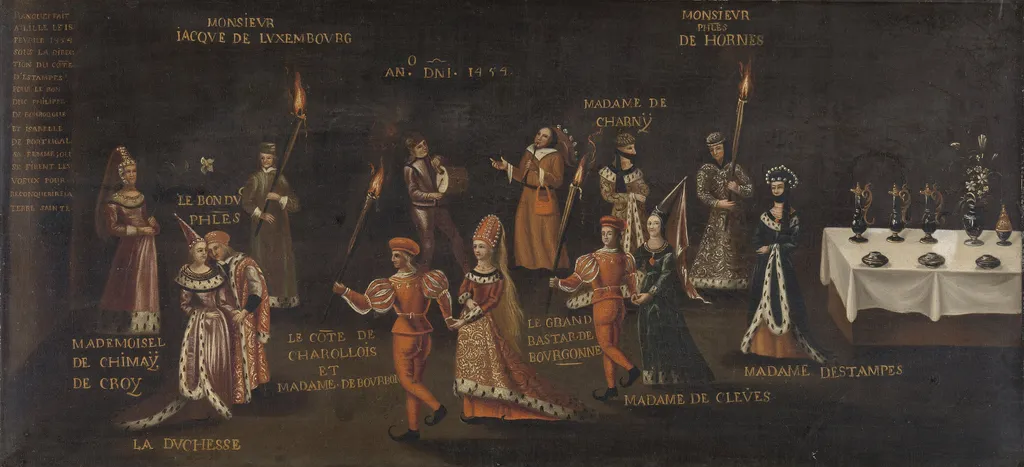
Vow of the Pheasant (Philip the Good and Isabella at the Feast of the Pheasant in Lille in 1454) is an oil painting by the Early Baroque Italian artist Unknown. It dates from 1550 and is held in the collection of the Rijksmuseum. Vow of the Pheasant depicts a grand feast in Lille in 1454, attended by Philip the Good and Isabella, amidst a gathering of nobles.
About this work
This painting shows a big group of people in fancy clothes, standing in a room with a table set for a feast.
This painting shows a big group of people in fancy clothes, standing in a room with a table set for a feast. Some hold torches, others wear crowns or armor. The colors are bright—reds, golds, and greens—and the people look stiff, like dolls. A banner with a pheasant is in the middle.
The names written around them suggest this is a special event, maybe a party for nobles. The text at the top says "Anno Domini 1454," but the painting itself looks much later.
Look up Rijksmuseum to see more paintings like this one.
Overview
Vow of the Pheasant depicts a grand feast in Lille in 1454, attended by Philip the Good and Isabella, amidst a gathering of nobles. The scene is characterized by formal attire, regalia, and a dominant banner featuring a pheasant.
Subject & Meaning
The painting commemorates a specific event where Philip the Good, Duke of Burgundy, and his wife Isabella, hosted a vow-taking ceremony, symbolized by the pheasant banner, likely pledging a crusade. The stiff, formal poses of the attendees underscore the ceremony's solemnity.
Technique & Style
Executed in oil paint, the work features vibrant colors (notably reds, golds, and greens) and rigid, doll-like figures, suggesting a style that may not align with 15th-century techniques, hinting at a possible later execution than the depicted event.
History & Provenance
Despite the painting's inscription dating the event to 1454, the artwork's style suggests it may have been created later. Specific provenance details are not provided, but comparisons can be drawn with similar works at the Rijksmuseum.
Context
The feast reflects the opulence and political religiosity of the Burgundian court in the 15th century. The vow, likely for a crusade, contextualizes the event within the broader religious and political ambitions of European nobility at the time.
Legacy
While not widely discussed in broad art historical narratives, Vow of the Pheasant offers insights into the ceremonial life of the Burgundian duchy and the artistic conventions of its time, or possibly later, depending on its actual date of creation.
Artist & collection

 Domestic Scene
 Giacomo and Cardinal Marco, investing Andrea, Abbot of San Zeno, with his Benefice
 The Nymph of Fontainebleau
 Portrait of a Woman
 Madonna and Child with Saints in the Enclosed Garden
 Venus and Minerva
 Family Group of Four on Sofa
 Wall painting from Room H of the Villa of P. Fannius Synistor at Boscoreale
 Masquerade
 Portrait of Christina of Denmark, Claude of Valois and Christina of Lorraine
 Masquerade
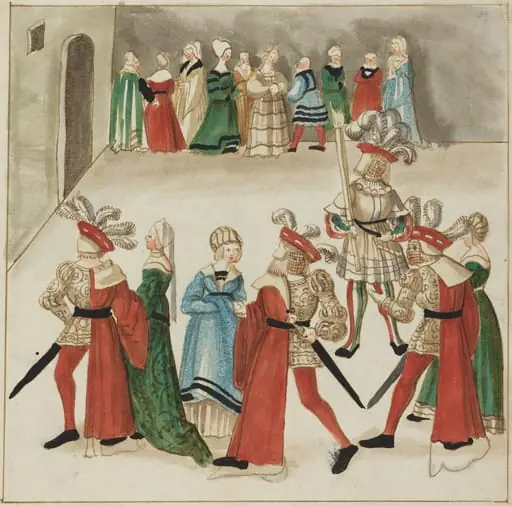 Three Men in Red Capes Dancing with Their Partners
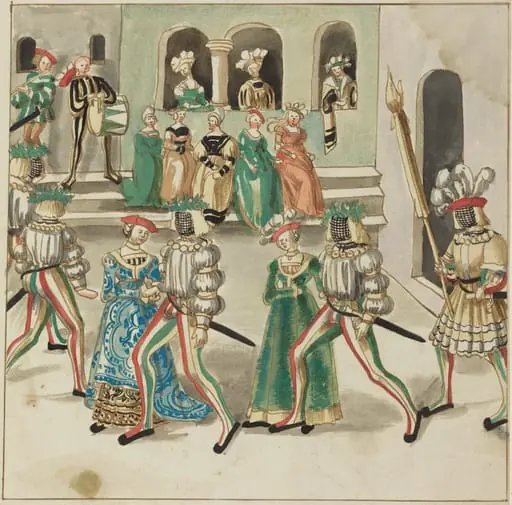 Masquerade
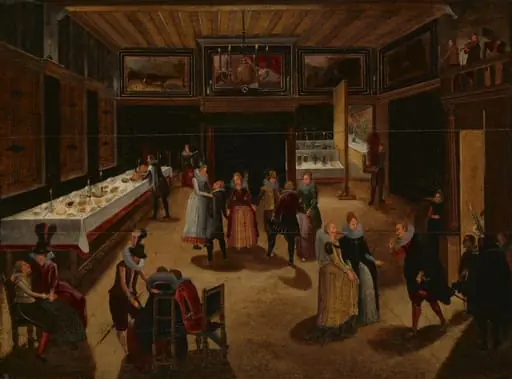 Evening Party
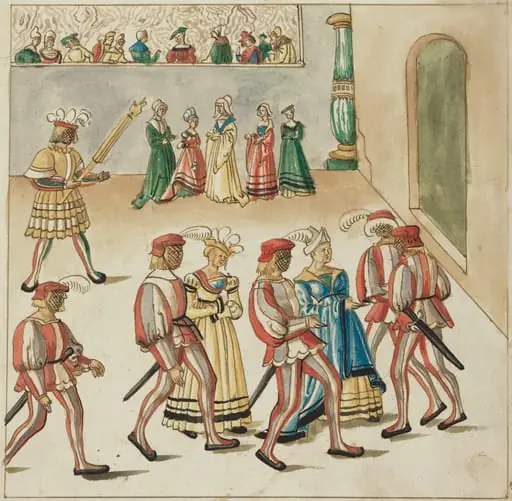 Masquerade
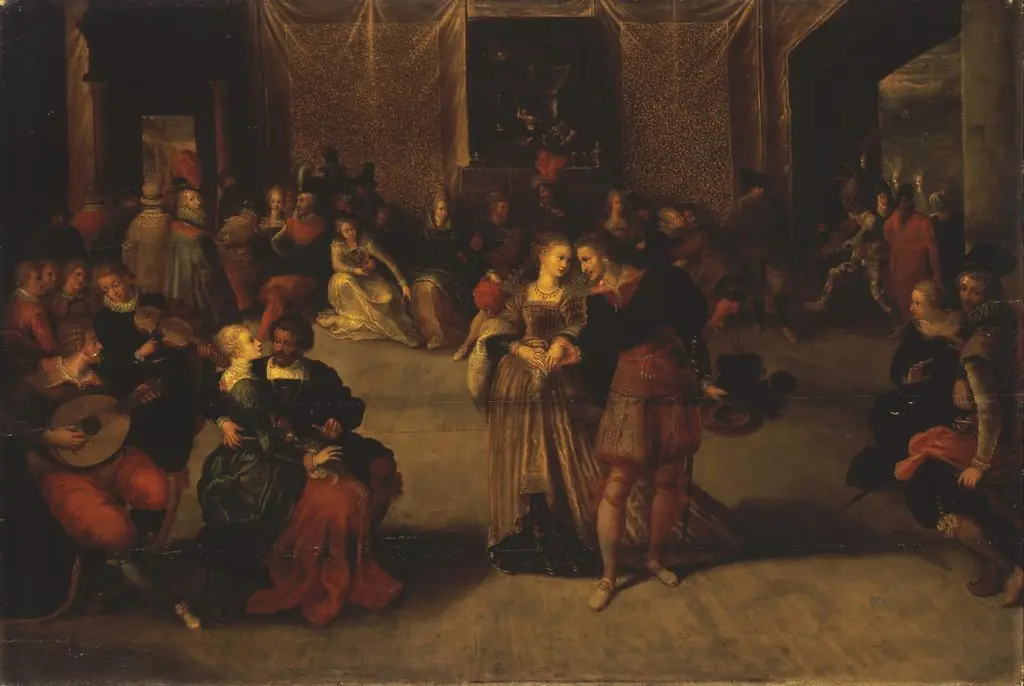 The Ball
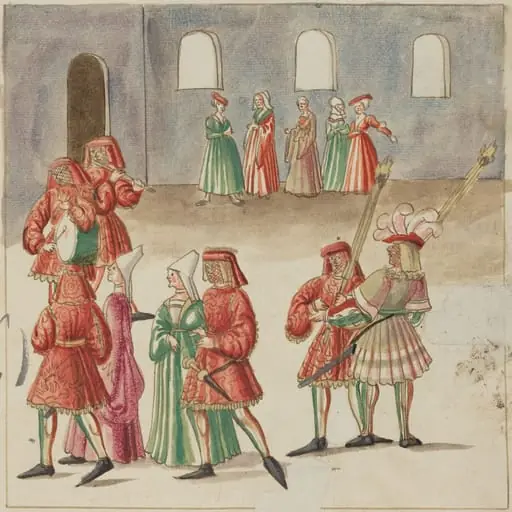 Masquerade
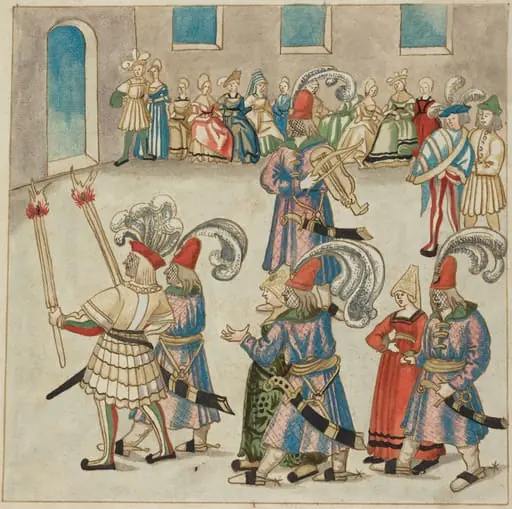 Two Dancing Couples Led by Torch-bearing Knights
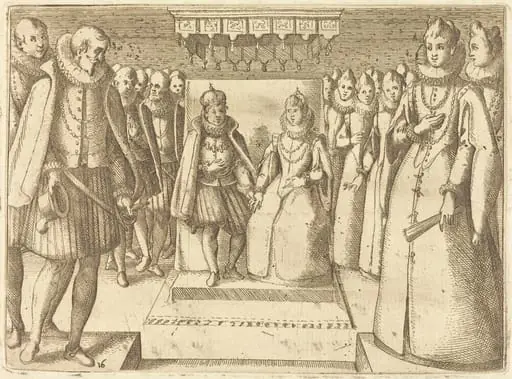 Meeting of Margaret of Austria and Philip III
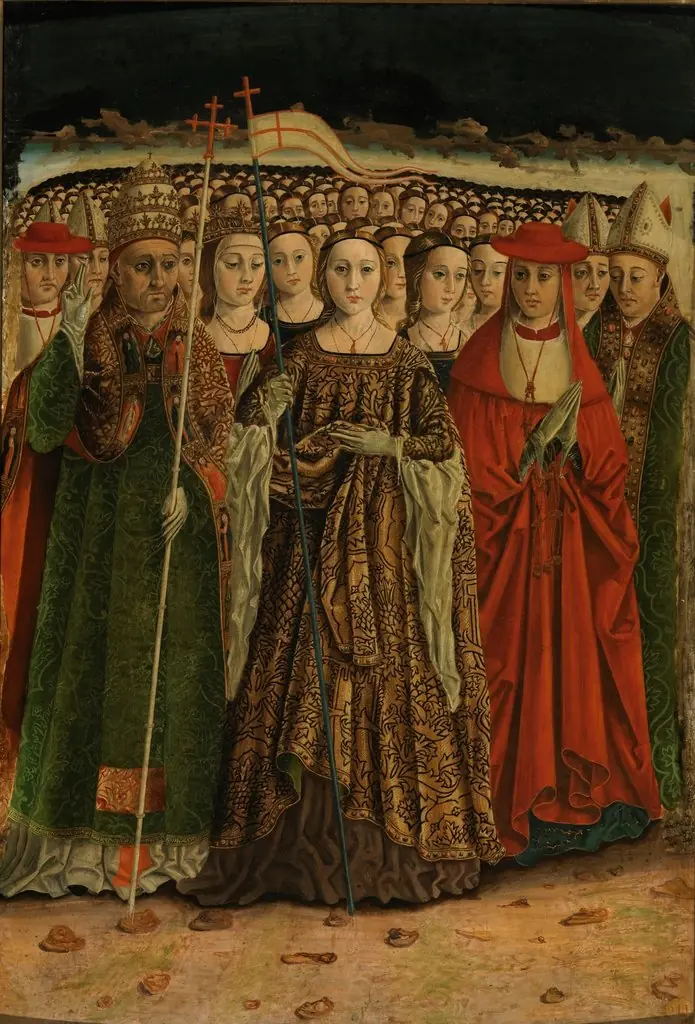 Santa Úrsula con las once mil vírgenes