Artwork
Ten Bamboo Studio Collection of Calligraphy and Painting
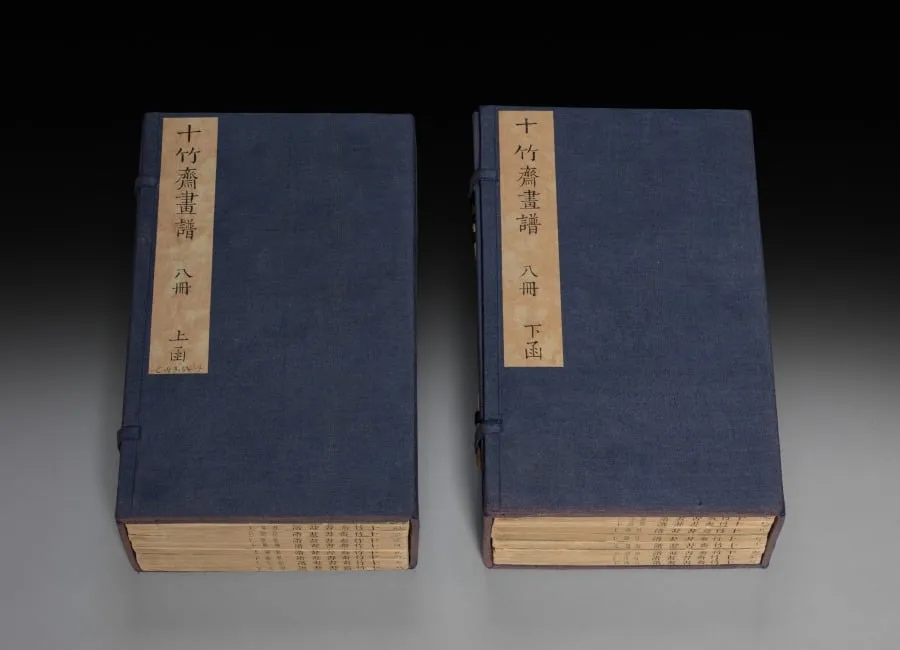
Ten Bamboo Studio Collection of Calligraphy and Painting is a print by the Baroque artist Hu Zhengyan. It dates from 1633 and is held in the collection of the Cleveland Museum of Art.
About this work
The artist carved separate woodblocks for each color, then lined them up perfectly to make the images look painted by hand.
You see a book of printed pages—each one a small, colorful painting of flowers, rocks, or bamboo.
This isn’t just art; it’s one of the first full-color prints in China. The artist carved separate woodblocks for each color, then lined them up perfectly to make the images look painted by hand. It took years to get the colors this bright and smooth.
To see how this changed Chinese art, look up the subject *china, qing dynasty (1644–1911)*.
Overview
The Ten Bamboo Studio Collection of Calligraphy and Painting is a seminal print publication from early 17th-century China, exemplifying the pinnacle of color printing technology at the time. This meticulously crafted book features an array of small, vibrant prints depicting natural motifs such as flowers, rocks, and bamboo.
Subject & Meaning
The collection's subject matter focuses on traditional Chinese themes of flowers, rocks, and bamboo, conveying a sense of harmony with nature. These motifs, common in Chinese art, symbolize balance, resilience, and the beauty of the natural world.
Technique & Style
Achieving its distinctive painterly quality, the collection employed a groundbreaking technique: multiple woodblocks, each carved for a specific color, were precisely aligned and printed in succession. This innovative process, requiring years of refinement, resulted in remarkably bright and smooth color transitions that mimicked hand-painted effects.
History & Provenance
Compiled and printed in Nanjing, the collection was widely disseminated across China. Its influence extended beyond national borders, significantly impacting the development of arts in both Japan and Korea.
Context
Produced during the Qing Dynasty (1644–1911), this work represents a peak in Chinese color printing, distinguishing itself as one of the first full-color print editions in the country. For broader contextual understanding, see *China, Qing Dynasty*.
Legacy
The Ten Bamboo Studio Collection played a pivotal role in shaping Chinese art's trajectory during the Qing Dynasty. Its influence on neighboring countries' artistic practices further solidified its importance in East Asian cultural heritage.
Artist & collection

Artist
Hu Zhengyan was a Chinese artist, printmaker and publisher. He worked in calligraphy, traditional Chinese painting, and seal-carving, but was primarily a publisher, producing academic texts as well as records of his own work.

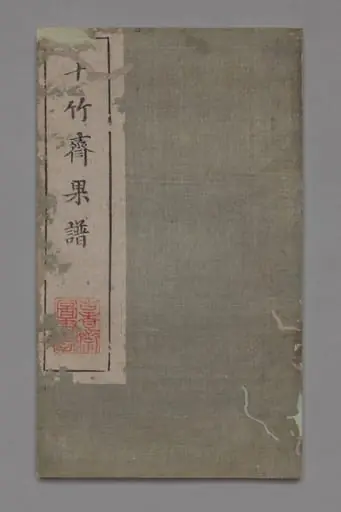 Ten Bamboo Studio Painting and Calligraphy Handbook (Shizhuzhai shuhua pu): Fruit
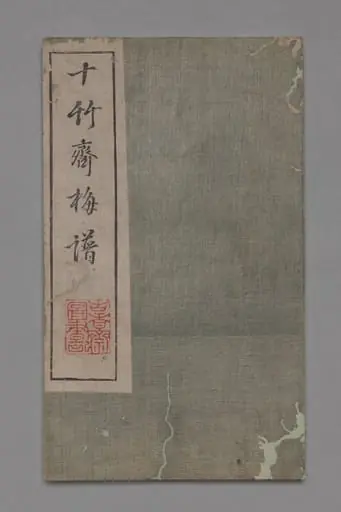 Ten Bamboo Studio Painting and Calligraphy Handbook (Shizhuzhai shuhua pu): Plum Blossoms
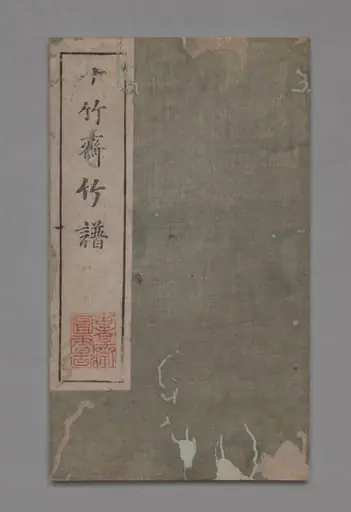 Ten Bamboo Studio Painting and Calligraphy Handbook (Shizhuzhai shuhua pu): Bamboo
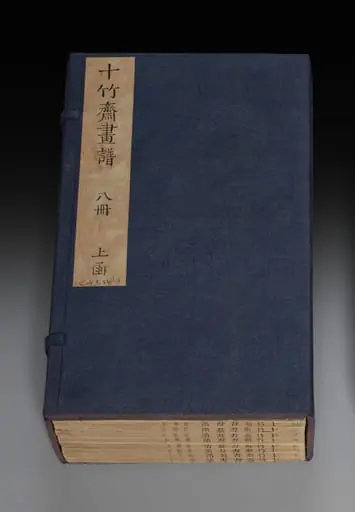 Ten Bamboo Studio Painting and Calligraphy Handbook (Shizhuzhai shuhua pu): Volume One
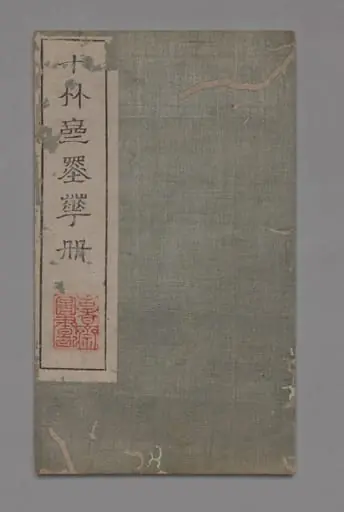 Ten Bamboo Studio Painting and Calligraphy Handbook (Shizhuzhai shuhua pu): Round Fans
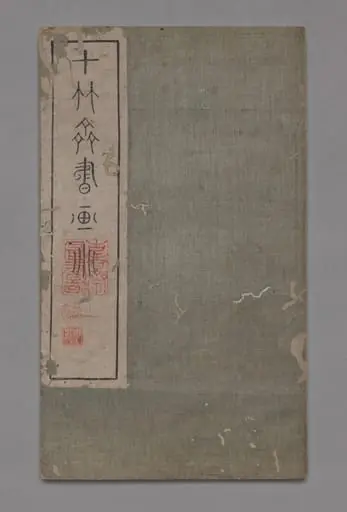 Ten Bamboo Studio Collection of Calligraphy and Painting: Miscellaneous
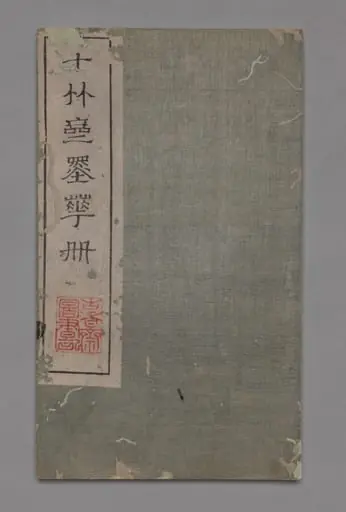 Ten Bamboo Studio Painting and Calligraphy Handbook (Shizhuzhai shuhua pu): Miscellaneous
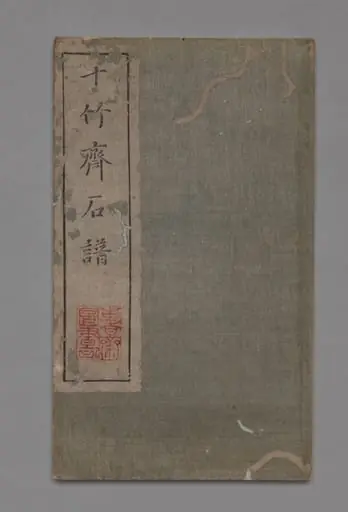 Ten Bamboo Studio Painting and Calligraphy Handbook (Shizhuzhai shuhua pu): Rocks
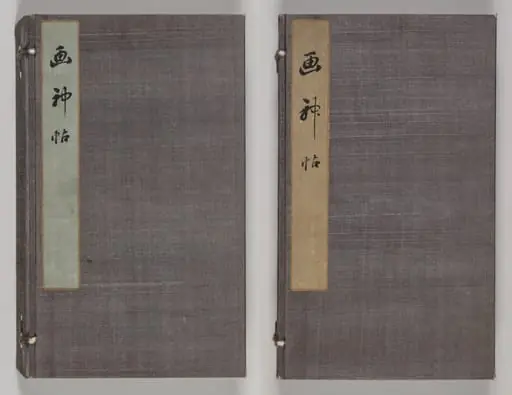 Reverberations of Taiga
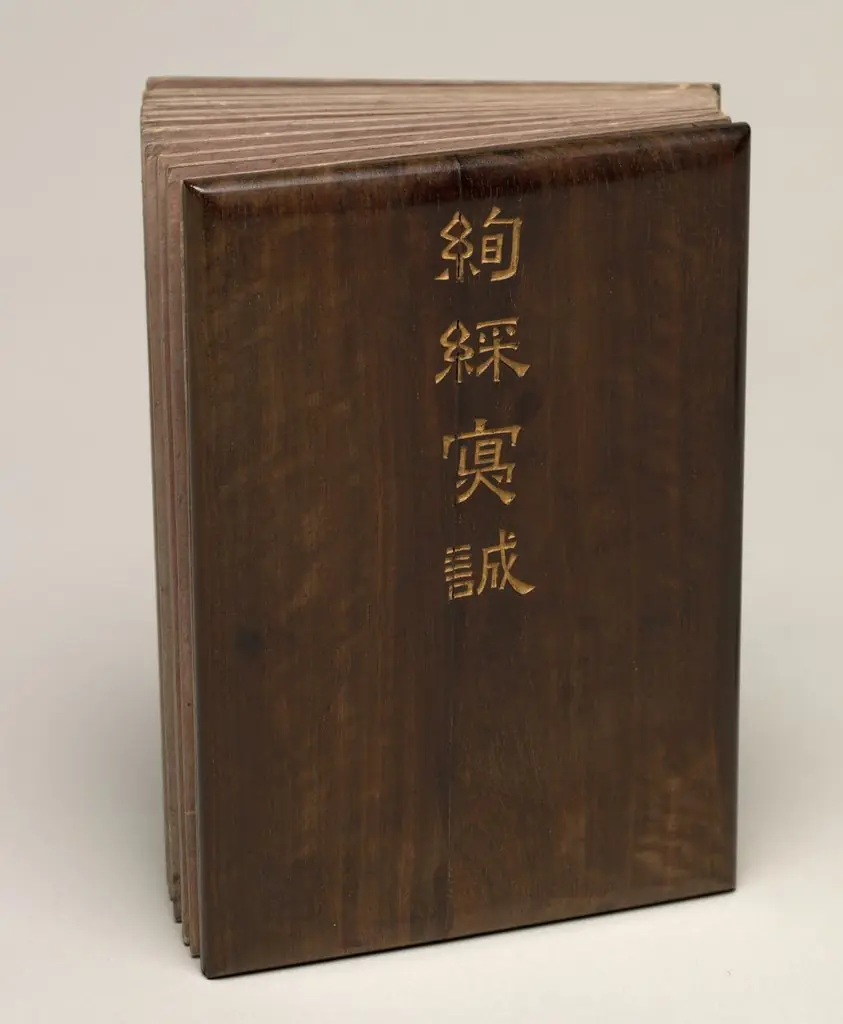 Desk Album: Flower and Bird Paintings
 Desk Album: Flower and Bird Paintings
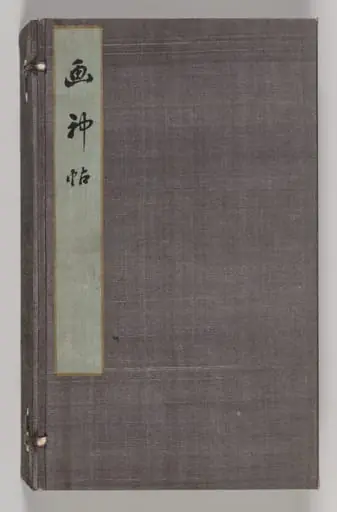 Reverberations of Taiga (Volume 1)
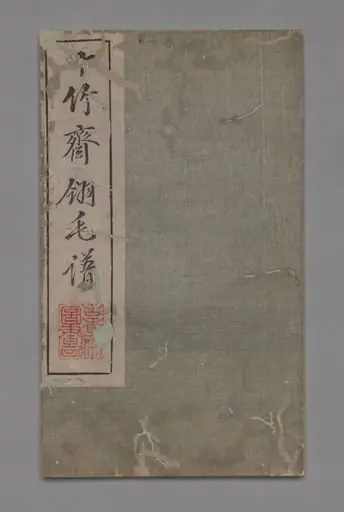 Ten Bamboo Studio Painting and Calligraphy Handbook (Shizhuzhai shuhua pu): Birds
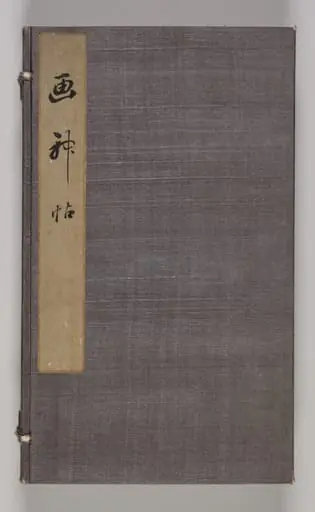 Reverberations of Taiga (Volume 2)
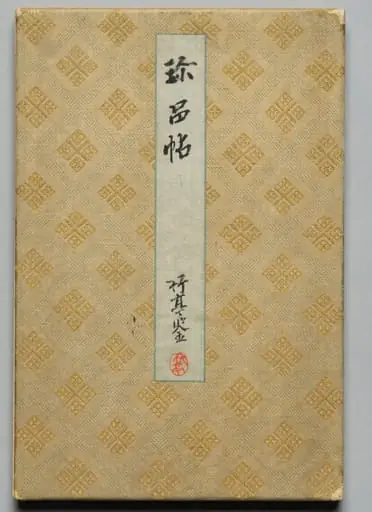 Album of Precious Works from Famous Early Modern Calligraphers and Painters (Volume 1)