Artwork
Church near Ladye Place
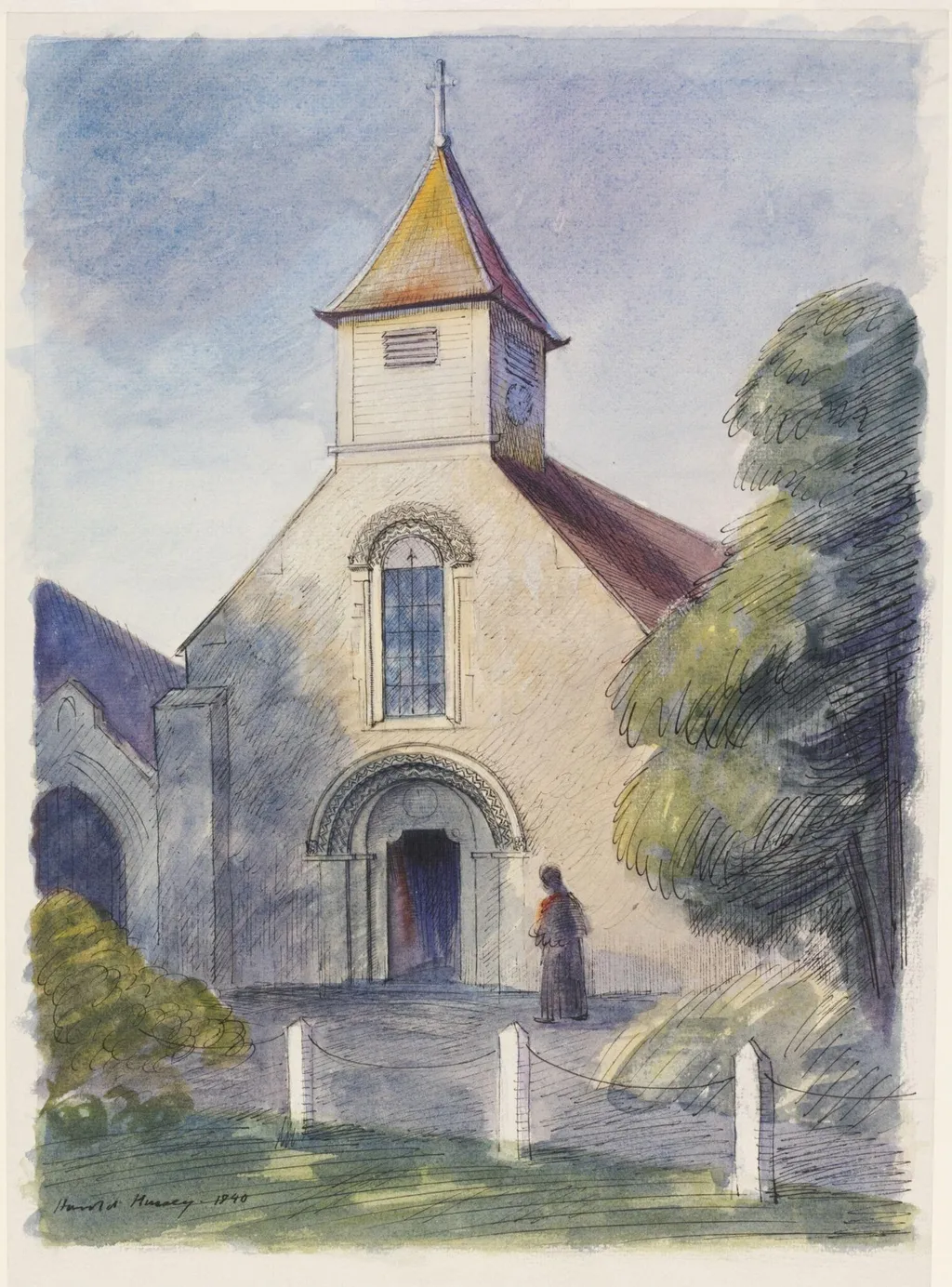
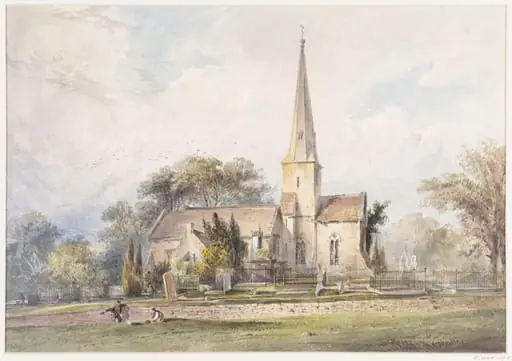
Church near Ladye Place is a watercolor work on paper by Philip Hussey. It is held in the collection of the Victoria and Albert Museum. The work is a watercolour painted by the artist Hussey in 1940.
About this work
Overview
The work is a watercolour painted by the artist Hussey in 1940. It portrays a modest church situated near the former Ladye Place estate in the parish of Hurley, showing its arched entrance, a tall window, and a simple tower topped with a cross. A solitary figure in a long coat stands beside a low fence and some shrubbery, adding a human scale to the scene.
Subject & Meaning
The composition records a small, historic church that once served the community surrounding the now‑lost Ladye Place mansion. By focusing on the building’s clean, aged stonework and quiet surroundings, the image reflects a sense of continuity and local identity amid the disruptions of wartime Britain.
Technique & Style
Hussey employs delicate washes of muted colour to render the soft light and subtle shadows that define the church’s form. The rendering of the rounded arches, pointed roof, and the lone figure is achieved with restrained brushwork, emphasizing atmosphere over detail while maintaining a clear, observational quality.
History & Provenance
Created as part of the Recording Britain project, the watercolour was commissioned by Sir Kenneth Clark’s wartime initiative to document England’s architectural heritage. The series aimed to capture at‑risk structures and landscapes, and this piece entered the public record as a visual testimony to the period’s cultural landscape.
Context
The Recording Britain scheme responded to the threat of loss posed by World War II, mobilising artists to archive the nation’s built environment. Hussey’s contribution aligns with other contemporary works that sought to preserve visual memory of rural and historic sites, particularly those vulnerable to bomb damage or post‑war redevelopment.
Legacy
As a component of the Recording Britain archive, the watercolour serves as a reference for scholars studying mid‑20th‑century preservation efforts and the visual history of Hurley’s ecclesiastical architecture. It also provides a rare visual record of Ladye Place’s surroundings before the estate’s disappearance.
Own this work as a print
Artist & collection
Artist
Philip Hussey (1713–1783), was an Irish portrait-painter. Hussey was born at Cloyne, in the county of Cork and his career began as a sailor. He was shipwrecked three times. He drew the figureheads and stern ornaments of…

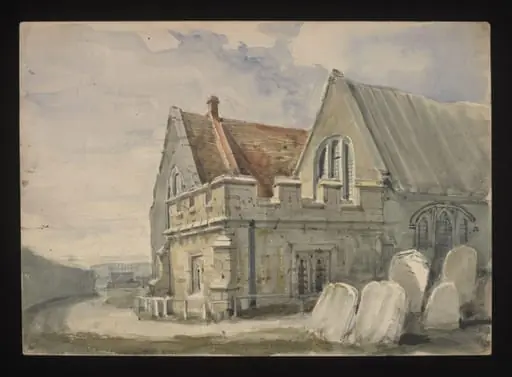 Watercolour drawing by the Grieve family, showing St Peter's Church in Kent
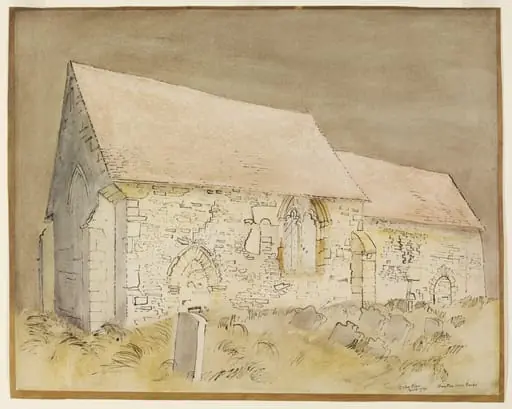 St.Peter's Church, Stanton Low
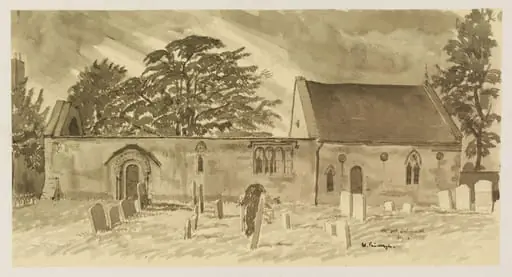 St.George's Church, Hatford
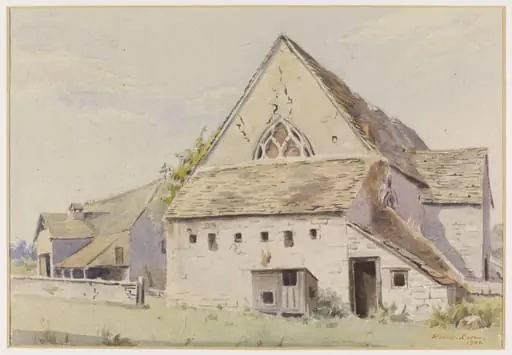 The Old Church (now a barn), Leonard Stanley
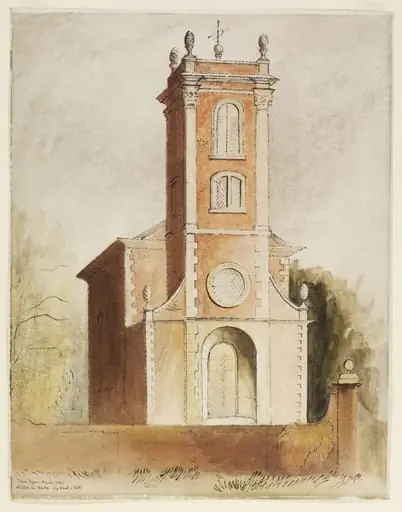 Busby's Church, Willen
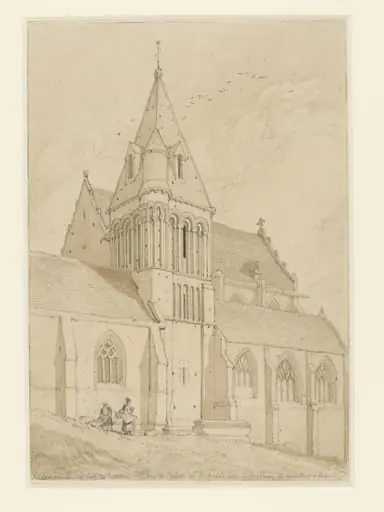 Church of St Michel, Vaucelles, near Bayeux
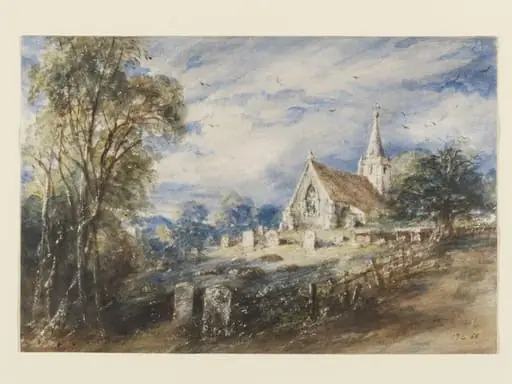 Stoke Poges Church, Buckinghamshire. Illustration to Gray's 'Elegy'
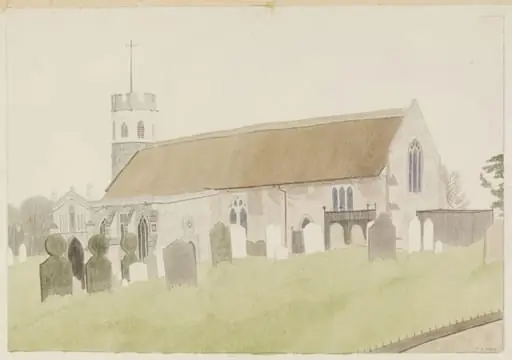 St. Peter's Church, Theberton
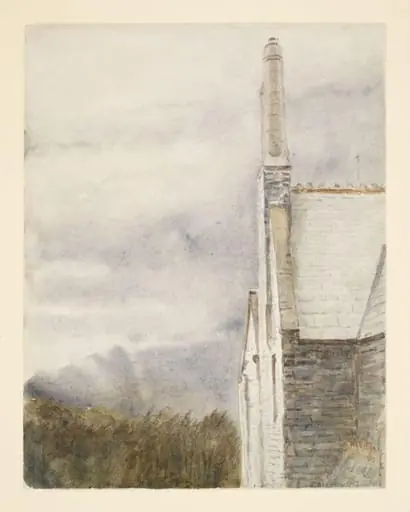 Rain, Lingholm
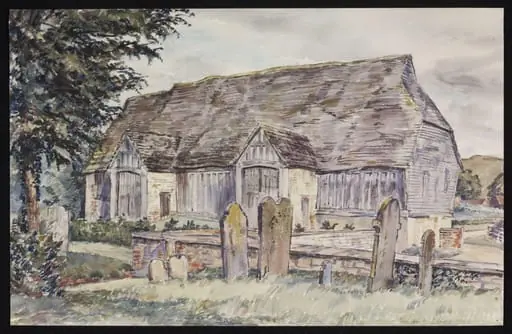 The Tithe Barn, Cherhill
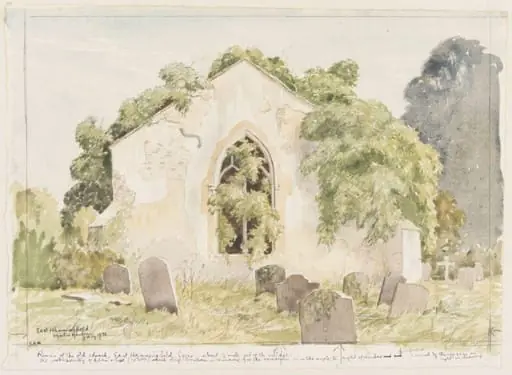 East Hanningfield Church, Essex
 Church and churchyard