Artwork
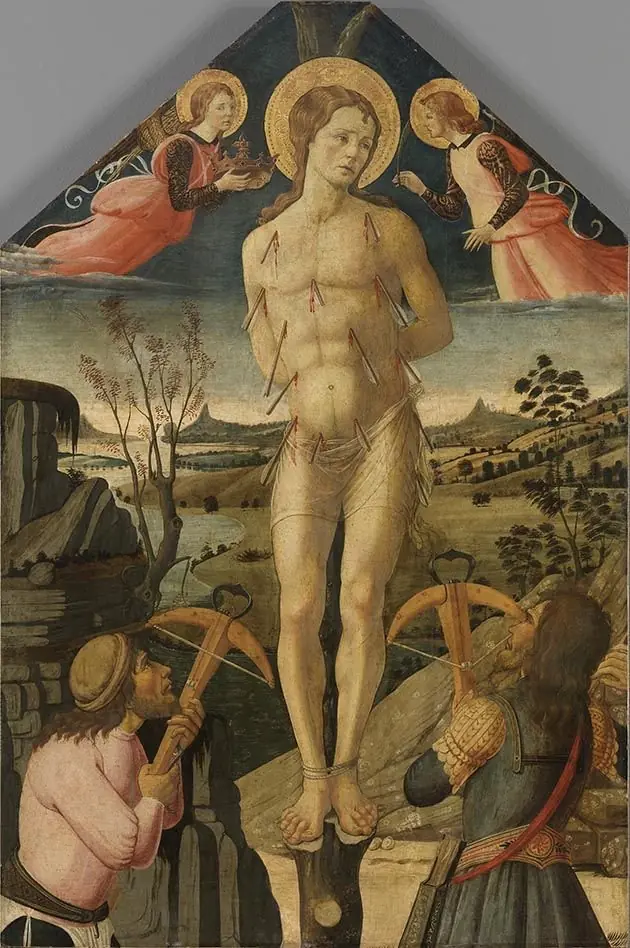
Hl. Sebastian und Madonna mit Heiligen
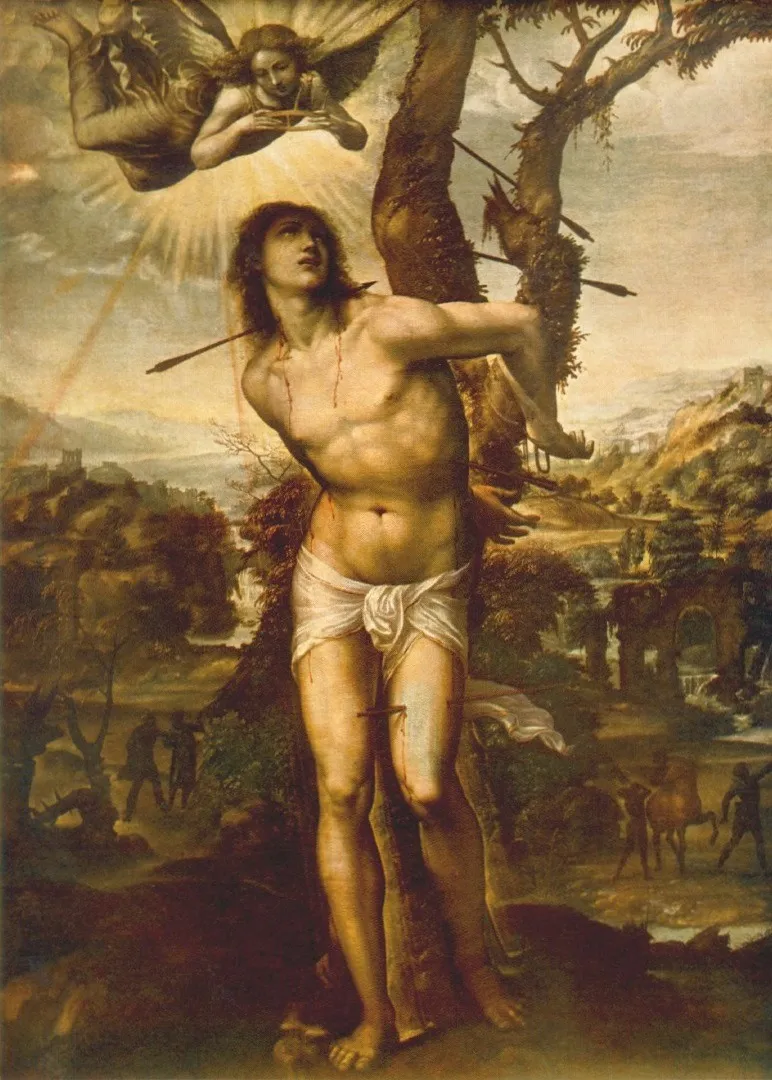
Hl. Sebastian und Madonna mit Heiligen is an unspecified painting by the Mannerist artist Sodoma. It dates from 1525 and is held in the collection of the Uffizi Gallery.
About this work
Overview
The composition reflects Sodoma’s training in both Roman High Renaissance ideals and the lyrical traditions of Siena, where he spent most of his career.
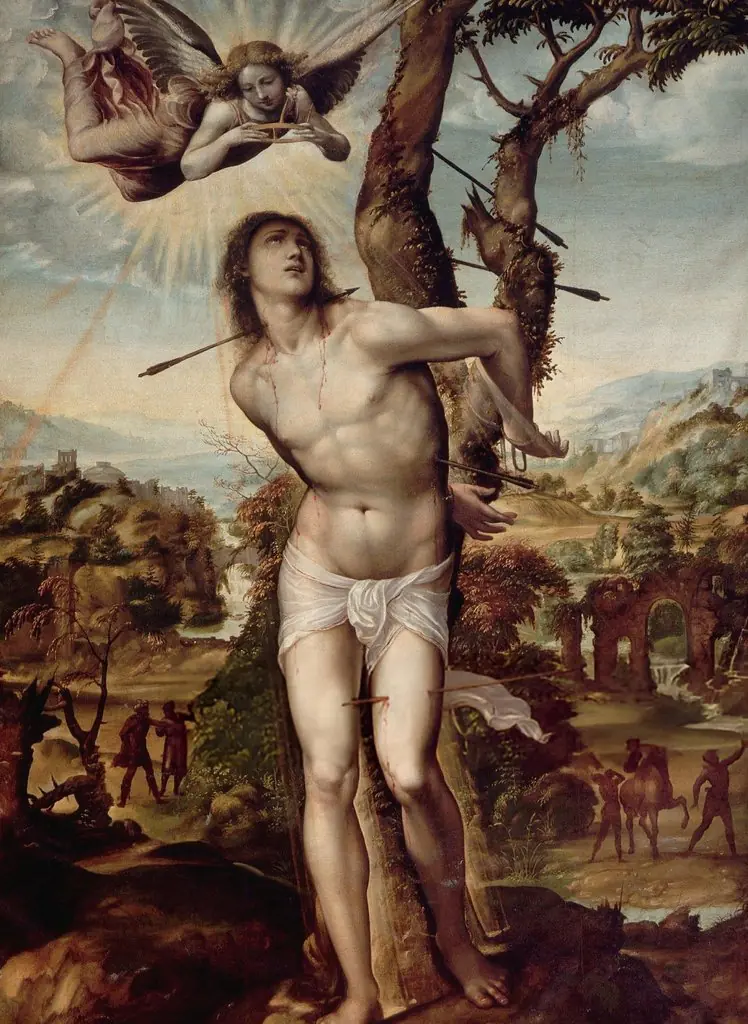
Painted in 1525 by Giovanni Antonio Bazzi, known as Il Sodoma, this work combines devotional imagery with the refined elegance of Mannerism. A central figure of Saint Sebastian, wounded and bleeding, stands amid a quiet landscape, surrounded by the Virgin Mary and other saints. The composition reflects Sodoma’s training in both Roman High Renaissance ideals and the lyrical traditions of Siena, where he spent most of his career. The painting resides today in the Uffizi Gallery in Florence.
Subject & Meaning
The painting presents Saint Sebastian as a martyr, pierced by arrows and enduring suffering with quiet resolve. His presence is framed by the Virgin Mary and attendant saints, suggesting a devotional context meant to inspire contemplation of faith and sacrifice. The somber tone and physical vulnerability of Sebastian contrast with the serene dignity of the holy figures around him, reinforcing themes of endurance and divine grace amid earthly pain.
Technique & Style
Sodoma employs chiaroscuro to model the figure’s muscular form, heightening the emotional weight of Sebastian’s torment. The drapery and skin tones are rendered with soft transitions, showing influence from Raphael and Leonardo. The landscape background, with its hazy hills and muted sky, avoids naturalistic detail, instead serving as a contemplative stage. Elongated proportions and refined gestures reflect Mannerist tendencies, distancing the work from classical balance while retaining its grace.
History & Provenance
Commissioned during Sodoma’s mature period, the painting likely originated as an altarpiece for a Sienese chapel. It entered the Medici collections in the 16th century and was later transferred to the Uffizi Gallery, where it remains. Its survival through centuries of religious and political change speaks to its enduring status within Florentine ecclesiastical art, even as stylistic tastes evolved beyond Mannerism.
Context
Created during a time when Siena’s artistic identity was shifting under Roman influence, the work embodies a regional synthesis. While Rome embraced classical harmony, Sienese painters retained a more expressive, emotional approach. Sodoma, having worked briefly in Rome, merged these currents, producing images that satisfied both spiritual devotion and aesthetic innovation, catering to patrons who valued both piety and artistic sophistication.
Legacy
Though less celebrated than his contemporaries, Sodoma’s integration of Sienese lyricism with Roman structure influenced later Mannerist developments in central Italy. This painting exemplifies his ability to convey spiritual gravity through refined form and controlled emotion. Its presence in the Uffizi ensures continued study as a bridge between Renaissance naturalism and the stylized expressiveness of the following generation.
Artist & collection
Artist
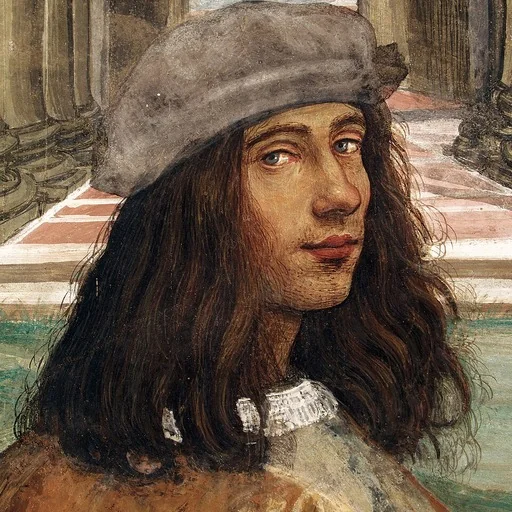
Il Sodoma was the name given to the Italian Renaissance painter Giovanni Antonio Bazzi.