Artwork
Repaos
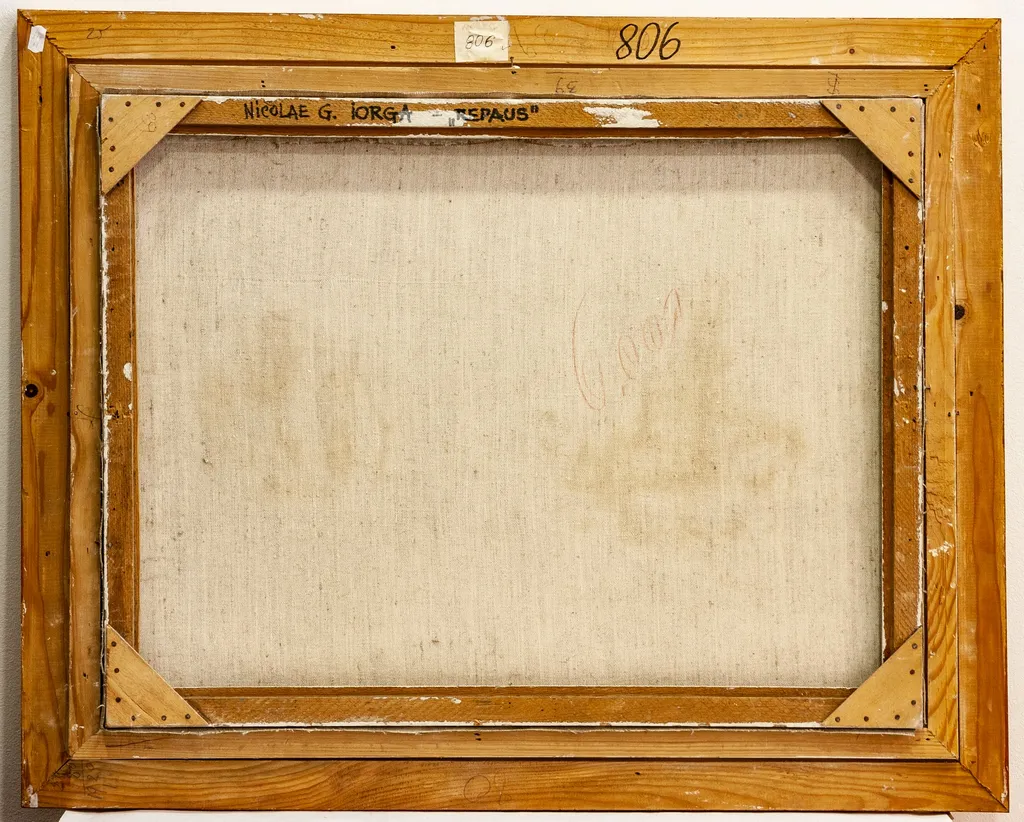
Repaos is a print by Nicolae Iorga. It dates from 1915 and is held in the collection of the Gavrila Simion Eco-Museum Research Institute Tulcea. Repos is a work attributed to Nicolae G.
About this work
Overview
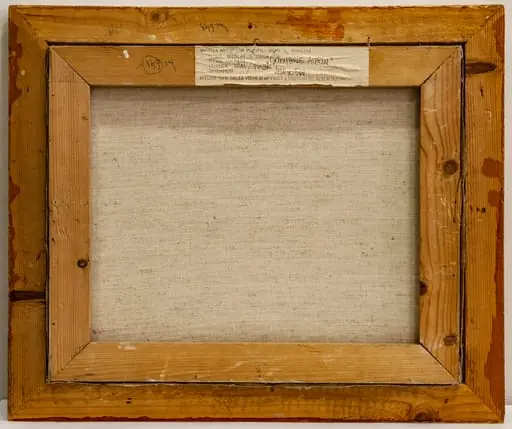
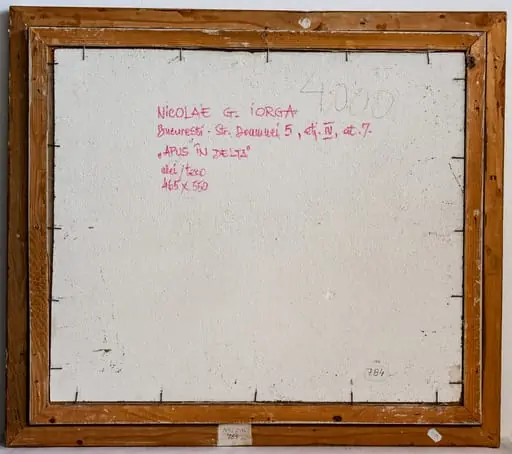
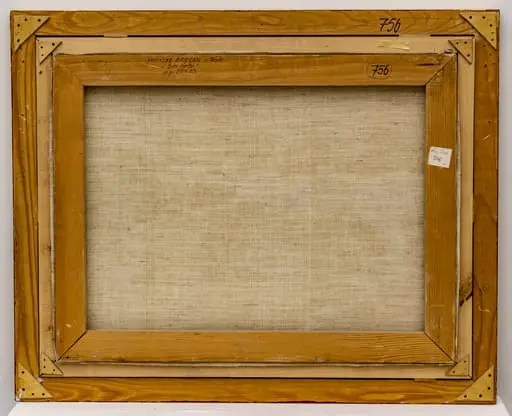
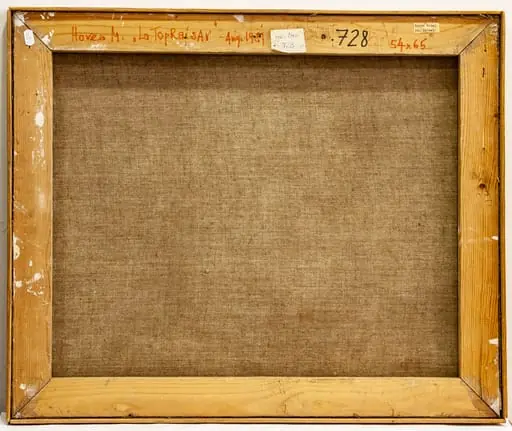
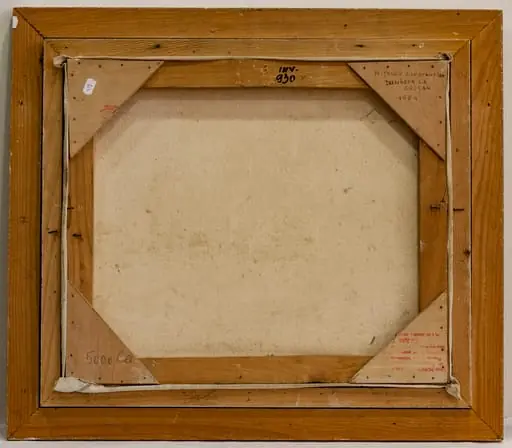
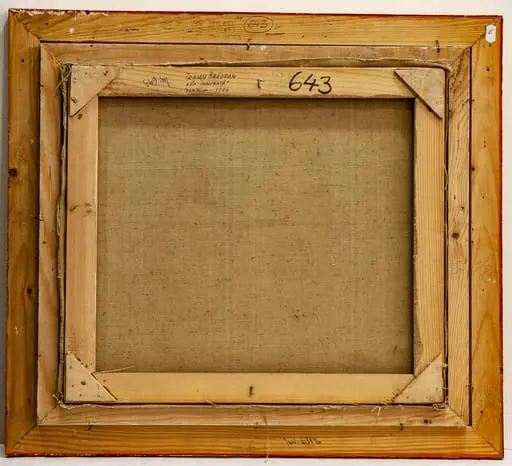
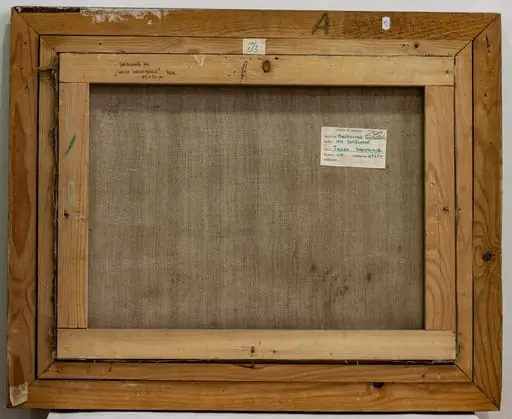
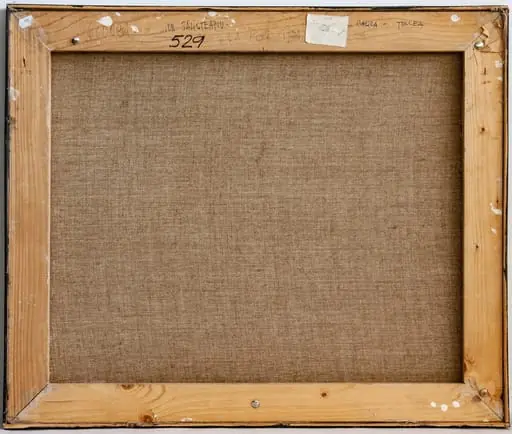
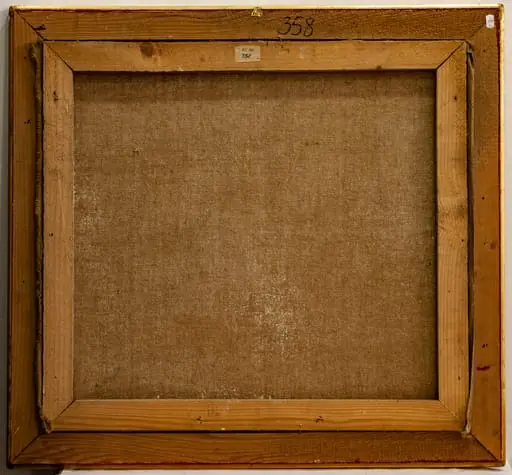
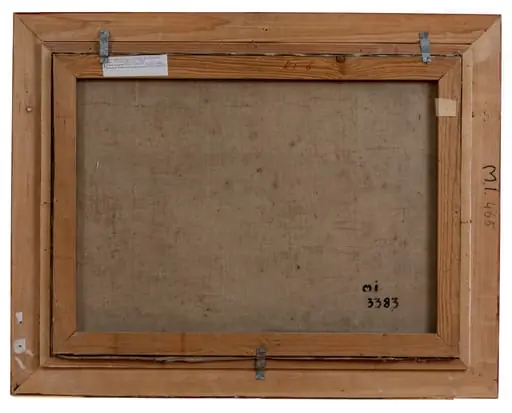
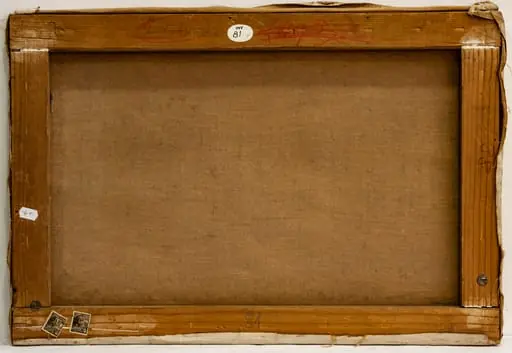
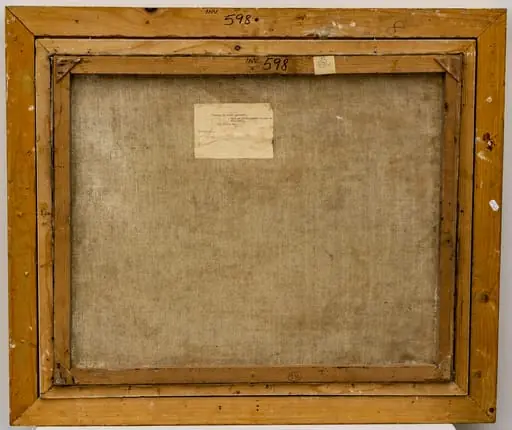
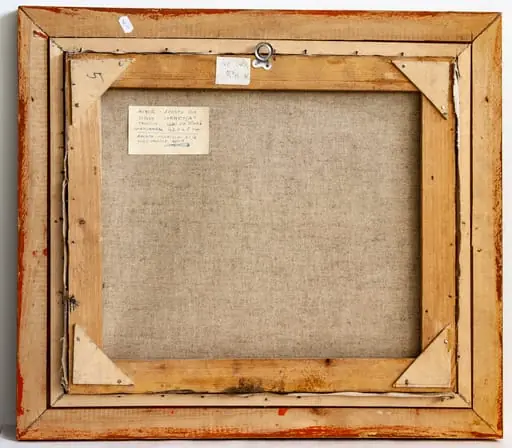
Repos is a work attributed to Nicolae G. Iorga, dated around 1915, and currently held by the Museum of Ethnography. The piece consists of an unadorned white canvas stretched within a modest, light-brown wooden frame showing signs of age. The artist’s full name is inscribed directly on the frame, indicating it was intended as a finished object, though no image appears on the surface.
Subject & Meaning
The work presents no figurative or symbolic content, raising questions about its purpose. It may reflect an abandoned project, a conceptual gesture, or an experimental act of negation. Given Iorga’s broader engagement with cultural documentation, the empty canvas could signify absence, silence, or the limits of representation within ethnographic practice.
Technique & Style
No paint or drawing is present on the canvas, making traditional artistic technique irrelevant to its form. The frame’s simple construction and worn finish suggest utilitarian origins, possibly repurposed from a studio setting. The absence of embellishment aligns with a deliberate restraint, contrasting with Iorga’s more detailed ethnographic illustrations.
History & Provenance
The work entered the Museum of Ethnography’s collection with minimal documentation. Its origin as an unfinished or deliberately blank piece remains unverified. No records confirm whether Iorga intended it as a statement, a failed experiment, or a placeholder. The inscription on the frame is the sole direct link to the artist’s hand.
Context
Repaos stands apart from his documented output, possibly reflecting personal or philosophical experimentation during a period of cultural redefinition.
In early 20th-century Romania, Iorga was known for scholarly work in history and ethnography, often producing detailed illustrations of folk life. Repaos stands apart from his documented output, possibly reflecting personal or philosophical experimentation during a period of cultural redefinition. Its presence in an ethnographic museum may signal an interest in the material traces of artistic process.
Legacy
Repos has not been widely discussed in art historical literature, but its preservation suggests institutional recognition of its ambiguity as culturally significant. It invites reflection on the boundaries of art, authorship, and completion. As a silent object, it endures as a quiet counterpoint to the prolific output of its creator.
Artist & collection

Artist
Nicolae Iorga was a Romanian historian, politician, literary critic, memoirist, albanologist, poet and playwright.
Museum
Gavrila Simion Eco-Museum Research Institute Tulcea
Continue through works from the same source collection.