Artwork
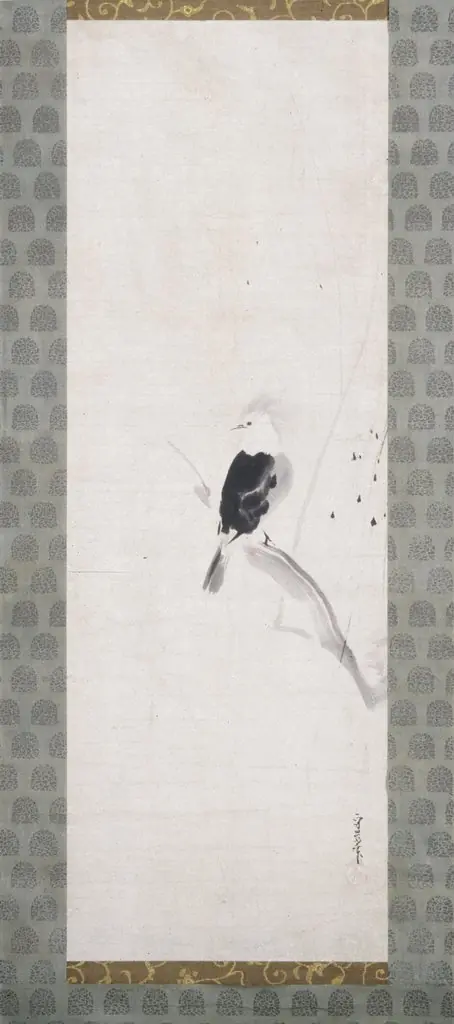
White Cockatoo on a Pine Branch
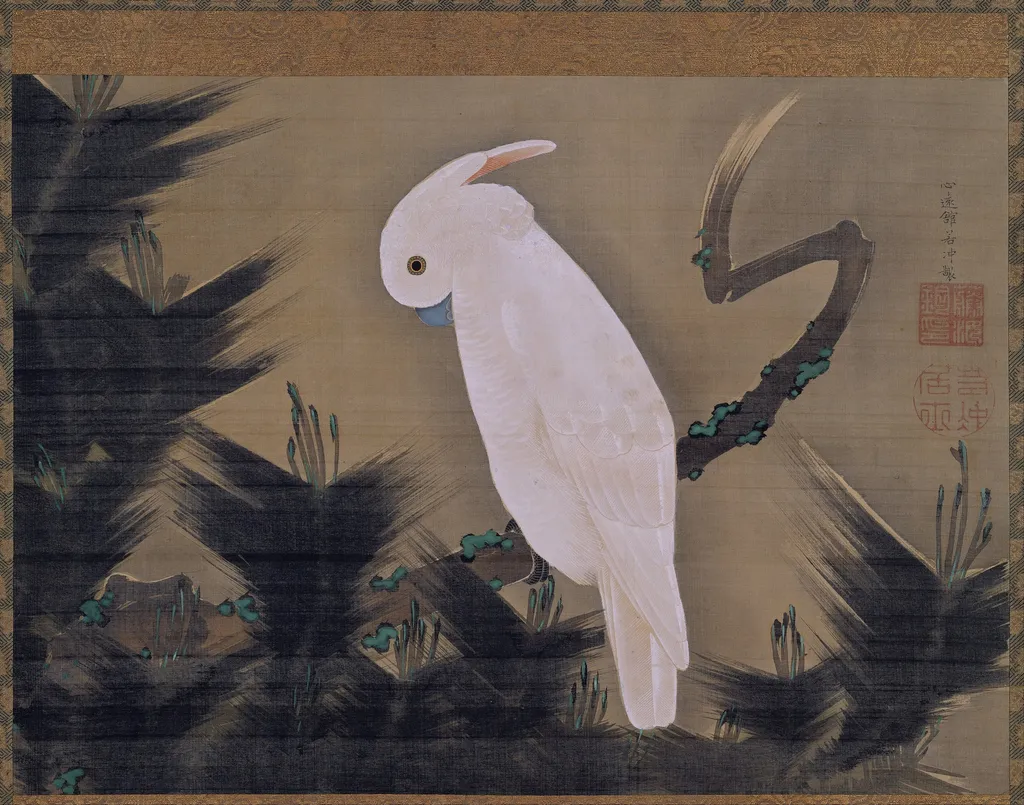
White Cockatoo on a Pine Branch is an unspecified painting by the Nihonga artist Itō Jakuchū. It dates from 1750 and is held in the collection of the Museum of Fine Arts Boston.
About this work
Overview
The painting is now in the collection of the Museum of Fine Arts, Boston, where it is recognized for its distinctive visual language and technical precision.
Painted around 1750 by Itō Jakuchū, this work features a solitary white cockatoo perched on a pine branch. Executed in ink and color on silk, it belongs to a series of animal studies that reflect the artist’s deep engagement with natural forms. The painting is now in the collection of the Museum of Fine Arts, Boston, where it is recognized for its distinctive visual language and technical precision.
Subject & Meaning
The cockatoo, a non-native bird in Japan, was likely observed in captivity or through imported specimens. Its presence suggests an interest in exotic life, but the painting avoids ornamental symbolism. Instead, Jakuchū focuses on the bird’s physical presence—its posture, plumage, and stillness—inviting quiet contemplation rather than narrative or allegory.
Technique & Style
Jakuchū employed fine, controlled brushwork for the bird’s feathers, creating a luminous white surface that contrasts sharply with the dark, irregular background. The branch and surrounding foliage are rendered with rapid, textured strokes, suggesting movement and spontaneity. The background’s ink splashes and uneven tones evoke natural decay or atmospheric depth, grounding the bird in a tactile, imperfect world.
History & Provenance
The painting was produced during Jakuchū’s mature period, when he was developing his unique style outside mainstream Japanese painting traditions. It was likely part of a larger set of animal and plant studies. The work entered the Museum of Fine Arts, Boston, in the early 20th century through a collection of Japanese art acquired from private Japanese dealers and collectors.
Context
In mid-18th century Japan, natural observation was gaining traction among artists and scholars, influenced by Chinese literati traditions and emerging empirical interests. Jakuchū, a lay Buddhist and former merchant, pursued detailed studies of flora and fauna as acts of devotion and inquiry. His approach diverged from decorative court styles, favoring direct, unidealized representation.
Legacy
Jakuchū’s animal paintings, including this one, are now regarded as pivotal in the evolution of Japanese naturalism. His fusion of meticulous detail with expressive brushwork influenced later generations of painters seeking to reconcile observation with artistic freedom. The work remains a key example of Edo-period art that bridges scientific curiosity and aesthetic innovation.
Artist & collection


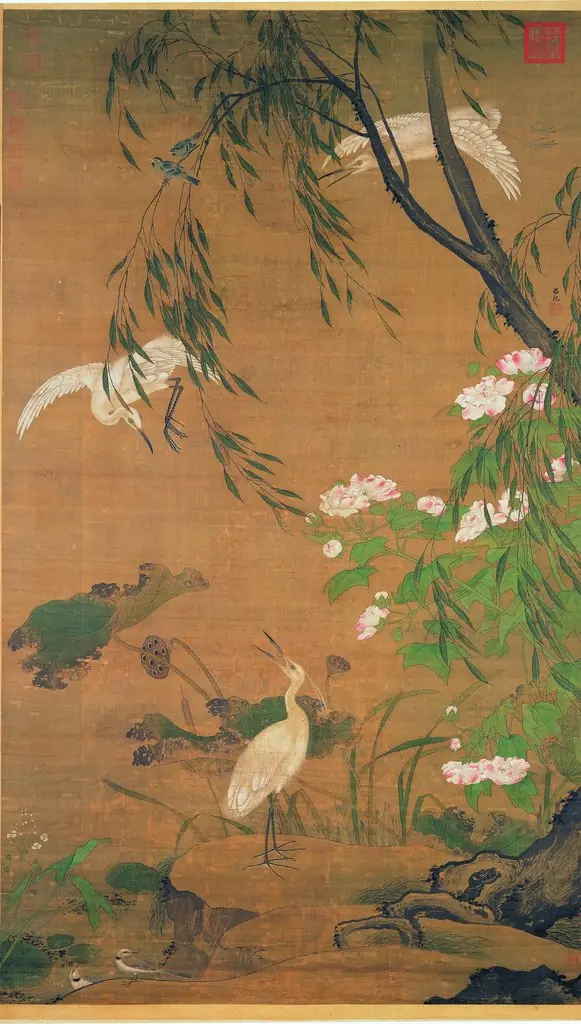 Egrets and Hibiscus in Autumn
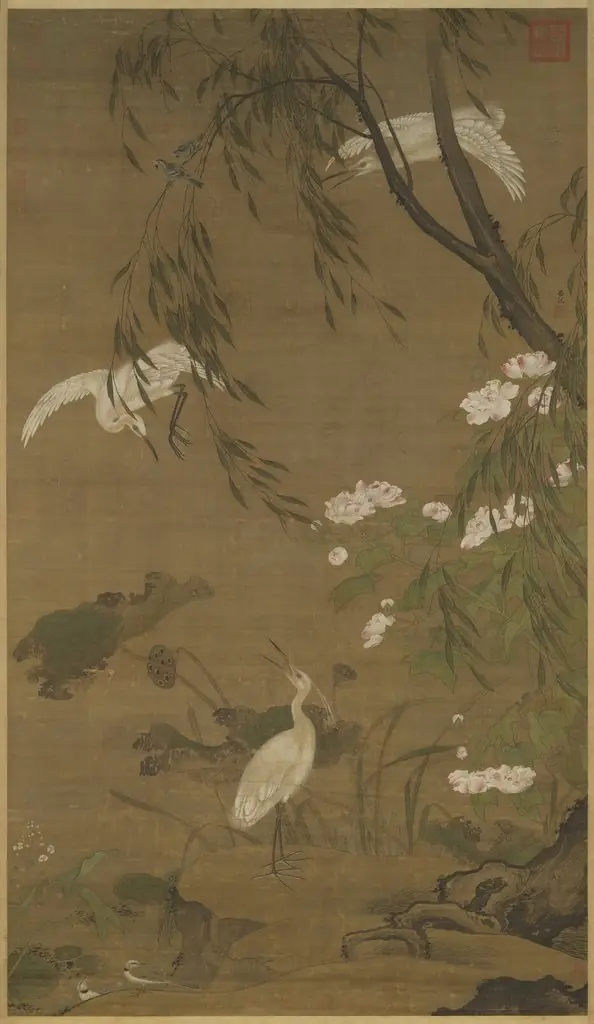 明呂紀秋鷺芙蓉圖 軸
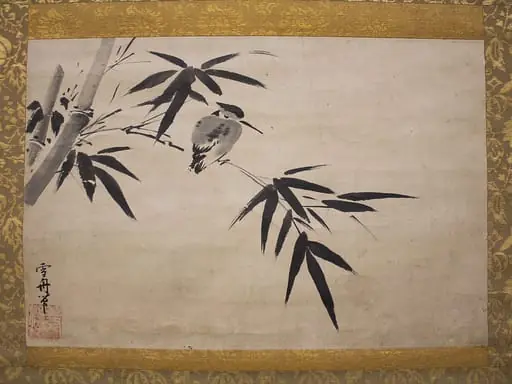 竹に翡翠図|Kingfisher and Bamboo
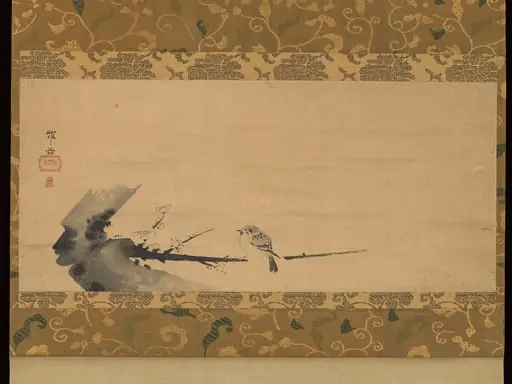 Untitled
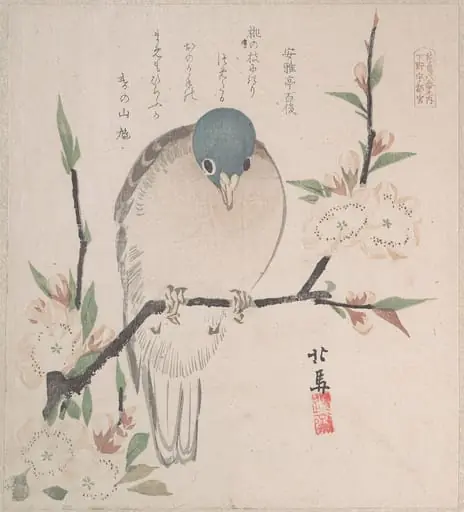 摺物帖 『春雨集』 『花鳥六番之内 下野宇都宮』 桃に山鳩|Spring Rain Collection (Harusame shū), vol. 3: Mountain Dove and Peach Flowers
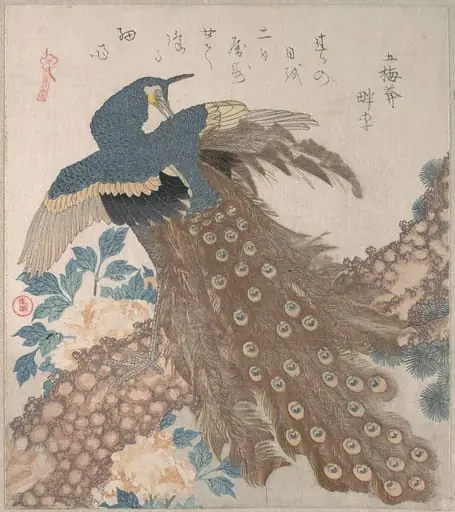 「三ひらの内」松・牡丹に孔雀|Peacock on Pine Tree and Peonies, from the series Three Sheets (Mihira no uchi)
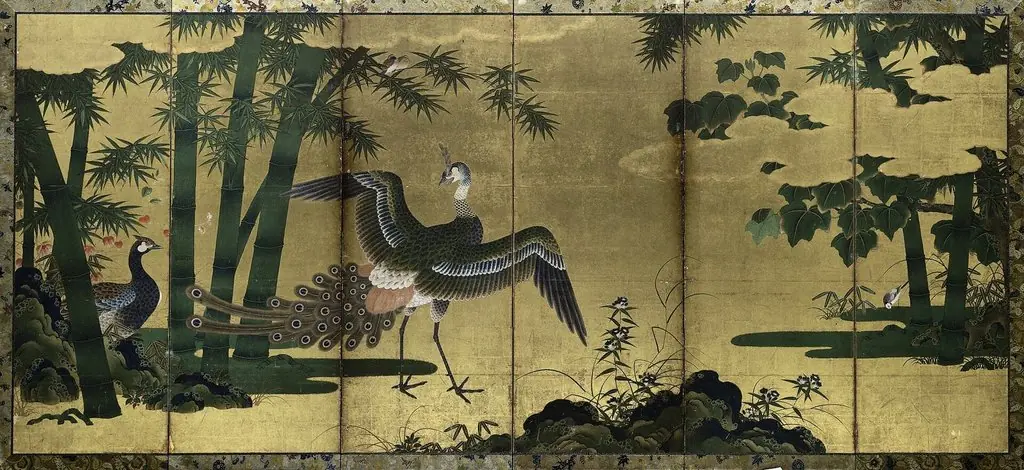 Peacocks and Bamboo
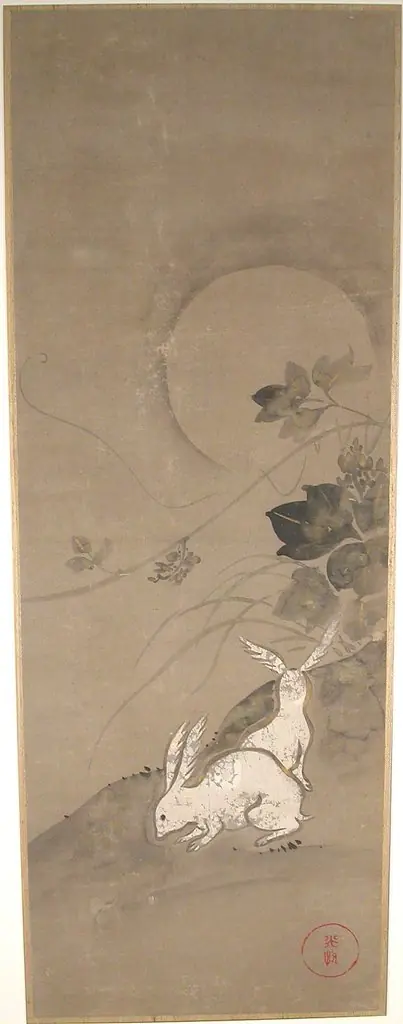 Rabbits
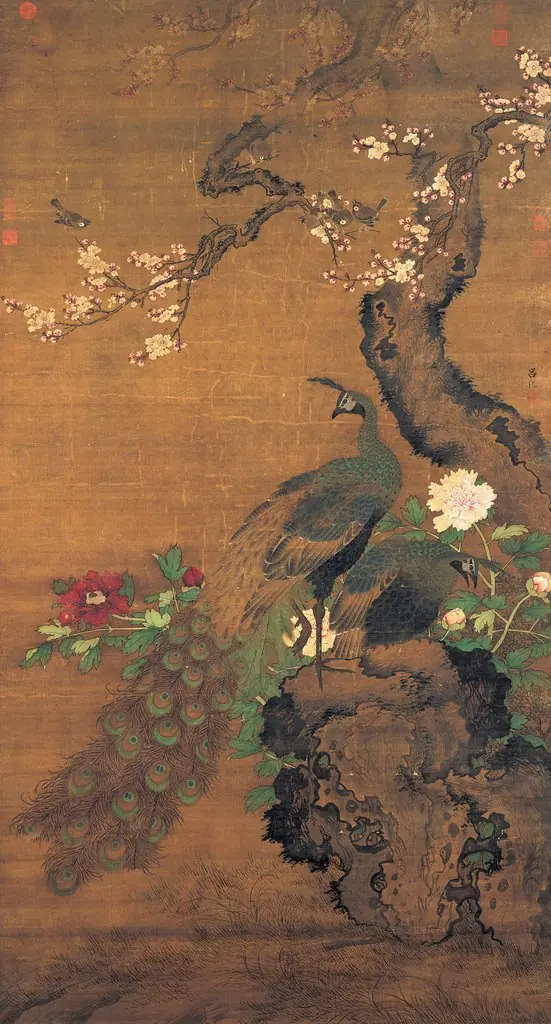 明呂紀杏花孔雀 軸
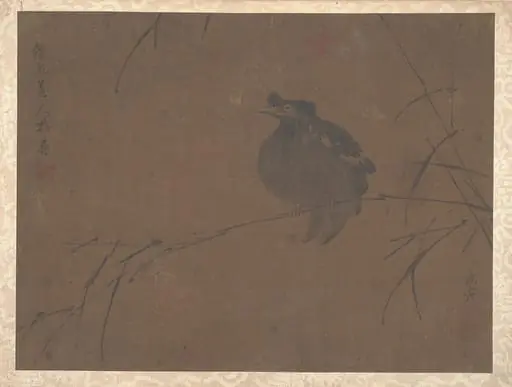 清 郭汝龍 指畫寒禽圖 冊頁|Mynah on Reed
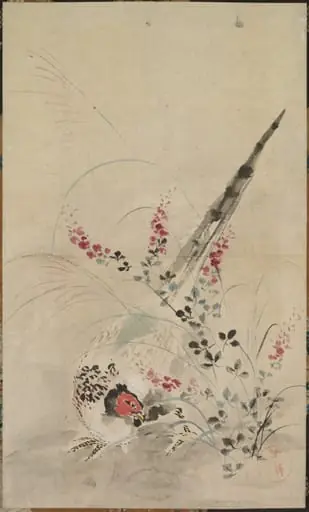 Pheasant and Grasses
 Bird on Branch