Artwork
The Thirty-Six Immortal Poets (1 of a pair)
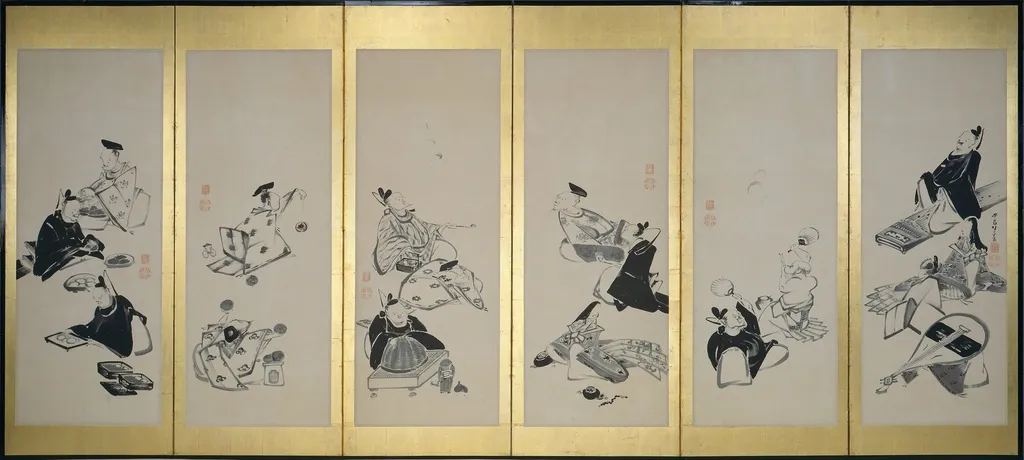
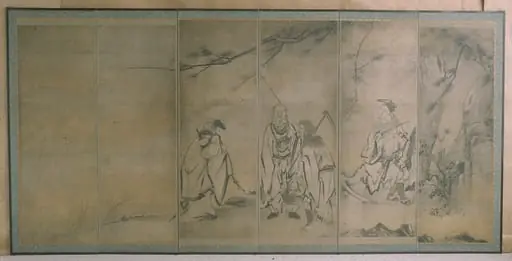
The Thirty-Six Immortal Poets (1 of a pair) is an unspecified painting by the Ukiyo-e artist Itō Jakuchū. It dates from 1800 and is held in the collection of the Denver Art Museum.
About this work
Overview
The work titled The Thirty‑Six Immortal Poets (1 of a pair) is a painted composition executed in the year 1800 by the Japanese artist Itō Jakuchū. It forms one half of a complementary duo and is presently part of the collection of the Denver Art Museum.
Subject & Meaning
The painting depicts the celebrated group of thirty‑six poets revered in classical Chinese literary tradition, a theme that resonated with Edo‑period scholars and artists. By portraying these figures, Jakuchū aligns his visual practice with the intellectual reverence for poetry and its moral exemplars.
Technique & Style
Created during the late Edo period, the piece reflects Jakuchū’s meticulous brushwork and vibrant coloration, hallmarks of his approach to narrative subjects. The composition balances detailed portraiture with decorative elements, illustrating the artist’s synthesis of realism and decorative abstraction.
History & Provenance
After its completion in 1800, the painting remained in Japan before entering the international market in the 20th century. It was acquired by the Denver Art Museum, where it now resides alongside its companion piece, completing the original pair.
Context
Jakuchū produced this work at a time when Japanese painters increasingly engaged with Chinese literary motifs, integrating them into visual art. The choice of the thirty‑six immortal poets reflects broader cultural exchanges between Japan and China during the Edo era.
Artist & collection


 The Tale of Genji
 Gathering of Otsu-e Subjects
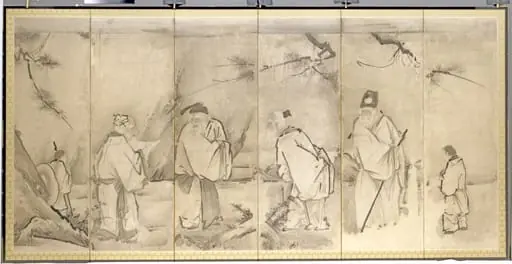 Four Elders of Mt. Shang
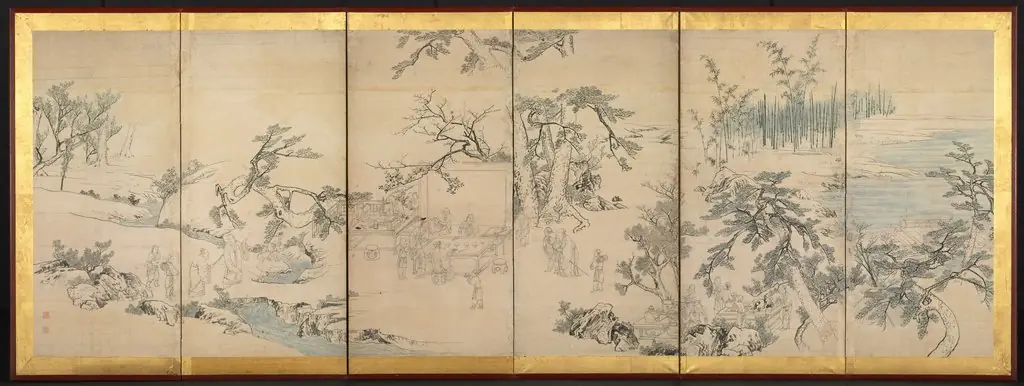 Literary Gathering in the Orchid Pavilion
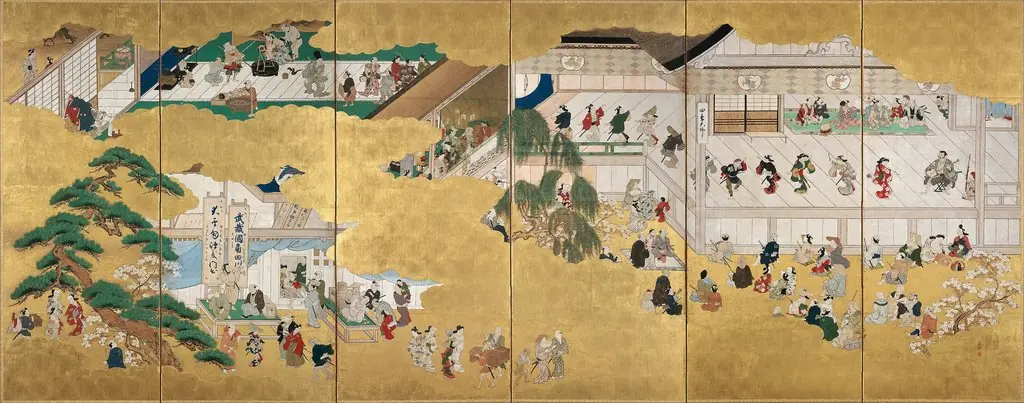 Scenes from the Nakamura Kabuki Theater
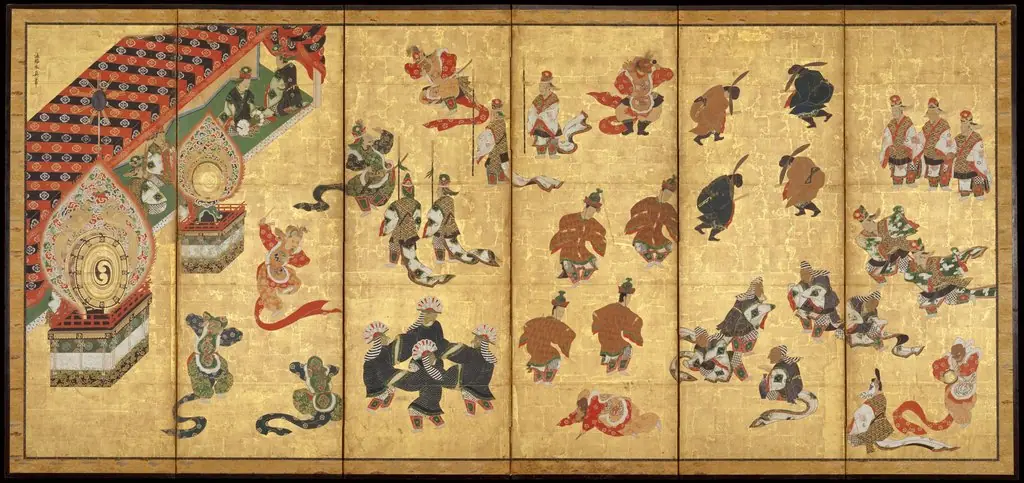 Bugaku Dancers
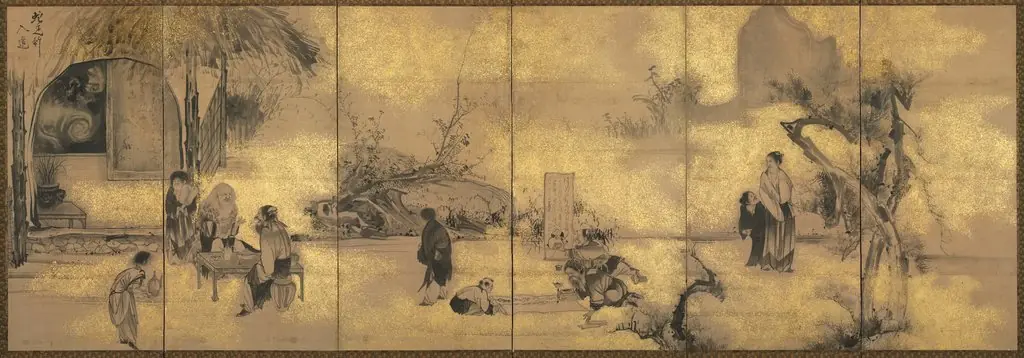 The Eight Immortals of the Wine Cup
 Reishō: Paragon of Filiel Piety; Chinese Blue Magpie with Flowering Plum; Sparrows, Willow, and Rose
 Scenes from Essays in Idleness
 Untitled
 The Tale of Genji
 群仙図屏風|Immortals