Artwork
Playing Cards
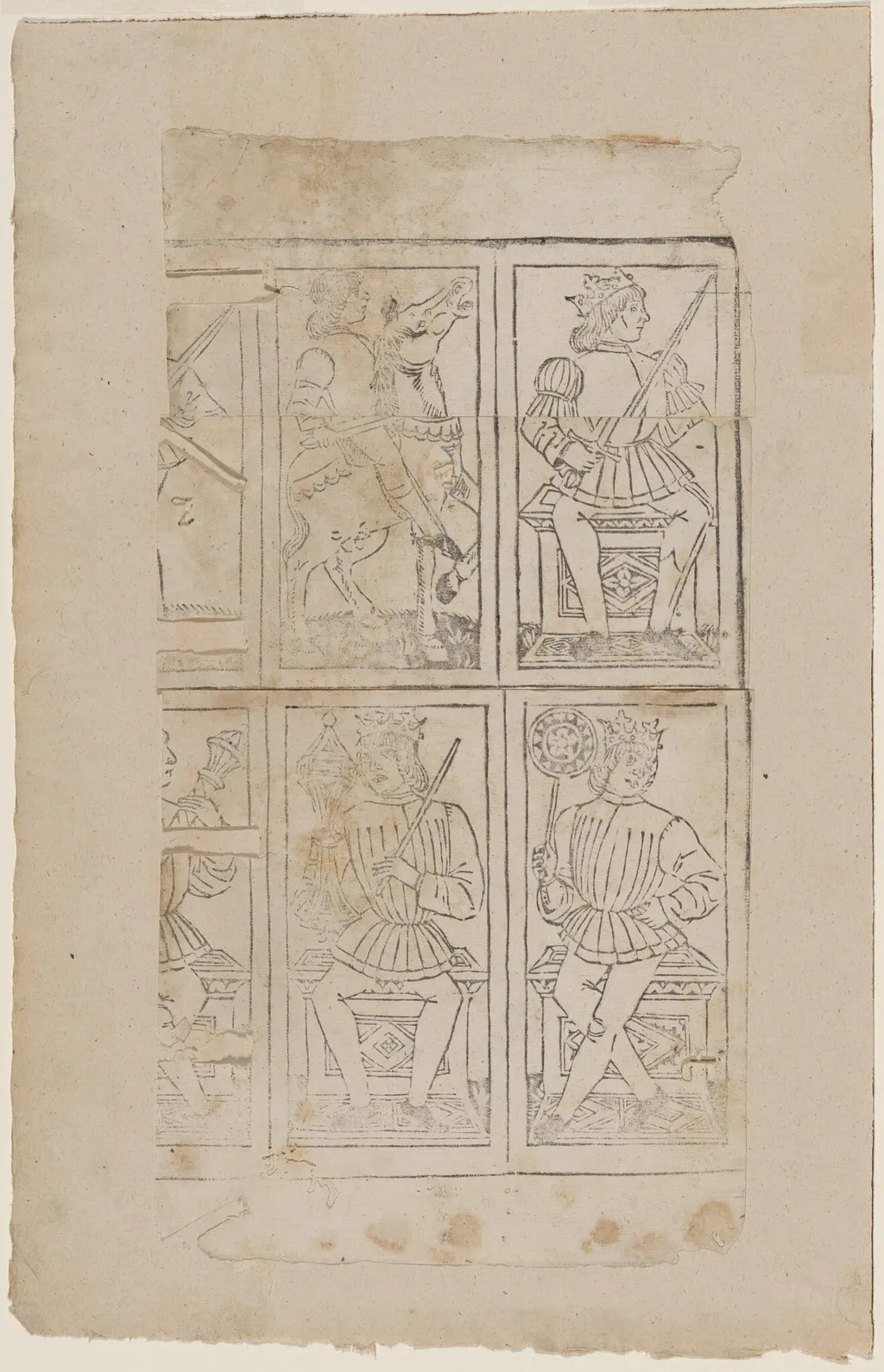
Playing Cards is an ink print by the Renaissance artist Italian 15th Century. It dates from 1470 and is held in the collection of the National Gallery of Art.
About this work
Overview
Playing Cards is a woodcut print that presents four monochrome figures arranged within individual frames. Each figure bears a distinct implement—a spear, a staff, a sword, or a shield—and is dressed in period costume, some topped with crowns or elaborate hats. The composition is rendered in stark black and white against an unadorned background, emphasizing the carved lines of the woodblock.
Subject & Meaning
The four characters appear to embody archetypal roles or symbolic functions rather than specific individuals. Their varied weapons and regalia suggest representations of martial, judicial, or ceremonial duties, inviting viewers to interpret the scene as an allegory of societal positions or card suits.
Technique & Style
Created by carving the design into a wooden matrix, the artist applied ink to the raised surfaces and transferred the image onto paper—a traditional woodcut process. The resulting work is characterized by bold linear cuts, high contrast, and a flat, graphic quality typical of early printmaking.
History & Provenance
The piece is identified as a print, indicating it was produced in multiples from a single woodblock. No specific date, artist, or collection information is supplied, limiting knowledge of its origin or subsequent ownership.
Context
Woodcut printing was a widely used technique for disseminating images in the pre‑modern era, often employed for book illustrations, pamphlets, and affordable art. This work aligns with that tradition, using the medium’s capacity for clear, reproducible imagery to convey symbolic content.
Artist & collection

Artist
This anonymous Italian engraver from the 1490s carved images that could be peeled apart like paper dolls—each knot in the "First Knot" print was cut from a single sheet so you could lift the loops right off the page.


![The Destruction of the Egyptian Idols [verso], by Italian 15th Century](https://artifactworldgallery.com/img/italian-15th-century--the-destruction-of-the-egyptian-idols-verso--646d3c2b8098cfee-w320.webp)
![The Flight into Egypt [recto], by Italian 15th Century](https://artifactworldgallery.com/img/italian-15th-century--the-flight-into-egypt-recto--8f4d5275d7f90f98-w320.webp)
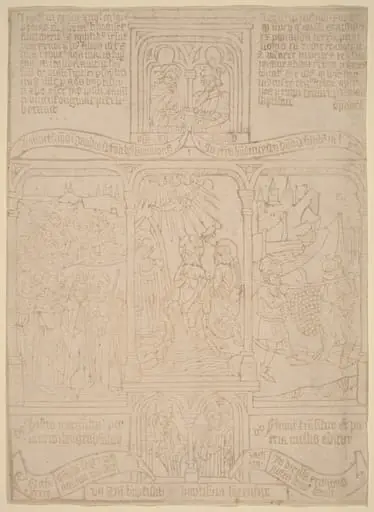 The Baptism of Christ; Pharoah Passing through the Red Sea; Joshua and Caleb
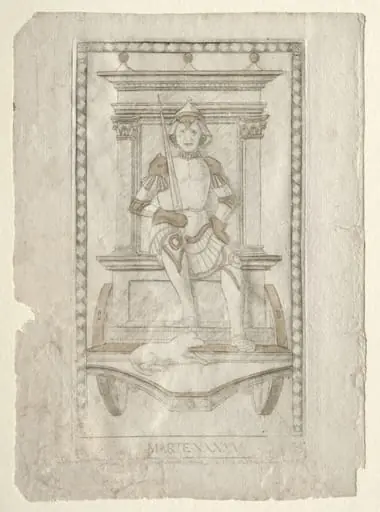 Mars (from the Tarocchi, series A: Firmaments of the Universe, #45)
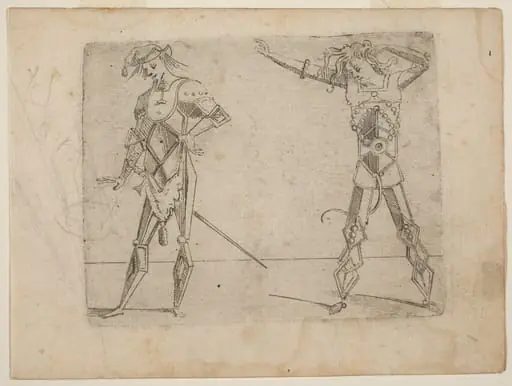 From "Bizzarie di varie Figure"
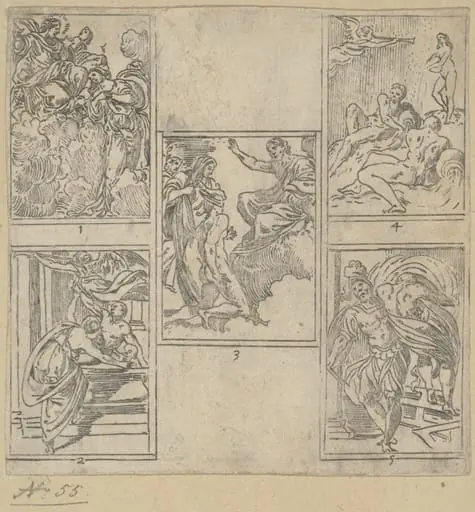 The Obsequies of Agostino Carracci: Third Plate
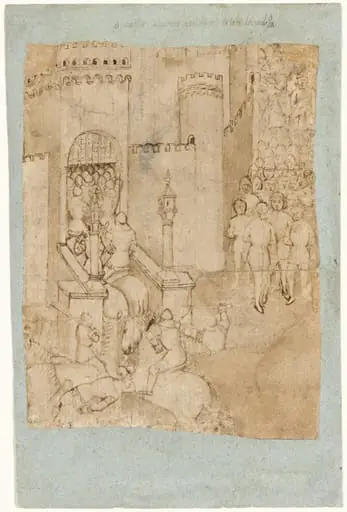 Conquest of a Town
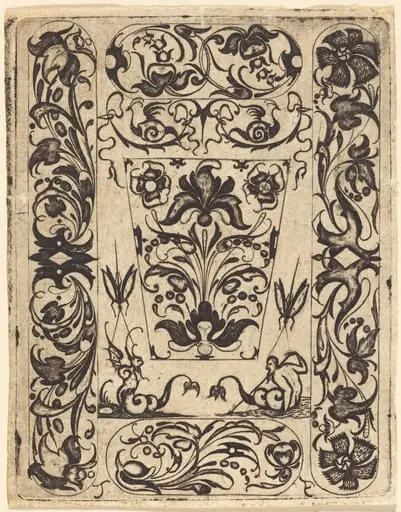 Ornament
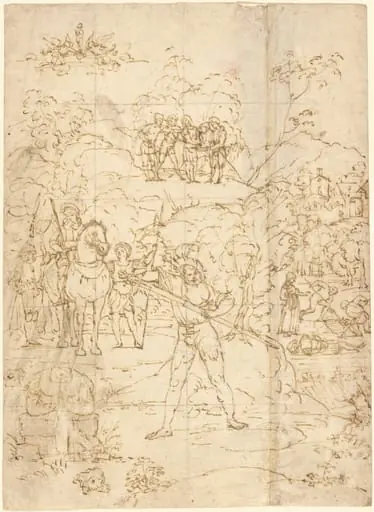 The Martyrdom of Saint Alexander of Bergamo
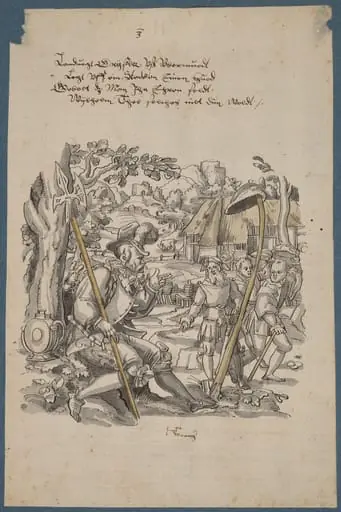 William Tell Refusing to Honor Governor Gessler's Hat