Artwork
The Inferno, after the Fresco in the Camposanto of Pisa
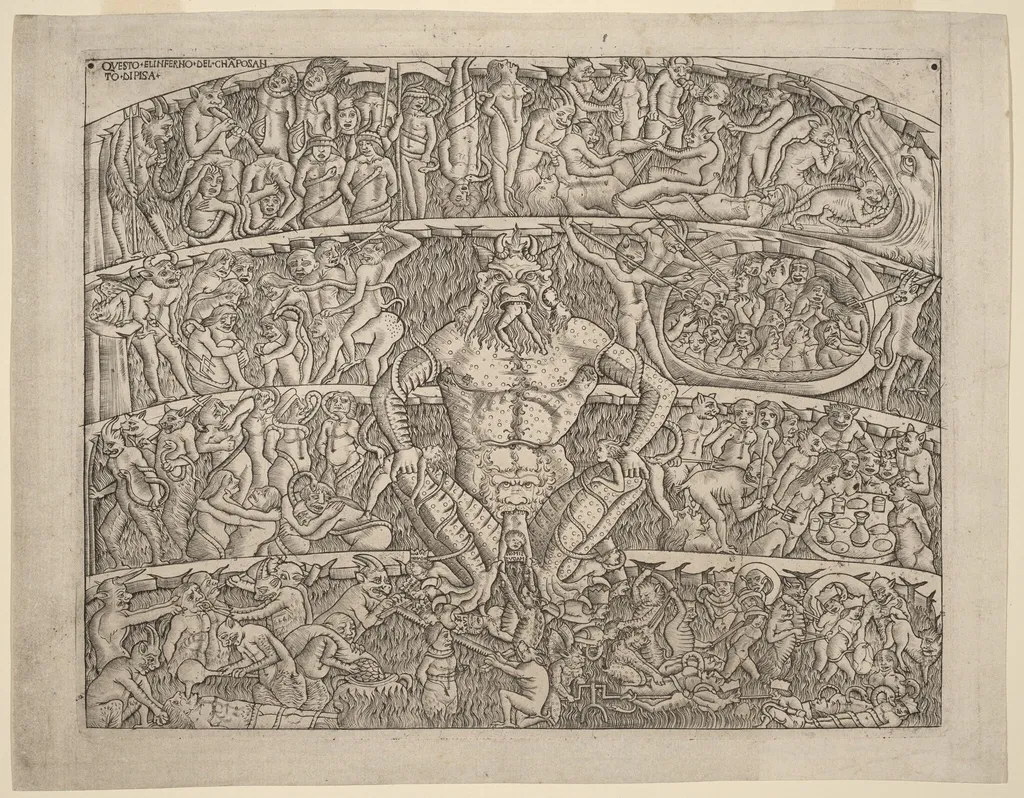
The Inferno, after the Fresco in the Camposanto of Pisa is an ink print by the Renaissance artist Italian 15th Century. It dates from 1490 and is held in the collection of the National Gallery of Art. This black‑and‑white engraving presents a densely packed vision of Dante’s first circle of Hell.
About this work
Overview
This black‑and‑white engraving presents a densely packed vision of Dante’s first circle of Hell. The composition is filled with contorted figures, flames and grotesque creatures, all rendered in a tight, frenetic arrangement that conveys a sense of panic and disorder.
Subject & Meaning
The print visualizes the opening cantos of the Inferno, depicting souls caught in torment and chaos. The crowded figures, their gestures of screaming and clawing, illustrate the poem’s themes of moral reckoning and the overwhelming nature of sin’s punishment.
Technique & Style
Executed as an engraving, the artist builds form through a multitude of fine, cross‑hatched lines. This stippling technique creates deep shadows and a textured surface, intensifying the dramatic chiaroscuro and giving the scene a palpable, oppressive atmosphere.
History & Provenance
The work is a reproductive print after an original fresco that once adorned the Camposanto Monumentale in Pisa. While the fresco has not survived, the engraving preserves its composition, allowing the lost medieval mural to be studied through this printed interpretation.
Artist & collection

Artist
This anonymous Italian engraver from the 1490s carved images that could be peeled apart like paper dolls—each knot in the "First Knot" print was cut from a single sheet so you could lift the loops right off the page.


![The Destruction of the Egyptian Idols [verso], by Italian 15th Century](https://artifactworldgallery.com/img/italian-15th-century--the-destruction-of-the-egyptian-idols-verso--646d3c2b8098cfee-w320.webp)
![The Flight into Egypt [recto], by Italian 15th Century](https://artifactworldgallery.com/img/italian-15th-century--the-flight-into-egypt-recto--8f4d5275d7f90f98-w320.webp)
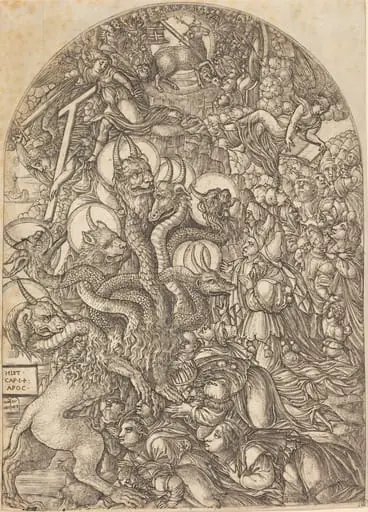 The Beast with Seven Heads and Ten Horns
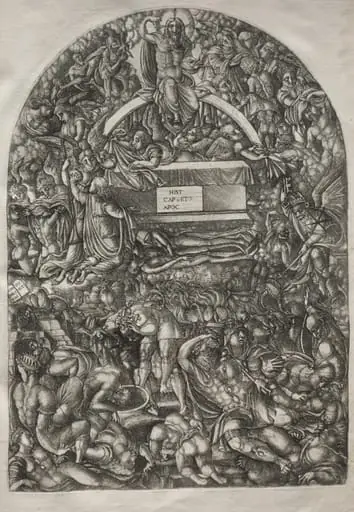 The Apocalypse: A Star Falls and Makes Hell to Open
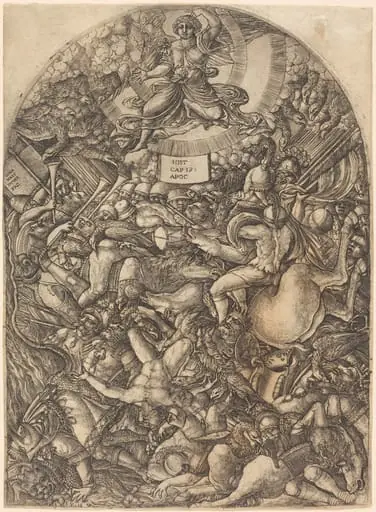 The Angel in the Sun Calling the Birds of Prey
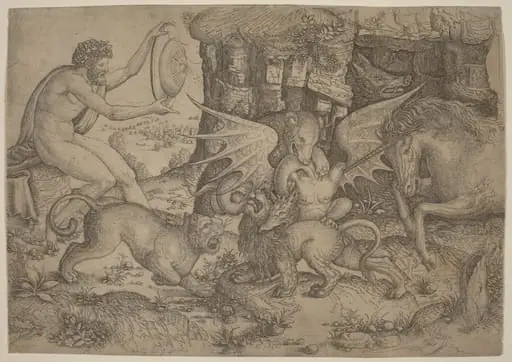 Allegorical Theme: Combat of Animals
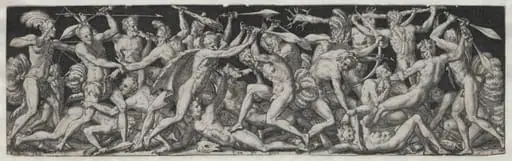 Combats and Triumphs No. 7
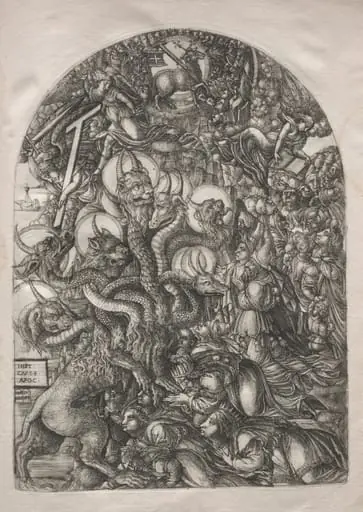 The Apocalypse: The Beast with Seven Heads and Ten Horns
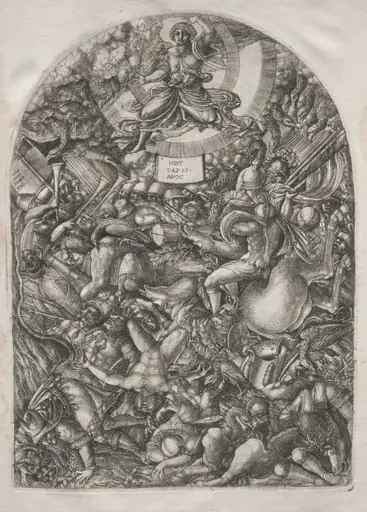 The Apocalypse: The Angel in the Sun Calling the Birds of Prey
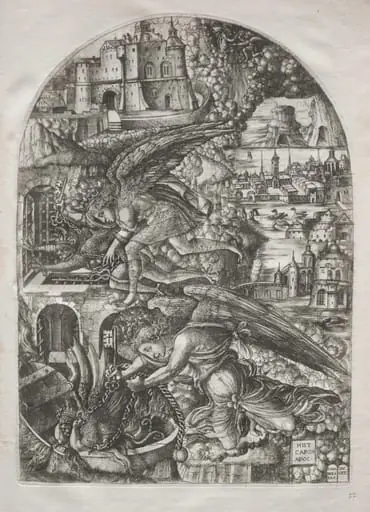 The Apocalypse: Satan Bound for a Thousand Years
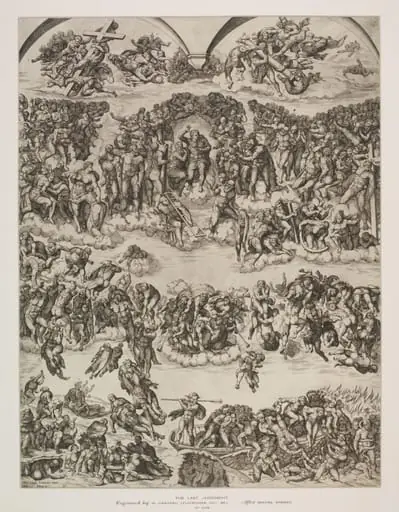 The Last Judgment
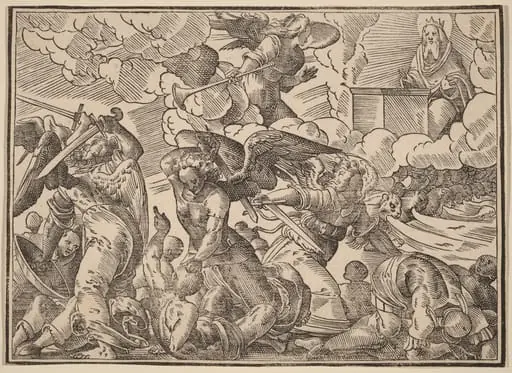 The Four Horsemen of the Apocalypse
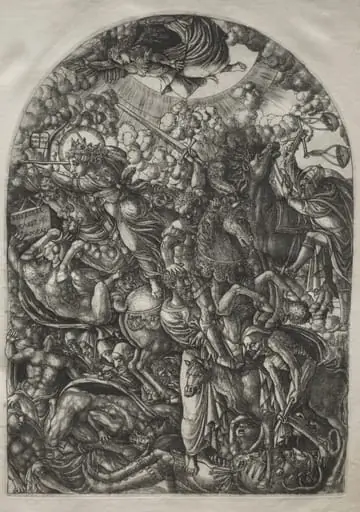 The Apocalypse: St. John Sees the Four Riders
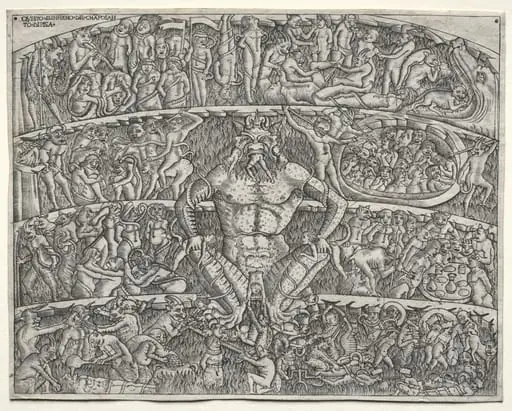 The Inferno According to Dante, after the Fresco in the Campo Santo at Pisa