Artwork
The Mithras Relief
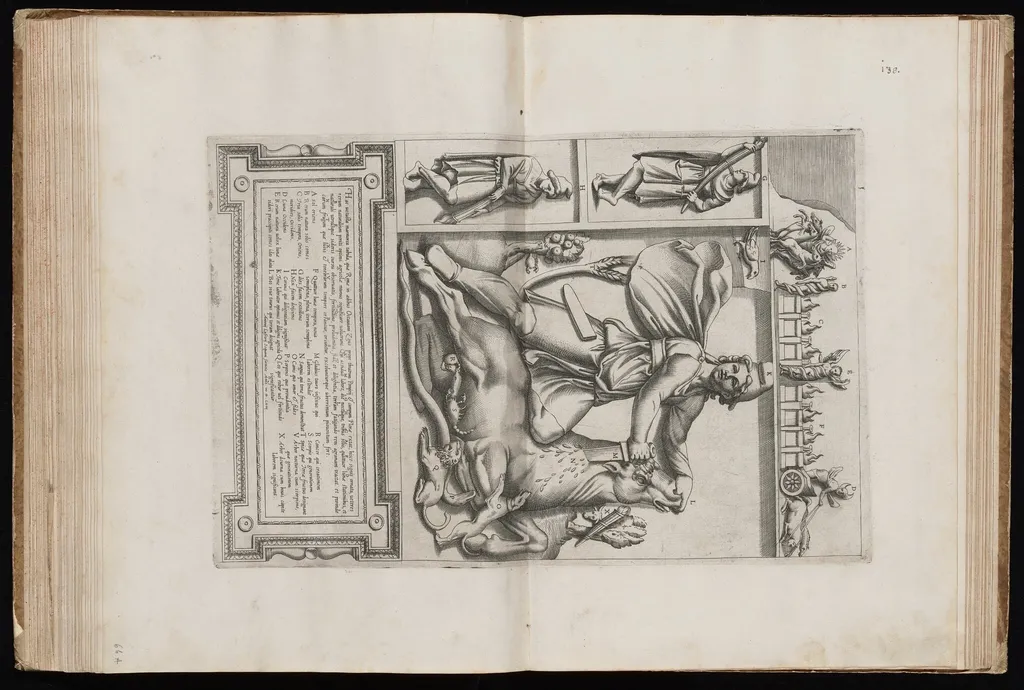
The Mithras Relief is an ink print by the Renaissance artist Italian 16th Century. It dates from 1564 and is held in the collection of the National Gallery of Art.
About this work
Overview
Antonio Lafreri’s 16th‑century Italian engraving, known as the Mithras Relief, presents a complex composition centered on the god Mithras in the act of slaying a bull. The image is rendered on a larger scale than earlier Mithraic reliefs, incorporating a range of attendant symbols and figures that articulate the ritual context of the ancient mystery cult.
Subject & Meaning
The central narrative shows Mithras thrusting a knife into a bull, a scene called the tauroctony that symbolised cosmic renewal.
The central narrative shows Mithras thrusting a knife into a bull, a scene called the tauroctony that symbolised cosmic renewal. Flanking the central act are a raven, a dog, a snake, as well as representations of the sun and moon, each element holding specific theological significance within Mithraic belief. Additional figures represent the dedicant and a group of initiates, underscoring the communal aspect of the rite.
Technique & Style
Executed as an engraving, the work employs incised lines to achieve fine detail and tonal variation, allowing the intricate iconography to be reproduced with clarity. Lafreri’s handling of line weight creates a sense of depth, while the larger format distinguishes it from the more modest stone reliefs traditionally used in Mithraic sanctuaries.
History & Provenance
Created in the mid‑1500s, the print reflects a Renaissance revival of interest in antiquarian subjects. Lafreri, a noted Italian publisher, produced this piece as a larger, more elaborate version of earlier Mithraic reliefs, likely intended for a learned audience rather than for ritual use. The engraving has since entered museum collections that focus on the transmission of classical motifs.
Context
During the Renaissance, scholars and artists revisited ancient religions, and Mithraic imagery became a subject of curiosity and study. The inclusion of the dedicant’s portrait indicates a personalized devotional function, while the presence of initiates points to the continued fascination with secret societies. The work thus bridges antiquarian scholarship and the period’s broader engagement with classical mysticism.
Artist & collection

Artist
A 16th-century Italian sculptor left us small bronze works in dark brown and gold.


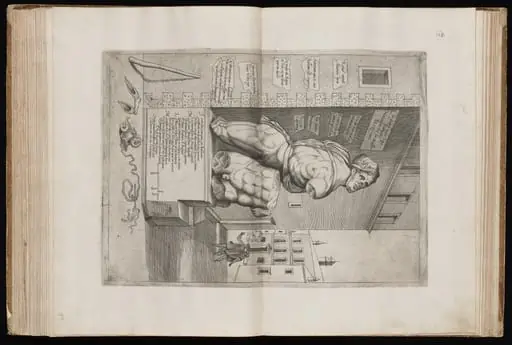 The Statue of Pasquino
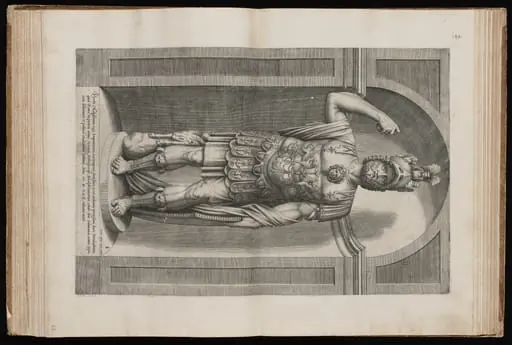 The Statue of Mars, called 'Pyrrhus'
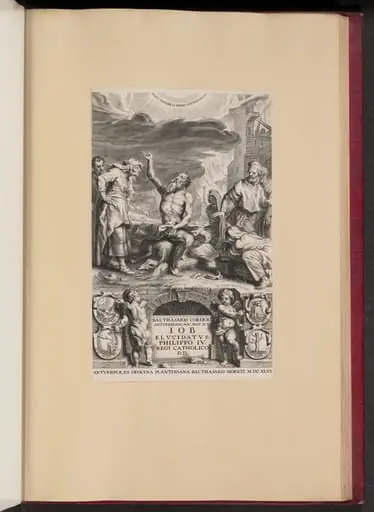 Title Page for Balthasar Cordier, Iob Elvcidatvs
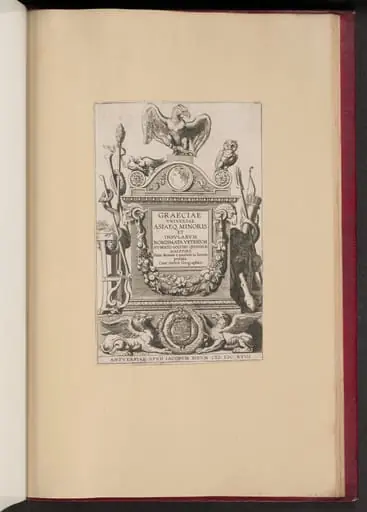 Title Page for Hubert Goltzius, Graeciae Vniversae Asiaeq. Minoris et Insularum Nomismata
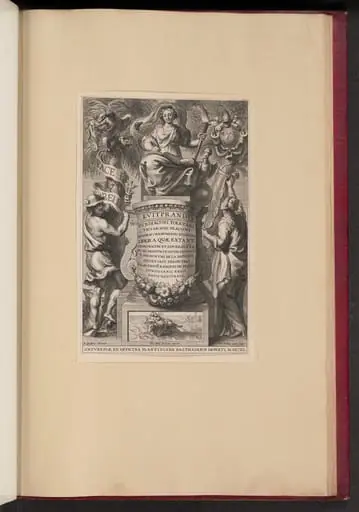 Title Page for Liutprand, Opera
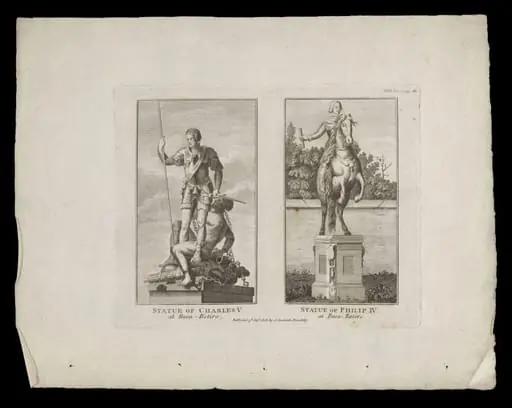 H Beard Print Collection
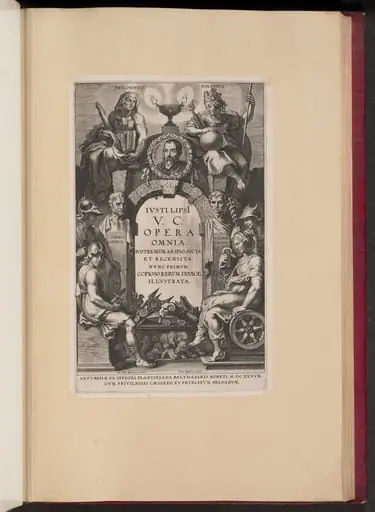 Title Page for Justus Lipsius, Opera Omnia, I
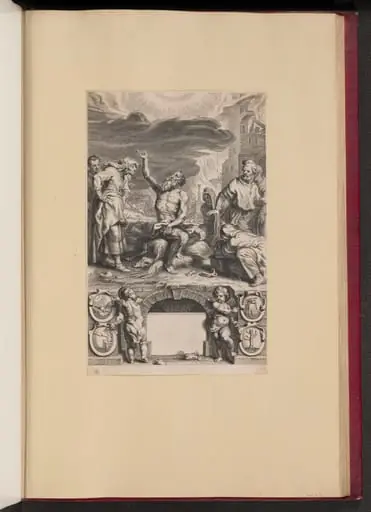 Title Page for Balthasar Cordier, Iob Elvcidatvs