Artwork
Title Page for Balthasar Cordier, Iob Elvcidatvs
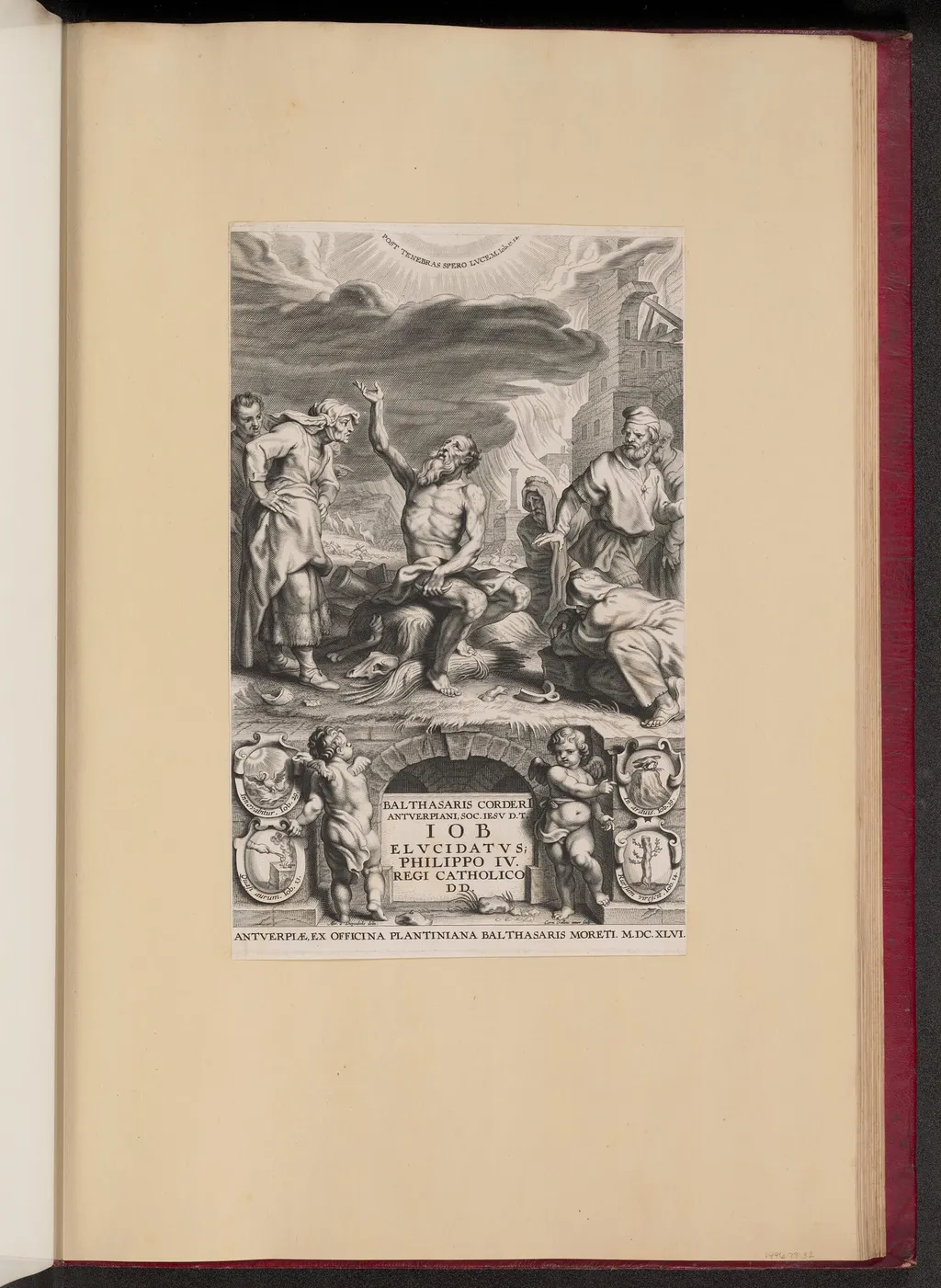
Title Page for Balthasar Cordier, Iob Elvcidatvs is an ink print by the Baroque artist Cornelis Galle II. It dates from 1646 and is held in the collection of the National Gallery of Art.
About this work
Overview
This 1646 engraving by Cornelis Galle II serves as the title page for Balthasar Cordier’s Latin edition of the Book of Job. Executed in fine line work on laid paper, it presents a biblical scene with precise detail, characteristic of 17th-century printmaking. The composition functions both as an introduction to the text and as a visual meditation on suffering and divine silence.
Subject & Meaning
Surrounding him, other men—some seated, some standing—appear absorbed in thought or quiet discourse, reflecting the communal response to his plight.
The central figure, Job, sits on a rock, bearded and gazing skyward, embodying quiet endurance amid affliction. Surrounding him, other men—some seated, some standing—appear absorbed in thought or quiet discourse, reflecting the communal response to his plight. Behind them, a distant cityscape suggests the world continuing unchanged, heightening the sense of isolation and spiritual inquiry central to the biblical narrative.
Technique & Style
Galle employed fine, controlled engraving lines to render texture in fabric, rock, and cloud. The figures are rendered with restrained detail, emphasizing posture and gesture over facial expression. Atmospheric depth is achieved through graduated tonal contrasts and diminishing scale in the background architecture, aligning with Northern Renaissance traditions of narrative clarity and symbolic composition.
History & Provenance
Created for Cordier’s scholarly edition of Job, the print was part of a broader humanist effort to revive patristic and biblical texts with scholarly rigor. Galle, a Flemish engraver from a family of printmakers, frequently worked on religious and literary publications for Antwerp publishers. This plate likely circulated among scholars and clergy in Catholic Europe during the Counter-Reformation.
Context
In mid-17th-century Europe, biblical imagery in print served both devotional and intellectual purposes. Cordier’s edition, with Galle’s title page, responded to growing interest in textual accuracy and theological reflection. The scene’s quiet solemnity contrasts with more dramatic Baroque depictions of Job, reflecting a preference for contemplative piety in scholarly circles.
Legacy
Though not widely reproduced in later centuries, the engraving remains a representative example of how biblical narratives were visually framed for academic audiences. Its restrained aesthetic influenced subsequent title designs in theological publications, preserving a tradition of visual solemnity that prioritized textual authority over emotional spectacle.
Artist & collection

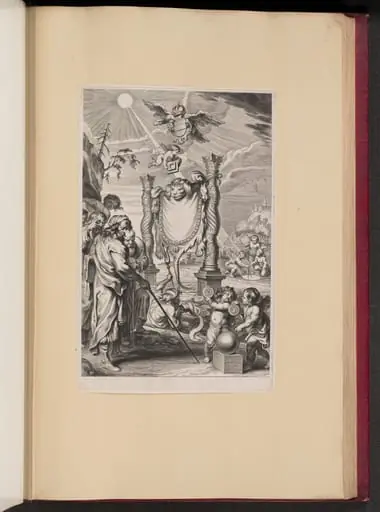 Title Page for G. de St. Vincent, Opus Geometricum Quadraturae Circuli
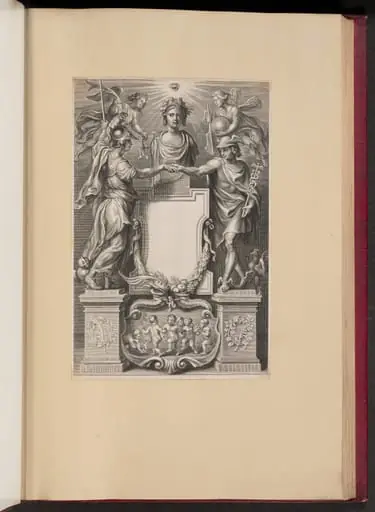 Title Page for Frederik de Marselaer, Legatvs
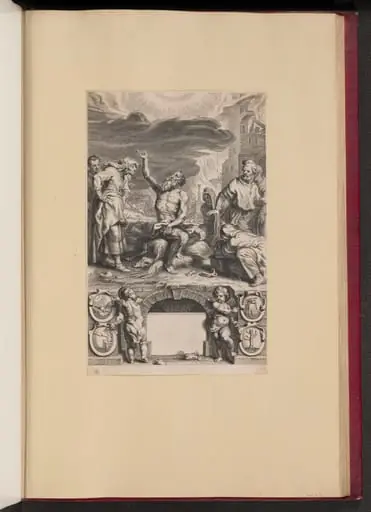 Title Page for Balthasar Cordier, Iob Elvcidatvs
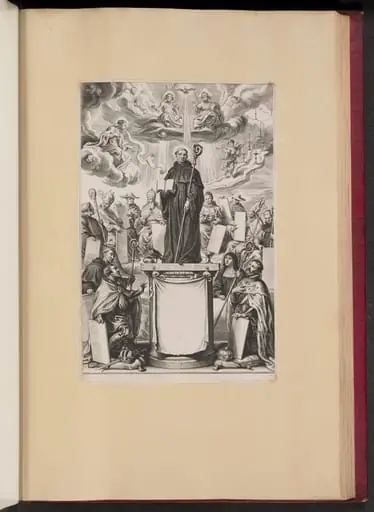 Title Page for Dommo Benedicto Haeftano's S. Benedictvs Illvstratvs
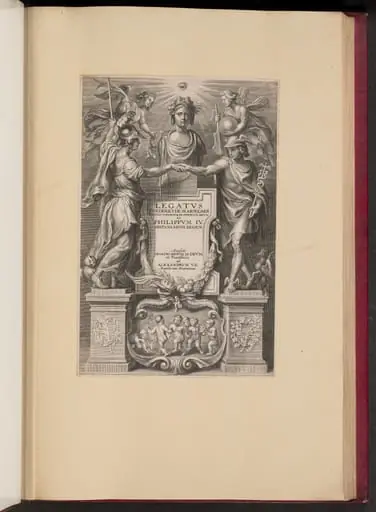 Title Page for Frederik de Marselaer, Legatvs
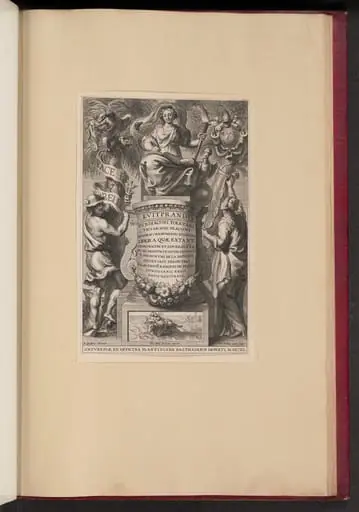 Title Page for Liutprand, Opera
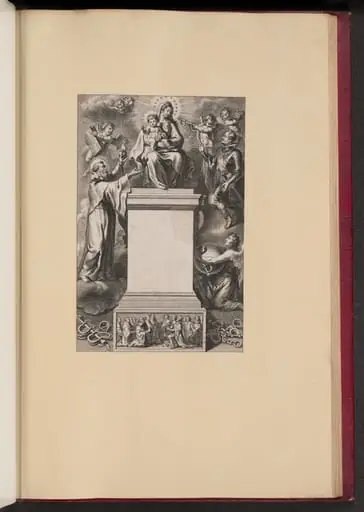 Title Page for B. De Los Rios, De Hierarchia Mariana Libri Sex
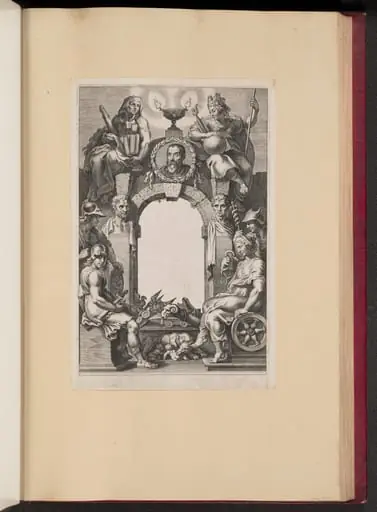 Title Page for Justus Lipsius, Opera Omnia, I
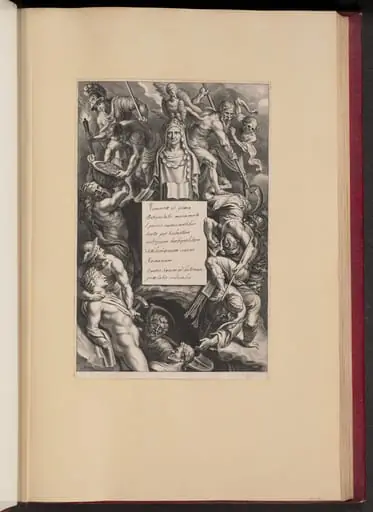 Title Page for Hubert Goltzius, Romanae et Graecae Antiqvitatis Monvmenta (Opera Omnia, I)
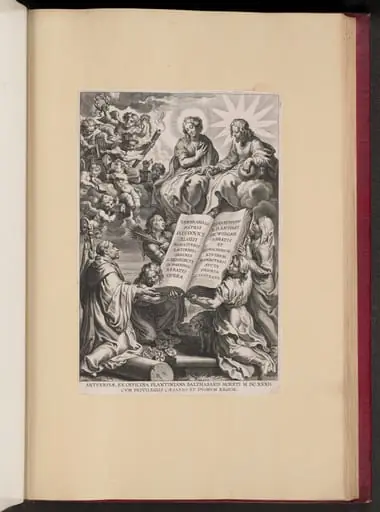 Title Page for Ludovicus Blosius, Opera
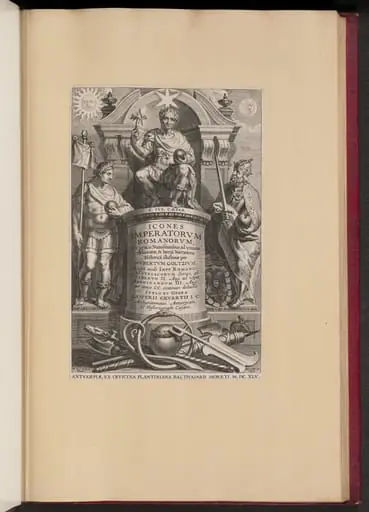 Title Page for Hubert Goltzius's Icones Imperatorvm Romanorvm (Opera Omnia, V)
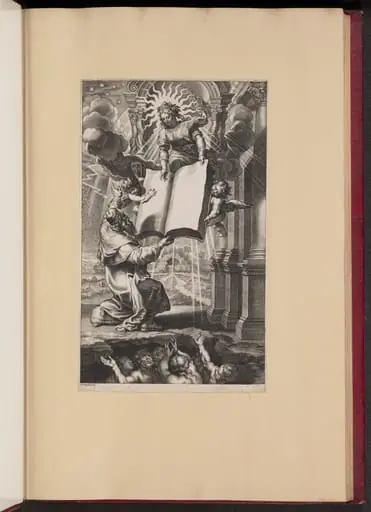 Title Page for Olivier Boonaerts' "In Ecclesiasticvm Commentarivs..."
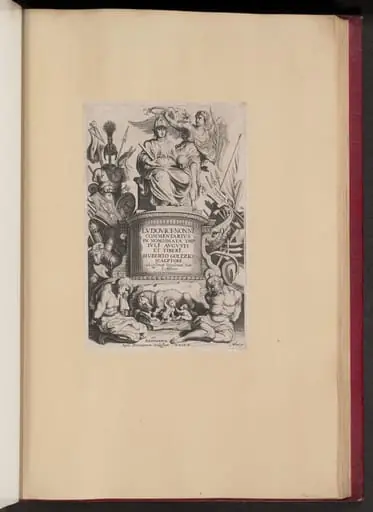 Title Page for Ludovicus Nonnius, Commentarius in Nomismata
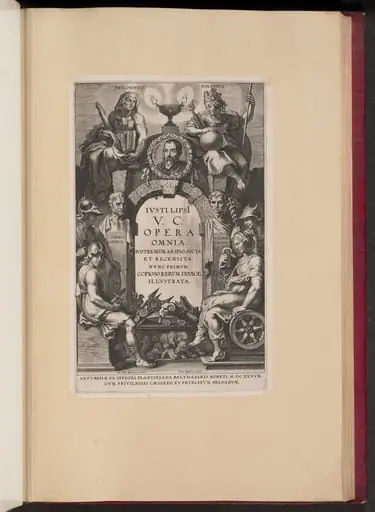 Title Page for Justus Lipsius, Opera Omnia, I