Artwork
Milan Cathedral
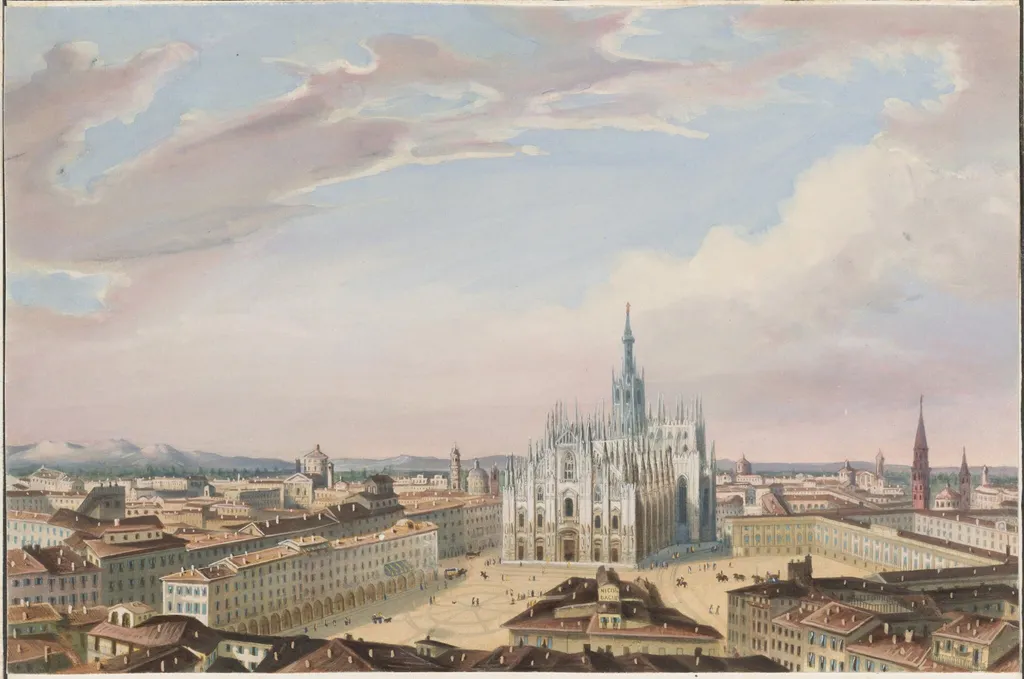
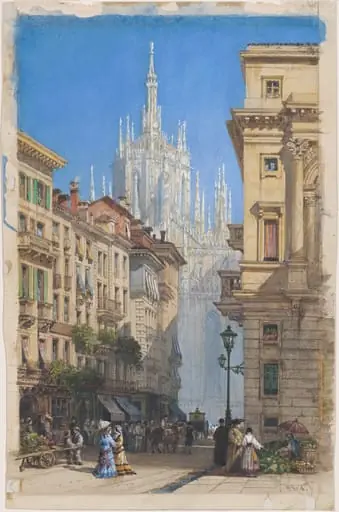
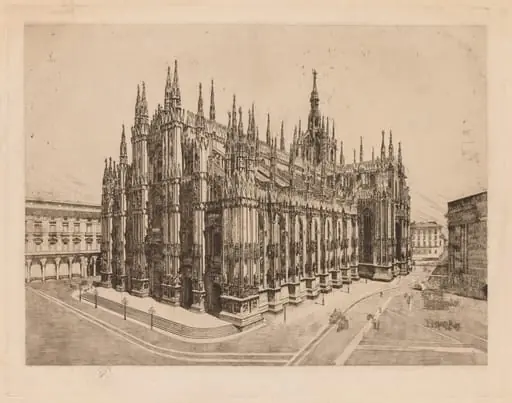
Milan Cathedral is a gouache print by the Romanticist artist Italian 19th Century. It dates from 1834 and is held in the collection of the National Gallery of Art. This work is a printed cityscape rendered in gouache over lithograph on wove paper, mounted on an older support.
About this work
Overview
It depicts the Milan Cathedral as the central architectural focus, surrounded by orderly urban structures and an open plaza.
This work is a printed cityscape rendered in gouache over lithograph on wove paper, mounted on an older support. It depicts the Milan Cathedral as the central architectural focus, surrounded by orderly urban structures and an open plaza. The composition emphasizes symmetry and calm, with a soft atmospheric tone achieved through muted hues of blue, pink, and gray, suggesting early morning or late afternoon light.
Subject & Meaning
The cathedral dominates the scene not as a religious symbol alone, but as the structural and social heart of the city. Its intricate stonework and towering spires frame a public space below, implying a setting for communal life. The surrounding buildings, with their uniform red roofs, reinforce a sense of civic order, while the open square invites the viewer to imagine gatherings, processions, or quiet contemplation.
Technique & Style
The artist combined lithographic printing with delicate gouache washes to achieve subtle tonal transitions. Lithography provided precise architectural lines, while hand-applied gouache softened edges and enriched the sky and surfaces with translucent color. The result is a balance between mechanical precision and painterly gentleness, avoiding harsh contrasts in favor of harmonious gradations.
History & Provenance
The work is mounted on an older support, suggesting it may have been produced or collected in the late 19th or early 20th century. While the artist’s identity is not specified, the technique aligns with period practices in topographical printmaking, where lithography was often enhanced with water-based media to elevate documentary images into more evocative views.
Context
During the 19th century, Italian cities like Milan became subjects of increasing artistic interest as industrialization reshaped urban landscapes. This print reflects a moment when architectural heritage was being documented with care, often for collectors or travelers seeking idealized representations of historic centers before modernization altered them.
Legacy
The piece contributes to a tradition of topographical prints that valued accuracy tempered by aesthetic restraint. Its use of layered media reflects a transitional phase in printmaking, where mechanical reproduction met hand-finishing to preserve emotional resonance. Such works remain valuable for their quiet documentation of urban form before widespread photographic documentation.
Artist & collection
Artist
This artist made prints and sculpture in 19th-century Italy, blending old techniques with new.

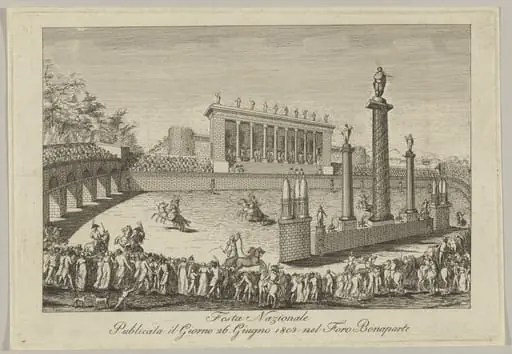
 The Duomo in Milan from a Side Street
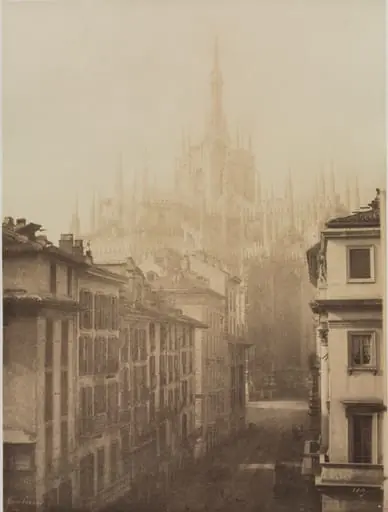 Cathedral from Corso Francesco, Milan
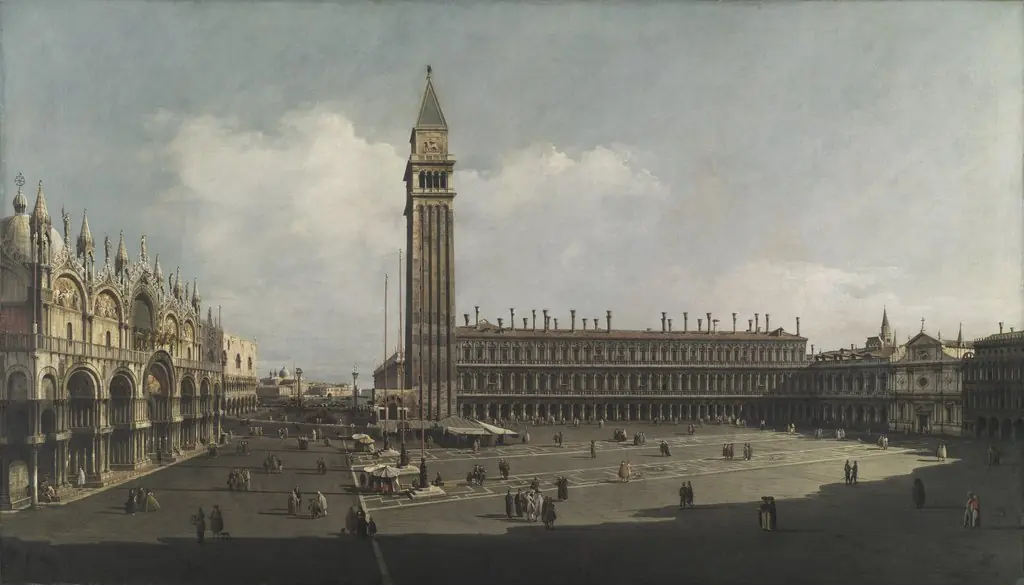 Piazza San Marco, Venice
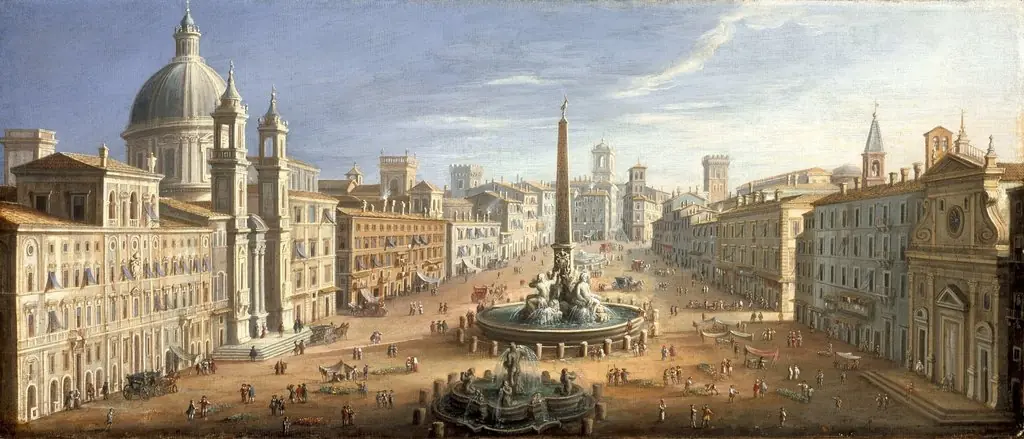 A View of the Piazza Navona, Rome
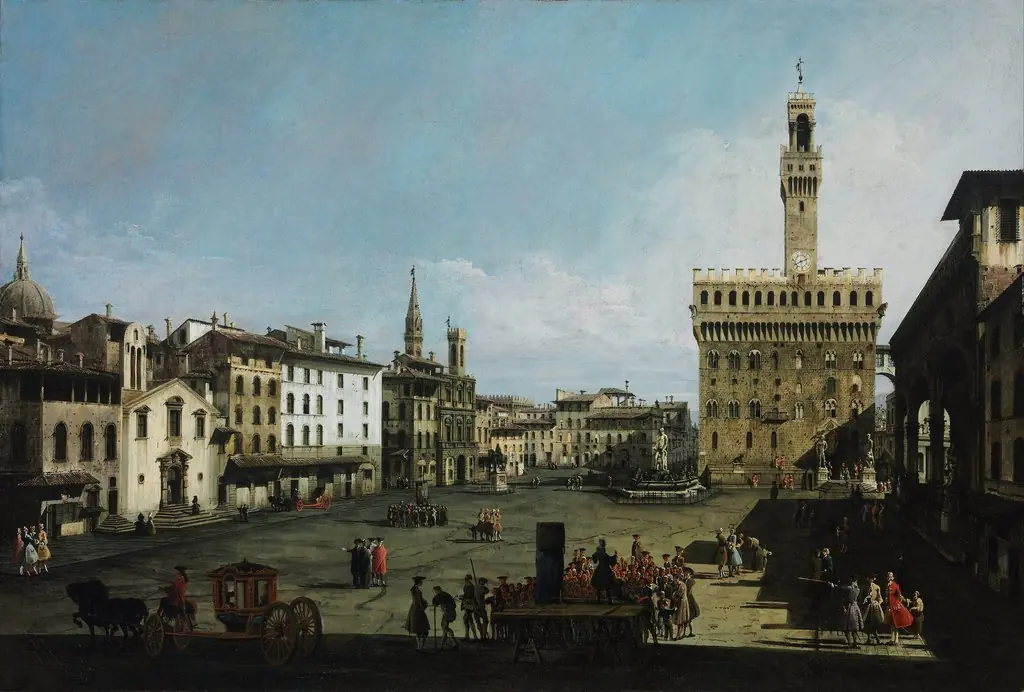 The Piazza della Signoria in Florence
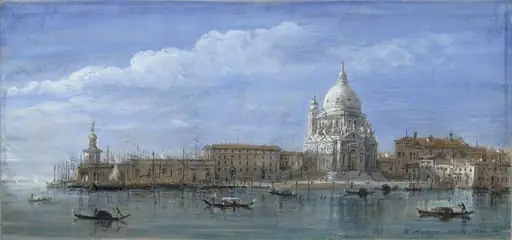 The Grand Canal and the Church of Santa Maria della Salute, Venice
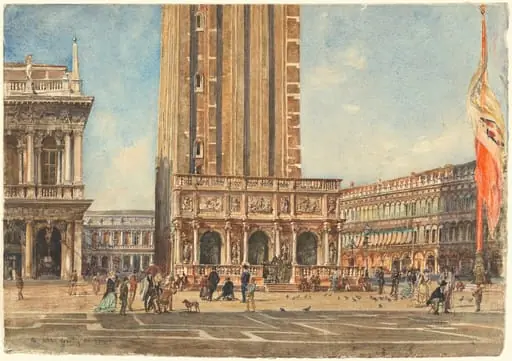 The Piazza San Marco
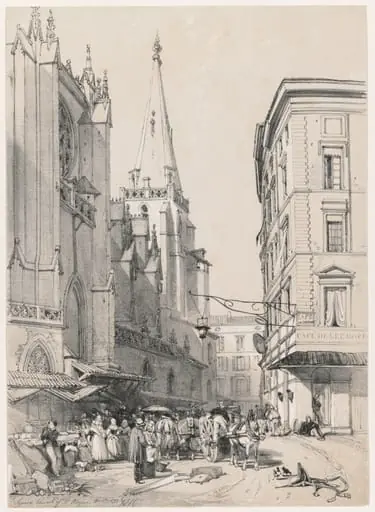 Sketches at Home and Abroad: Lyons Church of St. Hezier, October 1832
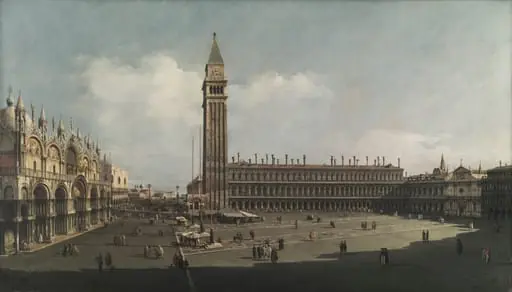 Piazza San Marco, Venice
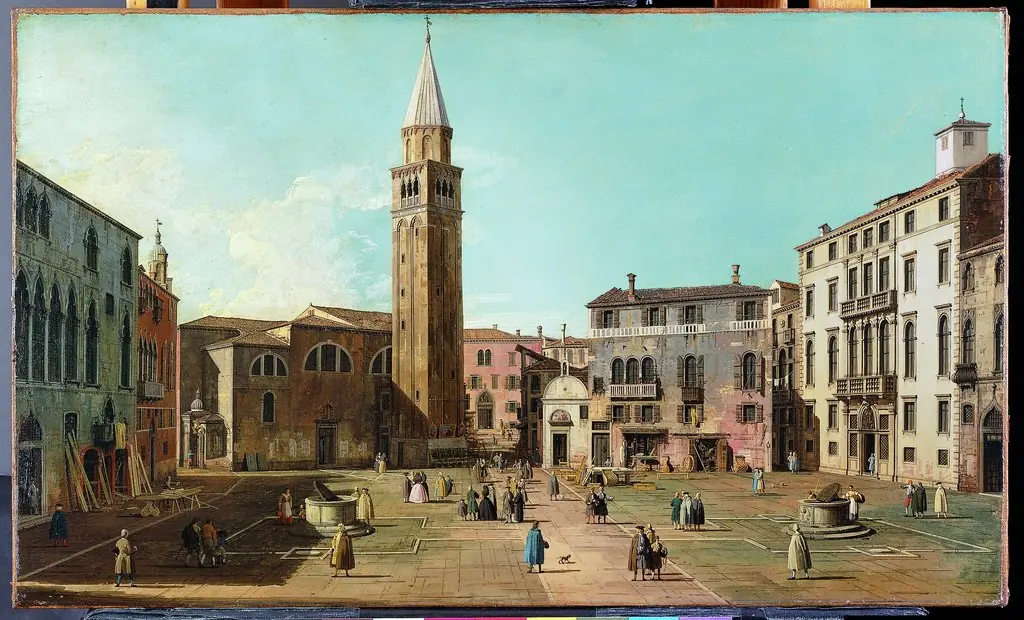 Campo Sant'Angelo
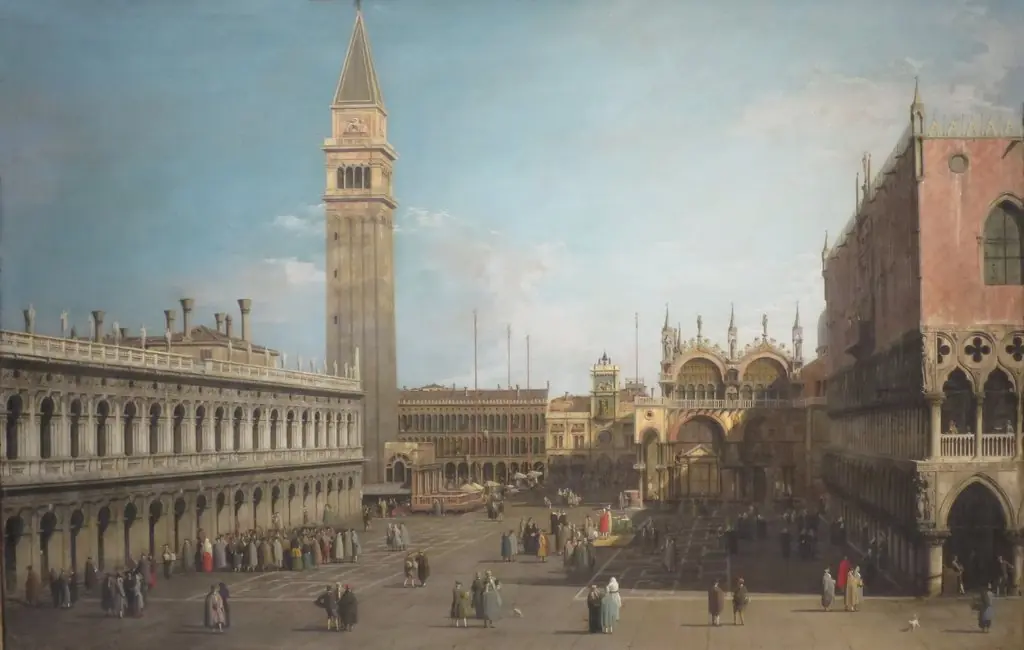 The Piazzetta, Venice, Looking North
 Cathedral, Milan