Artwork
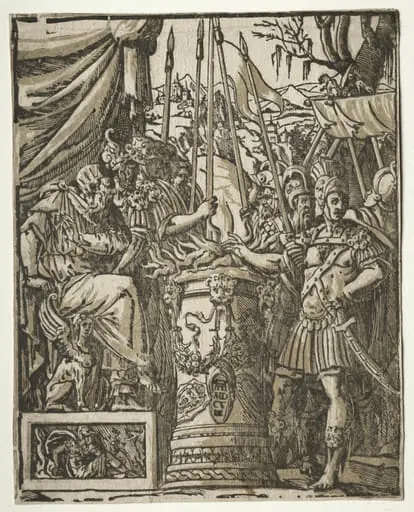
Mucius Scaevola
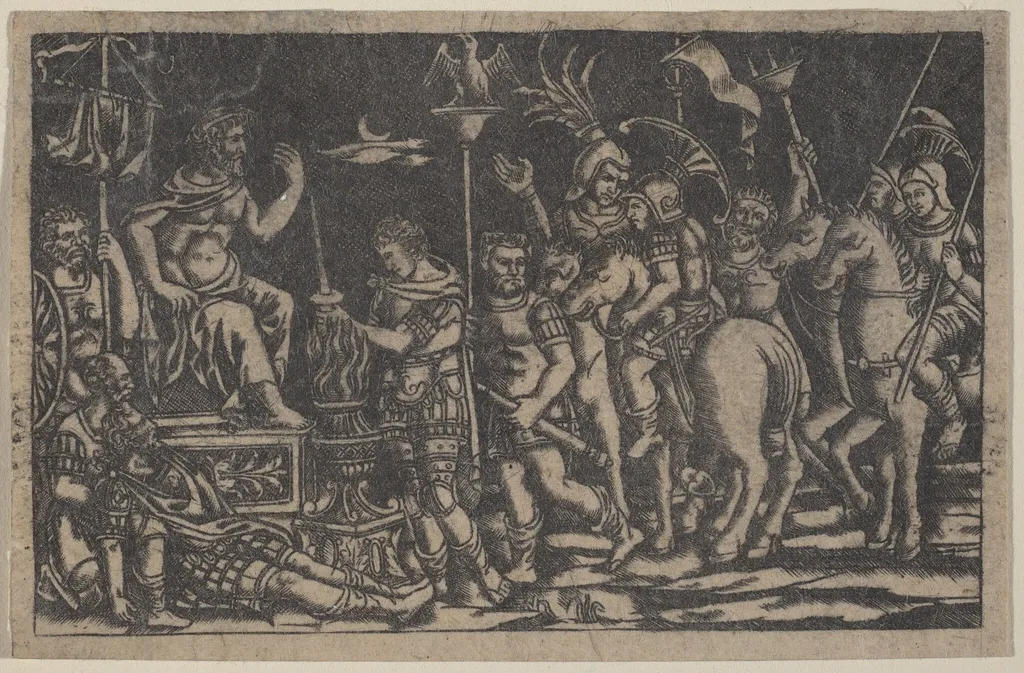
Mucius Scaevola is a print by the Romanticist artist Italian 19th Century. It dates from 1800 and is held in the collection of the National Gallery of Art.
About this work
Overview
Mucius Scaevola is a niello print that presents a tumultuous tableau of armored figures and robed participants. The composition is dominated by a central figure clutching a flaming hand, positioned beside a table bearing a diminutive statue. Surrounding characters are captured in various poses—some engaged in combat, others kneeling or gesturing upward—against a predominantly dark backdrop.
Subject & Meaning
The focal point of the work, the burning hand, references the Roman legend of Gaius Mucius Scaevola, who demonstrated his resolve by placing his hand in fire. The surrounding figures, caught in conflict or supplication, suggest a narrative of sacrifice and loyalty, with the small statue possibly symbolizing the deity or civic virtue invoked by the act.
Technique & Style
Executed in niello, the print relies on stark chiaroscuro to heighten drama; deep shadows envelop the scene while the illuminated hand provides the sole source of light. This contrast creates a three‑dimensional effect, emphasizing the tension between darkness and the brief, intense glow, a hallmark of the period’s graphic experimentation.
Context
While specific details of the print’s origin remain scarce, its use of niello and chiaroscuro aligns it with late‑Renaissance and early Baroque graphic traditions in Europe. The subject matter reflects a continued interest in classical antiquity, a theme frequently revisited by artists seeking moral exempla from Roman history.
Artist & collection
Artist
This artist made prints and sculpture in 19th-century Italy, blending old techniques with new.

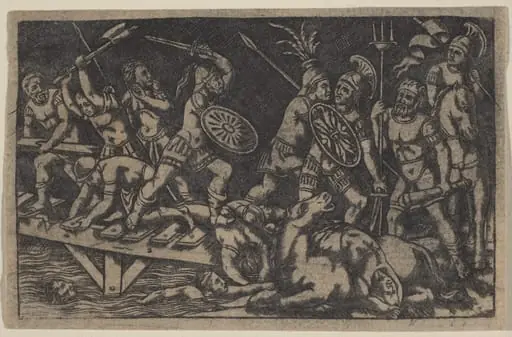 Horatius Cocles
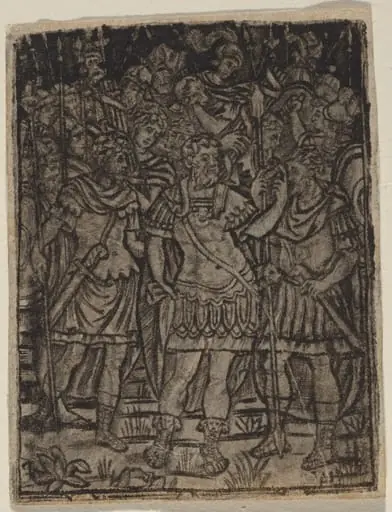 Roman General Addressing His Troops
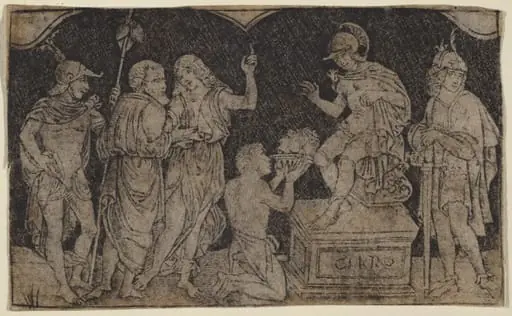 Artaxerxes Receiving the Head of Cyrus
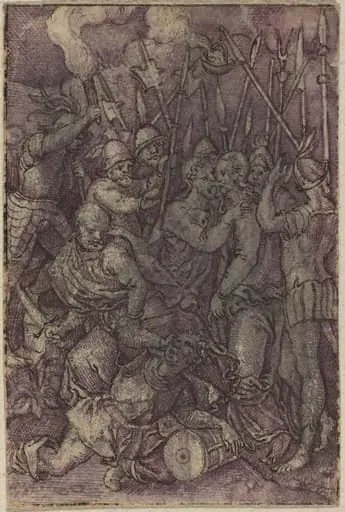 The Betrayal
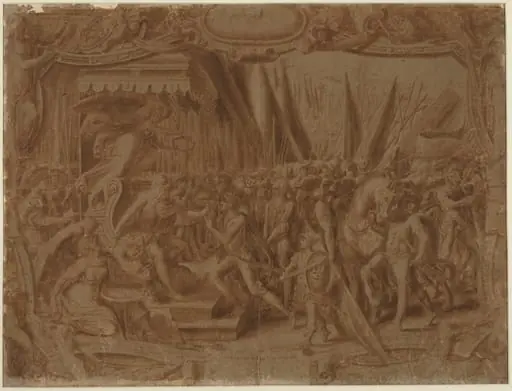 Historical Scene
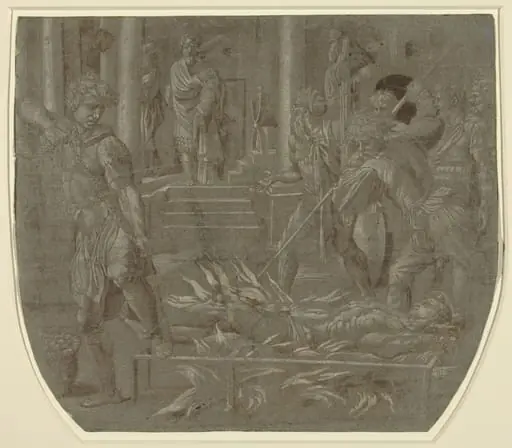 The Martyrdom of Saint Lawrence
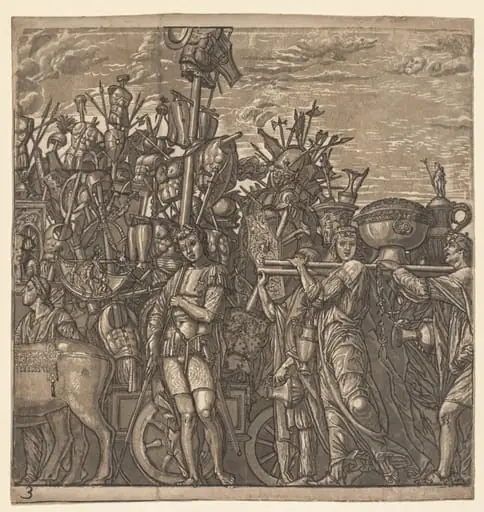 The Triumph of Julius Caesar: Soldiers Marching with Trophies of War
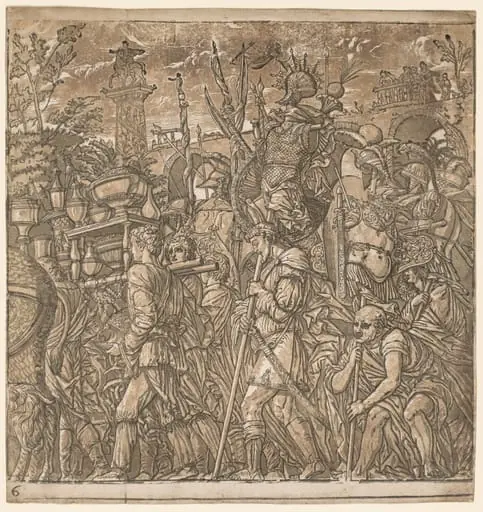 The Triumph of Julius Caesar: Soldiers Carrying Vases and Trophies of War
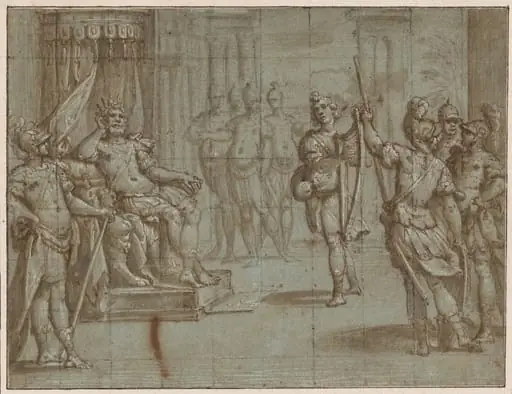 David Playing the Harp Before Saul
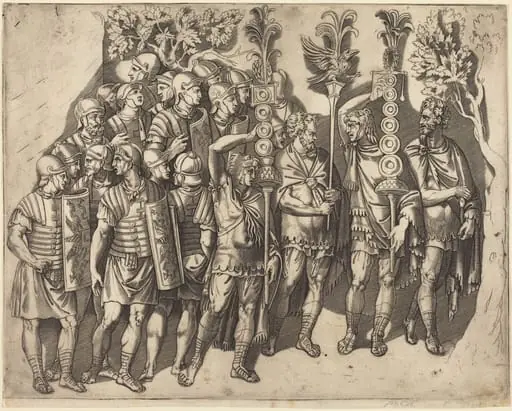 A Roman Legion
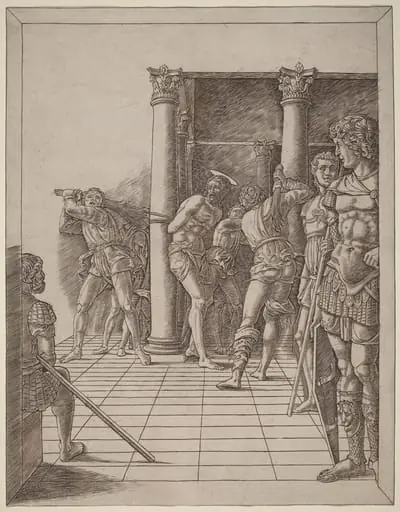 Flagellation of Christ, with the Pavement
 Mucius Scaevola