Artwork
Dying Cleopatra
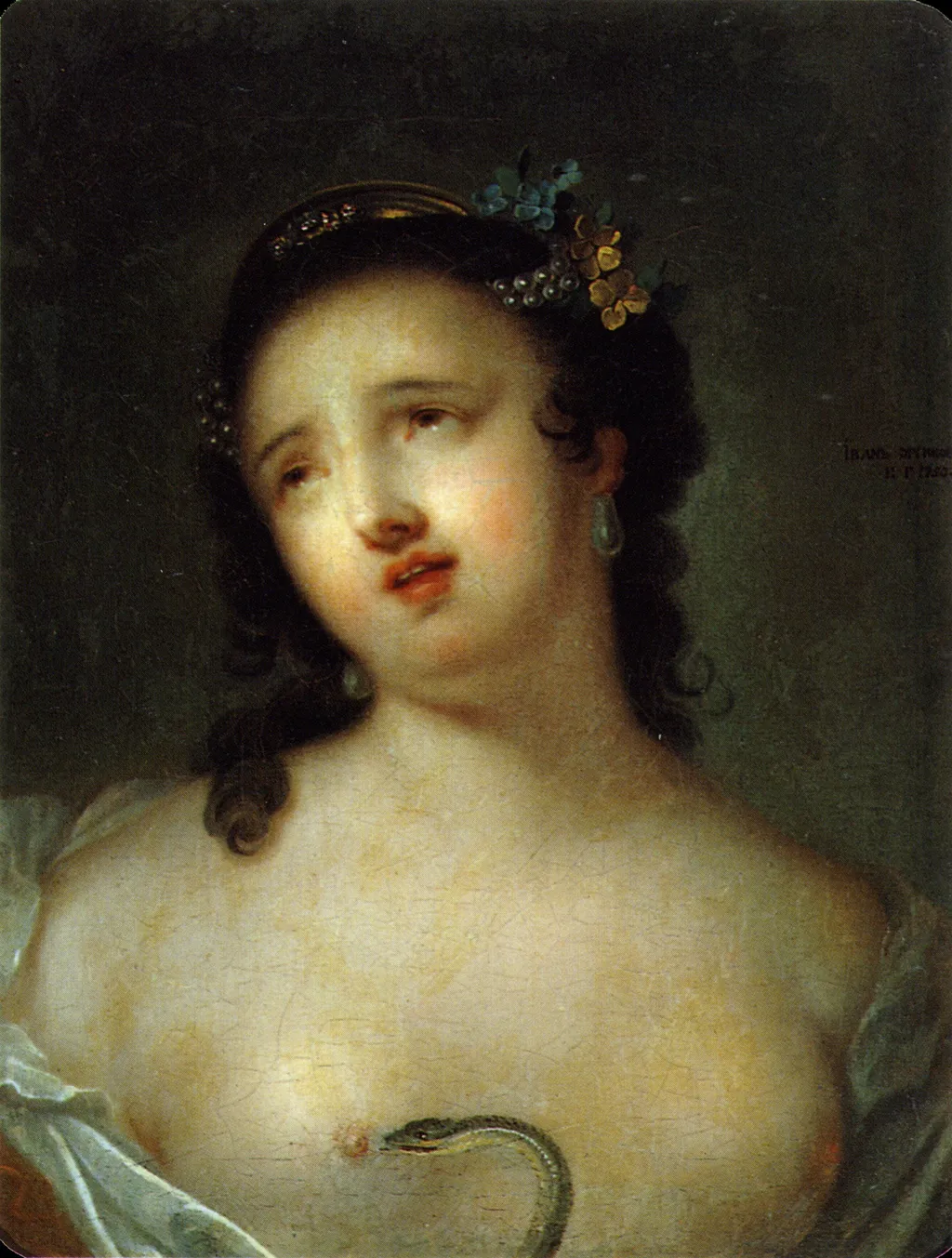
Dying Cleopatra is an oil painting by the Rococo painting artist Ivan Argunov. It dates from 1750 and is held in the collection of the Tretyakov Gallery.
About this work
Overview
Argunov, a Russian artist and educator, contributed to the development of portraiture in Russia during the mid-eighteenth century.
Painted around 1750 by Ivan Argunov, *Dying Cleopatra* is an oil-on-canvas work that reflects the Rococo aesthetic with its emphasis on emotional intimacy and refined detail. Argunov, a Russian artist and educator, contributed to the development of portraiture in Russia during the mid-eighteenth century. The painting is held in the Tretyakov Gallery, Moscow, and represents one of the few known historical subjects he rendered in oil.
Subject & Meaning
The painting portrays Cleopatra in her final moments, her body reclining as a serpent rests on her chest, its fangs near her skin. Her dark hair is loosely adorned with floral elements, and her white drapery reveals one shoulder, emphasizing vulnerability. Her downward gaze and still expression suggest resignation rather than agony, aligning with classical interpretations of her suicide as a deliberate, dignified act. The snake symbolizes both death and sovereignty, reinforcing her agency in choosing her end.
Technique & Style
Argunov employs chiaroscuro to model the figure with soft, sculptural light, isolating Cleopatra against a deep, unbroken background. The contrast enhances the texture of her skin and fabric while focusing attention on her face and the serpent. Brushwork is delicate, particularly in the rendering of hair and petals, yet restrained—avoiding theatricality. The palette is muted, dominated by ivory, gray, and shadow, reinforcing the painting’s quiet, introspective tone.
History & Provenance
The painting entered the Tretyakov Gallery’s collection in the late nineteenth century, likely through acquisitions of works by Russian artists of the previous century. Little documentation exists regarding its early ownership or exhibition history. Argunov’s reputation as a portraitist overshadowed his historical works, and *Dying Cleopatra* remained relatively obscure until modern scholarship began reassessing his oeuvre in the twentieth century.
Context
In mid-eighteenth-century Russia, classical themes were gaining traction among artists trained in European traditions. Argunov, influenced by Western academies, adapted mythological and historical subjects for a domestic audience. While Western painters often dramatized Cleopatra’s death, Argunov’s version reflects a more restrained, introspective approach, consistent with Russian sensibilities of the time that favored emotional subtlety over spectacle.
Legacy
Though not widely reproduced or celebrated in its time, *Dying Cleopatra* stands as an early example of Russian engagement with European historical painting. It reveals Argunov’s ability to merge portraiture’s psychological depth with narrative subject matter. Today, it is studied as a bridge between Russian academic traditions and broader Enlightenment-era iconography, offering insight into how foreign myths were localized in imperial art.
Artist & collection
Artist
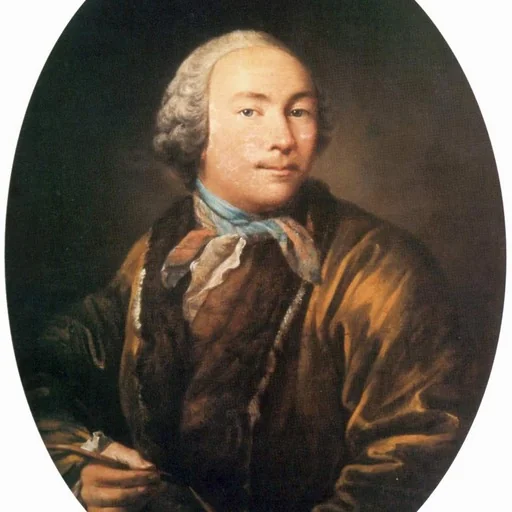
Ivan Petrovich Argunov (Russian: Иван Петрович Аргунов; 1729–1802) was a Russian painter and teacher. He was one of the founders of the Russian school of portrait painting.

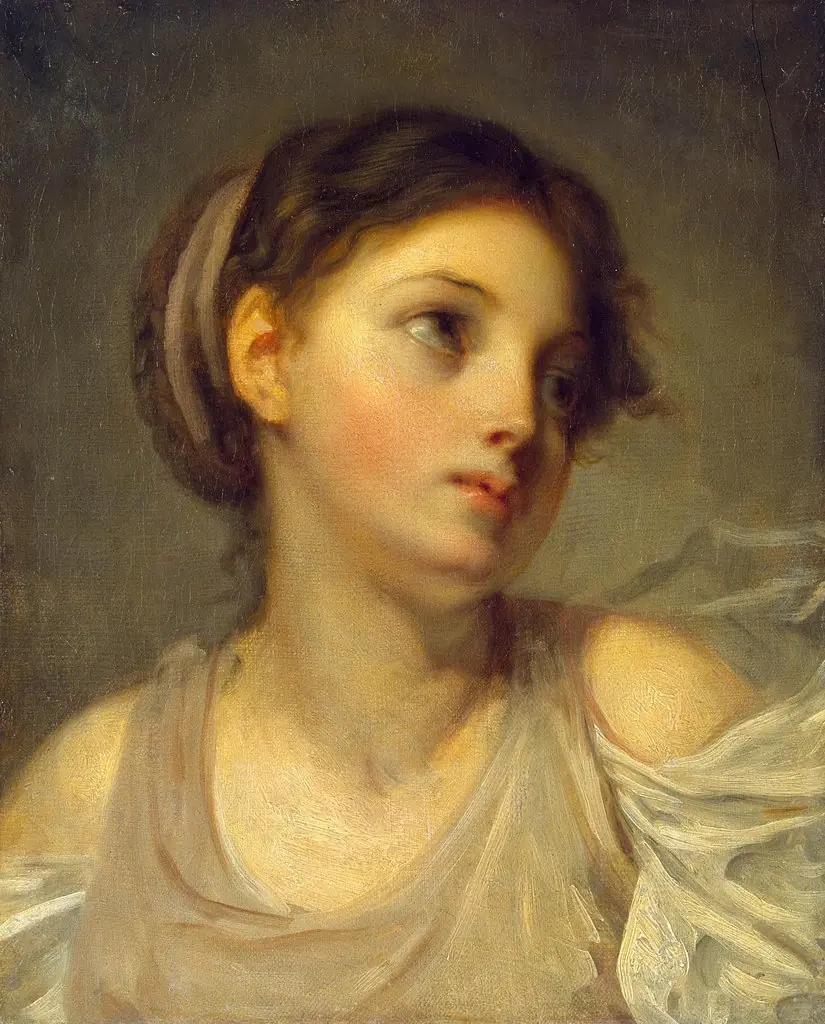 Young Girl in a Lilac Tunic
 Kvindelig figur forestillende "Efter høsten"
 Kvindelig figur forestillende "Efter høsten"
 Portrait of a Young Girl
 Portrait of a Young Girl
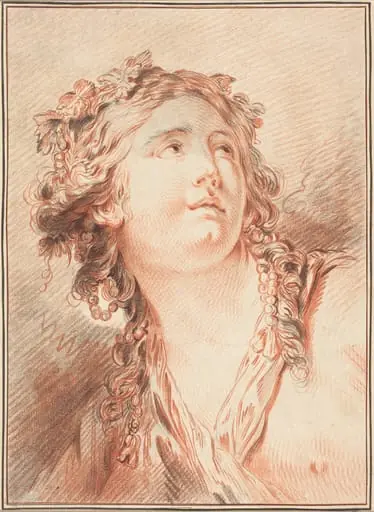 Head of a Young Woman
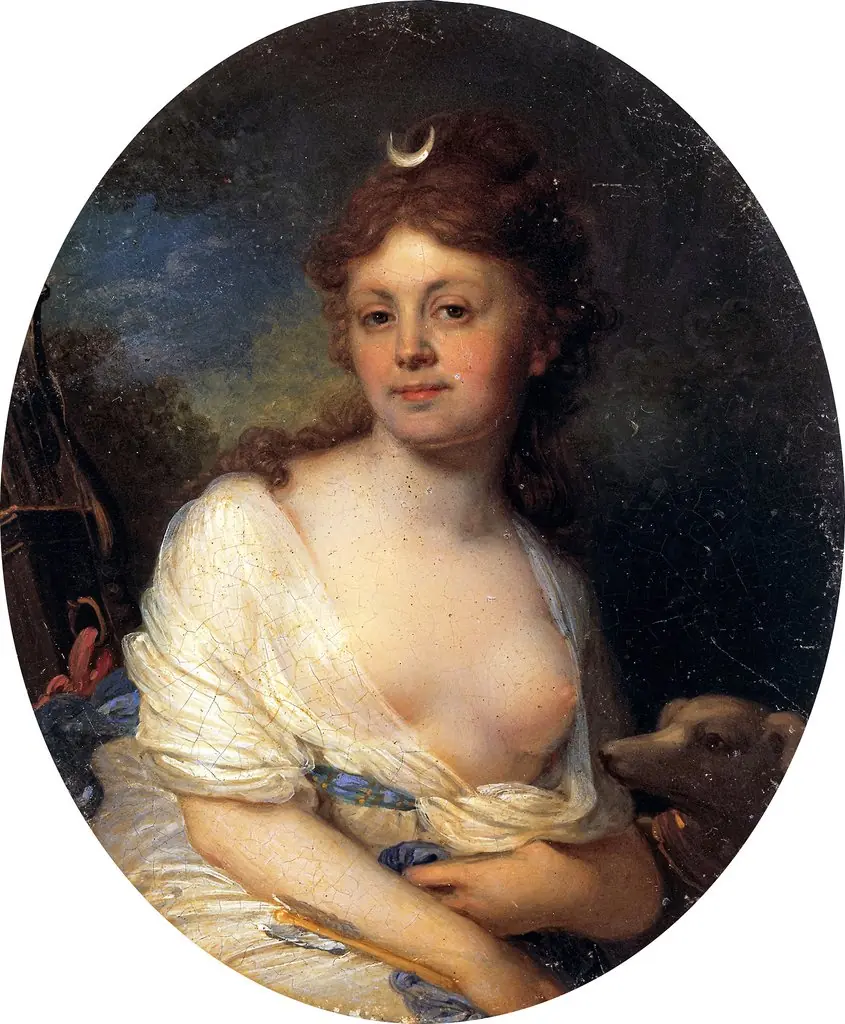 Portrait of Elizabeth Grigorievna Temkin in Diana's image
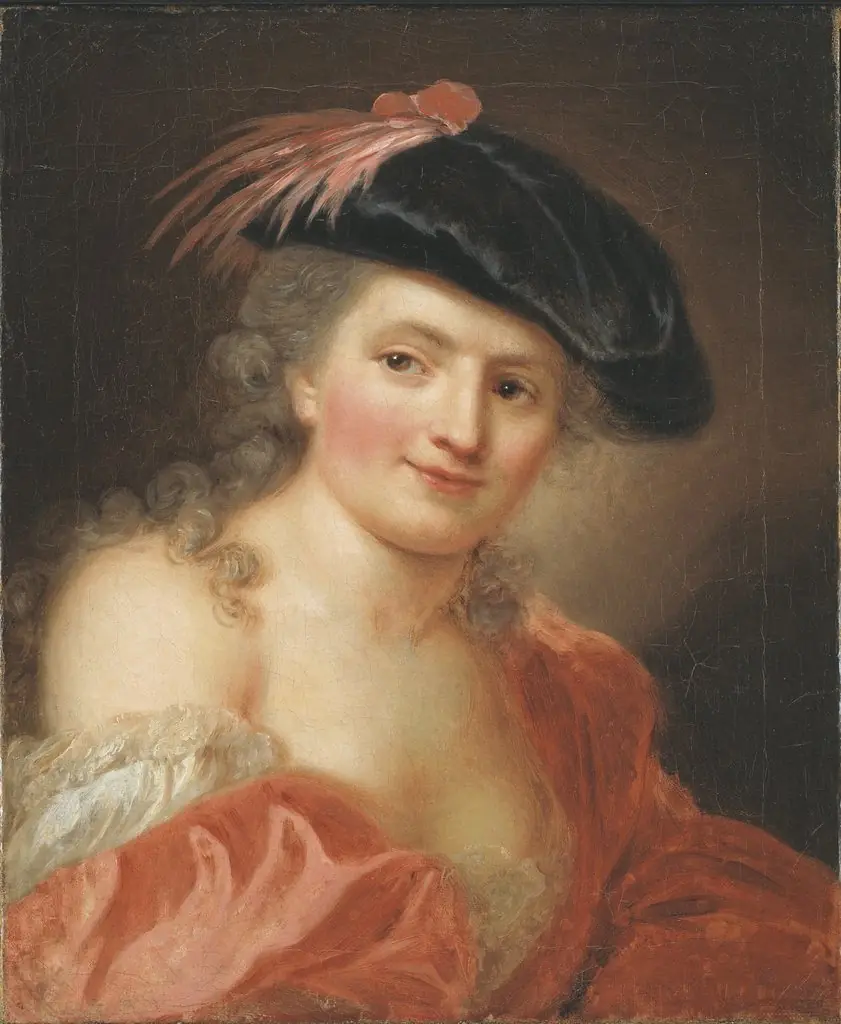 Self Portrait
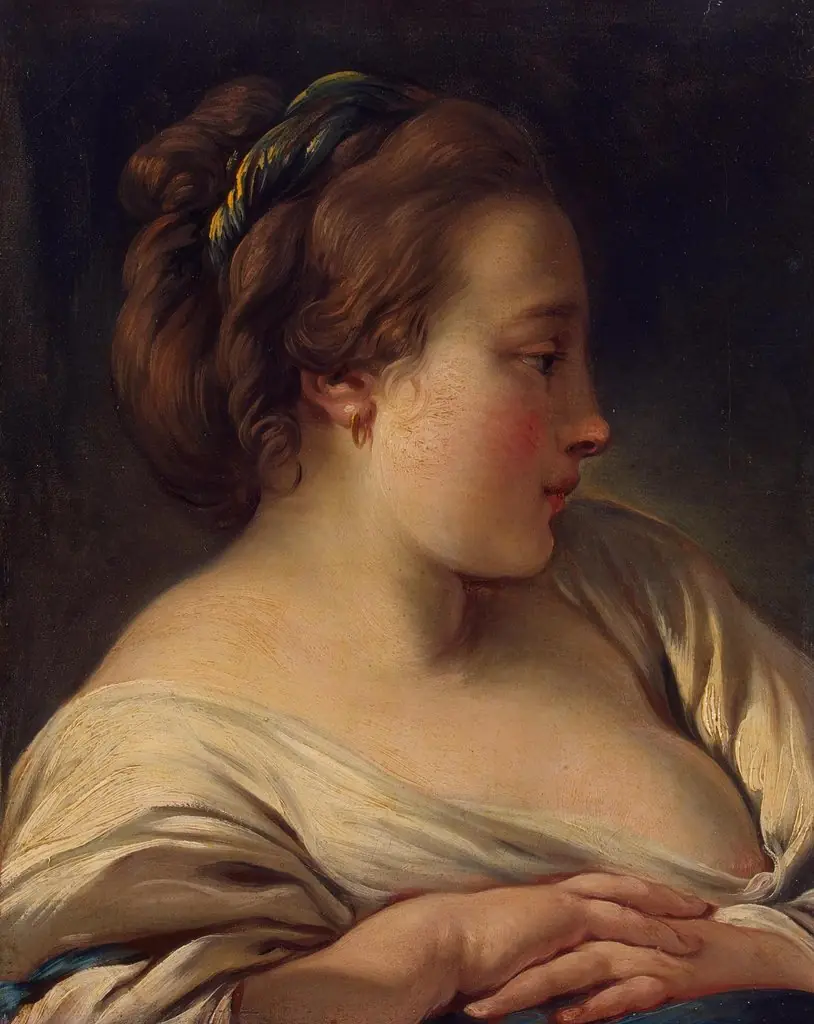 Head of a Young Girl
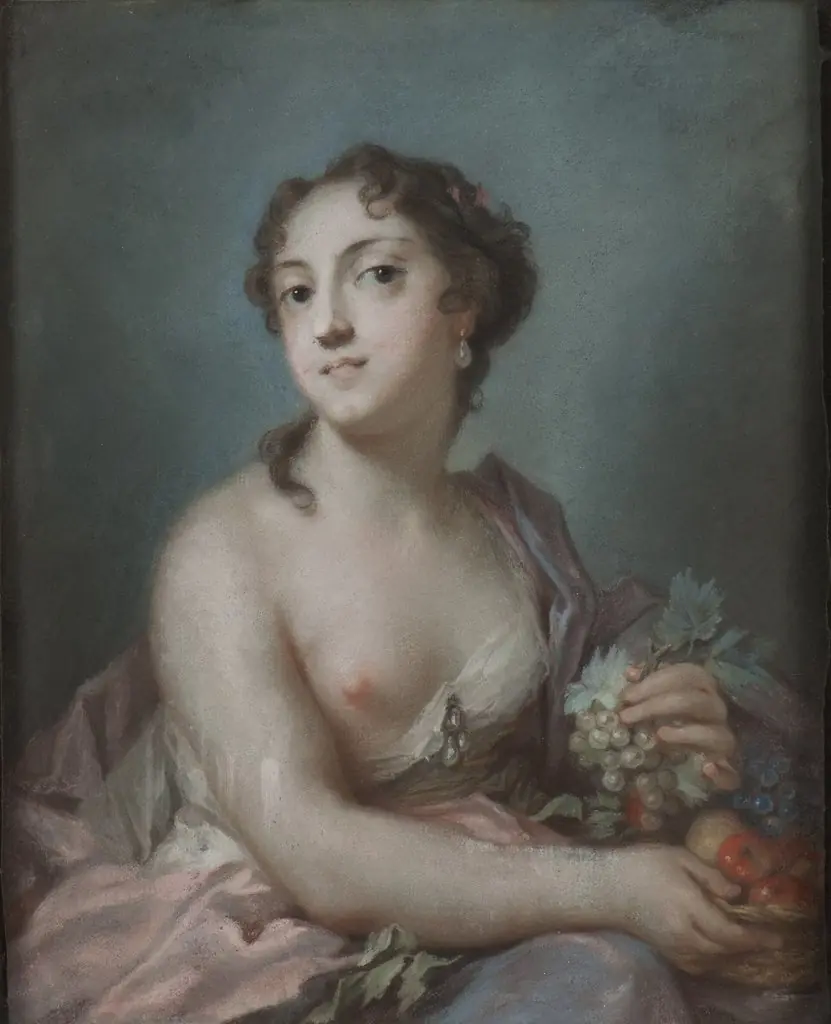 The Autumn
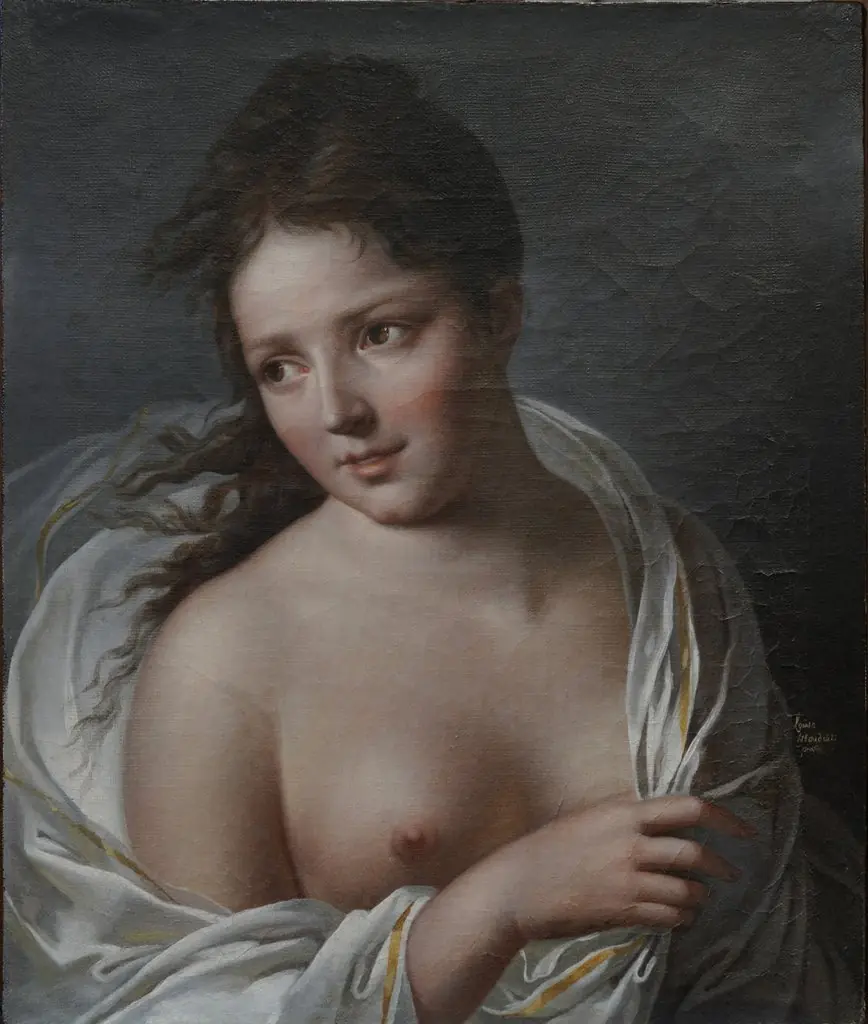 Nymph
Nymph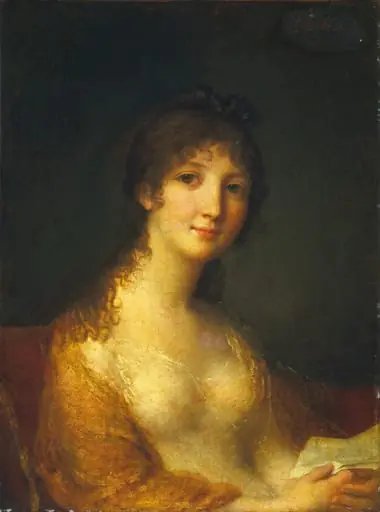 Portrait of a Lady