Artwork
Portrait of a Merchant's Wife
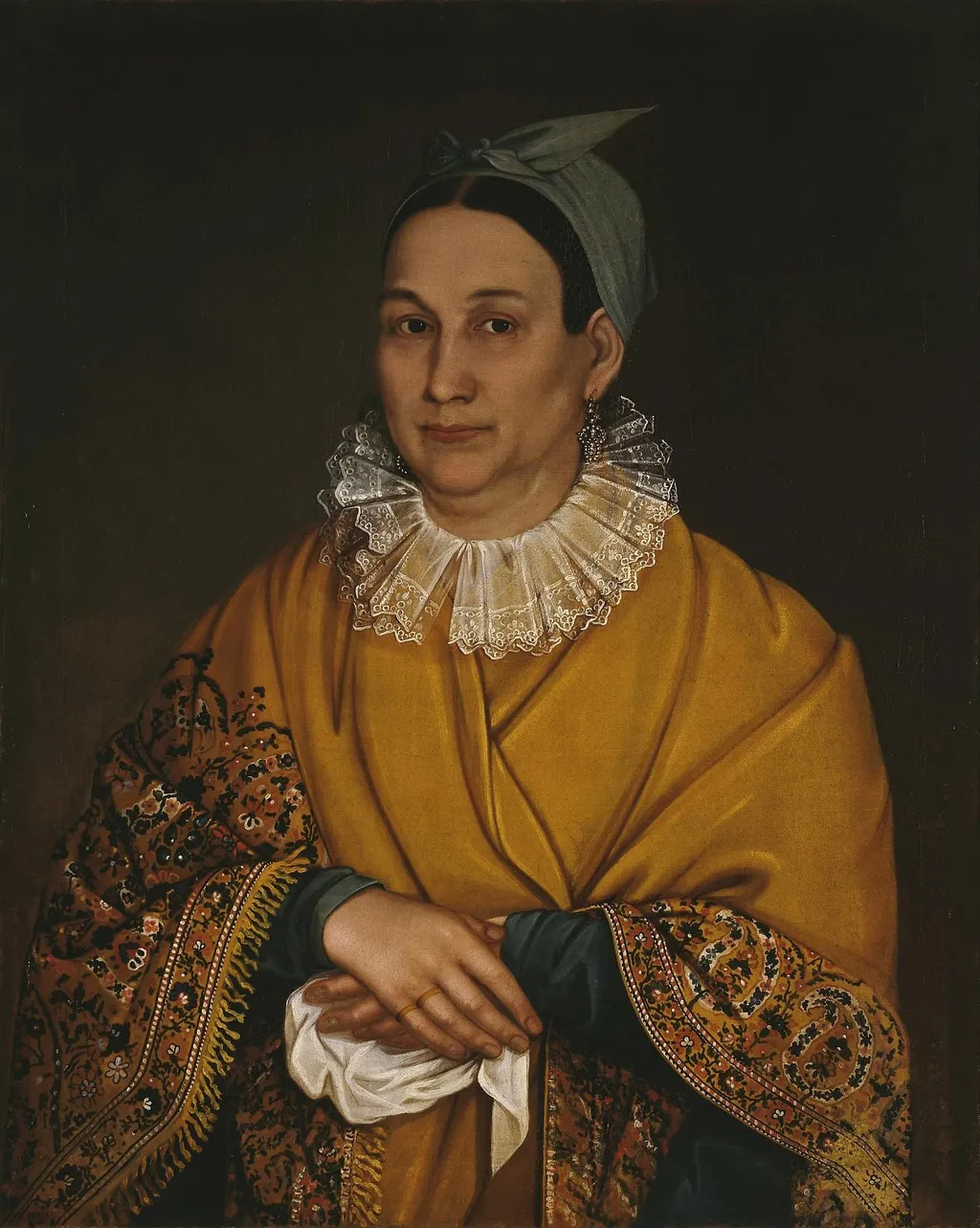
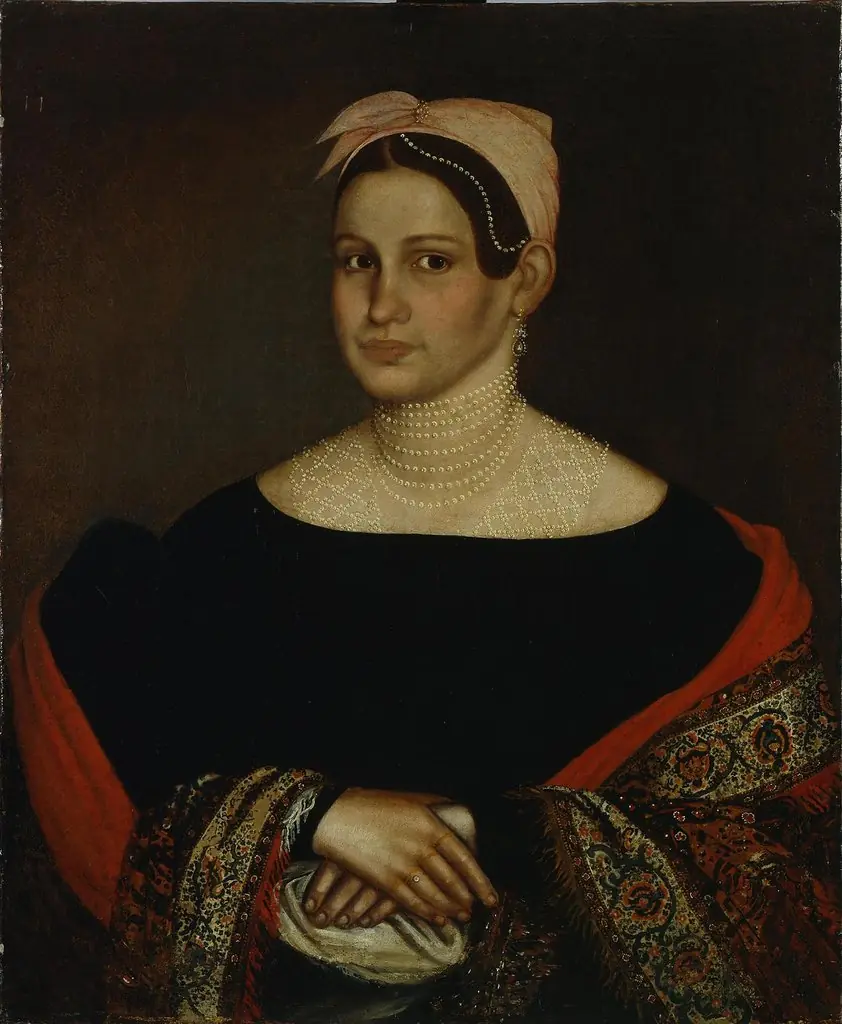
Portrait of a Merchant's Wife is an oil painting by Ivan Tarkhanov. It dates from 1836 and is held in the collection of the Hermitage Museum.
About this work
Overview
Painted in 1836 by Ivan Tarkhanov, this oil portrait depicts a merchant’s wife in provincial Russia.
Painted in 1836 by Ivan Tarkhanov, this oil portrait depicts a merchant’s wife in provincial Russia. Tarkhanov, known for his focus on regional subjects, captured everyday figures with quiet dignity. The work resides in the State Hermitage Museum’s collection, though it originated from a broader tradition of non-elite portraiture practiced outside major artistic centers like St. Petersburg or Moscow.
Subject & Meaning
The sitter is portrayed with restrained formality, her clasped hands and modest posture suggesting propriety and social standing. Her attire—yellow robe, lace collar, patterned shawl, and green headscarf—reflects the dress of a prosperous merchant class woman in early 19th-century Russia. The absence of symbolic objects or elaborate setting shifts focus to her presence, emphasizing identity through clothing and demeanor rather than status markers.
Technique & Style
Tarkhanov employed a straightforward, unadorned technique typical of provincial portraiture. The brushwork is precise but not ornate, with attention to textile textures and the play of light on fabric. The dark, flat background isolates the figure, enhancing her visibility without distraction. Color is used deliberately: the yellow robe contrasts with muted tones, drawing the eye while maintaining a sense of quiet realism.
History & Provenance
The painting was likely commissioned by the merchant family for domestic display, common among rising urban elites in provincial Russia. It entered the Hermitage’s collection later, possibly through acquisition or donation. While Tarkhanov’s name is documented in regional archives, few details survive about the sitter’s identity or the circumstances of the commission, leaving much of its history inferred from context.
Context
In the 1830s, Russian portraiture was dominated by academic styles in imperial capitals, but provincial artists like Tarkhanov served local patrons with simpler, more direct approaches. This portrait reflects the growing visibility of the merchant class, who, though not nobility, sought to assert social presence through commissioned images. Such works formed a parallel tradition to official art, grounded in regional tastes and economic realities.
Legacy
Tarkhanov’s portrait contributes to the understanding of non-elite visual culture in 19th-century Russia. It stands as a record of how ordinary affluent families expressed identity through art, outside the influence of state-sponsored academies. Though not widely exhibited, such works have become valuable for historians studying the social fabric beyond the aristocracy.
Own this work as a print
Artist & collection
Artist
Ivan Vasilievich Tarkhanov (1780–1848) was a Russian painter active during the nineteenth century.

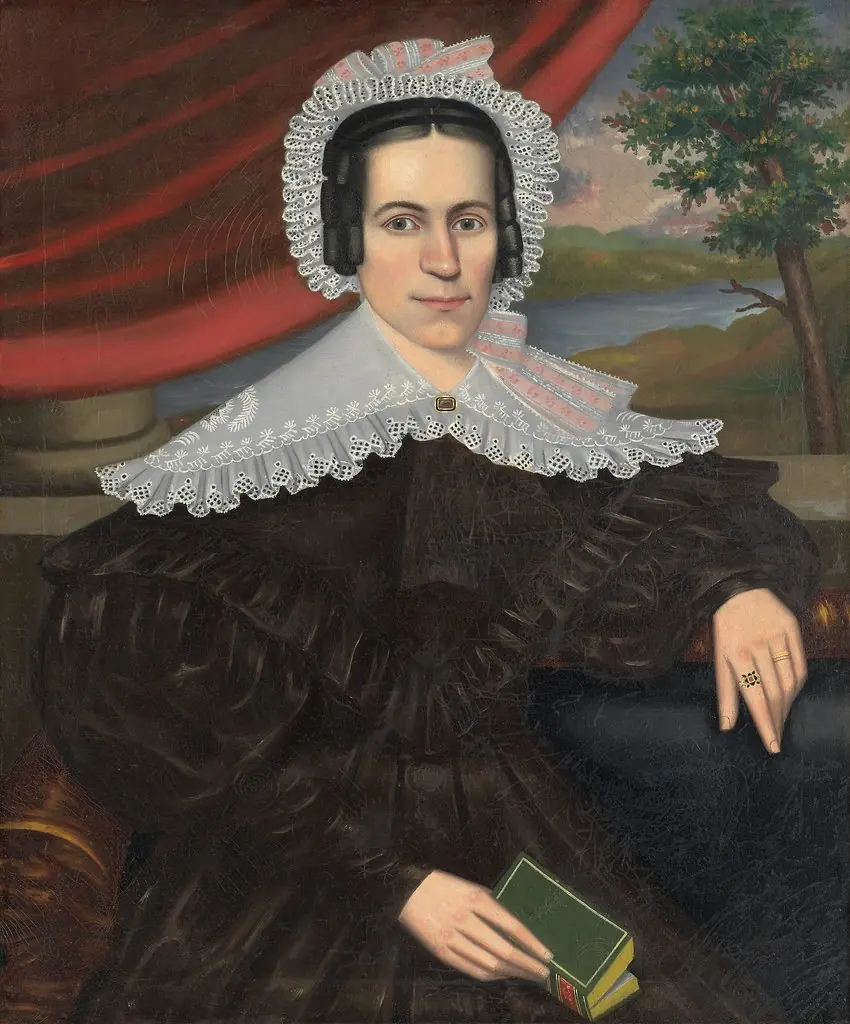 Woman with a Green Book (Louisa Gallond Cook)
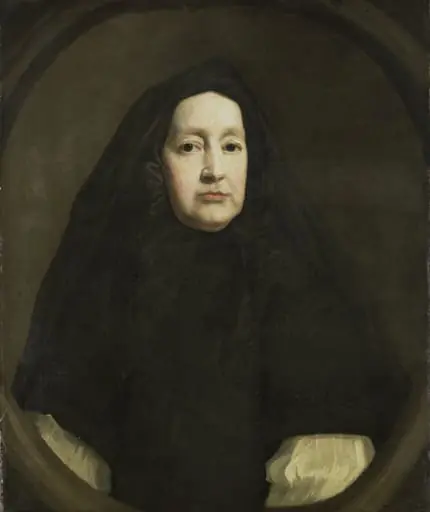 Portrait of Katharine Elliot (died 1688), Dresser of Duchess Anne of York and First Woman of the Bedchamber of Queen Mary of Modena, the first and second Wives of James II of England, respectively
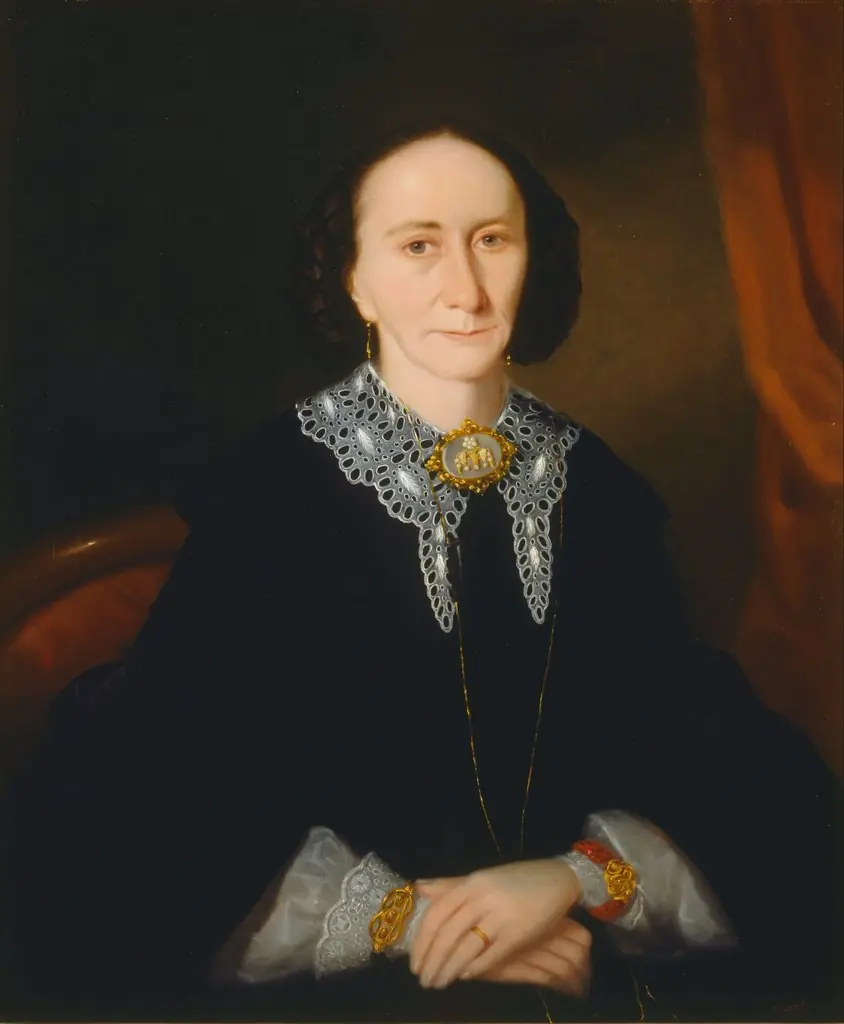 Portrait of a woman (Elizabeth Collins)
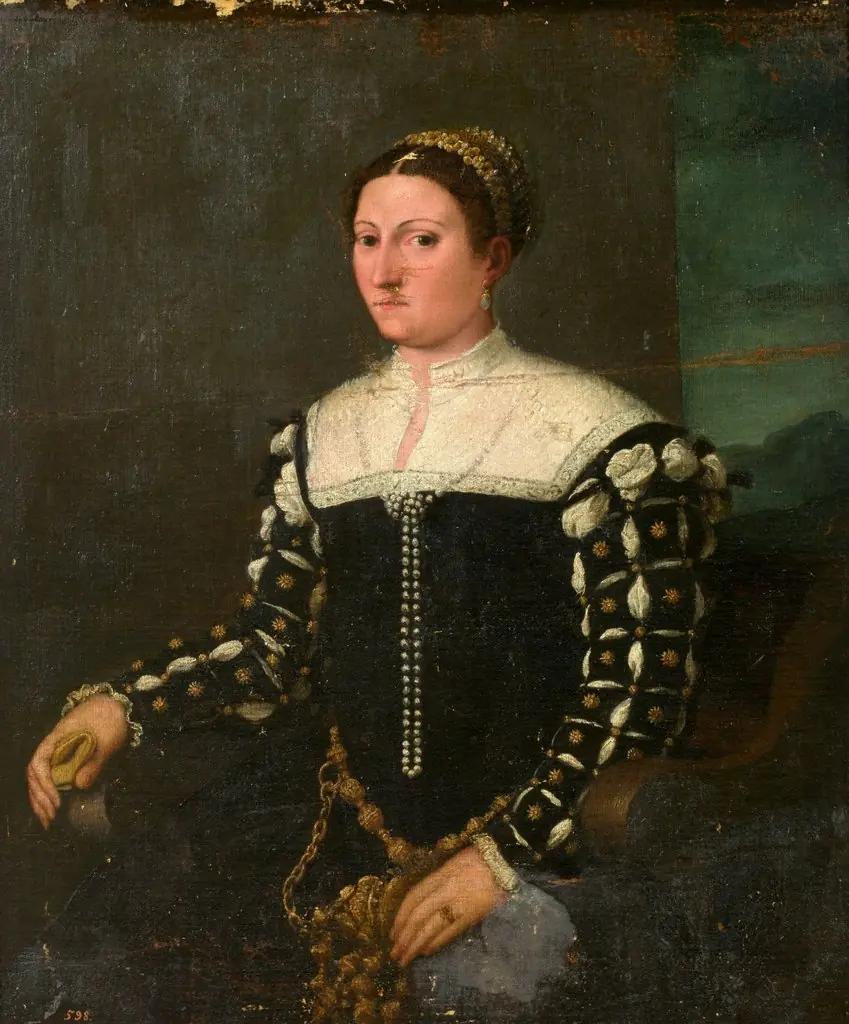 Portrait of an unknown woman
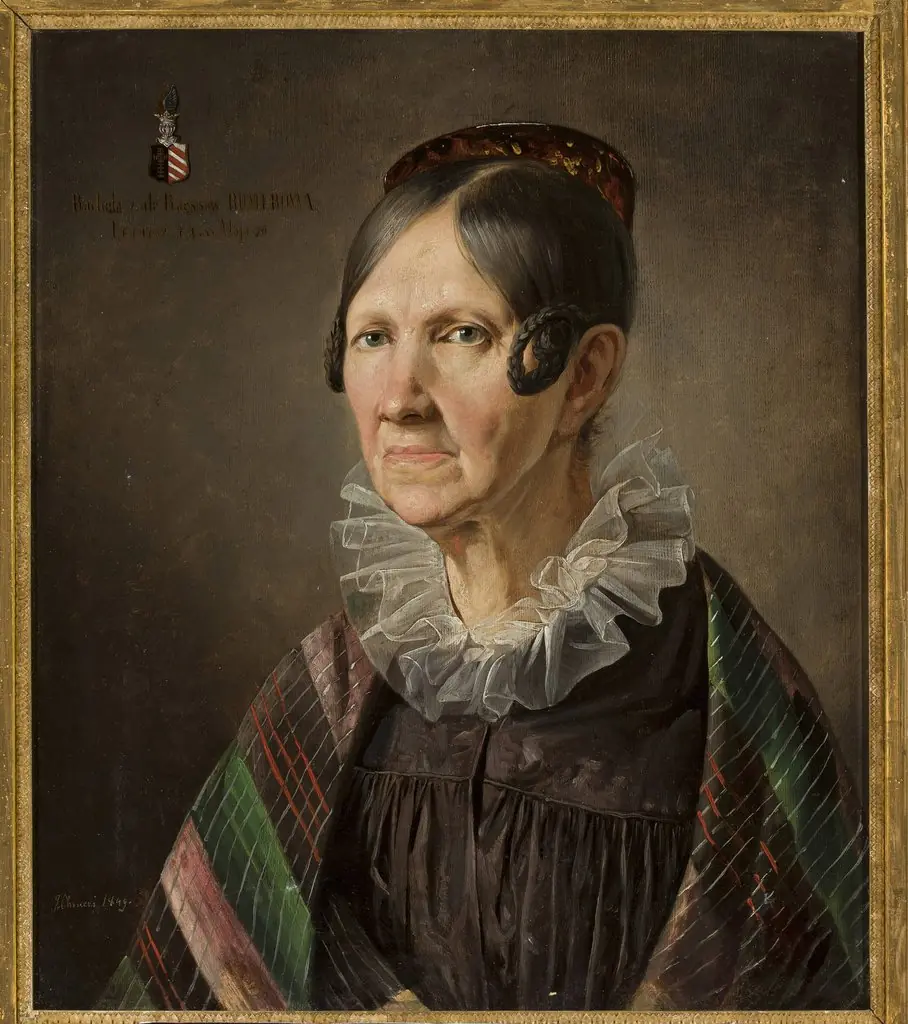 Portrait of Rachela Romer née de Raes
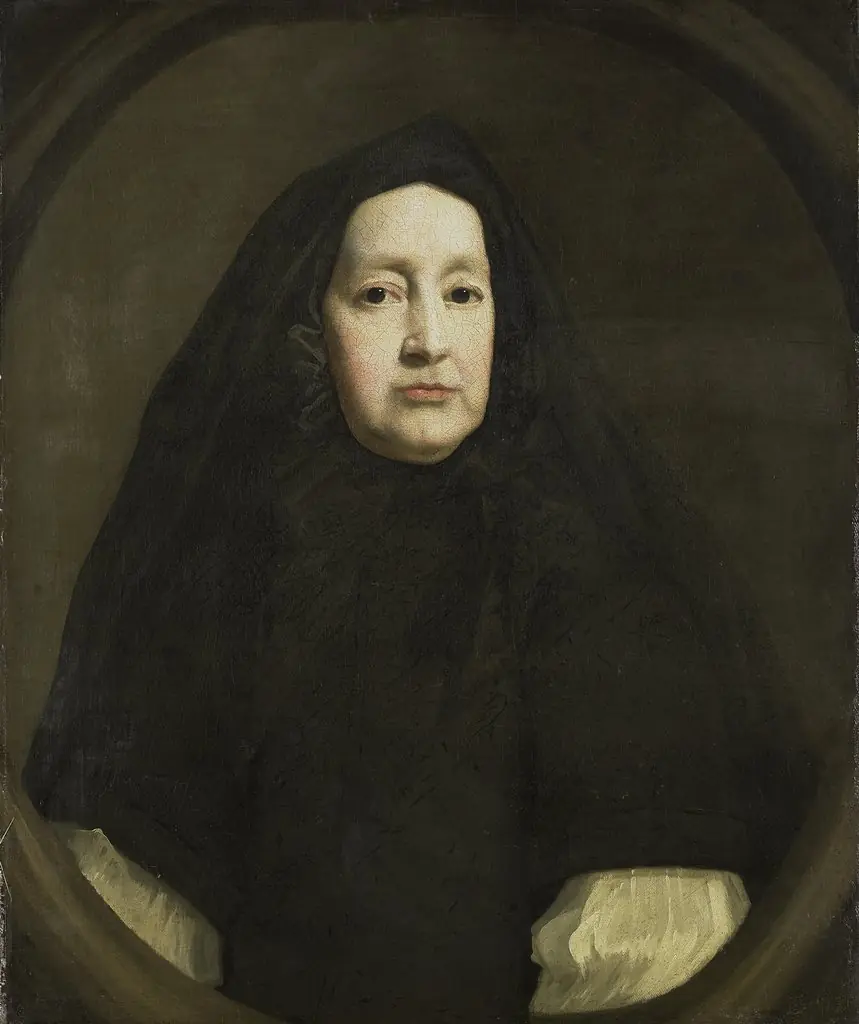 Portrait of Katharine Elliot (died 1688), Dresser of Duchess Anne of York and First Woman of the Bedchamber of Queen Mary of Modena, the first and second Wives of James II of England, respectively
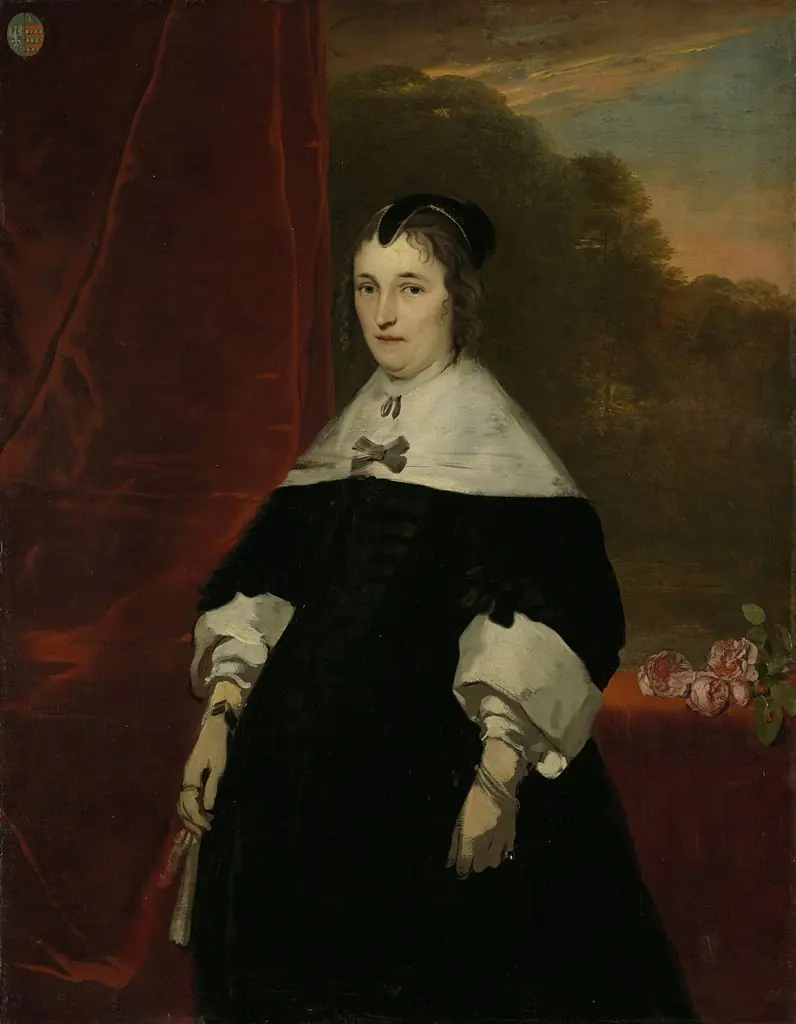 Machteld Bas (d 1681). Wife of Abraham de Visscher
 Portret de femeie
 Sarah (Thomas), Mrs Bowen of Llwyngwair
 Logofeteasa Safta Cantacuzino (copie după Stawski)
 Stjernvall Fredrika Charlotta o.s. Ühlen, maaherra F. G. Stjernvallin puoliso
 Portrait of a Merchant Wife in a Low-cut Black Dress with Puffed Sleeves