Artwork
War. The Exile and the Rock Limpet
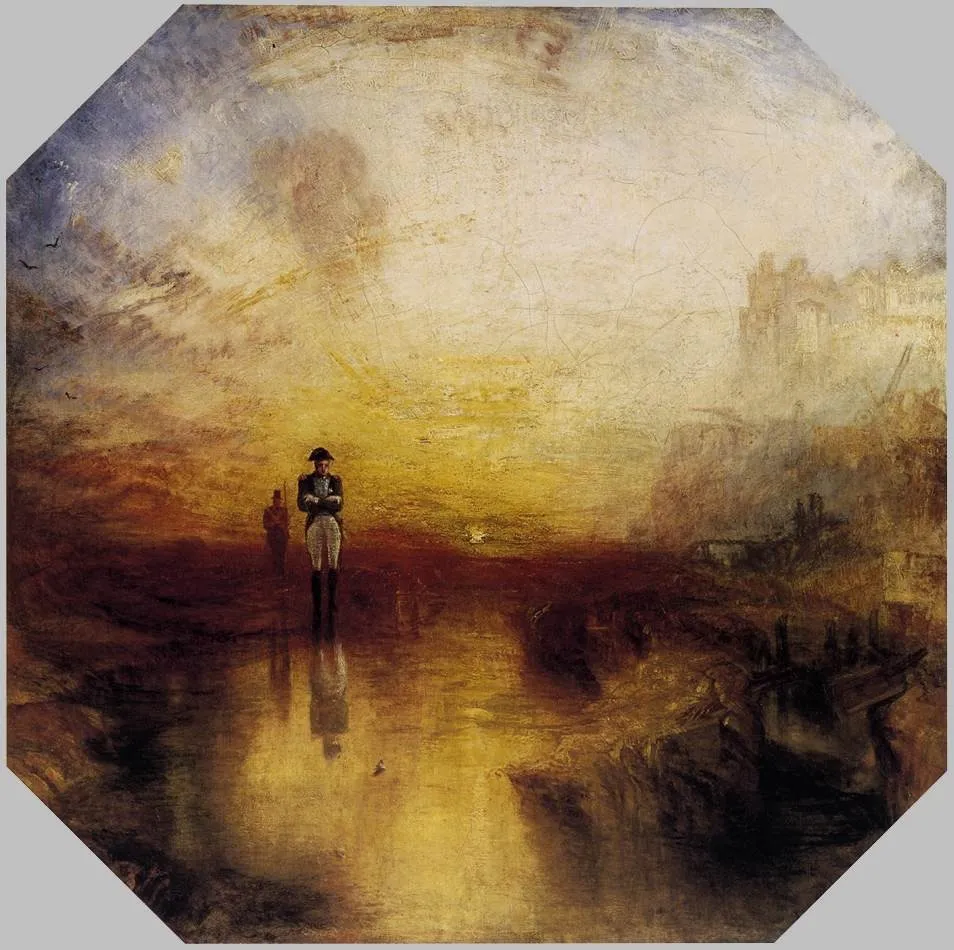
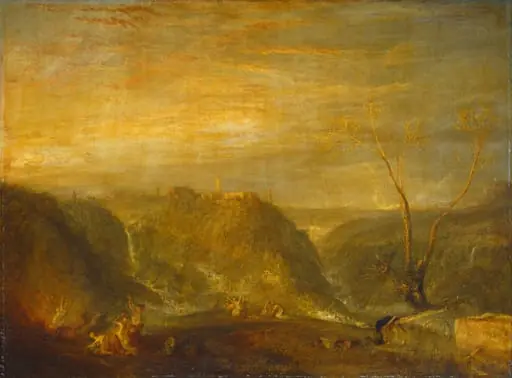
War. The Exile and the Rock Limpet is an oil painting by Joseph Mallord William Turner. It dates from 1842 and is held in the collection of the National Gallery. War.
About this work
War. The Exile and the Rock Limpet is a painting by J.M.W. Turner. It's an oil painting from 1842.
The painting depicts a moment from Napoleon Bonaparte's exile. This event is shown in a way that was intended to be paired with another work.
To learn more about the style and methods used in this painting, look up the technique of glazing.
Overview
War. The Exile and the Rock Limpper is an oil on canvas created in 1842 by the English Romantic artist J. M. W. Turner. Executed during the later phase of his career, the work measures roughly 91 × 122 cm and was intended to function as a visual counterpart to Turner’s earlier piece, Peace – Burial at Sea.
Subject & Meaning
The composition portrays a scene from Napoleon Bonaparte’s forced residence on Saint Helena after his surrender in 1815. Turner situates the deposed emperor within the bleak, windswept landscape surrounding Longwood House, emphasizing the isolation and melancholy that marked the final years of Napoleon’s life.
Technique & Style
Turner employs his characteristic atmospheric glazing, layering translucent pigments to achieve luminous skies and a misty sea. The palette is dominated by muted blues and grays, while brief flashes of warm light highlight the figure of the exile, underscoring the Romantic preoccupation with nature’s power over human destiny.
History & Provenance
When first shown to the public, the pairing of War with Peace – Burial at Sea provoked criticism, as contemporaries found the juxtaposition unsettling. Despite early controversy, the painting entered private collections in the late 19th century before being acquired by a major museum in the early 20th century, where it remains on view.
Context
War anticipates themes later explored in Turner’s celebrated Rain, Steam and Speed – The Great Western Railway (1844), particularly the interplay of industrial progress and natural forces. The work also reflects the broader Romantic fascination with exile, defeat, and the sublime qualities of the sea.
Artist & collection
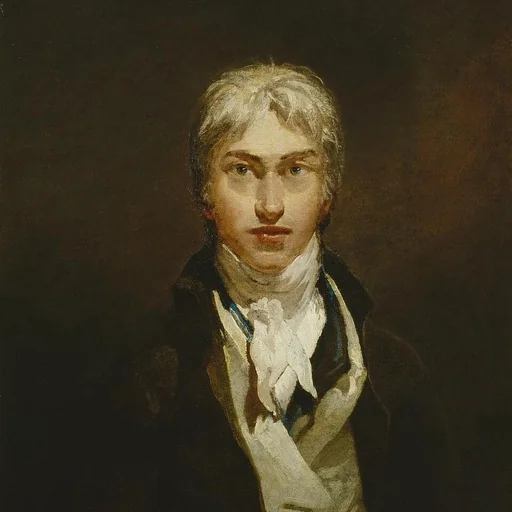
Artist
Joseph Mallord William Turner was born in 1775 at Maiden Lane, Covent Garden, where his father kept a barber and wig-making shop.

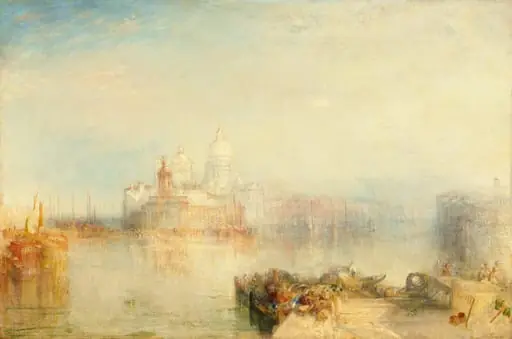
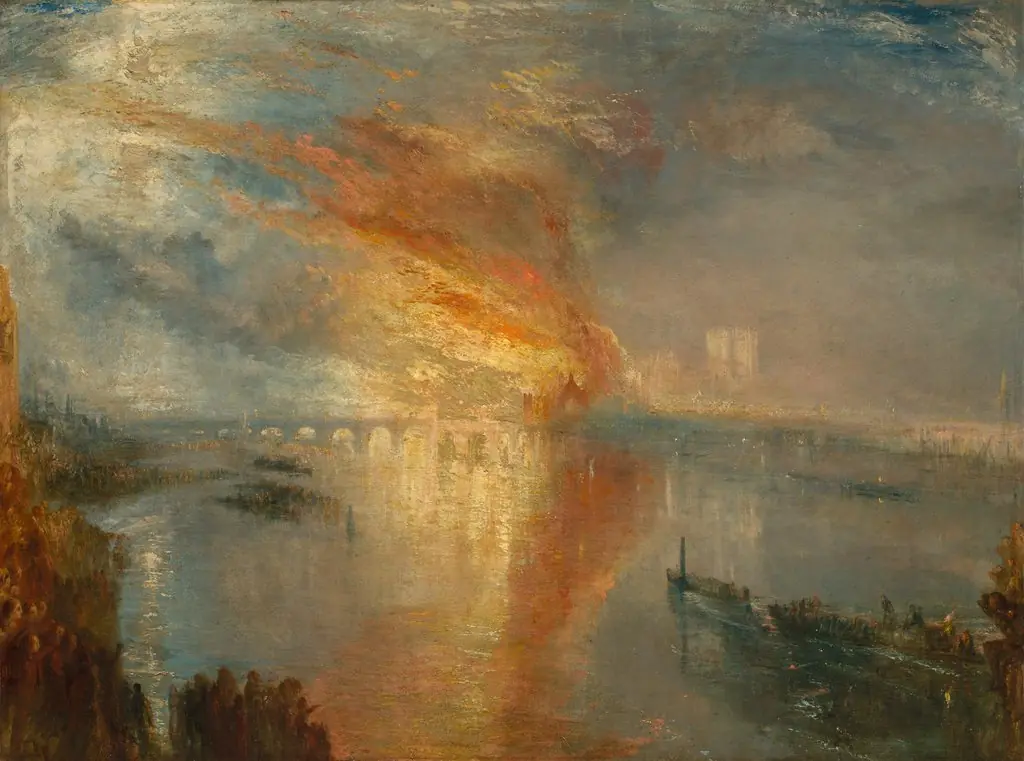
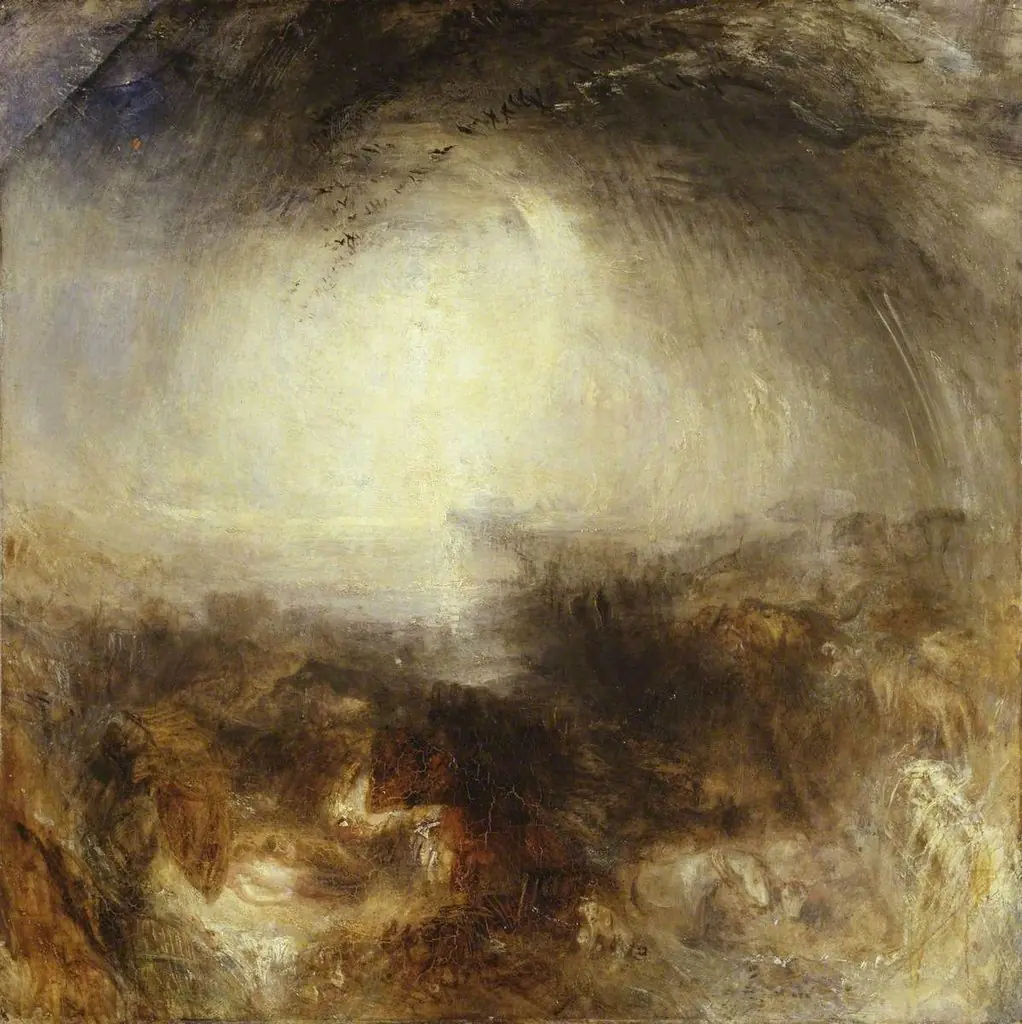 Shade and Darkness
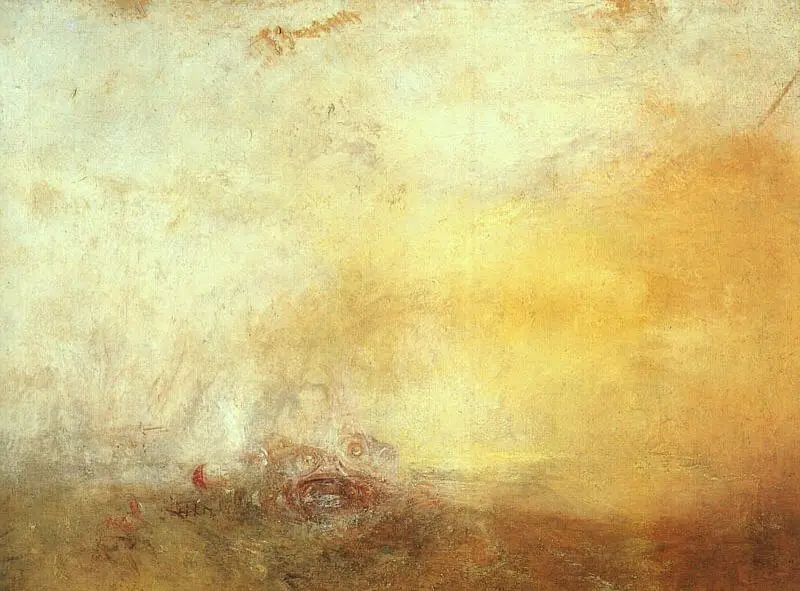 Sunrise with Sea Monsters
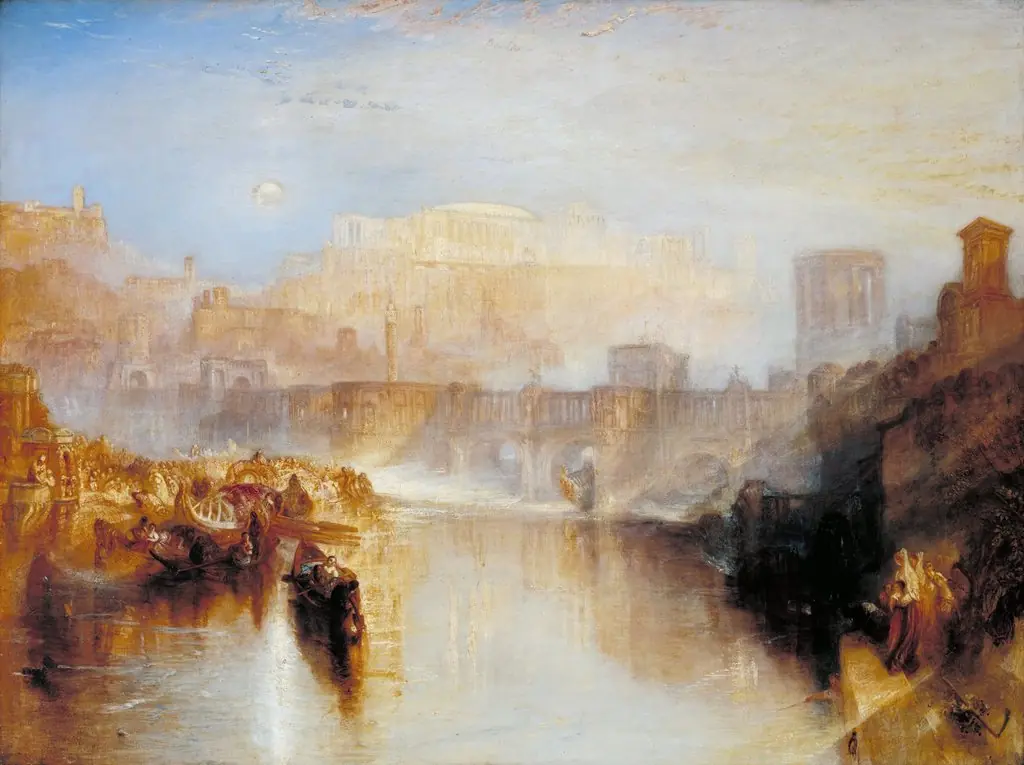 Ancient Rome; Agrippina Landing with the Ashes of Germanicus
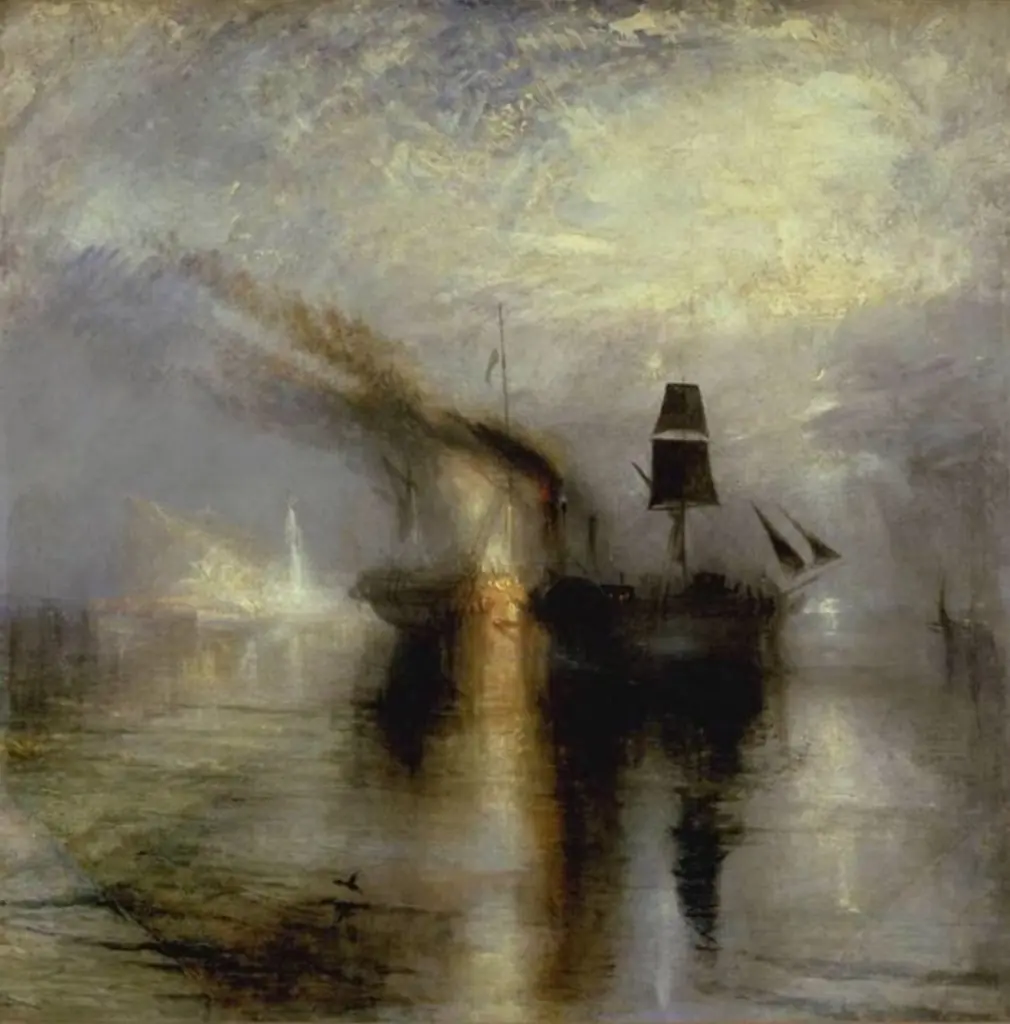 Peace – Burial at Sea
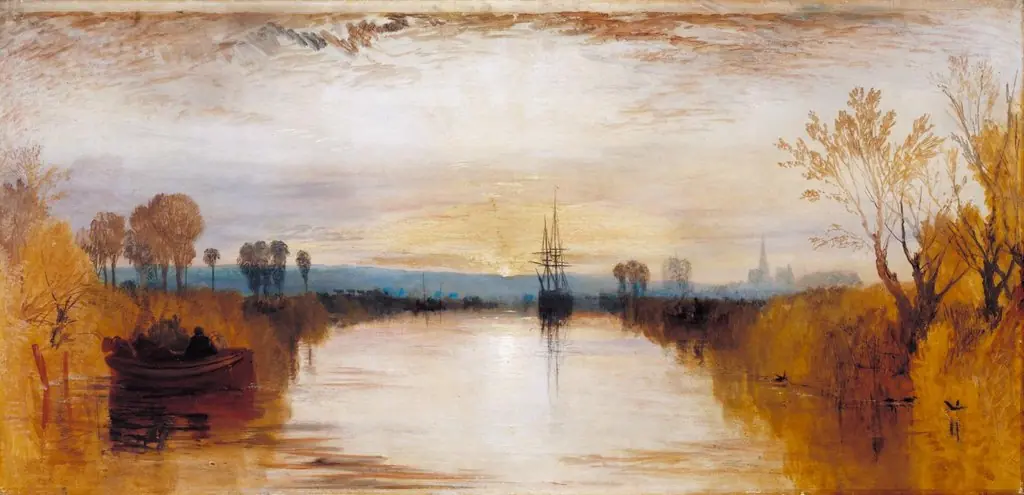 Chichester Canal
 Flüelen, from the Lake of Lucerne
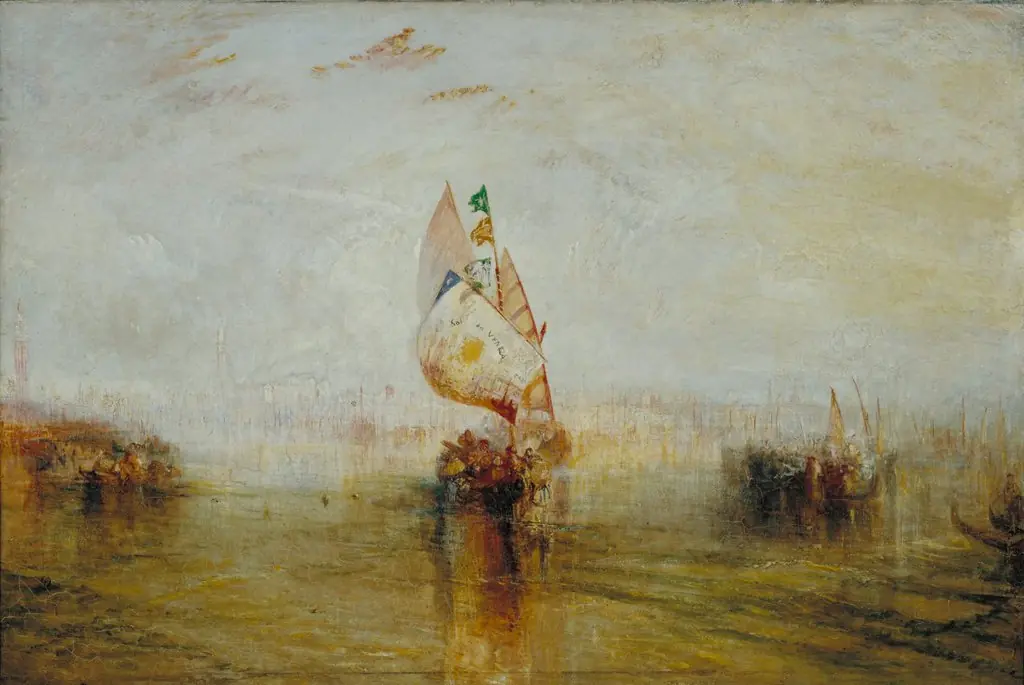 The Sun of Venice Going to Sea
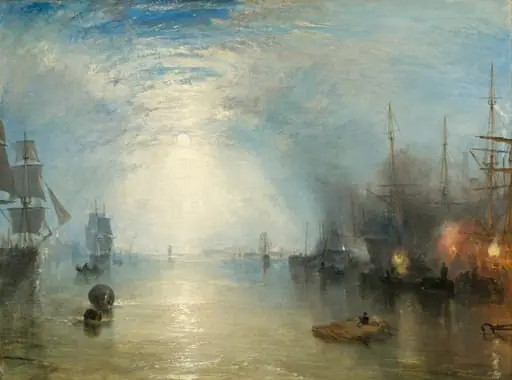 Keelmen Heaving in Coals by Moonlight
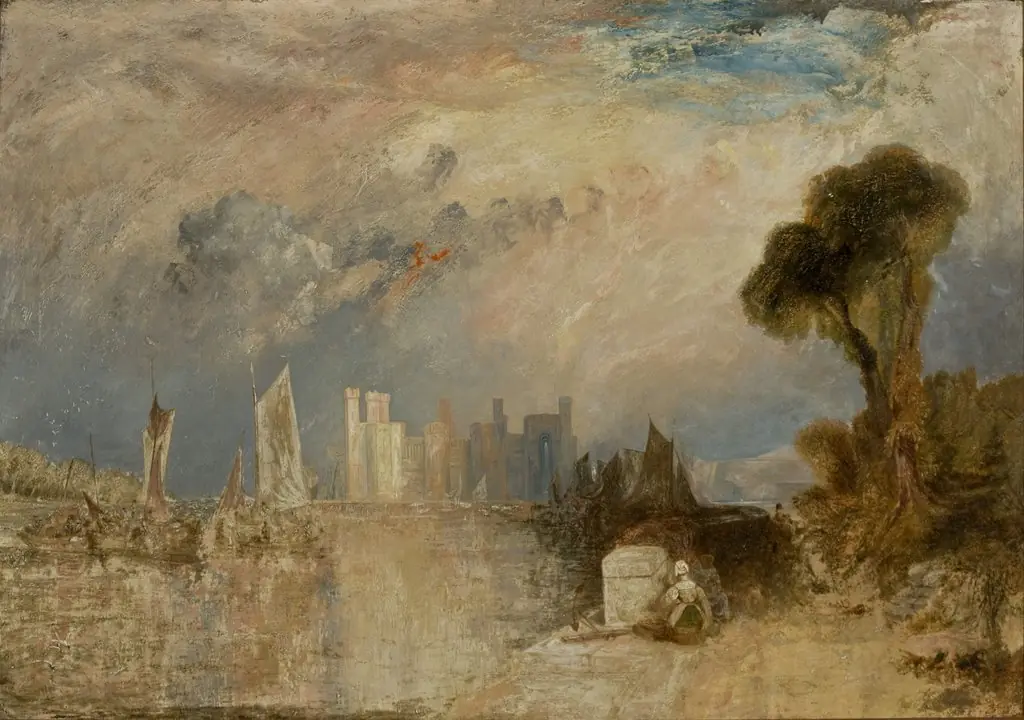 Caernarfon Castle
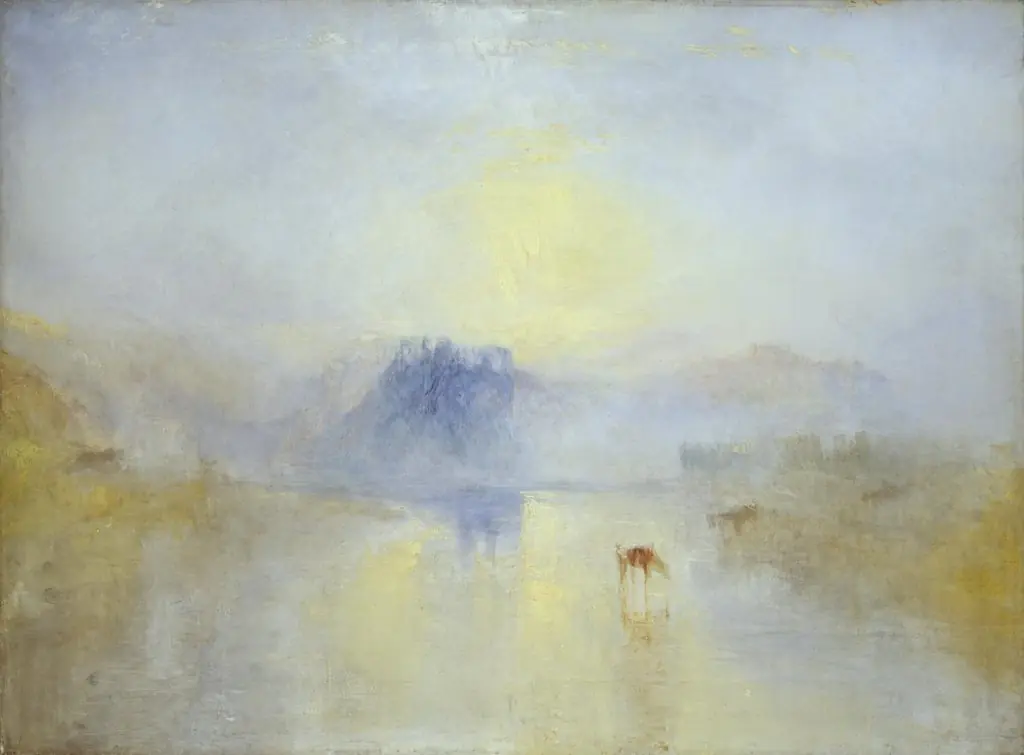 Norham Castle, Sunrise
 Lauerzersee with the Mythens
 The Thames above Waterloo Bridge