Artwork
Girls after the Ball
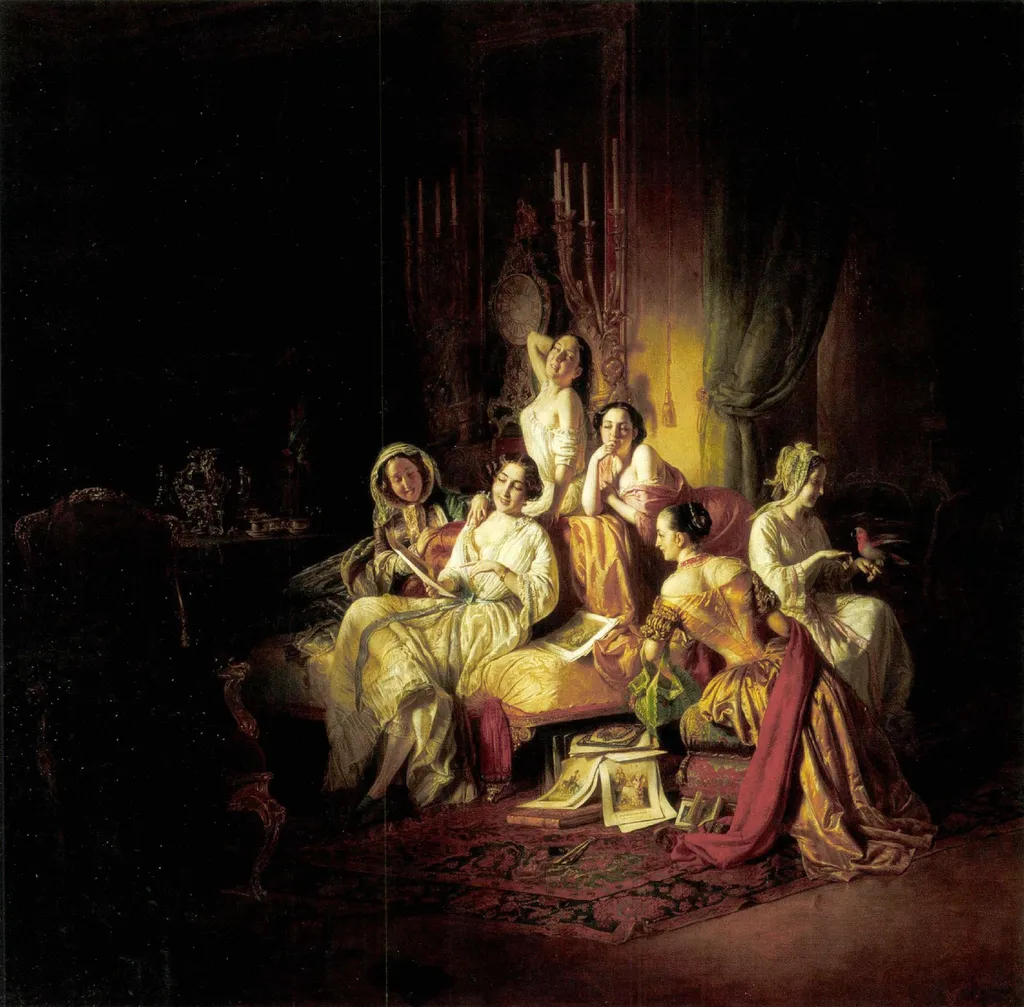
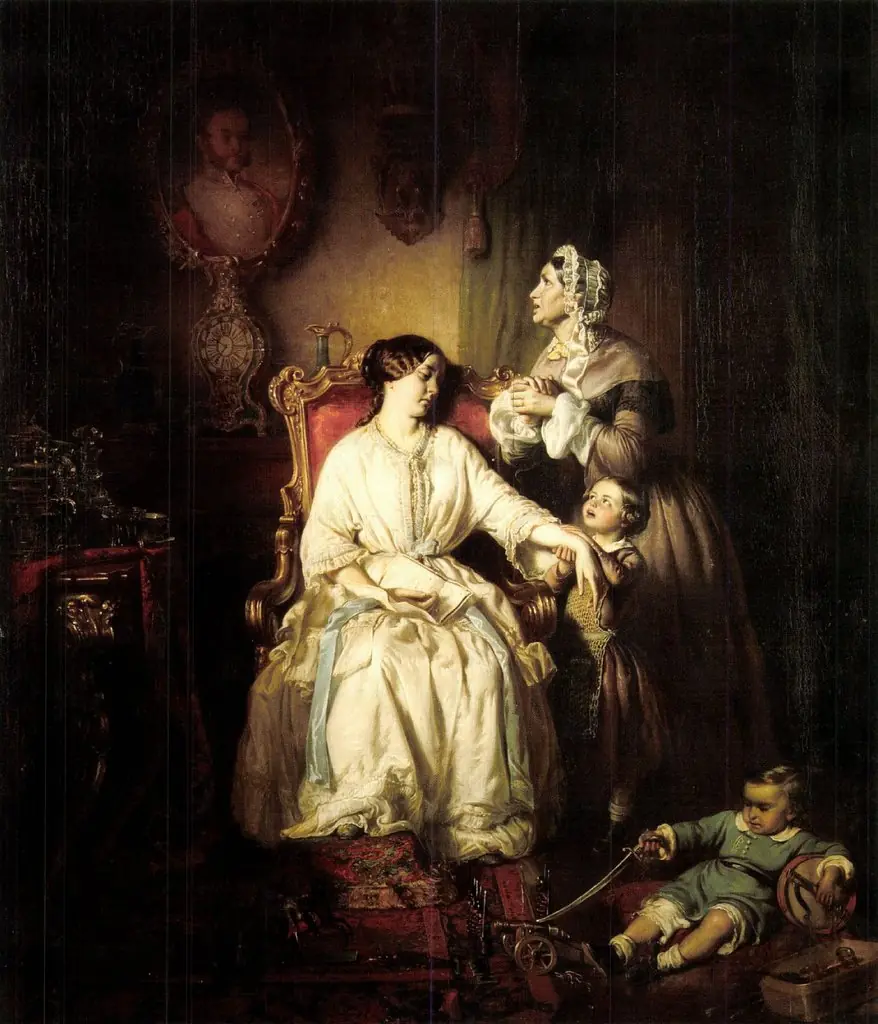
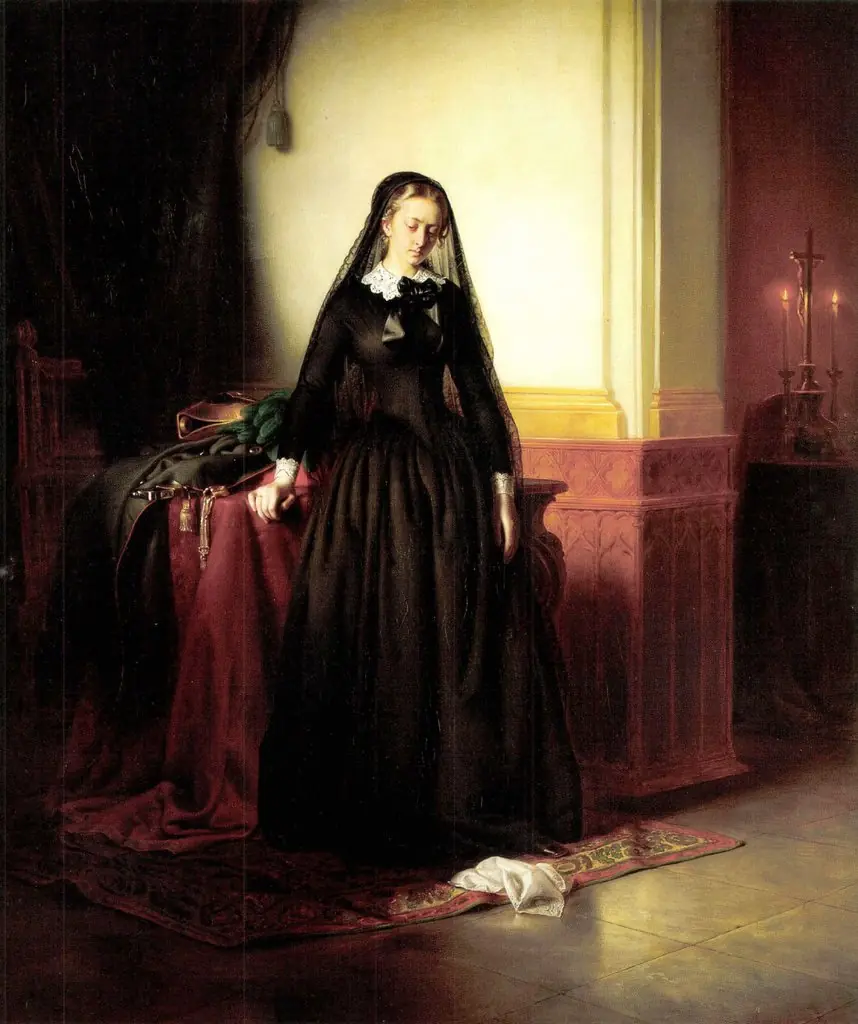
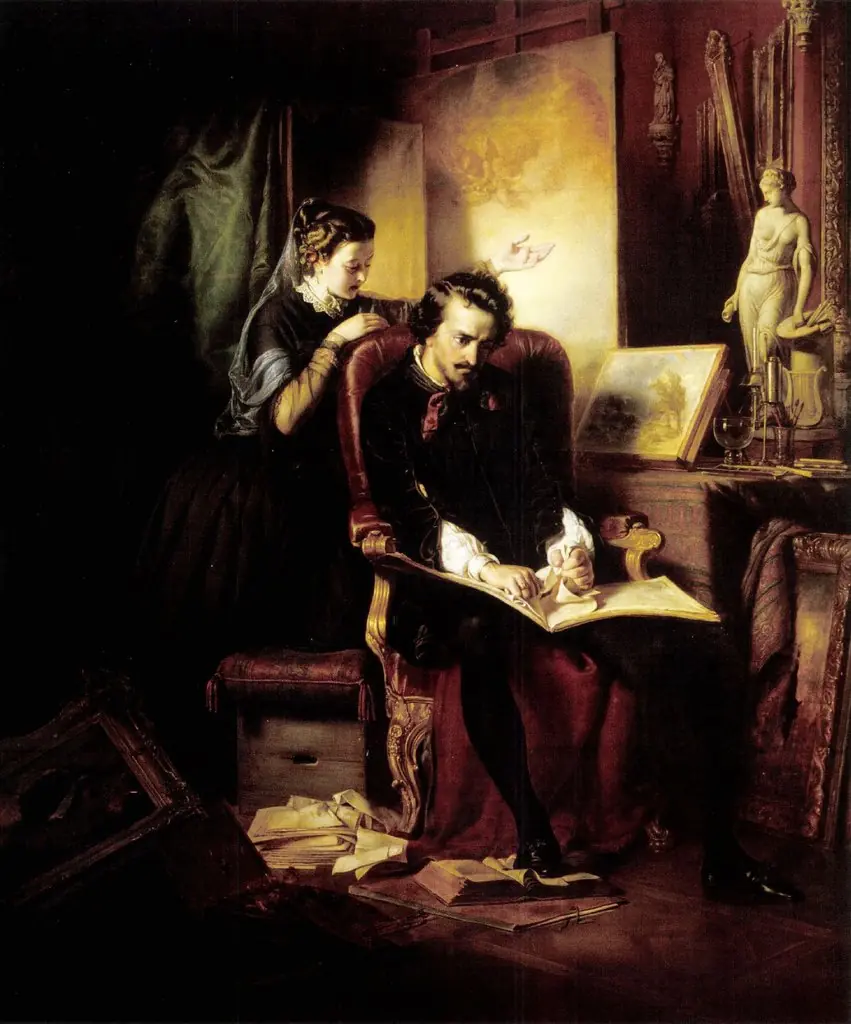
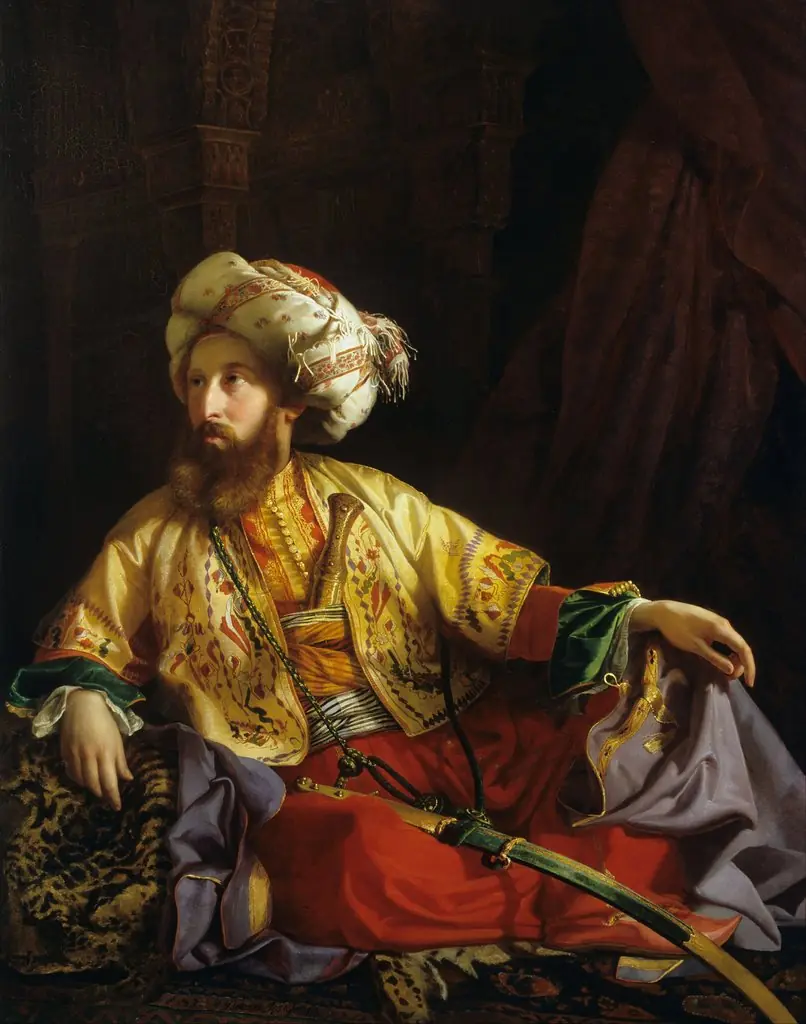
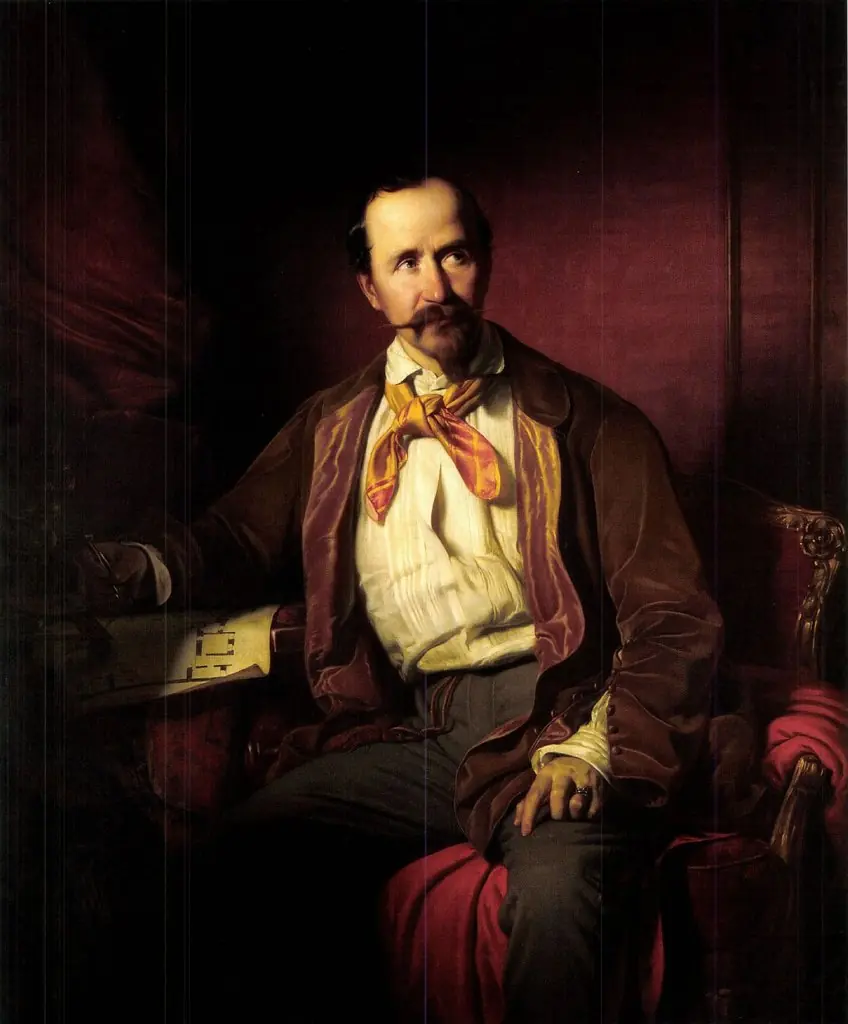
Girls after the Ball is an oil painting by the Realist artist József Borsos. It dates from 1850 and is held in the collection of the Hungarian National Gallery.
About this work
Overview
Painted around 1850 by Hungarian artist József Borsos, *Girls after the Ball* is an oil-on-canvas work capturing a quiet moment after a social gathering. Borsos, primarily known for portraiture and photography, turned his attention to intimate domestic scenes, aligning with the observational tone of Realism and the restrained aesthetics of Biedermeier.
Subject & Meaning
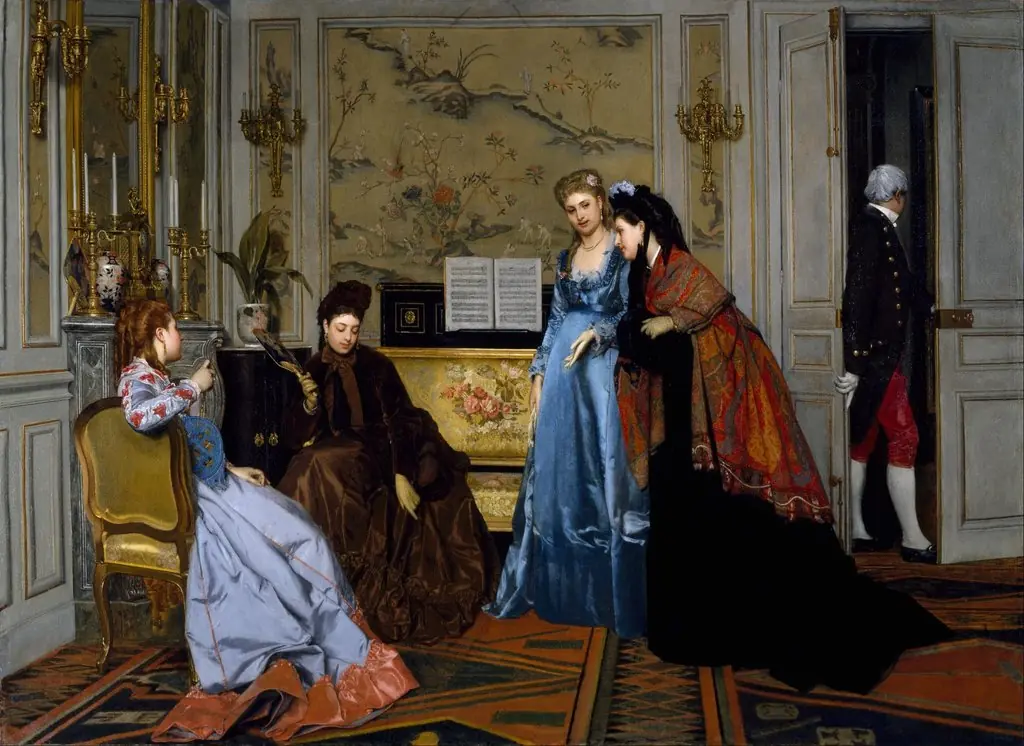
The painting shows two young women in a private interior, still dressed in their evening attire, engaged in quiet reflection. Their post-event stillness suggests exhaustion or contemplation, shifting focus from the spectacle of the ball to the private aftermath. The absence of narrative drama emphasizes the dignity of ordinary moments in middle-class life.
Technique & Style
Borsos employed soft, muted tones and careful modeling to render fabric, skin, and interior details with subtle precision. The composition is tightly framed, drawing attention to the figures’ gestures and expressions. Brushwork is controlled, avoiding theatricality, in keeping with Biedermeier’s preference for calm, domestic realism over romanticized drama.
History & Provenance
The painting has remained in Hungary since its creation and is now part of the Hungarian National Gallery’s collection. It reflects Borsos’s broader engagement with national themes during a period of cultural consolidation in the mid-19th century, though it was not widely exhibited until later decades.
Context
Created during a time of political quietude in the Austrian Empire, the work mirrors the rise of middle-class domestic ideals in Hungarian society. Genre scenes like this one replaced grand historical narratives, favoring quiet, relatable moments that resonated with urban audiences seeking authenticity over spectacle.
Legacy
While Borsos is better known for portraiture, *Girls after the Ball* stands as a significant example of early Hungarian Realism. It contributed to a local tradition of depicting private female experience, influencing later generations of artists who sought to elevate everyday life as worthy of artistic attention.
Own this work as a print
Artist & collection
Artist
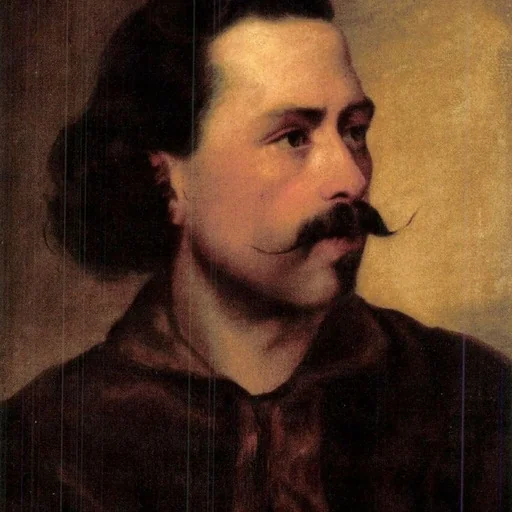
Jozsef Borsos (21 December 1821, in Veszprém – 19 August 1883, in Budapest) was a Hungarian portrait painter and photographer; best known for his genre paintings in the Biedermeier style.