Artwork
Portrait of Ferenc Pulszky
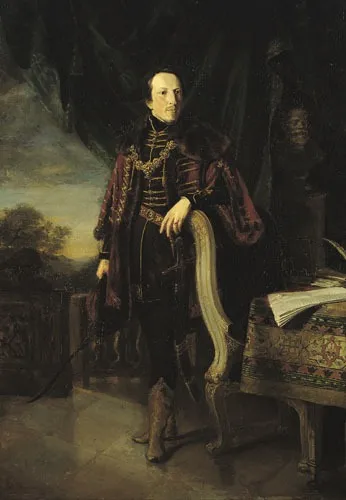
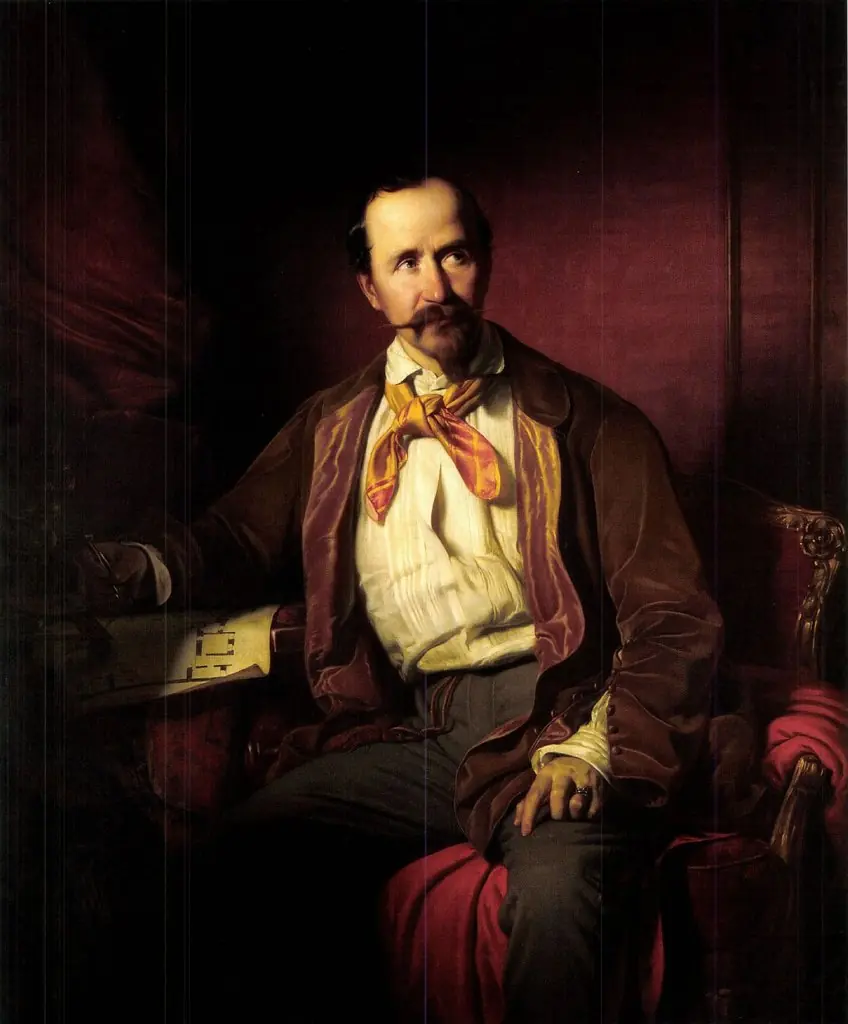
Portrait of Ferenc Pulszky is an oil painting by József Borsos. It dates from 1846 and is held in the collection of the Hungarian National Gallery. József Borsov’s 1846 oil on canvas portrays Ferenc Pulszky, a Hungarian figure of the mid‑19th century, standing within an interior setting.
About this work
Overview
A muted backdrop and a framed landscape painting complete the scene, emphasizing the sitter’s status and the period’s taste for refined portraiture.
József Borsov’s 1846 oil on canvas portrays Ferenc Pulszky, a Hungarian figure of the mid‑19th century, standing within an interior setting. The composition presents Pulszky in a richly decorated dark costume with a vivid red cape, his posture relaxed as he leans against an ornate chair. A muted backdrop and a framed landscape painting complete the scene, emphasizing the sitter’s status and the period’s taste for refined portraiture.
Subject & Meaning
The work captures Pulszky as a dignified gentleman, his elaborate attire and confident stance suggesting both personal confidence and social prominence. The inclusion of a landscape painting within the background may allude to cultured interests or a connection to the broader Hungarian environment, while the dark, subdued setting focuses attention on the sitter’s facial expression and sartorial details, reinforcing his individual identity.
Technique & Style
Executed in oil, Borsov employs the Biedermeier aesthetic typical of Central Europe in the 1840s, characterized by precise rendering of textures and a restrained palette. The brushwork delineates the intricate patterns of the jacket and cape, while subtle chiaroscuro models the figure against the deep background. The composition balances realism with a modest decorative flourish, reflecting the artist’s training in portraiture and his attention to materiality.
History & Provenance
Created in 1846, the portrait entered the collection of the Hungarian National Gallery, where it remains on display. Borsov, born in Veszprém in 1821, worked primarily in Budapest until his death in 1883, producing numerous portraits for the Hungarian elite. This painting exemplifies his mature period and contributes to the gallery’s representation of 19th‑century Hungarian art.
Context
During the mid‑19th century, Hungarian society experienced a surge in national consciousness, and portraiture served as a means of documenting emerging leaders and intellectuals. Borsov’s work aligns with the Biedermeier movement’s emphasis on domesticity and personal virtue, offering a visual record of the era’s fashion, interior design, and the cultural aspirations of the Hungarian bourgeoisie.
Artist & collection
Artist
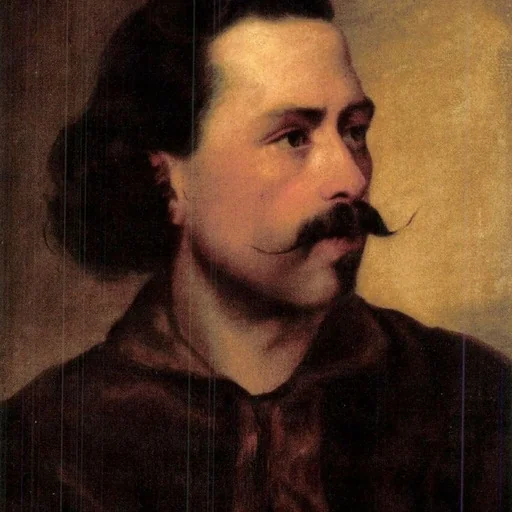
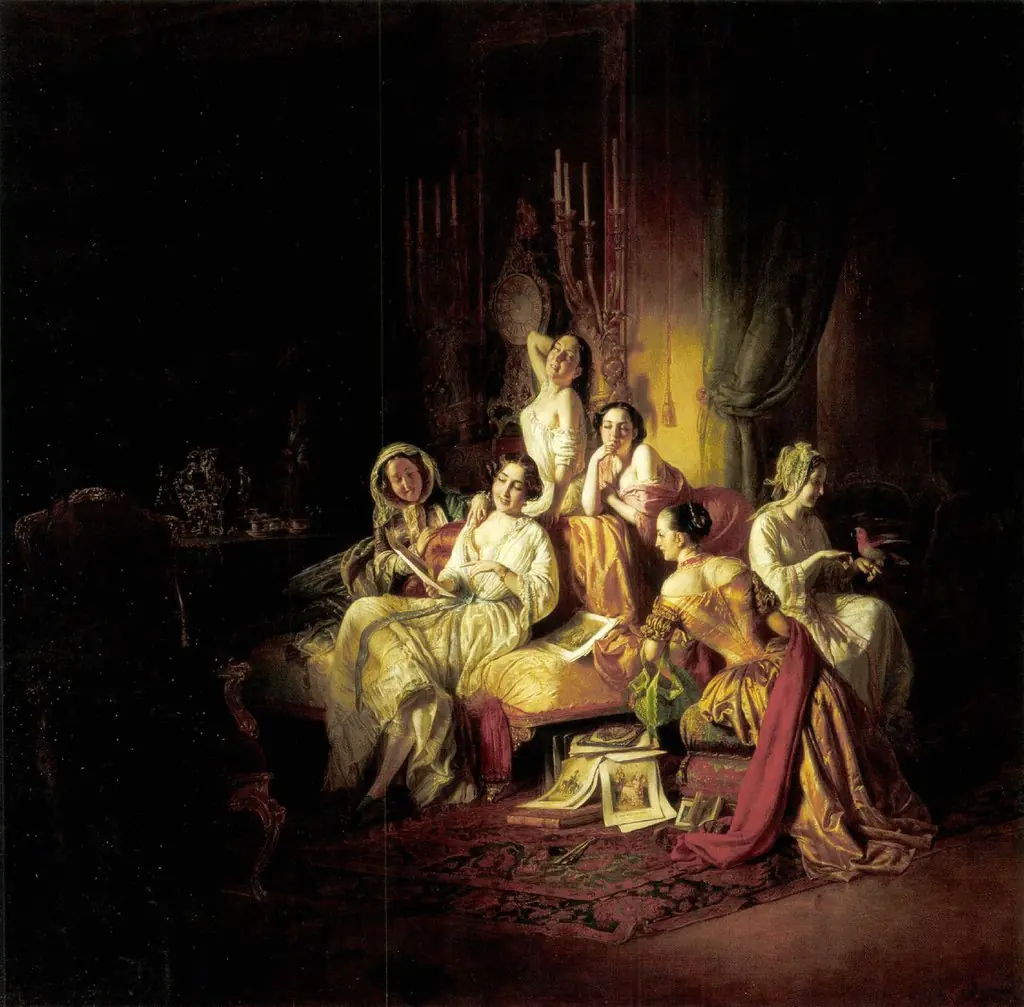
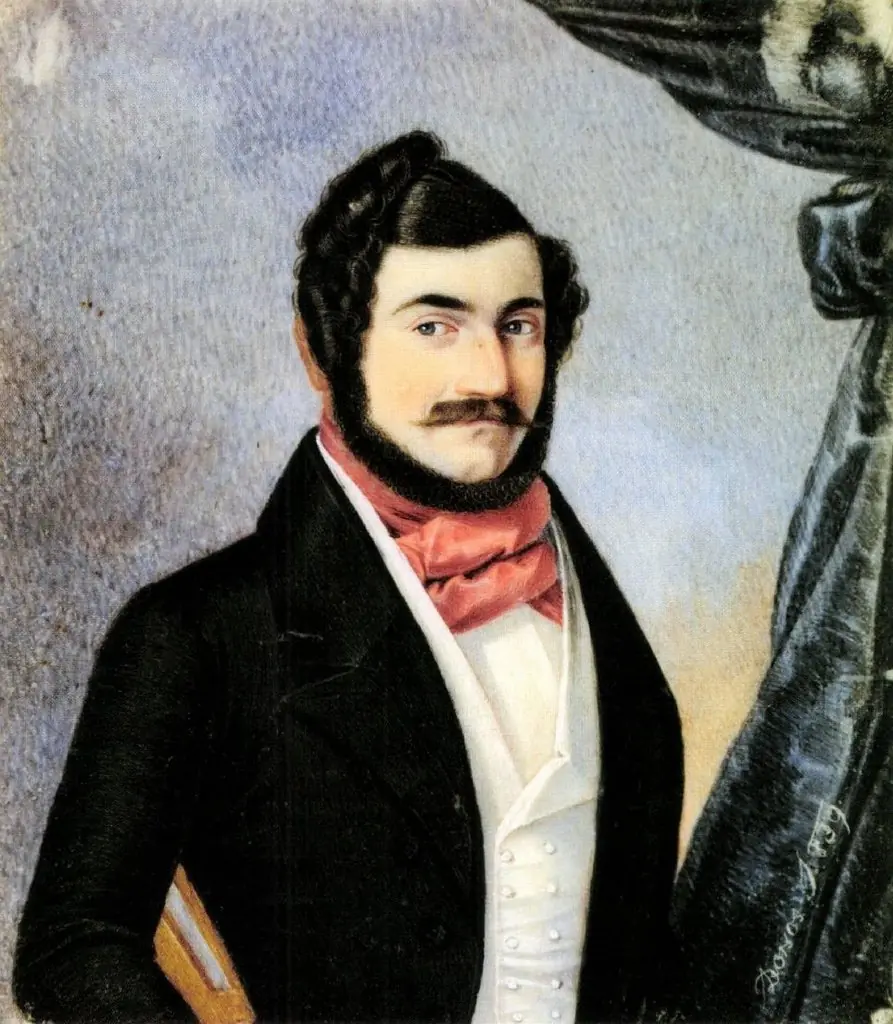
Jozsef Borsos (21 December 1821, in Veszprém – 19 August 1883, in Budapest) was a Hungarian portrait painter and photographer; best known for his genre paintings in the Biedermeier style.

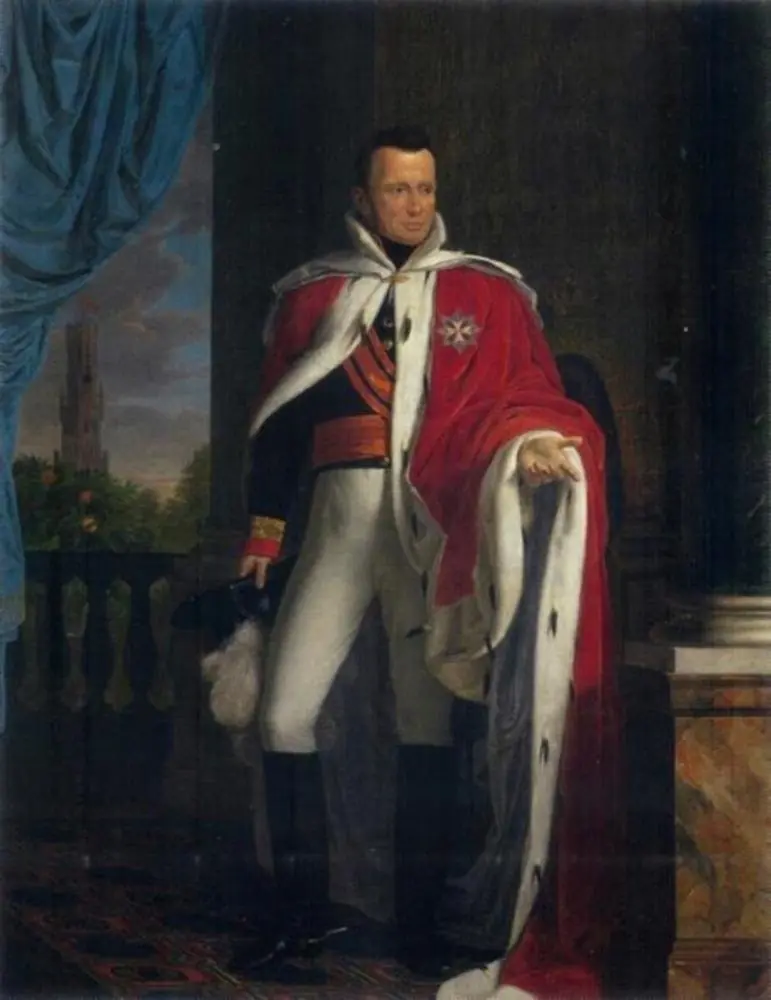 Portrait of king Willem I (1772-1843)
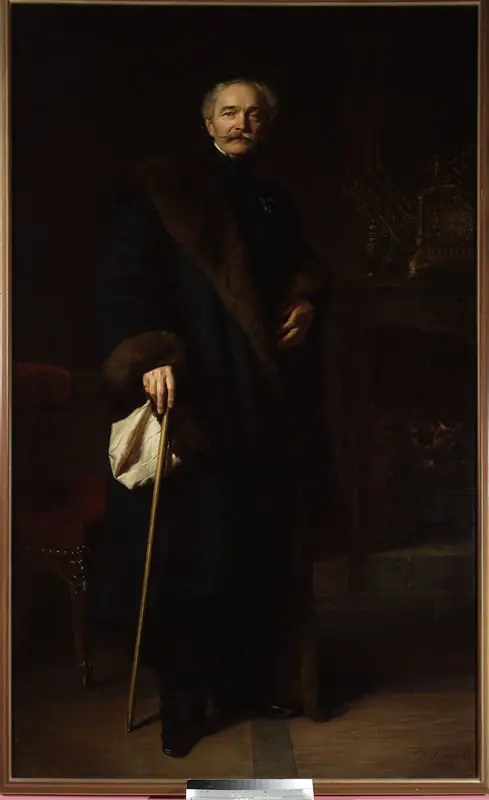 Portrait of colonel Konstanty Fiszer
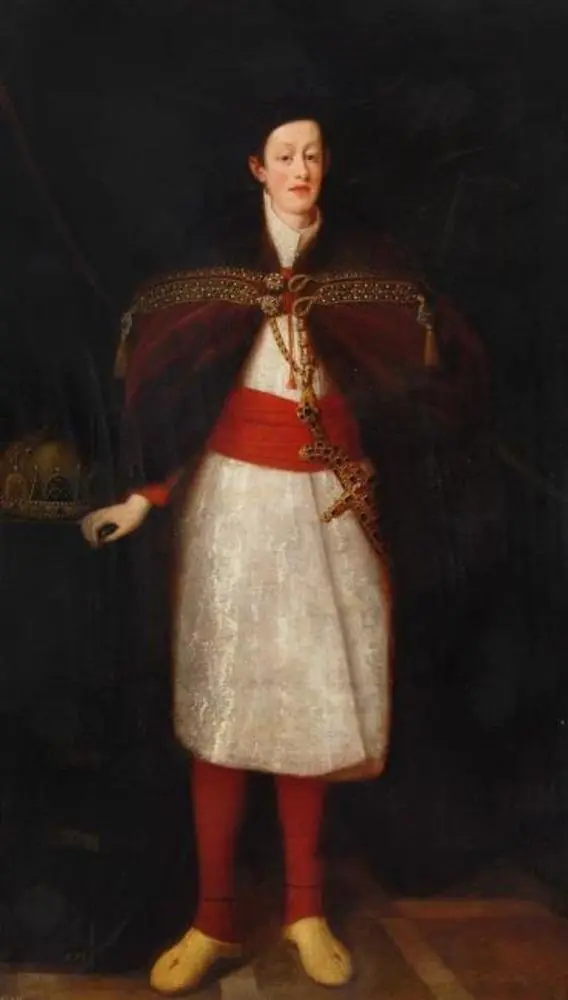 Portrait of Ferdinand III, King of Hungary
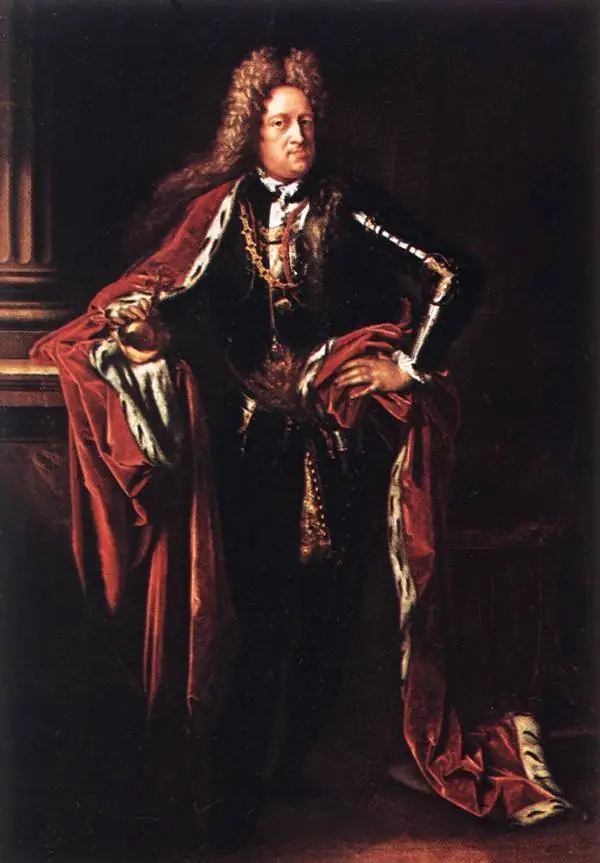 Portrait of Johann Wilhelm Elector of Palatine (1658-1716)
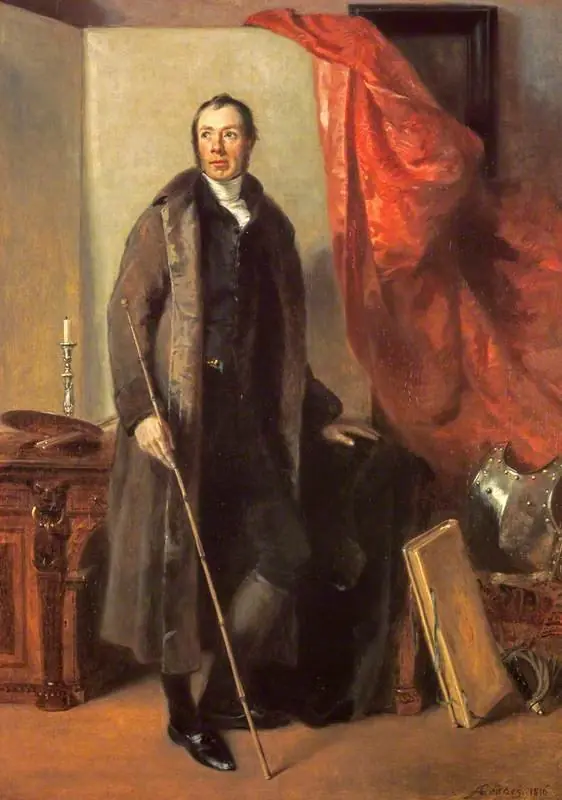 George Sanders (1774 - 1846)
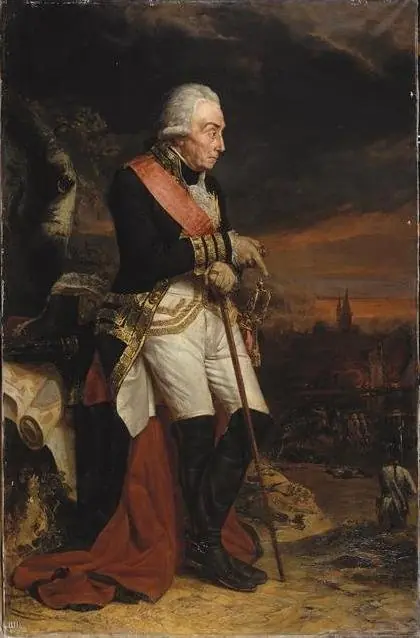 Nicolas, baron de Luckner, maréchal de France (1722-1794)
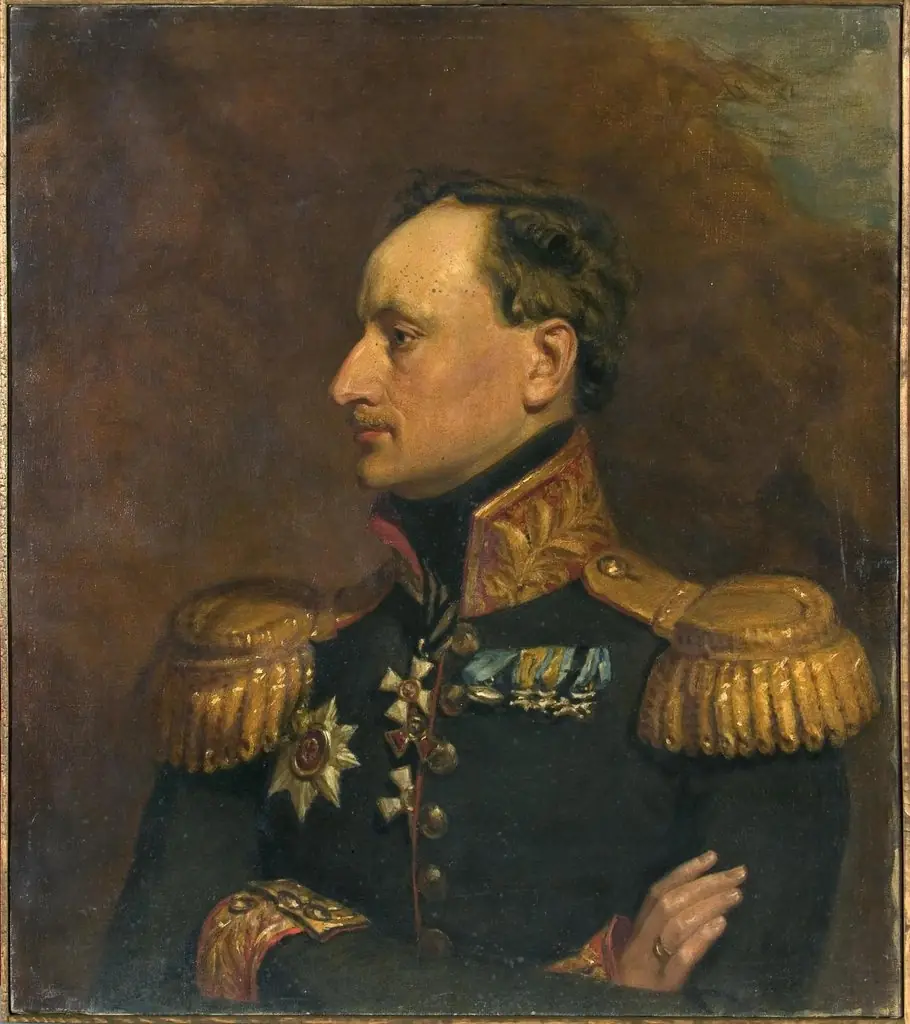 Portrait of Count Konstantin von Benkendorff (1785-1828) (copy)
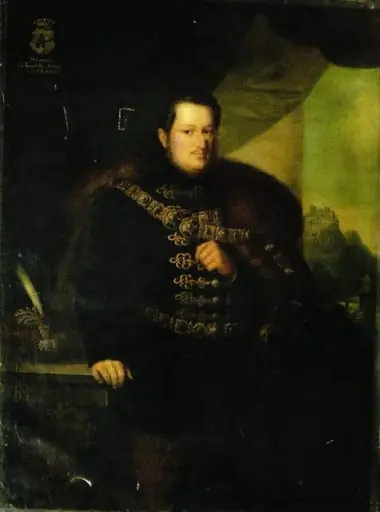 Malomvizi Gr. Kenedeffy Adam (1795-1834)
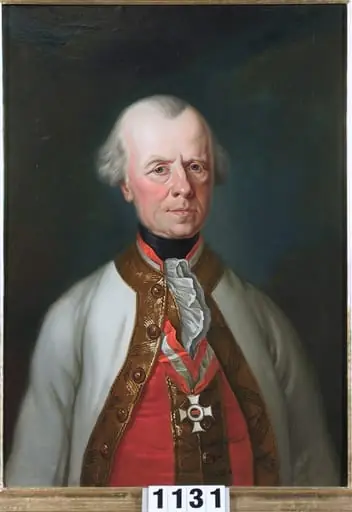 Prințul Friedrich Wilhelm von Hohenlohe, general
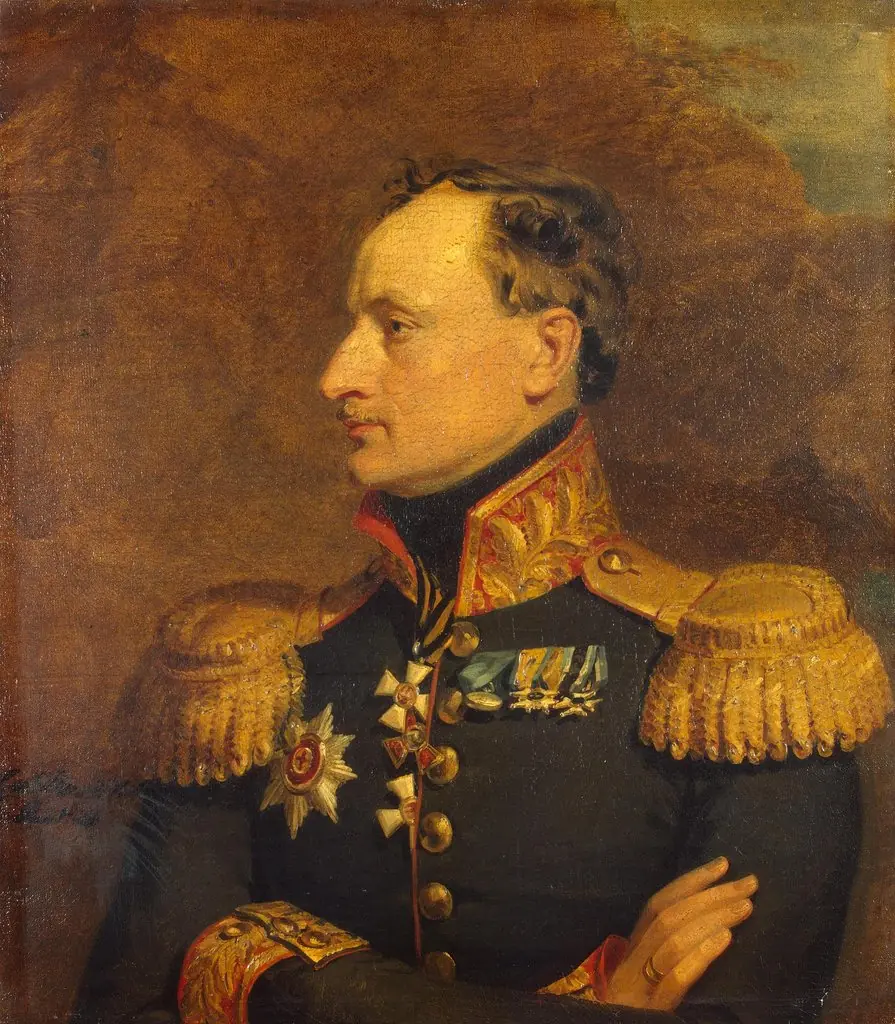 Portrait of Konstantin Kh. von Benckendorf (1785-1828) (2nd)
 Portrait of Metternich
 Portrait of Grand Duke Nikolai Pavlovich