Artwork
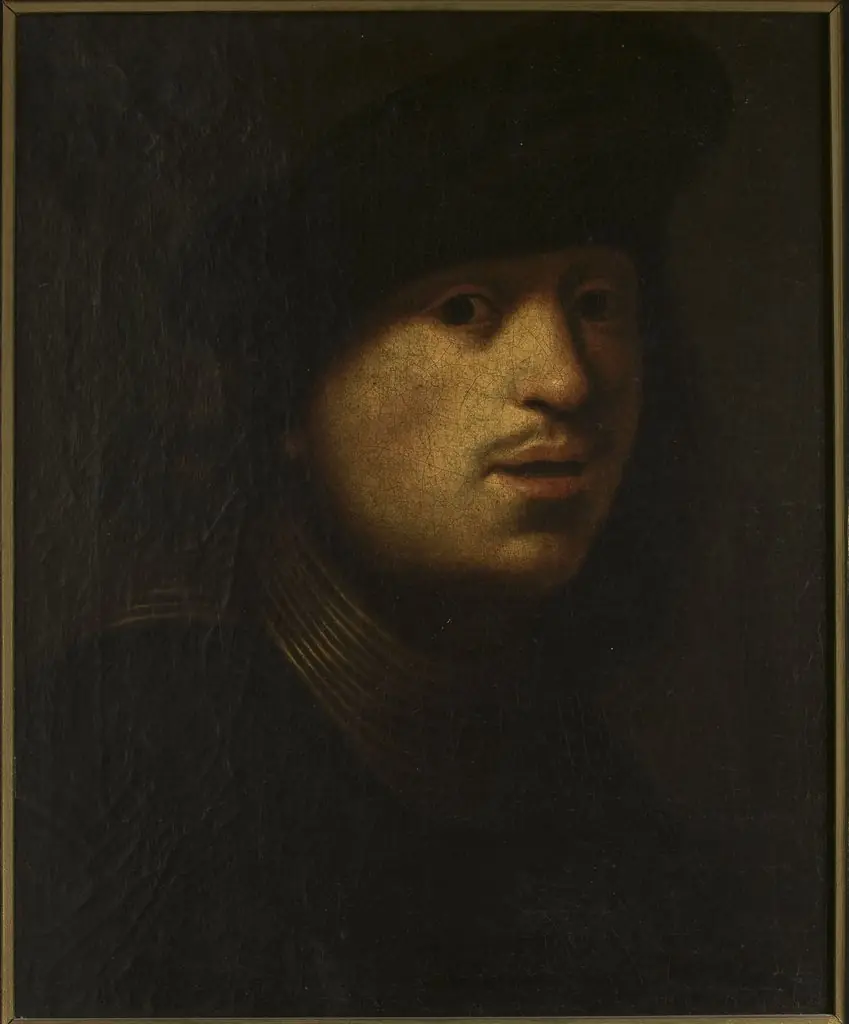
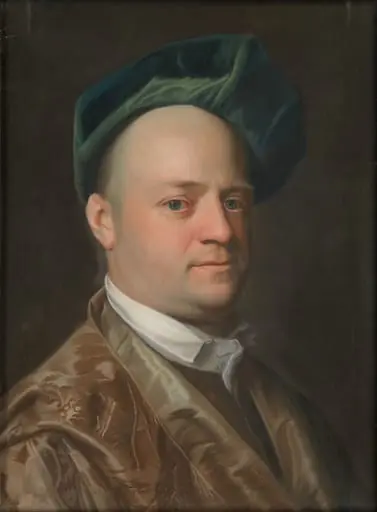
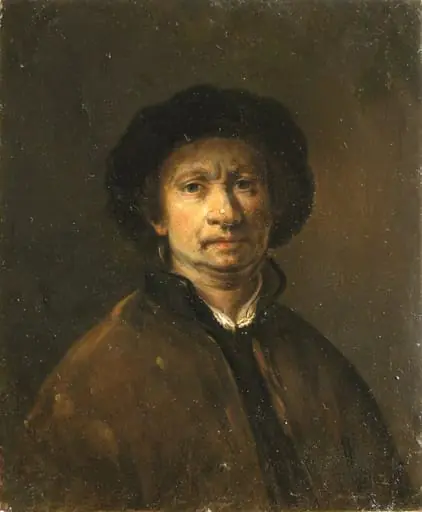
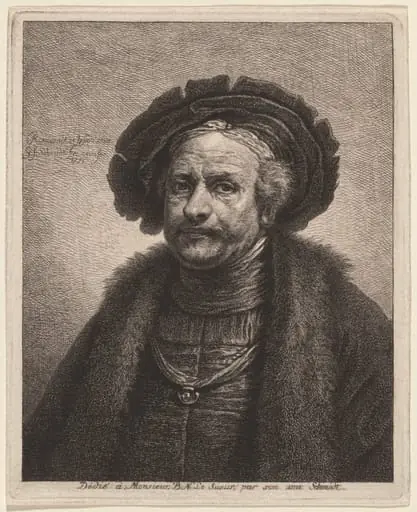
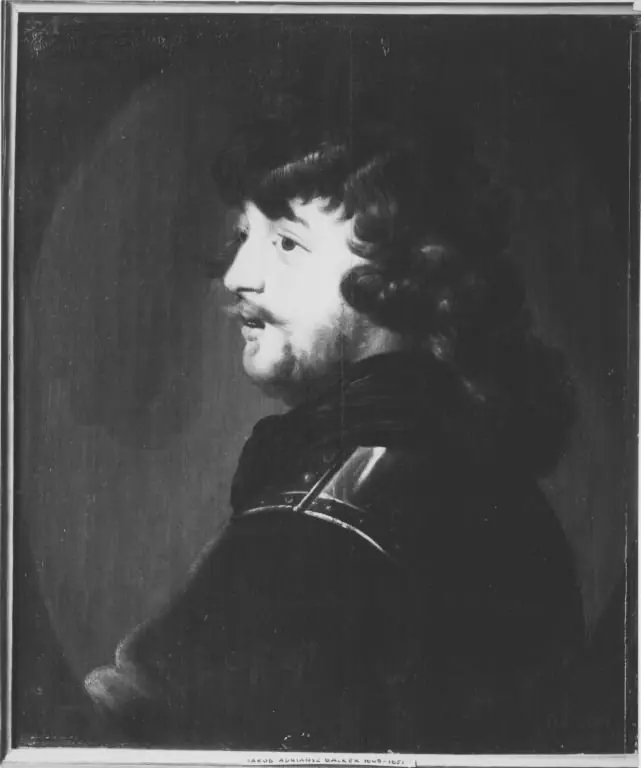
Half-length portrait of a man
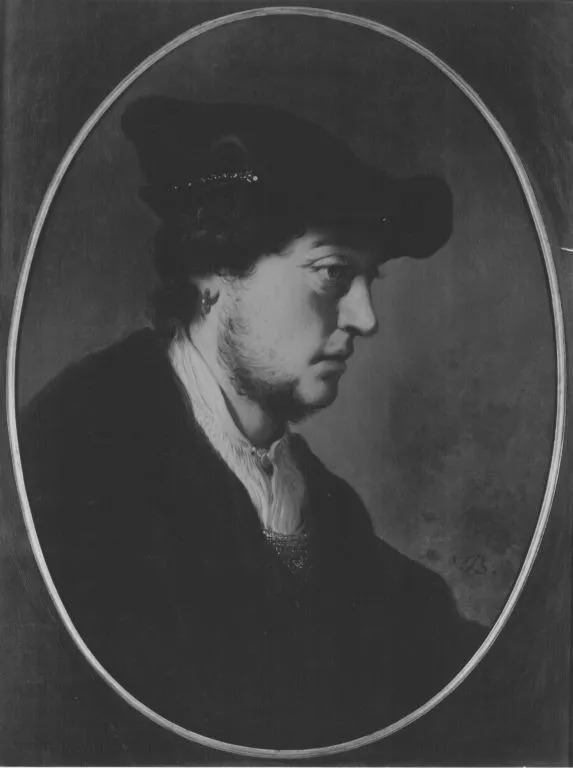
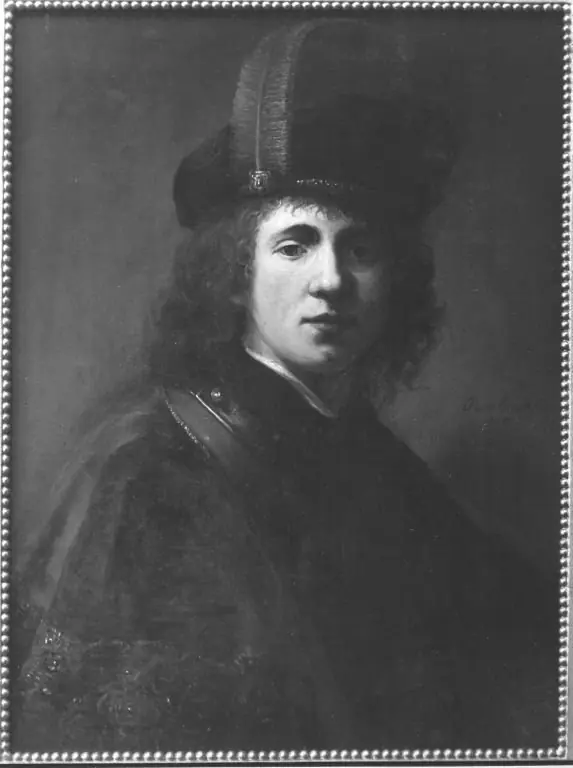
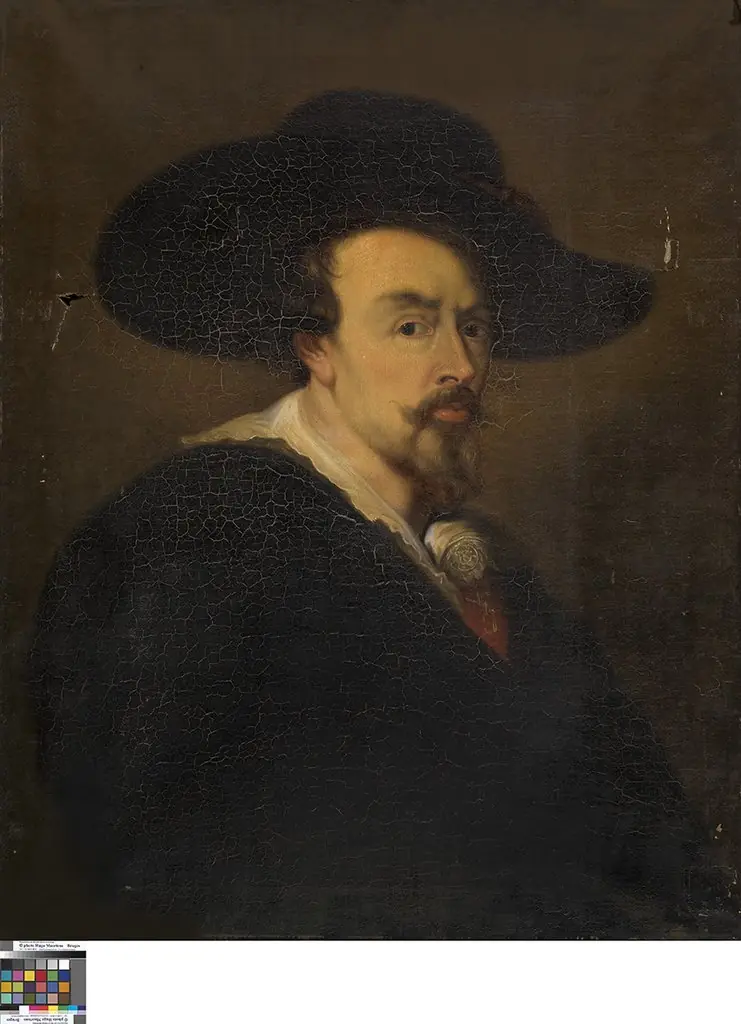
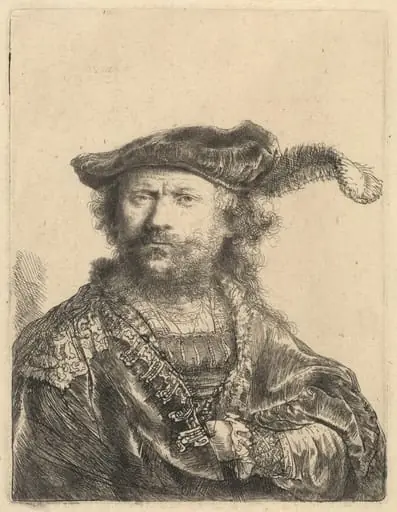
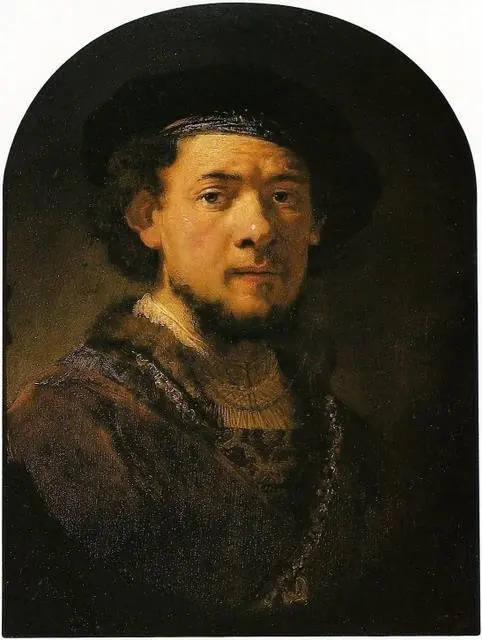
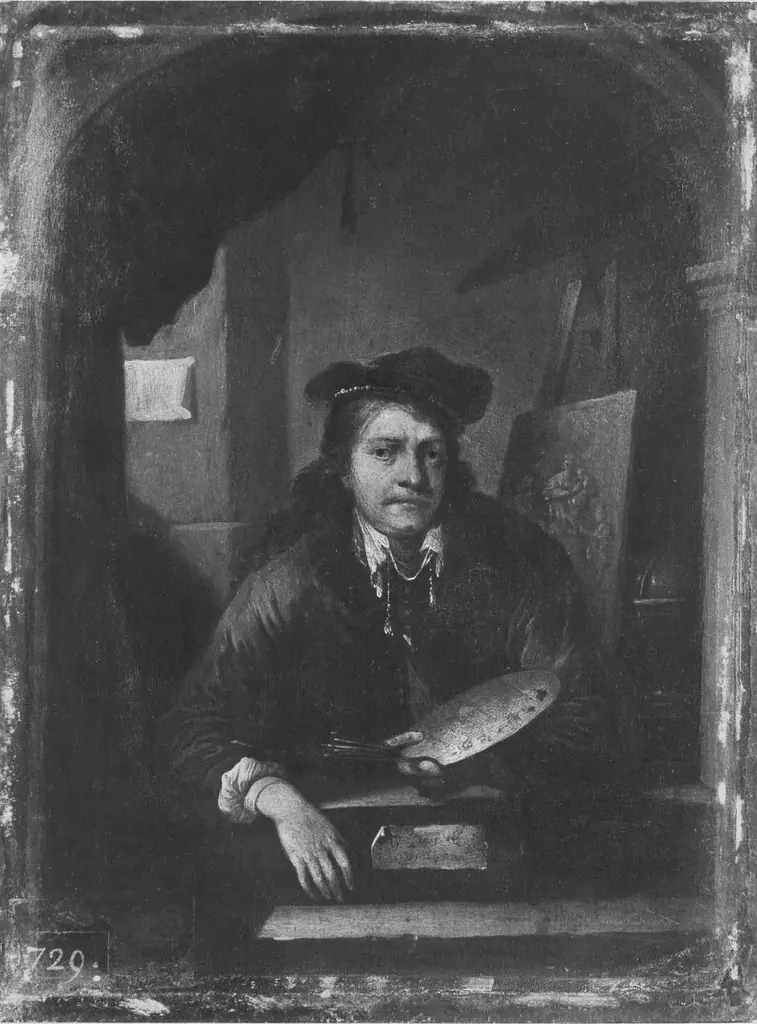
Half-length portrait of a man is an unspecified painting by the Dutch Golden Age artist Jacob Adriaensz Backer. It dates from 1638 and is held in the collection of the Bavarian State Painting Collections.
About this work
Overview
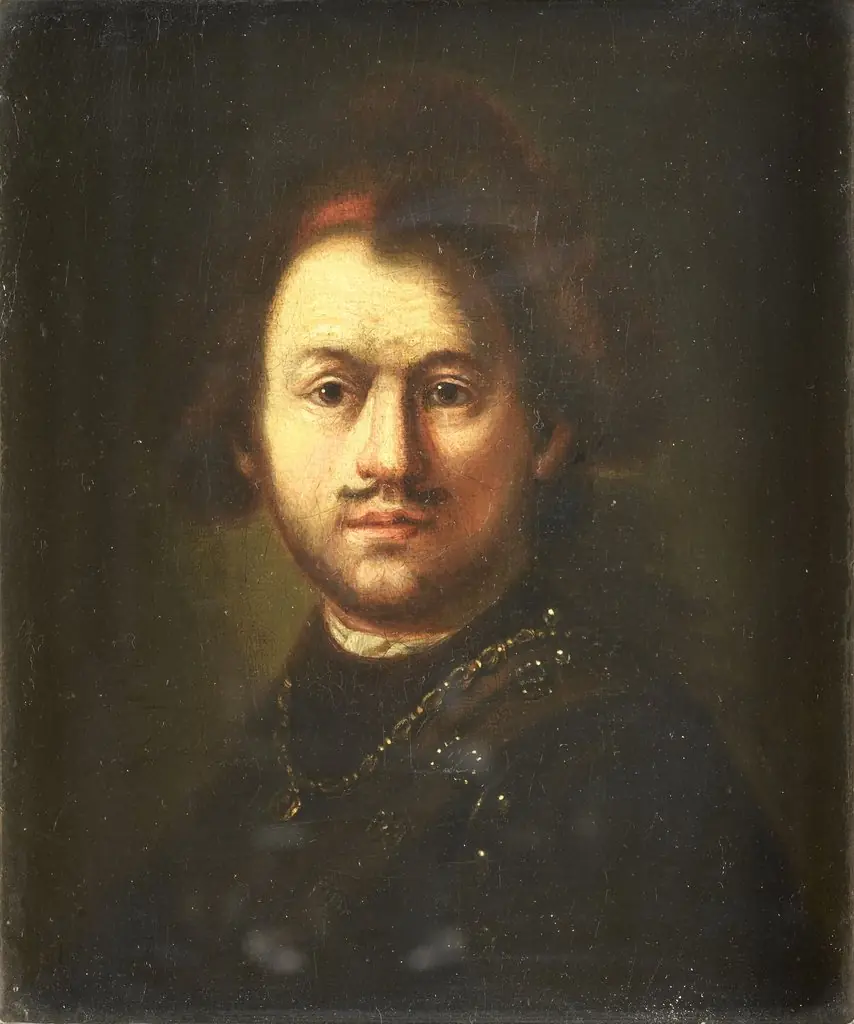
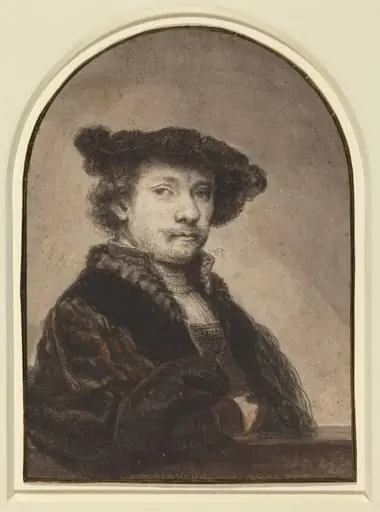
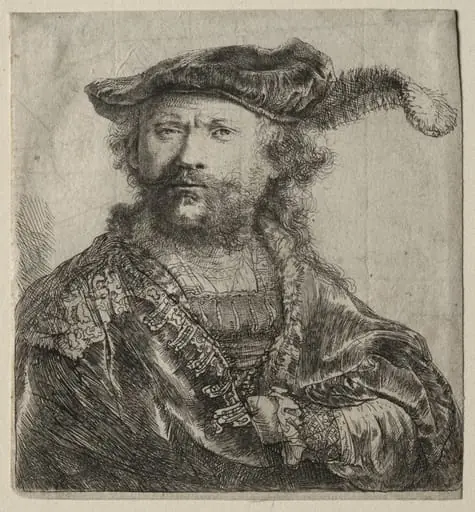
Jacob Adriaensz Backer’s 1638 work presents a half‑length portrait of an unidentified gentleman rendered in monochrome. The sitter is shown in profile, dressed in a dark hat adorned with a modest feather or pin, a stiff ruffled collar, and a black coat. Subtle illumination outlines his cheekbones and jaw, creating a striking visual contrast.
Technique & Style
Backer employs a chiaroscuro approach, using pronounced light and shadow to model the figure’s features and garments. The interplay of illumination against a dark background accentuates the texture of the collar and the sheen of the hat, while the limited palette underscores the realism typical of Dutch Golden Age portraiture.
Subject & Meaning
The portrait’s anonymous sitter, positioned slightly turned away, suggests a contemplative or reserved demeanor. The emphasis on attire and facial structure reflects the period’s interest in individual identity and social status, conveyed through careful rendering of clothing details and the dignified posture.
History & Provenance
Created in the later phase of Backer’s brief but prolific career, the painting entered the collection of the Alte Pinakothek, where it remains part of the museum’s holdings of 17th‑century Dutch art. Its acquisition history is documented through the museum’s catalogues.
Context
Backer worked amid a vibrant Dutch artistic milieu, drawing inspiration from peers such as Wybrand de Geest, Peter Paul Rubens, and Abraham Bloemaert. His focus on portraiture aligns with the era’s demand for realistic, individualized depictions of the burgeoning merchant class and aristocracy.
Artist & collection
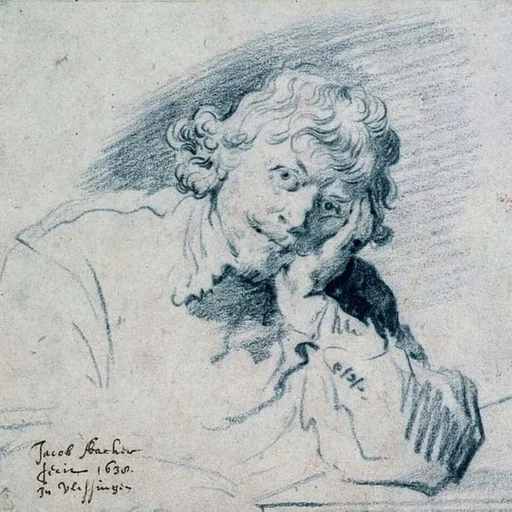
Artist
Jacob Adriaensz Backer (1608 – 27 August 1651) was a Dutch Golden Age painter. He produced about 140 paintings in twenty years, including portraits, religious subjects, and mythological paintings. In his style, he was…

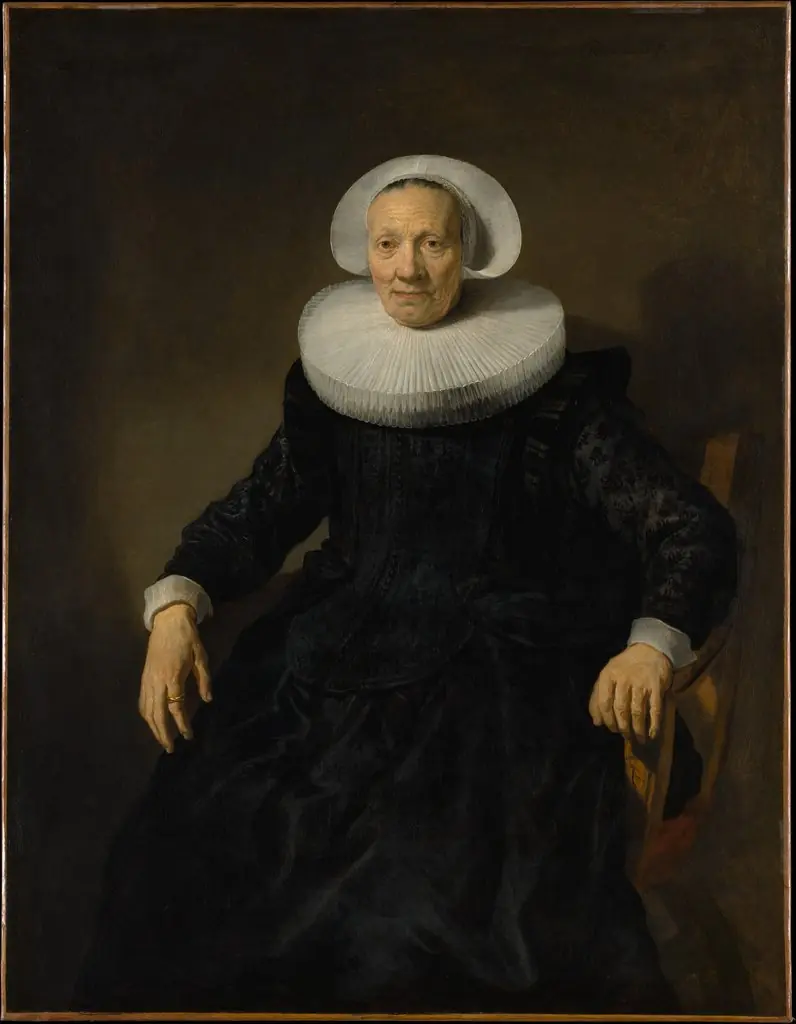 Old Woman in an Armchair
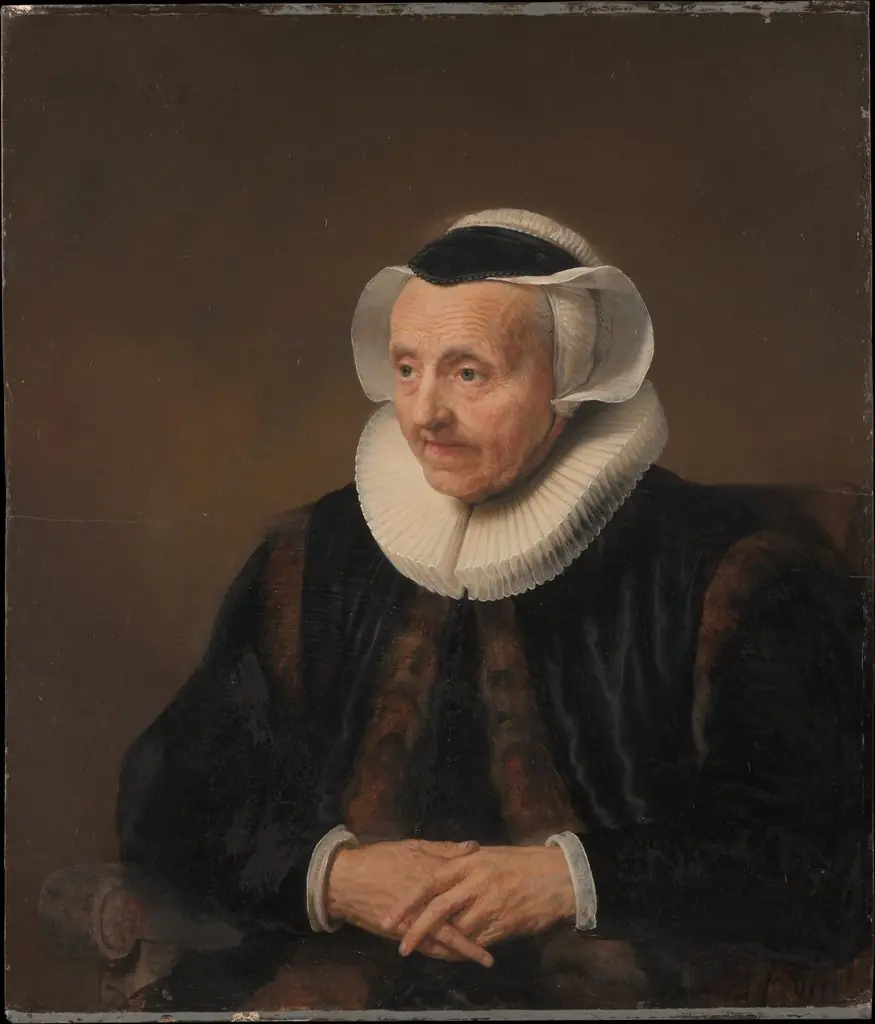 Portrait of an Old Woman
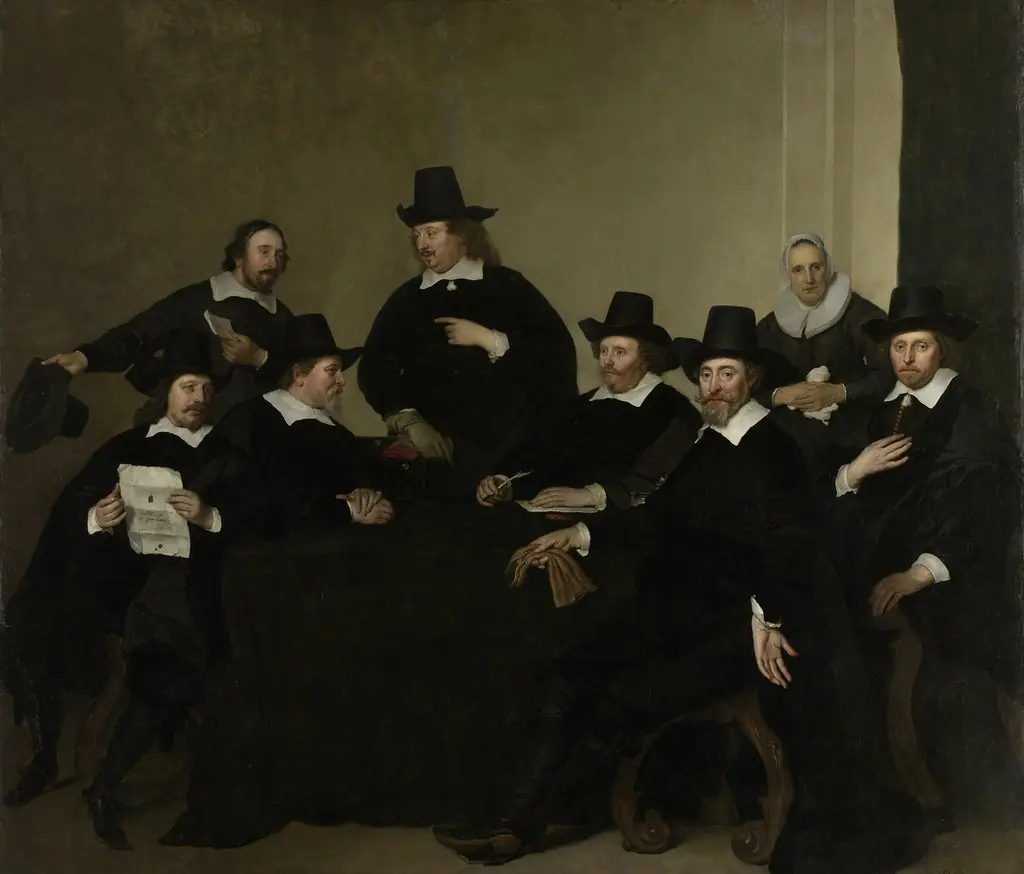 The regents of the Nieuwe Zijds institute for the outdoor relief of the poor, Amsterdam, ca 1650
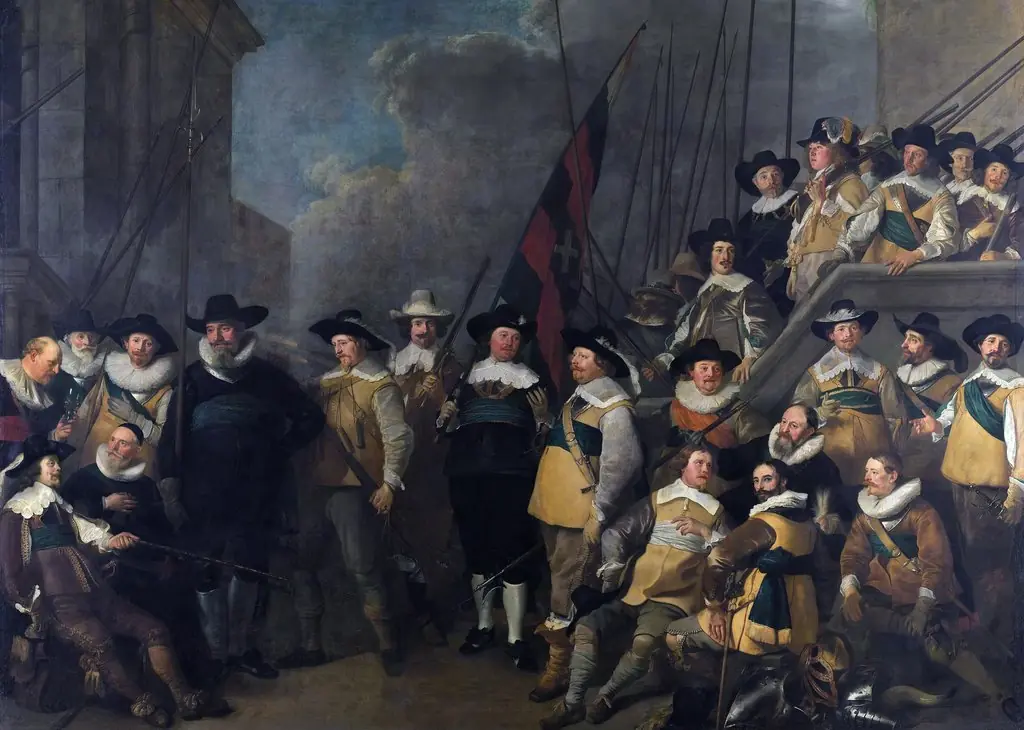 Officers and other Civic Guardsmen of the V District in Amsterdam under the command of Captain Cornelis de Graeff and Lieutenant Hendrick Lauwrensz
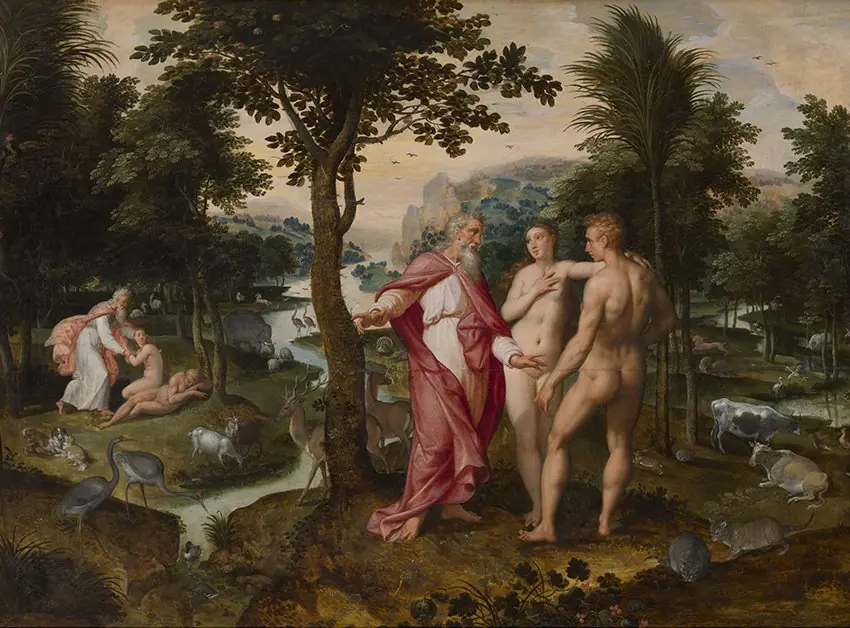 The Garden of Eden
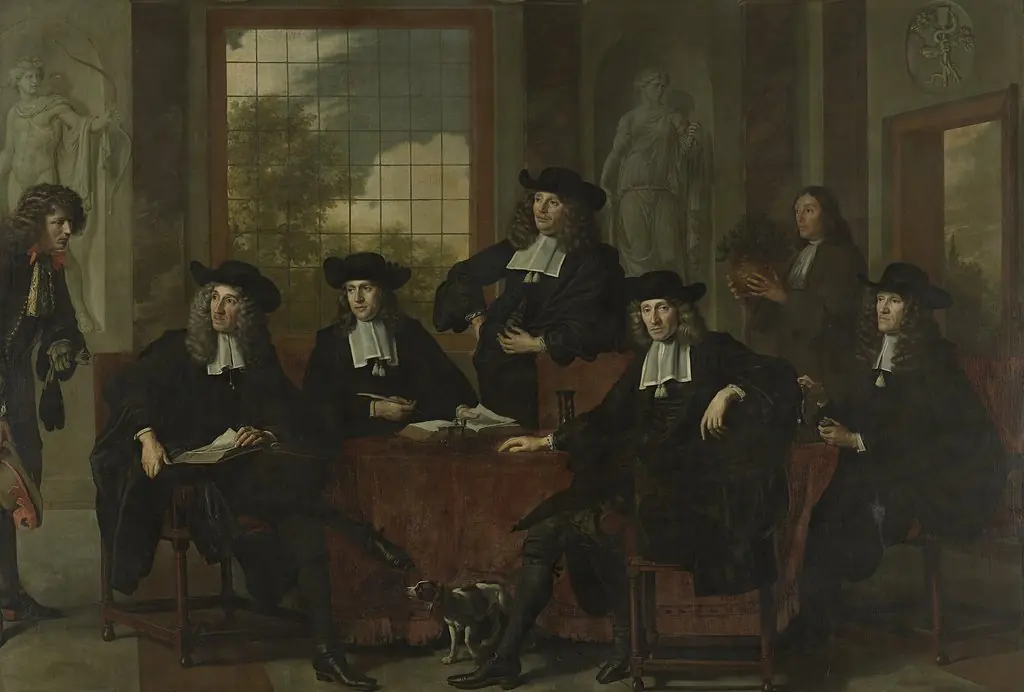 The superintendents of the Collegium Medicum in Amsterdam
 Portrait of a man in armor (self-portrait)
 Portrait of Daniel Nellius, elder of the Remonstrant church and sampling official of Alkmaar