Artwork
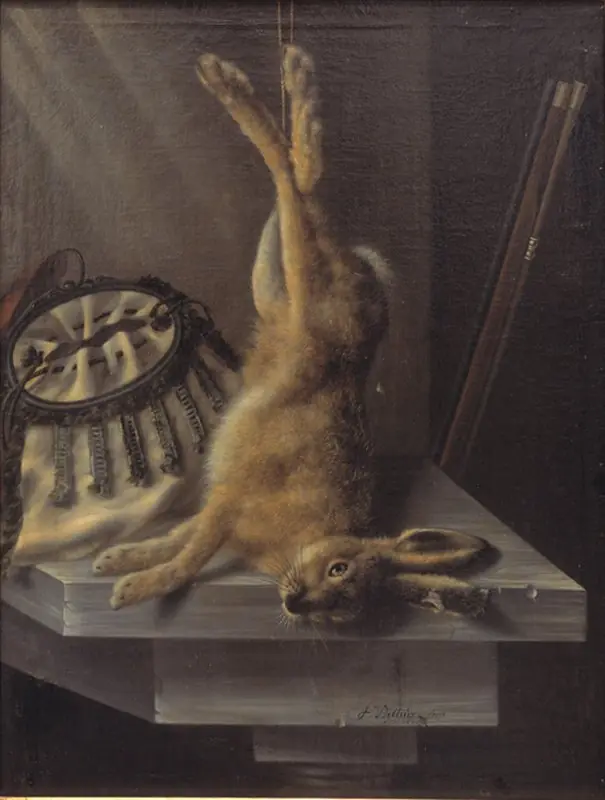
A dead hare
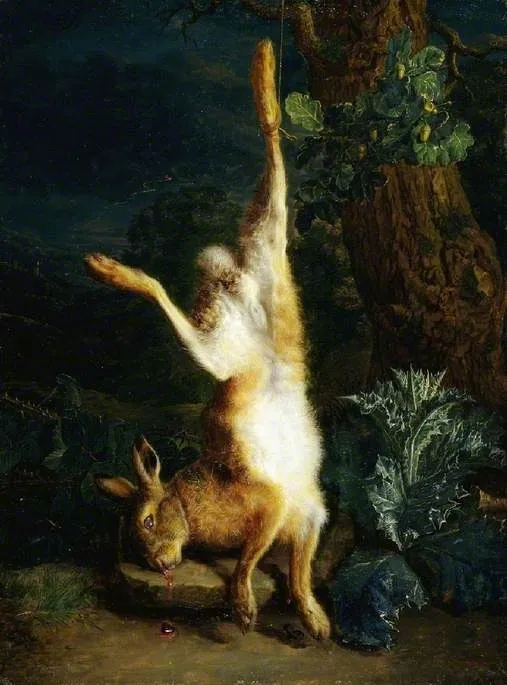
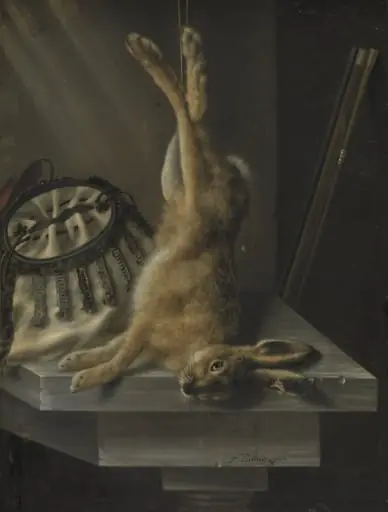
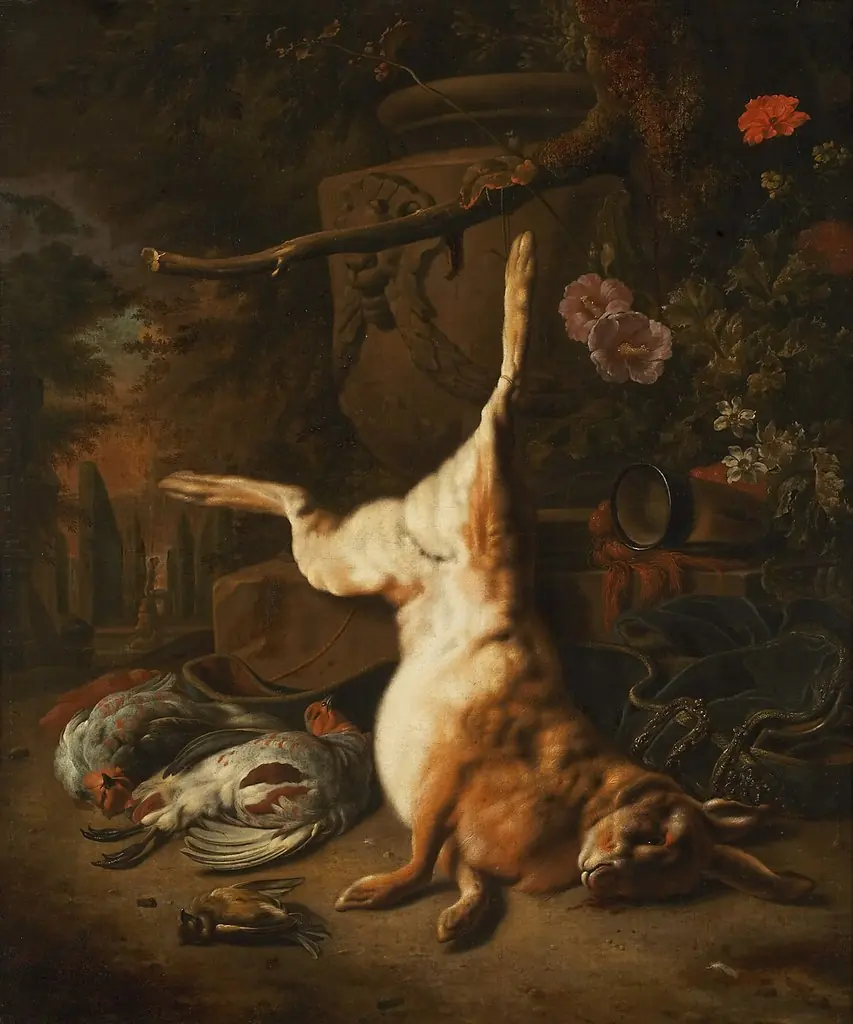
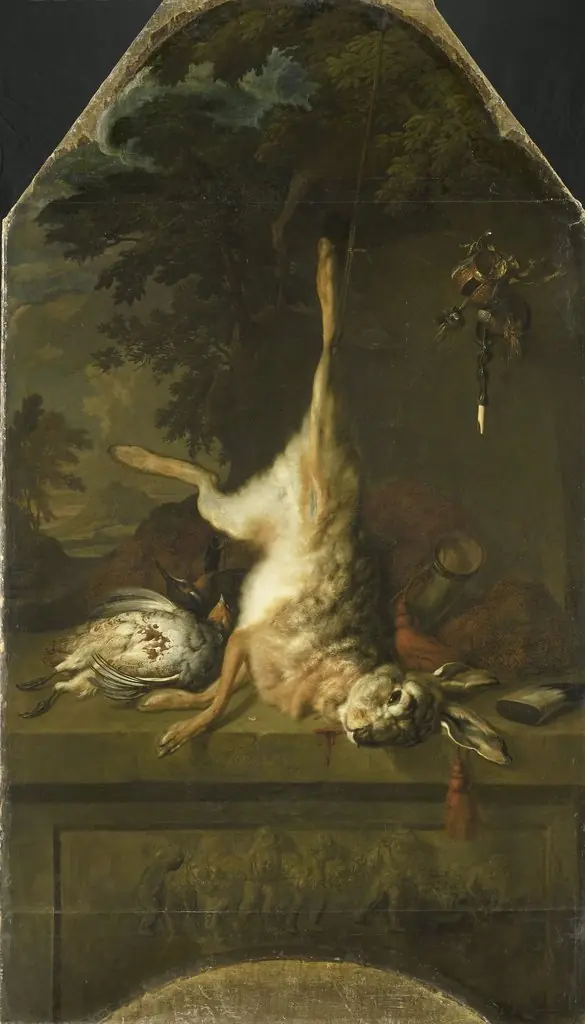
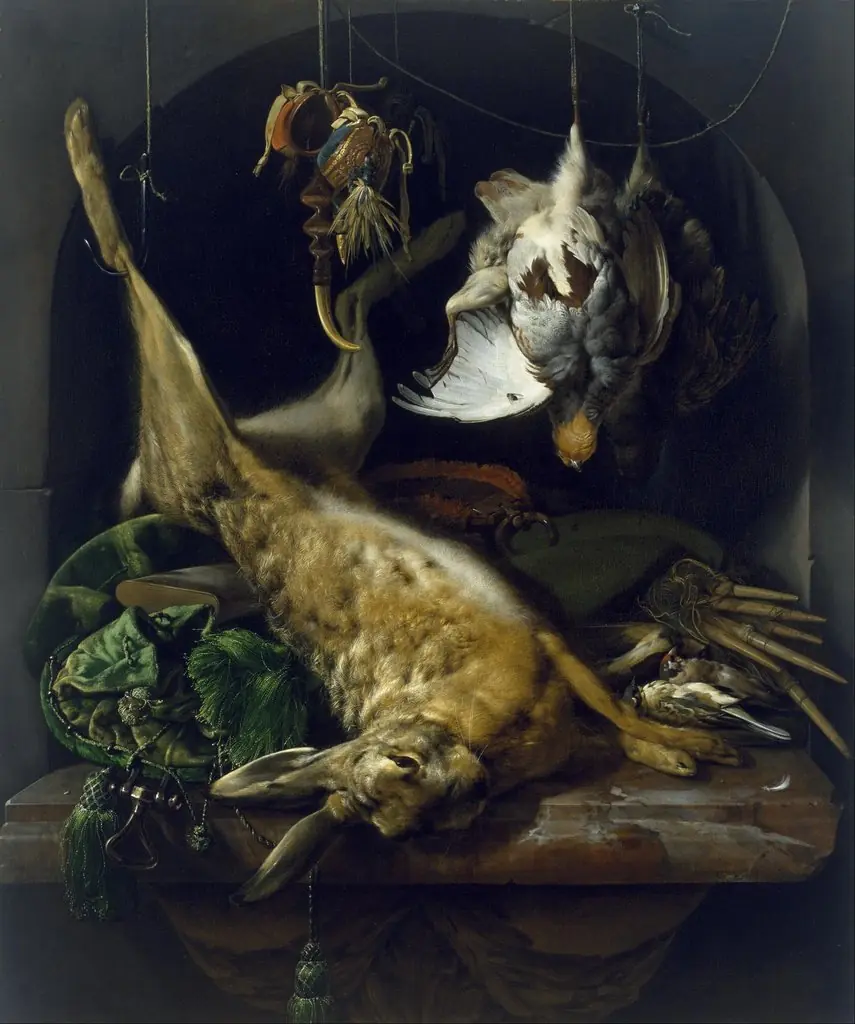
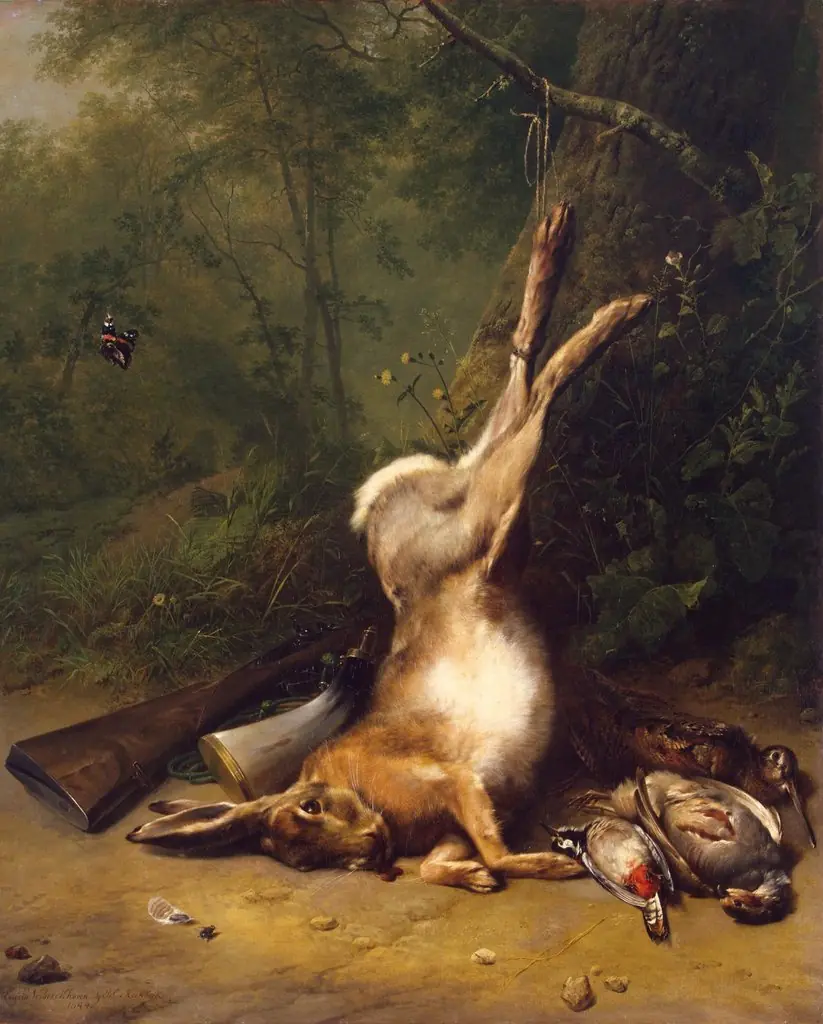
A dead hare is an oil painting by Peter Snayers. It is held in the collection of the Fitzwilliam Museum. This copper painting presents a single dead hare, suspended in mid-air with limbs extended.
About this work
Overview
This copper painting presents a single dead hare, suspended in mid-air with limbs extended. Rendered in delicate golden hues, the animal’s stillness contrasts with the energy of its pose. The dark, unadorned background isolates the subject, focusing attention on its form and the quiet finality of its condition. The work invites a contemplative gaze rather than dramatic reaction.
Subject & Meaning
The hare, a common game animal in 17th-century Flemish art, is shown not as a trophy but as a quiet emblem of mortality. Its lifeless eyes and limp posture suggest an abrupt end, while the absence of hunters or tools implies a moment after the kill. The composition encourages reflection on transience, aligning with broader vanitas themes in Northern European still life.
Technique & Style
The artist employed fine brushwork to capture the texture of the hare’s fur, using subtle gradations of warm gold and ochre to suggest softness and volume. The dark background is applied thinly, allowing the copper support to subtly influence the tonality. The pose, though unnatural, enhances emotional impact through tension between motion and stillness.
History & Provenance
Attributed to Pieter Snyers, a Flemish painter active in the late 17th century, the work reflects the period’s interest in detailed animal studies. While little is documented about its early ownership, it aligns with the tradition of small-scale copper paintings favored by collectors for their luminous surface and portability. Its survival suggests it was valued as a study in form and mortality.
Context
In the context of Flemish art, depictions of dead game were not merely decorative but carried moral and philosophical weight. Artists like Snyers engaged with a broader cultural preoccupation with the fragility of life, often contrasting natural beauty with the inevitability of death. This piece fits within a genre that elevated the ordinary into a vehicle for quiet introspection.
Legacy
Though Snyers is not widely known today, this work exemplifies the precision and emotional restraint characteristic of lesser-documented Flemish painters of the era. Its enduring presence in collections underscores a continued appreciation for still-life studies that prioritize observation over spectacle, preserving a quiet, unadorned meditation on life’s impermanence.
Artist & collection
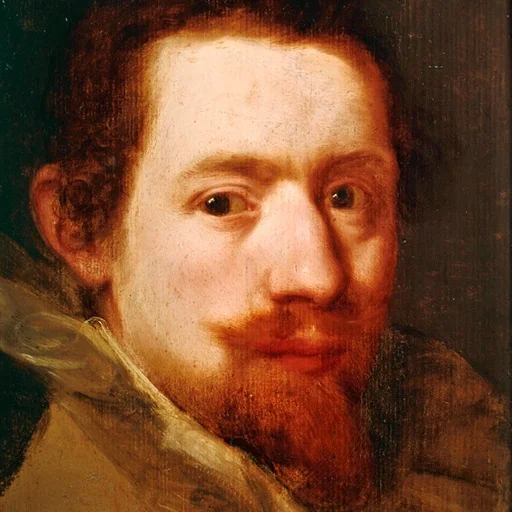
Artist
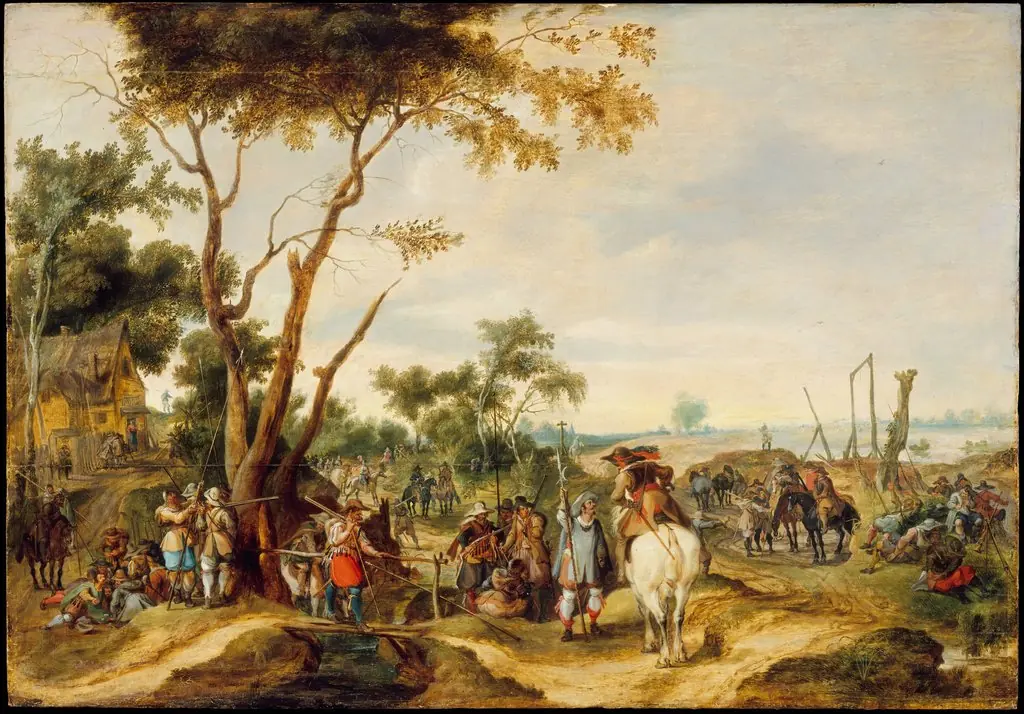
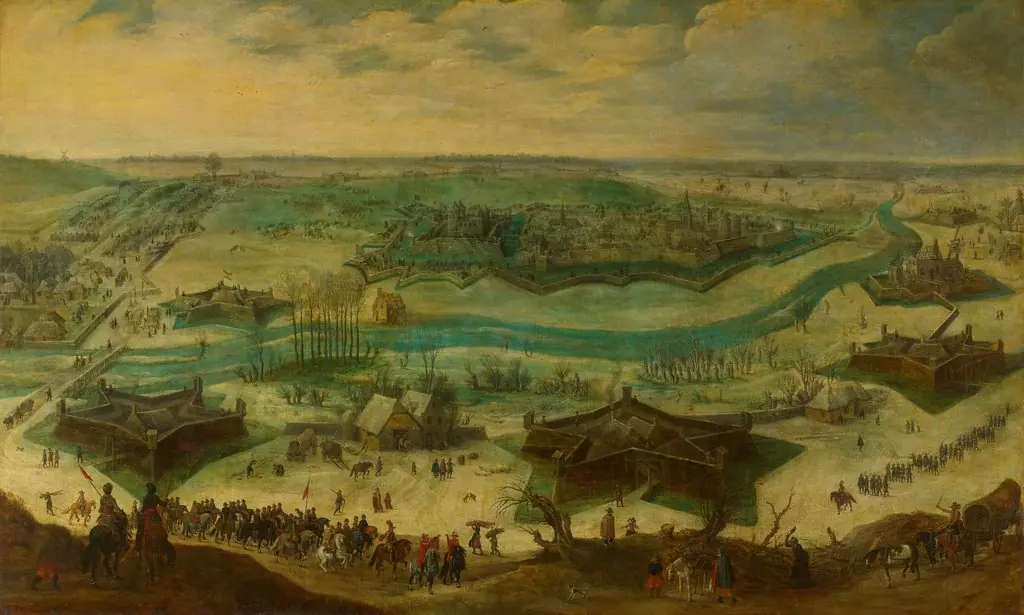
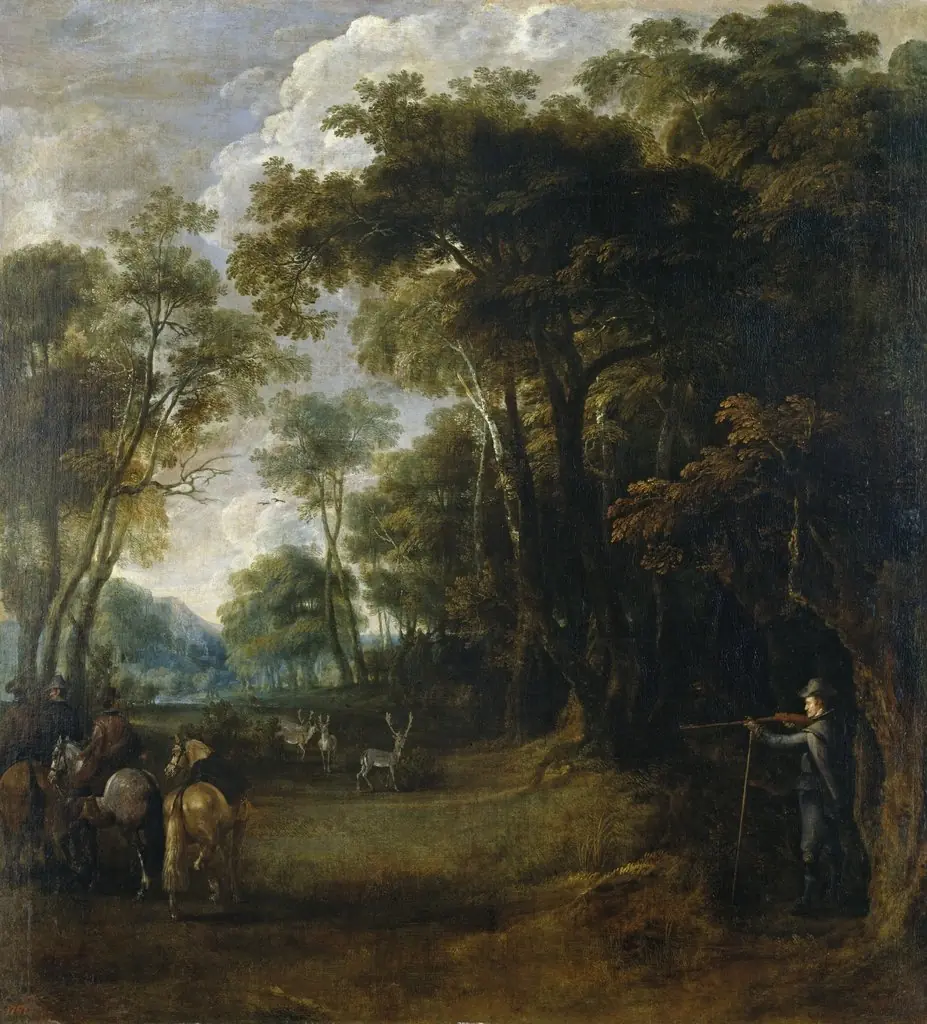
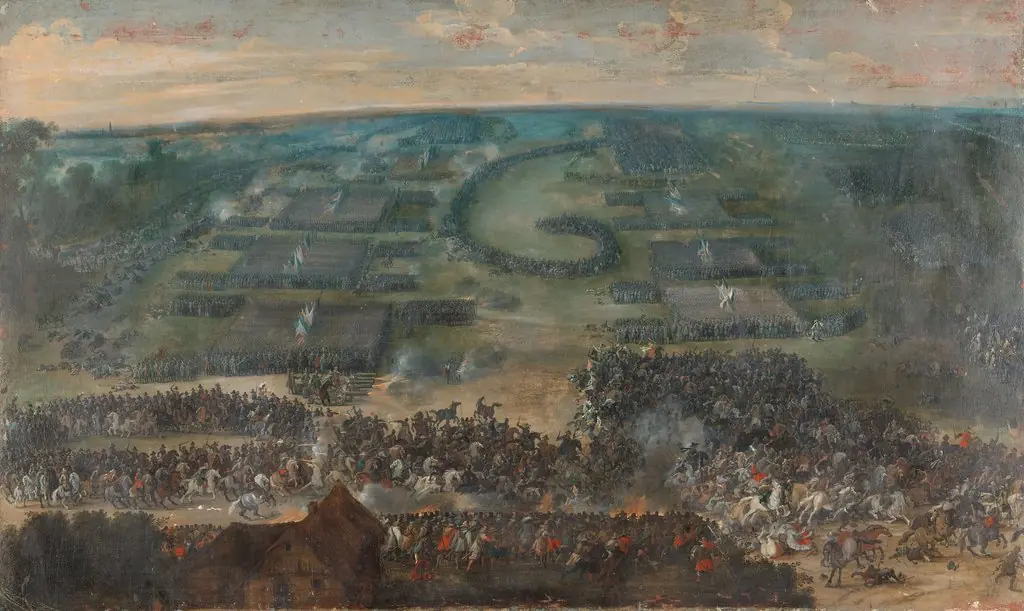
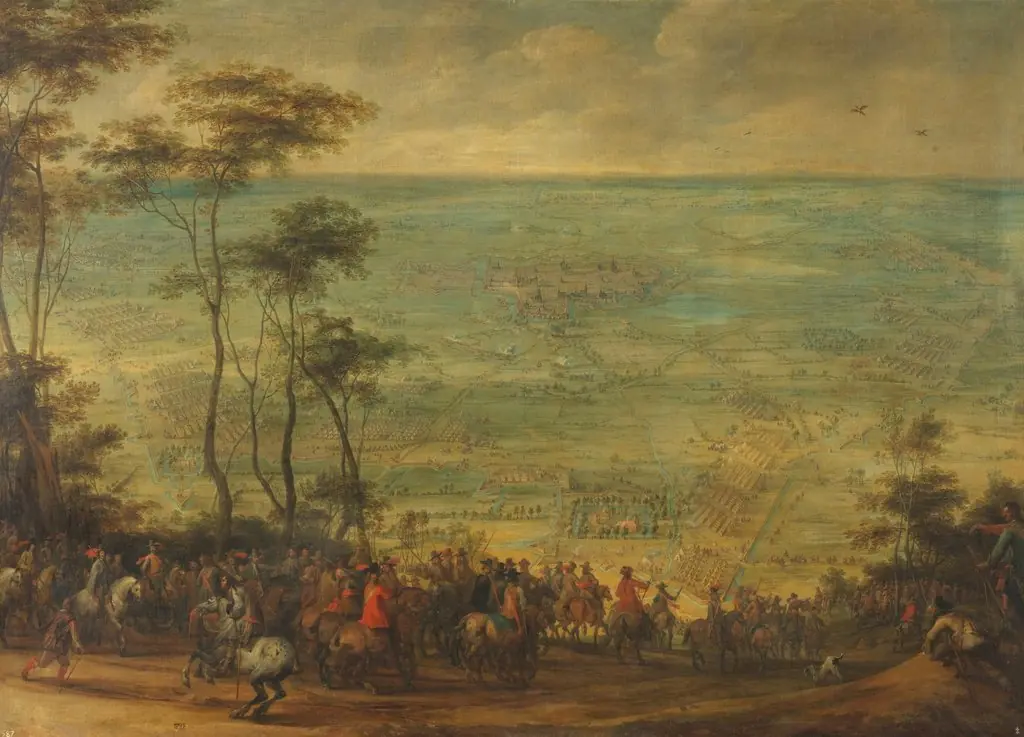
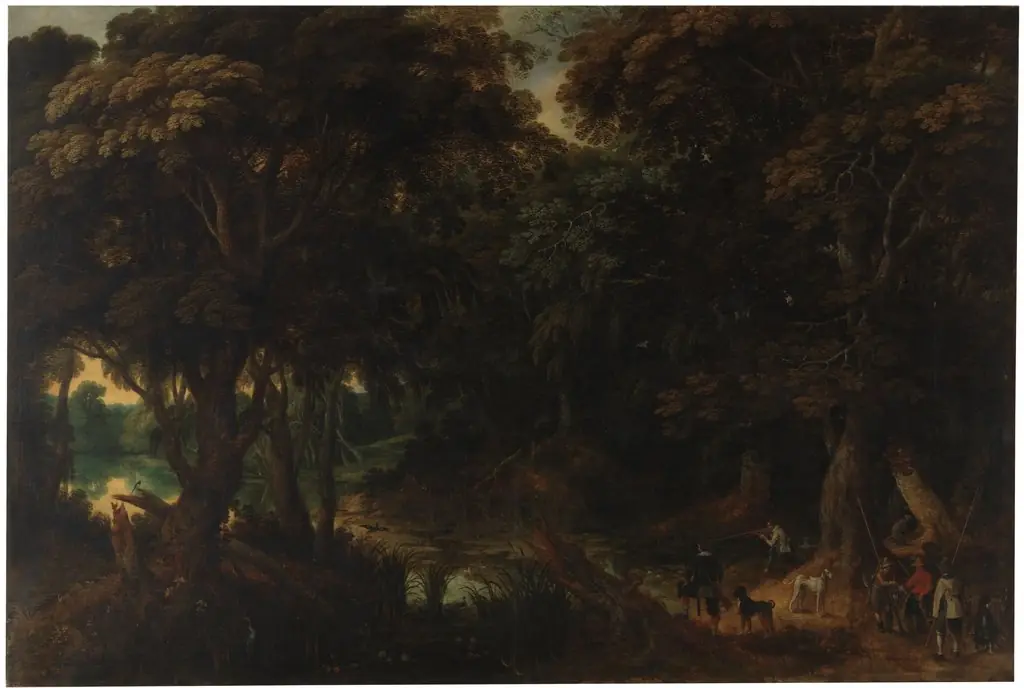
Peter Snayers or Pieter Snayers (1592–1667) was a Flemish painter known for his panoramic battle scenes, depictions of cavalry skirmishes, attacks on villages, coaches and convoys and hunting scenes.