Artwork
Mythological Wedding
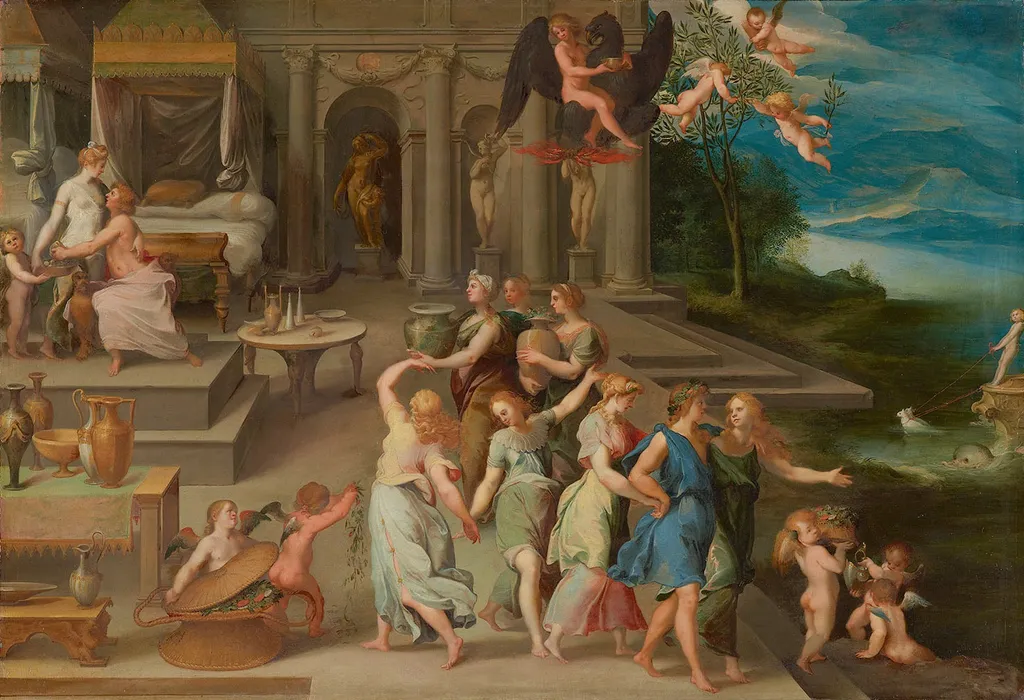
Mythological Wedding is an unspecified painting by the Early Baroque Italian artist Joseph Heintz the Elder. It dates from 1609 and is held in the collection of the Kunsthistorisches Museum.
About this work
Overview
Joseph Heintz the Elder’s 1609 canvas titled *Mythological Wedding* depicts an elaborate outdoor celebration. The composition is populated by elegantly dressed women dancing in a circle, seated figures, and a host of cherubic beings. Architectural elements such as columns and statues frame the scene beneath a clear blue sky, while a pair of ethereal figures hover above, bearing a red banner.
Subject & Meaning
The work illustrates a festive mythic nuptial, likely drawn from classical literature, where human participants and divine messengers intermingle. The dancing women in pastel garments convey joy, while the floating figures suggest the presence of gods or spirits overseeing the rite. The red cloth held aloft may symbolize marital union or ceremonial authority within the mythic narrative.
Technique & Style
Heintz employs a balanced arrangement of figures, using chiaroscuro to model the darker male attire against the luminous, softly colored dresses of the women. The airy cherubs are rendered with delicate brushwork, creating a sense of movement. Architectural details are painted with precise linear perspective, and the sky’s clear hue enhances the overall luminosity of the scene.
History & Provenance
Completed in 1609, the painting entered the collection of the Kunsthistorisches Museum in Vienna, where it remains on display. Its acquisition reflects the museum’s focus on Baroque and late Renaissance works, and the piece has been documented in the museum’s catalogue since the early 20th century.
Context
Created during the transition from Mannerism to early Baroque, *Mythological Wedding* exemplifies the period’s fascination with classical mythology and elaborate courtly festivities. Heintz, active in the Habsburg territories, often blended Northern European detail with Italianate compositional schemes, a synthesis evident in the work’s harmonious blend of figure groups and architectural framing.
Artist & collection

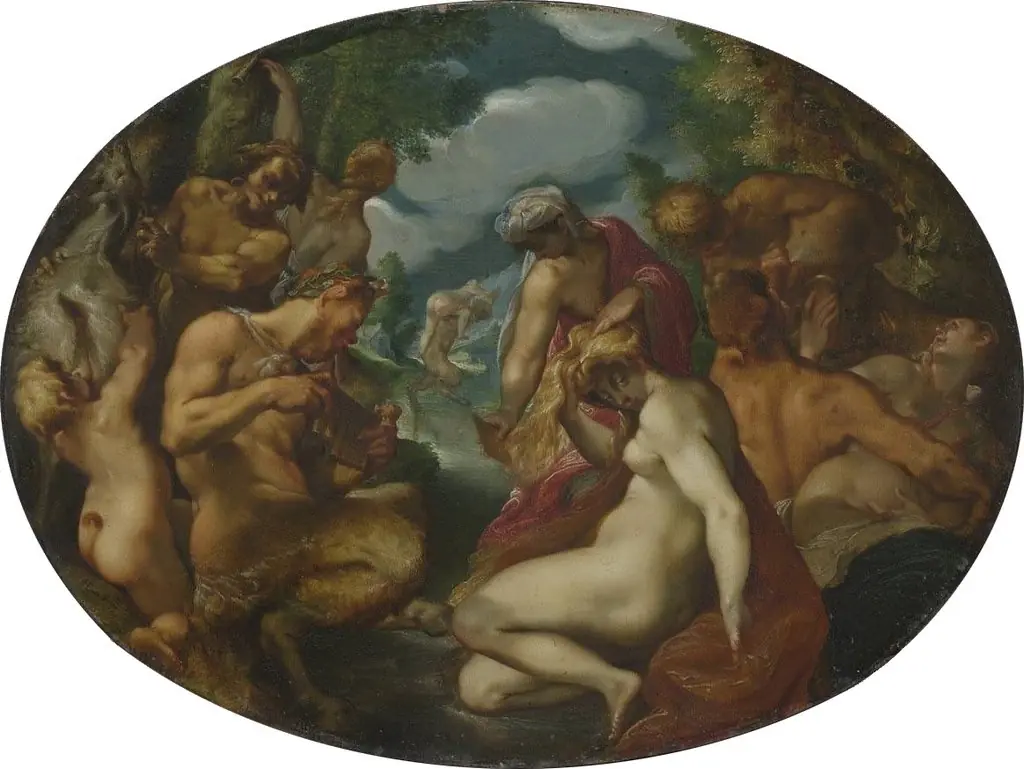 Satyrs and nymphs
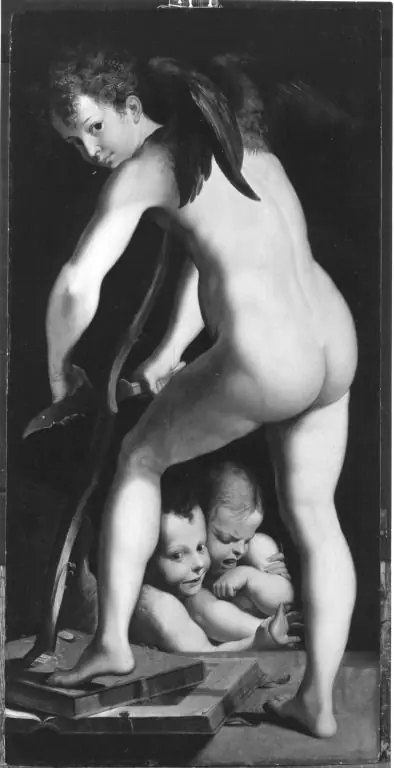 Cupid carves the bow
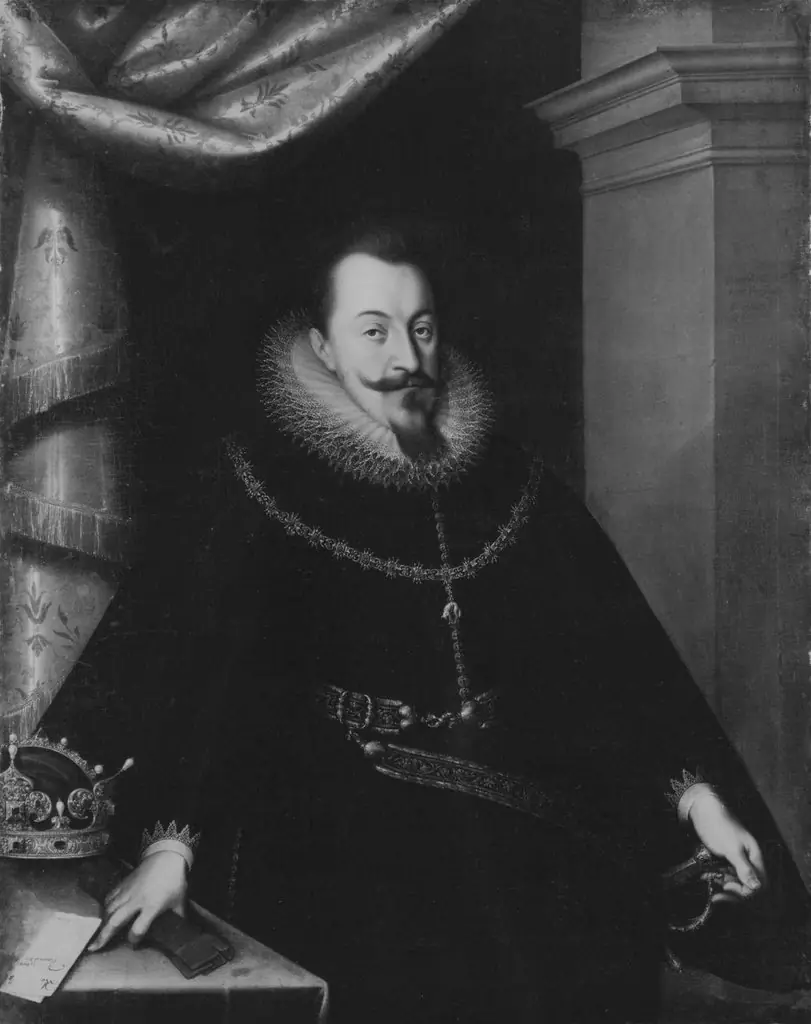 Bildnis des Königs Sigismund III. Vara von Polen und Schweden
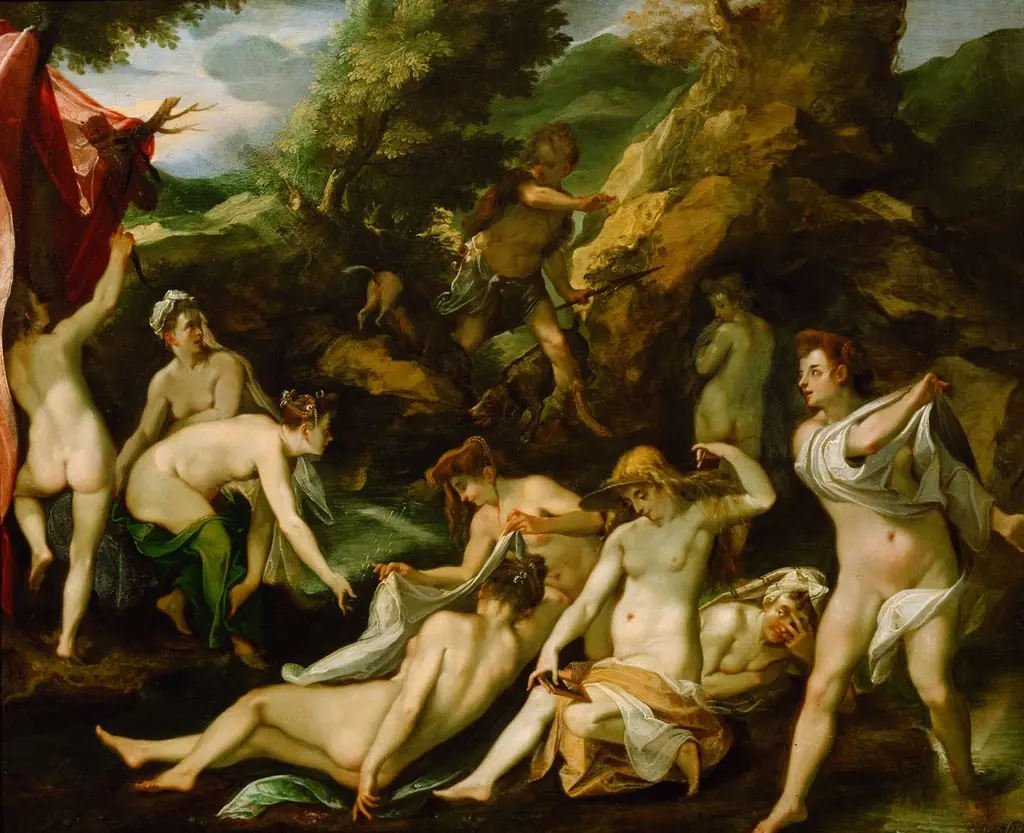 Diana and Actaeon
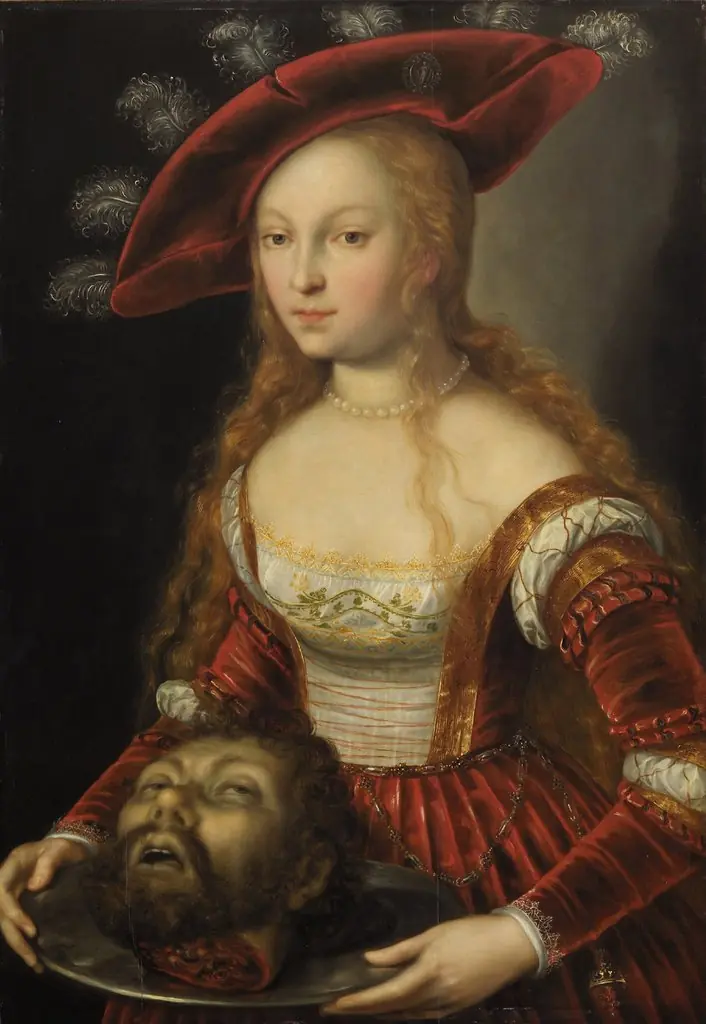 Salome with the head of John the Baptist
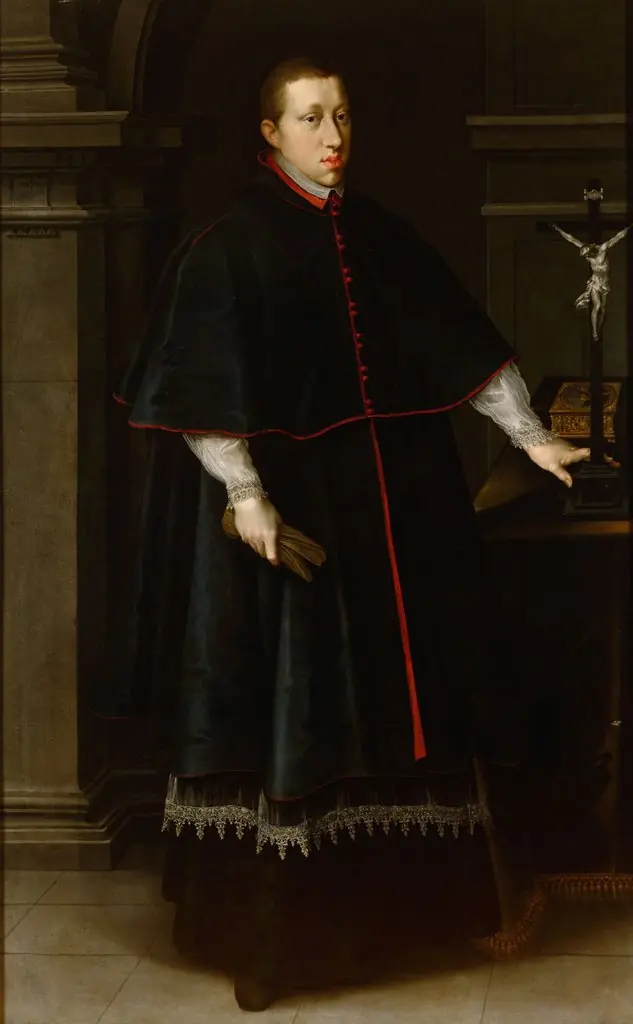 Archduke Leopold V (1586-1632) in the Spiritual Garment
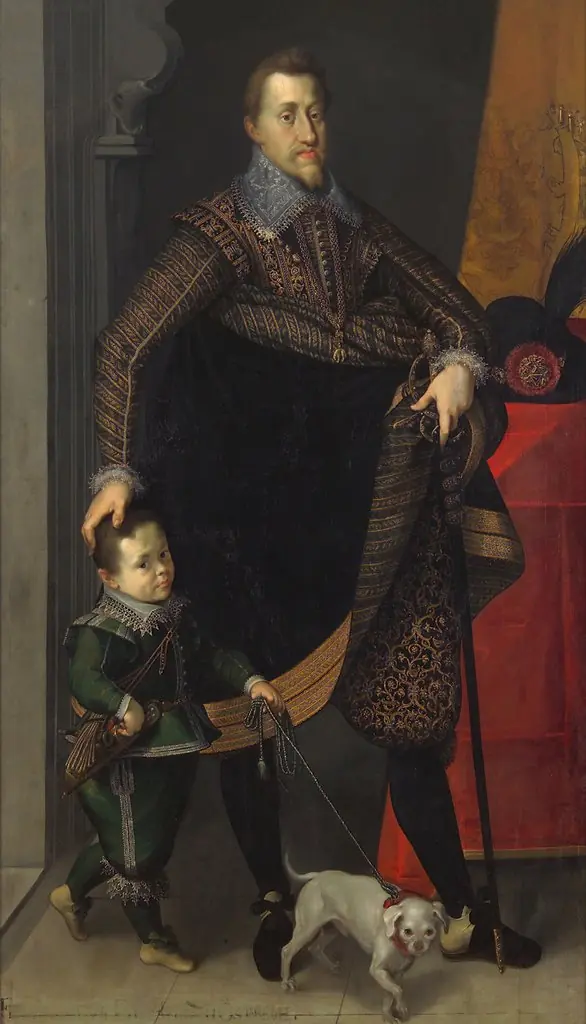 Emperor Ferdinand II (1578-1637) in Full Figure with a Court Dwarf
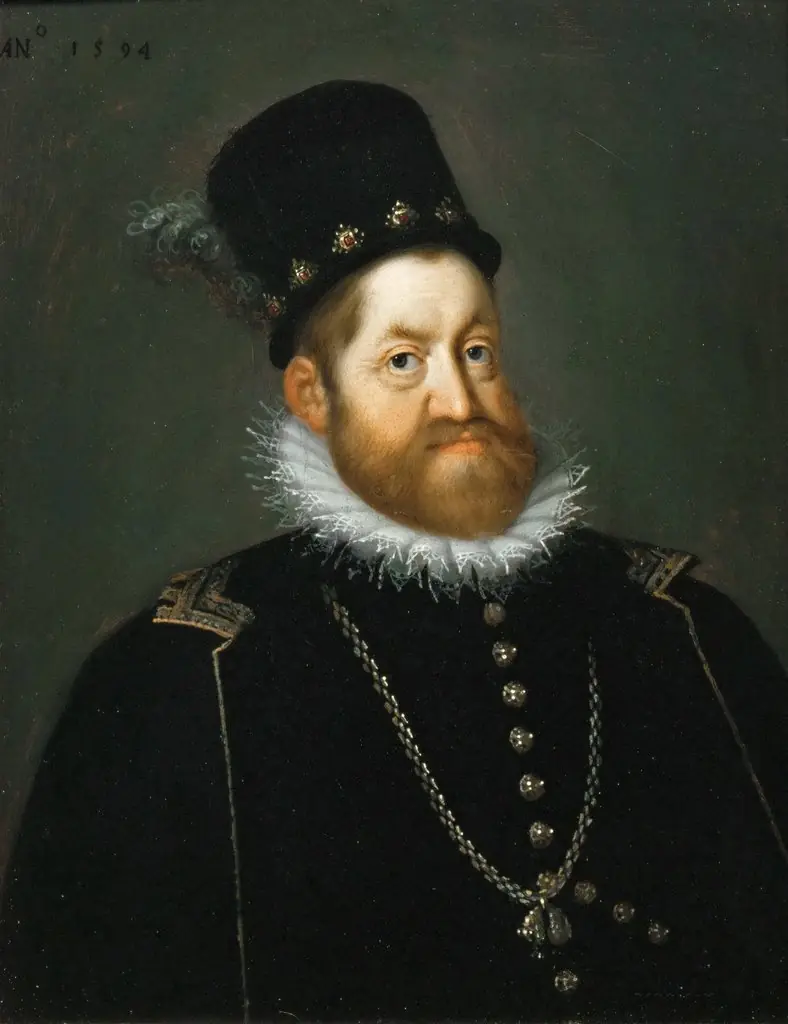 Porträt des Kaisers Rudolf II.
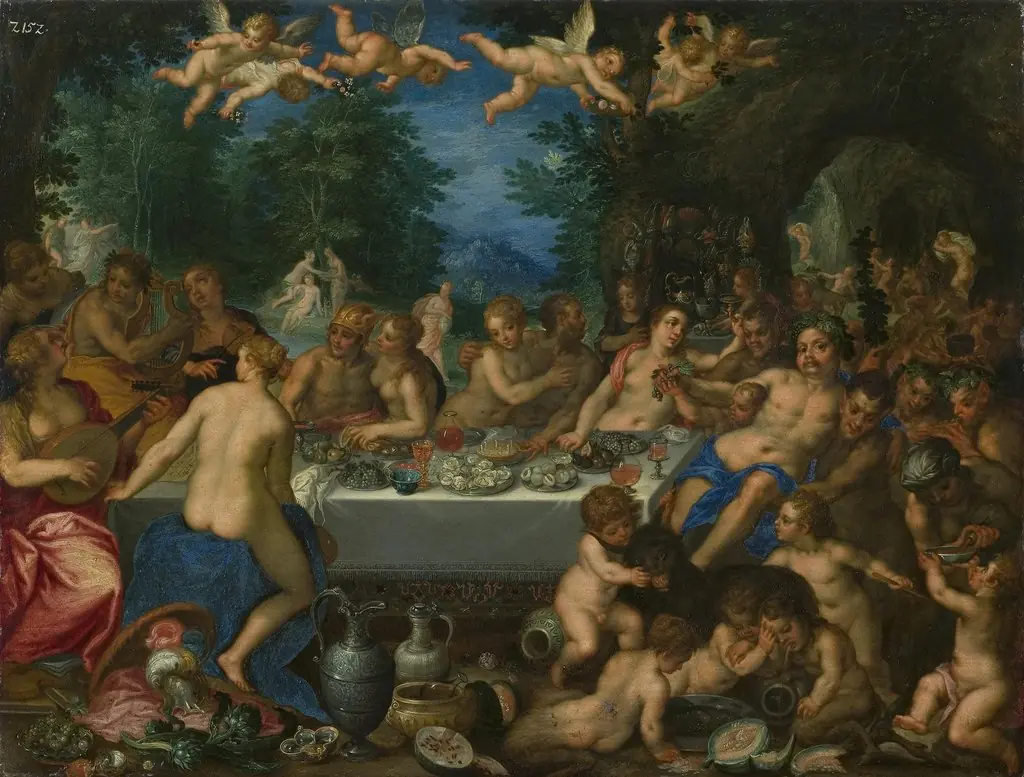 Feast of the Gods - The Marriage of Peleus and Thetis
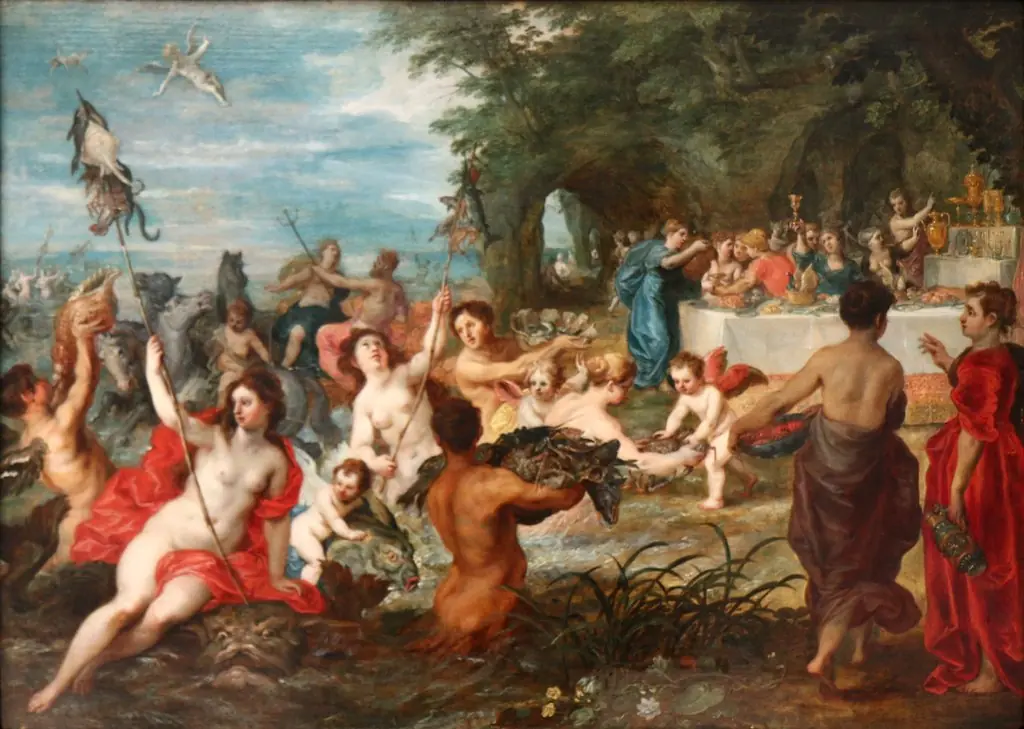 The wedding of Thetis and Peleus
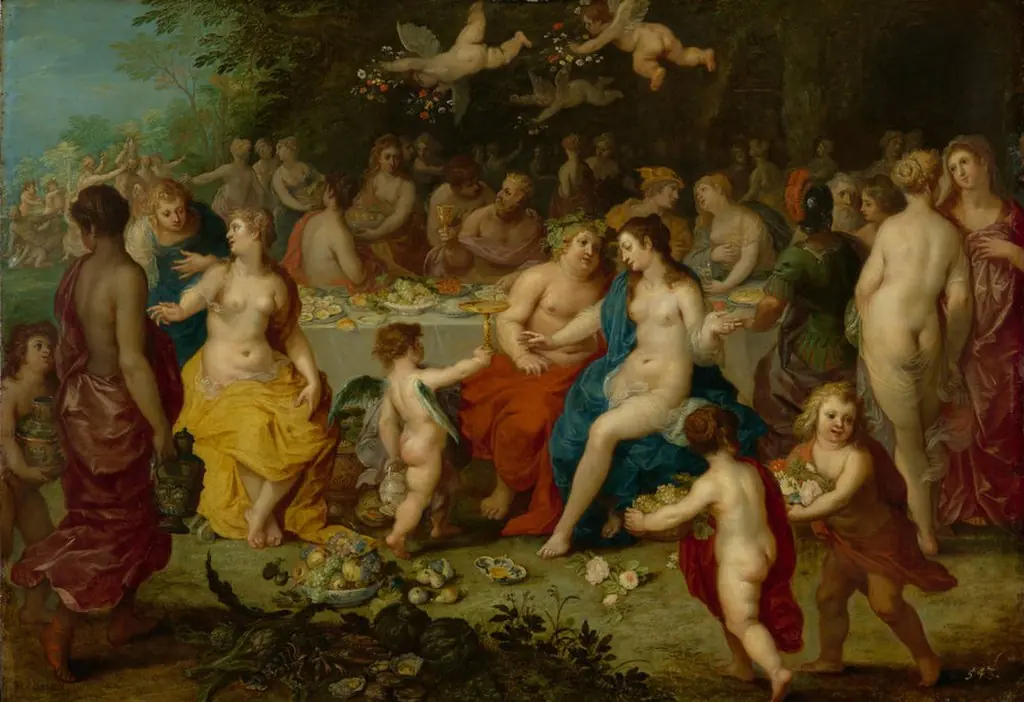 The wedding banquet of Bacchus and Ariadne
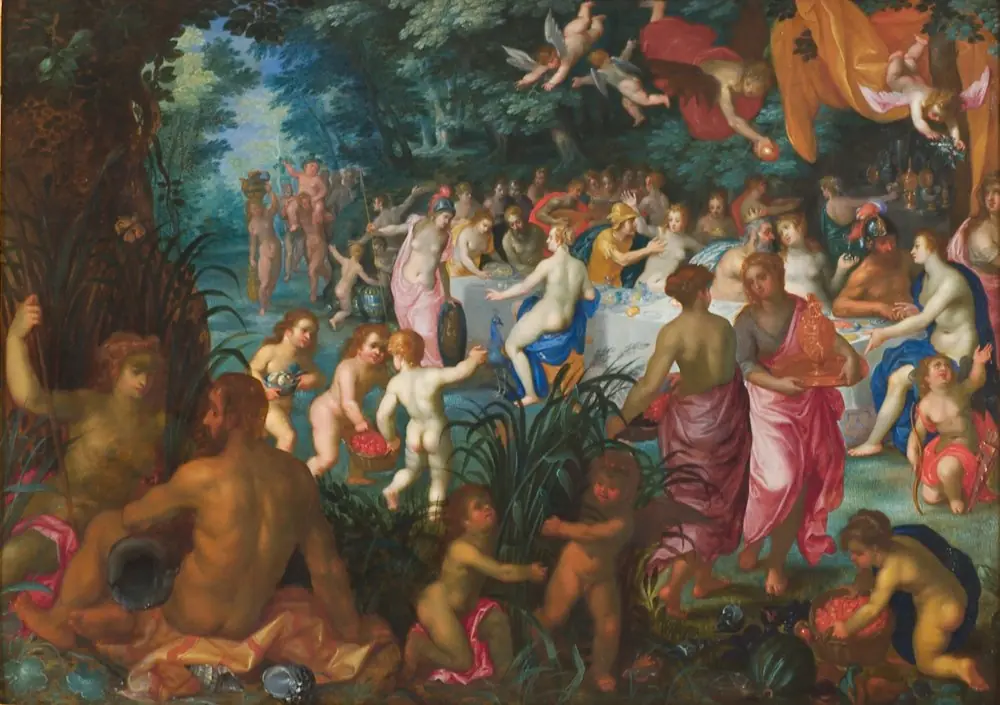 The Marriage of Peleus and Thetis
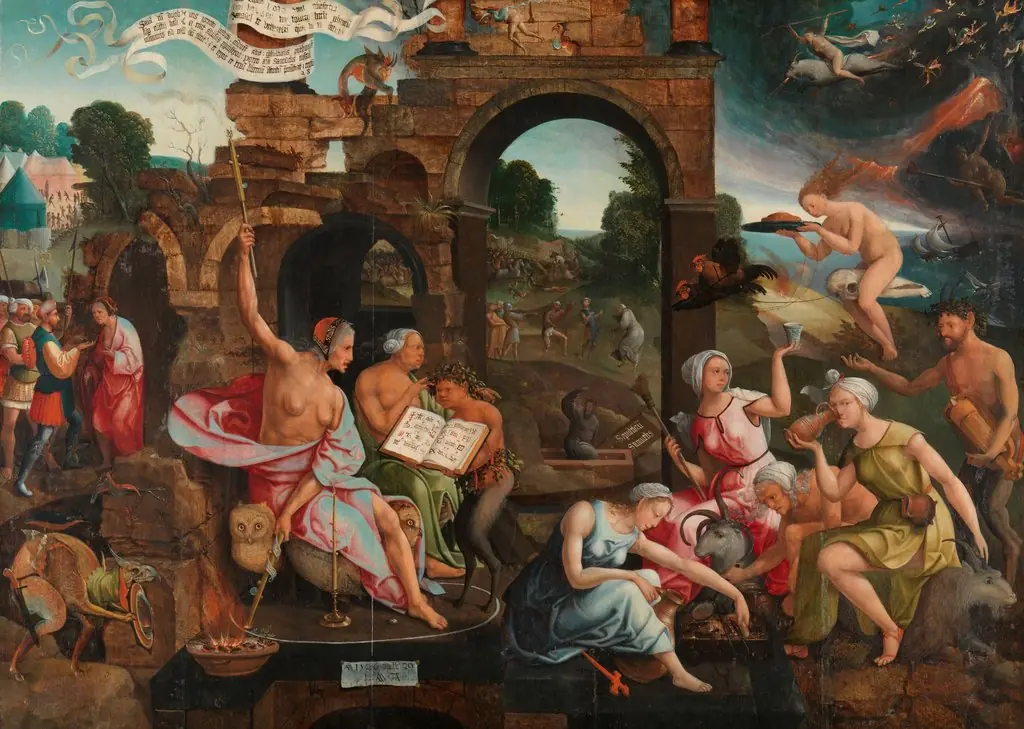 Saul and the Witch of Endor
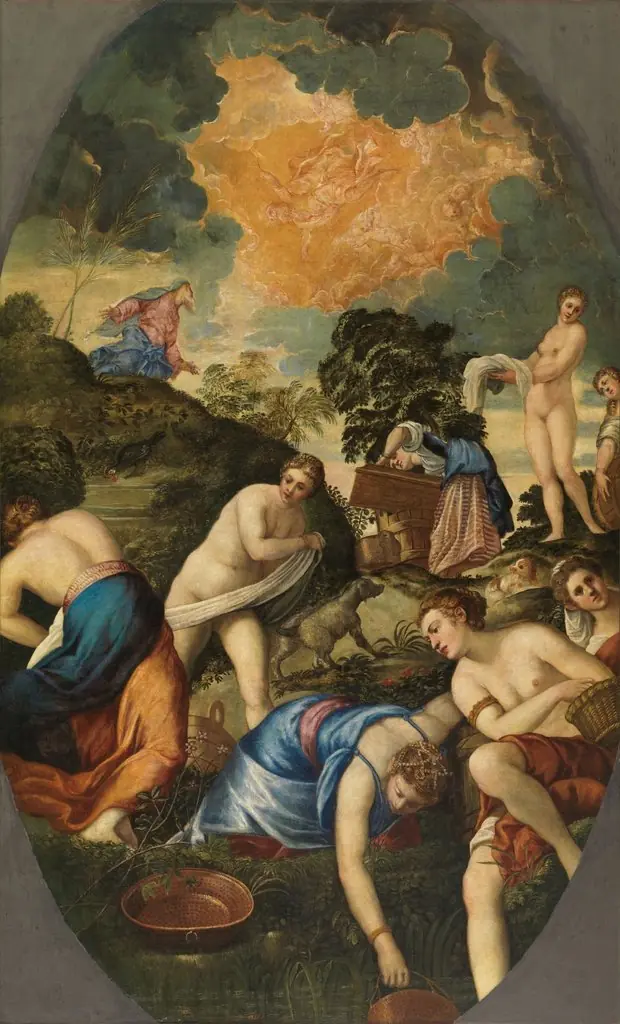 The Purification of the Midianite Virgins
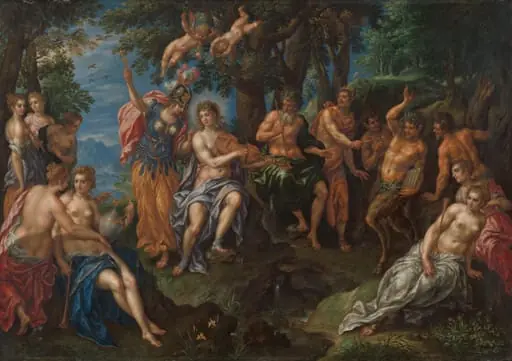 The Contest between Apollo and Pan
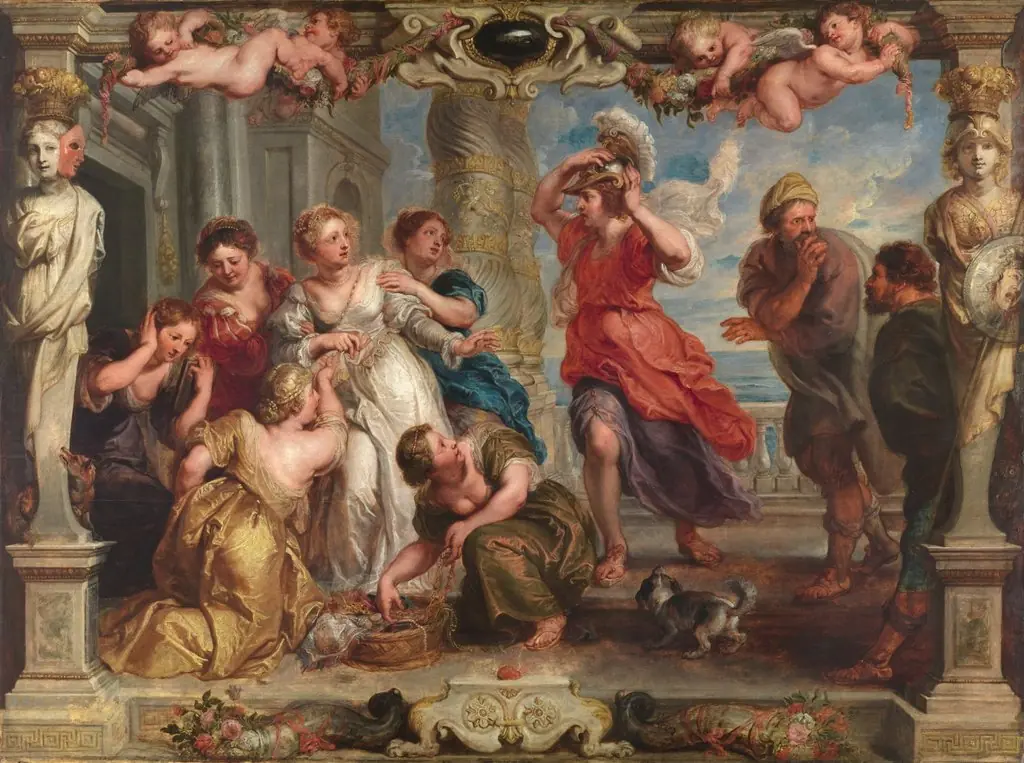 Achilles discovered Among the Daughters of Lycomedes