Artwork
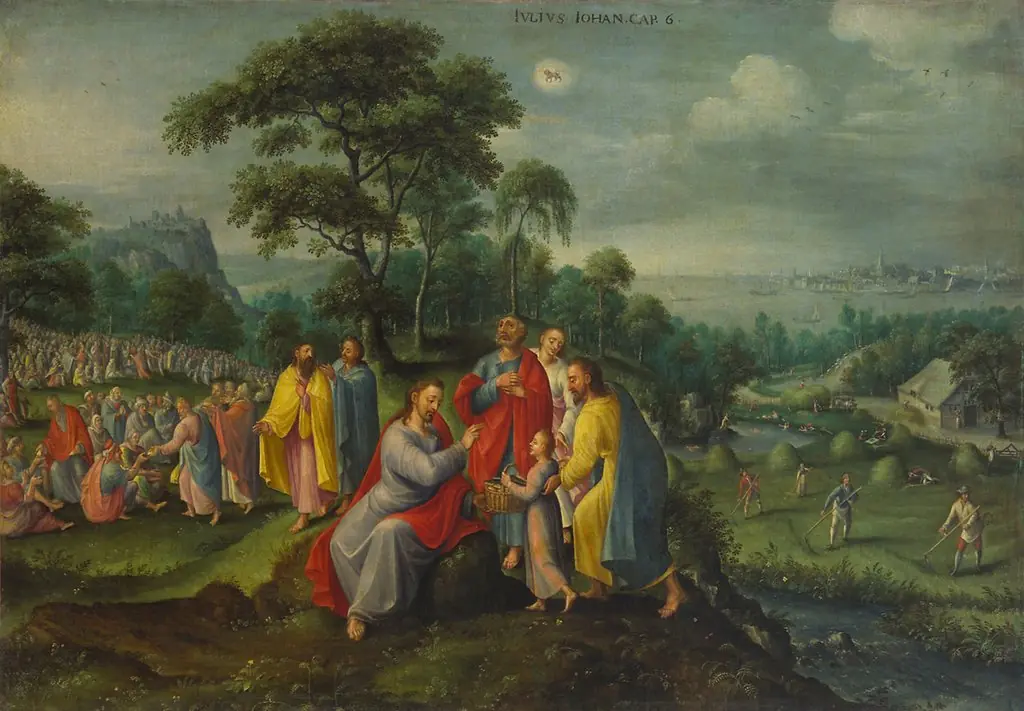
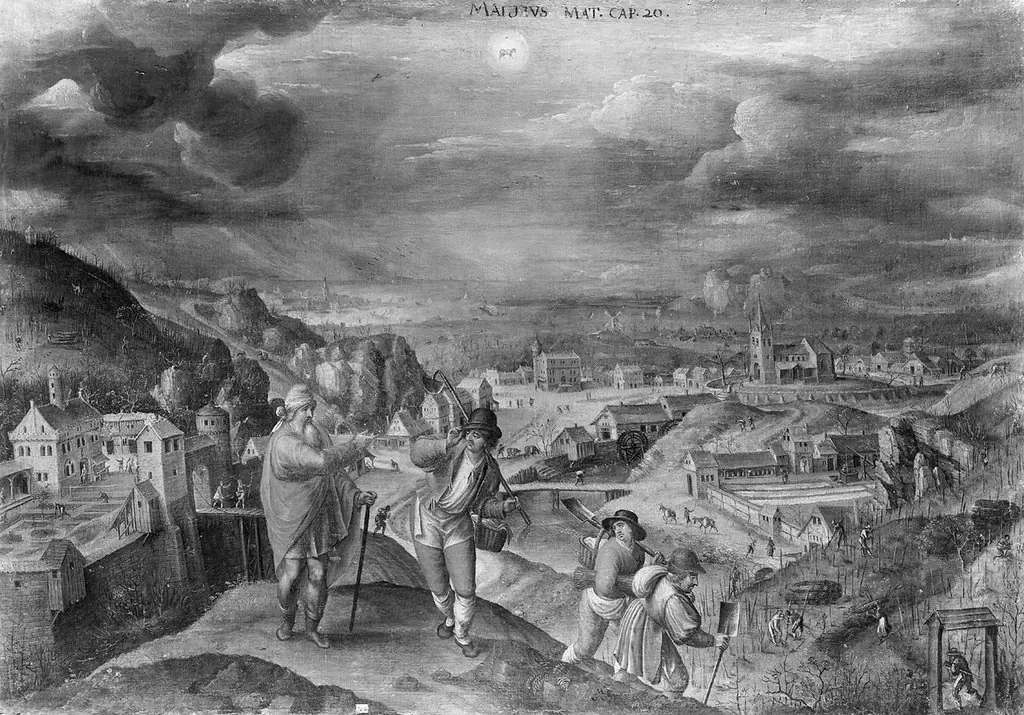
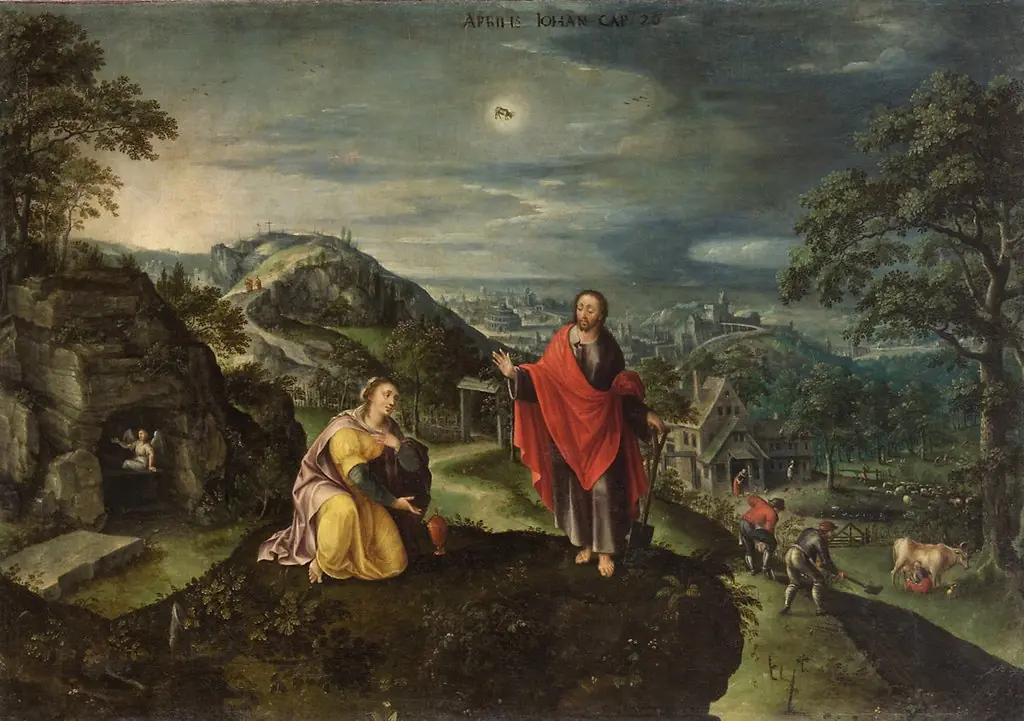
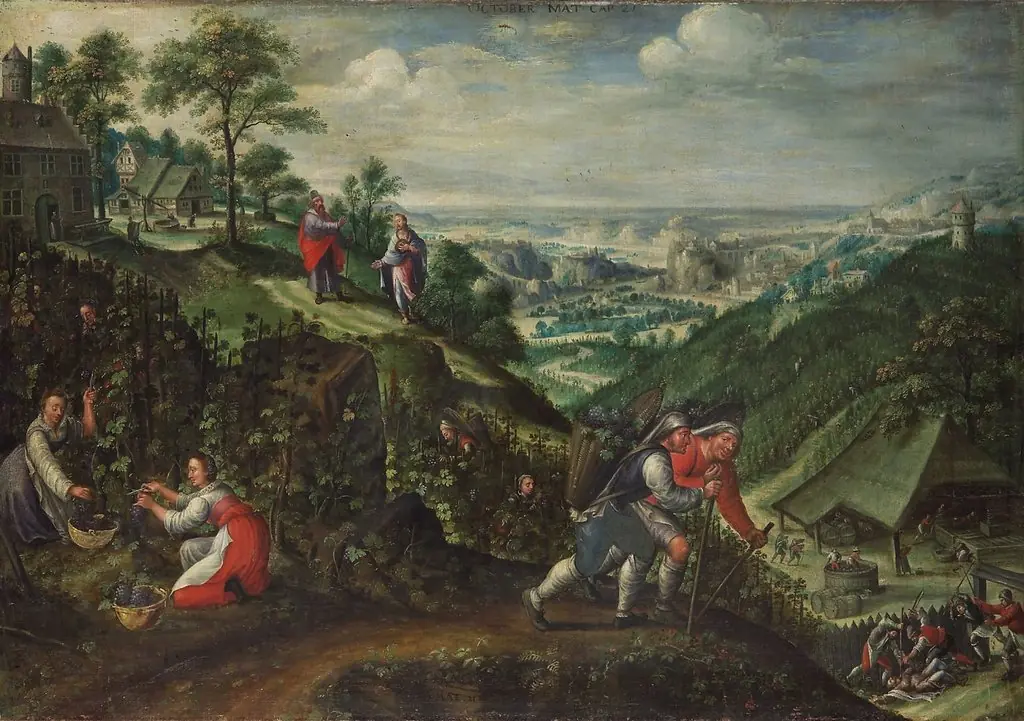
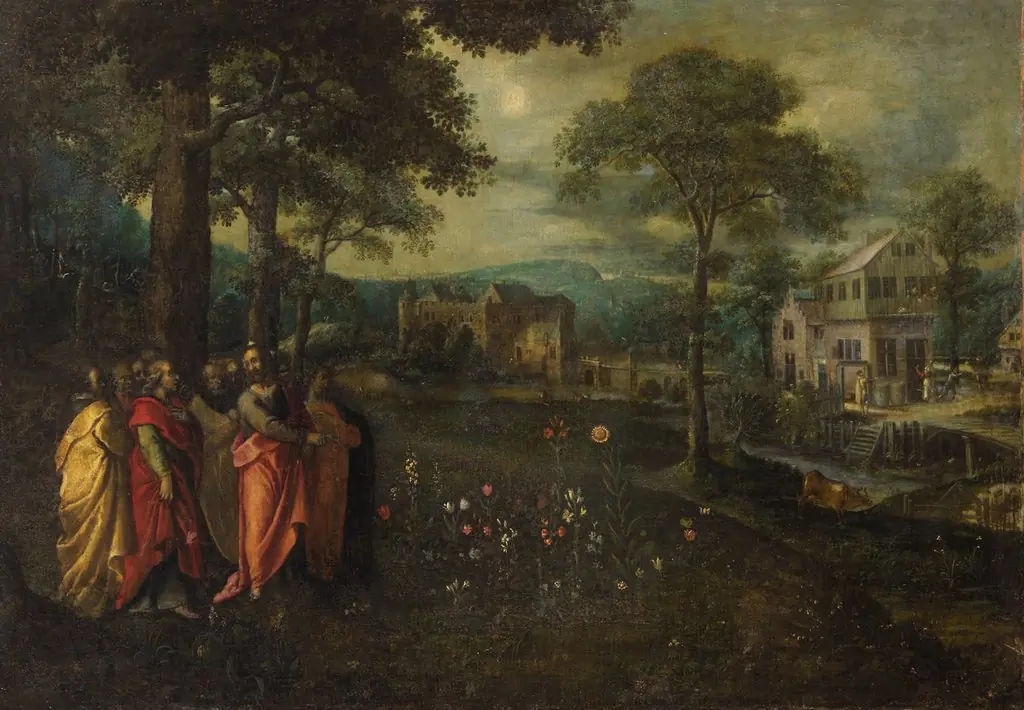
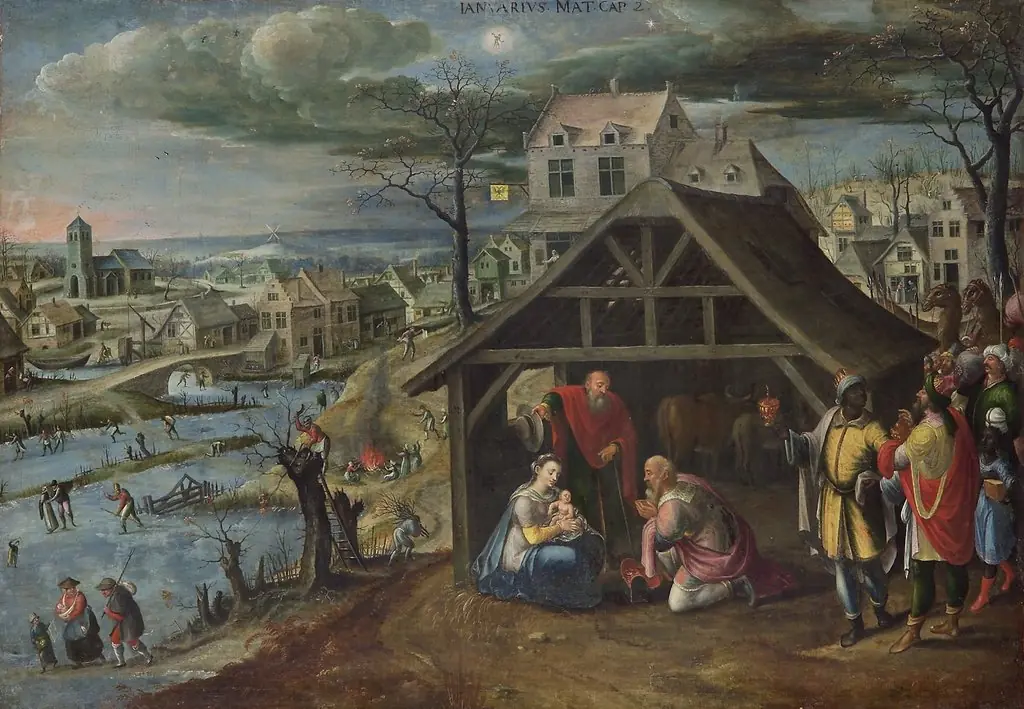
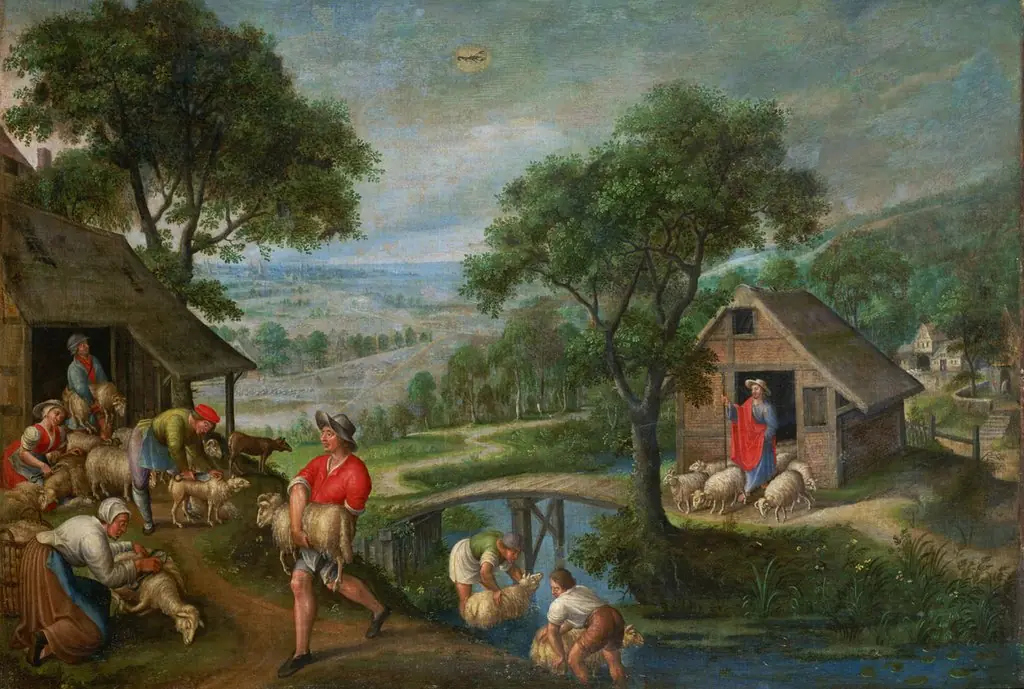
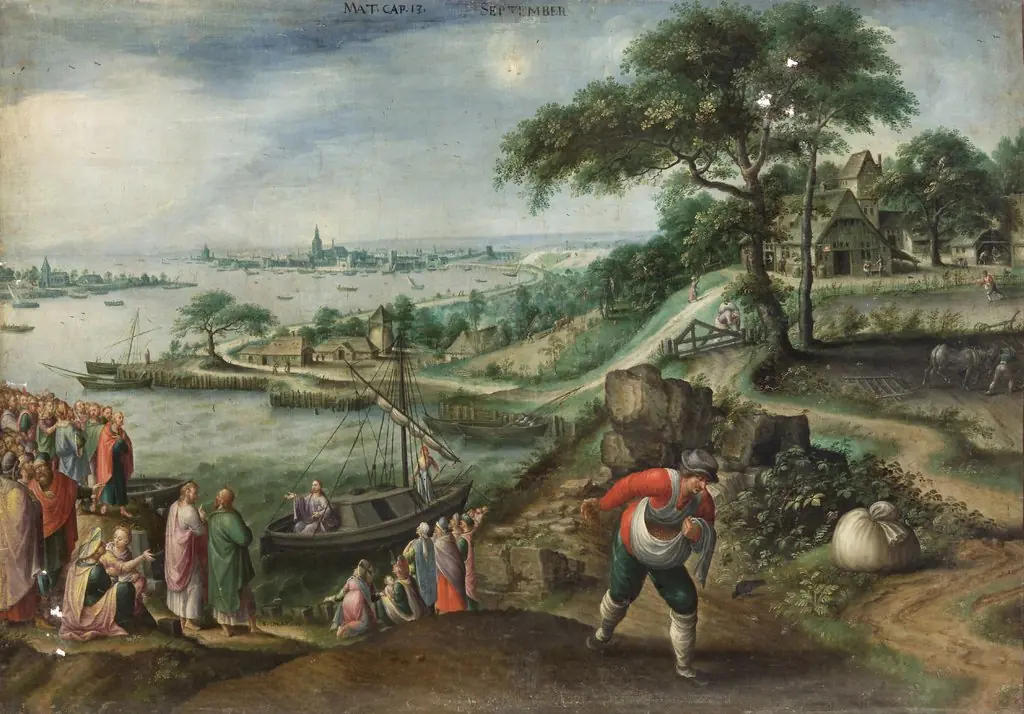
Christ defends the plucking of the ears of grain on the Sabbath (August)
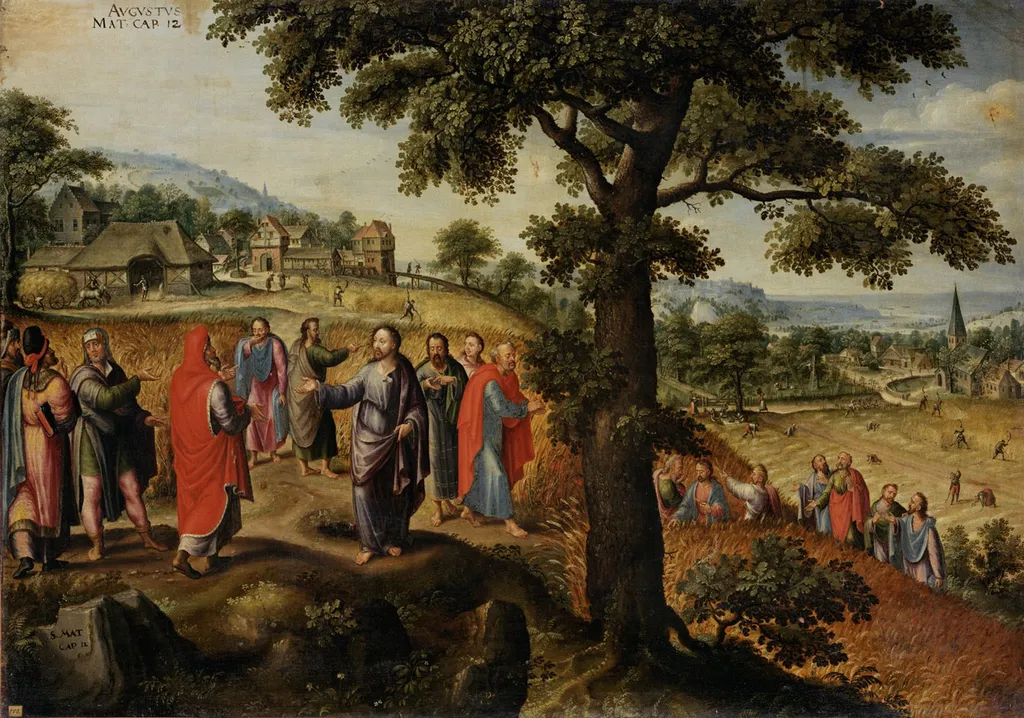
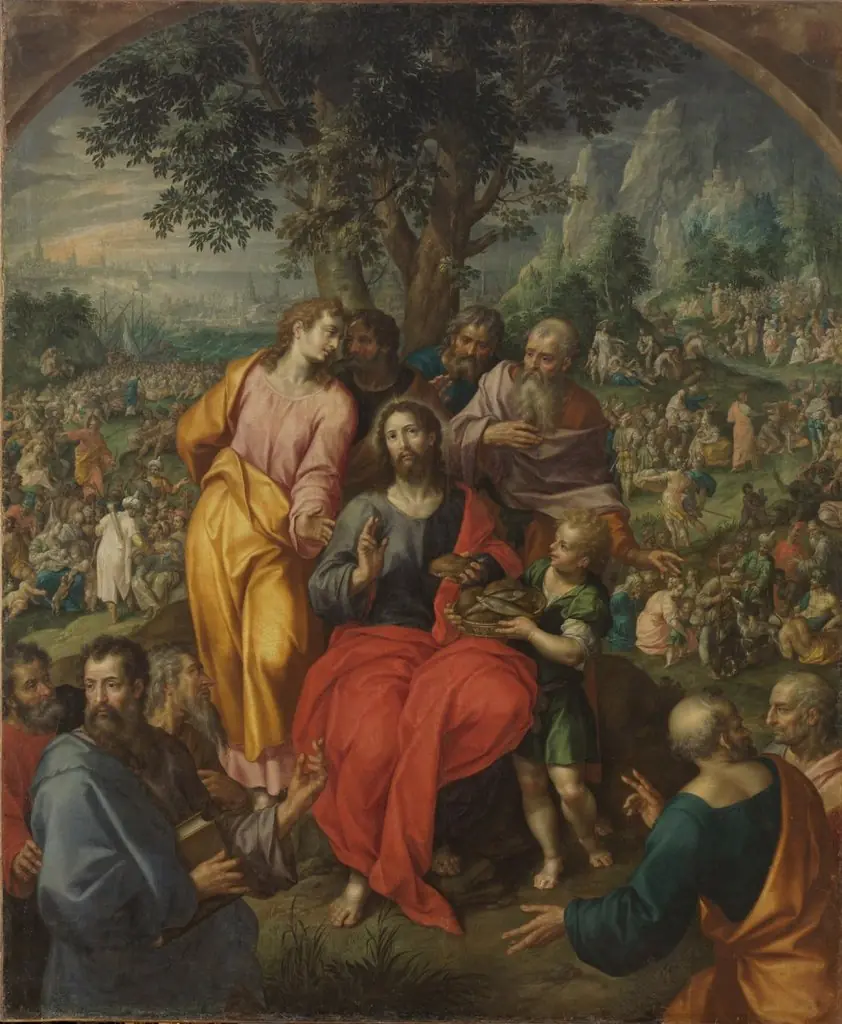
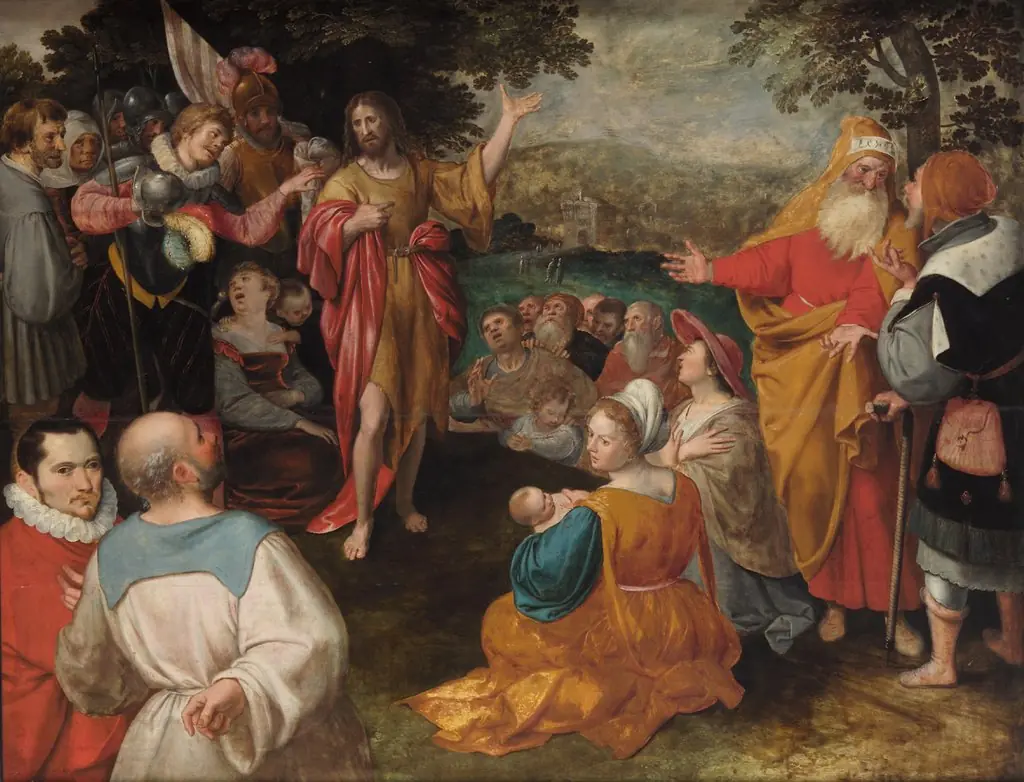
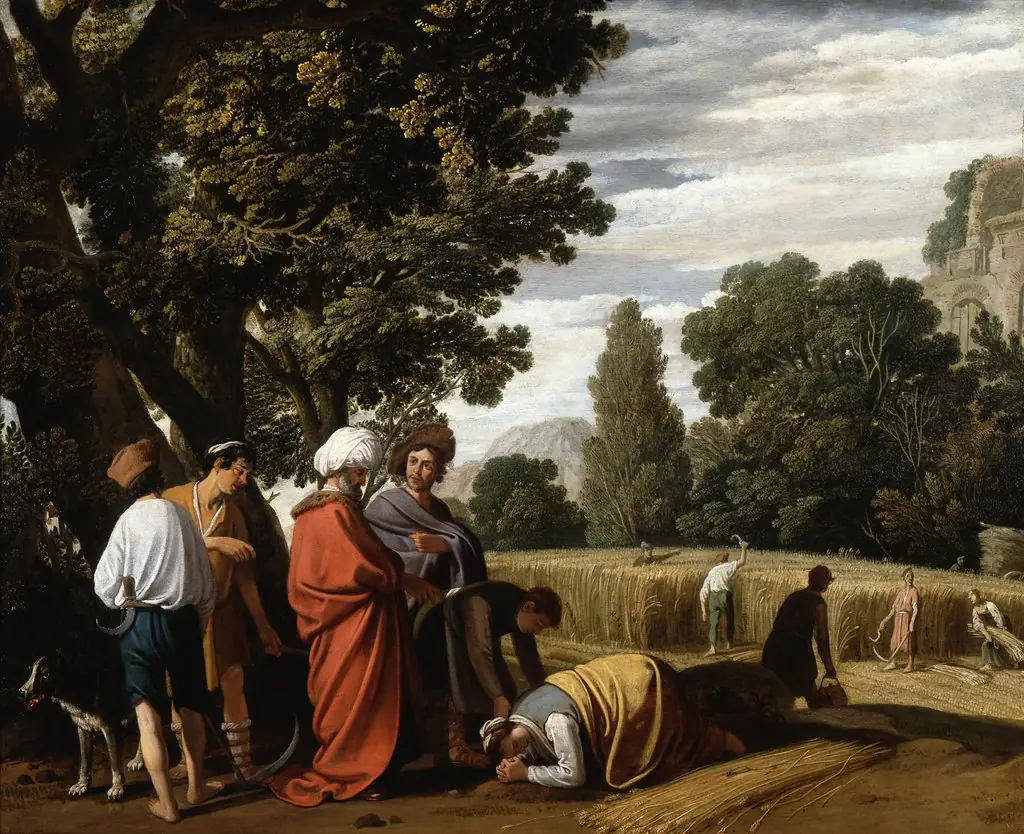
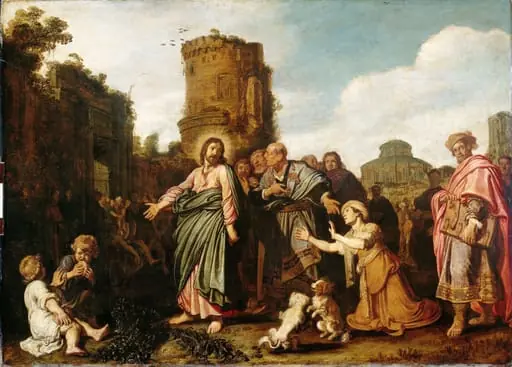
Christ defends the plucking of the ears of grain on the Sabbath (August) is an oil painting by the Mannerist artist Marten van Valckenborch. It dates from 1593 and is held in the collection of the Kunsthistorisches Museum.
About this work
Overview
Executed during the artist’s time in Frankfurt, the painting reflects his transition from the Spanish Netherlands to the German-speaking artistic community.
Painted in 1593 by Marten van Valckenborch, this oil-on-panel work depicts a biblical episode from the Gospels in which Christ permits his disciples to gather grain on the Sabbath. Executed during the artist’s time in Frankfurt, the painting reflects his transition from the Spanish Netherlands to the German-speaking artistic community. It is now part of the Kunsthistorisches Museum’s collection, where it stands as a rare religious subject within van Valckenborch’s broader oeuvre of landscapes and urban scenes.
Subject & Meaning
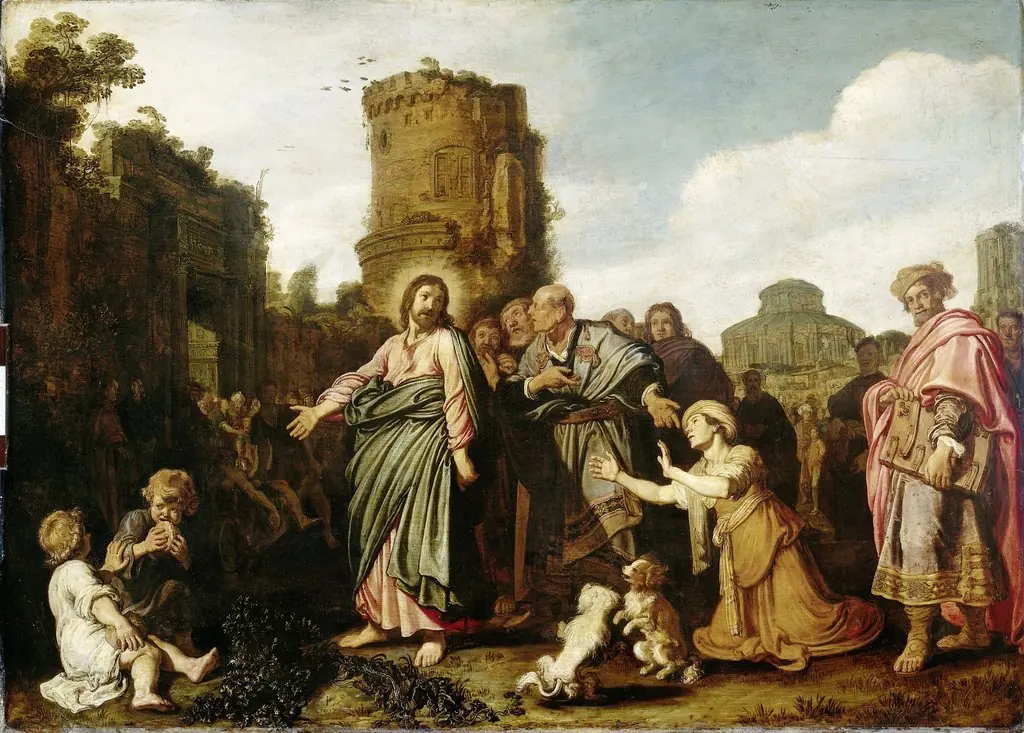
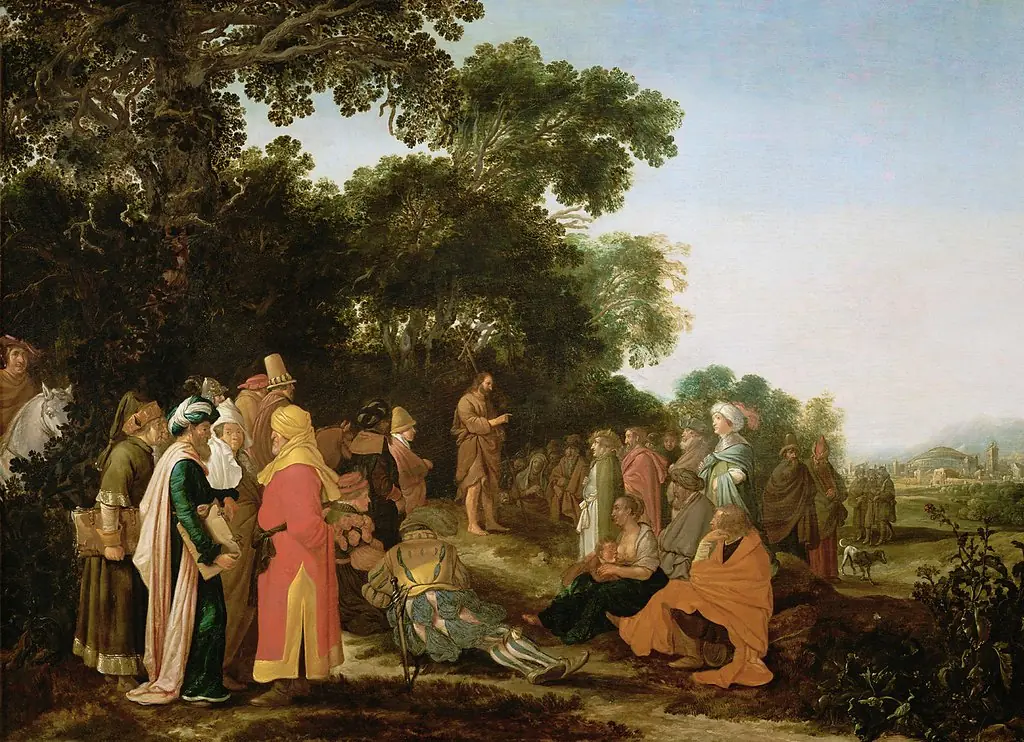
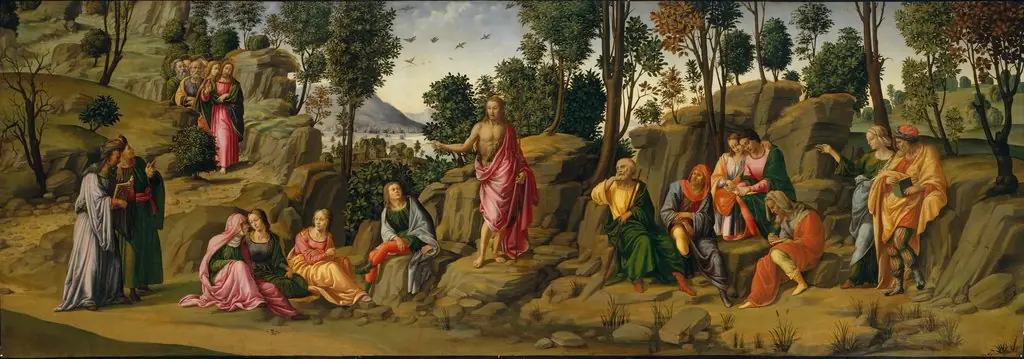
The scene illustrates Christ’s defense of his disciples’ act of plucking grain, challenging rigid Sabbath observance. He stands barefoot at the center, gesturing toward the gathered ears, while his followers and onlookers respond with varied expressions of contemplation and deference. The contrast between his bare feet and the worn footwear of others subtly underscores his humility and spiritual authority. The setting transforms a theological argument into a quiet, human moment within an everyday rural landscape.
Technique & Style
Van Valckenborch employs Mannerist conventions through elongated figures and a complex spatial arrangement that merges intimate foreground interaction with a sweeping panoramic background. The use of glazing builds subtle atmospheric depth, particularly in the distant hills and sky. Facial expressions are rendered with careful detail, while the landscape recedes with soft tonal transitions, creating a sense of both immediacy and boundless space characteristic of Northern Renaissance landscape painting.
History & Provenance
Created during van Valckenborch’s years in Frankfurt, where he joined a network of Flemish émigré artists, the painting likely originated in a private or ecclesiastical commission. It entered the Kunsthistorisches Museum’s collection in the 19th century, possibly through imperial Austrian acquisitions. Its survival through centuries of political and religious upheaval reflects its quiet significance within a family of artists who sustained Flemish traditions abroad.
Context
In late 16th-century Europe, religious themes remained central to art despite rising secular interests. Van Valckenborch’s choice to depict this Gospel episode aligns with Protestant and Catholic debates over scriptural interpretation and Sabbath law. His integration of detailed rural life—thatched cottages, laboring farmers, winding paths—echoes contemporary Netherlandish traditions that found sacred meaning in the ordinary, contrasting with more theatrical Counter-Reformation imagery.
Legacy
Though not widely reproduced, the painting exemplifies how Flemish artists adapted religious narratives into nuanced, landscape-rich compositions outside Italy. Van Valckenborch’s synthesis of human drama and environmental detail influenced regional painters in the Rhineland. Its presence in a major European museum ensures continued study of how Northern Mannerism conveyed theological ideas through quiet, observational realism rather than overt spectacle.
Artist & collection
Artist
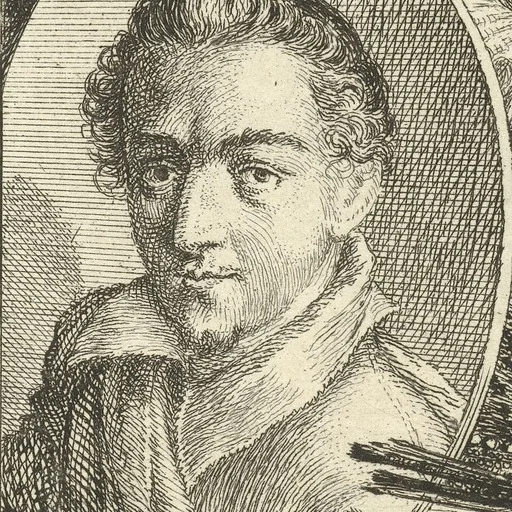
Marten van Valckenborch or Marten van Valckenborch the Elder (1535 in Leuven – 1612 in Frankfurt), was a Flemish Renaissance painter, mainly known for his landscapes and city scapes.