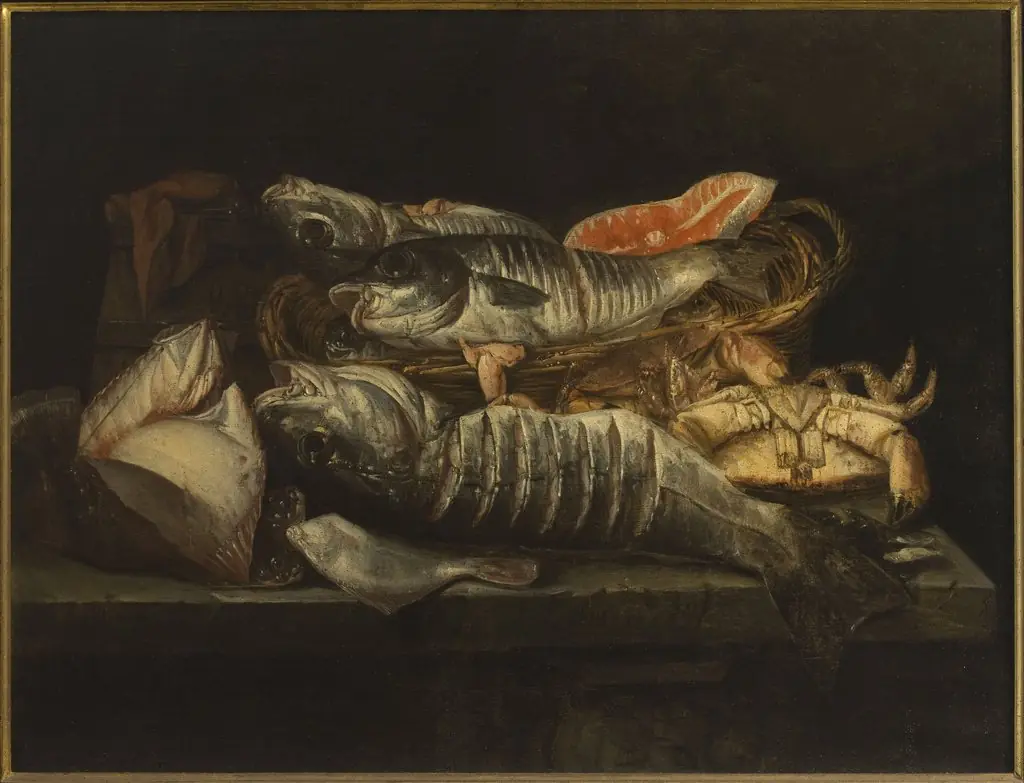
Artwork
Still Life of Fish
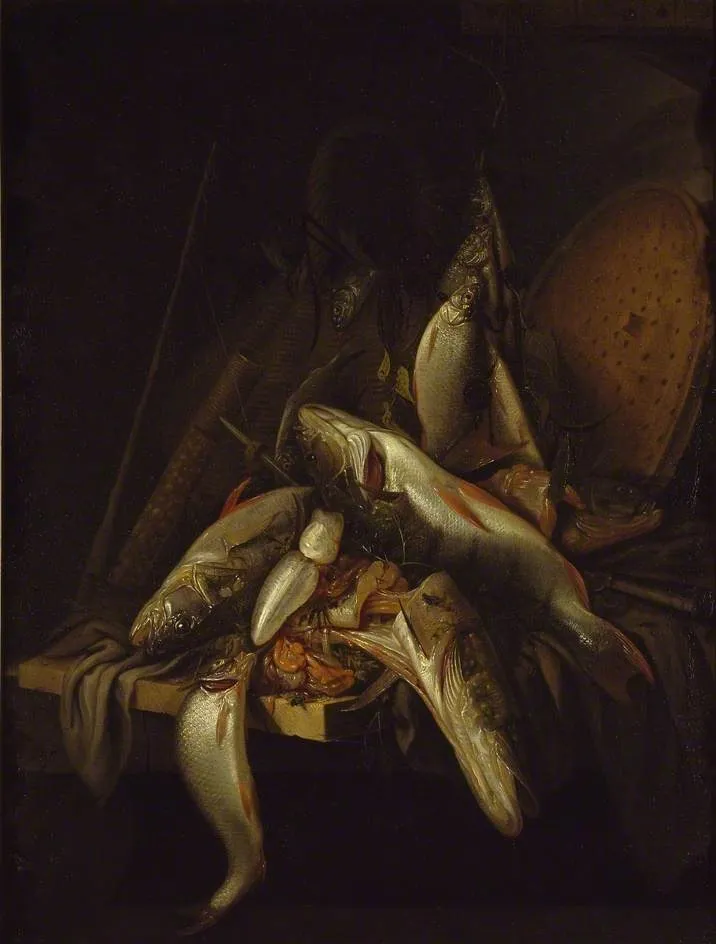
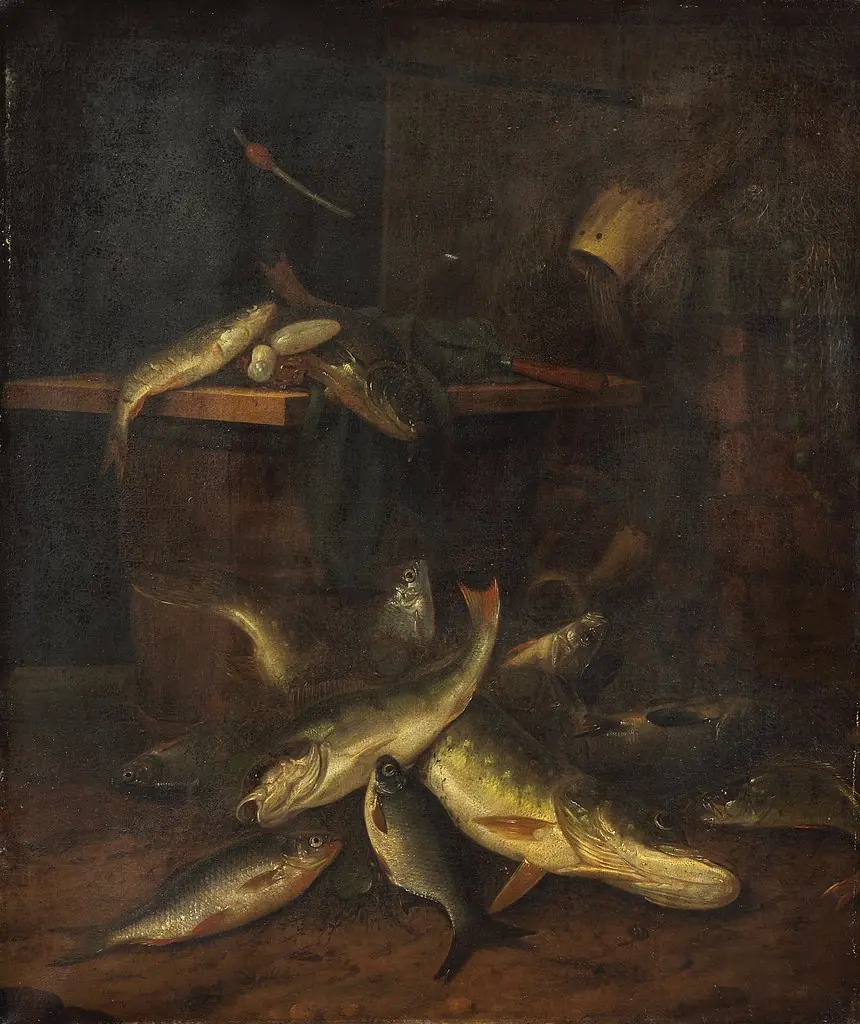
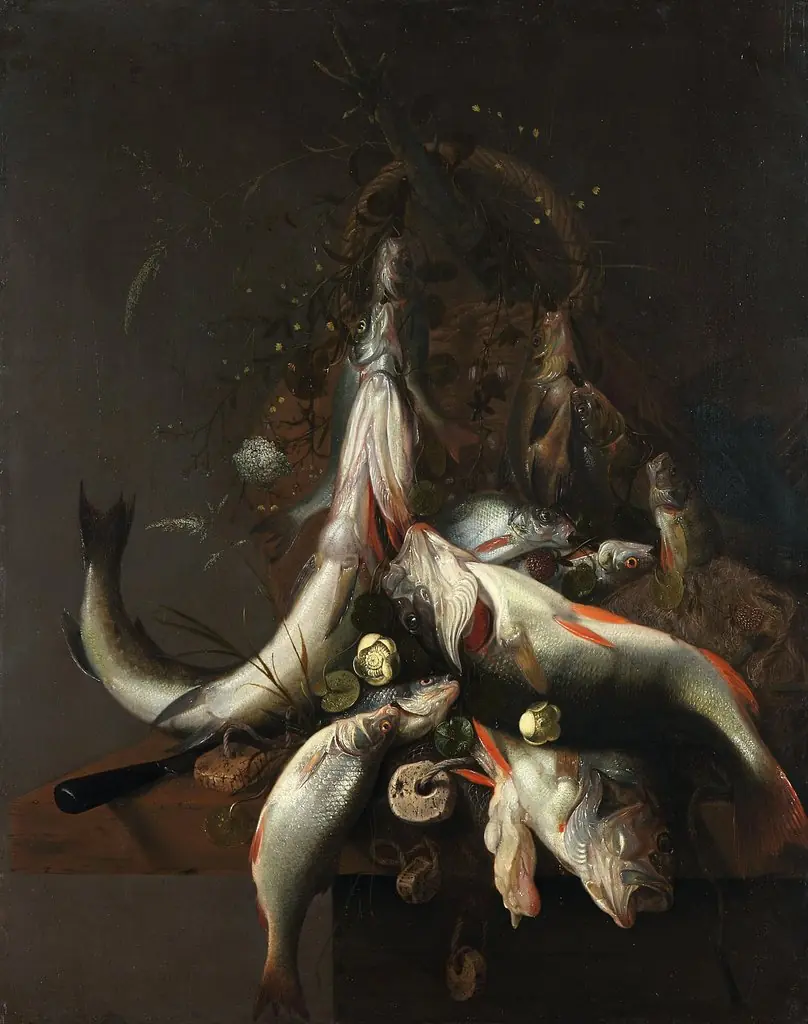
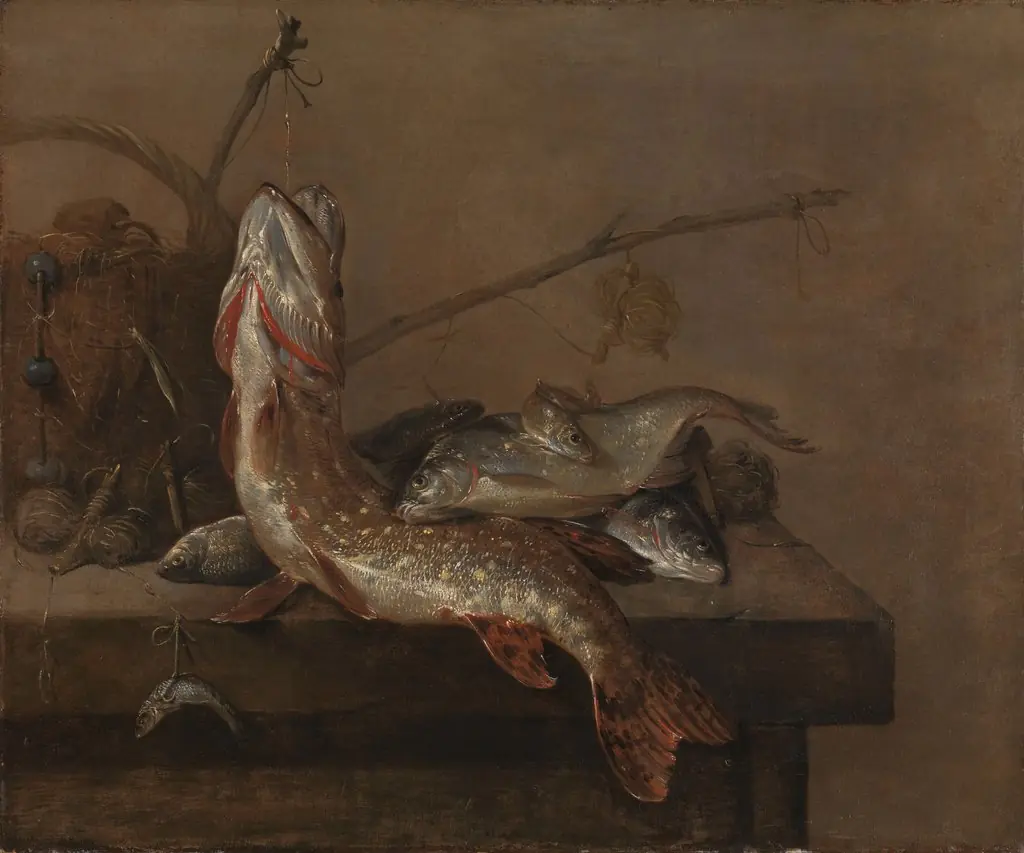
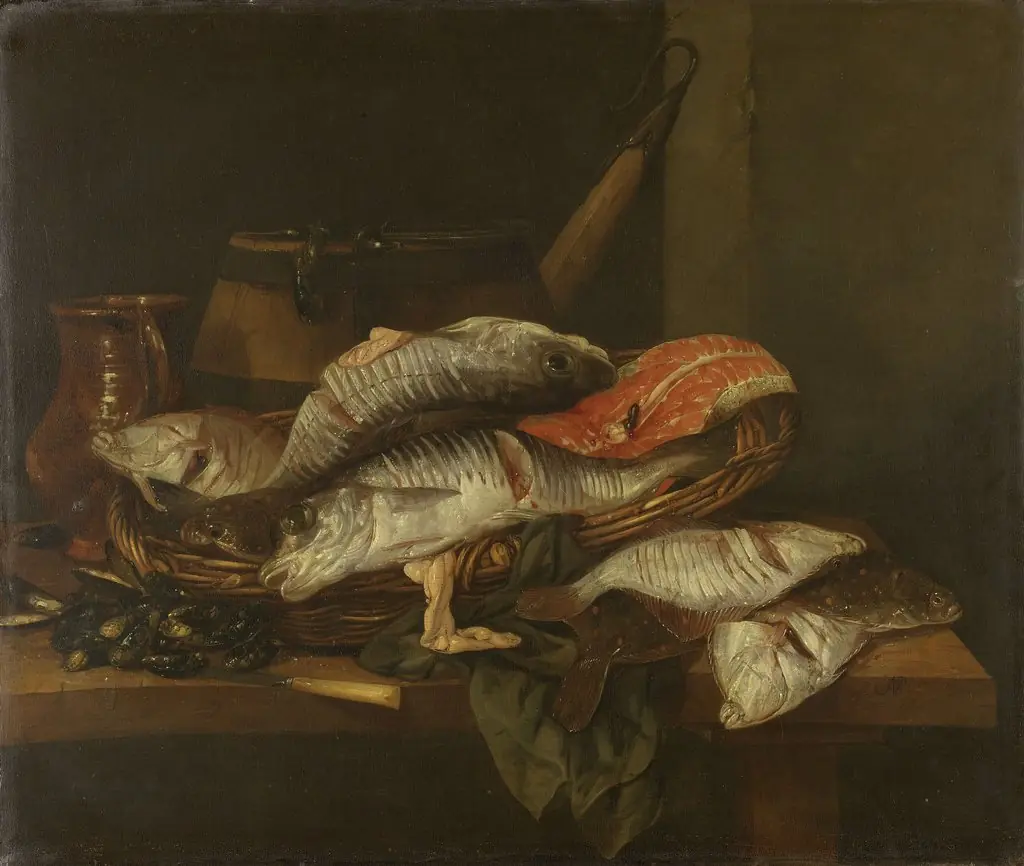
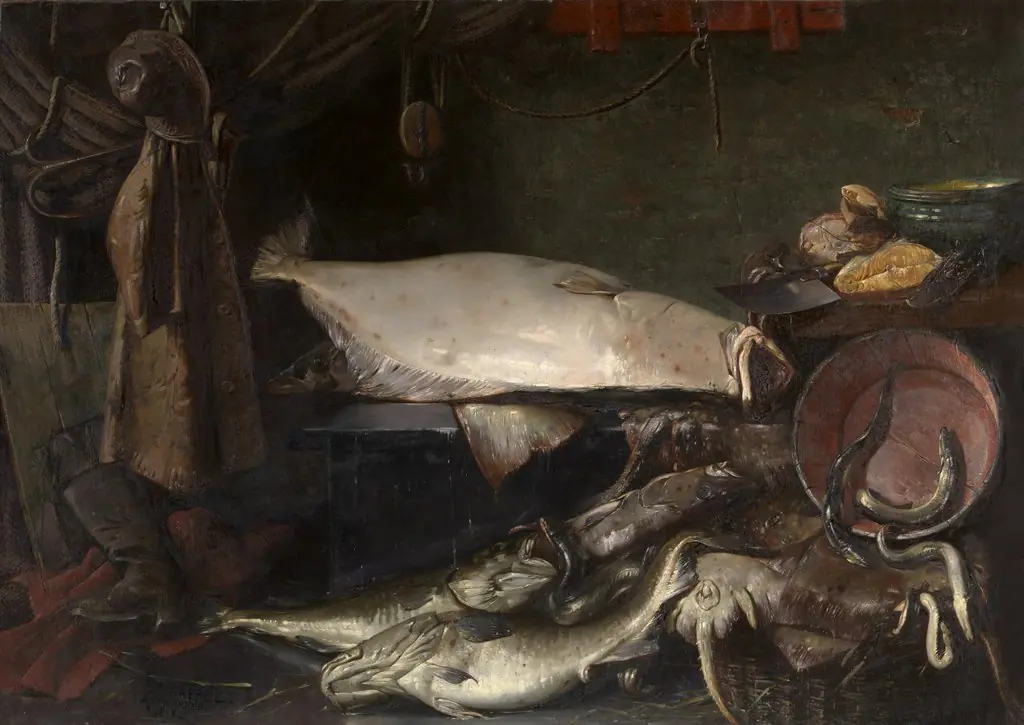
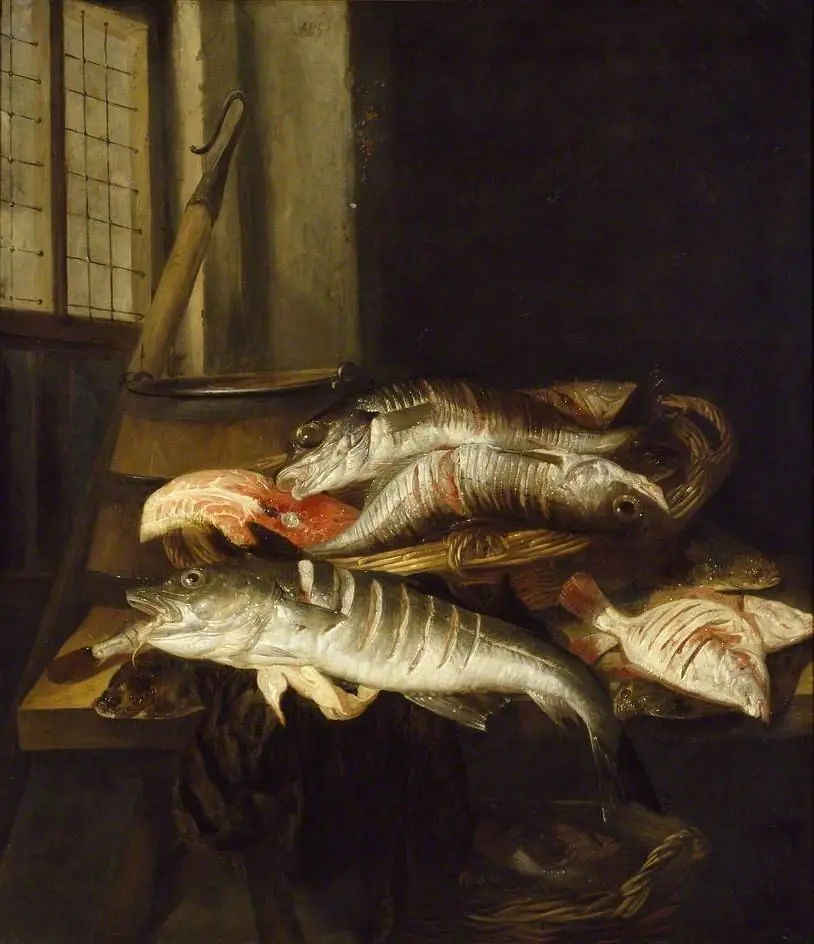
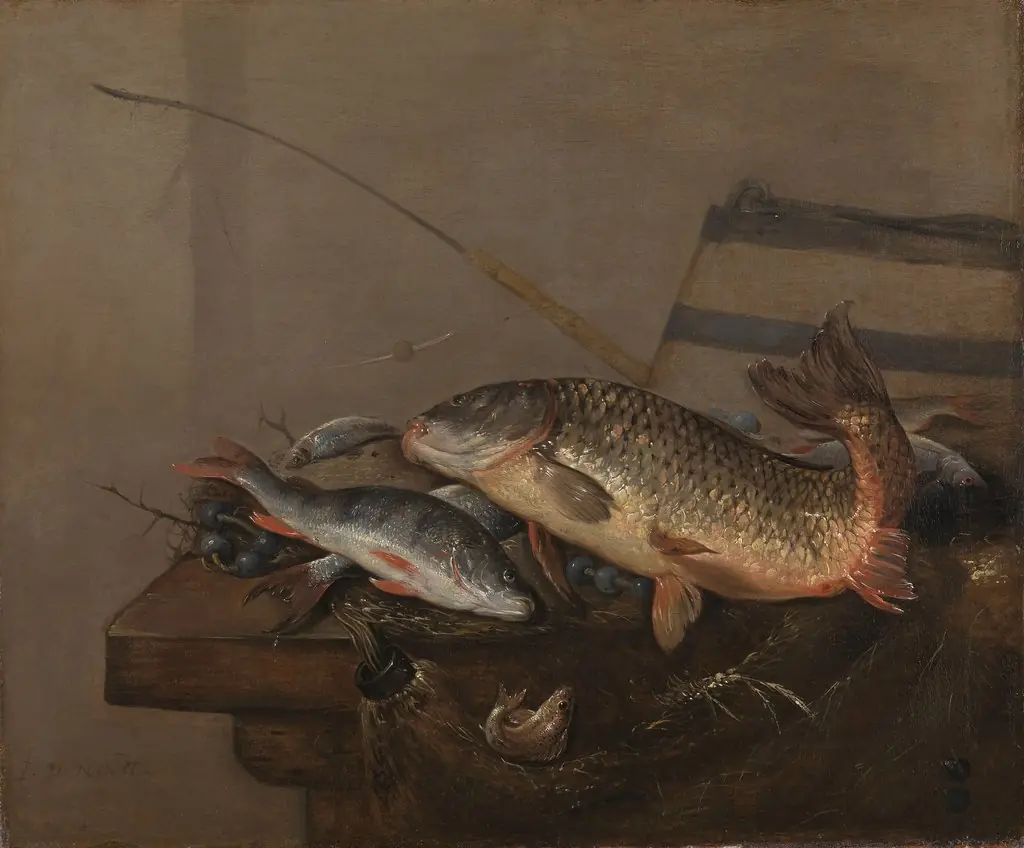
Still Life of Fish is an oil painting by the Dutch Golden Age artist Jacob Gillig. It dates from 1670 and is held in the collection of the Ashmolean Museum.
About this work
Overview
Painted in 1670 by Jacob Gillig, this oil-on-canvas still life presents a quiet arrangement of fish, typical of Dutch Golden Age genre painting.
Painted in 1670 by Jacob Gillig, this oil-on-canvas still life presents a quiet arrangement of fish, typical of Dutch Golden Age genre painting. Gillig, who turned to art later in life after working as a merchant and prison official, focused exclusively on fish still lifes. The painting is part of the Ashmolean Museum’s collection and reflects the period’s fascination with natural observation and domestic detail, rendered without theatrical flourish.
Subject & Meaning
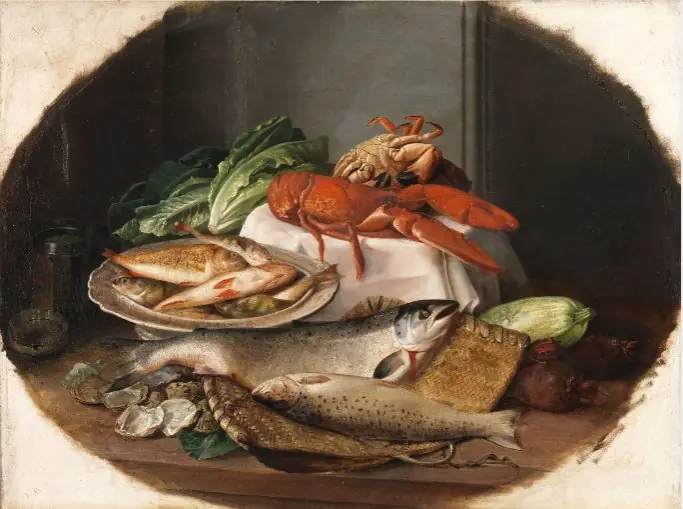
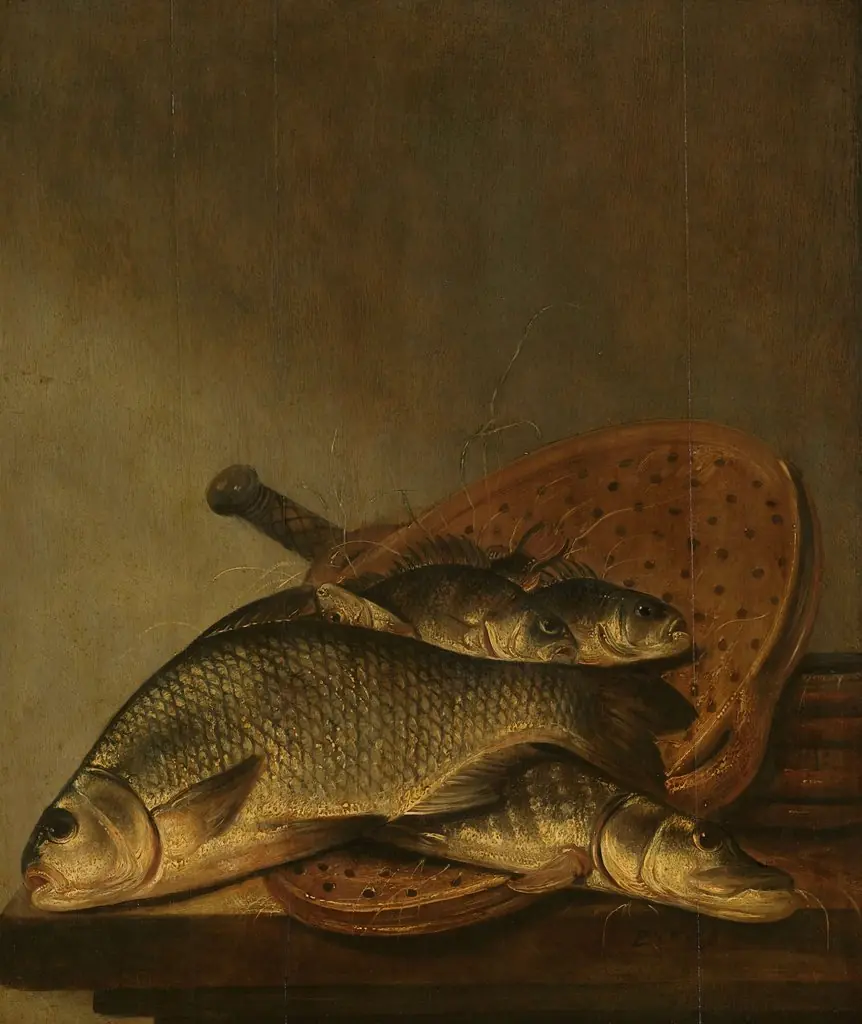
The composition centers on a variety of fish laid across a surface or suspended by hooks, their forms arranged with deliberate simplicity. No human presence or symbolic object interrupts the scene; the fish themselves are the sole subject. This focus suggests an appreciation for the transient beauty of the sea’s bounty, a common theme in Dutch still life that subtly acknowledges mortality and the impermanence of material things.
Technique & Style
Gillig employs chiaroscuro to model the fish’s forms, using sharp contrasts between light and shadow to suggest texture and volume. The silver and white scales catch the light, while orange and red fins add subtle warmth against a dark, neutral background. Brushwork is restrained, avoiding ornamental detail in favor of clarity and spatial economy. The arrangement is neither chaotic nor overly staged, reflecting a quiet, observational realism.
History & Provenance
Jacob Gillig worked independently of Utrecht’s formal painters’ guild, a rarity among his contemporaries. His late start in painting and singular subject matter suggest a personal, perhaps introspective approach to art. The painting remained in private hands until entering the Ashmolean Museum’s collection, where it is preserved as an example of a niche but persistent genre within Dutch art of the period.
Context
During the Dutch Golden Age, still lifes of fish flourished as expressions of maritime trade prosperity and domestic refinement. Unlike religious or mythological scenes, these works appealed to a growing middle class seeking art that reflected their daily world. Gillig’s focus on fish alone, without fruit, glassware, or tableware, distinguishes his work within this broader trend, emphasizing the intrinsic dignity of the catch.
Legacy
Gillig’s body of work, though limited in scope, contributed to the codification of fish still life as a distinct subgenre. His restrained style and lack of embellishment set him apart from more flamboyant contemporaries. While not widely known today, his paintings remain important for understanding the diversity of subject matter and the quiet, non-idealized realism that characterized much of Dutch domestic art in the late 17th century.
Artist & collection
Artist
Jacob Gillig (also spelled Jakob or Gellig; ca. 1636 – 24 July 1701) was a Dutch Golden Age painter of still lifes, usually of fish. Although he produced several portraits, it is for painting fish that he is best known.…