Artwork
Jupiter and Io
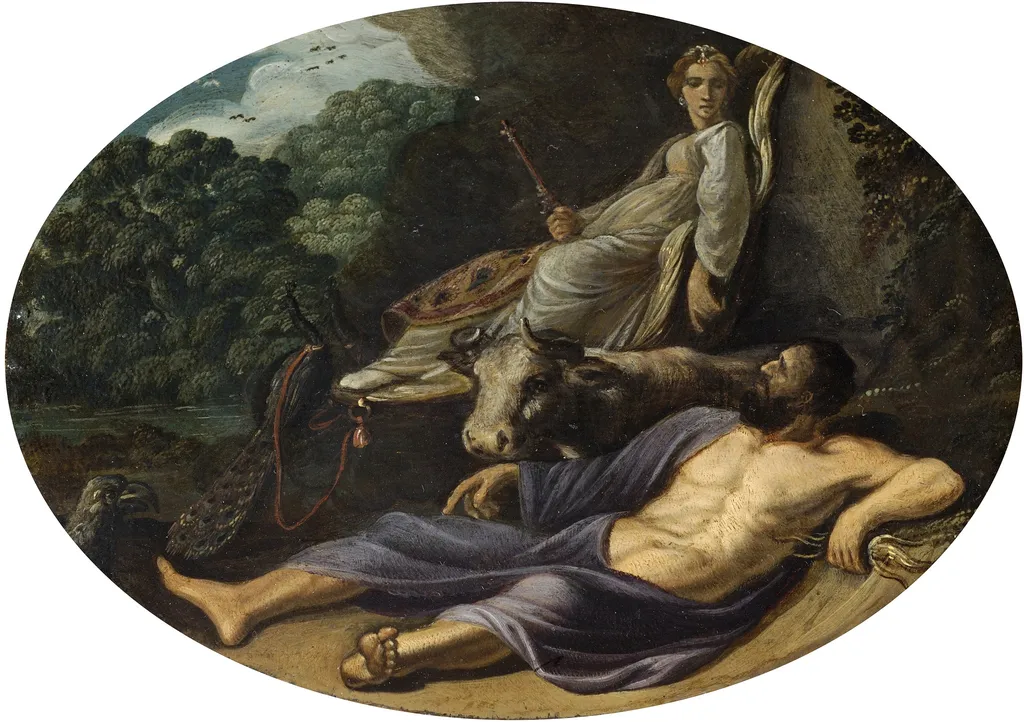
Jupiter and Io is an oil painting by the Early Baroque Italian artist Jacob Pynas. It dates from 1628 and is held in the collection of the Fitzwilliam Museum.
About this work
Overview
Jupiter and Io is a 1628 oil painting by Dutch Golden Age artist Jacob Pynas, executed during his time in Italy amidst the early Baroque period. The work is now part of the Fitzwilliam Museum's collection.
Subject & Meaning
The painting depicts a scene from classical mythology, featuring a woman (Io) standing calmly on a cloud, dressed in white with a crown, and a man (Jupiter in disguise) lying below, draped in dark cloth. A bull's head emerging from the clouds alludes to Jupiter's transformation. The contrast between Io's serenity and Jupiter's slump suggests underlying tension.
Technique & Style
Pynas employed strong chiaroscuro, leveraging light and shadow to define the figures, creating a stark contrast against the darker, atmospheric background of a forest under a dark sky.
History & Provenance
Created in 1628 while Pynas worked in Italy, the painting's history prior to its acquisition by the Fitzwilliam Museum is not detailed here.
Context
Reflecting the early Baroque period's emphasis on dramatic lighting and emotional depth, the painting combines classical mythological subject matter with the artistic innovations of Pynas's time.
Legacy
As part of the Fitzwilliam Museum's collection, 'Jupiter and Io' contributes to the institution's holdings of Dutch Golden Age and Baroque art, offering insights into Pynas's contribution to the period's artistic trends.
Artist & collection
Artist
Jacob Symonsz. Pynas (1592 or 1593 – after 1650) was a Dutch Golden Age painter and draughtsman. He is best known for having briefly taught the painter Rembrandt in 1625.

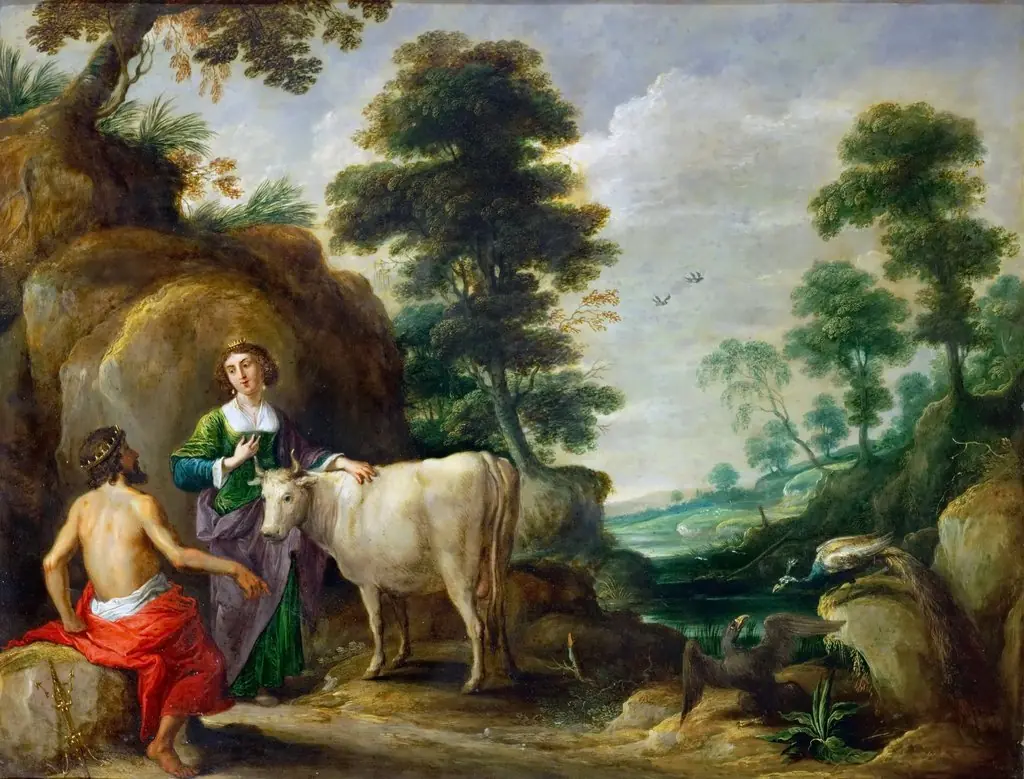 Io, transformed into a cow, is handed to Juno by Jupiter
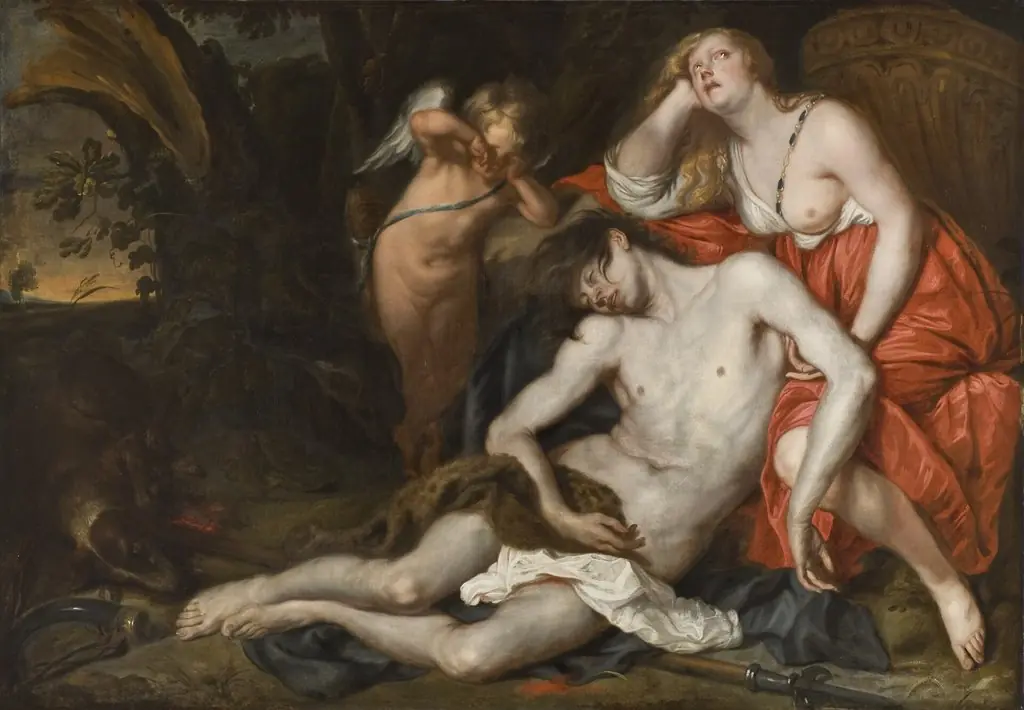 Venus Bewailing the Death of Adonis
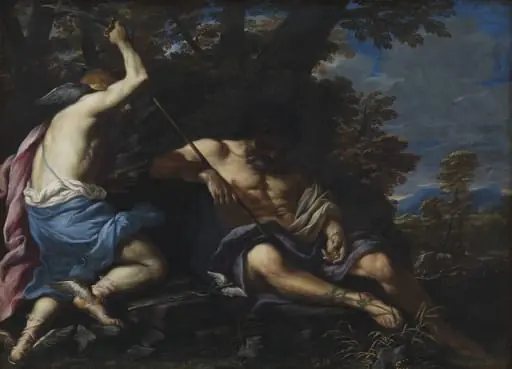 Mercury Killing Argus
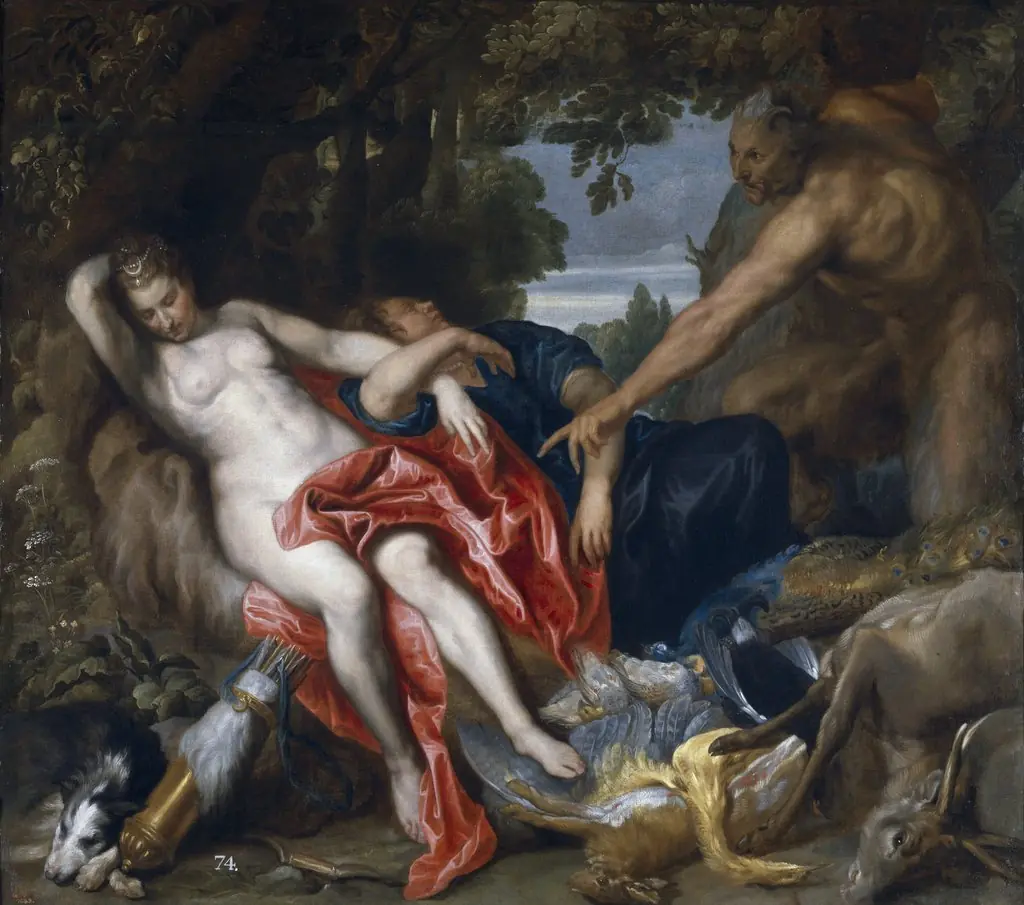 Diana and a Nymph Surprised by a Satyr
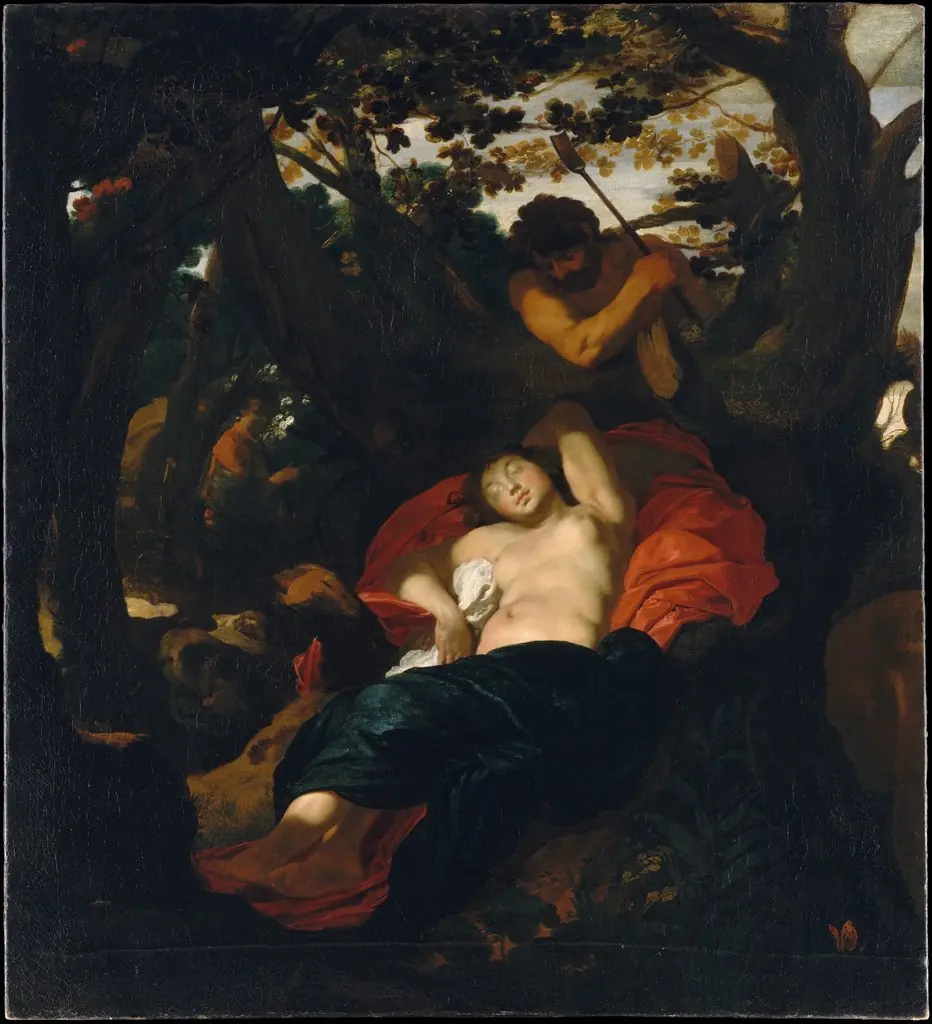 Nymph and Shepherd
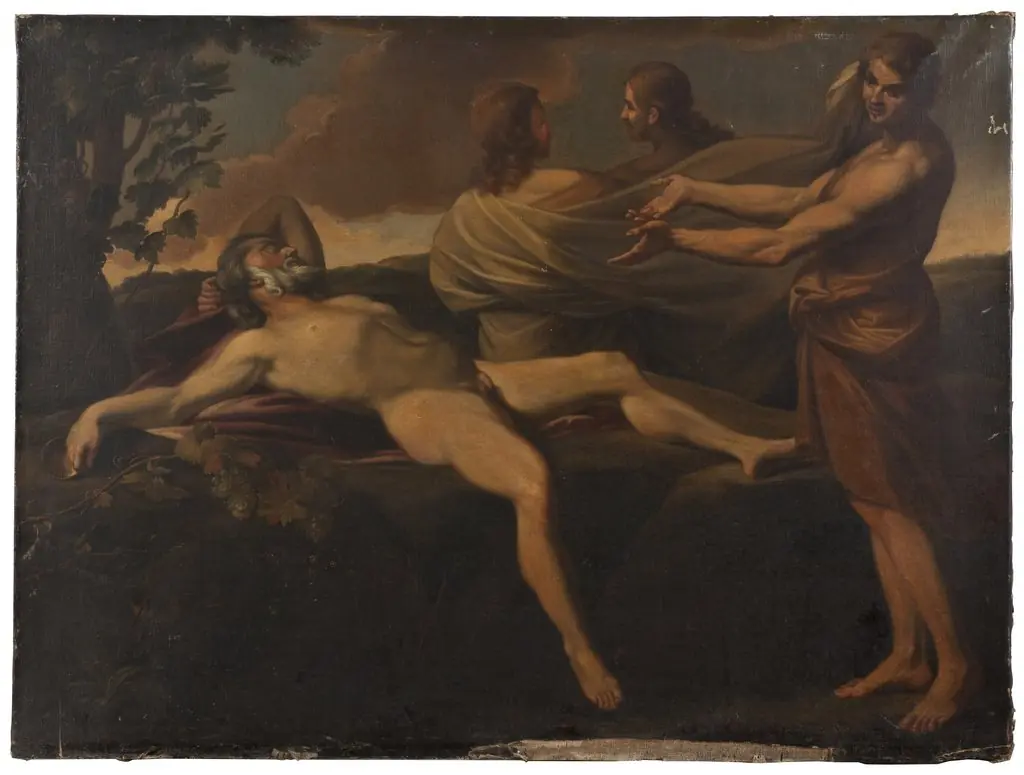 Noah and his Sons
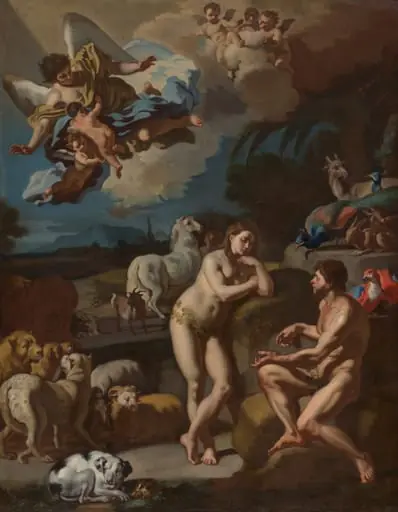 Adam and Eve in Paradise
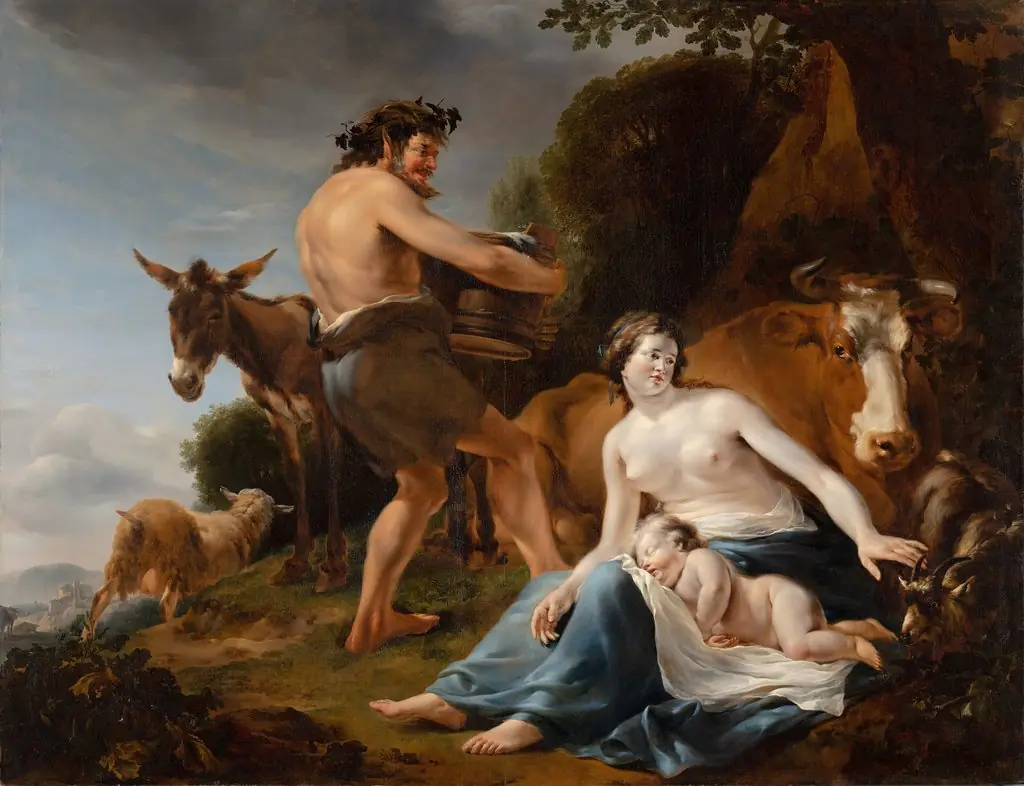 The infancy of Zeus
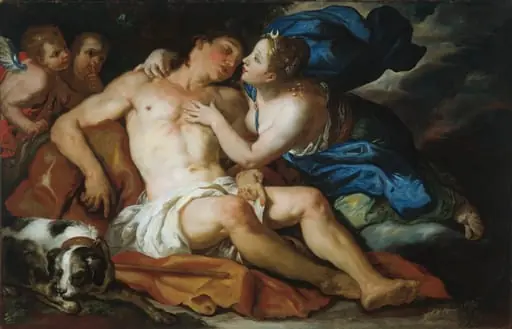 Diana and Endymion
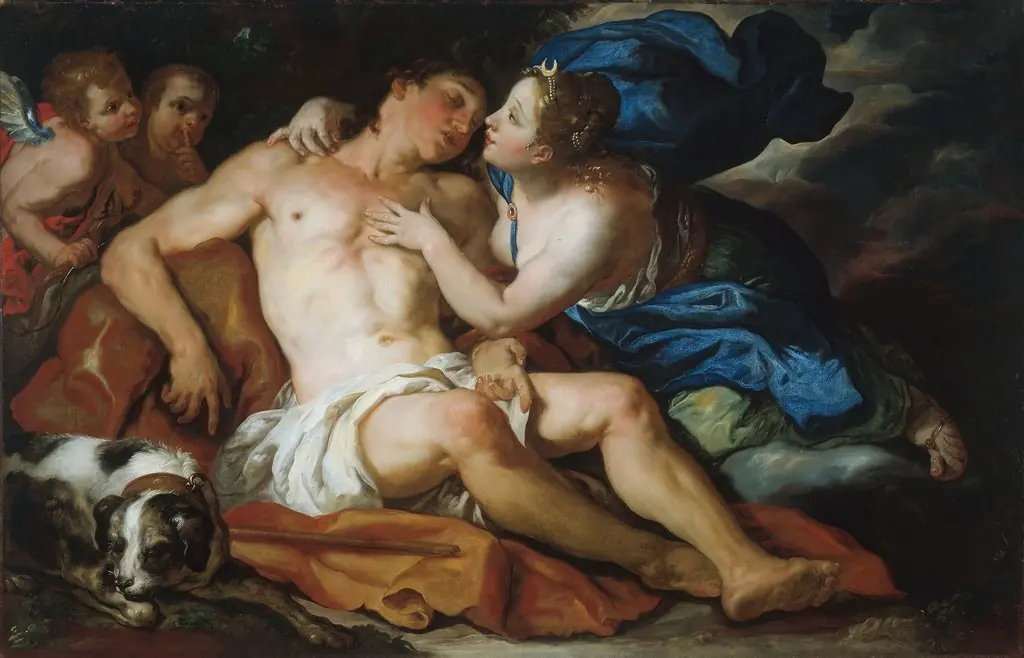 Diana and Endymion
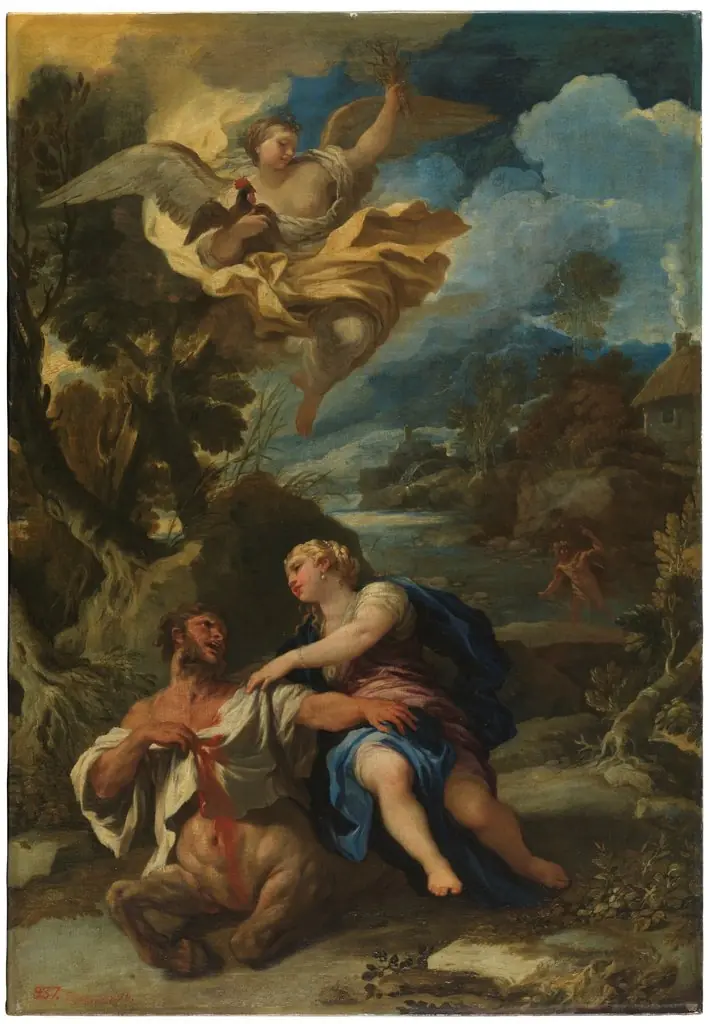 The Death of the Centaur Nessus
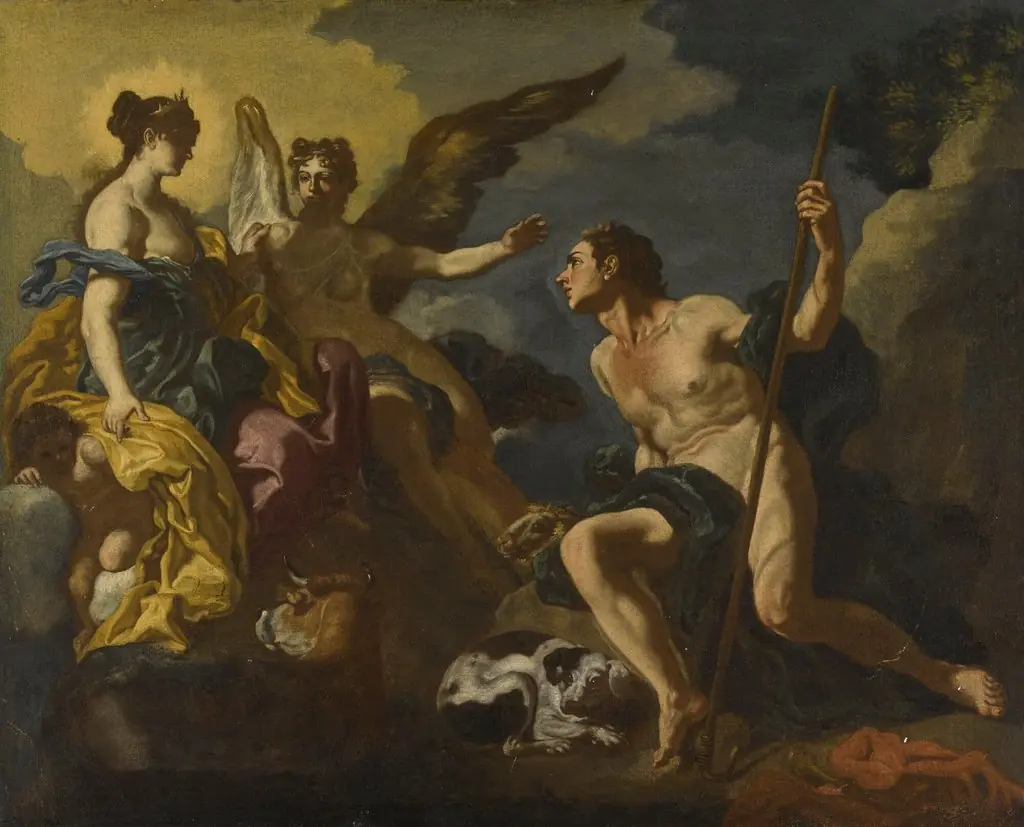 Juno, Io and Argus