Artwork
Nebukadnezar erhält die Königswürde zurück
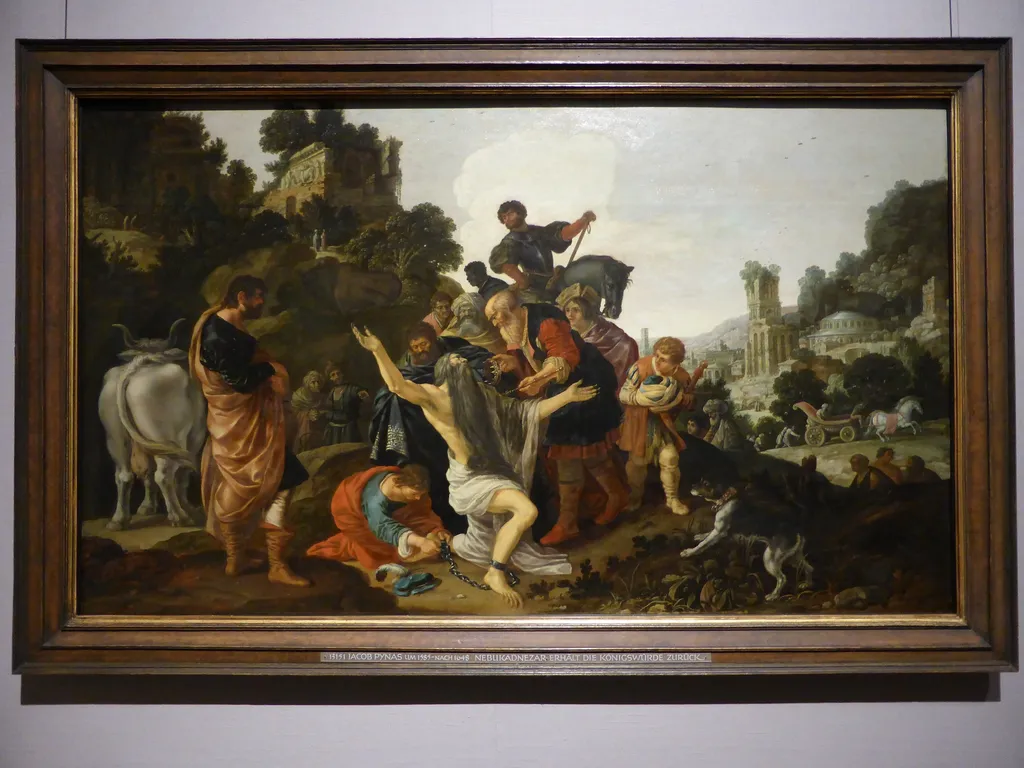
Nebukadnezar erhält die Königswürde zurück is an unspecified painting by the Early Baroque Italian artist Jacob Pynas. It dates from 1616 and is held in the collection of the Bavarian State Painting Collections.
About this work
Overview
It remains part of the Alte Pinakothek’s collection in Munich.
Painted in 1616 by Dutch artist Jacob Pynas, this work depicts a moment from the biblical Book of Daniel in which Nebuchadnezzar II, king of Babylon, is restored to his throne after a period of divine punishment. Executed in the early Baroque style, the painting reflects Pynas’s engagement with religious narratives and his training in the Northern European tradition, despite its Italianate compositional influences. It remains part of the Alte Pinakothek’s collection in Munich.
Subject & Meaning
The scene illustrates Nebuchadnezzar’s restoration after seven years of madness, during which he lived like an animal as punishment for his hubris. In the painting, the humbled king kneels, chains still visible, as a figure in red—likely a prophet or divine agent—points toward heaven, signaling divine favor returned. The crown on his head and the reactions of onlookers underscore the theme of repentance and divine mercy, central to the biblical account.
Technique & Style
Pynas employs chiaroscuro to define the central figures against a muted, atmospheric background. The figures are arranged dynamically, with gestures directing the viewer’s eye toward the moment of divine intervention. Though rooted in Dutch realism, the composition shows awareness of Italian Baroque drama, particularly in its emotional intensity and spatial depth. The loose brushwork and naturalistic details, such as the child’s basket and the standing horse, ground the sacred event in tangible reality.
History & Provenance
Created in 1616, the painting entered the collection of the Alte Pinakothek in Munich, where it has remained since at least the 19th century. Little is documented about its early ownership, but its presence in a major German museum suggests it was acquired during a period of heightened interest in biblical subjects among Northern European collectors. Pynas’s brief mentorship of Rembrandt in 1625 may indicate a broader artistic network influencing its reception.
Context
In early 17th-century Europe, biblical narratives were frequently depicted as moral allegories, especially in Protestant regions where religious imagery was still permitted in private and institutional settings. Pynas’s choice of Nebuchadnezzar’s redemption aligns with contemporary theological emphasis on humility and divine justice. The painting reflects a broader trend in Dutch art of interpreting Old Testament stories with psychological nuance and human vulnerability.
Legacy
Though Jacob Pynas is less known than his contemporaries, this work stands as a rare surviving example of his religious output. Its inclusion in a major public collection ensures continued study of how Northern artists adapted Italian Baroque forms to Dutch devotional themes. The painting contributes to understanding the transmission of biblical iconography across regions during the early Baroque period.
Artist & collection
Artist
Jacob Symonsz. Pynas (1592 or 1593 – after 1650) was a Dutch Golden Age painter and draughtsman. He is best known for having briefly taught the painter Rembrandt in 1625.

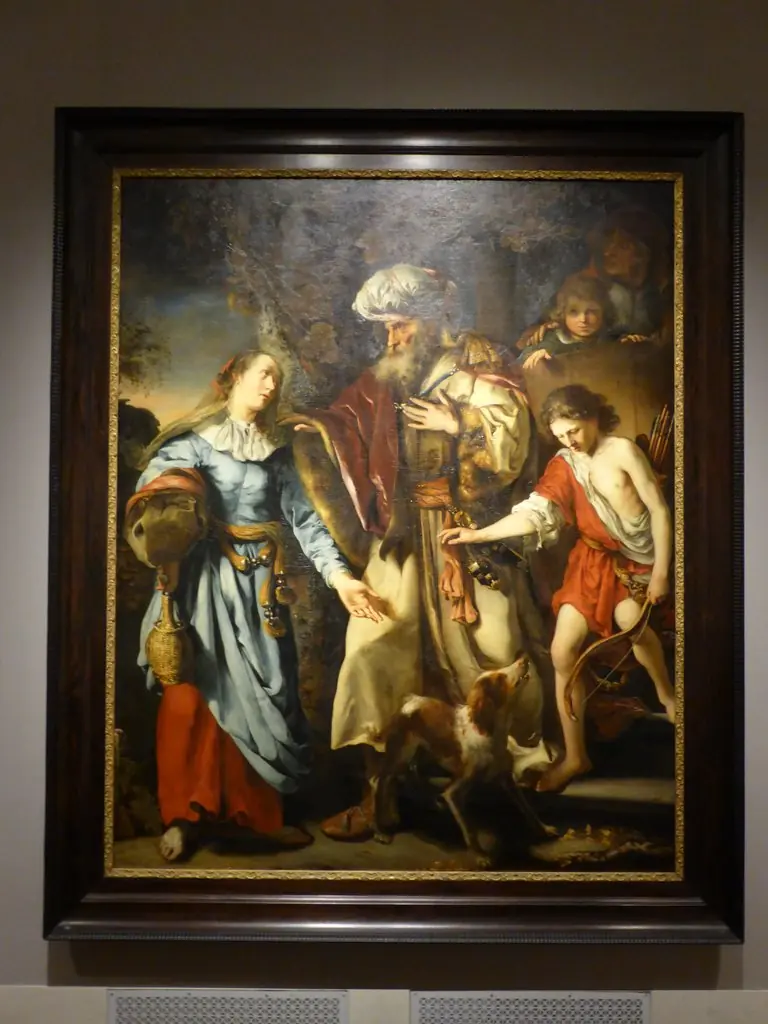 Abraham banishes Hagar and Ishmael
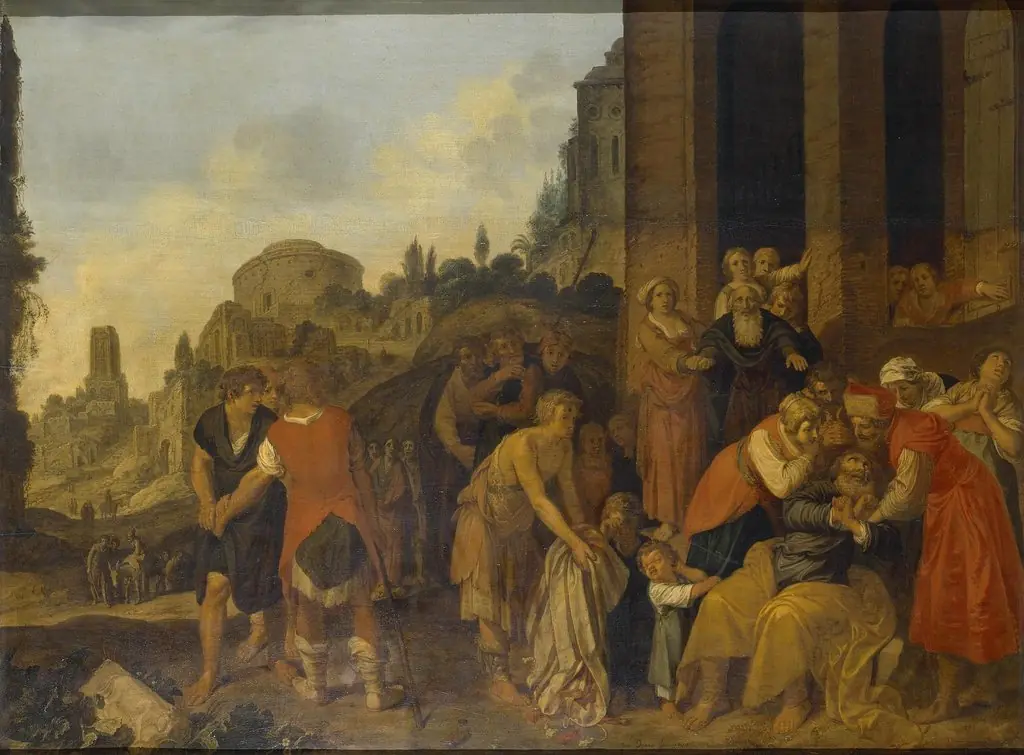 Jacob's Sons Show Him Joseph's Blood-Stained Robe
 Saint Christopher (Berlin)
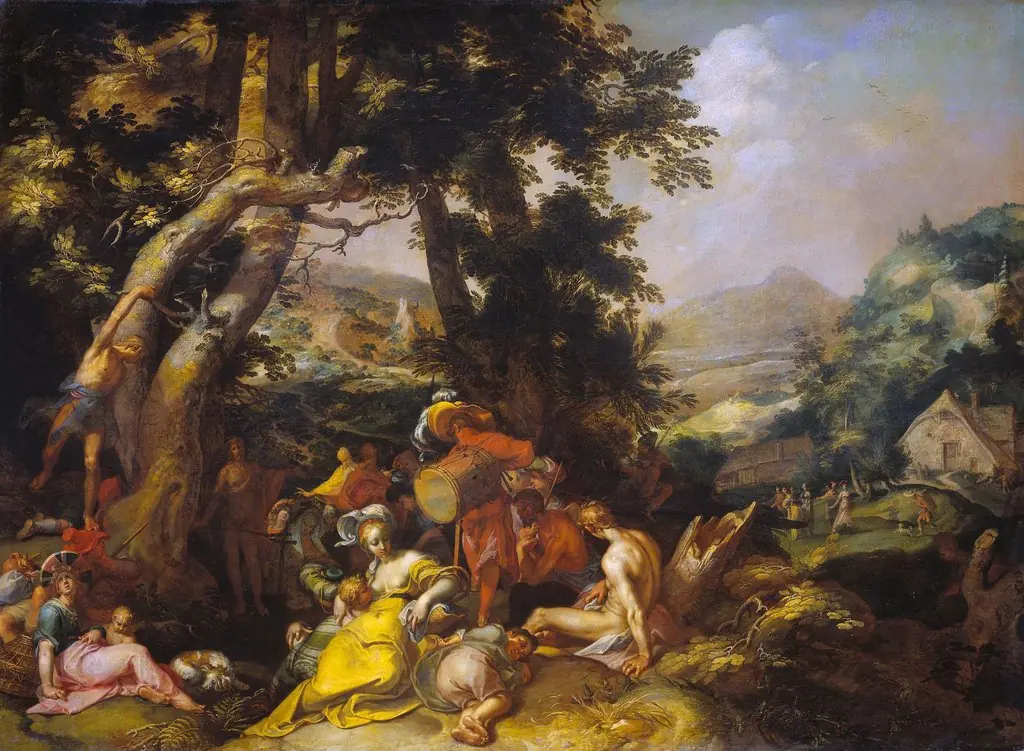 Landscape with the Ministry of John the Baptist
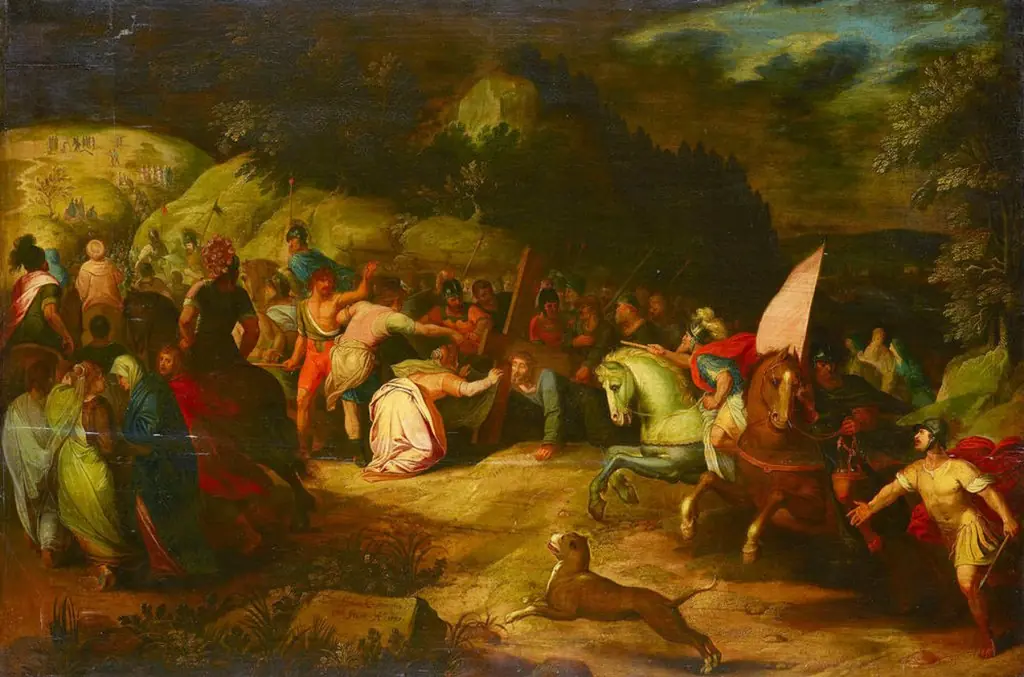 Christ collapsing under the cross on his way to Golgotha
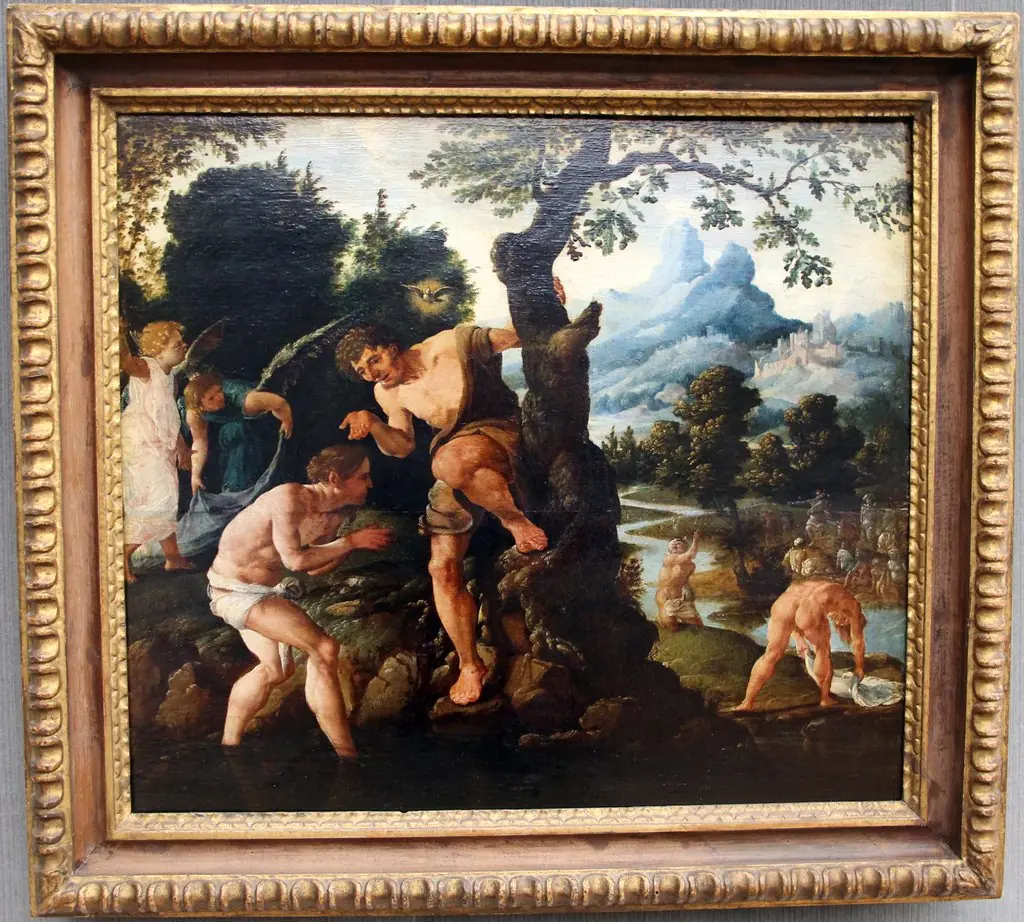 Baptism of Christ
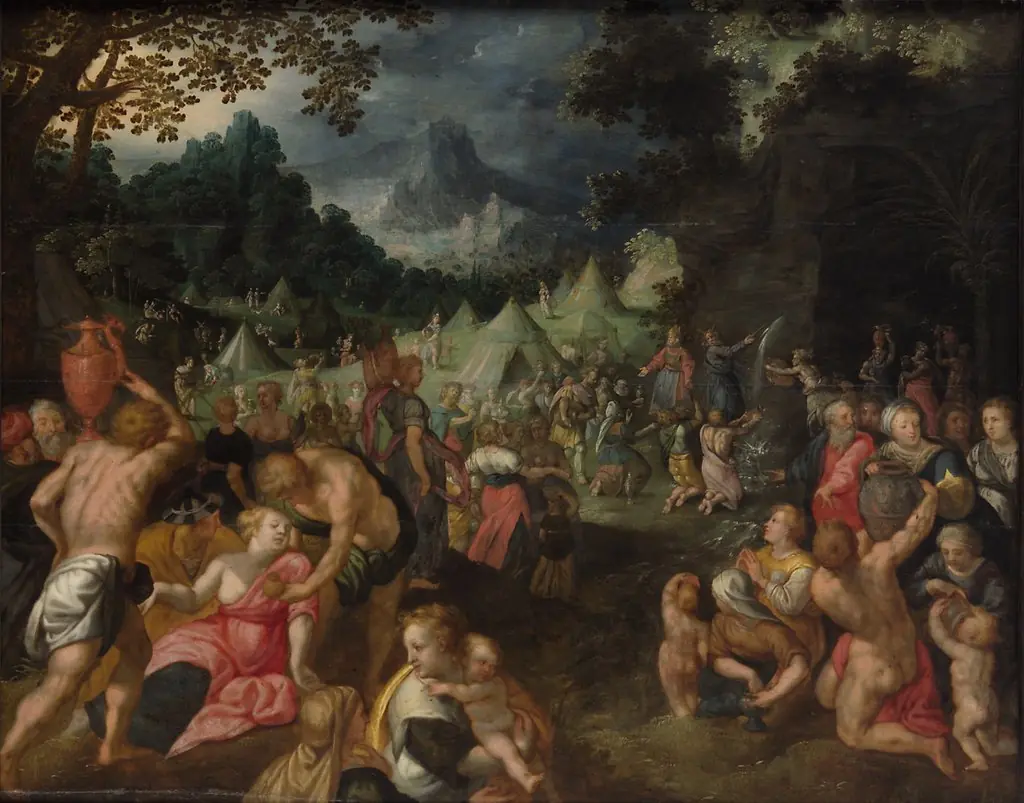 Moses Strikes the Rock
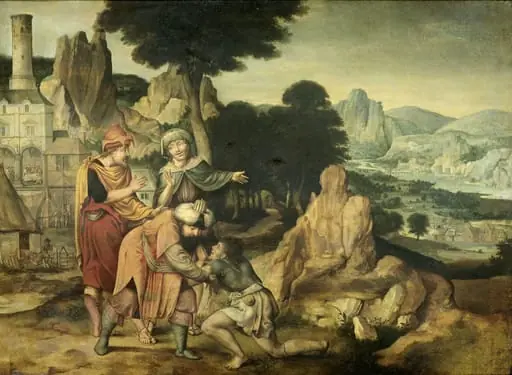 Parable of the Prodigal Son
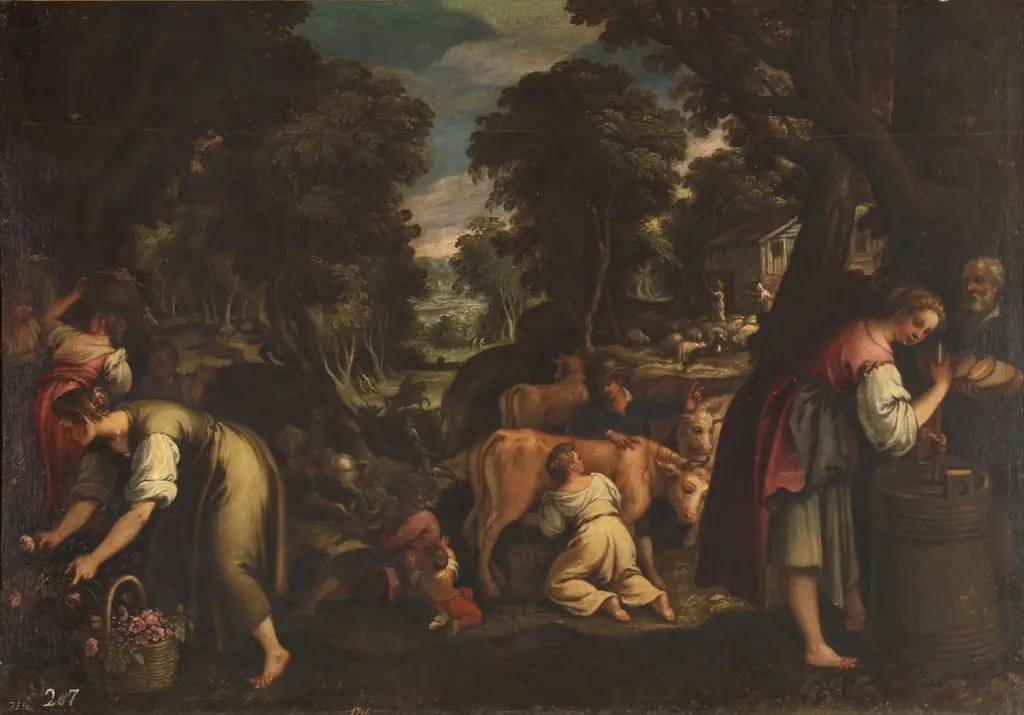 Rural labours or Spring
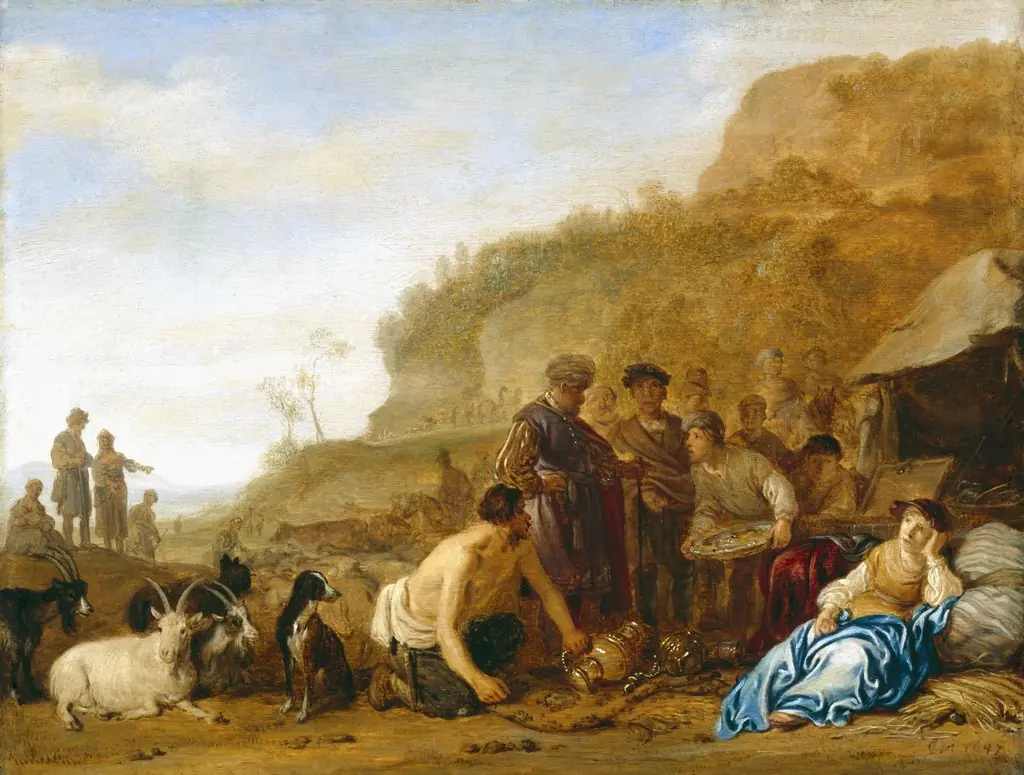 Laban Searching for His Gods
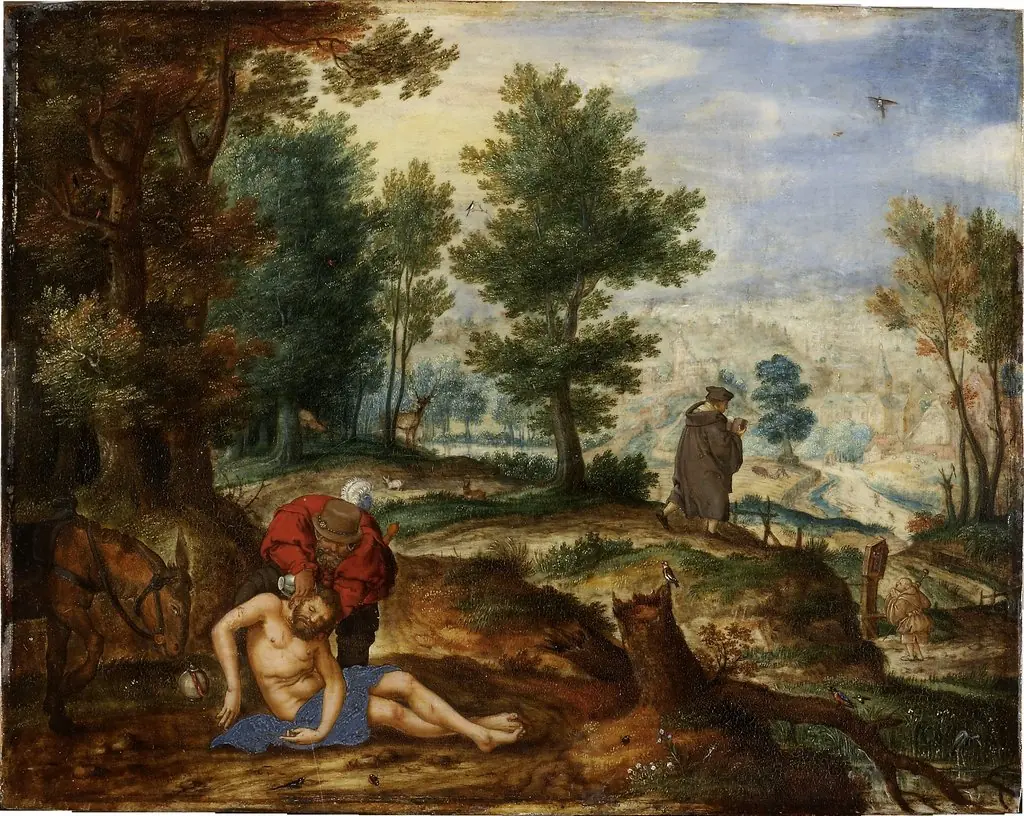 Landscape with the Good Samaritan
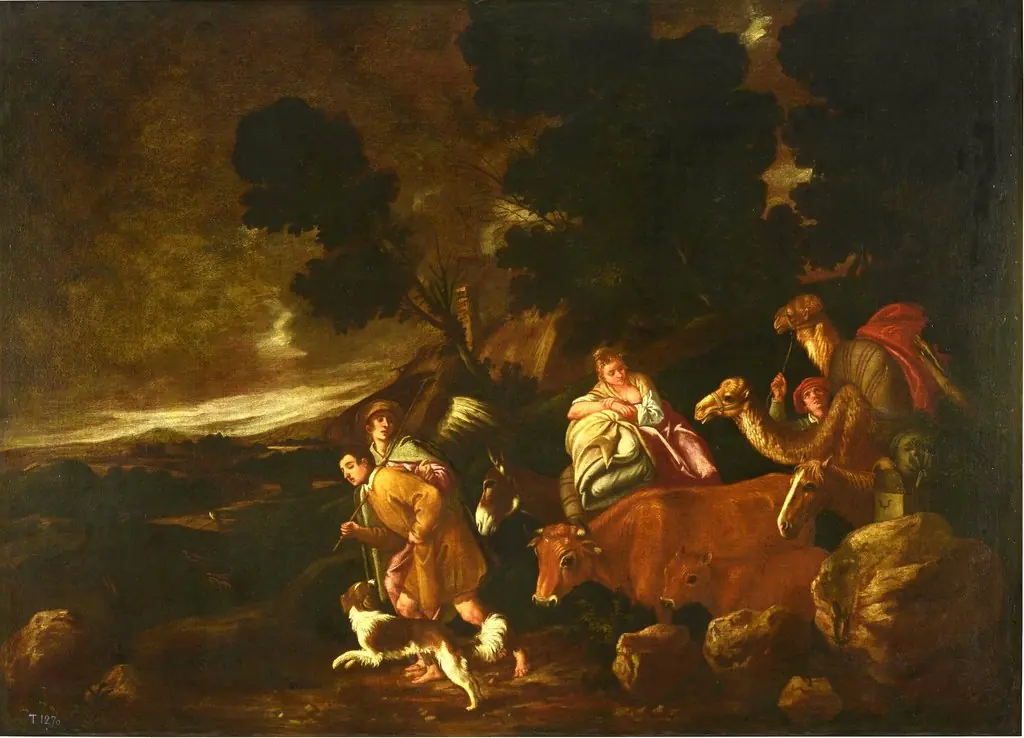 Viaje de Tobías y Sara