Artwork
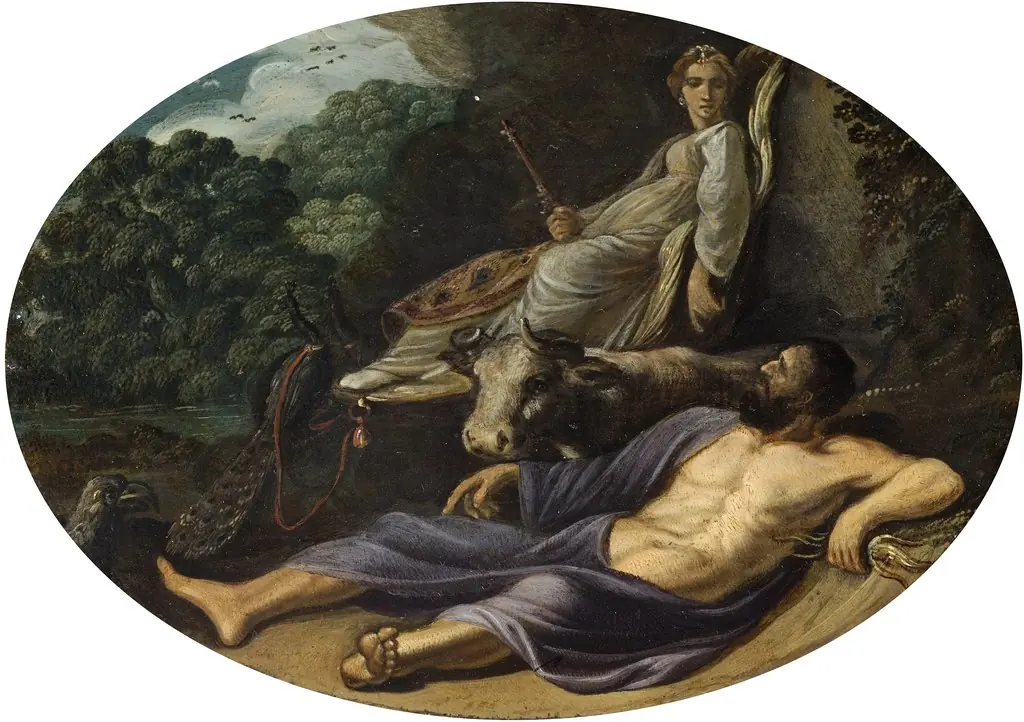
Landscape with Hermes and Battus
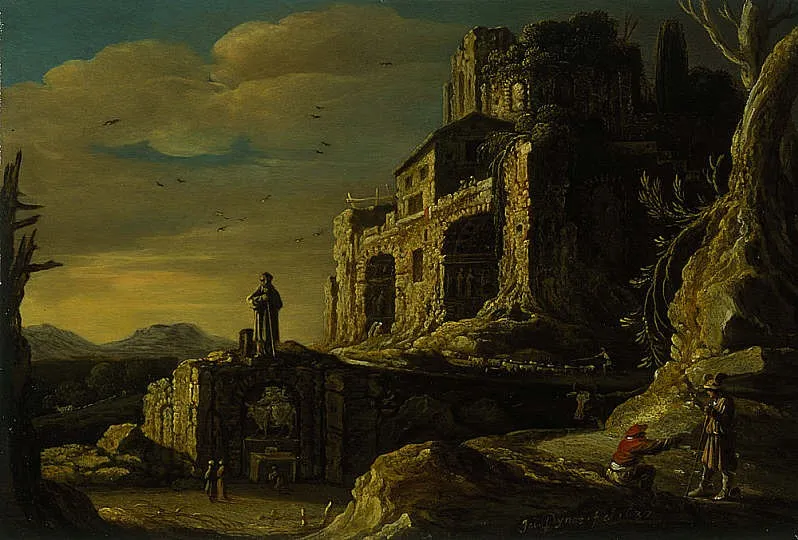
Landscape with Hermes and Battus is an oil painting by the Early Baroque Italian artist Jacob Pynas. It dates from 1637 and is held in the collection of the National Galleries Scotland.
About this work
Overview
Landscape with Hermes and Battus is a 1637 oil painting by Jacob Pynas, a Dutch Golden Age artist. The work combines a classical mythological scene with a meticulously rendered rural landscape.
Subject & Meaning
The painting depicts a serene landscape with figures interpreted as Hermes and Battus, set against a rocky hillside and distant mountains. The identities and actions of the figures (one standing, one partially seen, one seated and facing away) invite contemplation, though their specific narrative context is not explicitly detailed in the scene.
Technique & Style
Pynas employs chiaroscuro to create depth and atmosphere, guiding the viewer's eye through contrasts of light and dark. The style reflects the early Baroque Italian landscape tradition.
History & Provenance
Created in 1637, the painting is now part of the collection at the Scottish National Gallery. Notably, Pynas had previously instructed the young Rembrandt in 1625.
Context
This work exemplifies Pynas' adaptation of the Italian Baroque landscape style, infused with Dutch attention to detail, reflecting the cross-cultural artistic influences of the Dutch Golden Age.
Legacy
While specific lasting impacts of *Landscape with Hermes and Battus* on the broader art historical canon are not widely highlighted, it remains a characteristic example of Pynas' contribution to the Dutch interpretation of Baroque landscape painting.
Artist & collection
Artist
Jacob Symonsz. Pynas (1592 or 1593 – after 1650) was a Dutch Golden Age painter and draughtsman. He is best known for having briefly taught the painter Rembrandt in 1625.

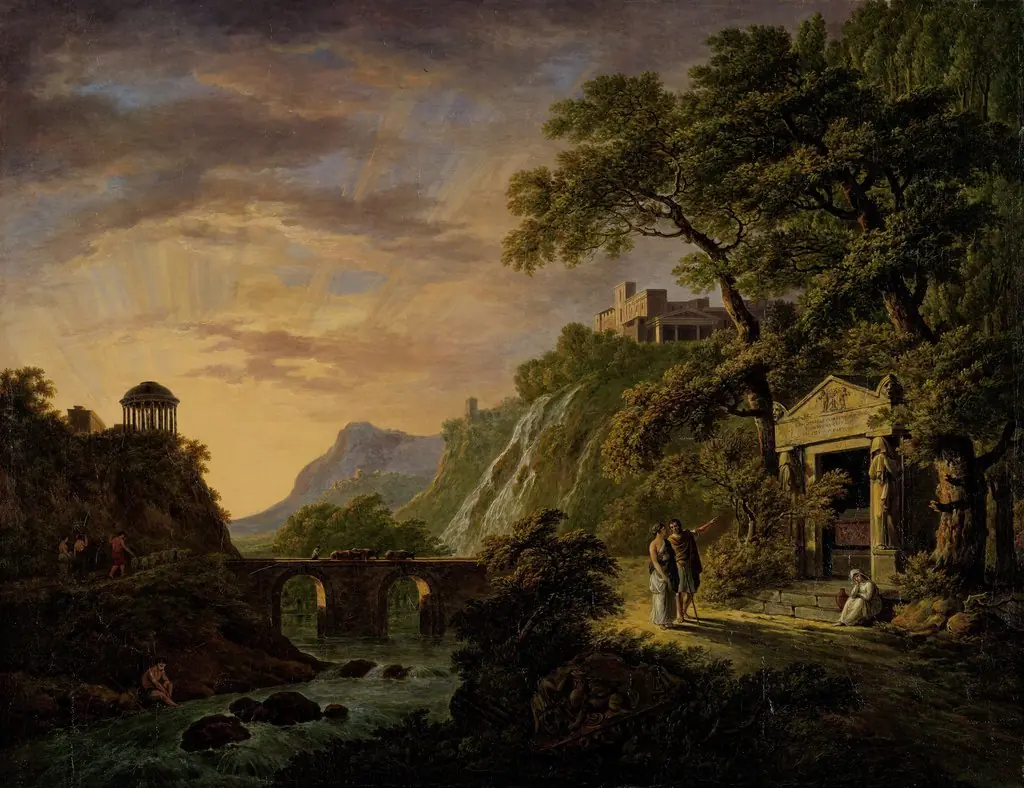 Arcadisch landschap met ondergaande zon
 Arcadian Landscape with Setting Sun
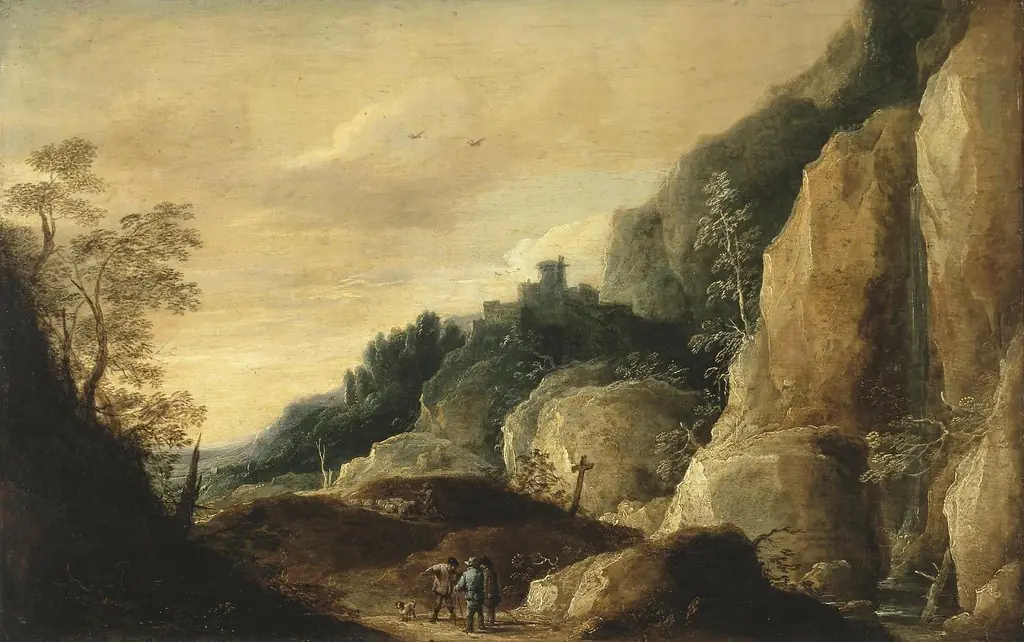 Mountainous Landscape
 Landskab med ruiner
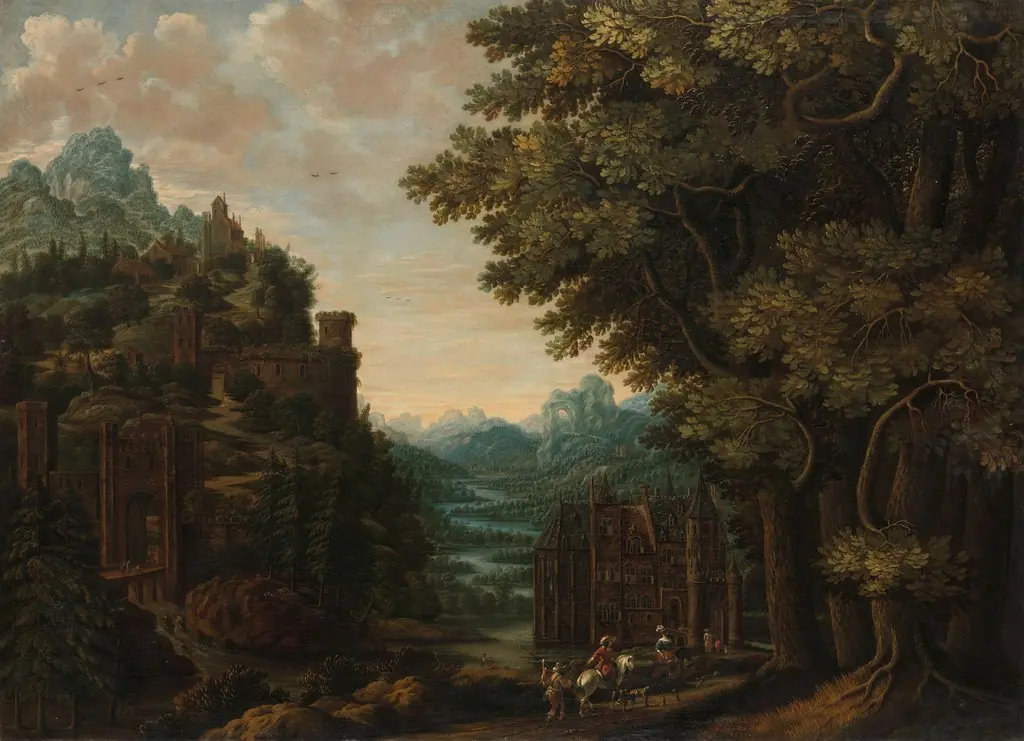 Mountainous landscape with river valley and castles
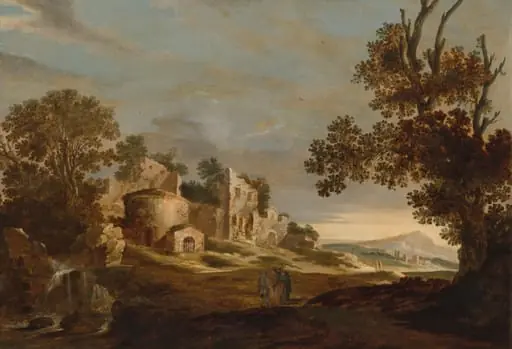 Landscape with Journey to Emmaus
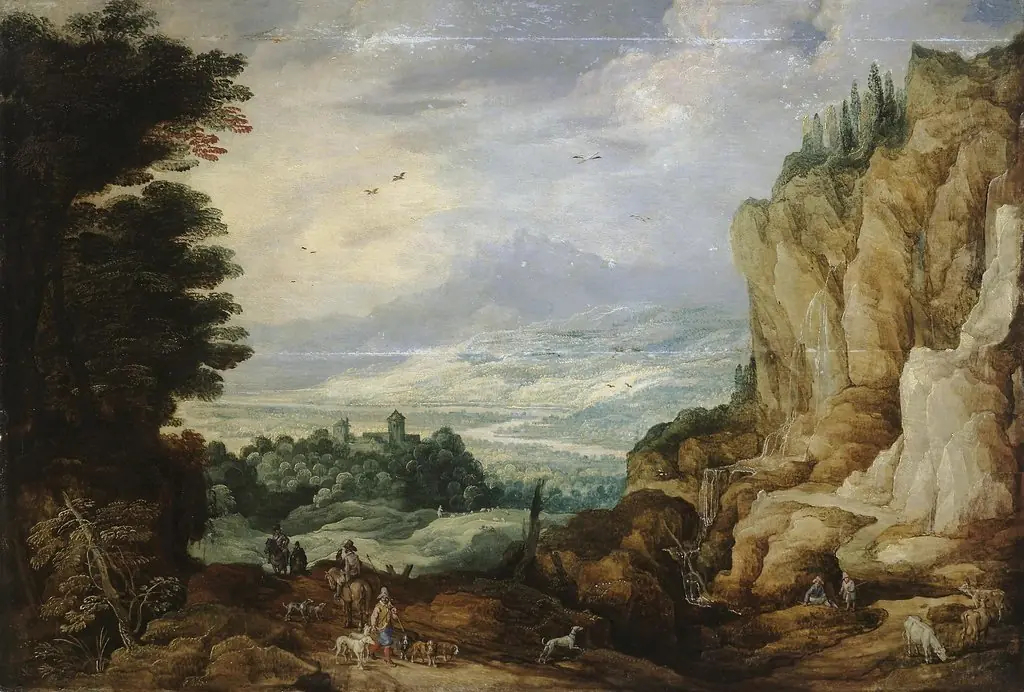 Rock Landscape with a Waterfall
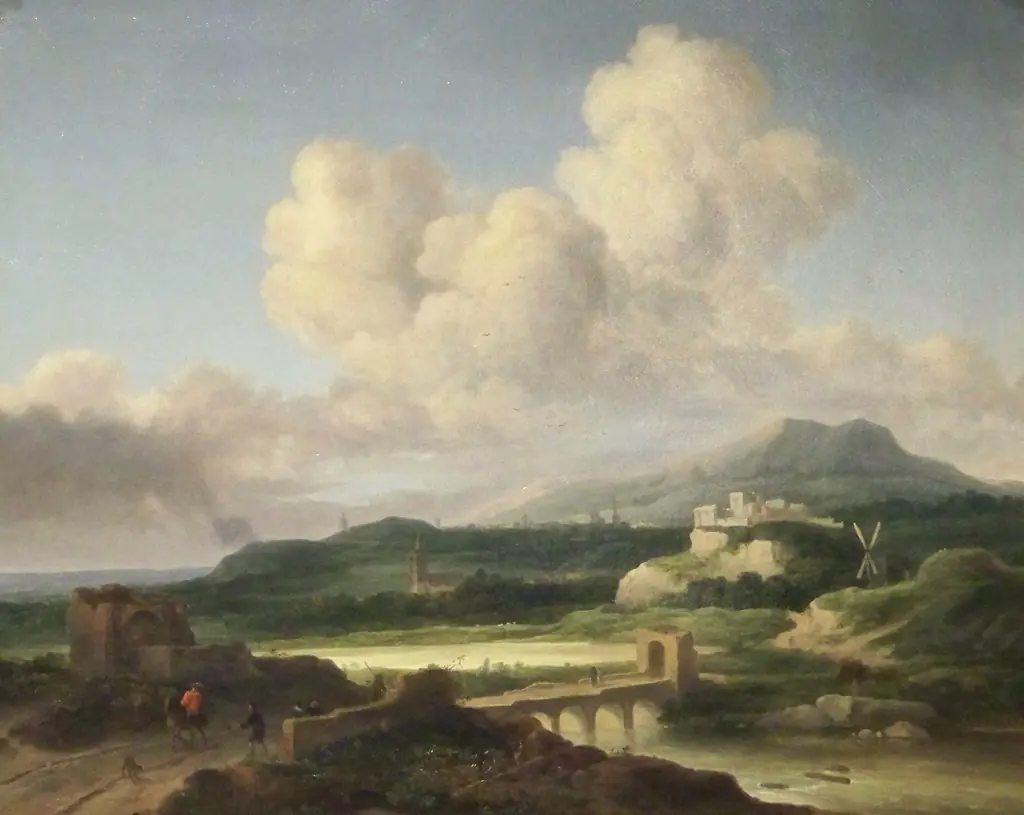 Landscape after Ruisdael
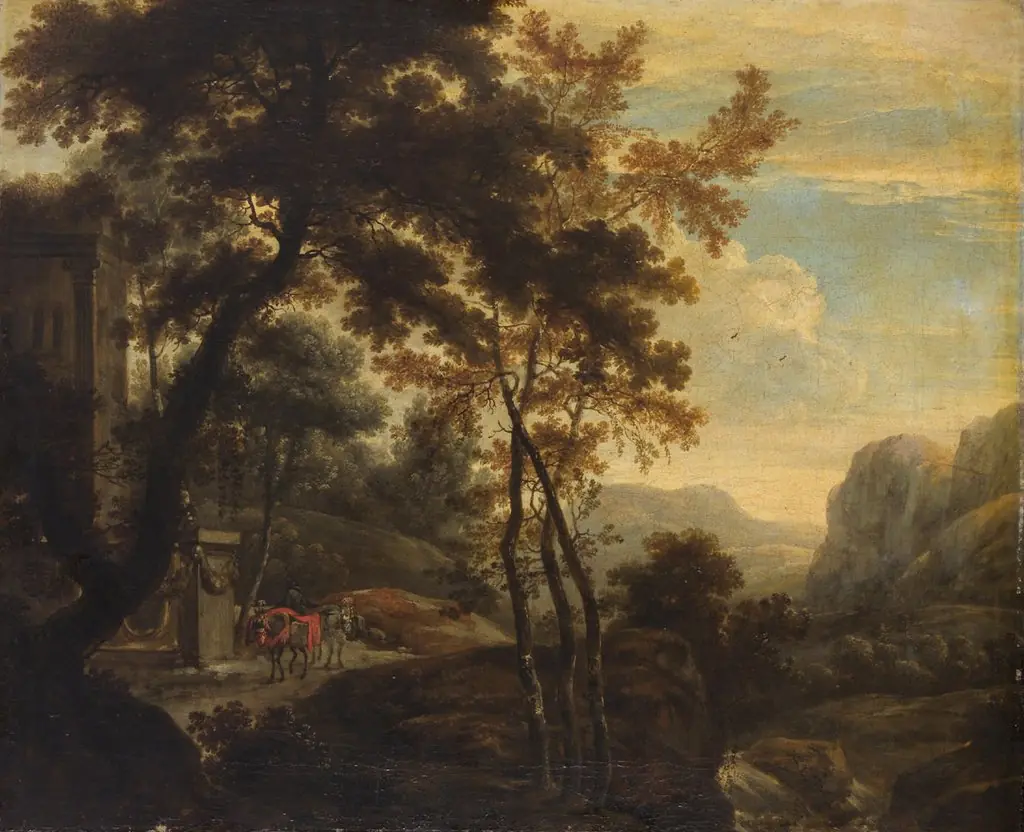 Mountainous landscape
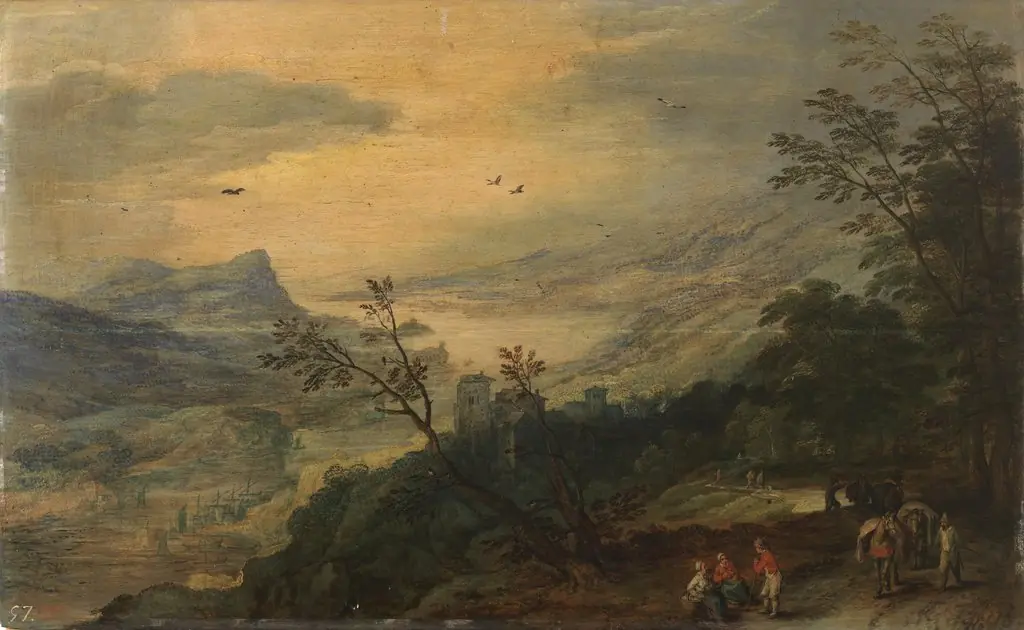 Landscape
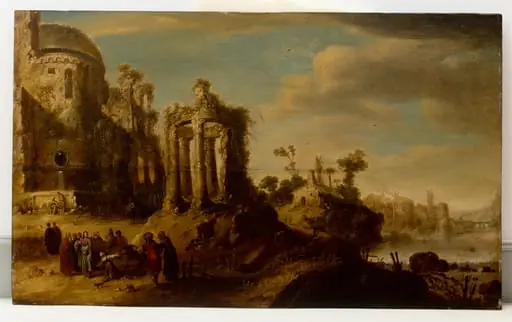 Ruinenlandschaft mit Christus und dem kanaanäischen Weib
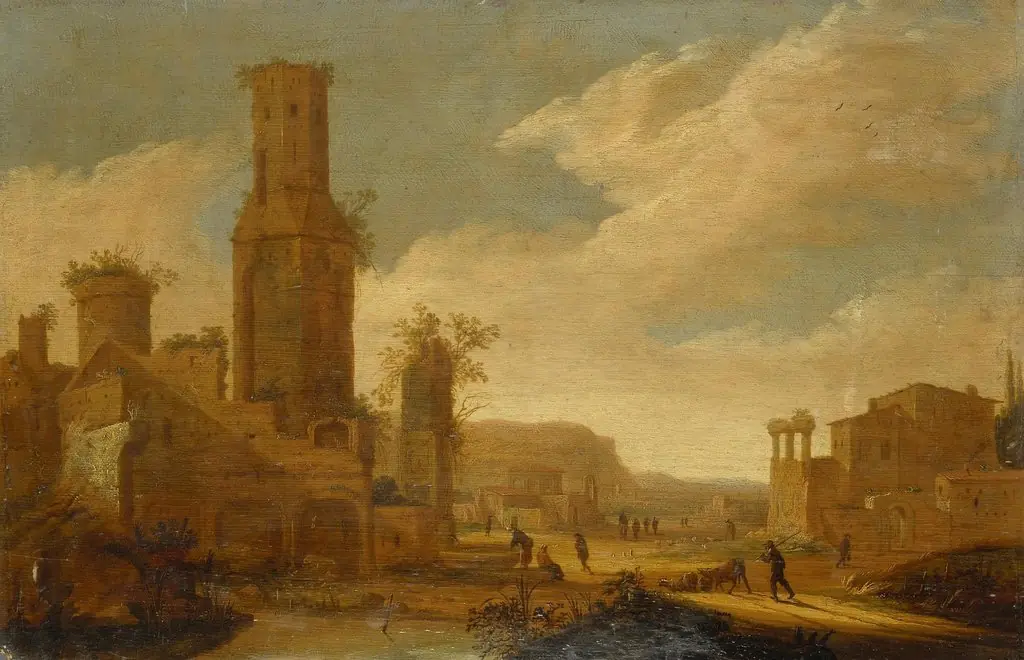 Landscape with Ruins