Artwork
Mary Magdalene praying in a rolling landscape
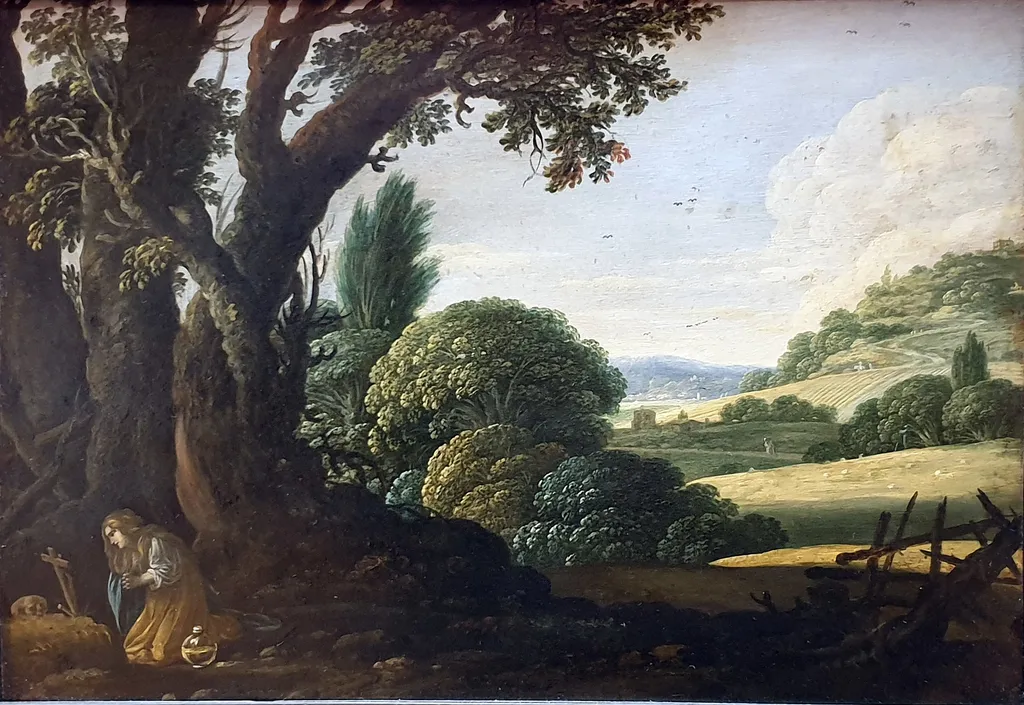
Mary Magdalene praying in a rolling landscape is a paint painting by the Early Baroque Italian artist Jacob Pynas. It dates from 1617 and is held in the collection of the Gemäldegalerie Berlin.
About this work
Overview
Painted in 1617 on copper, this small-scale work by Dutch artist Jacob Pynas portrays Mary Magdalene in quiet prayer within a gently undulating countryside.
Painted in 1617 on copper, this small-scale work by Dutch artist Jacob Pynas portrays Mary Magdalene in quiet prayer within a gently undulating countryside. The choice of copper as a support allowed for fine detail and a luminous surface, typical of Northern European devotional paintings of the period. The scene reflects the influence of Italian Baroque sensibilities, adapted through a Dutch lens of naturalism and introspection.
Subject & Meaning
Mary Magdalene is depicted not as a penitent in dramatic anguish, but as a solitary figure in contemplative stillness. Her white garment and flowing hair emphasize purity, while the cross she holds signals her spiritual devotion. The expansive landscape surrounding her suggests divine presence in nature, aligning with contemporary theological views that saw the natural world as a reflection of sacred order.
Technique & Style
Pynas employed subtle chiaroscuro to model the figure against the landscape, using soft transitions of light and shadow to create depth without theatrical contrast. The copper support enhanced the brightness of the sky and the luminosity of the figure’s dress, while fine brushwork rendered individual leaves and distant hills with quiet precision. The composition directs attention to the kneeling form through atmospheric perspective and restrained color.
History & Provenance
The painting has been part of the Gemäldegalerie Berlin’s collection since the 19th century, acquired during a period of systematic expansion of Dutch and Flemish holdings. Its attribution to Pynas is supported by stylistic parallels with his other known works and documented connections to his circle. Though not widely exhibited, it has remained a consistent part of the gallery’s early 17th-century Dutch collection.
Context
In early 17th-century Holland, devotional imagery often merged personal piety with landscape, reflecting a cultural shift toward private spiritual experience. Pynas, though less prominent than contemporaries like Rembrandt, contributed to this trend. His brief mentorship of Rembrandt in 1625 underscores his role in the transmission of compositional and technical approaches among Dutch painters of the time.
Legacy
While Pynas’s broader oeuvre remains understudied, this painting exemplifies how Northern artists adapted Italian Baroque themes into intimate, nature-centered devotional scenes. Its quiet dignity and technical refinement influenced later Dutch religious painting, particularly in the integration of figure and landscape. The work endures as a quiet testament to the spiritual atmosphere cultivated in Dutch Golden Age interiors and studios.
Artist & collection
Artist
Jacob Symonsz. Pynas (1592 or 1593 – after 1650) was a Dutch Golden Age painter and draughtsman. He is best known for having briefly taught the painter Rembrandt in 1625.

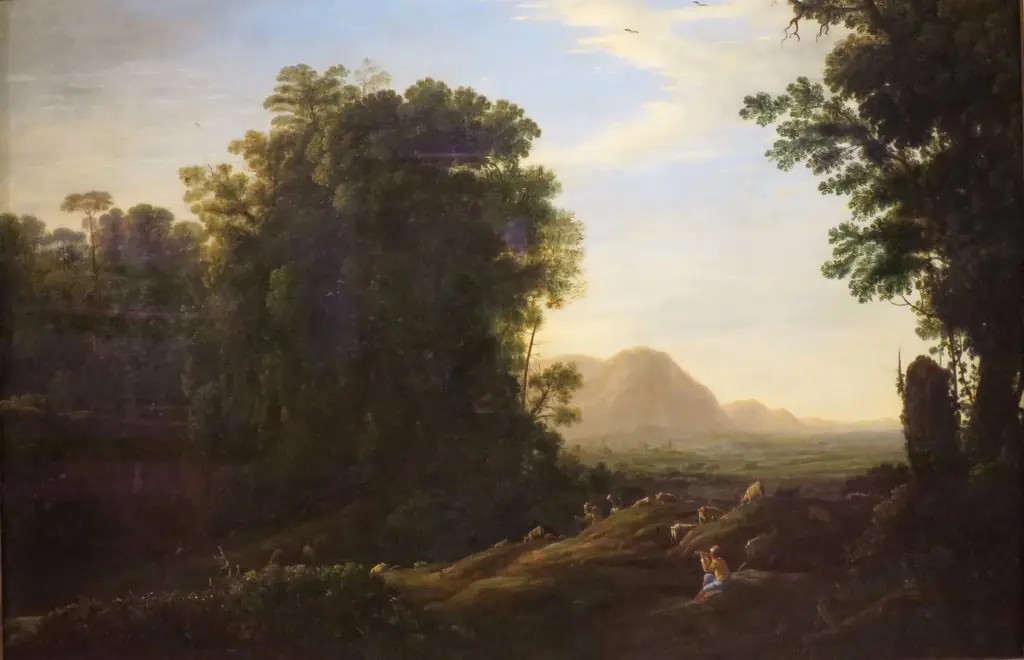 Landscape with a Piping Shepherd
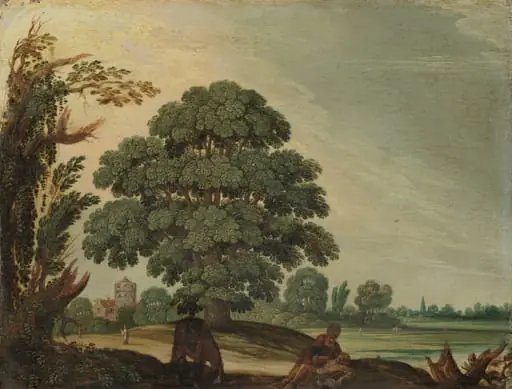 Landscape with the Good Samaritan
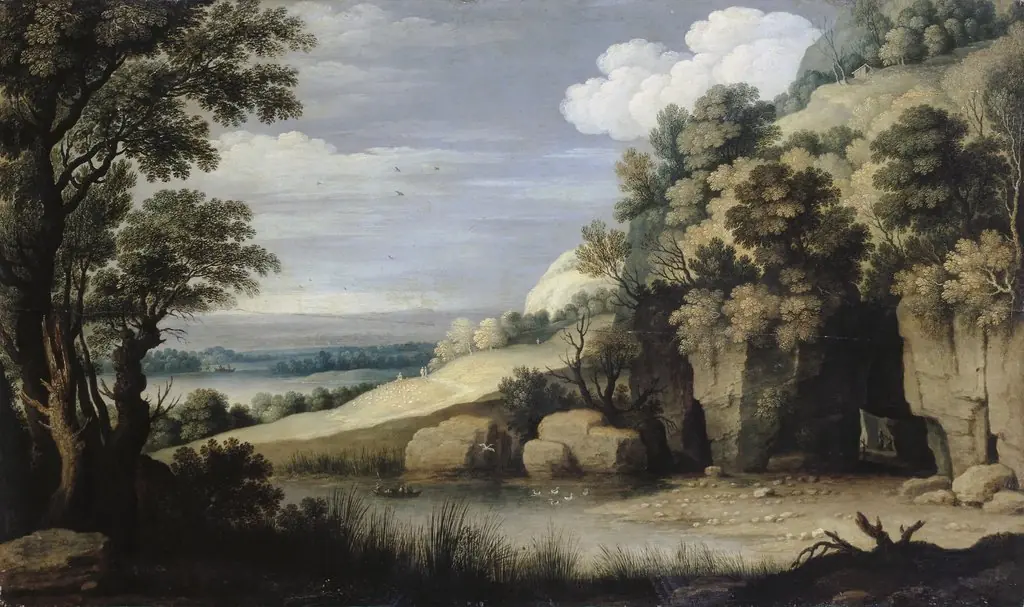 Landscape with a Lake
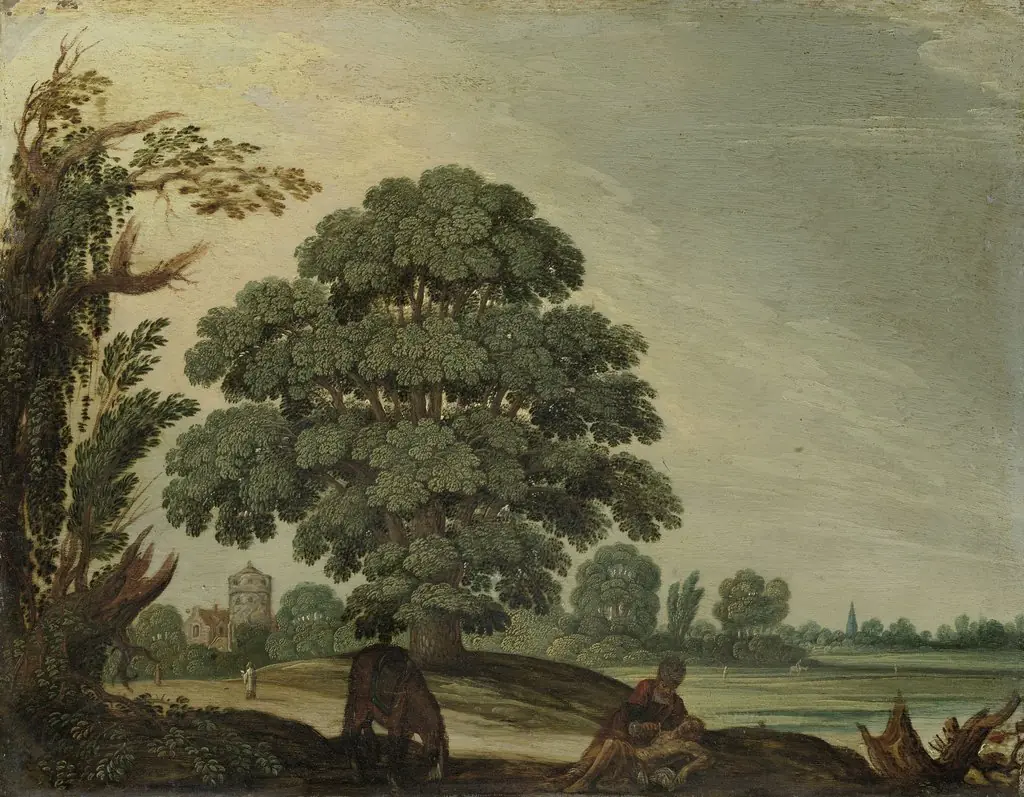 Landscape with the Good Samaritan
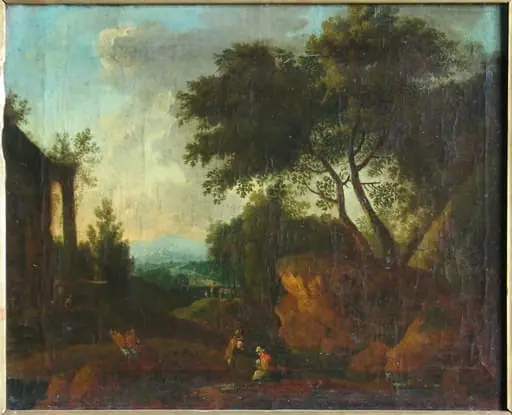 Peisaj cu copaci și ruine antice ; pandant: Peisaj cu copaci și pod
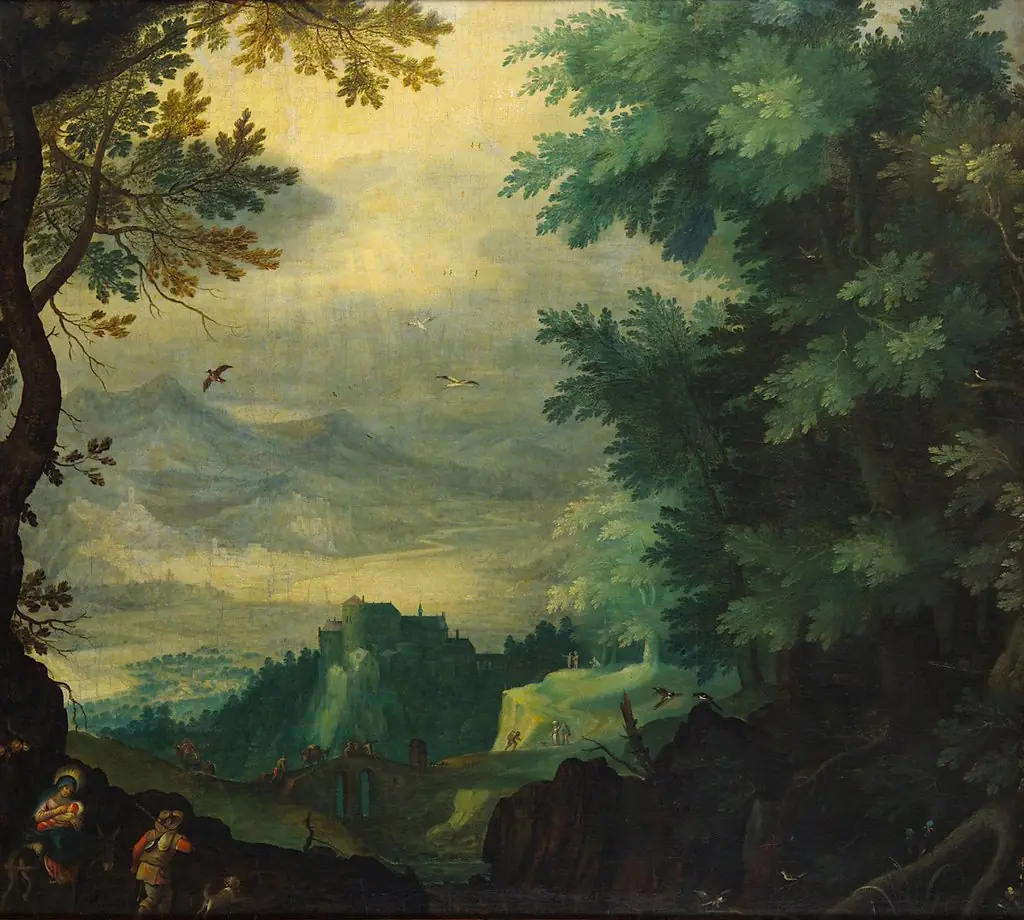 Landscape with the Flight into Egypt
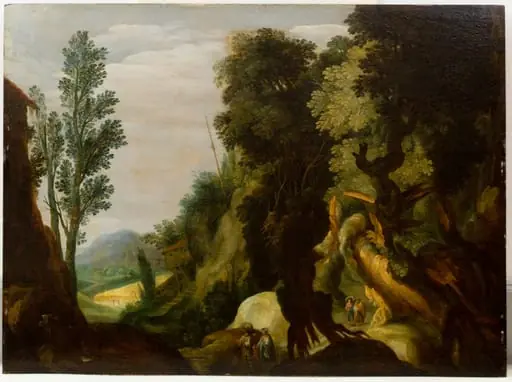 Felslandschaft
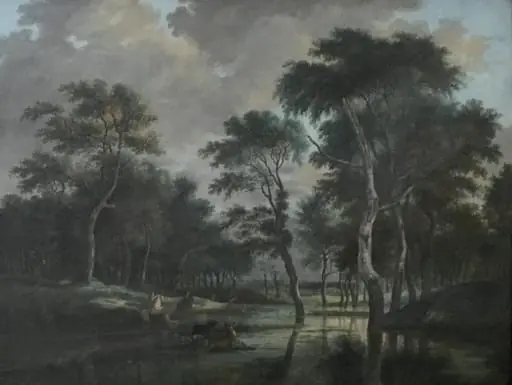 Die Hirschjagd
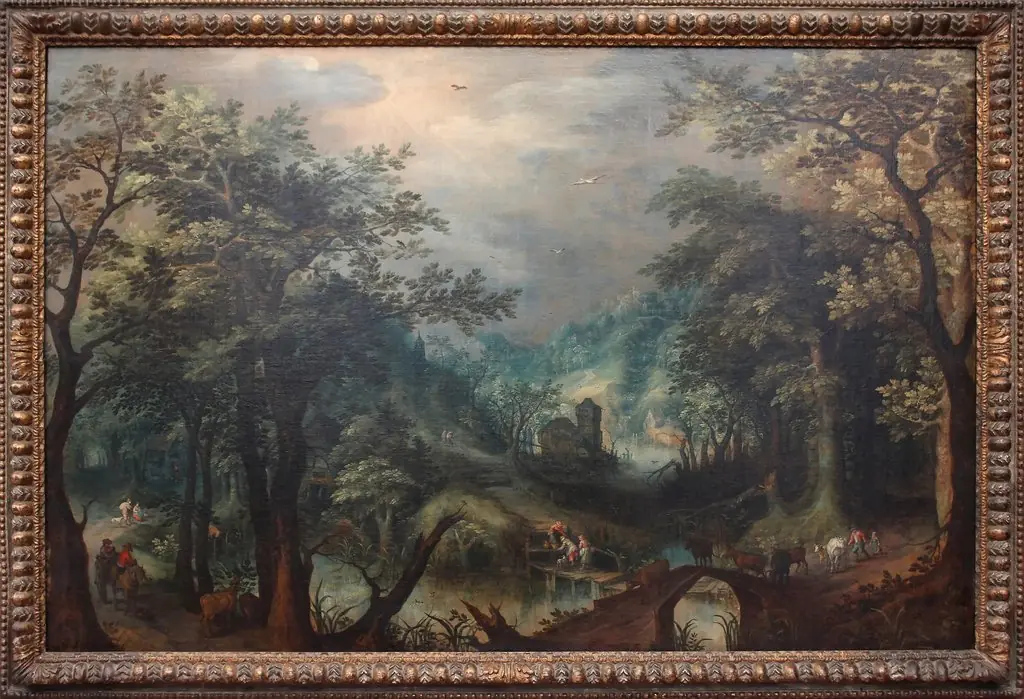 Wooded landscape with a river and cows on a bridge
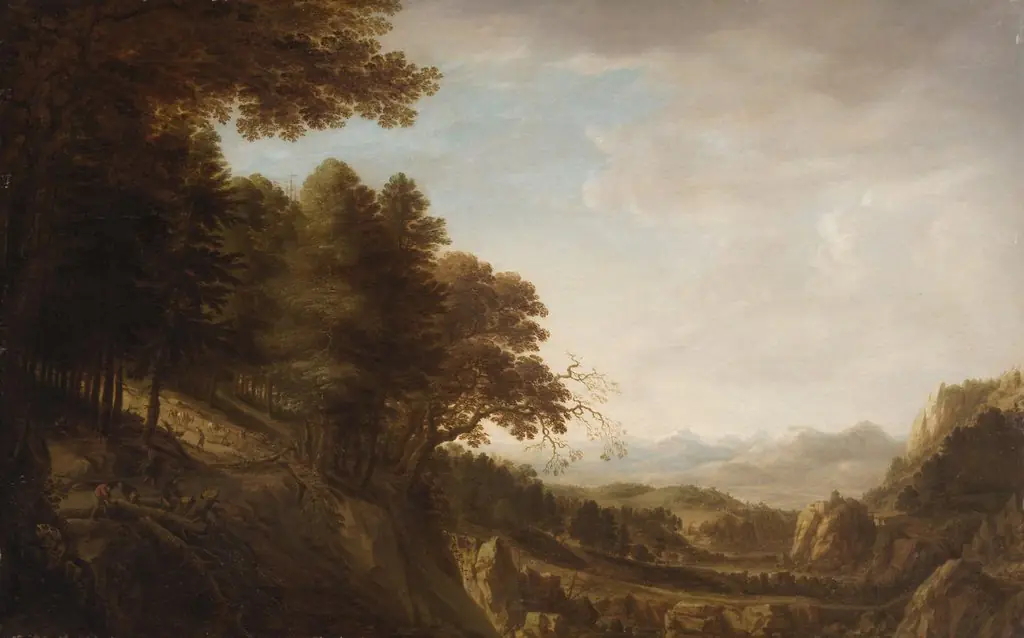 Wooded mountain landscape with lumberjacks
 Peisaj de pădure cu moară; pandant: Peisaj de pădure cu turn
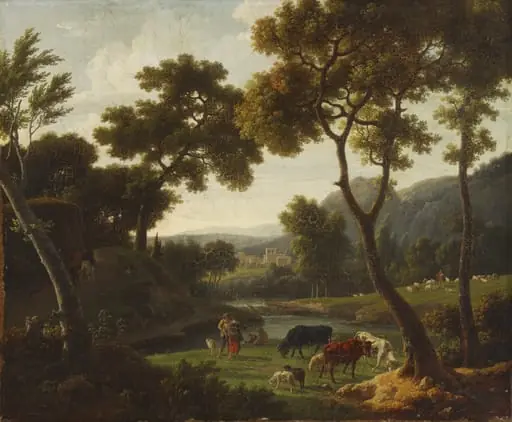 Ihanteellinen maisema