Artwork
Bernhard (1792-1862), hertog van Saksen-Weimar. Generaal in Nederlandse dienst
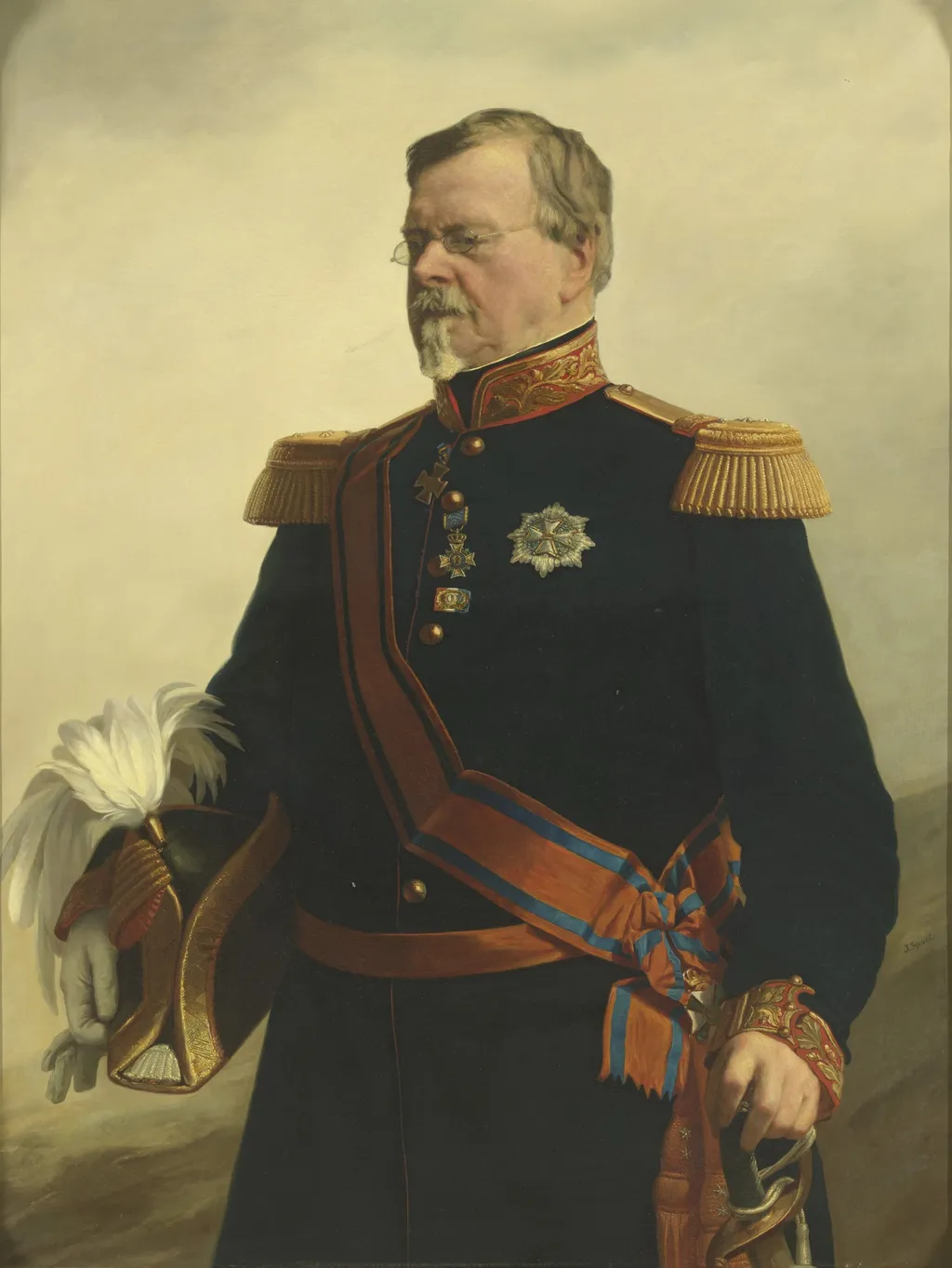
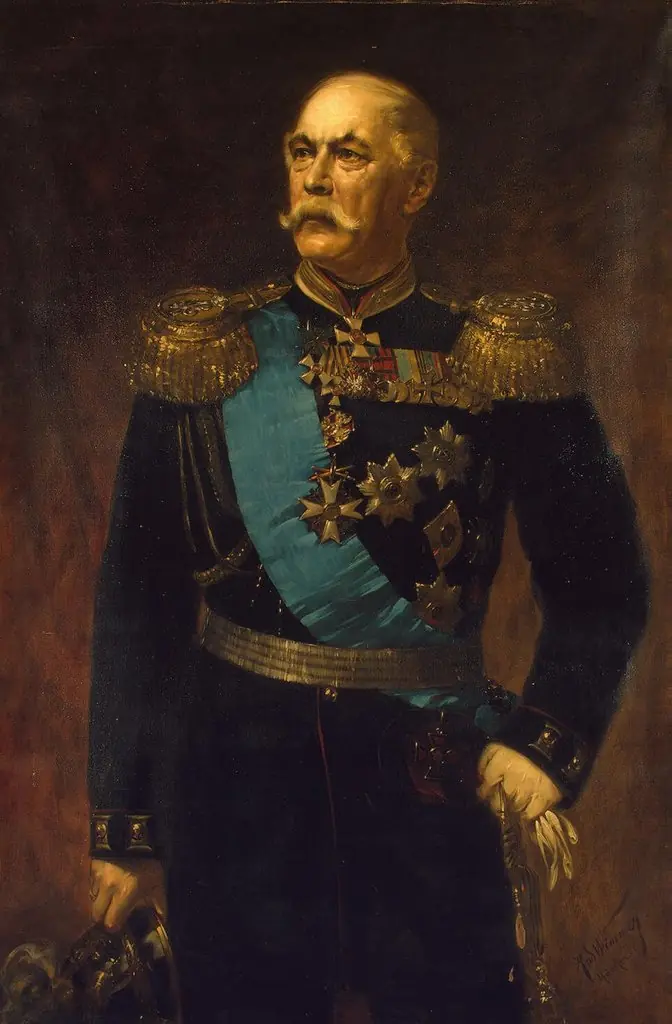
Bernhard (1792-1862), hertog van Saksen-Weimar. Generaal in Nederlandse dienst is an oil painting by Jacob Spoel. It dates from 1851 and is held in the collection of the Rijksmuseum.
About this work
Overview
Jacob Spoel’s 1851 oil portrait presents Bernhard (1792–1862), Duke of Saxe‑Weimar and a general who served in the Dutch army. The work is part of the Rijksmuseum’s collection and measures the typical dimensions of a mid‑nineteenth‑century official portrait.
Subject & Meaning
The sitter is shown in full dress uniform, his short‑cropped hair and neatly trimmed moustache framing a composed expression. A medal rests on his chest, indicating his rank and honors, while the sword he holds underscores his military role within the Netherlands.
Technique & Style
Spoel employs a restrained chiaroscuro, using the contrast between the dark, gold‑trimmed uniform and the softly lit background to model the figure’s volume. Fine brushwork renders the epaulets, red sash, and metal fittings with a tactile quality.
History & Provenance
Painted in 1851, the portrait entered the Rijksmuseum’s holdings as part of its effort to document notable figures in Dutch military history. No record of earlier private ownership is noted, suggesting it may have been commissioned for public display.
Context
During the mid‑1800s, portraits of foreign nobles who served in Dutch forces were common, reflecting the international nature of the kingdom’s officer corps. Bernhard’s status as a German duke serving the Netherlands exemplifies these cross‑national ties.
Own this work as a print
Artist & collection

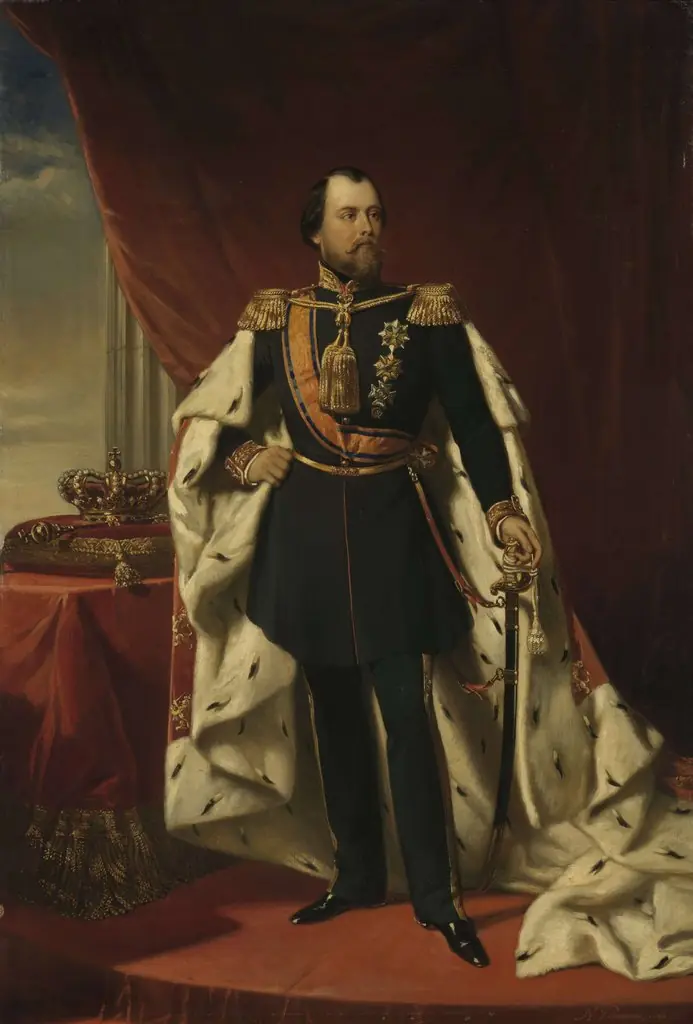 Portrait of William III, King of the Netherlands
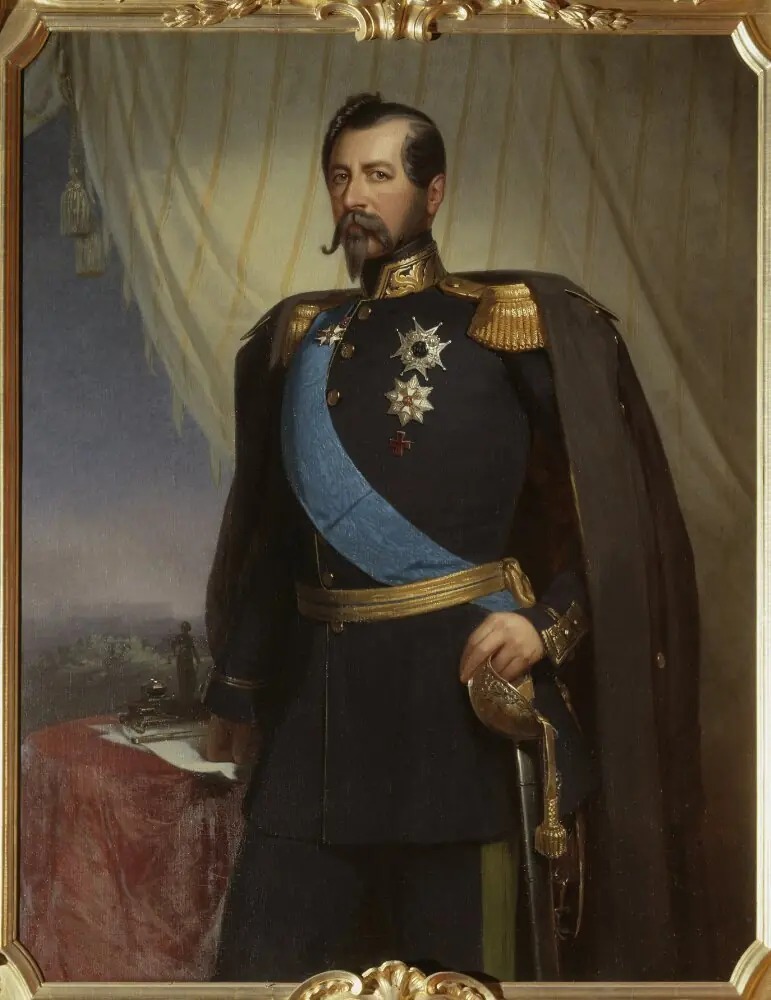 Oskar I, 1799-1859, konung av Sverige och Norge
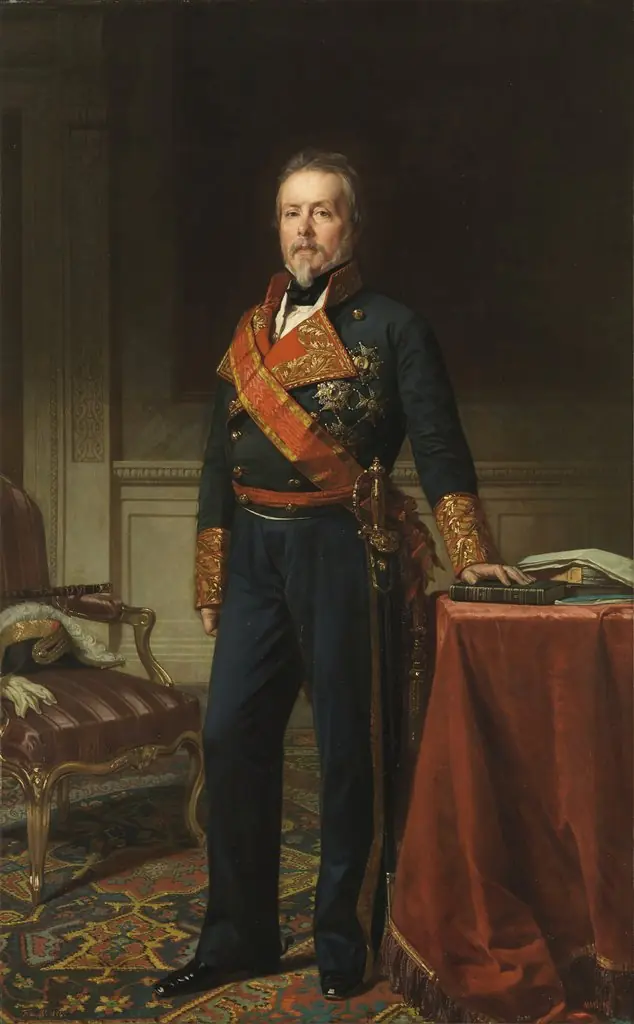 El general Evaristo Fernández San Miguel I duque de San Miguel
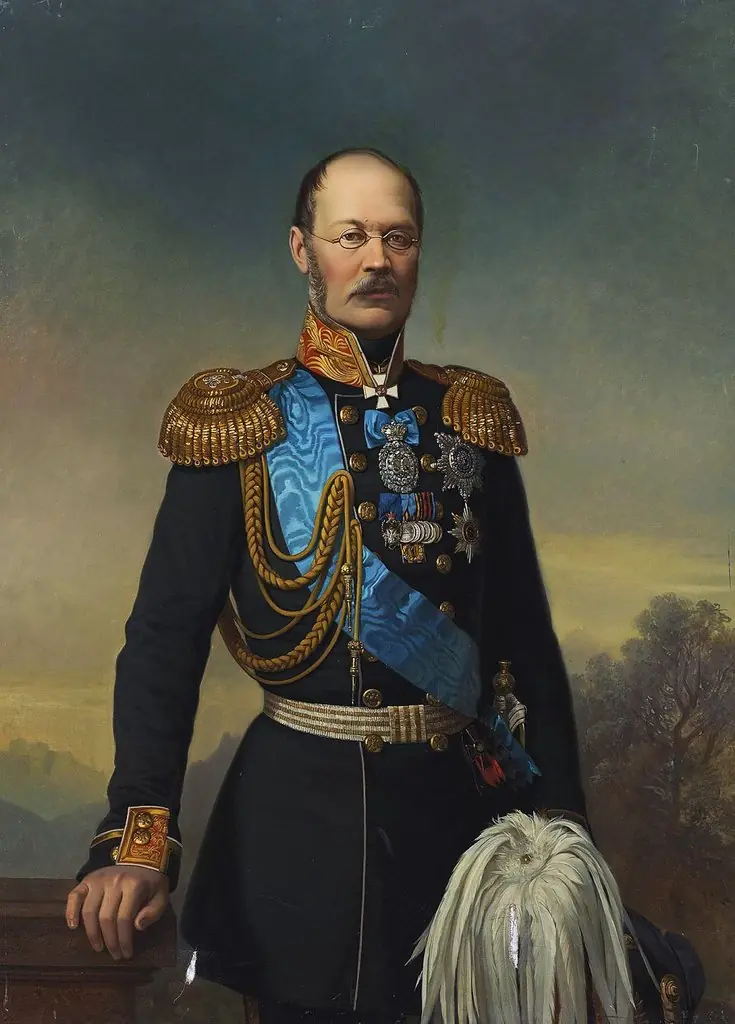 Portrait of Prince M.D. Gorchakov
 Antonie Frederick Jan Floris Jacob Baron van Omphal (1788-1863), Lieutenant General
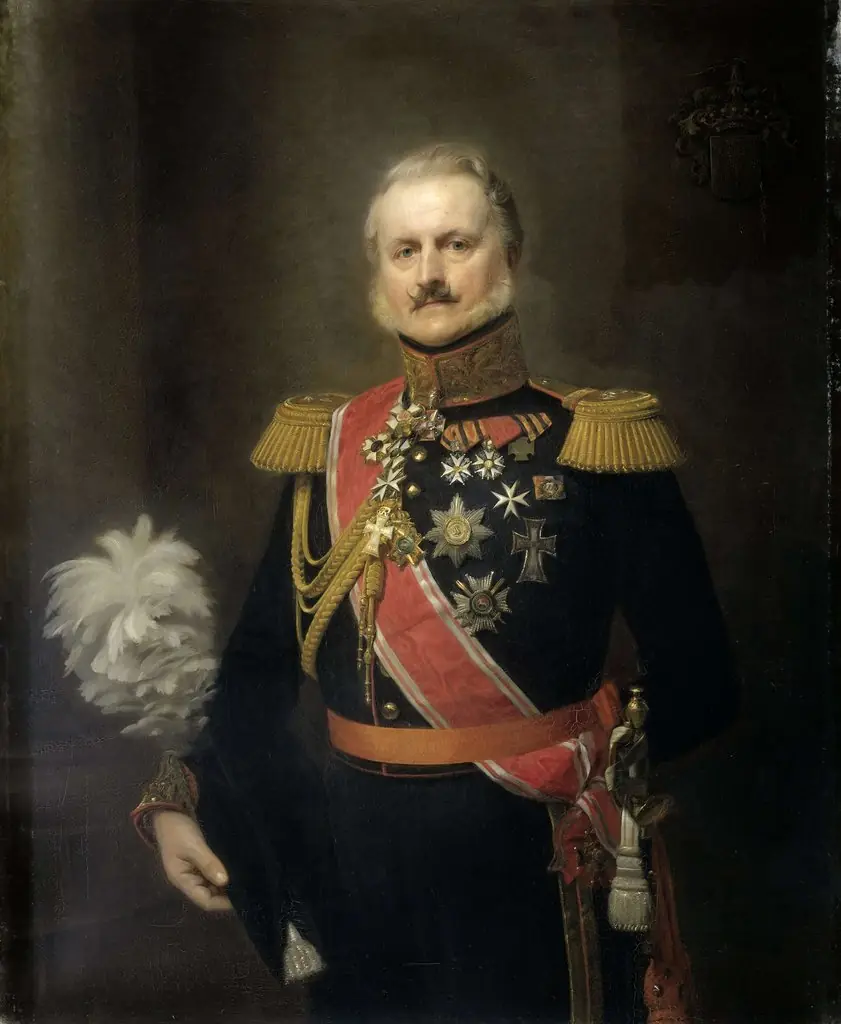 Portrait of Antonie Frederick Jan Floris Jacob Baron van Omphal (1788-1863), luitenant-generaal
 Portrait of Eduard I. Totleben