Artwork
Portrait of a Man with a Lute
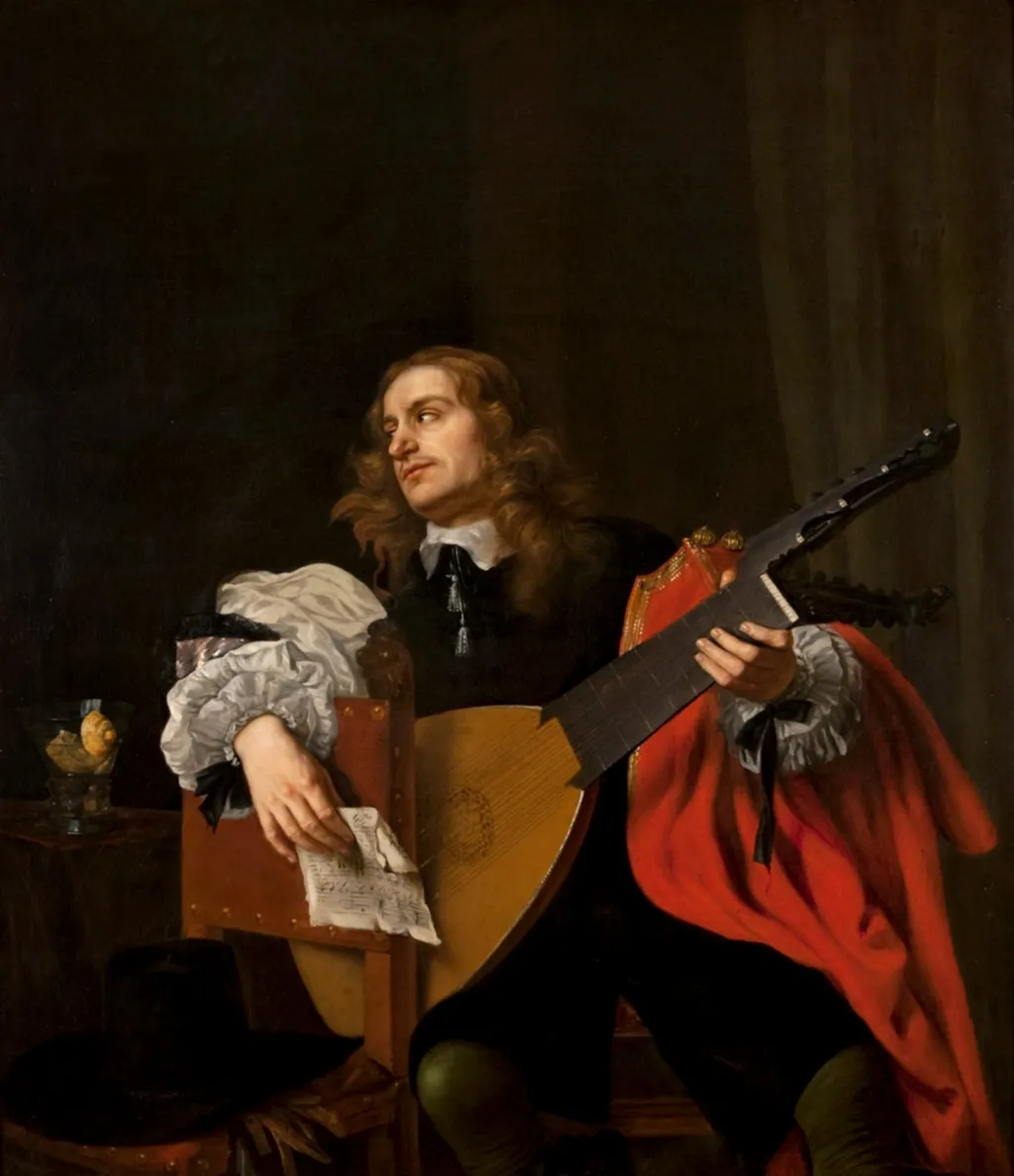
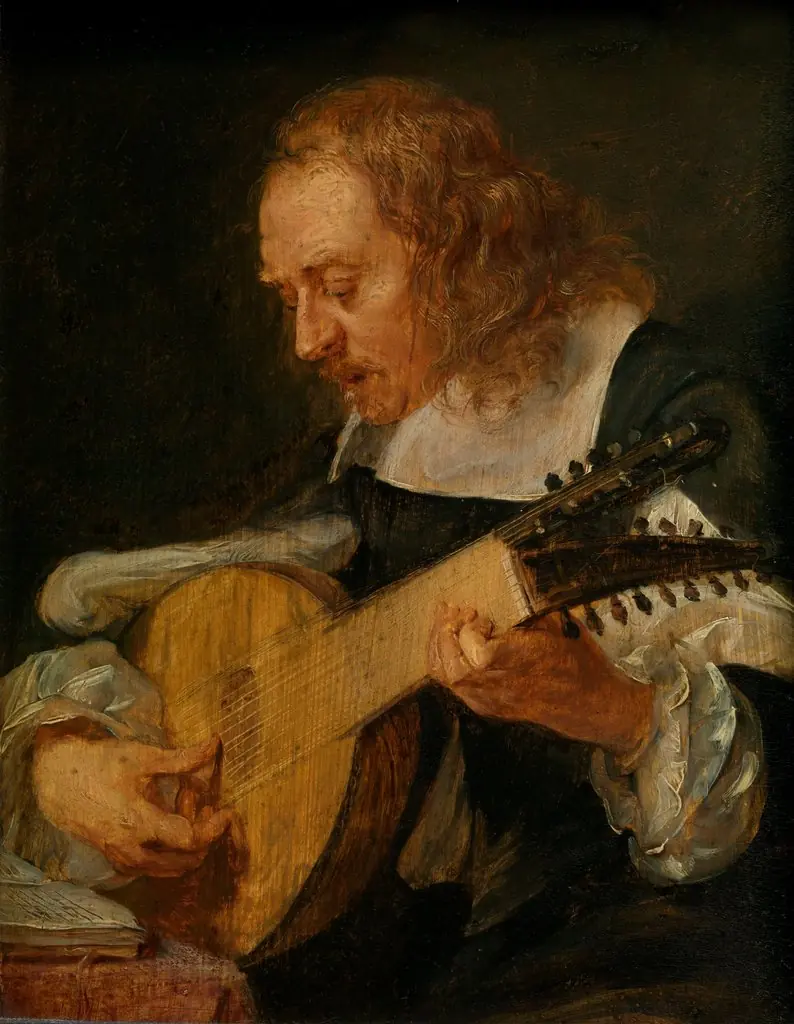
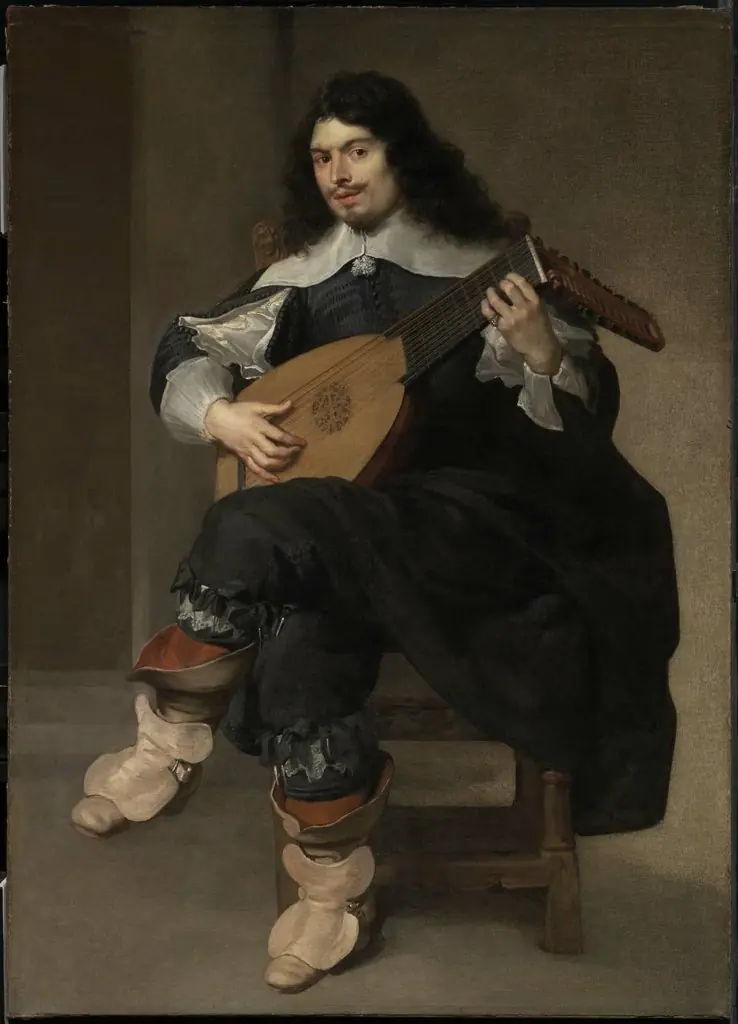
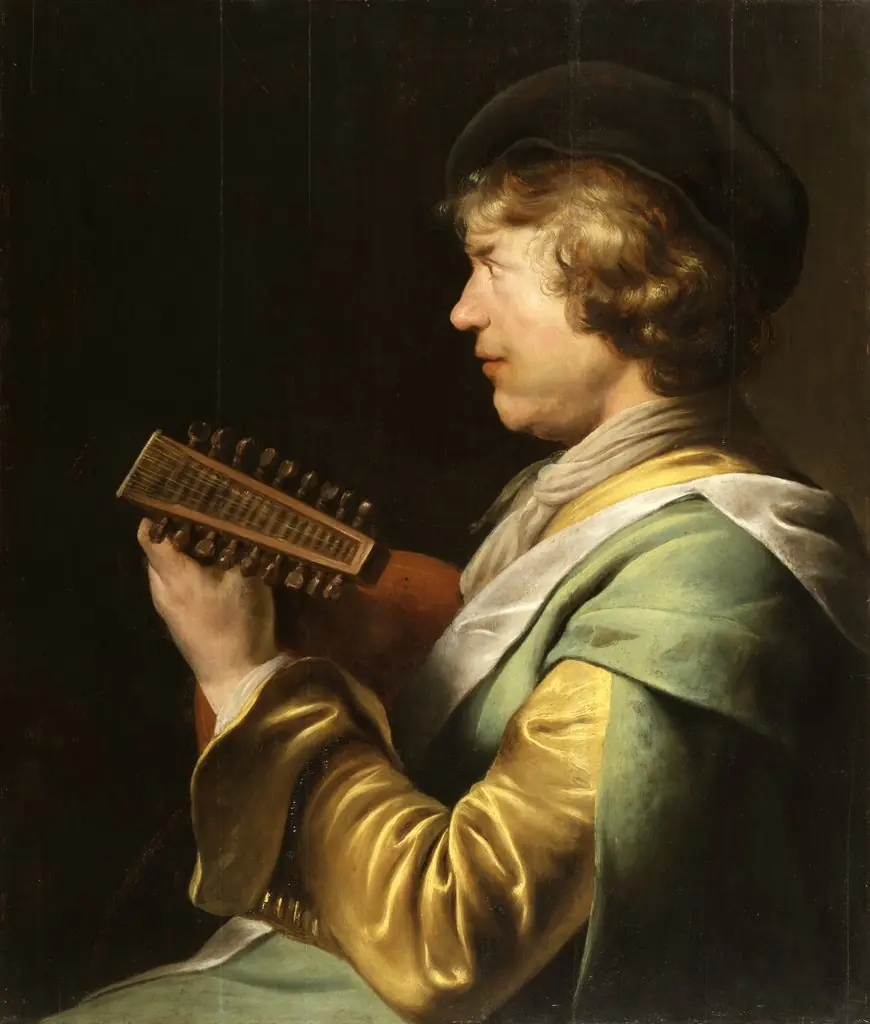
Portrait of a Man with a Lute is an oil painting by the Dutch Golden Age artist Jacob van Reesbroeck. It dates from 1657 and is held in the collection of the Kelvingrove Art Gallery and Museum.
About this work
Overview
Portrait of a Man with a Lute is a 1657 oil painting by Jacob van Reesbroeck, a Flemish artist from Antwerp known for portraiture, particularly among noble and aristocratic circles during the Dutch Golden Age.
Subject & Meaning
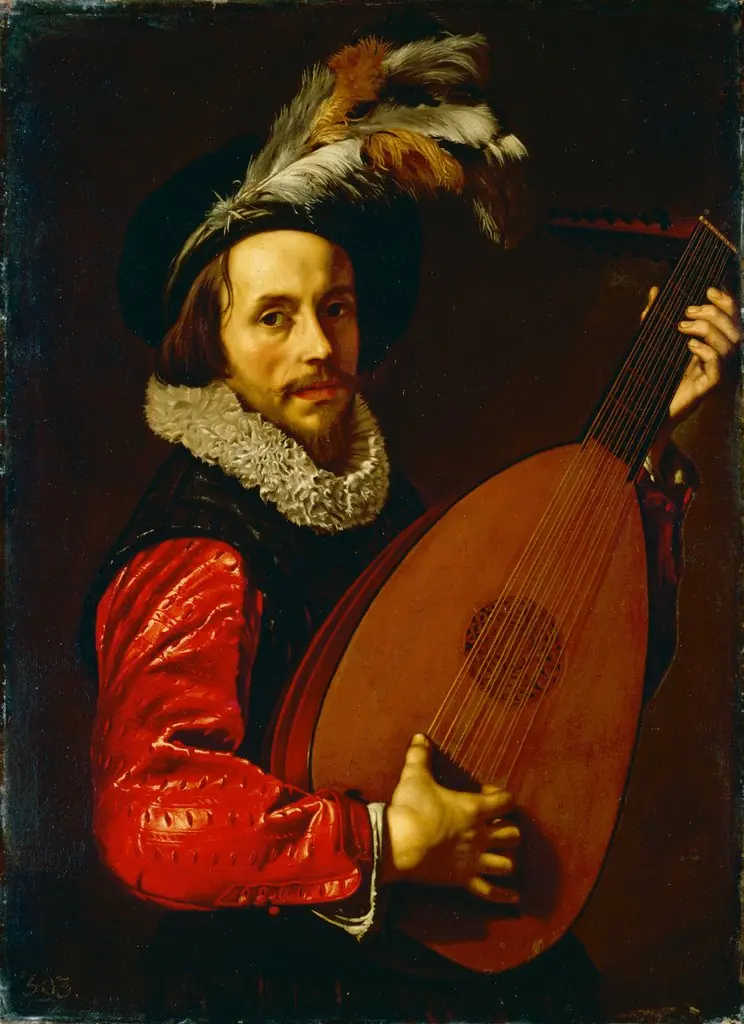
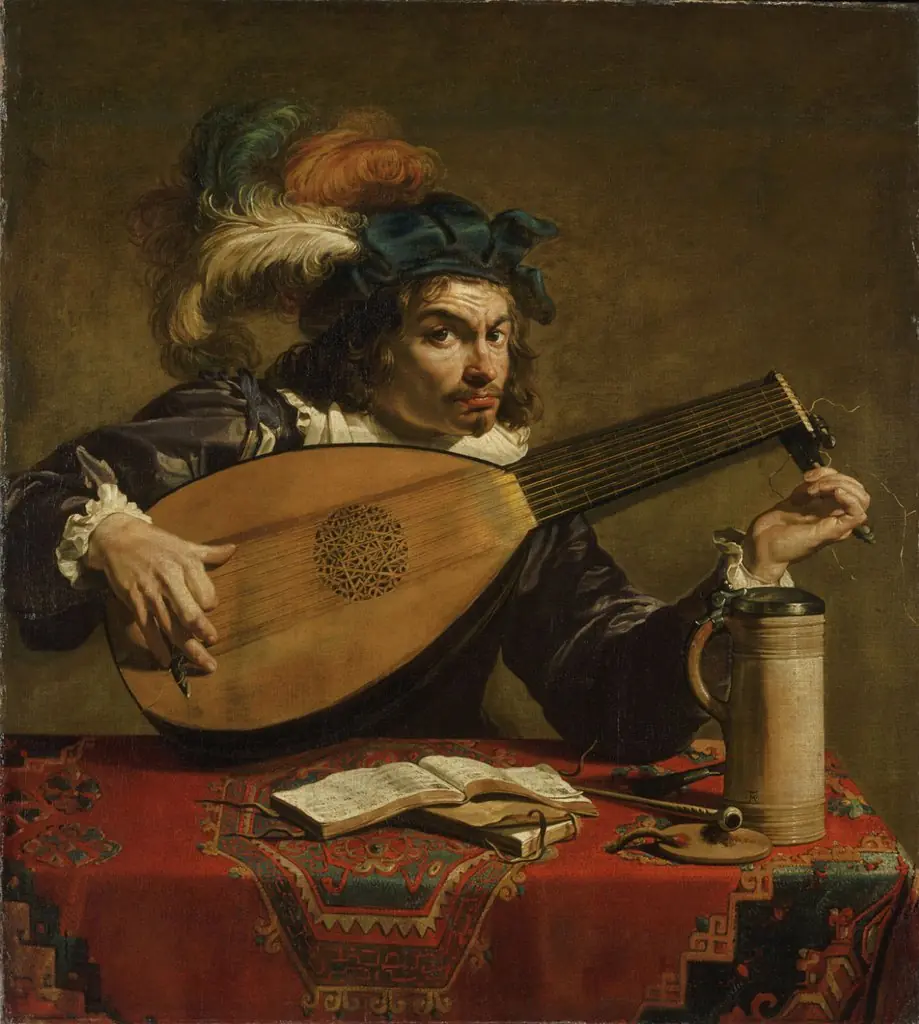
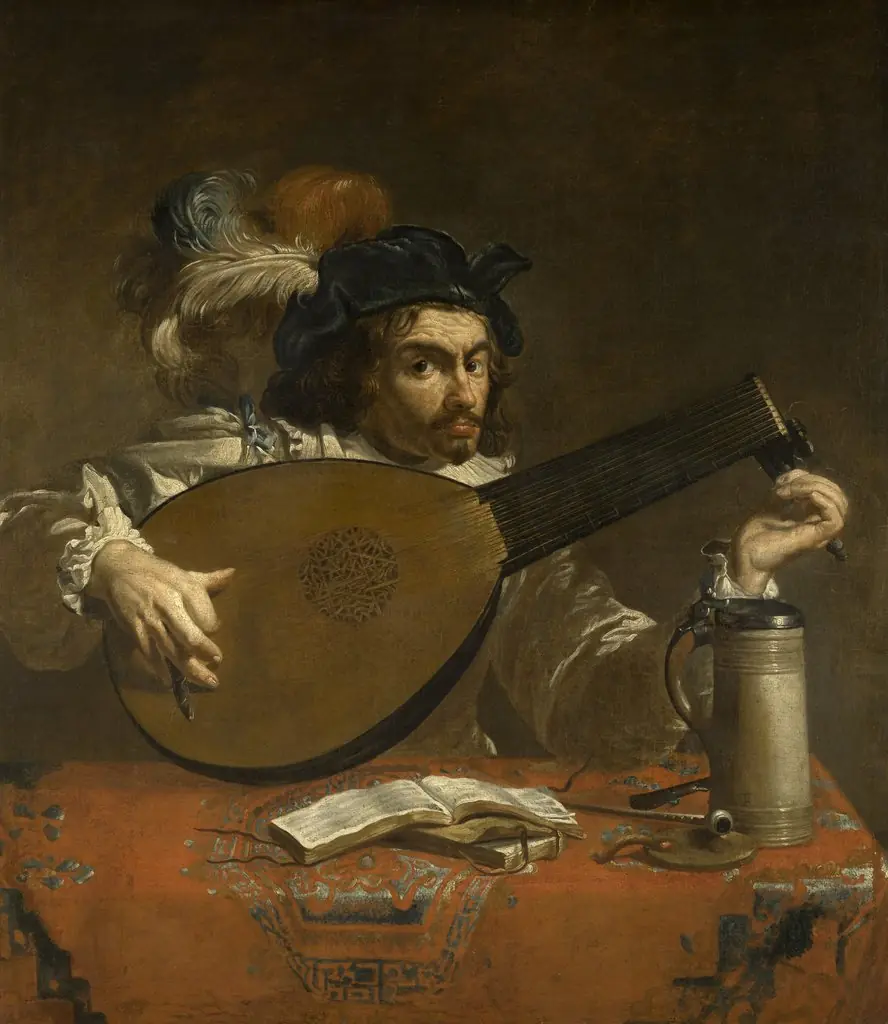
The subject, a man with long, wavy hair, is depicted in attire suggesting refinement, holding a lute and a paper, possibly a score or letter, conveying an air of musical inclination or contemplative leisure.
Technique & Style
The painting features a somber color palette with a dark background, accentuated by the vibrant red of the cape, and meticulous detail in the subject's clothing and the lute, characteristic of 17th-century Flemish portraiture.
History & Provenance
Created in 1657, the work is now part of the Kelvingrove Art Gallery and Museum's collection, though specific details of its journey there are not provided.
Context
The inclusion of a lute, a common symbol in 17th-century portraiture, signifies the subject's cultural sophistication and possible musical pursuits, aligning with the era's appreciation for the arts.
Own this work as a print
Artist & collection
Artist
Jacob van Reesbroeck or Jacob van Rysbroeck (c. 6 December 1620 – 27 February 1704) was a Flemish portrait painter and engraver from Antwerp whose patrons included prominent local families as well as foreign aristocrats and monarchs.