Artwork
Lute Player
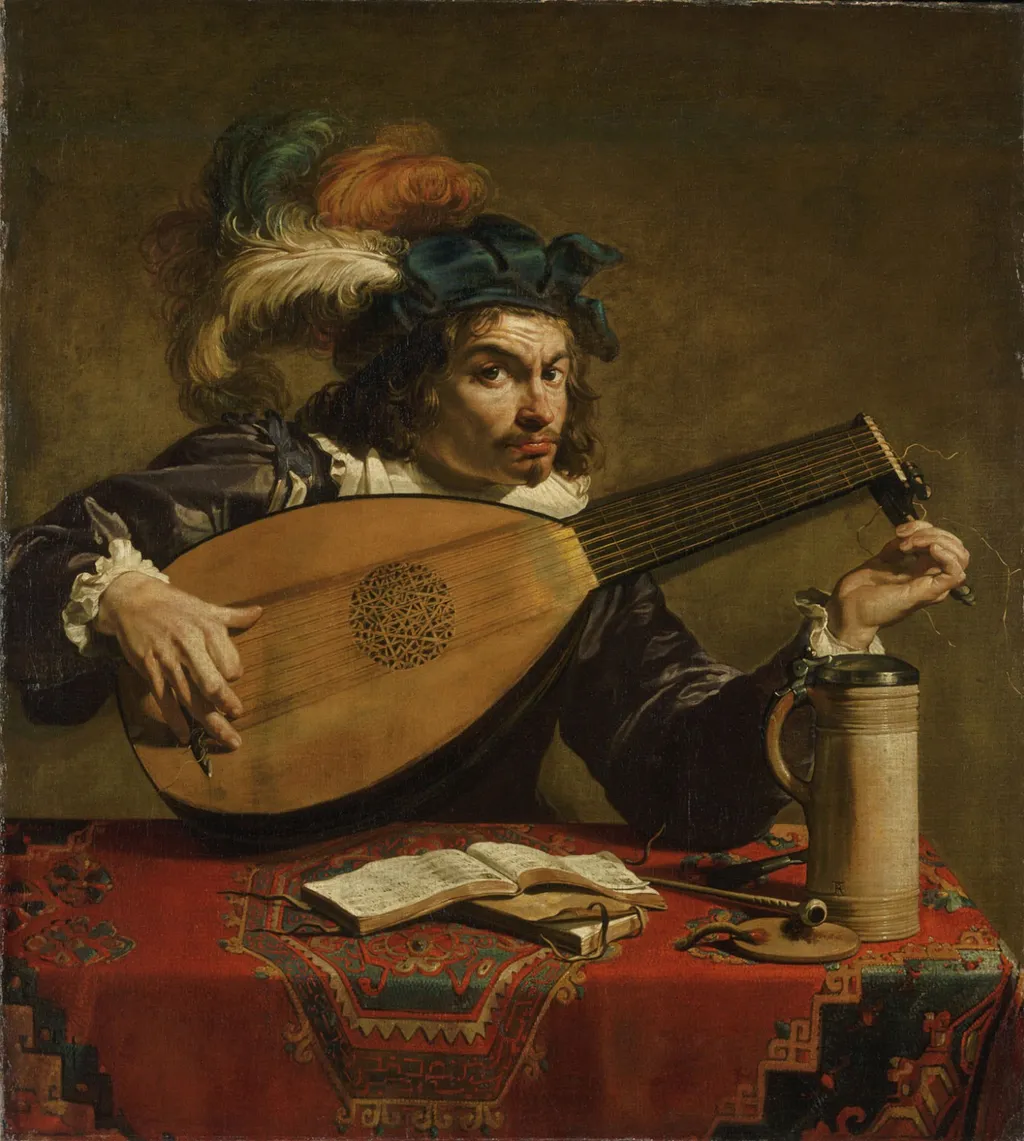
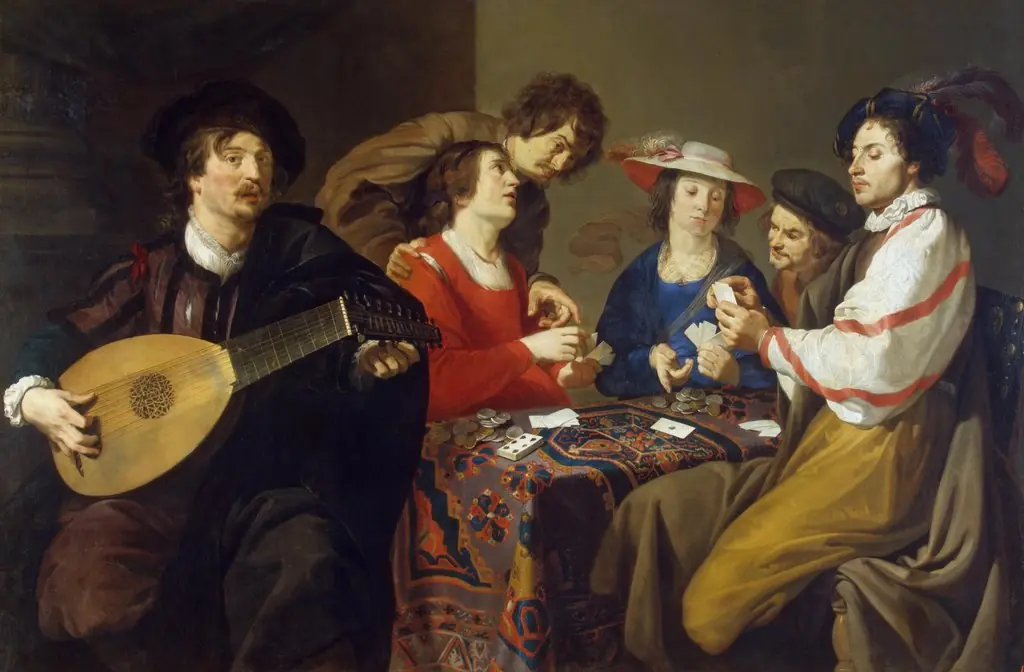
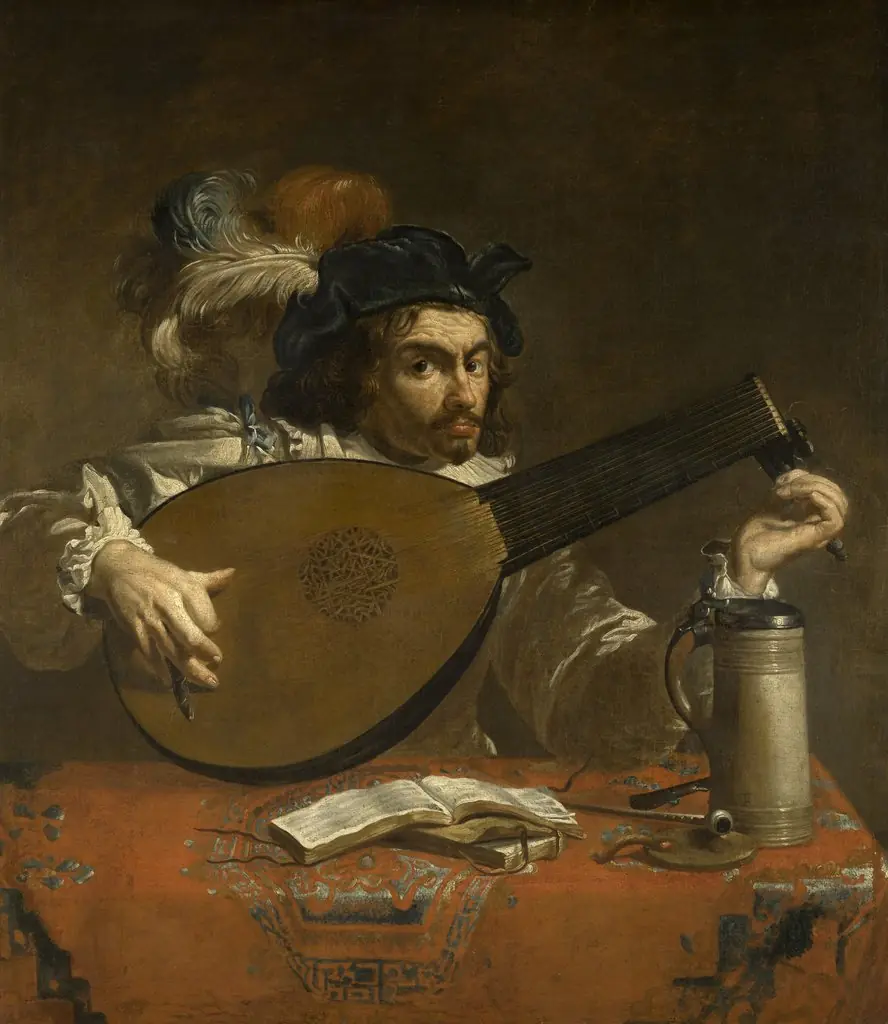
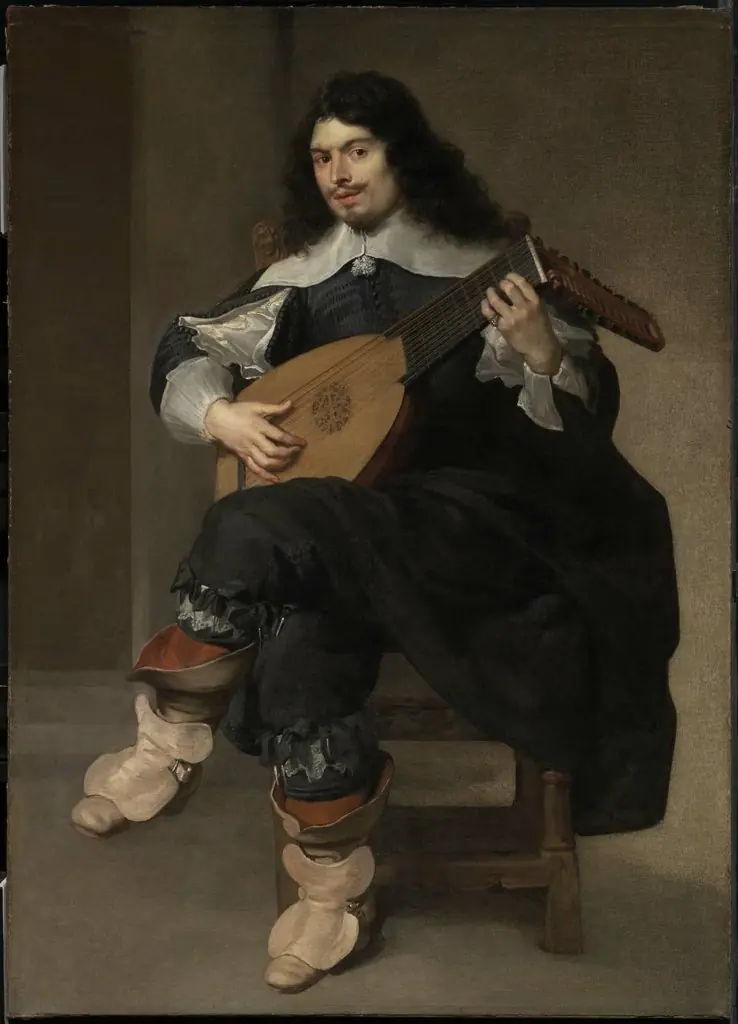
Lute Player is an oil painting by the Flemish Baroque painting artist Theodoor Rombouts. It dates from 1620 and is held in the collection of the Philadelphia Museum of Art.
About this work
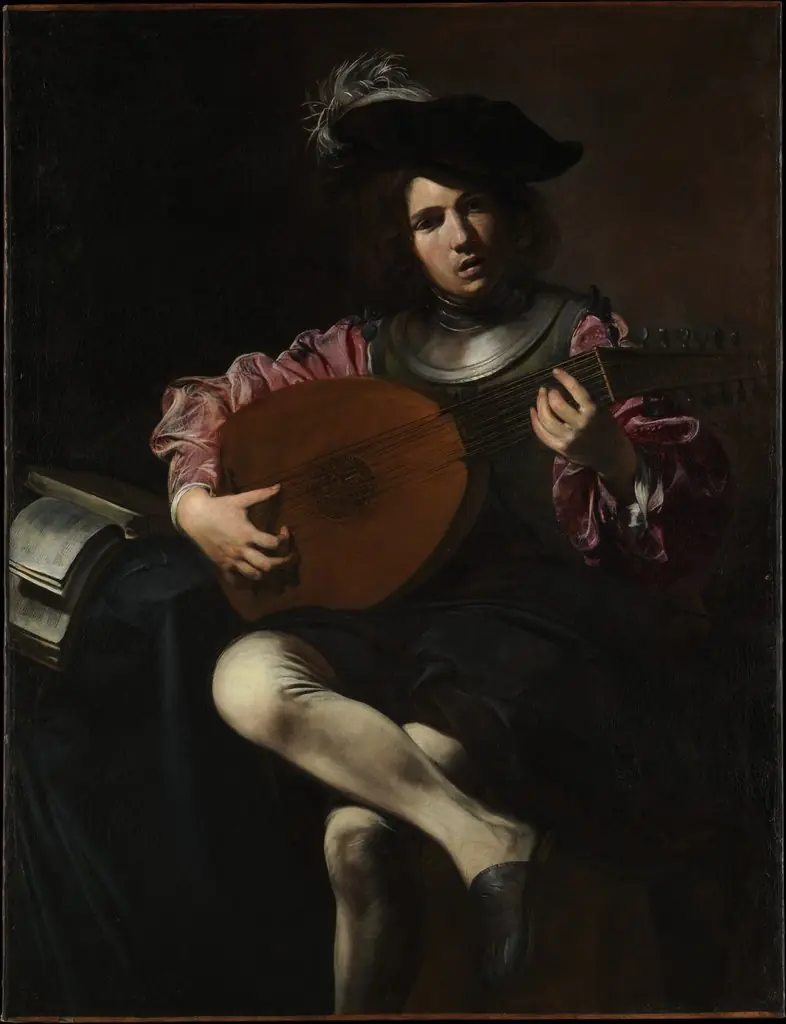
He wears a dark jacket and a feathered hat, holding the instrument with his left hand and plucking the strings with his right.
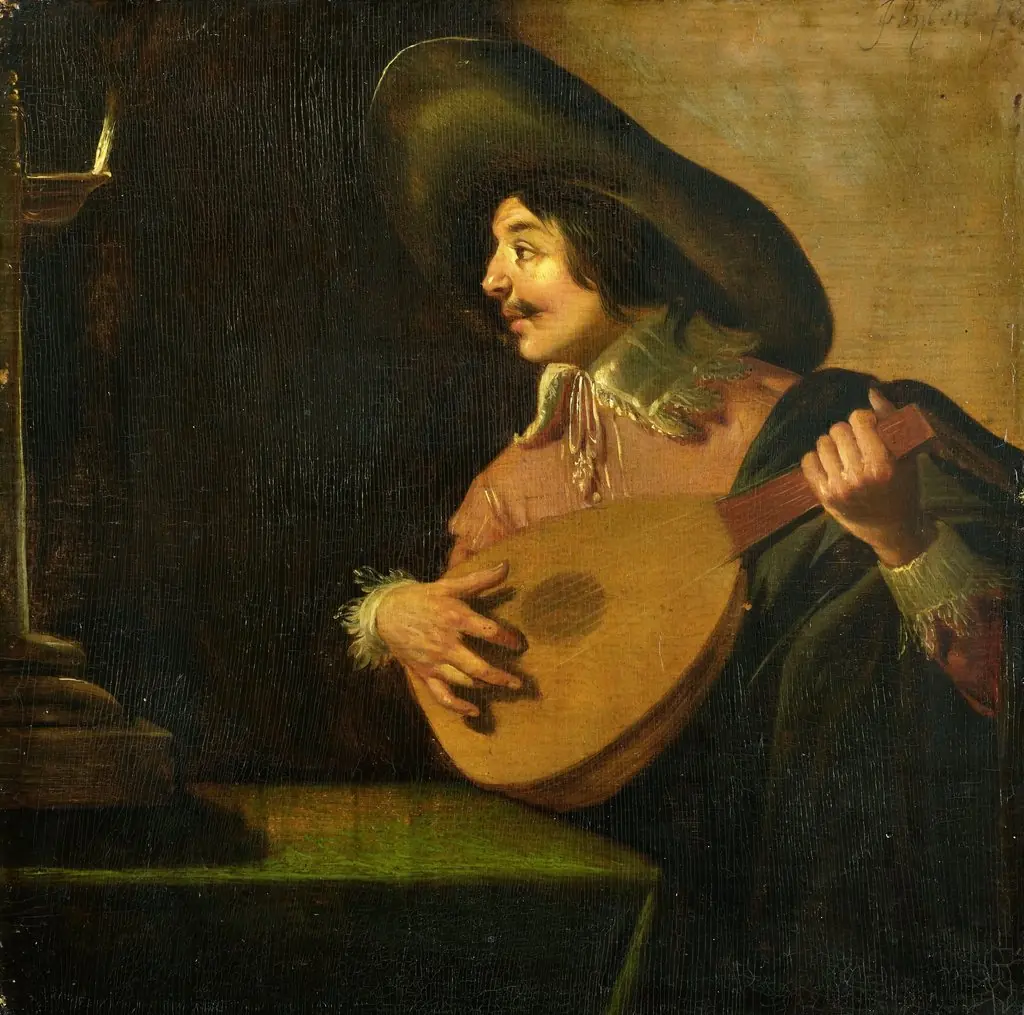
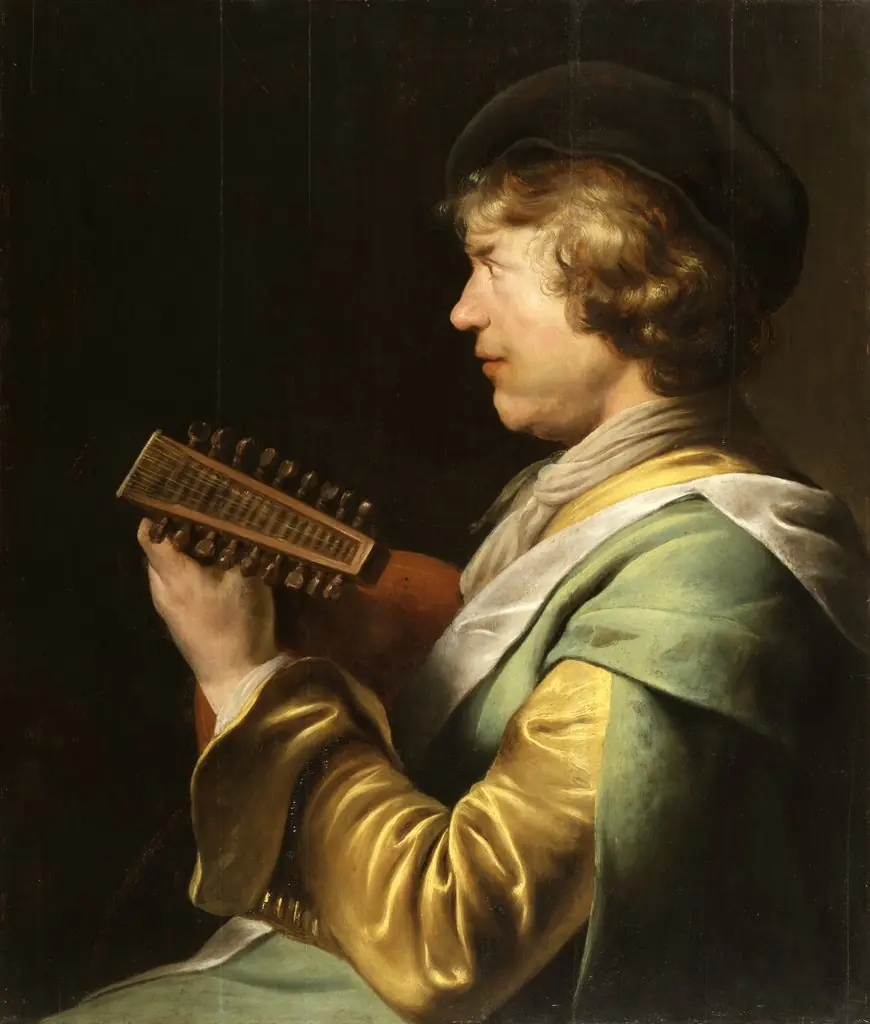
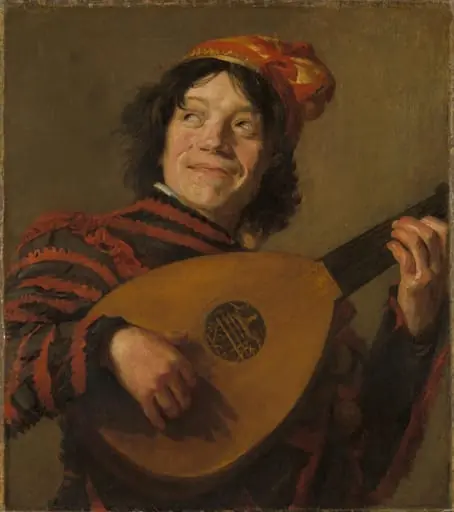
This painting depicts a man playing a lute, sitting at a table with a red patterned cloth. He wears a dark jacket and a feathered hat, holding the instrument with his left hand and plucking the strings with his right. The table holds an open book, a pipe, and a tankard.
The man's attire and the objects on the table suggest a scene from everyday life in the early 17th century. The painting's use of chiaroscuro creates a sense of depth and volume, drawing the viewer's attention to the subject.
If you're interested in learning more about the artist's use of chiaroscuro, look up the technique.
Overview
Created in 1620, *Lute Player* is an oil painting by Flemish artist Theodoor Rombouts. Executed during the early phase of the Flemish Baroque, the work presents a solitary musician absorbed in playing a lute. The composition is anchored by a table covered with a red‑patterned cloth, upon which a book, a pipe and a tankard lie, adding domestic detail to the scene.
Subject & Meaning
The central figure is a man in a dark jacket and feathered hat, holding the lute with his left hand while his right hand plucks the strings. The inclusion of everyday objects—book, pipe, tankard—suggests a genre scene that captures a moment of private leisure, reflecting the 17th‑century interest in portraying ordinary activities with a sense of intimacy.
Technique & Style
Rombouts employs a pronounced chiaroscuro, modeling the figure with strong contrasts of light and shadow that give the body and instrument a three‑dimensional presence. The handling of oil paint emphasizes realistic texture in the fabrics, wood, and metal, while the dynamic arrangement of the lute and surrounding items creates a sense of movement within the stillness of the interior.
History & Provenance
Theodoor Rombouts, known for adapting Caravaggio’s dramatic lighting to Flemish genre subjects, produced *Lute Player* as part of his broader output of Caravaggesque works. Although specific ownership records are scarce, the painting remains a representative example of Rombouts’ early Baroque period, illustrating his contribution to the diffusion of Italian chiaroscuro techniques across Northern Europe.
Own this work as a print
Artist & collection
Artist
Theodoor Rombouts (2 July 1597 – 14 September 1637) was a Flemish painter who is mainly known for his Caravaggesque genre scenes depicting lively dramatic gatherings as well as religiously themed works.