Artwork
Lute Player
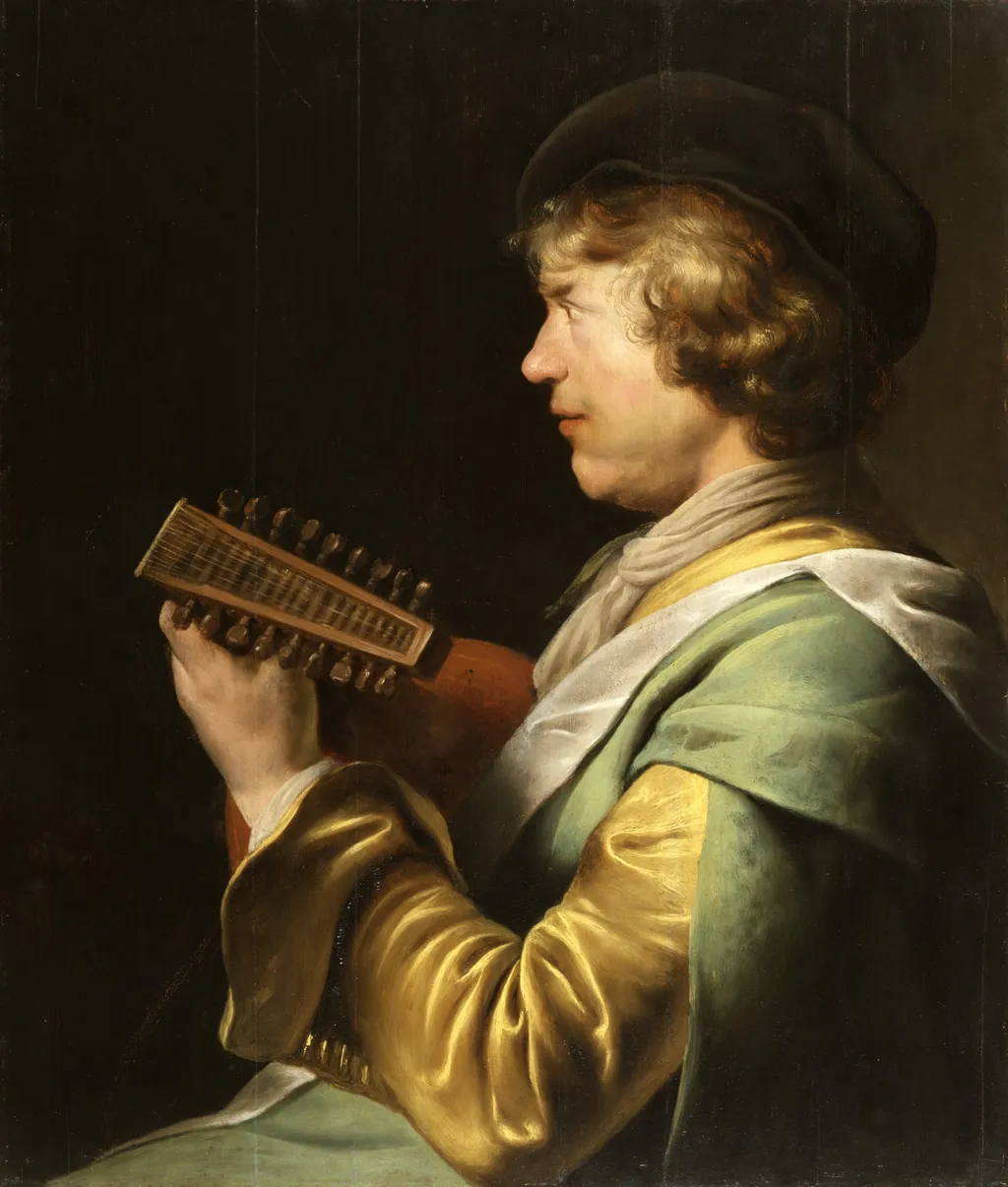
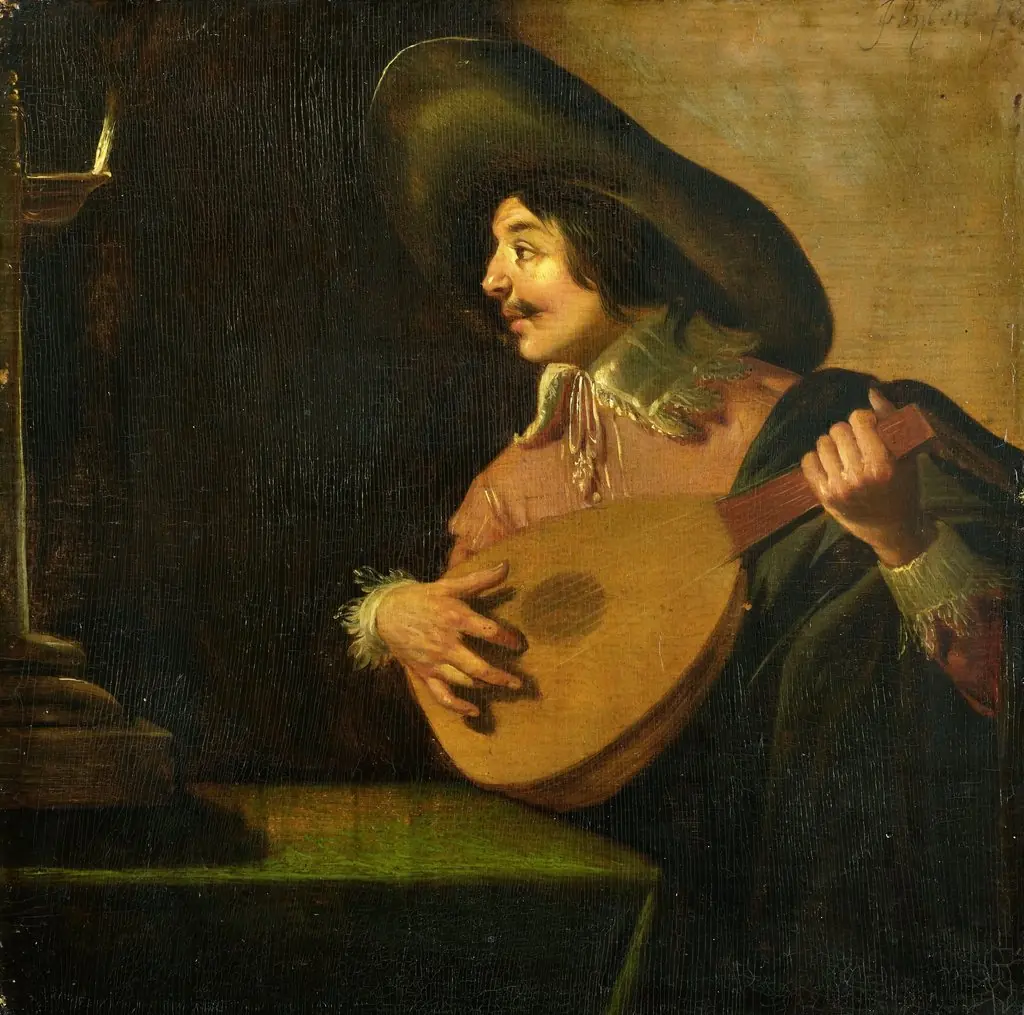
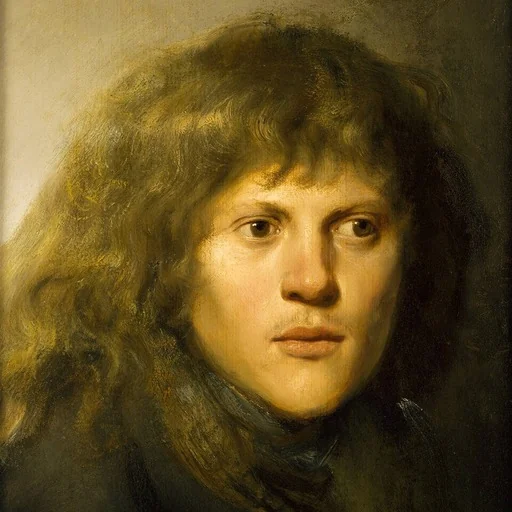
Lute Player is an oil painting by the Dutch Golden Age artist Jan Lievens. It dates from 1629 and is held in the collection of the Walters Art Museum.
About this work
Overview
Painted in 1629 by Jan Lievens, *Lute Player* is an oil-on-canvas portrait capturing a solitary musician engaged in quiet performance.
Painted in 1629 by Jan Lievens, *Lute Player* is an oil-on-canvas portrait capturing a solitary musician engaged in quiet performance. Lievens, a Dutch artist from Leiden, was closely linked to Rembrandt in his early years, sharing a studio and stylistic influences. The work reflects his mastery of intimate genre scenes during his formative period, before he traveled widely across Europe. It now resides in the Walters Art Museum as part of its European painting collection.
Subject & Meaning
The subject is a man absorbed in playing the lute, his gaze lowered, fingers delicately plucking the strings. His posture suggests introspection rather than public performance, evoking a private moment of musical reflection. The absence of narrative context or symbolic objects shifts focus to the act of playing itself, emphasizing stillness and concentration. The figure’s identity remains unknown, reinforcing the universal quality of solitary artistic expression.
Technique & Style
Lievens employs chiaroscuro to model the figure against a deep, unbroken background, with light subtly falling from the left to highlight the musician’s face, hands, and the lute’s carved surface. The brushwork is precise yet fluid, particularly in the rendering of fabric folds and the instrument’s intricate wood grain. The lute’s strings and inlays are rendered with meticulous attention, anchoring the composition in tactile realism while enhancing the sense of quiet intimacy.
History & Provenance
Created during Lievens’s early career in Leiden, the painting emerged from a period of intense collaboration with Rembrandt, before he established his own artistic path. It remained in private collections in the Netherlands and later passed into the Walters Art Museum’s holdings, where it has been documented since the early 20th century. Its provenance reflects the broader circulation of Dutch Golden Age works among collectors in Europe and America.
Context
In early 17th-century Holland, depictions of musicians were common, often symbolizing harmony, virtue, or the passage of time. Lievens’s approach diverged from theatrical portrayals by focusing on understated realism. His work responded to a growing market for intimate, psychologically nuanced portraits, aligning with broader trends in Dutch art that valued quiet observation over grandeur or allegory.
Legacy
Though less widely known than Rembrandt, Lievens’s *Lute Player* exemplifies the technical finesse and emotional restraint characteristic of his early style. The painting contributes to the understanding of how Dutch artists explored individual subjectivity through everyday acts. Its preservation in a major American museum ensures continued scholarly and public engagement with his contribution to the Northern Renaissance tradition.
Own this work as a print
Artist & collection
Artist
Jan Lievens (24 October 1607 – 4 June 1674) was a Dutch Golden Age painter who was associated with his close contemporary Rembrandt, a year older, in the early parts of their careers.