Artwork
Paul and Barnabas at Lystra
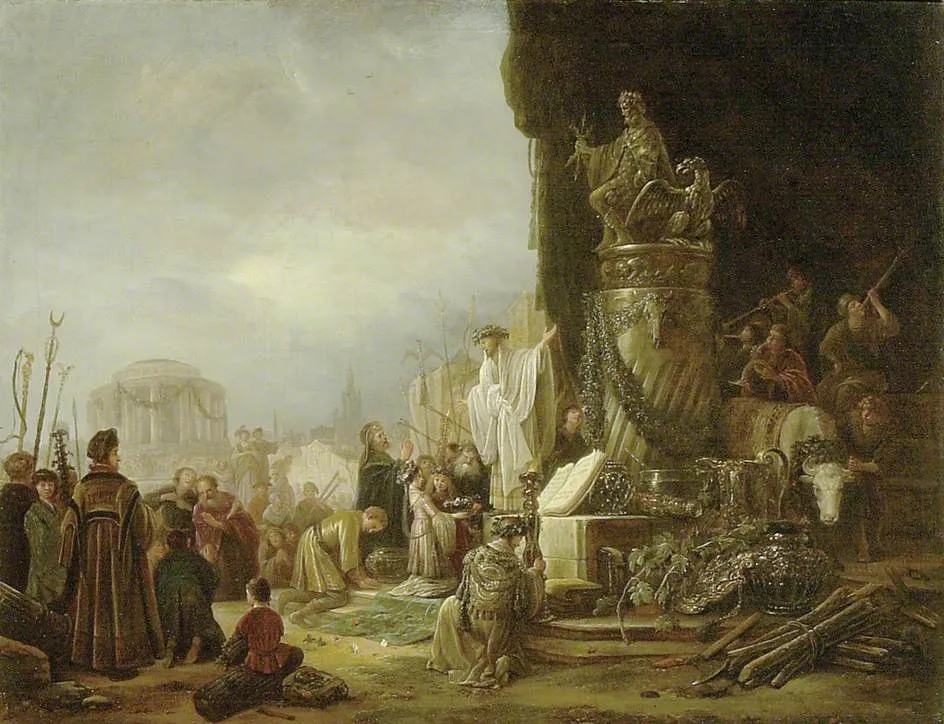
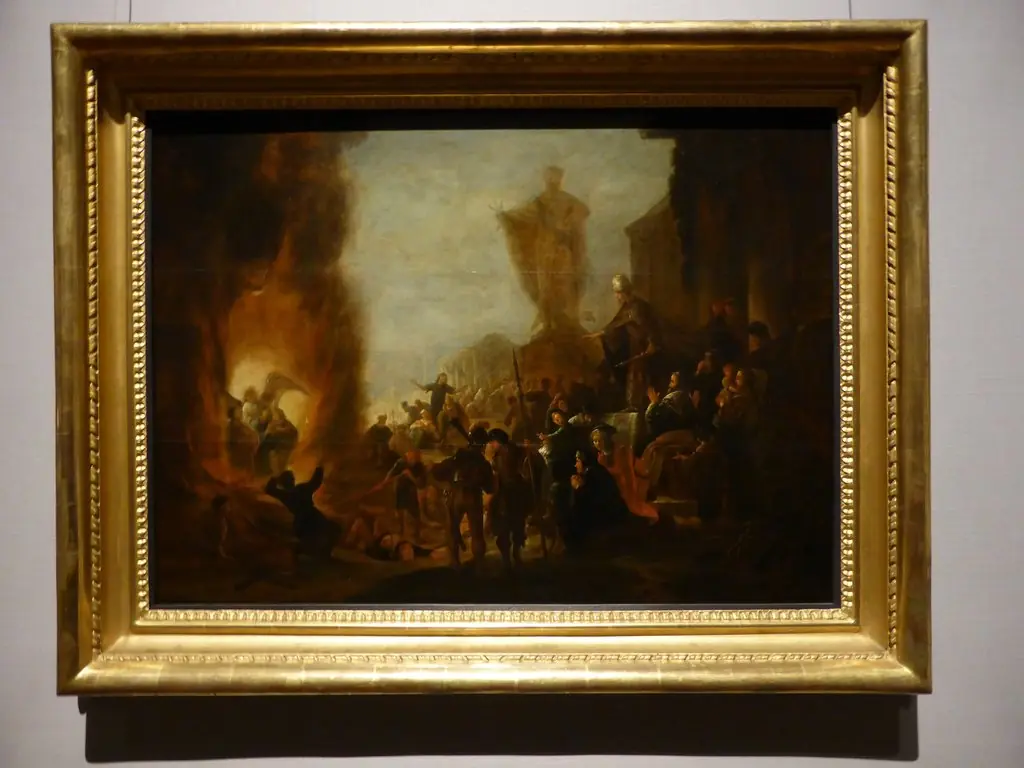
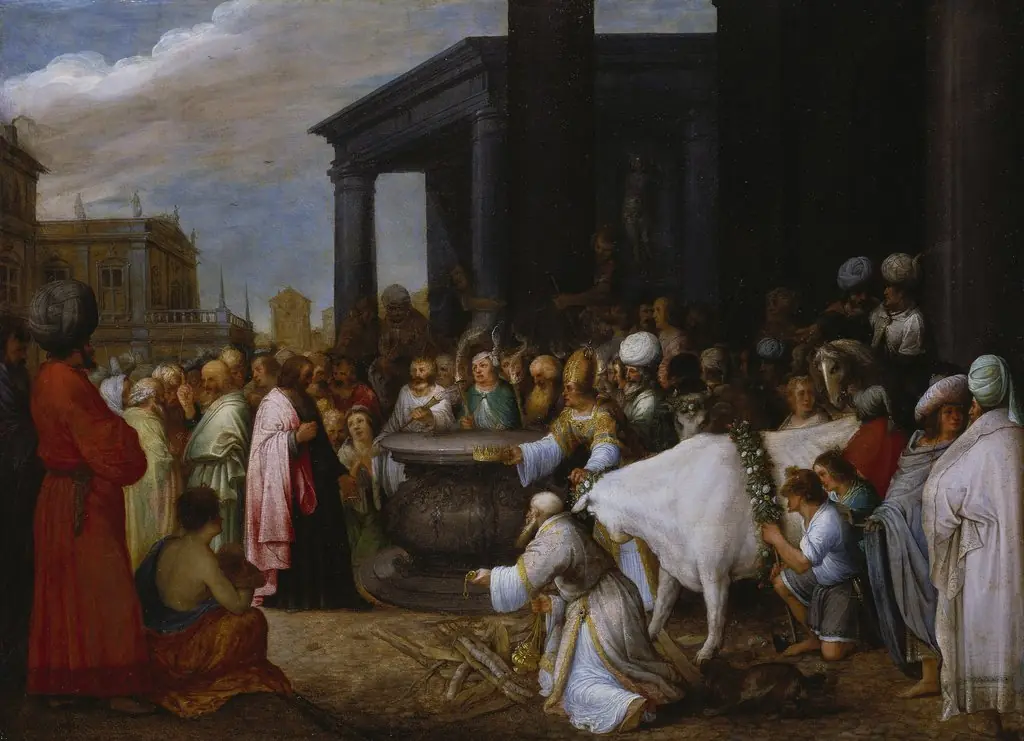
Paul and Barnabas at Lystra is an oil painting by Jacob Willemsz de Wet. It dates from 1652 and is held in the collection of the Ashmolean Museum.
About this work
Overview
Painted around 1652 by Dutch artist Jacob Willemsz de Wet, this oil on canvas work illustrates a moment from the Acts of the Apostles.
Painted around 1652 by Dutch artist Jacob Willemsz de Wet, this oil on canvas work illustrates a moment from the Acts of the Apostles. De Wet, active during the Dutch Golden Age, was influenced by Rembrandt’s approach to light and emotional intensity. The painting is part of the Ashmolean Museum’s collection, where it remains as a representative example of mid-17th-century biblical narrative painting in the Netherlands.
Subject & Meaning
The scene captures Paul and Barnabas at Lystra, following their healing of a crippled man, as recounted in Acts 14. The crowd’s reaction is mixed—some appear awestruck, others hostile—reflecting the tension between divine intervention and local skepticism. Paul gestures toward the heavens, while Barnabas observes with quiet concern. The moment conveys the apostles’ vulnerability amid cultural resistance, emphasizing faith amid uncertainty.
Technique & Style
De Wet employs chiaroscuro to model forms and direct focus, a hallmark of Rembrandtesque influence. Strong contrasts between light and shadow isolate the apostles against a dim, crowded background. The figures’ drapery is rendered with textured brushwork, enhancing volume and movement. The composition is tightly arranged, with the raised platform elevating the central figures and reinforcing their spiritual authority within the chaotic scene.
History & Provenance
The painting was completed in the early 1650s and entered the Ashmolean Museum’s collection in the 19th century. Its provenance prior to that is not fully documented, though its style aligns with other works by de Wet from his mature period. It has remained relatively unstudied compared to contemporaries, yet its preservation reflects its enduring status as a significant example of Dutch biblical painting.
Context
In mid-17th-century Holland, biblical scenes remained popular despite the Protestant emphasis on simplicity in worship. Artists like de Wet found space to explore dramatic narratives through intimate, emotionally charged compositions. This work reflects a broader trend of using scripture to examine human psychology and moral ambiguity, resonating with audiences familiar with theological debate and religious conflict.
Legacy
Though not widely exhibited outside academic circles, the painting contributes to understanding how Dutch painters interpreted biblical stories with psychological nuance. De Wet’s use of light and crowd dynamics influenced later narrative painters in the region. Its presence in the Ashmolean ensures continued scholarly attention, offering insight into how religious themes were visually negotiated during the Dutch Golden Age.
Artist & collection
Artist
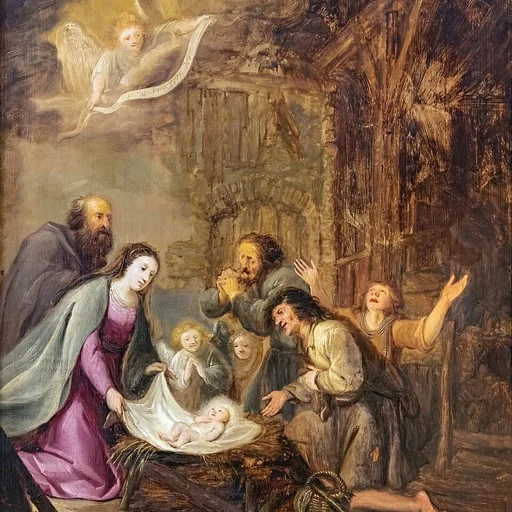
Jacob Willemszoon de Wet or Jacob Willemsz. de Wet the Elder (c. 1610 – between 1675 and 1691) was a Dutch Golden Age painter whose works were largely influenced by Rembrandt.

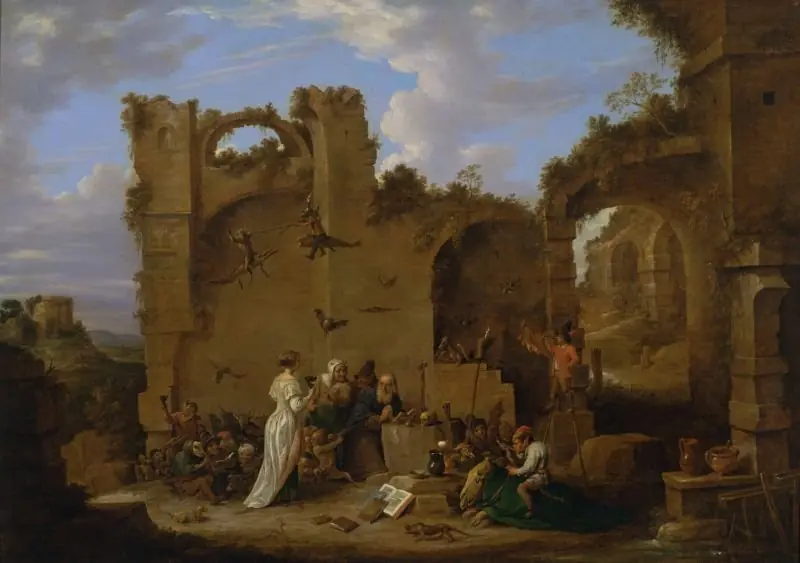 The Temptation of Saint Anthony (NMWA)
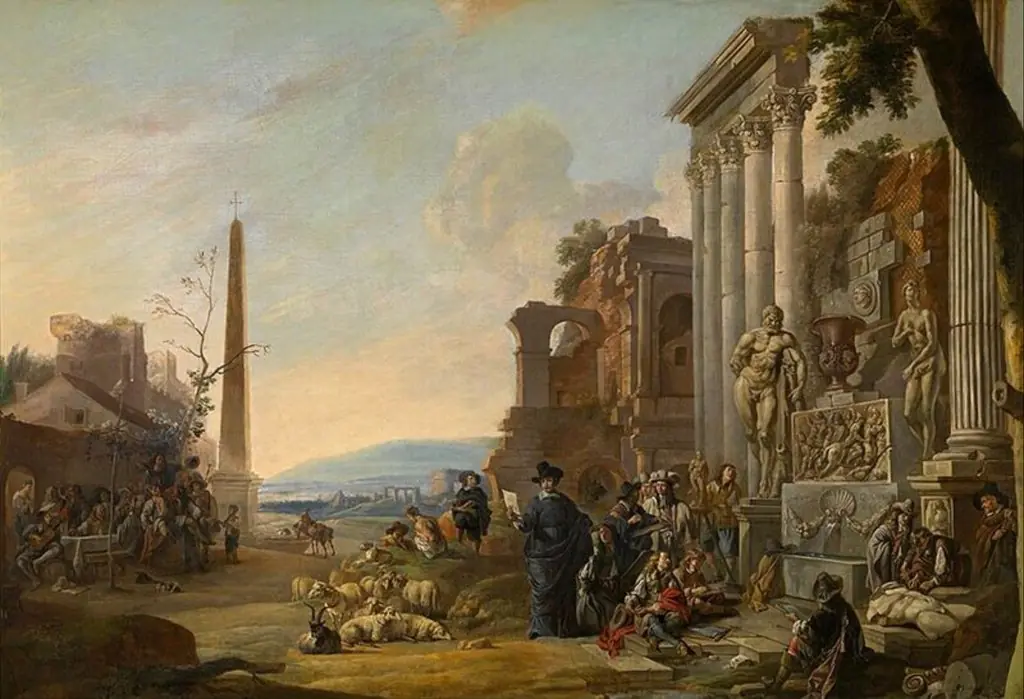 The Study of Art in Rome
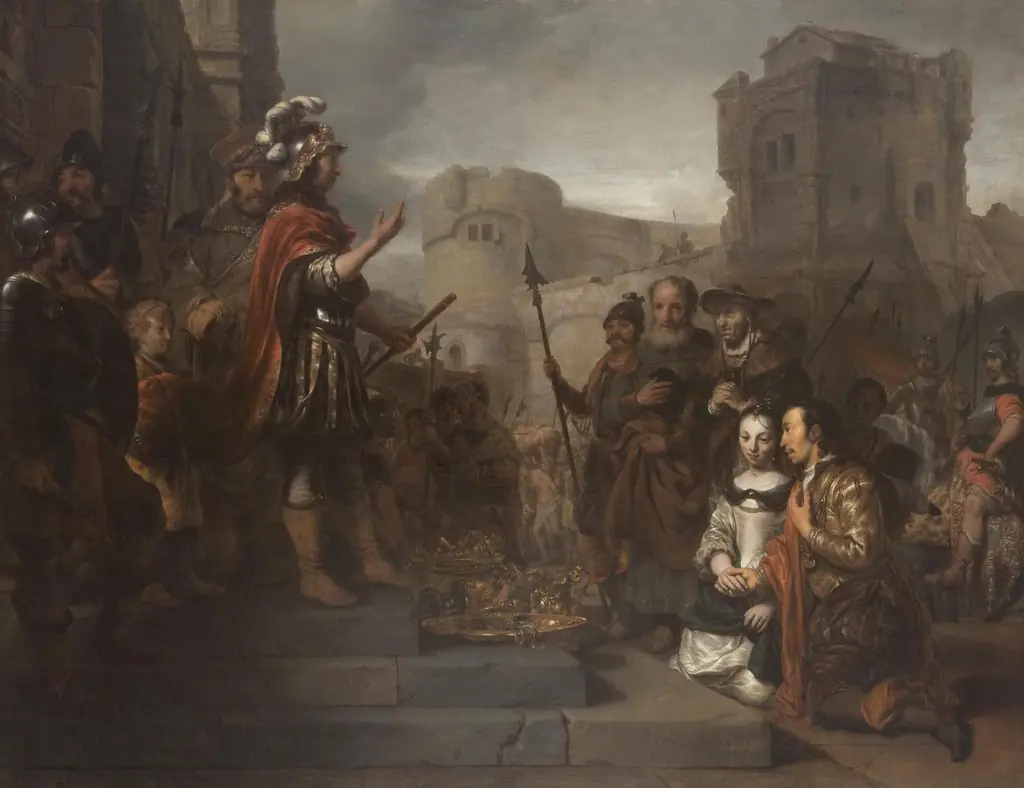 The Continence of Scipio
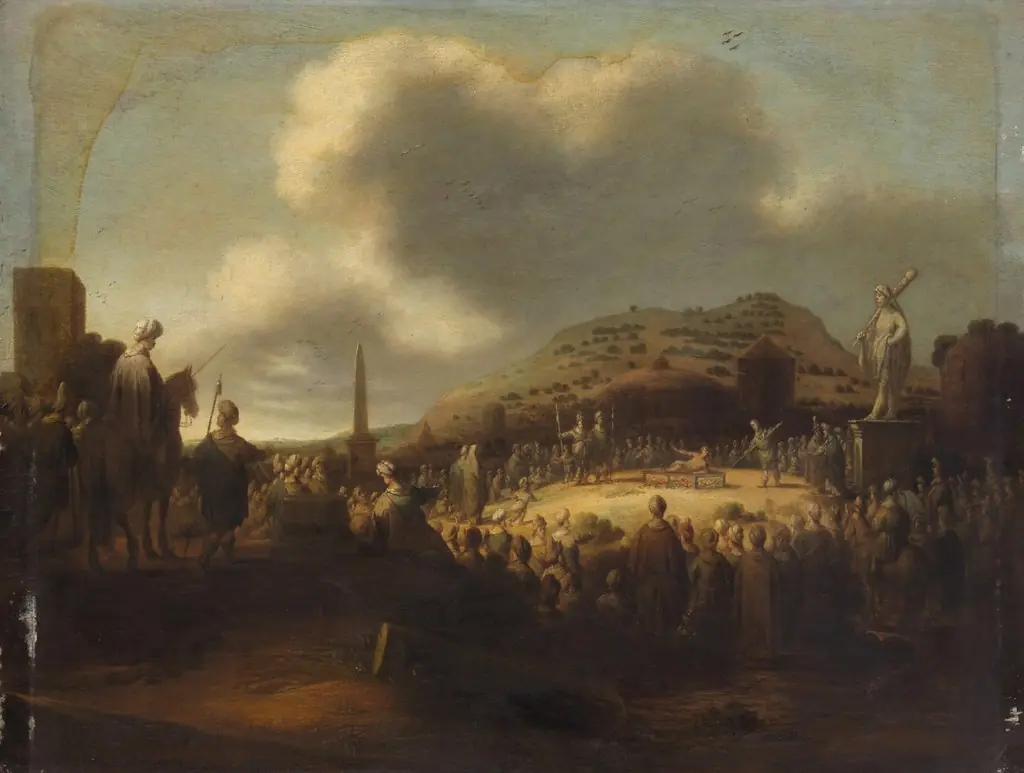 Landschaft mit Marter des Hl. Laurentius
 Meeting of rhetoricians
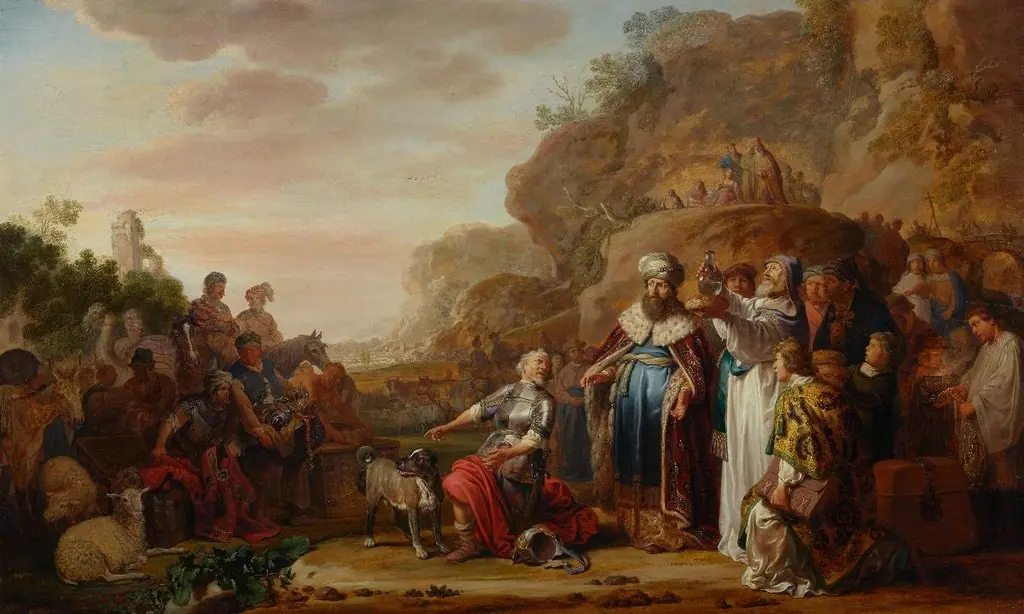 Abraham und Melchisedek
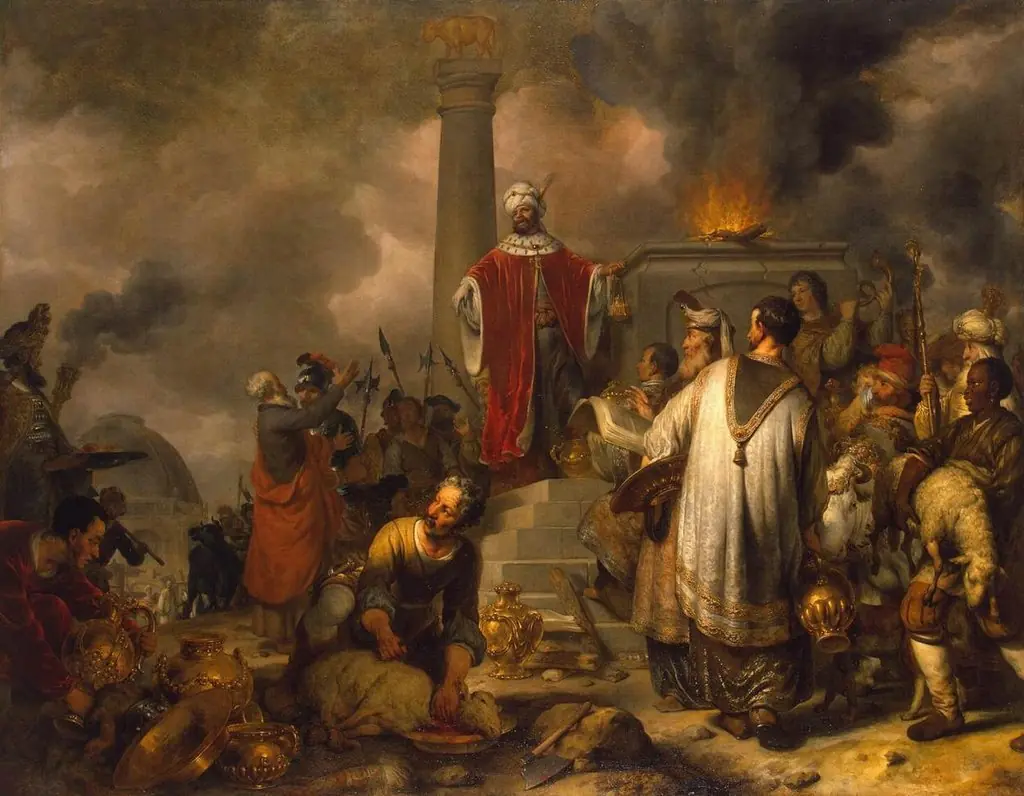 Jeroboam's Sacrifice at Bethel
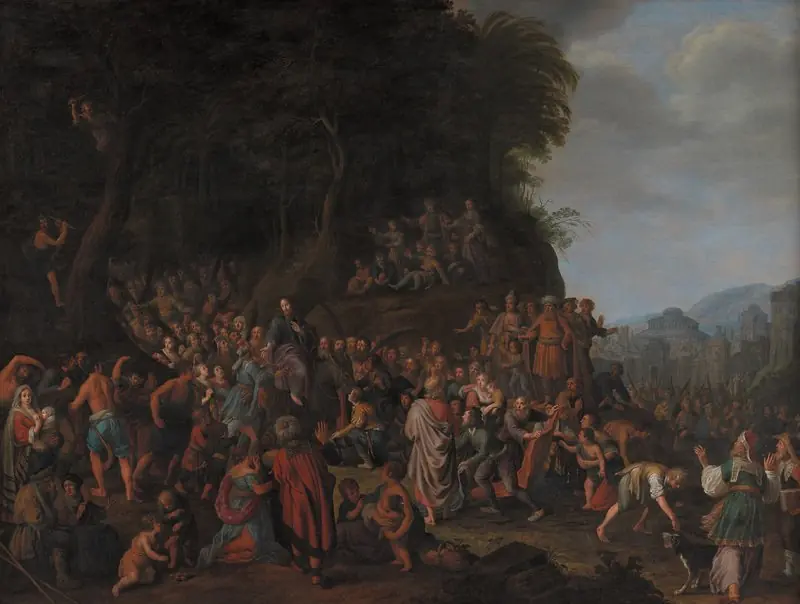 Christ's Entry into Jerusalem
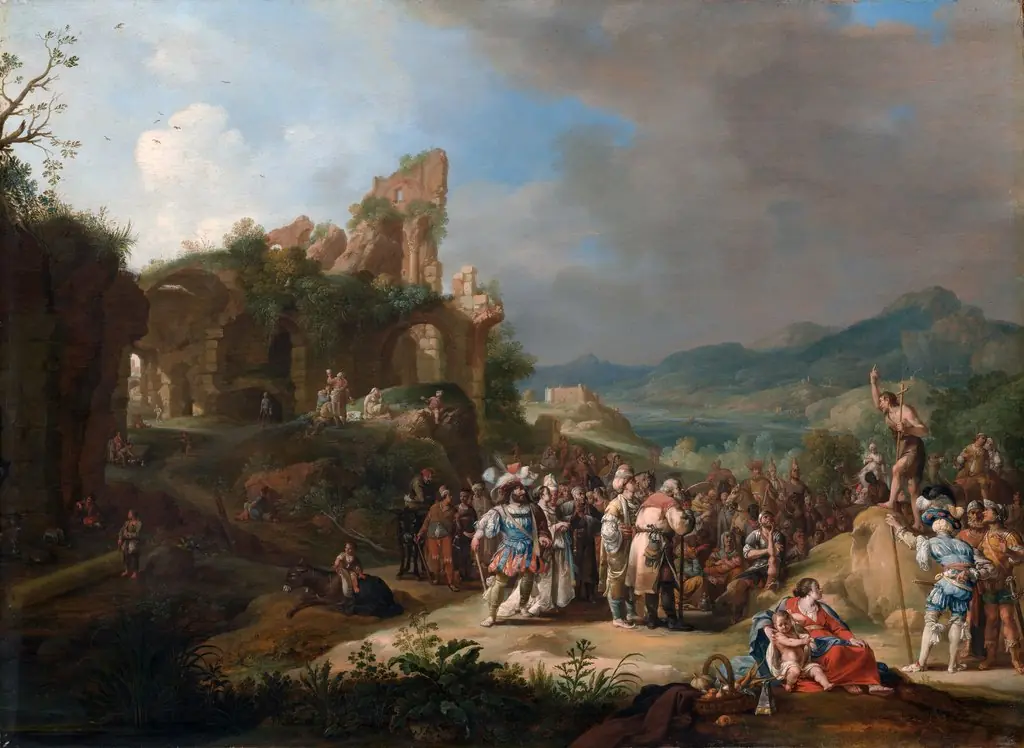 The Preaching of John the Baptist
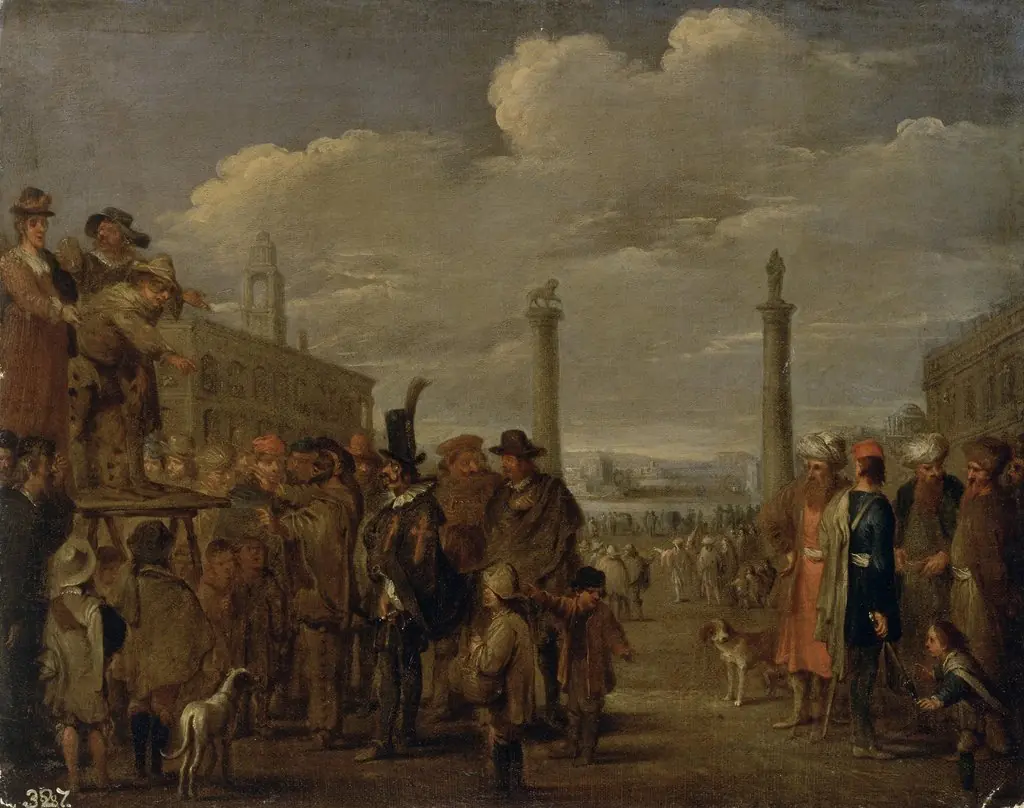 Street Comedians on the Square
 Zorovavel and Darius
 Paul and Barnabas are worshiped as gods in Lystra