Artwork
The Infanta María Antonia Fernanda, Daughter of Philip V
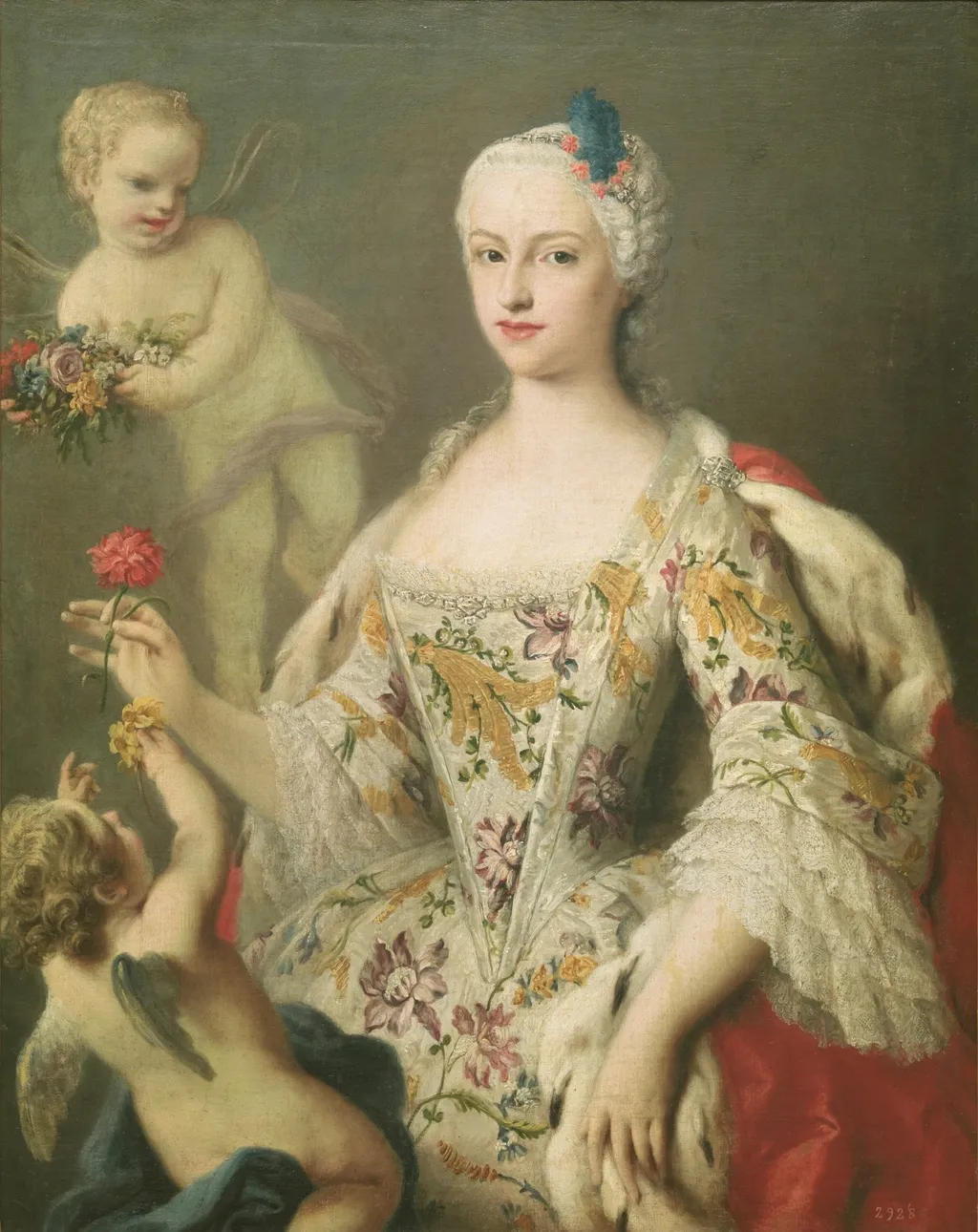
The Infanta María Antonia Fernanda, Daughter of Philip V is an oil painting by the Rococo painting artist Jacopo Amigoni. It dates from 1750 and is held in the collection of the Museo del Prado.
About this work
Overview
Created circa 1750 by the Italian painter Jacopo Amigoni, this oil portrait presents María Antonia Fernanda, the daughter of King Philip V of Spain. Executed in the Rococo style, the work is part of the Museo del Prado’s collection and exemplifies Amigoni’s courtly portraiture during his European career.
Subject & Meaning
The central figure is the young Infanta, dressed in an elaborate white gown trimmed with gold and floral motifs, a fur shawl, and a feathered headdress. She holds a vivid red flower, a detail that draws attention amid the otherwise muted palette, suggesting both innocence and aristocratic refinement.
Technique & Style
Amigoni employs soft, fluid brushwork to render the textures of silk, fur, and feather, giving the fabrics a tactile quality. The composition balances warm, subdued tones with the striking red accent, while the background’s hazy greenish tones create a dreamy atmosphere typical of Rococo portraiture.
History & Provenance
After beginning his career in Venice, Amigoni traveled widely, serving various European courts. This portrait, painted during his Spanish period, entered the Museo del Prado’s holdings, where it remains on display as part of the museum’s royal portrait collection.
Context
The painting reflects the 18th‑century Spanish court’s emphasis on displaying lineage and status through lavish portraiture. Amigoni’s work aligns with contemporary trends that favored elegance, delicate coloration, and the portrayal of royalty in intimate, domestic settings.
Own this work as a print
Artist & collection
Artist
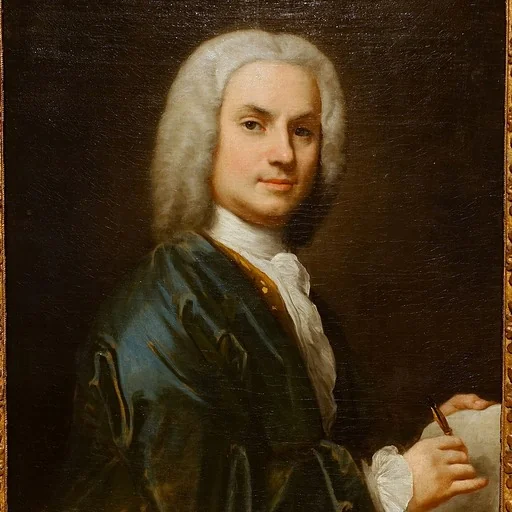
Jacopo Amigoni (born Giacomo Amiconi; 1682 – September 1752), was an Italian painter of the late-Baroque or Rococo period, who began his career in Venice, but traveled and was prolific throughout Europe, where his sumptuous portraits were…

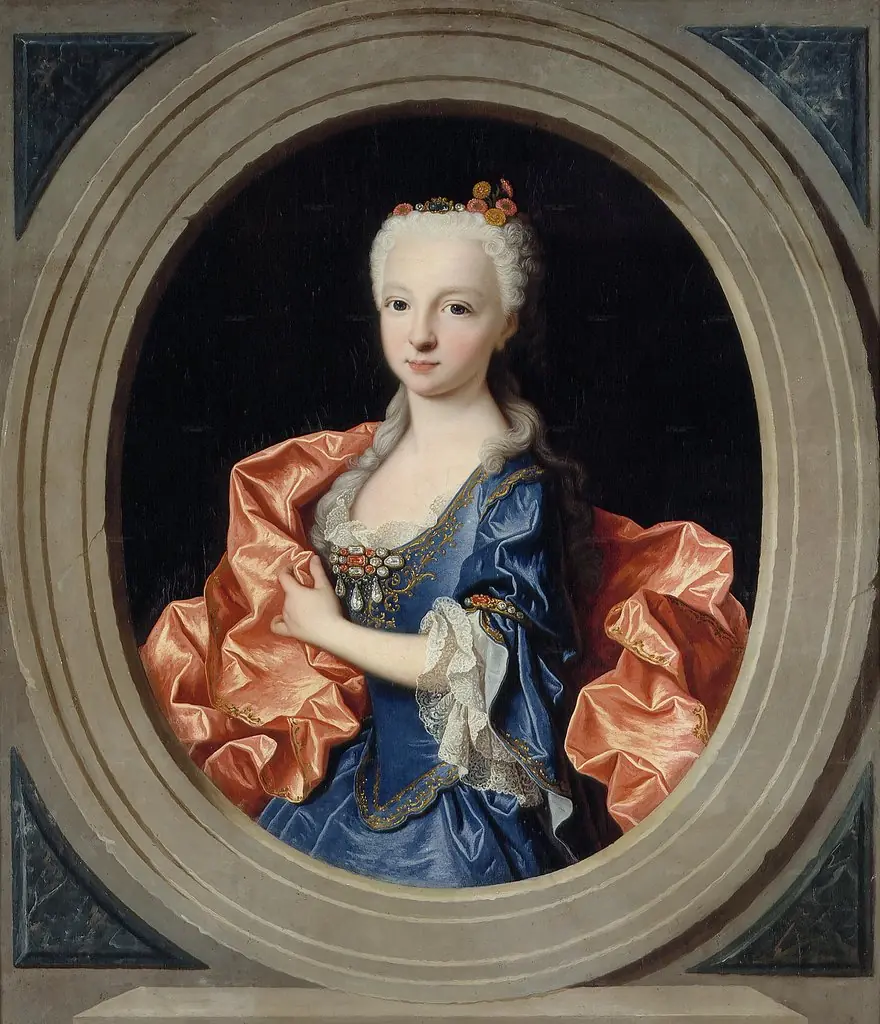 Maria Teresa of Bourbon Infanta of Spain (Future Dauphine of France)
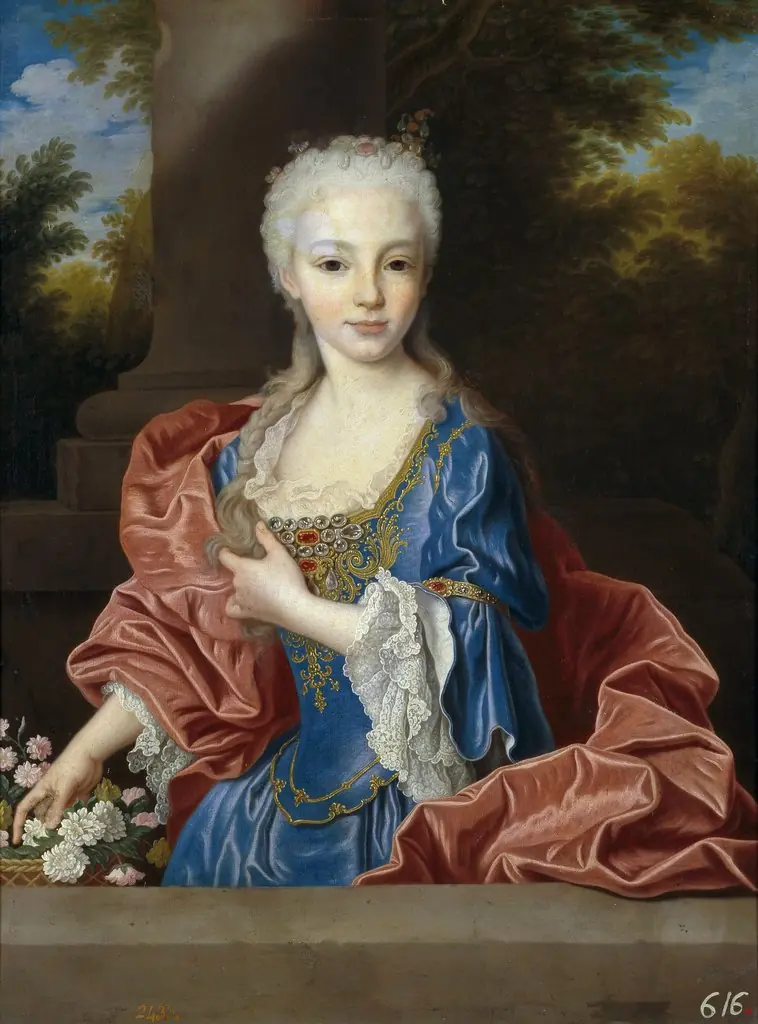 María Ana Victoria de Borbón
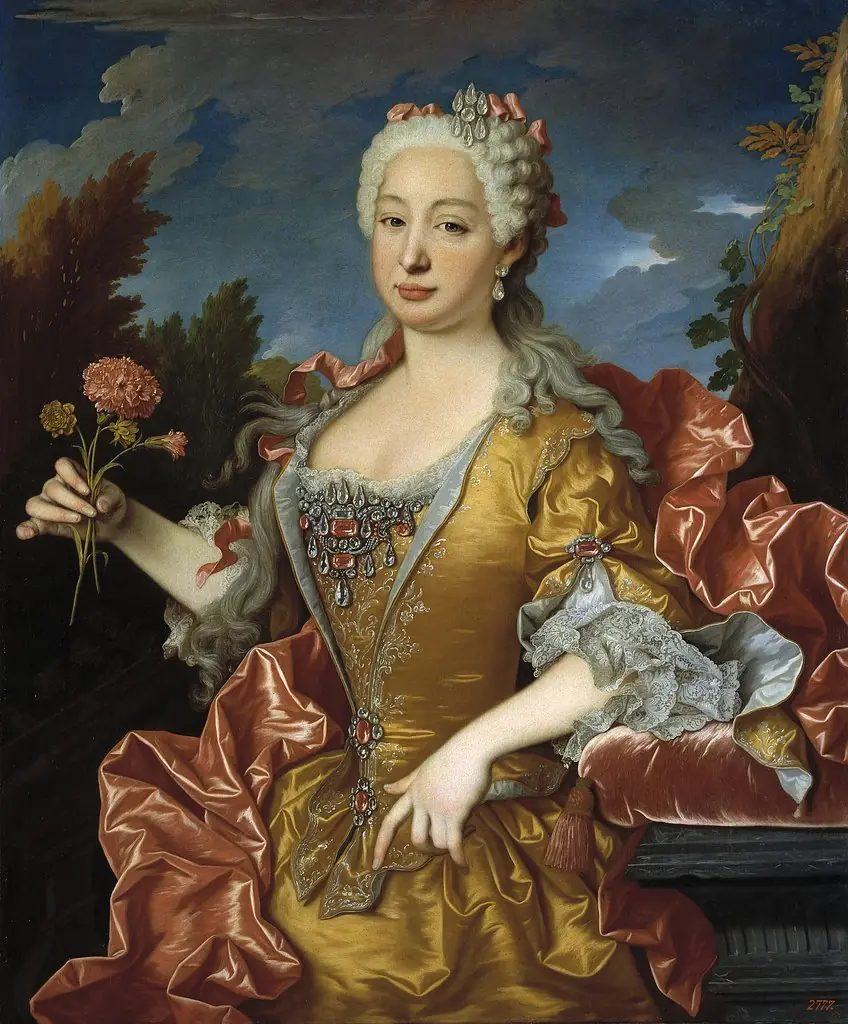 Barbara of Braganza Queen of Spain
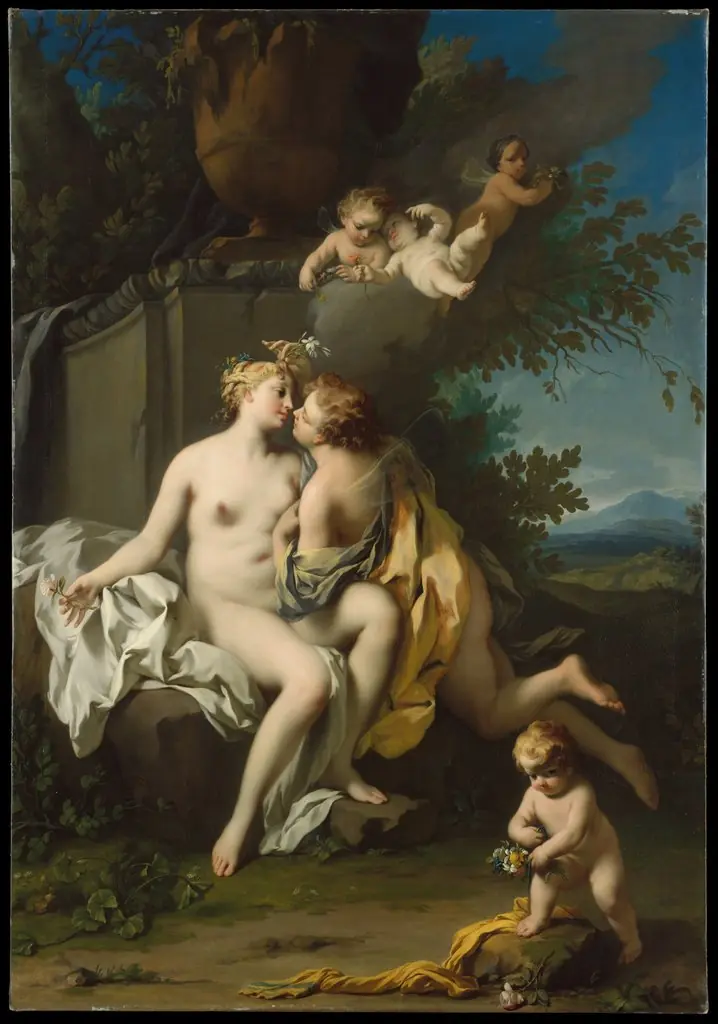
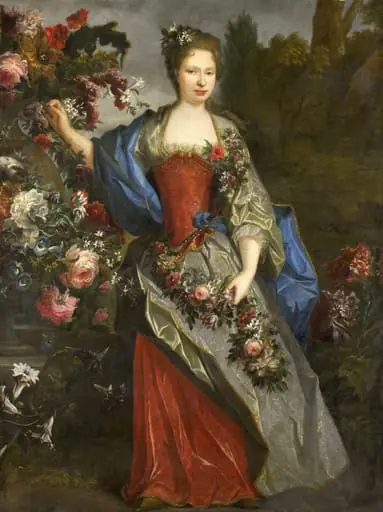 Portrait of a Woman, according to tradition Marie Louise Elisabeth d'Orléans (1695-1719), Duchesse de Berry, as Flora
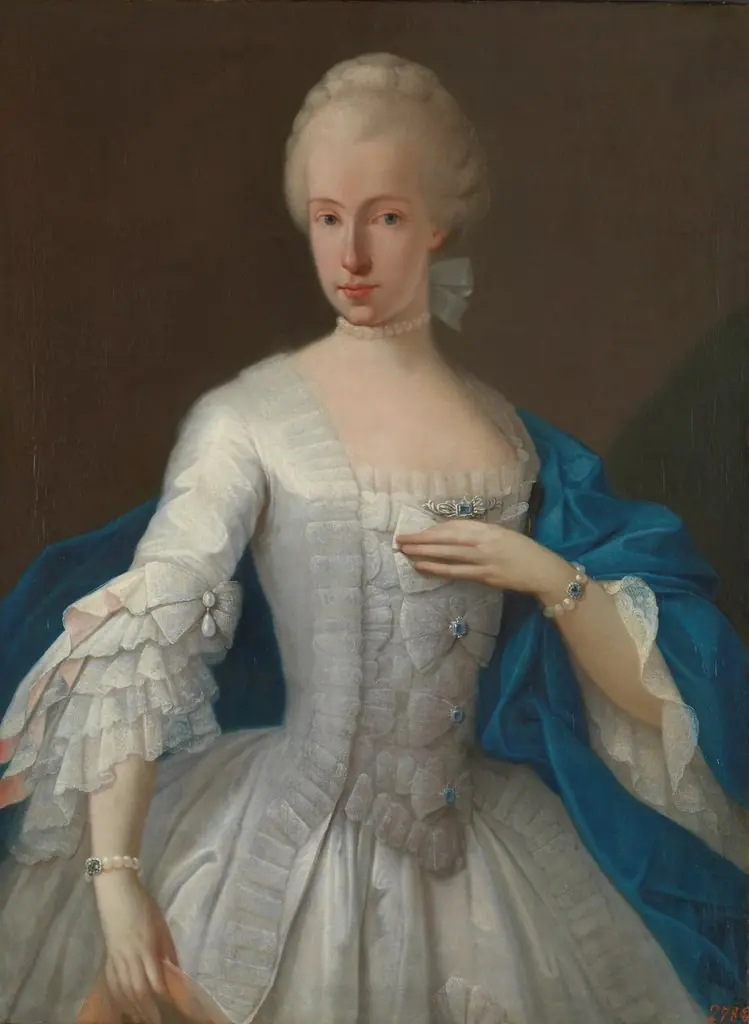 María Luisa de Borbón y Sajonia
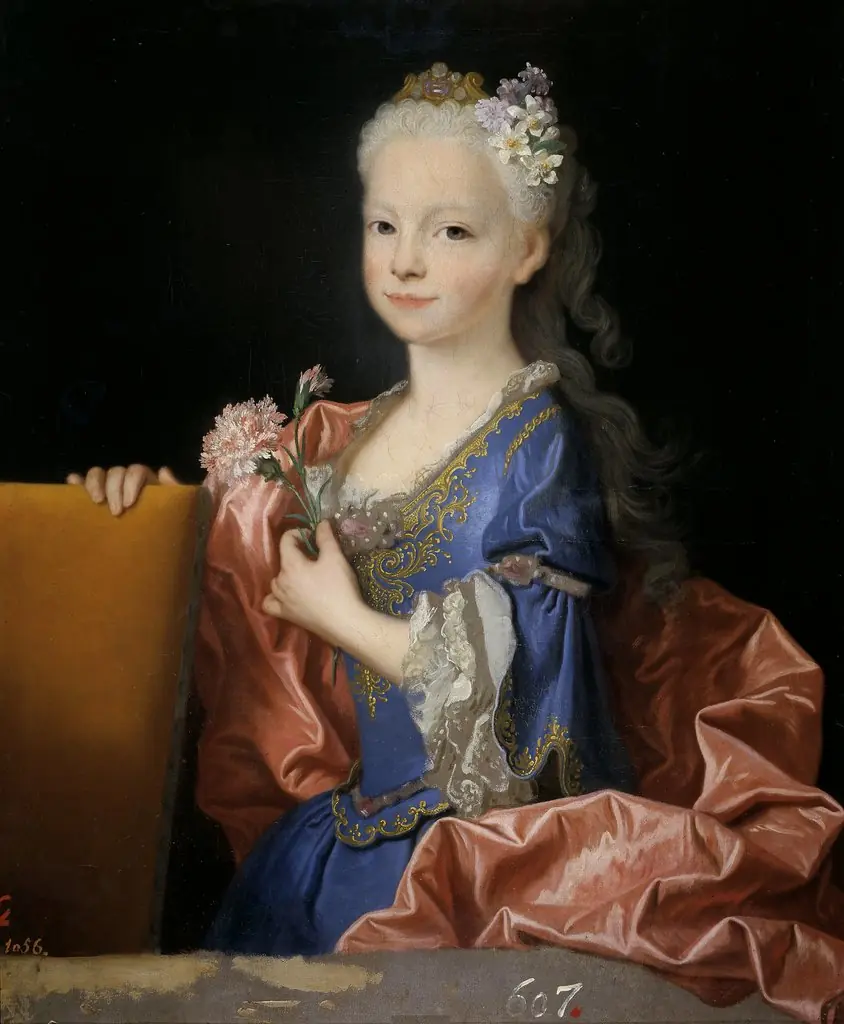 Maria Ana Victoria of Bourbon (Future Queen of Portugal) as a Child
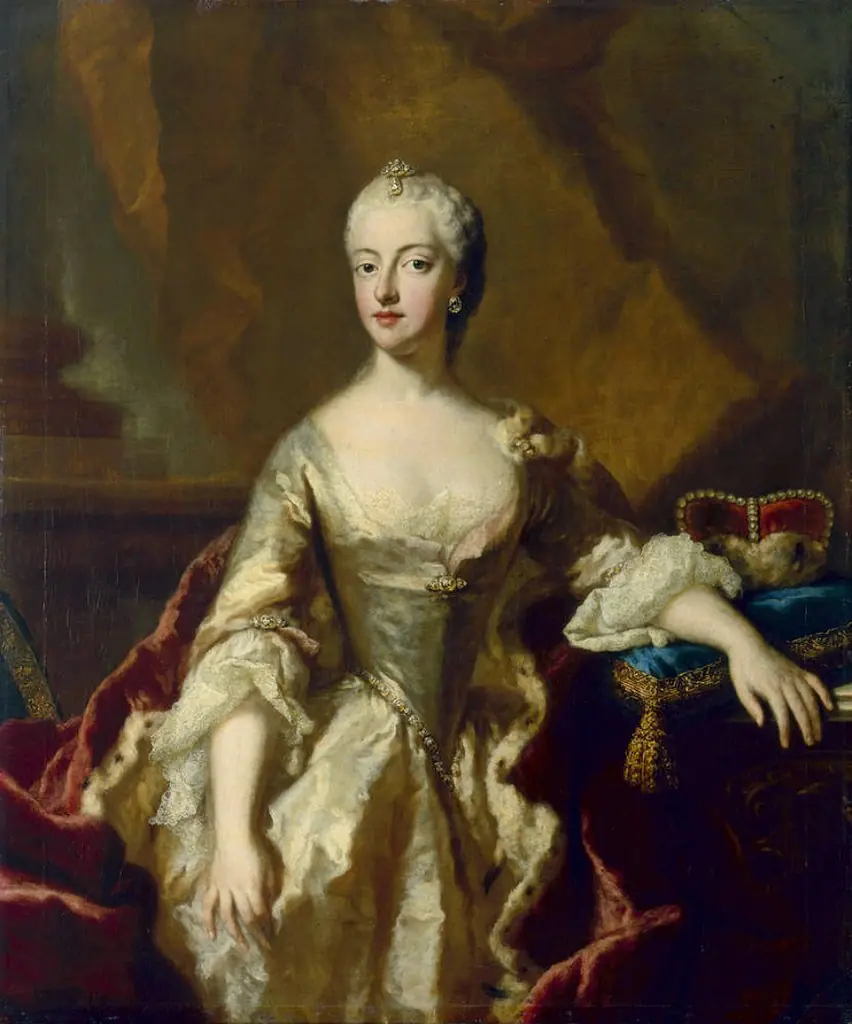 Margravine Maria Anna Josepha of Baden-Baden
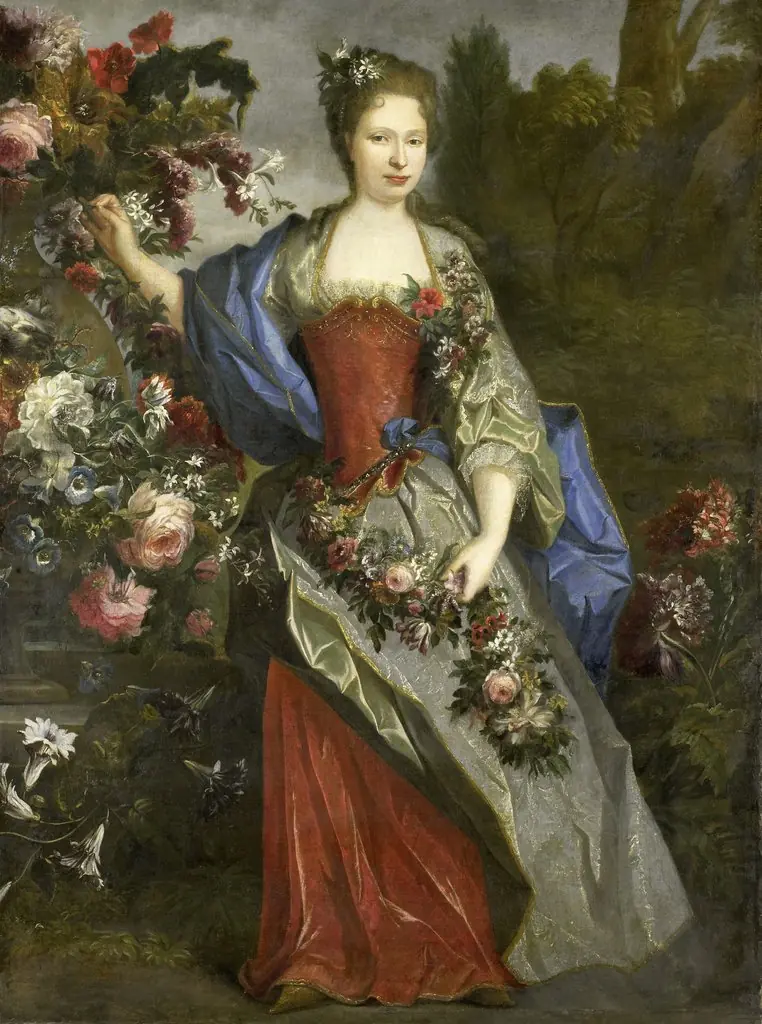 Portrait of a Woman, according to tradition Marie Louise Elisabeth d'Orléans, Duchess of Berry, as Flora
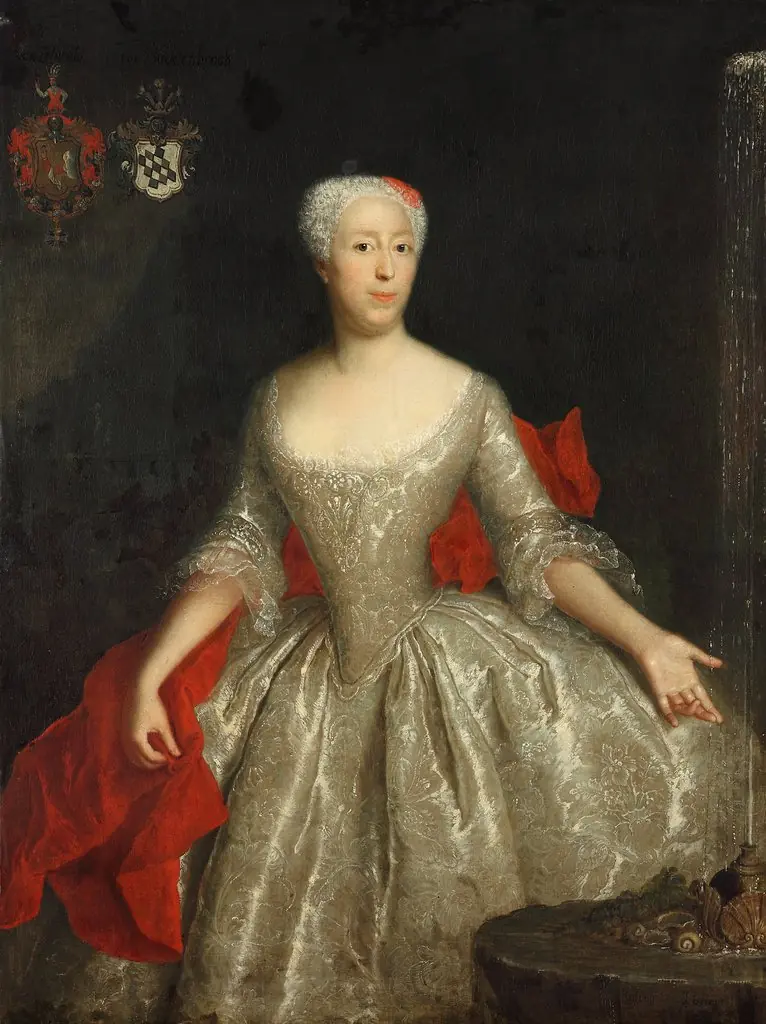 Anna Sophie Agnes von Lehwald, born von Buddenbrock (1699-1773)
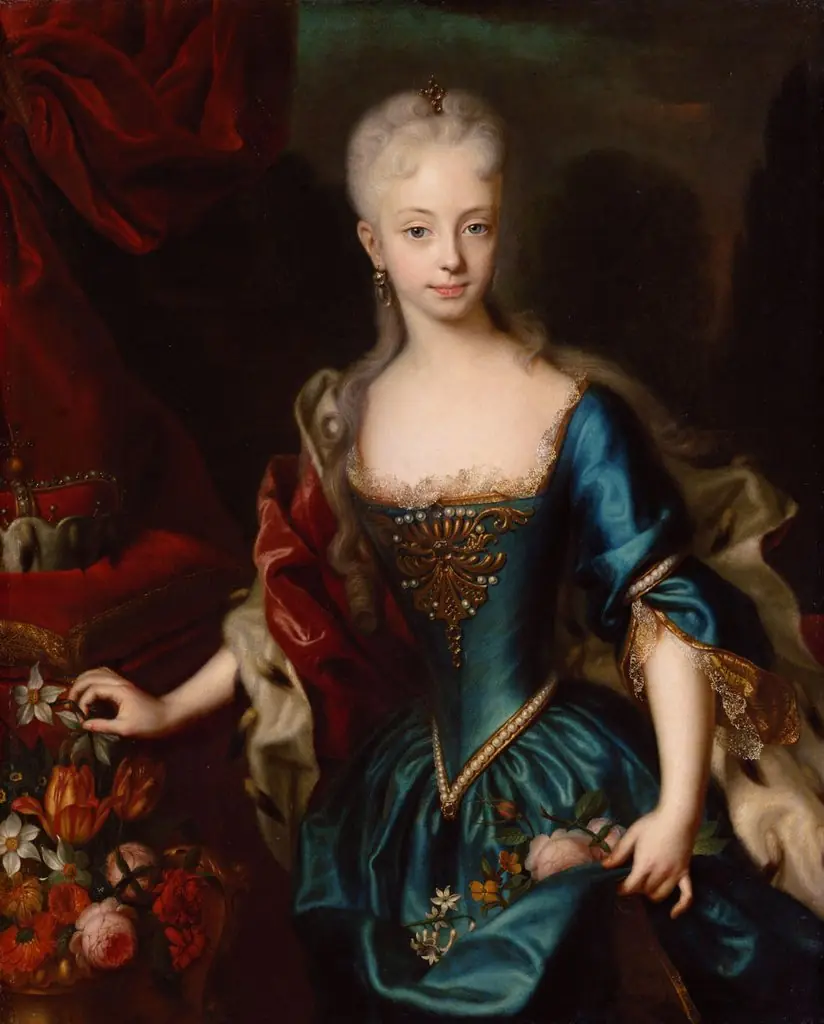 Portrait of Archduchess Maria Theresia