Artwork
Maria Teresa of Bourbon Infanta of Spain (Future Dauphine of France)
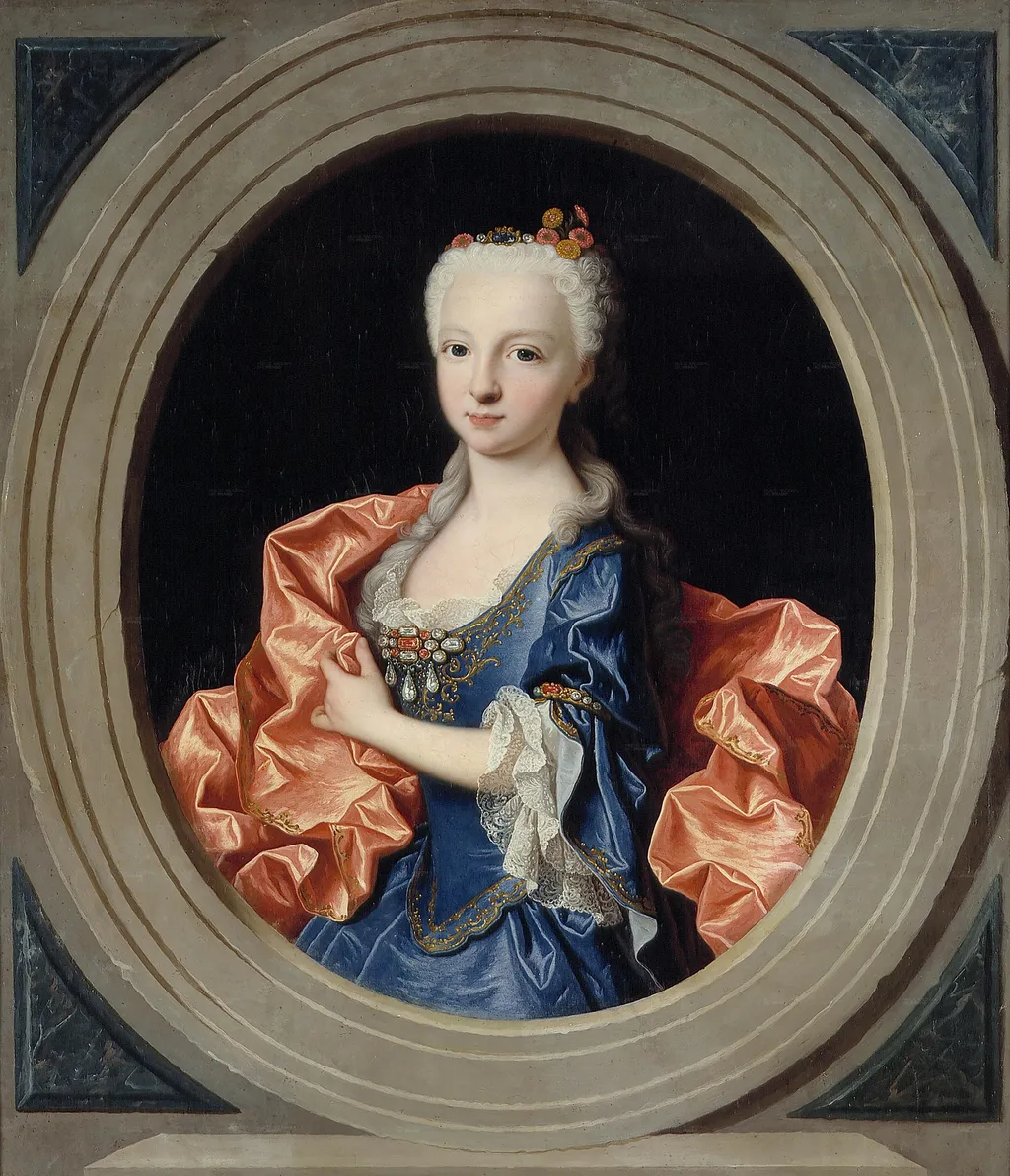
Maria Teresa of Bourbon Infanta of Spain (Future Dauphine of France) is an oil painting by the Rococo painting artist Jean Ranc. It dates from 1729 and is held in the collection of the Museo del Prado.
About this work
Overview
Jean Ranc’s 1729 oil portrait depicts Maria Teresa of Bourbon, the Spanish Infanta who later became the Dauphine of France. Executed in the Rococo era, the painting is part of the Prado Museum’s collection and exemplifies the courtly portraiture for which Ranc was renowned.
Subject & Meaning
The sitter, a young royal woman, is presented in formal attire that underscores her noble status. She gazes directly at the viewer with a composed, neutral expression, while her hands are gently clasped, holding a pink fabric that adds a subtle touch of softness to the dignified composition.
Technique & Style
Ranc employs a dark background to accentuate the luminous blues, lace, and gold detailing of the dress, a hallmark of Rococo portraiture. The delicate rendering of the up‑do hairstyle and floral headpiece demonstrates his skill in capturing texture and light within the oil medium.
History & Provenance
Trained under Hyacinthe Rigaud, Ranc served the courts of Louis XV, Philip V, and John V, establishing his reputation as a leading portraitist of European royalty. The work entered the Museo del Prado’s holdings, where it remains on display as part of the museum’s Spanish royal portrait collection.
Context
Created at a time when dynastic marriages linked Spain and France, the portrait reflects the political significance of Maria Teresa’s future role as Dauphine. Ranc’s depiction aligns with contemporary expectations for royal portraiture: elegance, restraint, and an emphasis on lineage.
Artist & collection
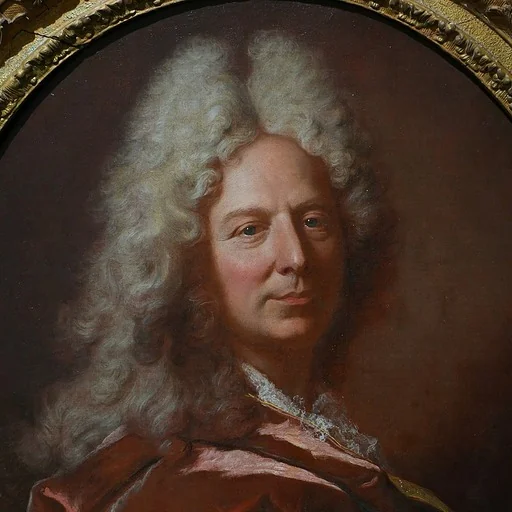
Artist
Jean Ranc (28 January 1674 – 1 July 1735) was a French painter, mainly active in portraiture.

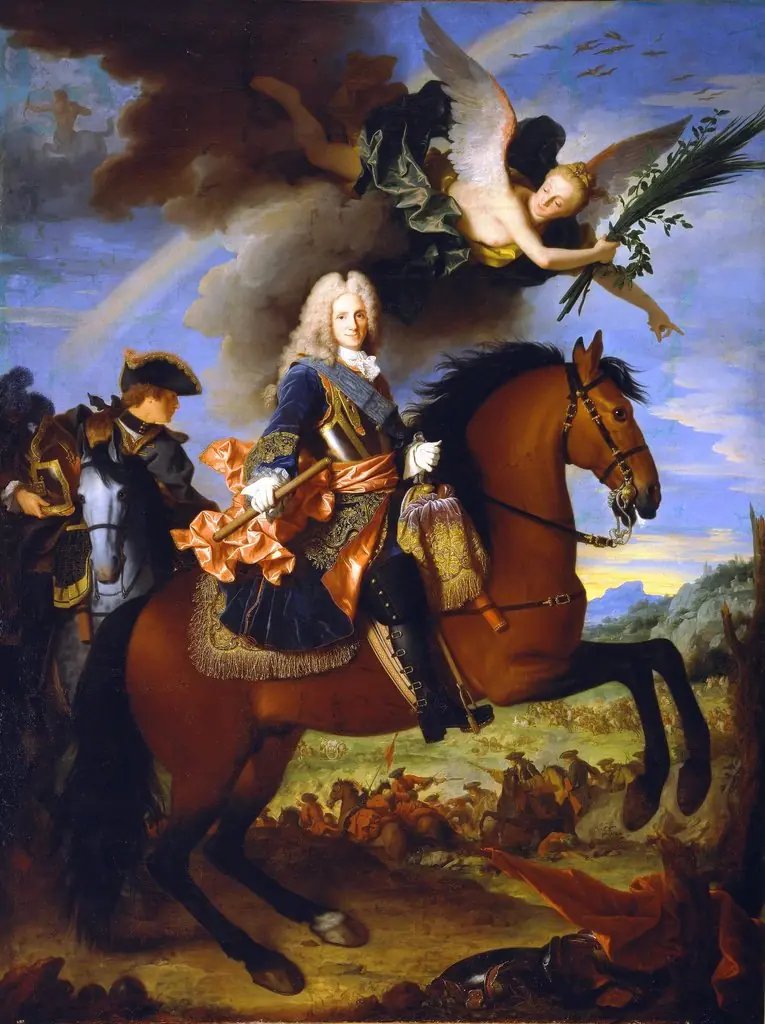 Philip V on Horseback
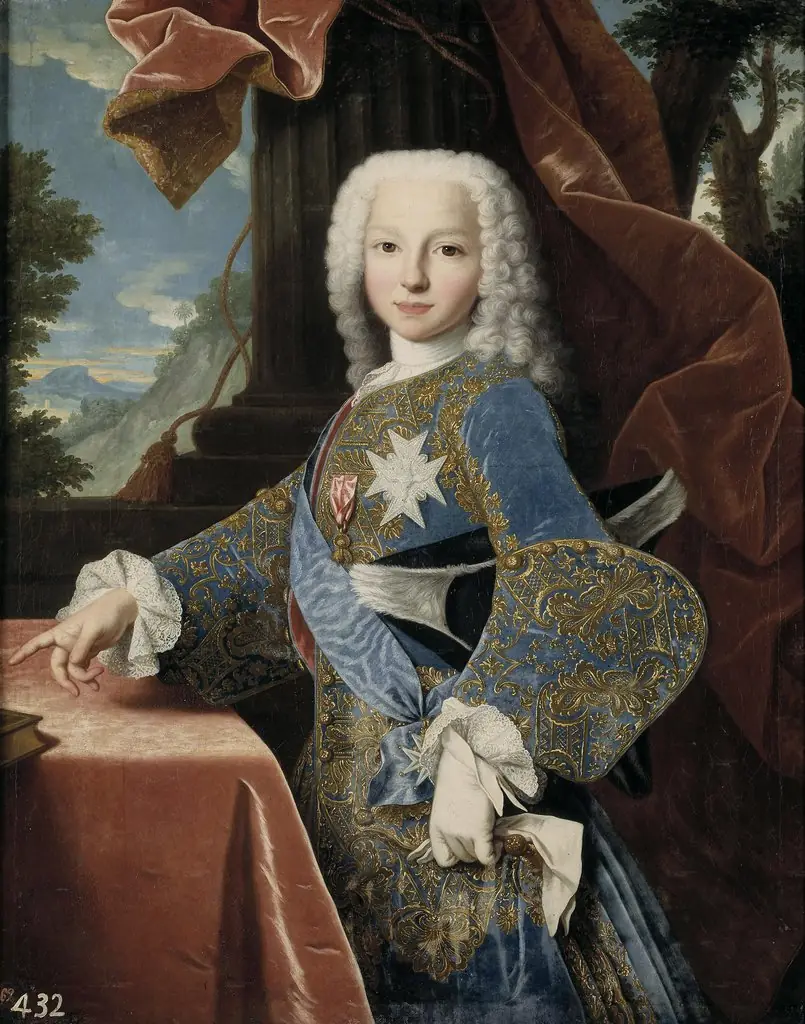 Felipe de Borbón y Farnesio, future Duke of Parma
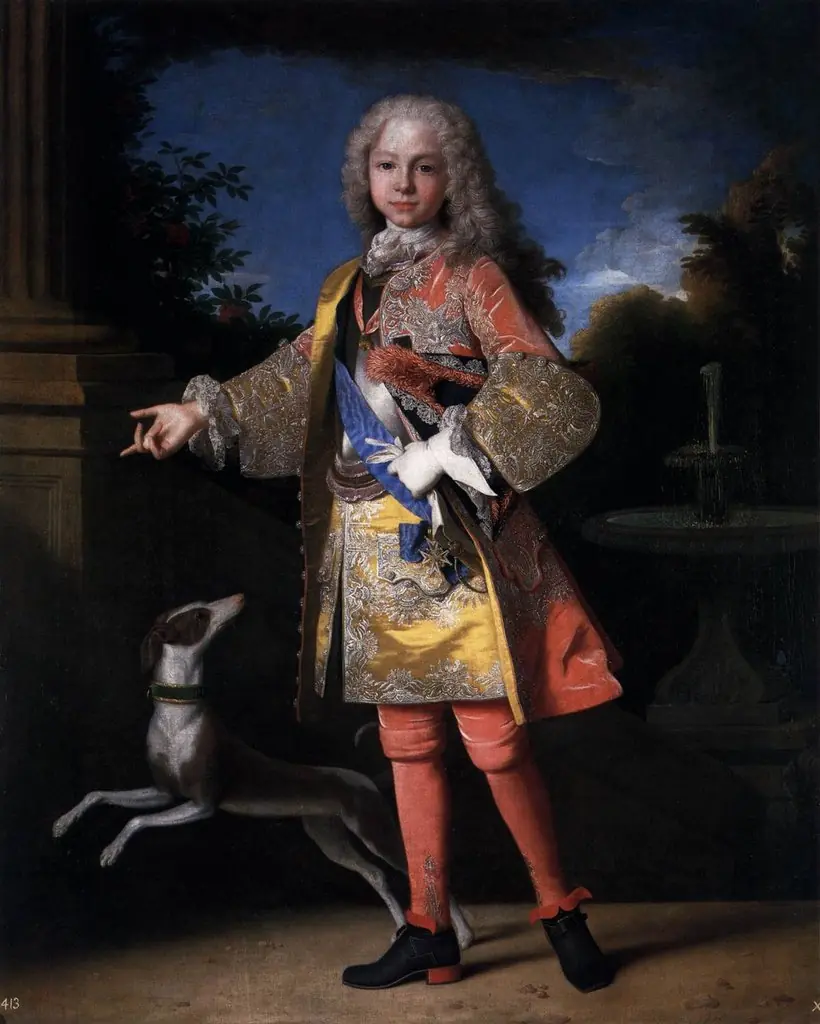 Portrait of Ferdinand VI as a Boy
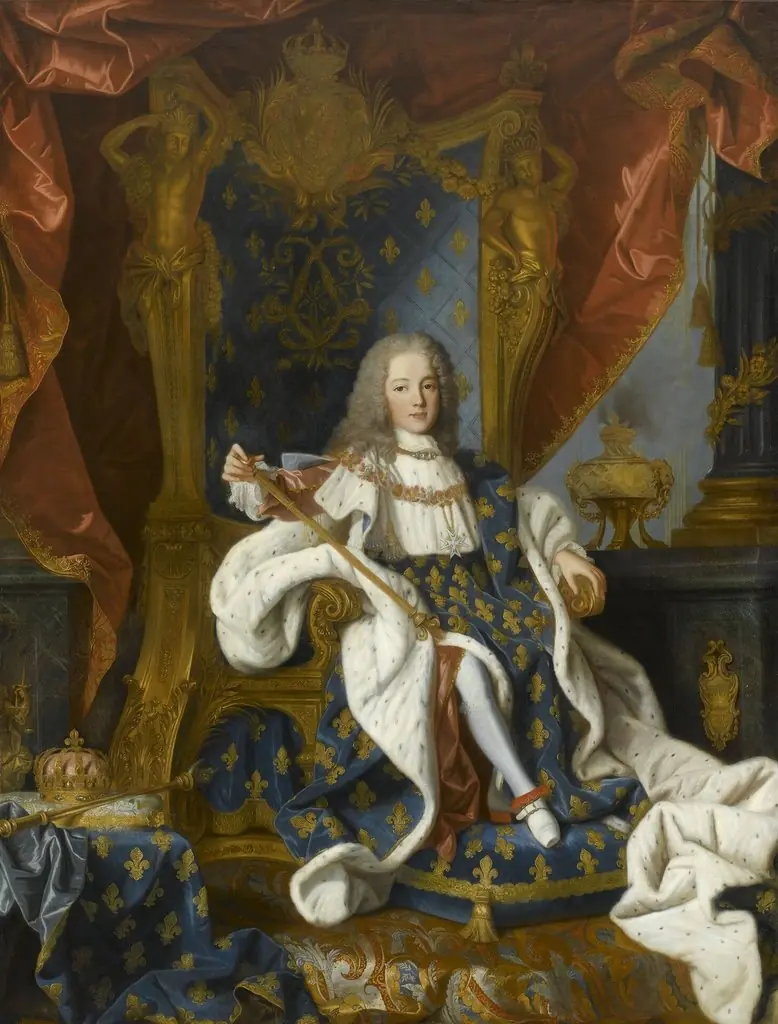 Louis XV, King of France (1710-1774)
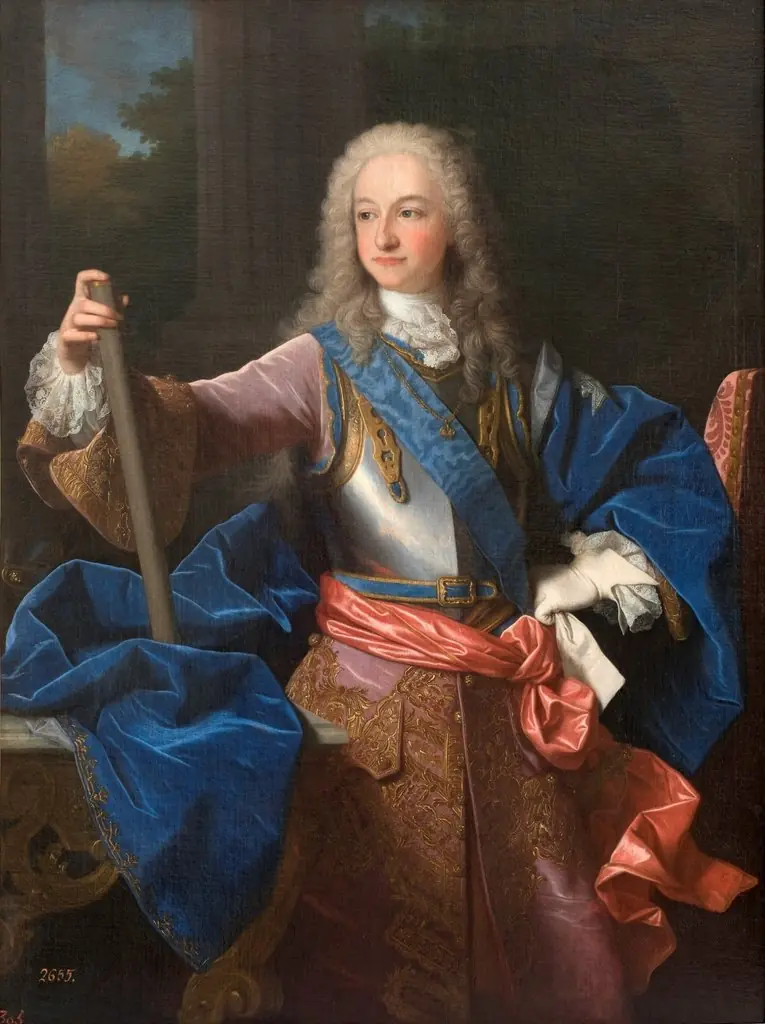 Portrait of Prince Louis of Spain
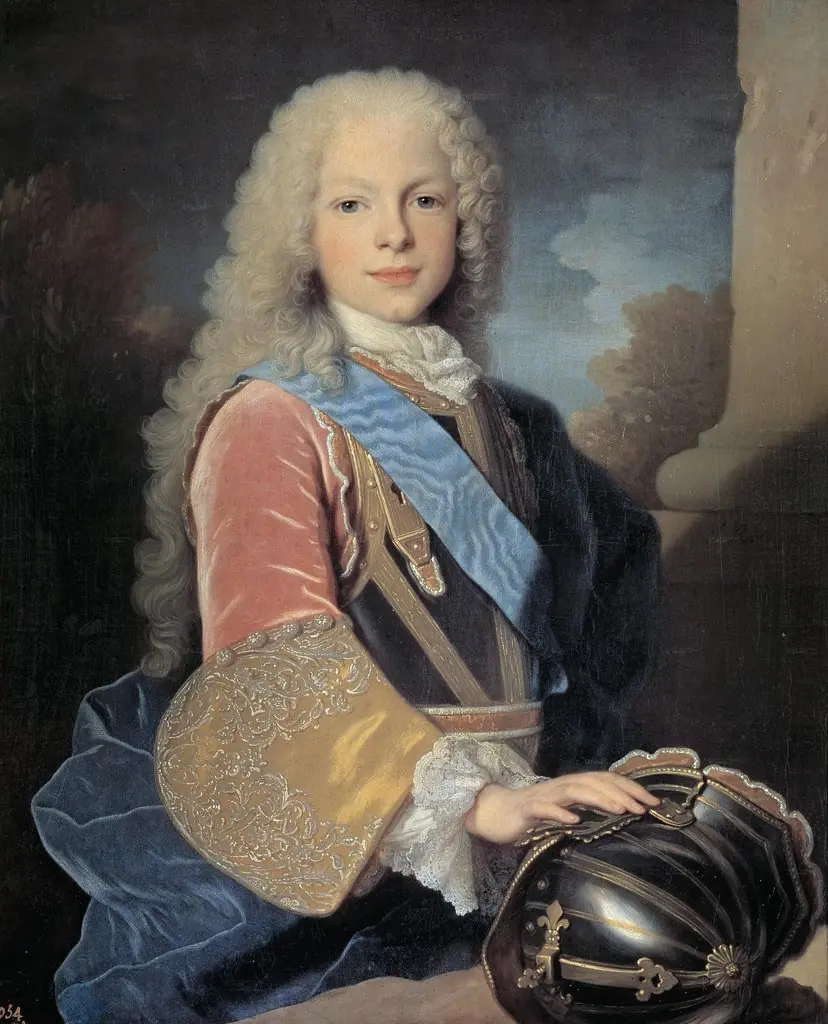 Fernando de Borbón y Saboya príncipe de Asturias (futuro Fernando VI de España)
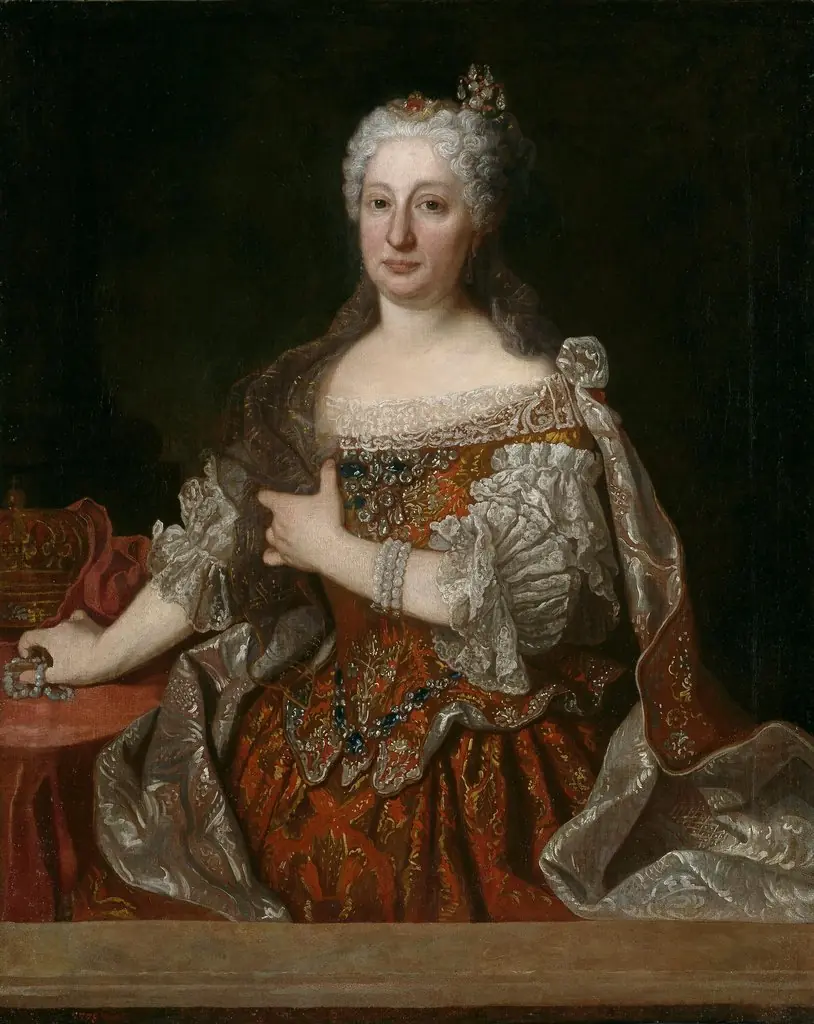 Maria Anna of Austria, Queen of Portugal
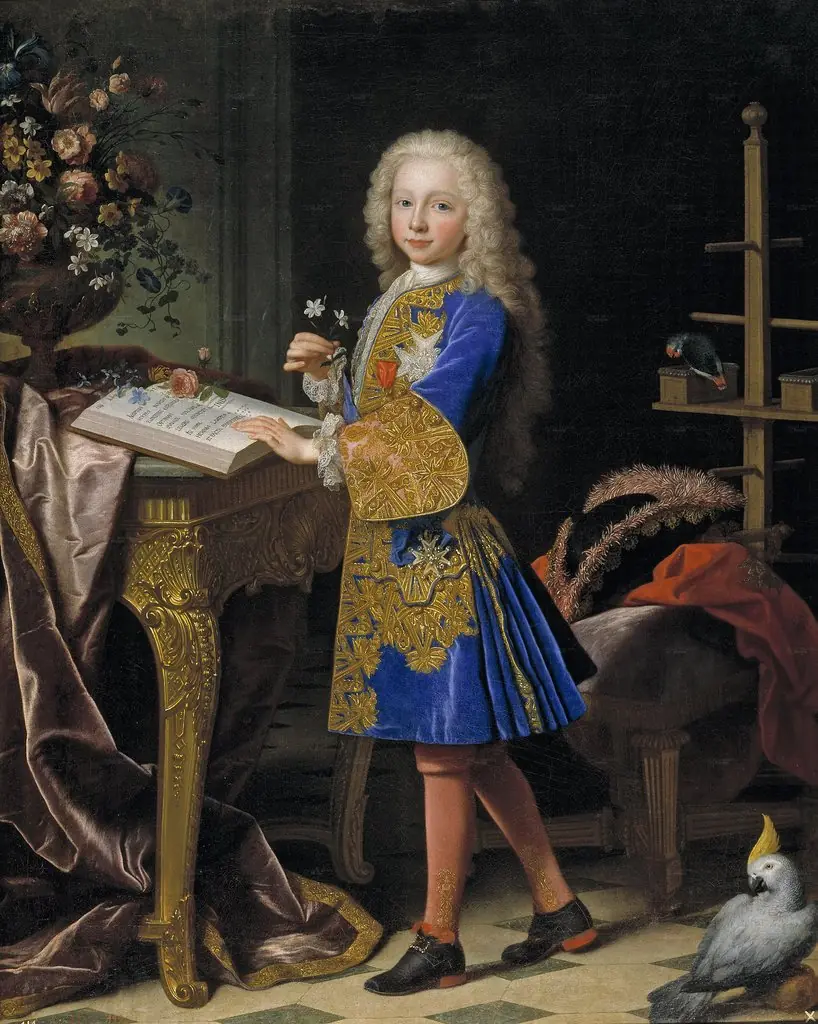 Charles III as a Child
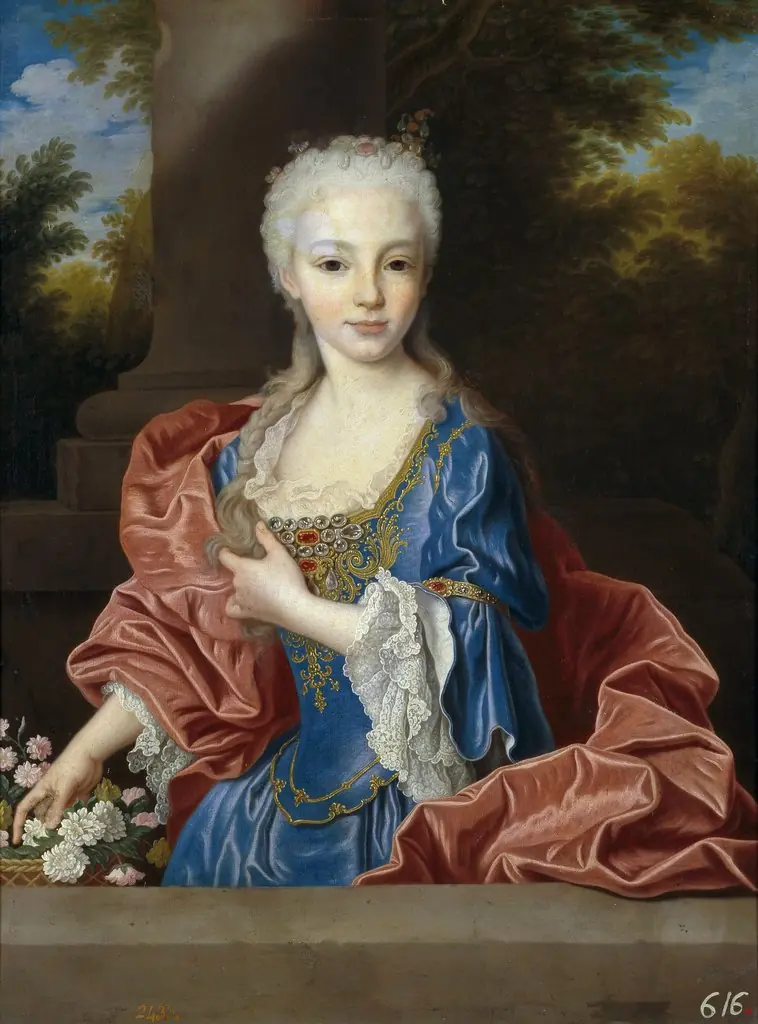 María Ana Victoria de Borbón
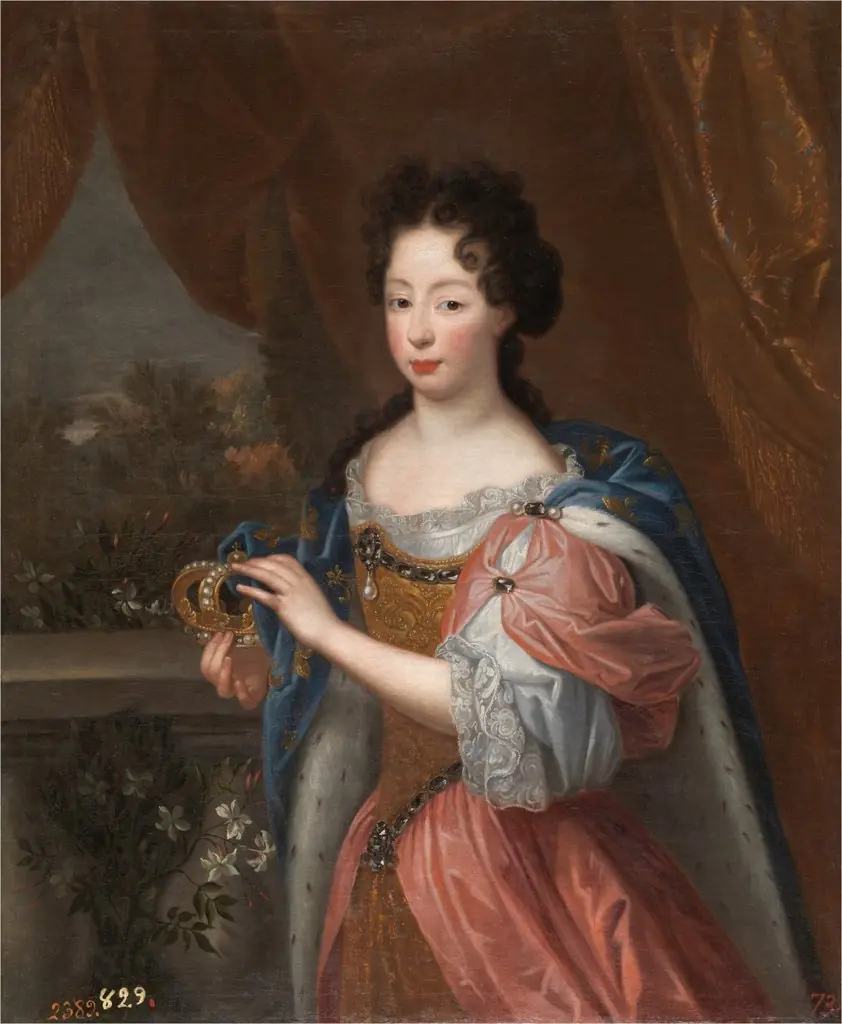 Anne Marie d'Orléans
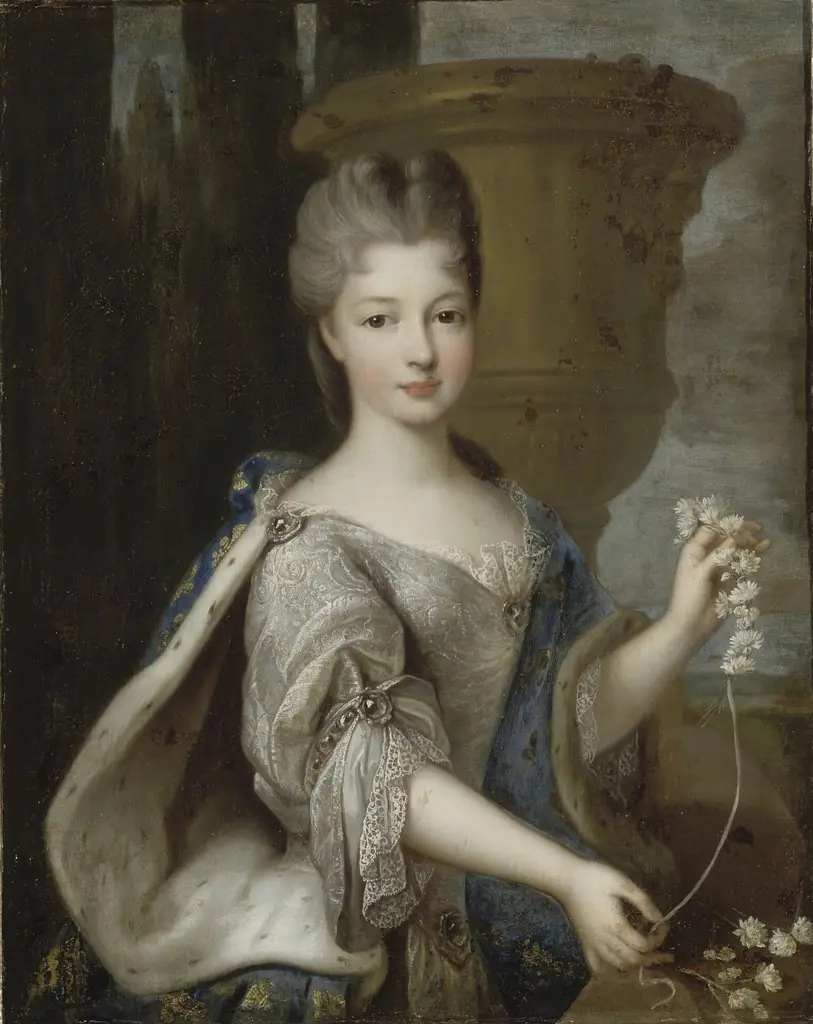 Louise-Elisabeth de Bourbon-Condé, Princess of Conti (1699-1775)
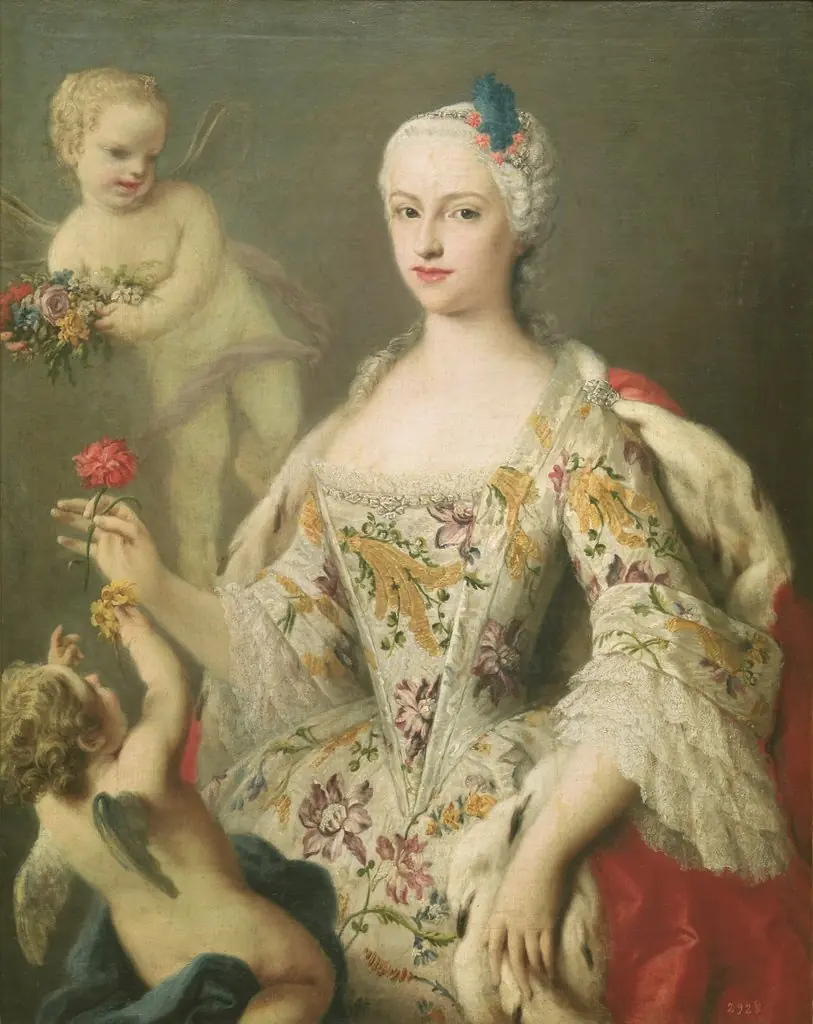 The Infanta María Antonia Fernanda, Daughter of Philip V
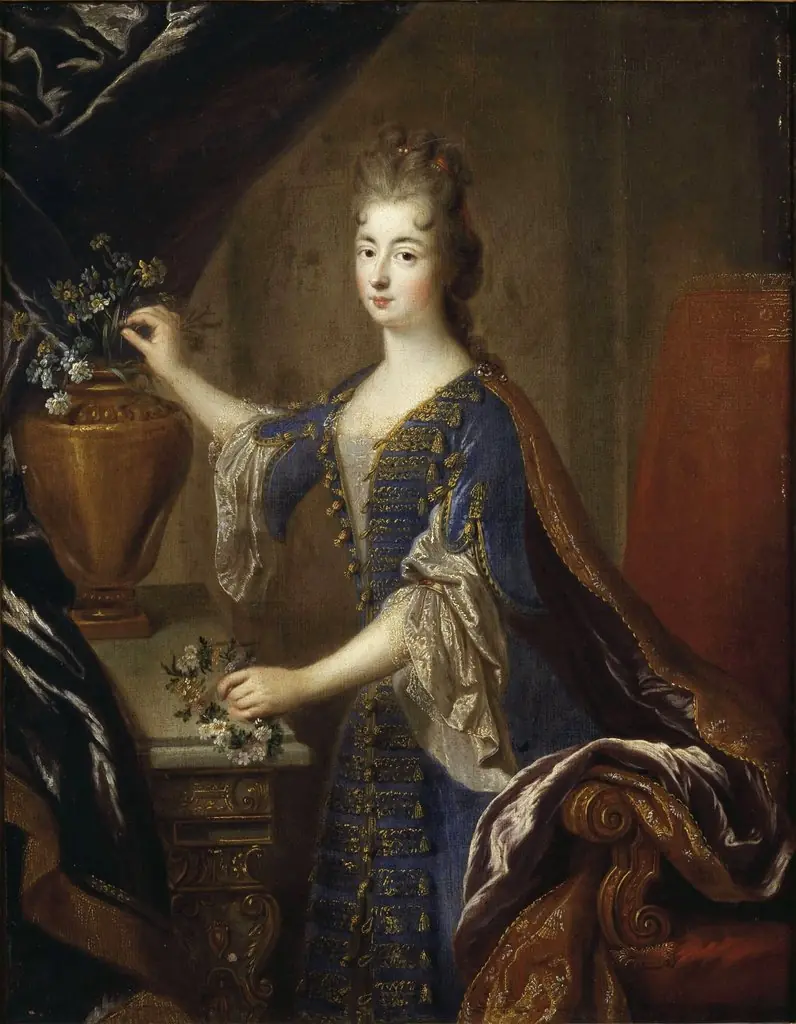 Marie-Anne de Bourbon, Princess of Conti (1666-1739)
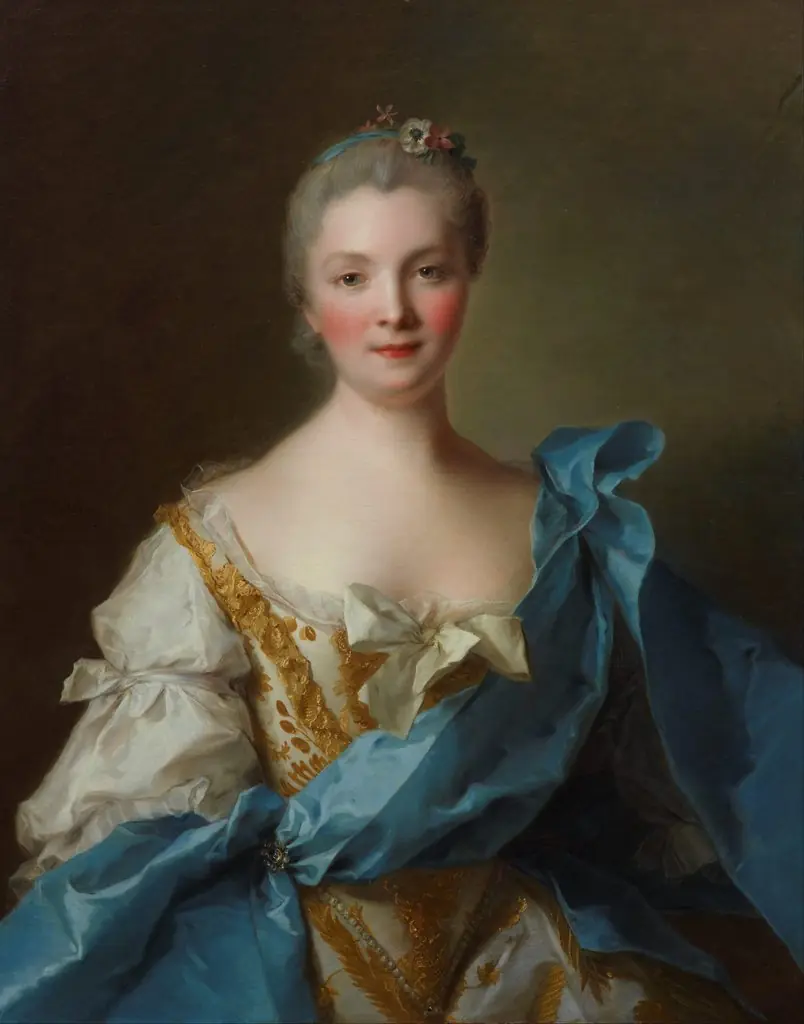 Madame de La Porte
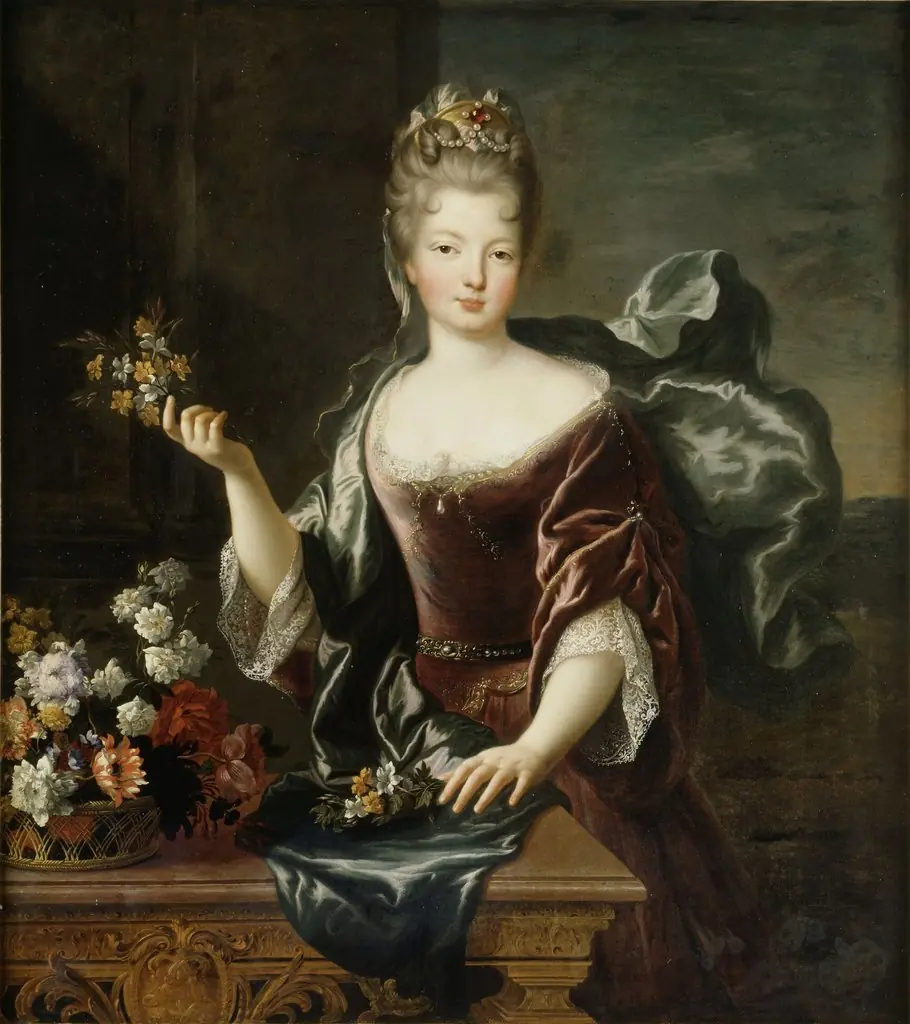 Françoise-Marie de Bourbon, Mademoiselle de Blois, Duchess of Orleans
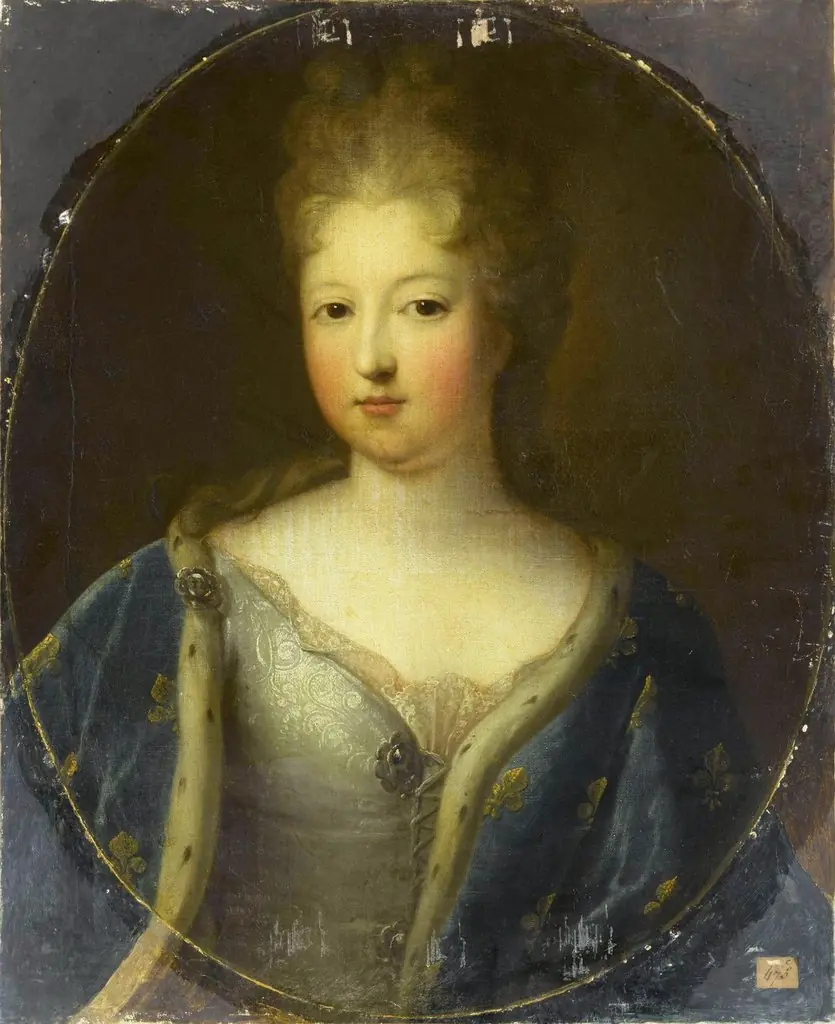 Portrait of Françoise-Marie de Bourbon
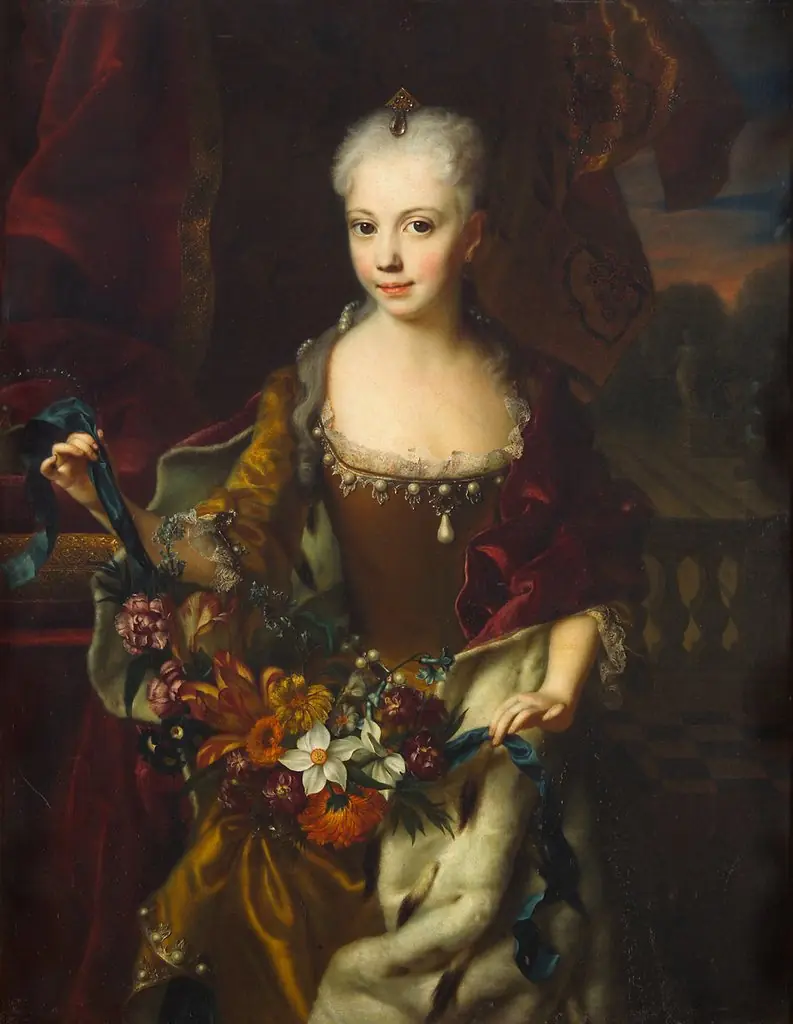 Erzherzogin Maria Anna (1718-1744), Tochter von Karl VI. im Alter von neun Jahren, Kniestück
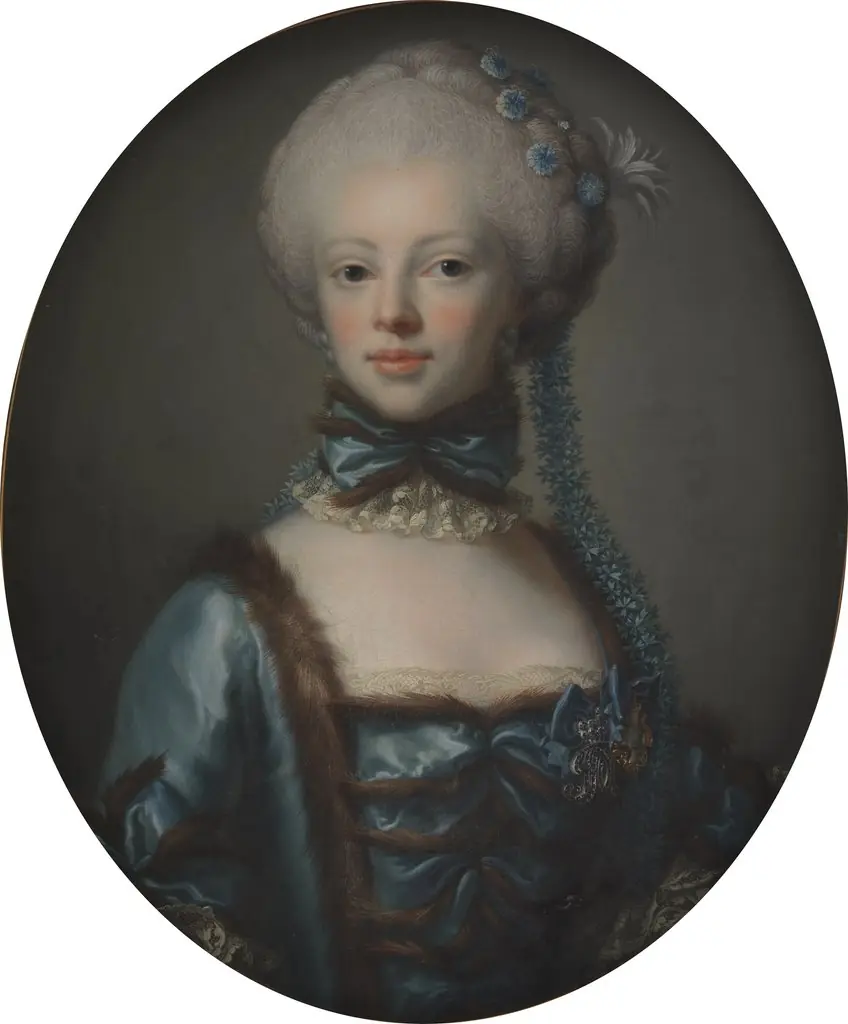 Portrait of Countess Eleonora Agnes Scheel, neé Raben