Artwork
Supper at Emmaus
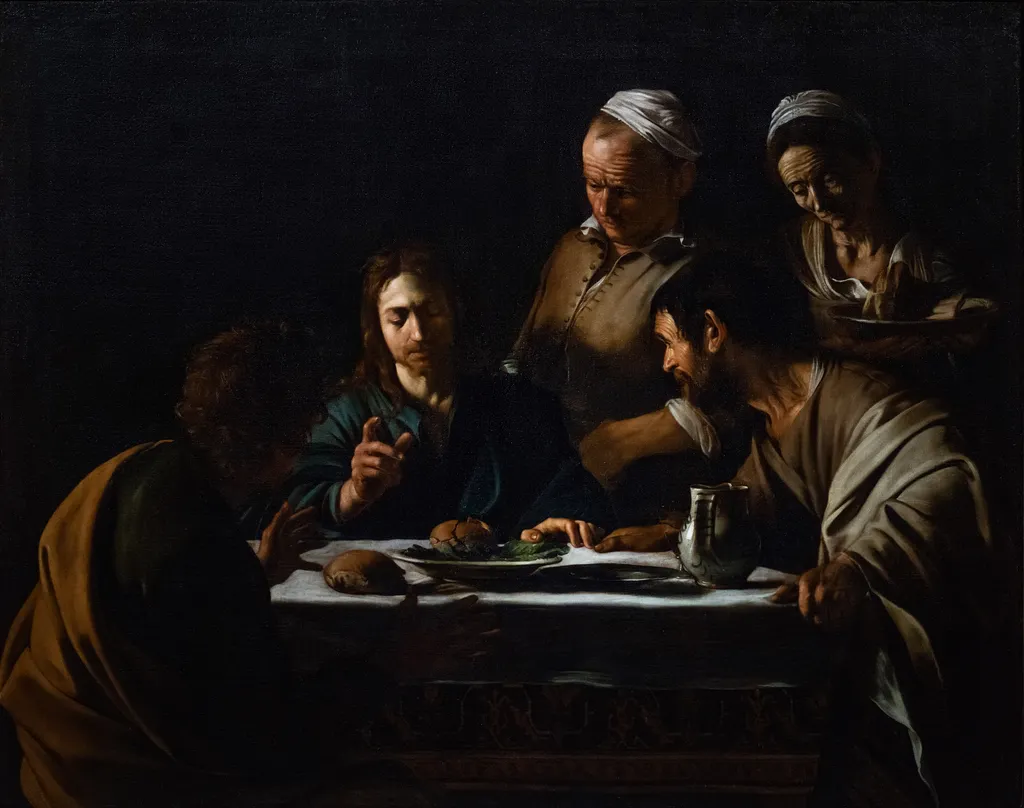
Supper at Emmaus is an oil painting by the Baroque artist Caravaggio. It dates from 1606 and is held in the collection of the Pinacoteca di Brera.
About this work
Overview
Painted in 1606, Supper at Emmaus is an oil on canvas work by Caravaggio, currently held in the Pinacoteca di Brera in Milan.
Painted in 1606, Supper at Emmaus is an oil on canvas work by Caravaggio, currently held in the Pinacoteca di Brera in Milan. It illustrates a moment from the Gospel of Luke in which the resurrected Christ is recognized by two disciples during a meal. The composition centers on a modest table setting, rendered with intense realism and a dramatic interplay of light and shadow that defines Caravaggio’s signature style.
Subject & Meaning
The scene captures the instant when Christ, seated centrally, breaks bread and reveals his identity to two astonished disciples. A third figure, likely a servant, stands to the right, observing quietly. The moment of revelation is conveyed through their gestures and expressions—sudden recognition replacing doubt. The act of breaking bread symbolizes both Eucharistic ritual and divine presence, grounding the supernatural in everyday intimacy.
Technique & Style
Caravaggio employs chiaroscuro with striking precision, using a single light source from the left to sculpt forms and heighten emotional tension. Textures of fabric, fruit, and bread are rendered with tactile realism, while the dark, undefined background isolates the figures and focuses attention on their interaction. The composition is tightly cropped, eliminating extraneous detail to amplify psychological immediacy.
History & Provenance
Commissioned by Ciriaco Mattei, a Roman nobleman, the painting entered the Pinacoteca di Brera in 1809 after the Napoleonic suppression of religious institutions in Italy. It remained in the Mattei family’s collection for over two centuries before its transfer to Milan. Its attribution has never been in doubt, and it has been consistently recognized as one of Caravaggio’s most powerful narrative works from his mature period.
Context
Created during Caravaggio’s Roman years, the painting reflects the Counter-Reformation’s emphasis on emotional, accessible religious imagery. The use of ordinary people as models and the depiction of sacred events in contemporary settings aligned with Church directives to make divine stories relatable. Caravaggio’s rejection of idealized forms challenged academic traditions, offering instead a raw, humanized spirituality.
Legacy
Supper at Emmaus influenced generations of Baroque painters through its dramatic lighting and psychological intensity. Its unadorned realism and focus on a single, decisive moment became a model for narrative painting. Though later styles moved toward idealization, Caravaggio’s approach retained resonance for artists seeking emotional authenticity over decorum, securing its place in the evolution of Western art.
Own this work as a print
Artist & collection
Artist
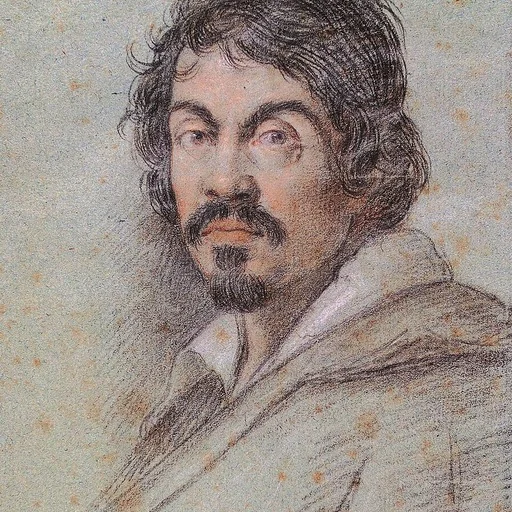
Michelangelo Merisi da Caravaggio (also Michele Angelo Merigi or Amerighi da Caravaggio; 29 September 1571 – 18 July 1610), known mononymously as Caravaggio, was an Italian painter active in Rome for most of his artistic life.