Artwork
The Holy Family with Saint Elizabeth
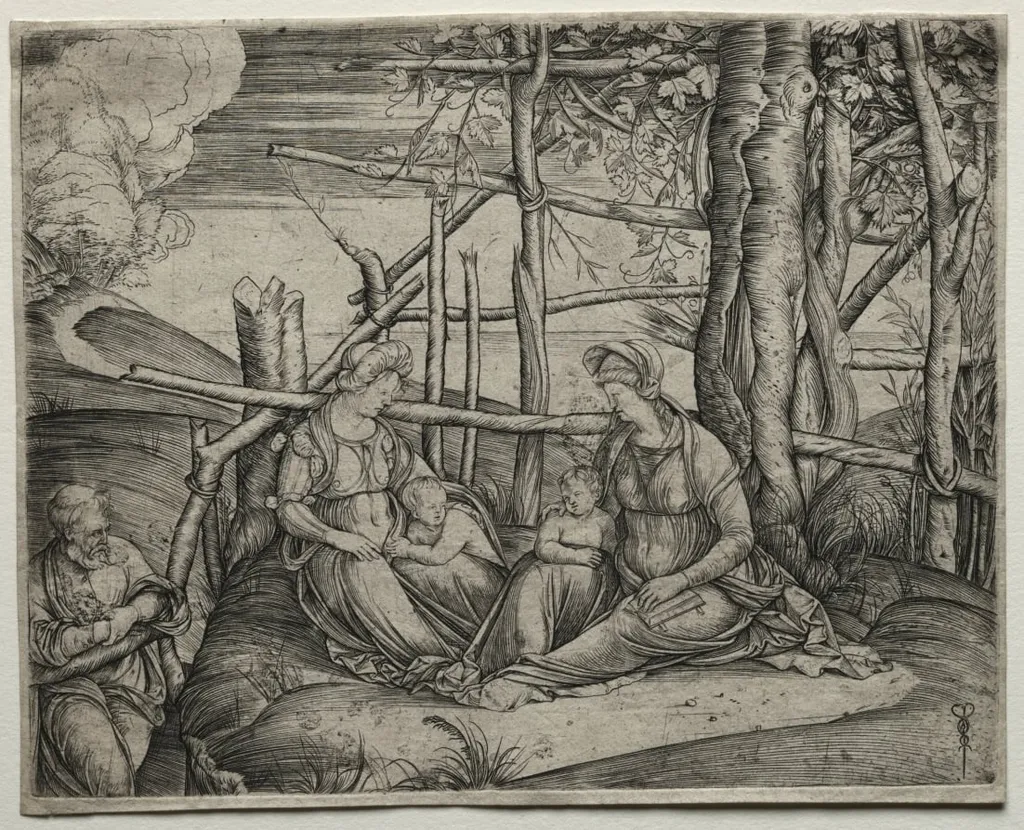
The Holy Family with Saint Elizabeth is a print by the Renaissance artist Jacopo de' Barbari. It dates from 1503 and is held in the collection of the Cleveland Museum of Art. This print depicts the Holy Family alongside Saint Elizabeth and the infant John the Baptist in a sparse, symbolic landscape.
About this work
Overview
This print depicts the Holy Family alongside Saint Elizabeth and the infant John the Baptist in a sparse, symbolic landscape.
This print depicts the Holy Family alongside Saint Elizabeth and the infant John the Baptist in a sparse, symbolic landscape. The figures are arranged with quiet intimacy, their gestures and positioning emphasizing spiritual kinship. The environment, though seemingly barren, is densely layered with theological references, transforming natural elements into signs of divine intervention and sacred purity.
Subject & Meaning
The scene centers on two miraculous births: Mary’s conception of Christ and Elizabeth’s pregnancy with John the Baptist despite her advanced age. Their proximity underscores their shared divine favor. The enclosed space around them alludes to the hortus conclusus, a medieval symbol of virginity, while the barren trees reflect Elizabeth’s former sterility, now reversed through grace.
Technique & Style
Jacopo de’ Barbari employs fine, precise lines typical of early Renaissance engraving to render texture and form. The contrast between the lifeless trees and the vibrant grapevines climbing their trunks demonstrates a deliberate interplay of decay and renewal. The composition avoids naturalism, prioritizing symbolic clarity over atmospheric depth, guiding the viewer’s attention to theological meaning.
History & Provenance
Created in the early 16th century, this print reflects the devotional interests of Northern Italian humanist circles. It was likely produced for private contemplation rather than public display. Though its early ownership records are sparse, its survival in multiple museum collections suggests it was widely circulated among educated patrons seeking spiritually rich imagery.
Context
The work emerges during a period when religious prints were increasingly used to convey complex doctrines to lay audiences. By embedding biblical narratives in symbolic landscapes, artists like Barbari responded to both theological debates and the growing demand for portable, affordable sacred imagery. The inclusion of Edenic allusions aligns with contemporary sermons linking Christ’s redemption to the fall of Adam.
Legacy
Barbari’s integration of natural symbolism into sacred narrative influenced later Northern engravers and painters who sought to merge allegory with realism. While not widely known today, the print’s precise visual language contributed to the development of emblematic composition in religious art, bridging medieval iconography and Renaissance humanist thought.
Artist & collection
Artist
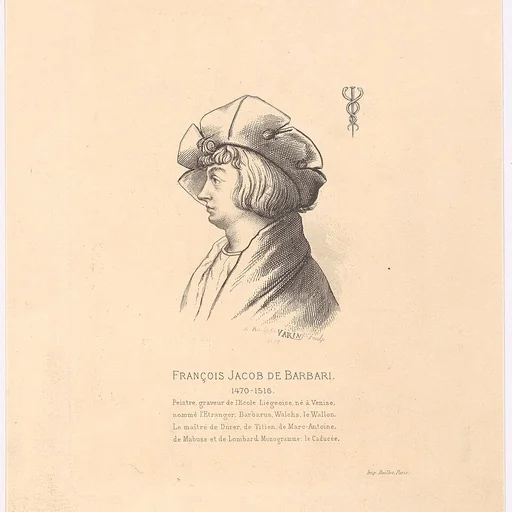
Jacopo de' Barbari, sometimes known or referred to as de'Barbari, de Barberi, de Barbari, Barbaro, Barberino, Barbarigo or Barberigo (c.


![View of Venice [lower right block], by Jacopo de' Barbari](https://artifactworldgallery.com/img/jacopo-de-barbari--view-of-venice-lower-right-block--371460ae957995b9-w320.webp)
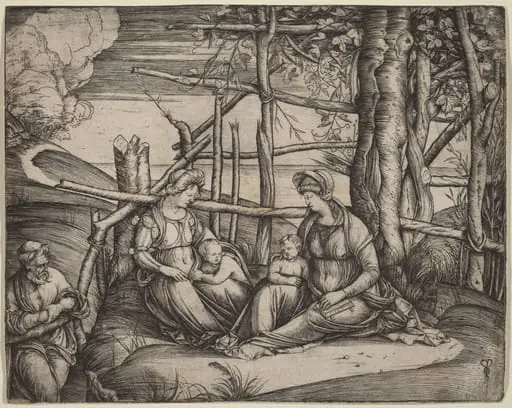 Holy Family with Saint Elizabeth and the Infant Saint John the Baptist
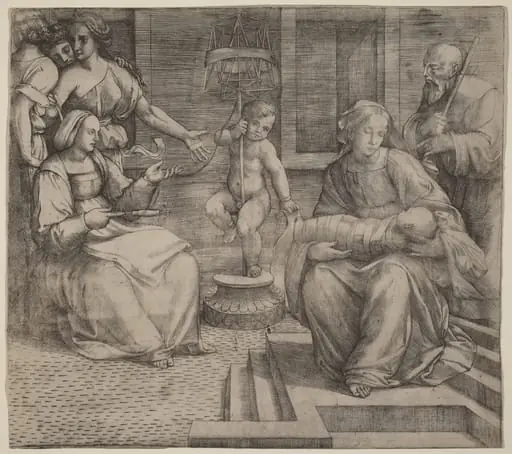 Holy Family with Saint Elizabeth and the Infant Saint John the Baptist
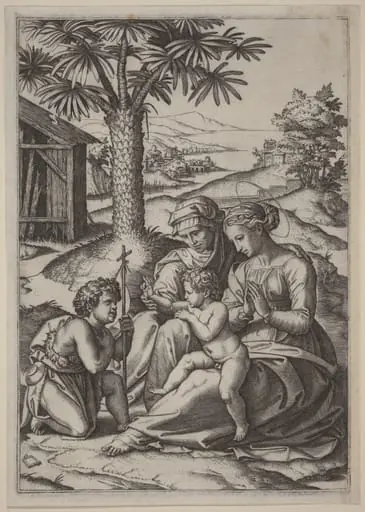 Madonna under a Palm Tree
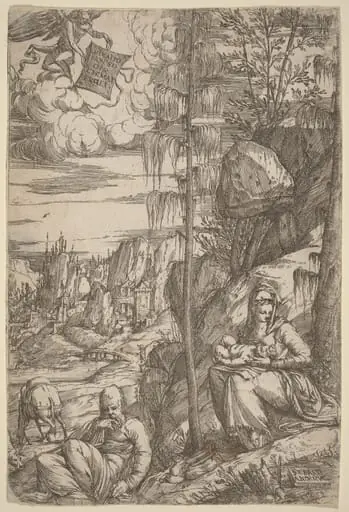 Landscape with the Rest on the Flight into Egypt
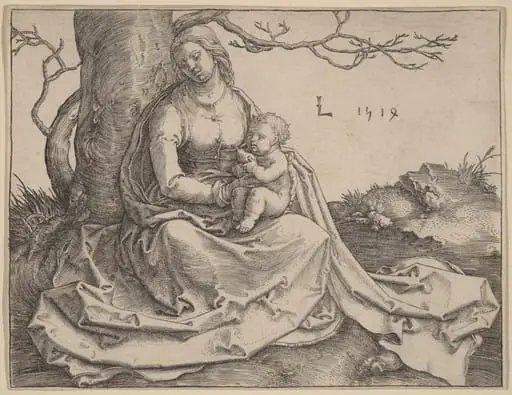 The Virgin Seated under a Tree
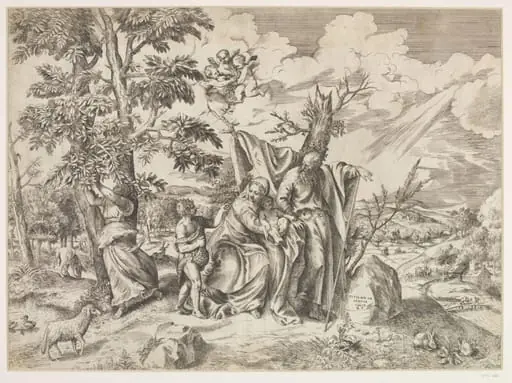 Holy Family
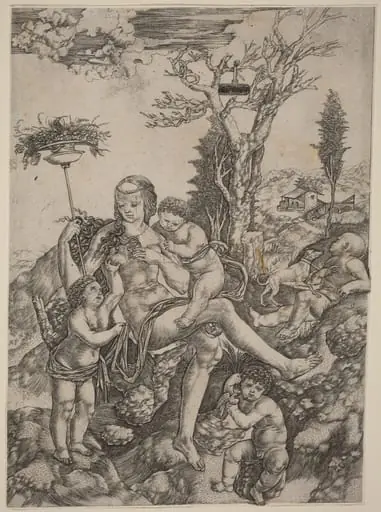 Allegory of Mother Earth
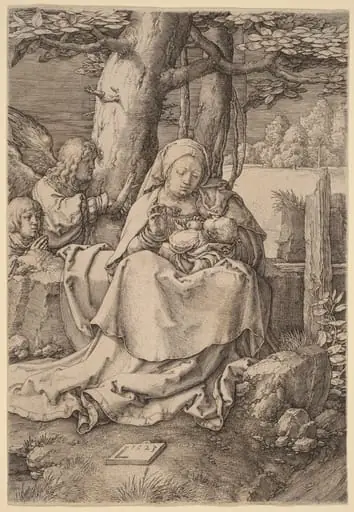 The Virgin and Child with Two Angels
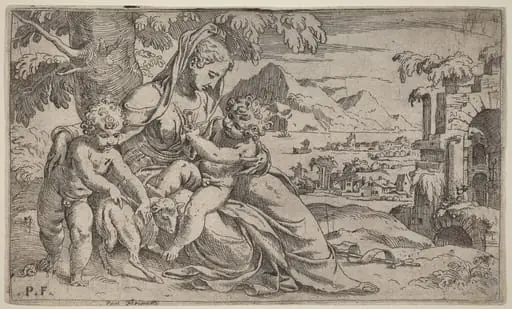 Madonna and Child with John the Baptist
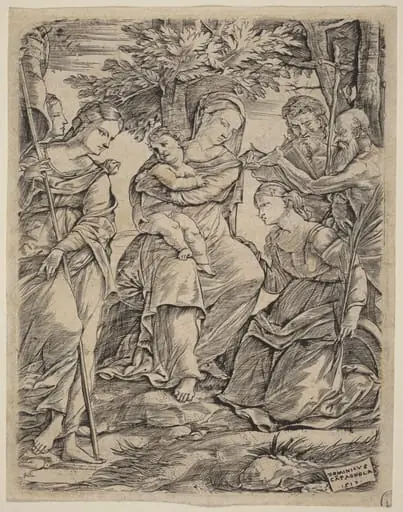 The Virgin and Child with Saints
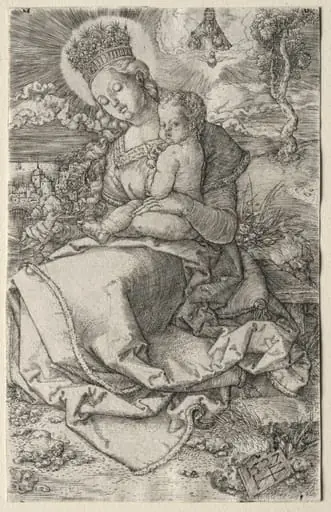 Virgin with a Crown of Stars