Artwork
The Nativity
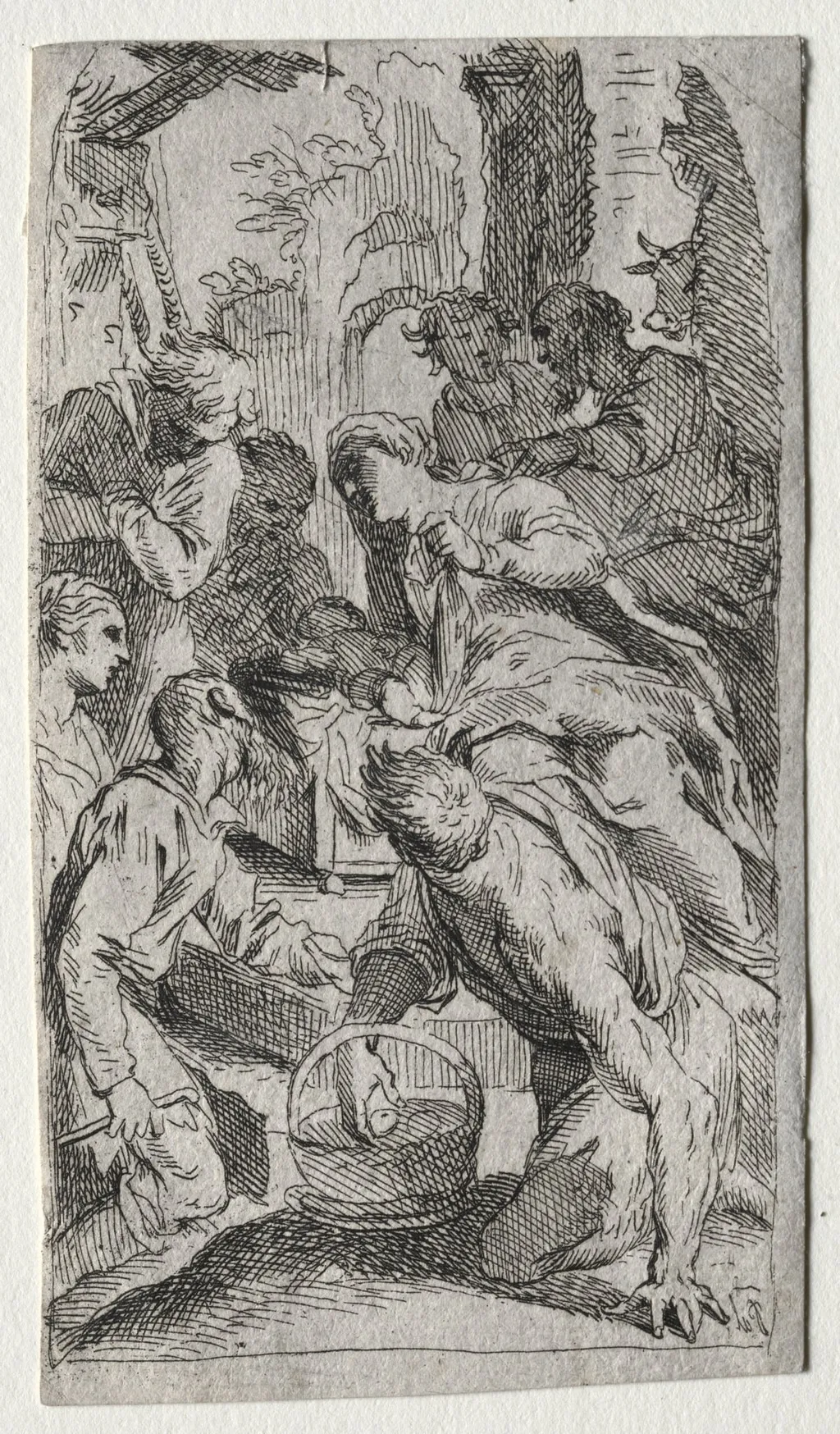
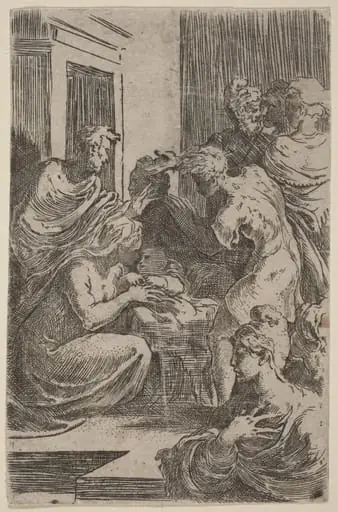
The Nativity is a print by the Renaissance artist Palma il Giovane. It dates from 1598 and is held in the collection of the Cleveland Museum of Art.
About this work
Overview
The Nativity, created in 1598 by Jacopo Palma il Giovane, is a religious print exemplifying the Venetian school of art. It is currently part of the Cleveland Museum of Art's collection.
Subject & Meaning
Depicting a pivotal religious scene, the print shows a group gathered around a baby in a manger within a dim, wooded setting. The emphasis on gestures and dim lighting underscores the emotional and spiritual intensity of the Nativity.
Technique & Style
Palma il Giovane employed deep shadows and rough lines to convey movement and urgency, characteristic of the style that followed Tintoretto's legacy. The use of chiaroscuro (strong contrasts between light and dark) directs focus towards the central figures' actions.
History & Provenance
Created in 1598, The Nativity reflects Palma il Giovane's rise as Venice's leading artist after Tintoretto's death in 1594. The work's provenance culminates in its current residence at the Cleveland Museum of Art.
Context
As a Venetian school piece, The Nativity sits within the broader context of late 16th-century Venetian art, known for dramatic lighting and emotional depth, influencing both local and Central European artistic practices.
Legacy
While specific impacts of The Nativity on subsequent art are not detailed, it contributes to the enduring legacy of the Venetian school and Palma il Giovane's role in perpetuating Tintoretto's stylistic influences across Europe.
Artist & collection
Artist
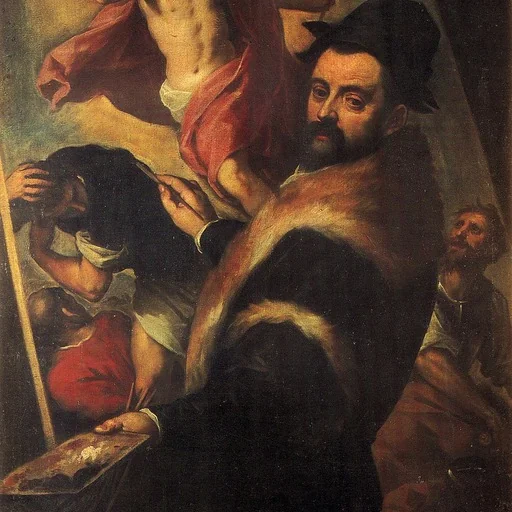
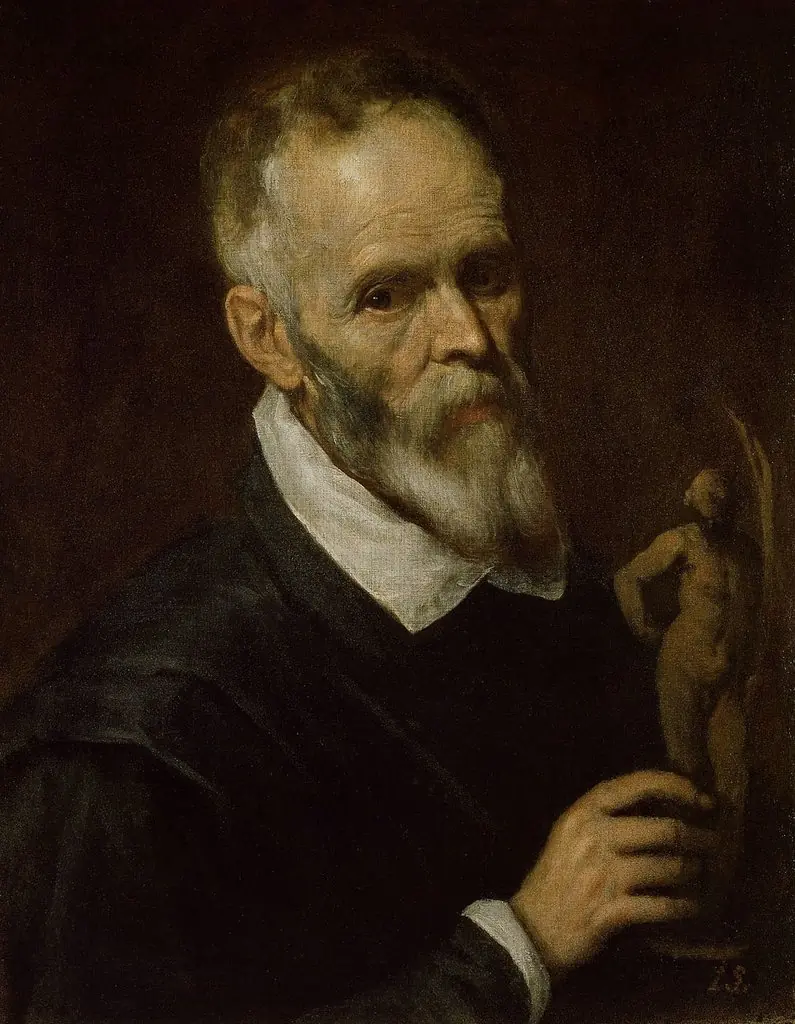
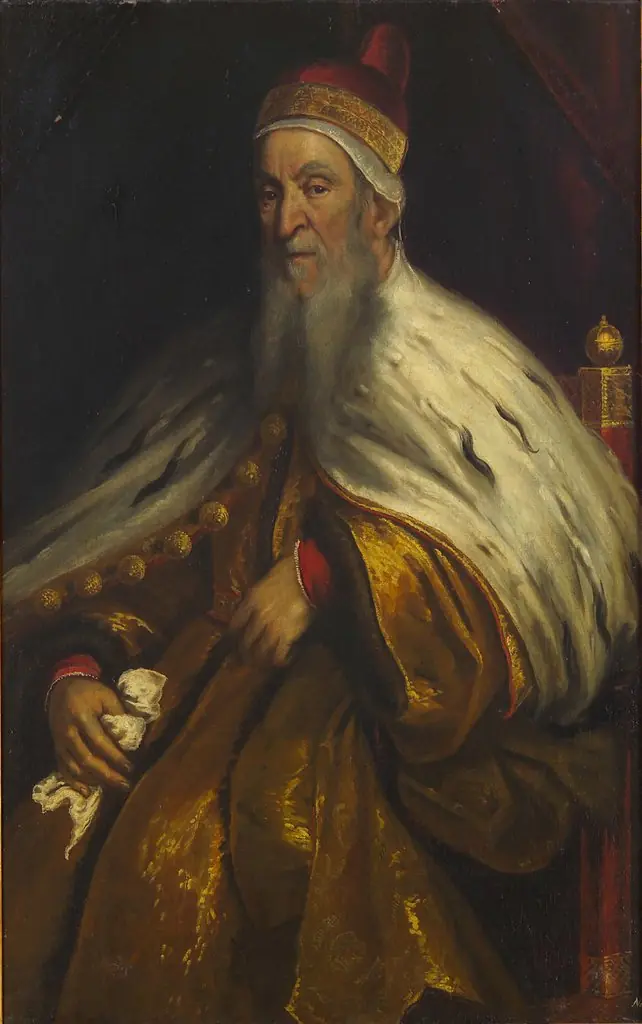
Iacopo Negretti (1548/50 – 14 October 1628), best known as Jacopo or Giacomo Palma il Giovane or simply Palma Giovane ('Young Palma'), was an Italian painter from Venice and a notable exponent of the Venetian school.

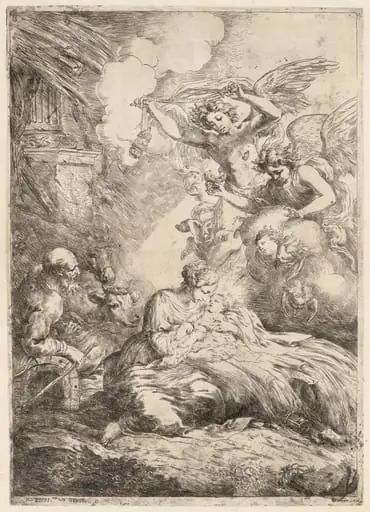 The Nativity
 The Adoration of the Shepherds
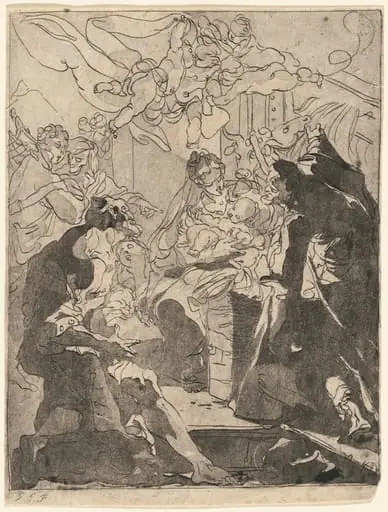 Adoration of the Shepherds
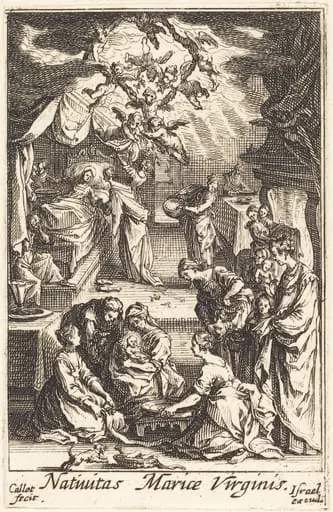 The Birth of the Virgin
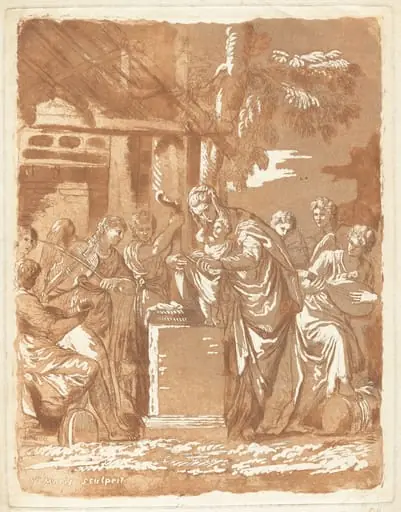 Concert des Anges autour de l'enfant Jesus (Concert of Angels around the Infant Jesus)
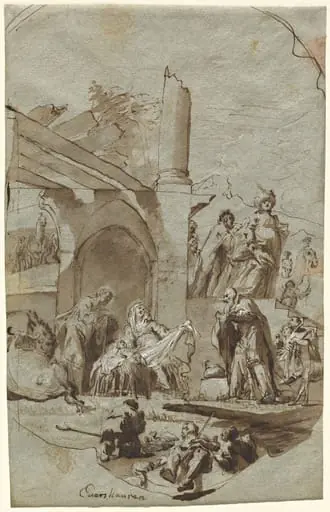 The Adoration of the Magi
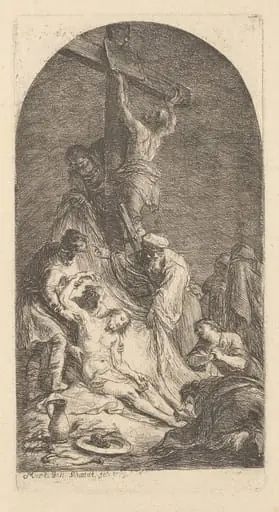 Descent from the Cross
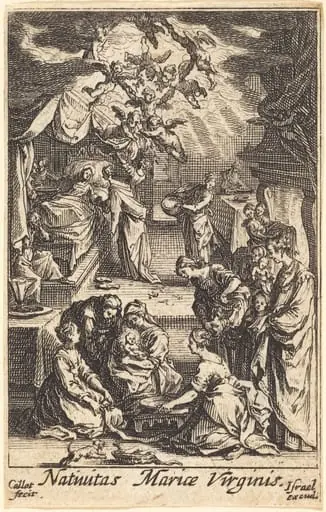 The Birth of the Virgin
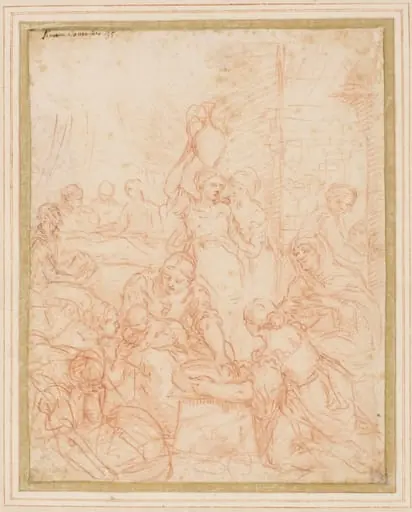 The Birth of the Virgin
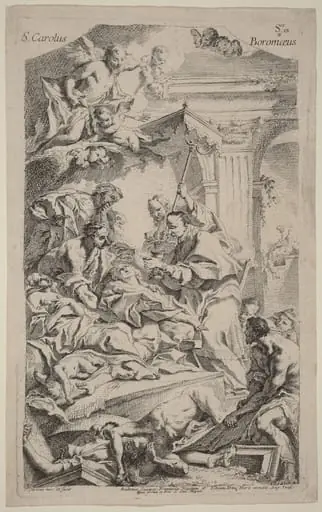 San Carlo Borromeo Giving Last Communion to Victims of the Plague
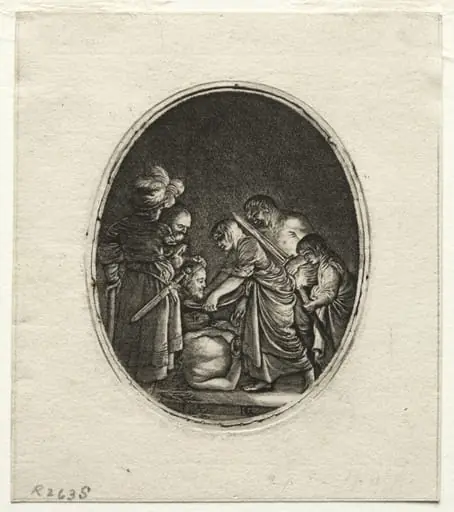 The Beheading of Saint John the Baptist
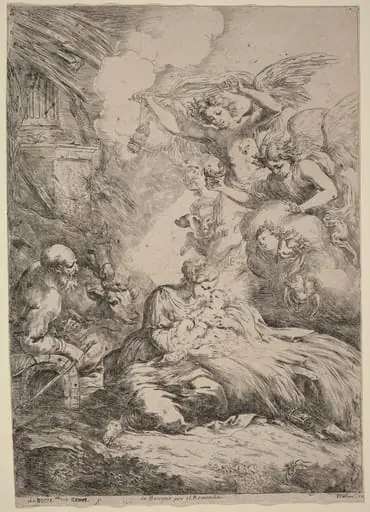 The Holy Family Adored by Angels (The Large Nativity)