Artwork
La Noblesse: Gentleman Standing in Profile with Clasped Hands
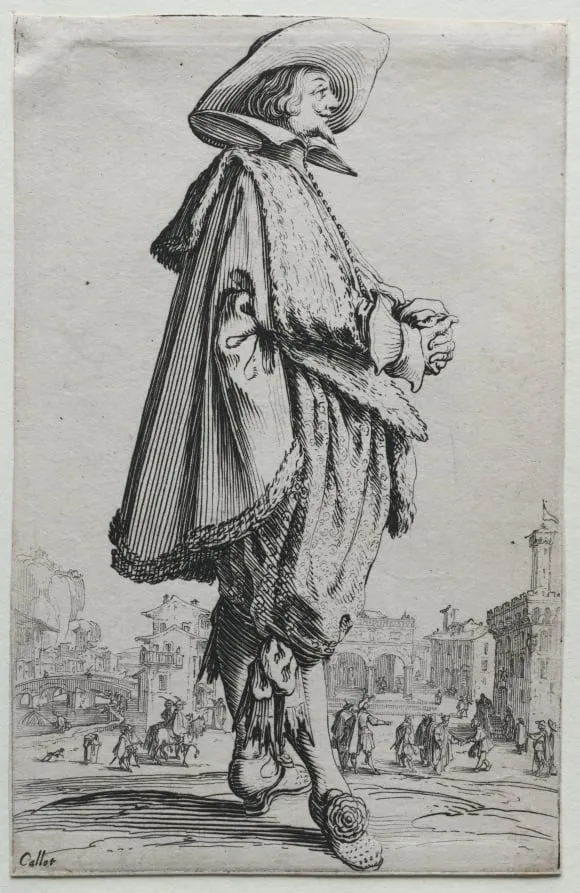
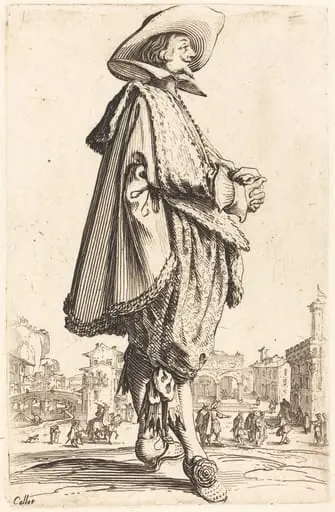
La Noblesse: Gentleman Standing in Profile with Clasped Hands is a print by the Baroque artist Jacques Callot. It dates from 1622 and is held in the collection of the Cleveland Museum of Art.
About this work
Overview
The work resides in the collection of The Cleveland Museum of Art, where it is valued for its technical refinement and subtle social observation.
La Noblesse: Gentleman Standing in Profile with Clasped Hands is a 1622 etching by Jacques Callot, part of a series exploring social types in early 17th-century Europe. Executed in fine, precise lines, the print captures a solitary figure in quiet repose. The work resides in the collection of The Cleveland Museum of Art, where it is valued for its technical refinement and subtle social observation.
Subject & Meaning
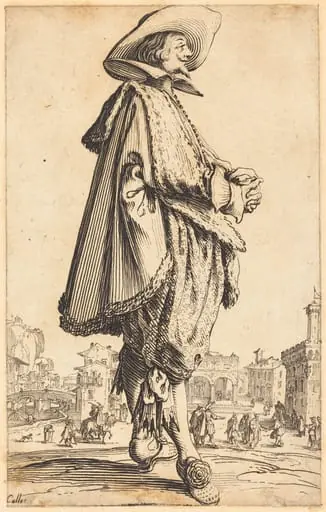
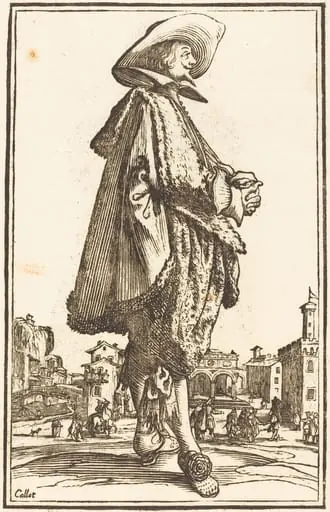
The figure is a man of apparent status, rendered in profile with hands folded formally before him. His attire—a broad-brimmed hat and heavy overcoat—suggests aristocratic or upper-middle-class identity. The calm posture and unadorned setting imply dignity rather than ostentation. The sparse background, populated by distant figures and animals, situates him within a lived urban environment, reinforcing the theme of quiet nobility amid daily life.
Technique & Style
Callot employed fine-line etching to achieve sharp contrasts and textured detail, particularly in the folds of the coat and the brim of the hat. The figure is rendered with crisp, deliberate strokes, while the background remains lightly sketched, using minimal lines to suggest depth and movement. No color is used; tonal variation emerges solely through ink density and line weight, characteristic of Baroque printmaking's emphasis on draftsmanship.
History & Provenance
Created in 1622 during Callot’s time in Nancy, the print belongs to his series La Noblesse, which catalogued figures of social distinction. The work entered The Cleveland Museum of Art’s collection in the 20th century, following earlier ownership by European collectors. Its preservation reflects enduring interest in Callot’s ability to capture social nuance through print.
Context
Callot produced this work amid the political and cultural shifts of early Baroque Europe, where printmaking became a medium for documenting class and identity. His series La Noblesse responded to growing interest in social typologies, influenced by contemporary writings on manners and status. Unlike grand portraiture, these prints offered intimate, unidealized glimpses of individuals in their everyday settings.
Legacy
Callot’s etchings, including this one, influenced later generations of printmakers through their precision and psychological subtlety. The work exemplifies how print could convey social observation without overt narrative, paving the way for 18th-century satirical and documentary prints. Its restrained aesthetic continues to be studied for its balance between formality and spontaneity.
Artist & collection
Artist
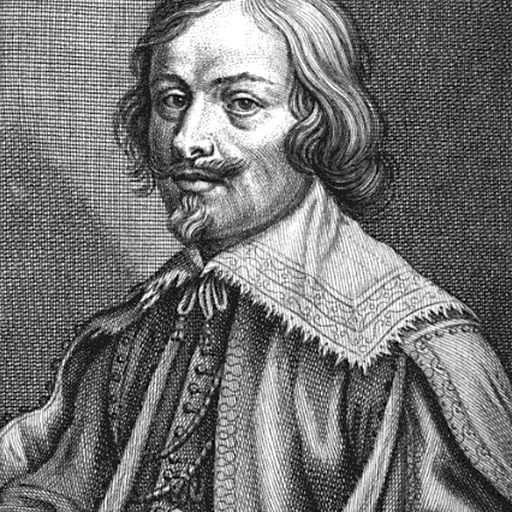
Jacques Callot was a baroque printmaker and draftsman from the Duchy of Lorraine.

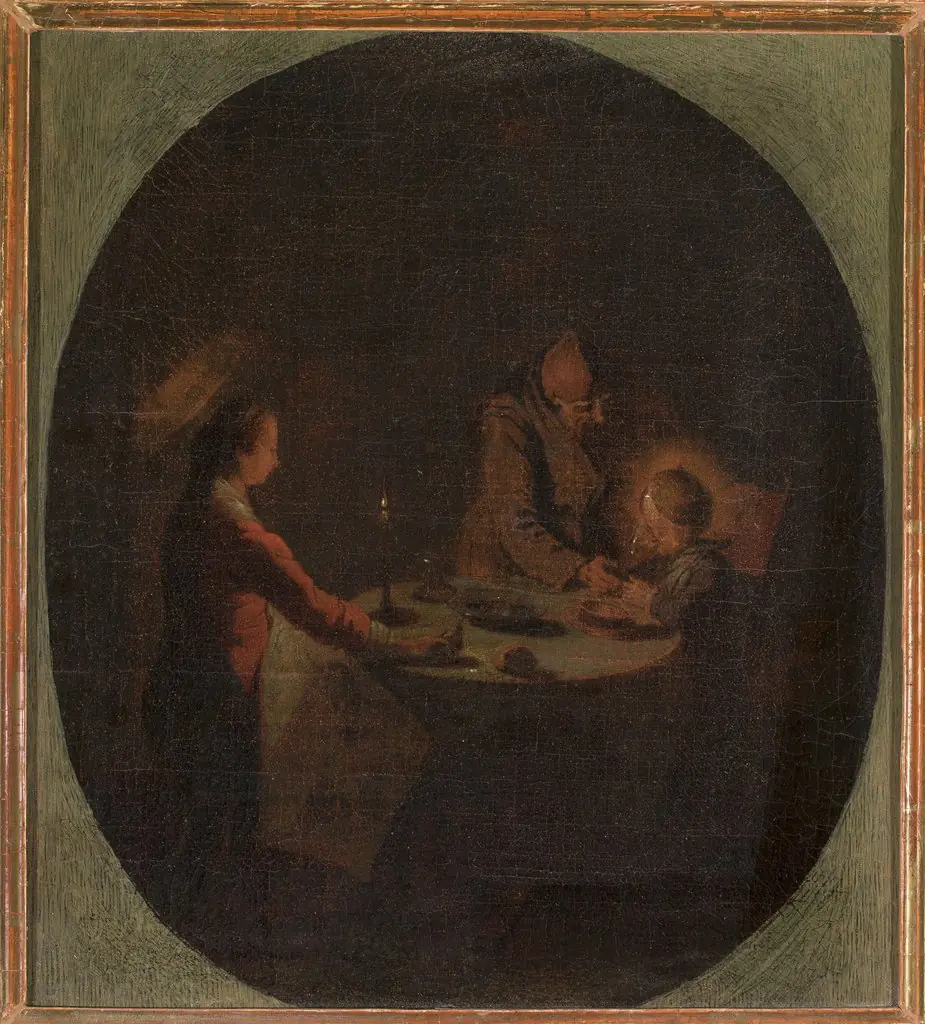 Holy Family at supper
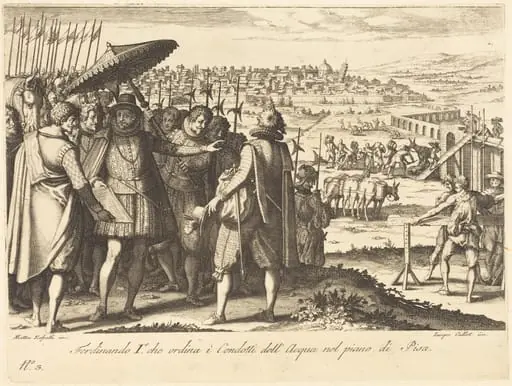 Restoration of the Aqueduct at Pisa
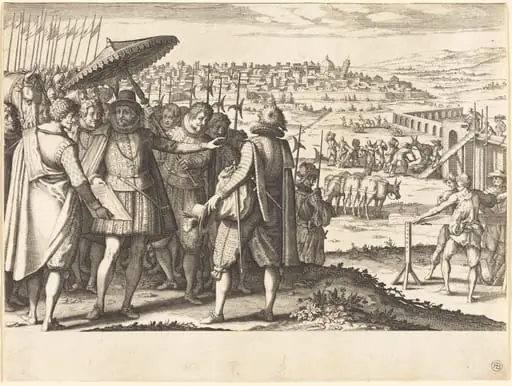 Restoration of the Aqueduct at Pisa
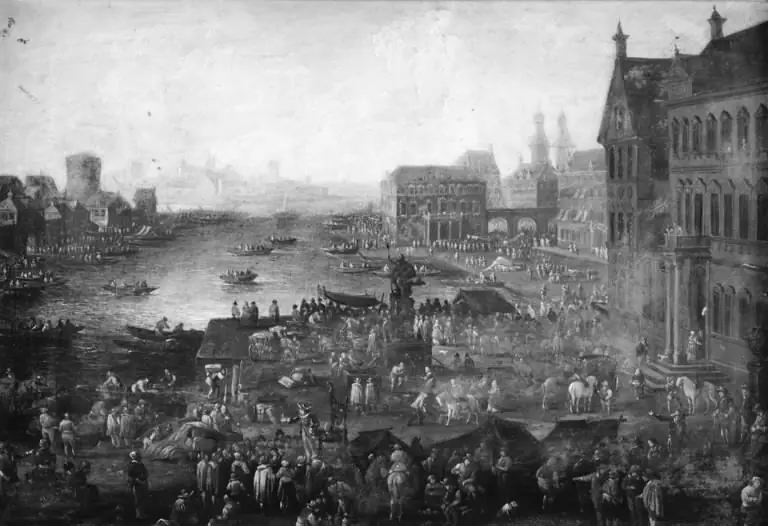 Square in Paris with Many Figures
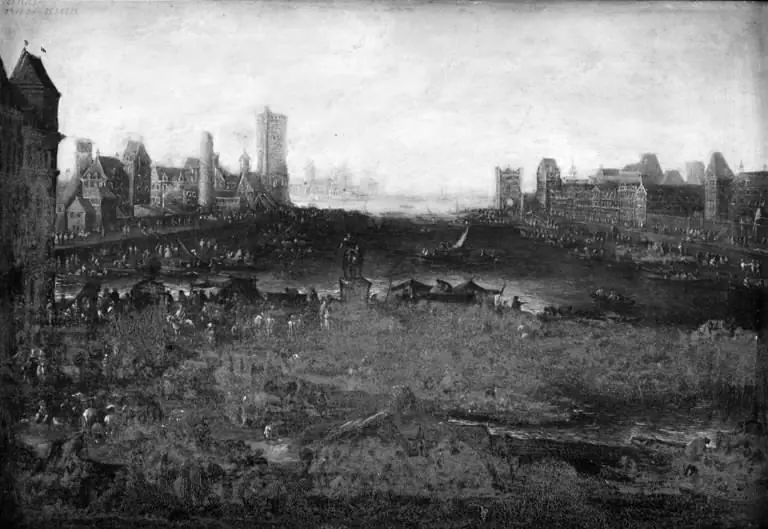 Square in Paris with Many Figures
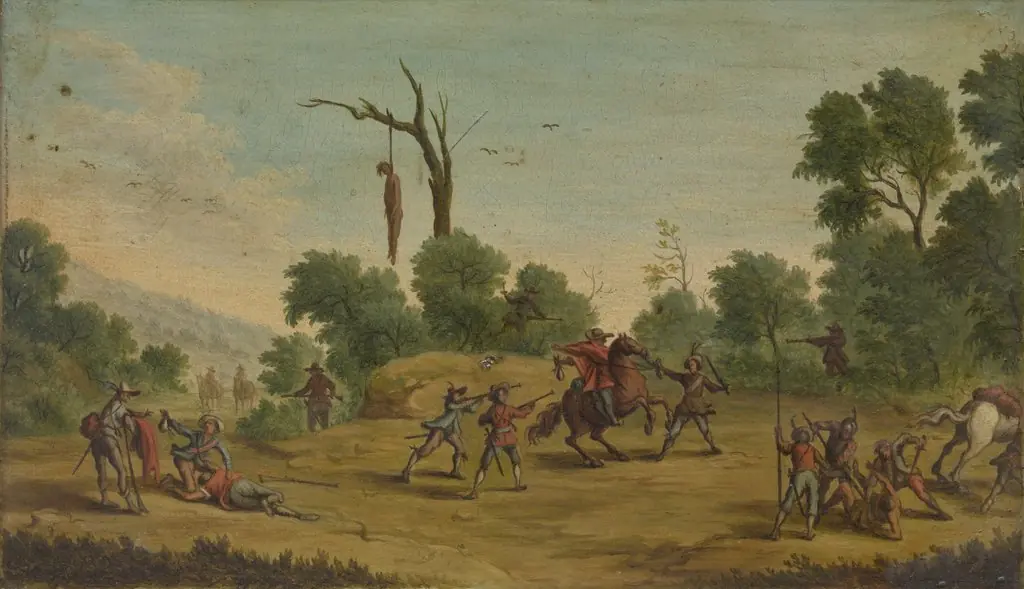 Horsemen Attacked by Robbers
 HOW WILL A COVERED PART BE CORRECTED?HOW WIKA A COVERED HEART DEED CORRECTED?
![Christ Walking on the Water [second plate], by Jacques Callot](https://artifactworldgallery.com/img/jacques-callot--christ-walking-on-the-water-second-plate--2069f3bfe4cb2126-w320.webp) Christ Walking on the Water [second plate]
Christ Walking on the Water [second plate]