Artwork
Ecce Homo
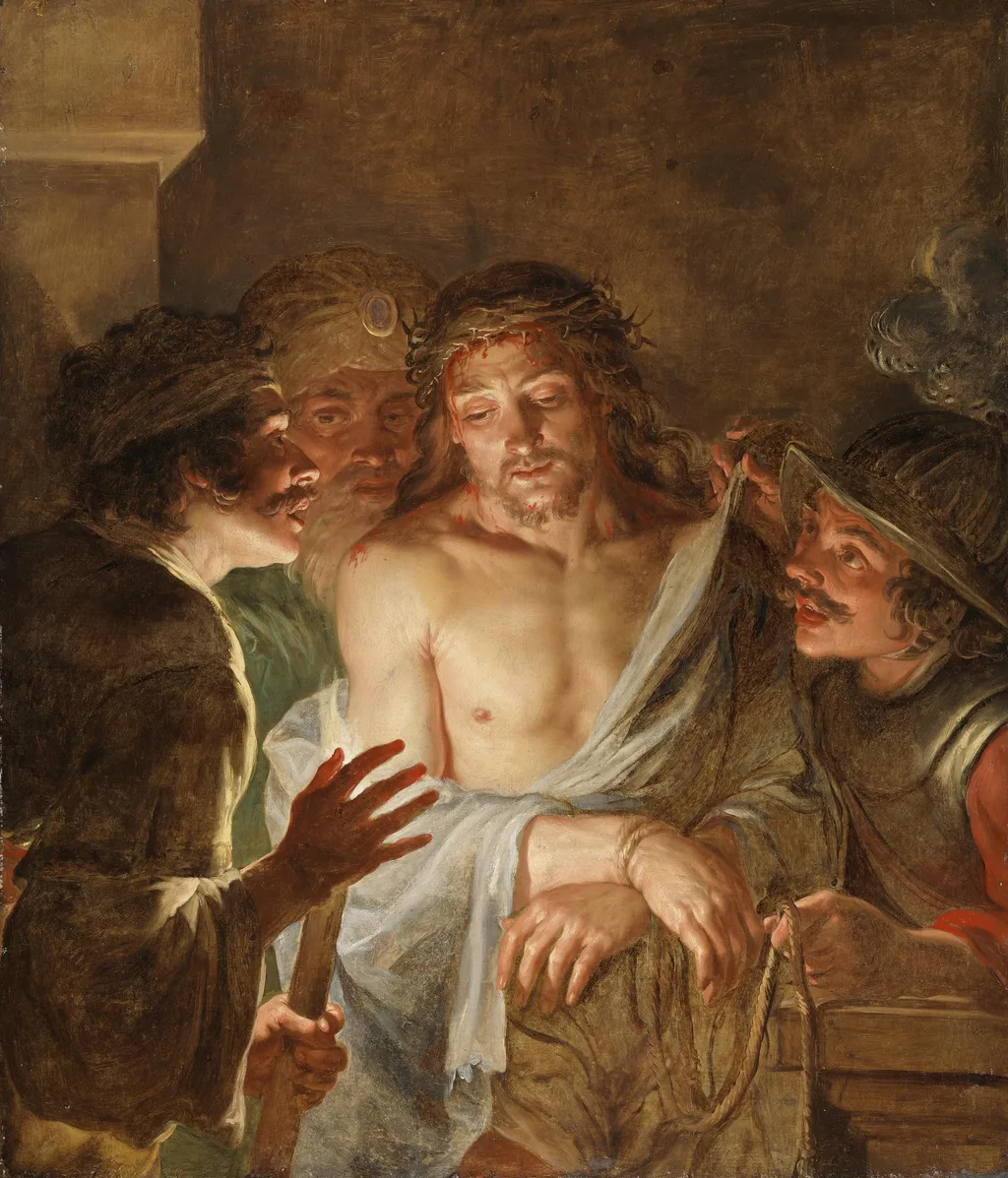
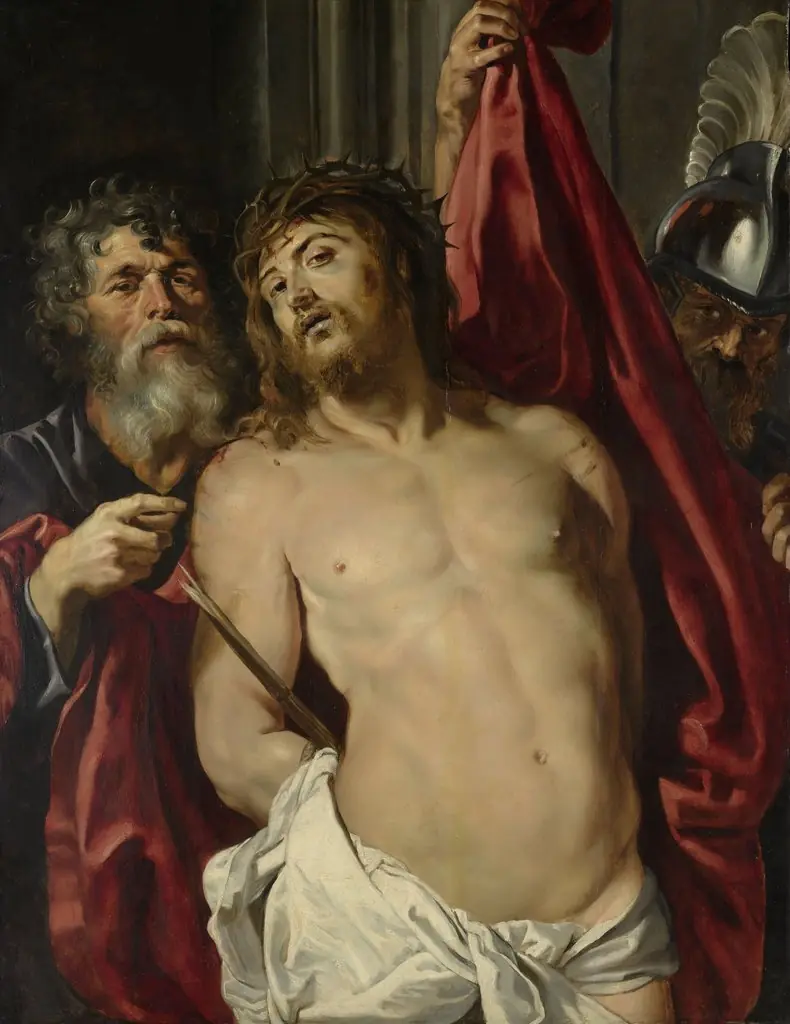
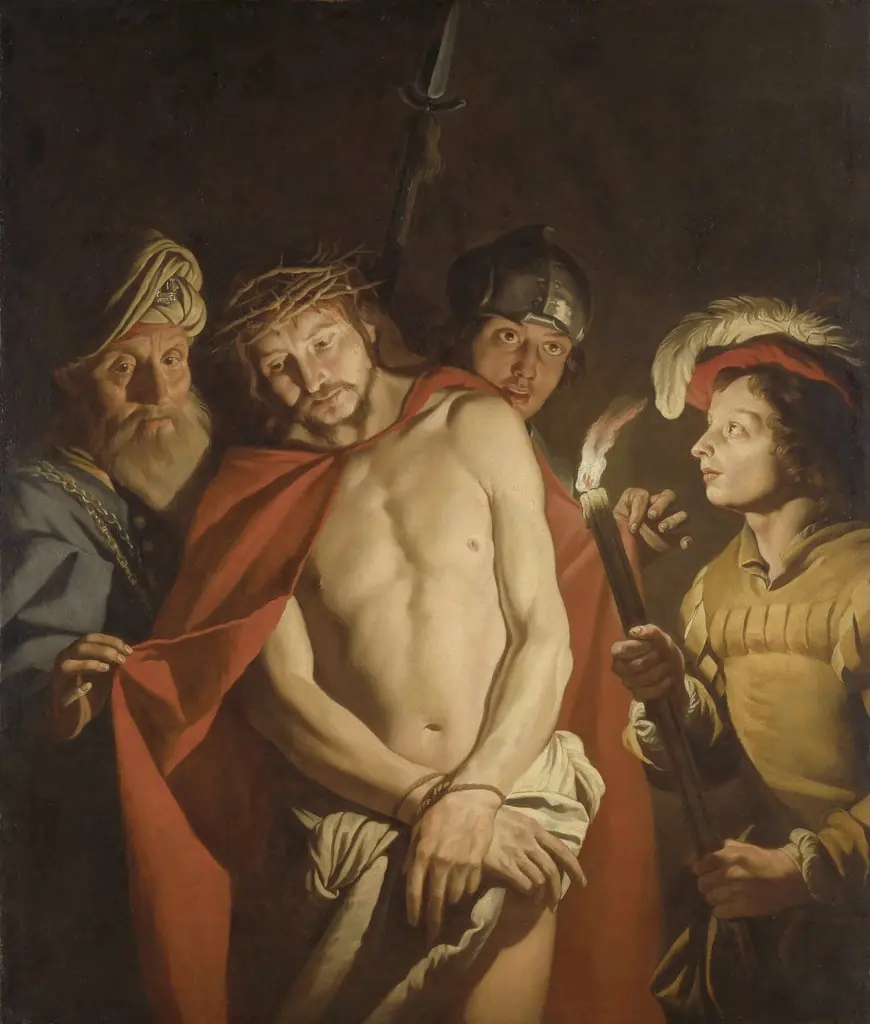
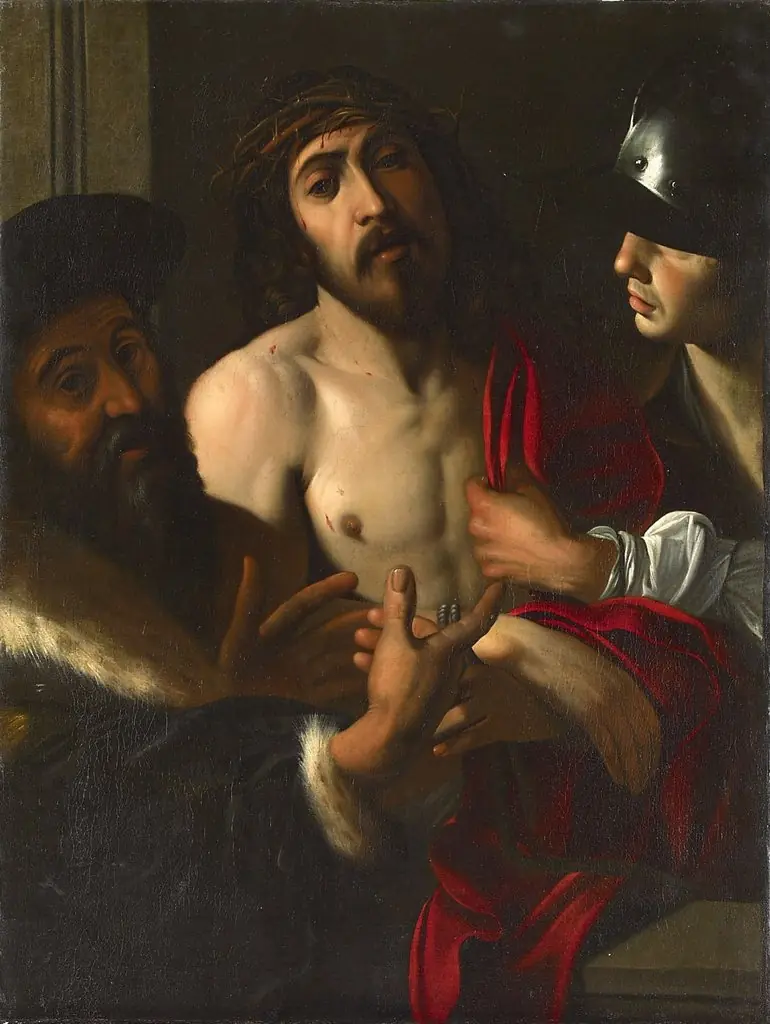
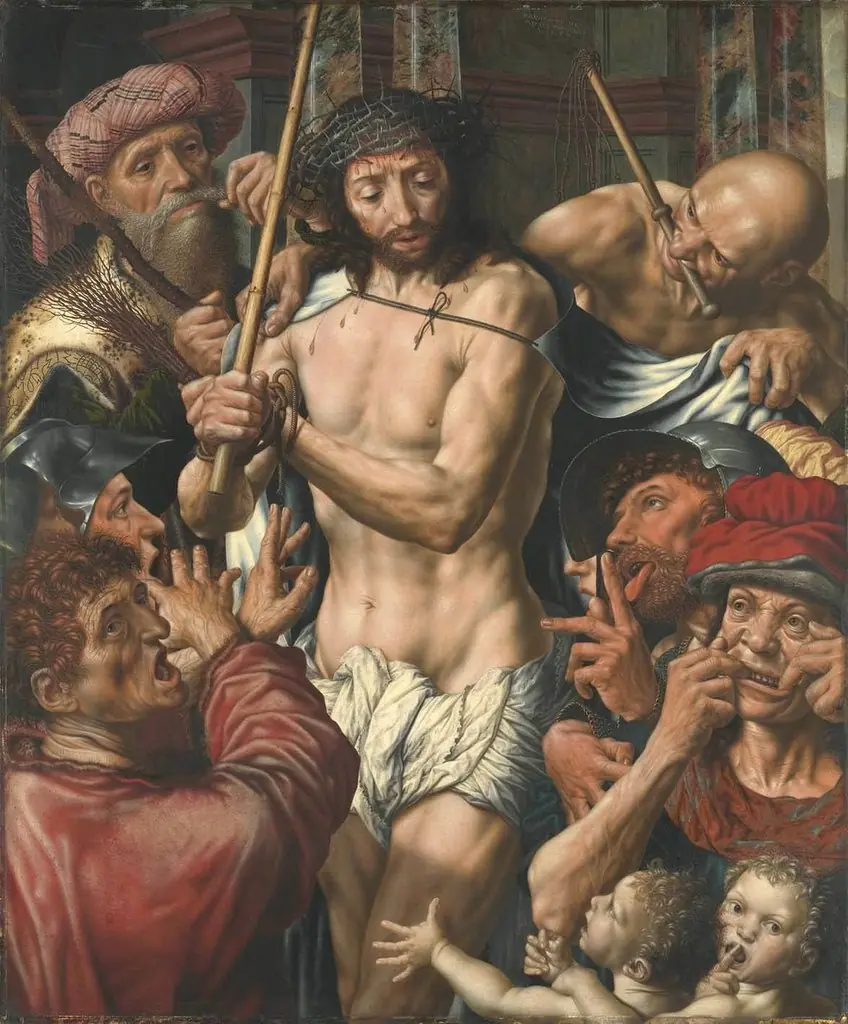
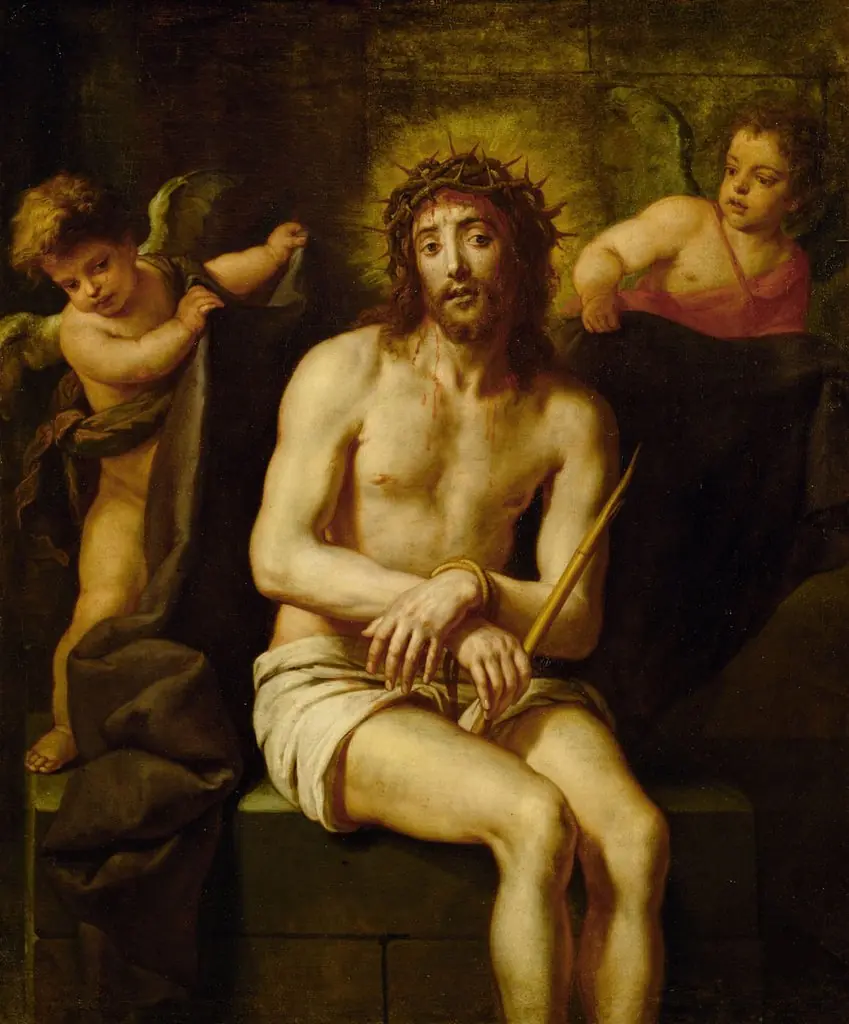
Ecce Homo is an oil painting by the Flemish Baroque painting artist Jacques de l'Ange. It dates from 1642 and is held in the collection of the National Gallery of Ireland.
About this work
Overview
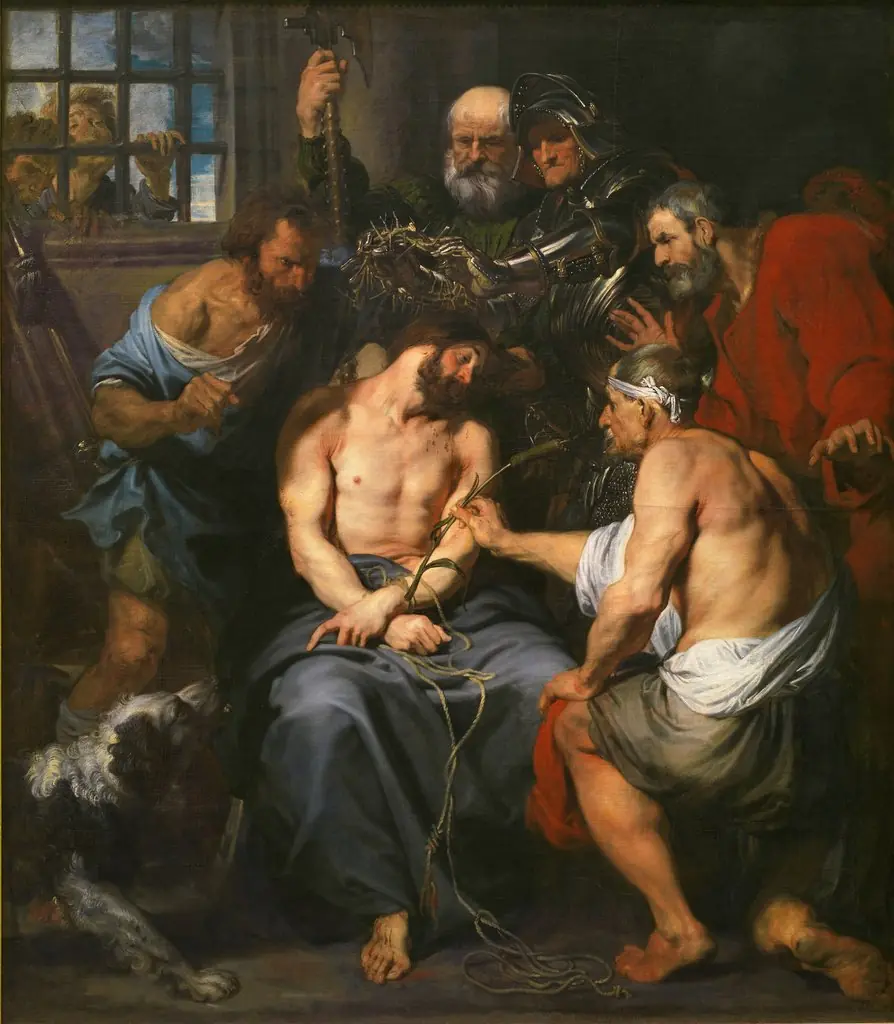
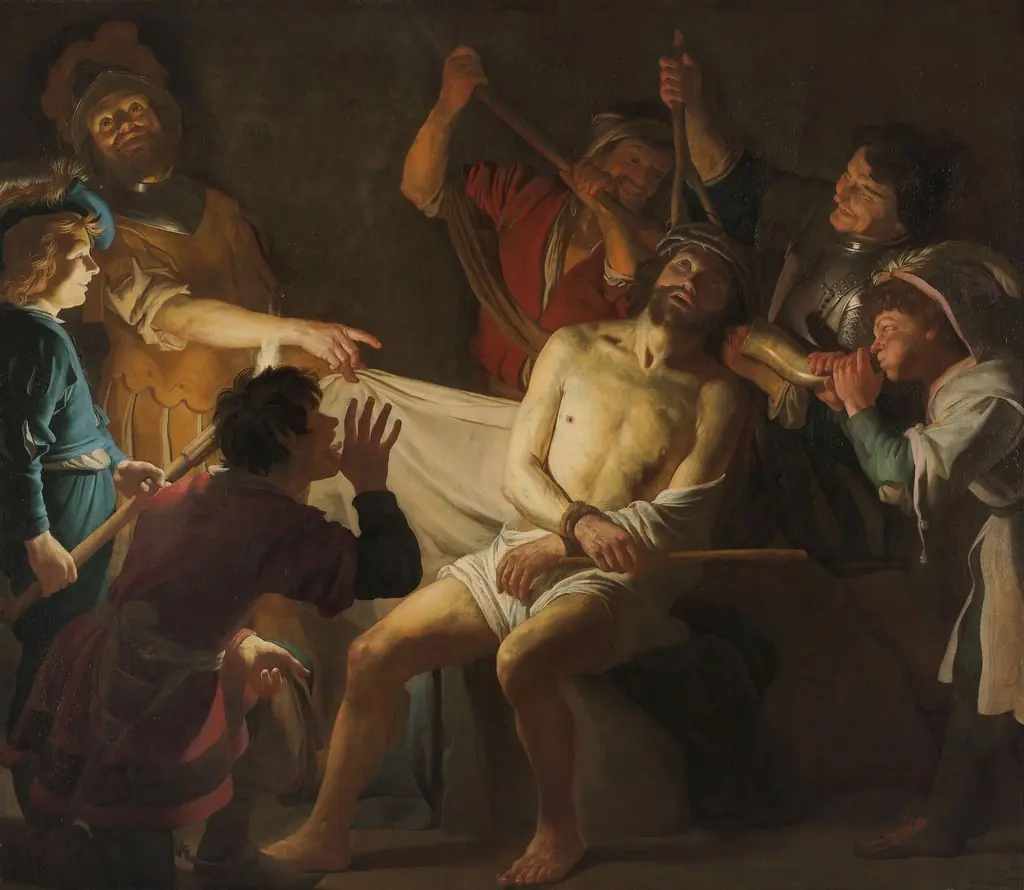
Ecce Homo is a 1642 oil painting by Jacques de l’Ange, a Flemish Baroque artist. The work depicts a pivotal moment in the Passion of Christ, showcasing de l’Ange’s mastery of dramatic lighting and realistic rendering.
Subject & Meaning
The painting illustrates the moment Jesus Christ is presented by Pontius Pilate to the crowd, as indicated by the central figure’s outstretched arms and the reactions of the two accompanying men. The scene conveys the emotional intensity of the event.
Technique & Style
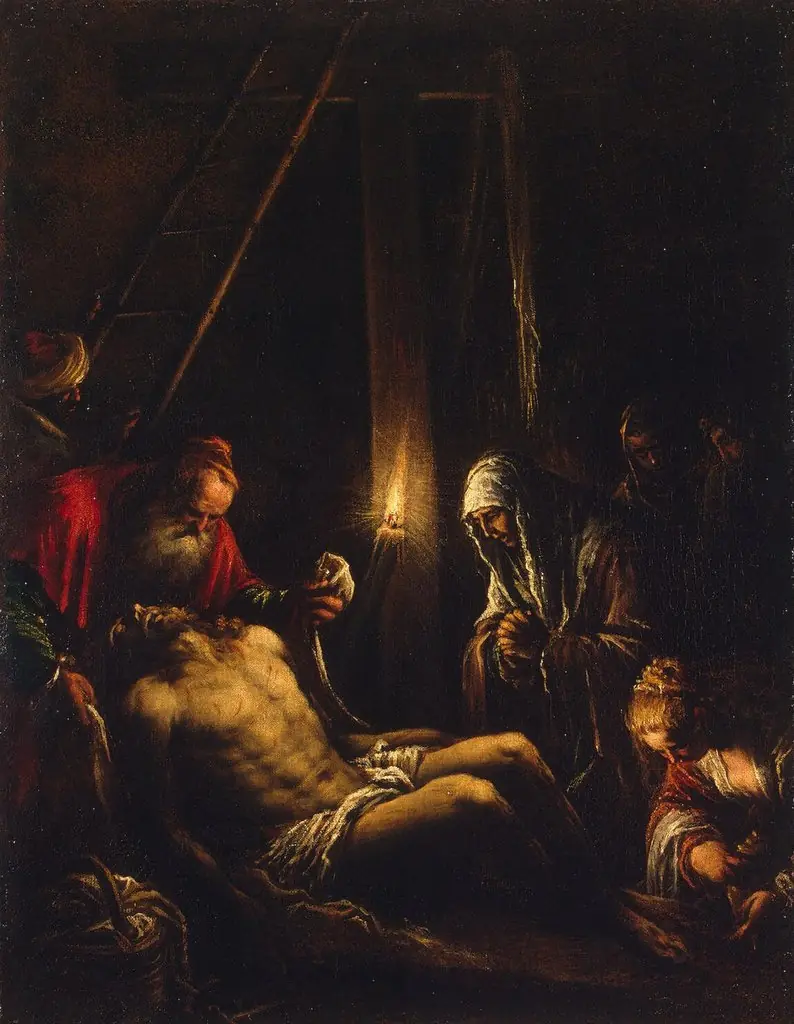
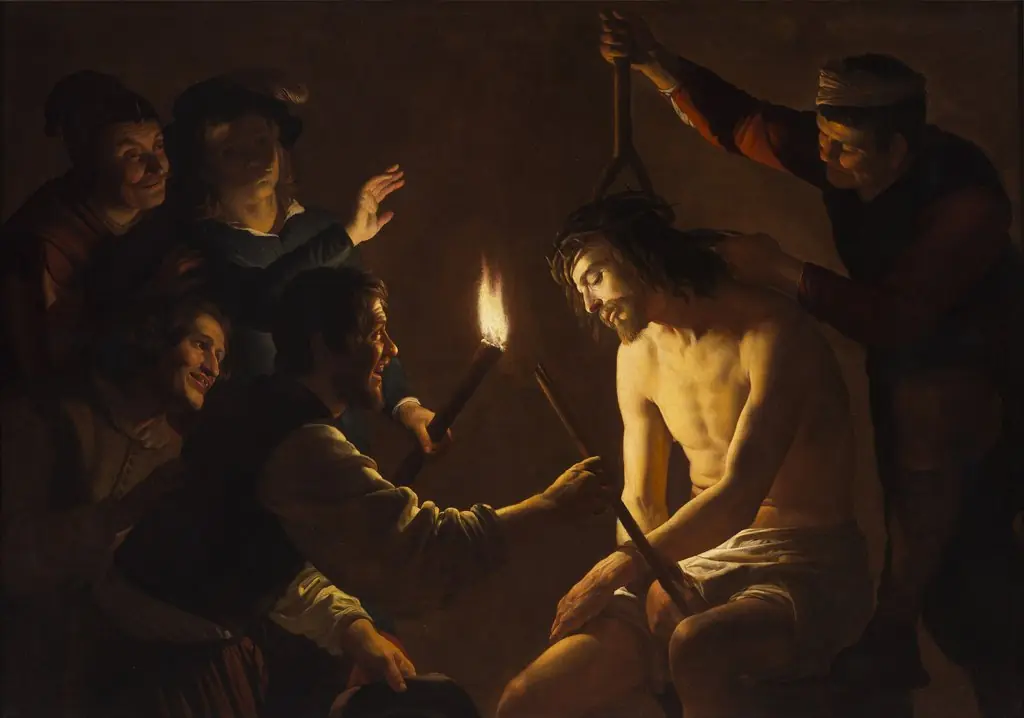
De l’Ange employed strong chiaroscuro, characteristic of the Caravaggisti influence, to create a sense of volume and depth. Thick, textured brushstrokes, particularly evident in the muscles and crown of thorns, add tactile quality, while the contrast between the pale, luminous central figure and the dark, blurry background heightens dramatic effect.
History & Provenance
Previously misattributed to other Northern Baroque artists due to its Caravaggisti style, Ecce Homo was correctly linked to de l’Ange in the 1990s. It is now part of the National Gallery of Ireland’s collection.
Context
Created within the Flemish Baroque tradition, the painting reflects the broader artistic trends of 17th-century Europe, where the dramatic use of light and shadow was a hallmark of emotional and psychologically complex works.
Legacy
While de l’Ange’s individual recognition came late, his contributions, as seen in Ecce Homo, enrich the understanding of the Caravaggisti movement’s reach and influence among Flemish painters of his time.
Own this work as a print
Artist & collection
Artist
Jacques de l'Ange or the Monogrammist JAD (c. 1621 – 1650) was a Flemish painter and draughtsman known for his genre scenes and history paintings executed in a Caravaggesque style. The artist was only rediscovered in…