Artwork
Still-life
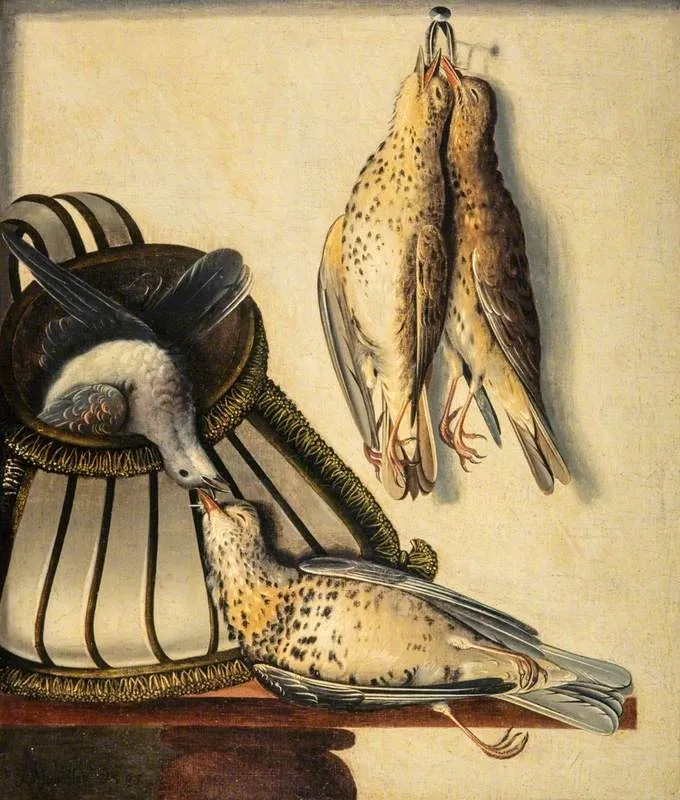
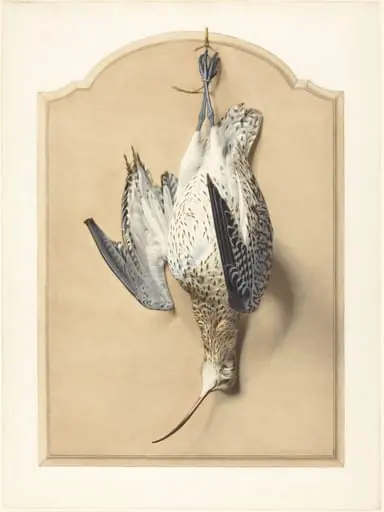
Still-life is an oil painting by the Dutch Golden Age artist James Hamilton. It dates from 1698 and is held in the collection of the National Galleries Scotland.
About this work
Overview
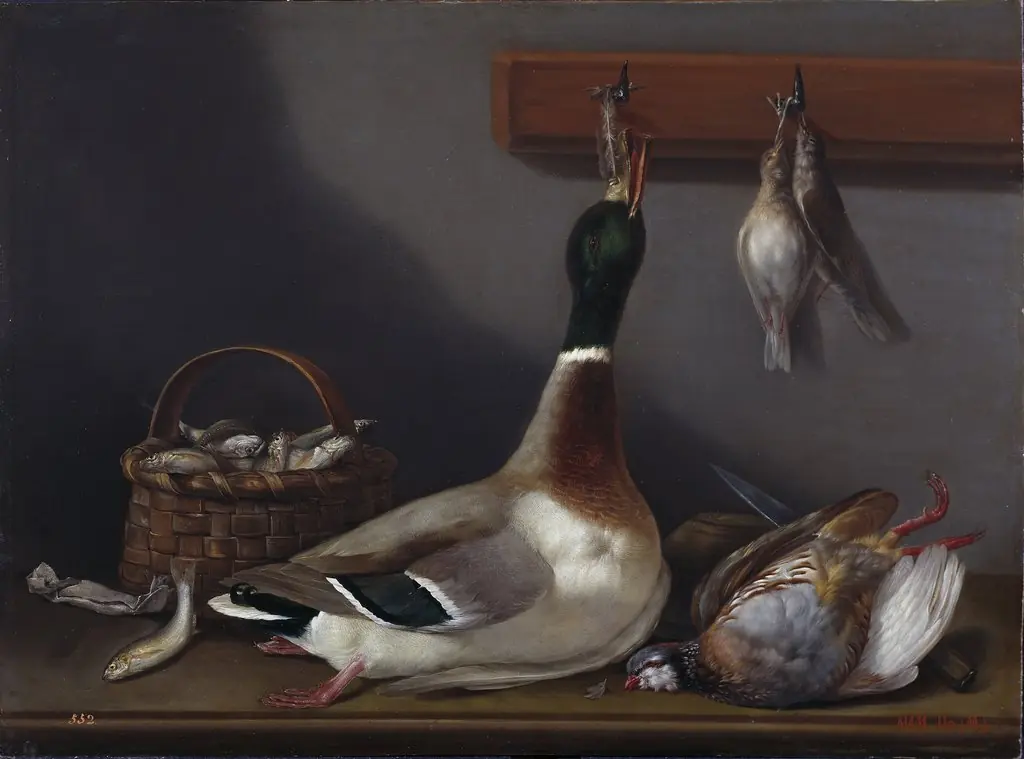
Painted in 1698, this oil-on-canvas still life by James Hamilton presents a group of dead birds suspended from a single hook. The composition is spare, with no additional objects or elaborate setting. The plain off-white background isolates the subjects, emphasizing their physical presence and the quiet solemnity of their arrangement.
Subject & Meaning
The birds—some hanging inverted, others resting sideways—suggest a moment after the hunt, frozen in stillness.
The birds—some hanging inverted, others resting sideways—suggest a moment after the hunt, frozen in stillness. Their arrangement evokes mortality and the transience of life, common themes in early modern still life. The absence of human figures or symbolic props directs attention to the birds themselves, inviting quiet reflection on nature’s fragility and the quiet aftermath of human intervention.
Technique & Style
Hamilton employed oil paint to render fine details: individual feathers are softly layered, while beaks and talons are sharply defined. The textures vary subtly—downy underfeathers contrast with glossy wing plumes—creating a tactile realism. Light falls evenly across the forms, avoiding dramatic shadows, which enhances the calm, observational tone of the work.
History & Provenance
The painting has been held since at least the 19th century by the Scottish National Gallery in Edinburgh. Its early ownership is undocumented, but its presence in the collection suggests it was acquired during a period of growing interest in Dutch and Flemish-inspired still life traditions in Britain. No records indicate it was commissioned or exhibited publicly before the 1800s.
Context
Created in late 17th-century Scotland, the work reflects broader European trends in still-life painting, particularly the Dutch emphasis on naturalism and quiet observation. While Hamilton was not a major figure, his adherence to detailed rendering aligns with regional tastes for precise, unembellished depictions of the natural world, often produced for private collectors rather than public display.
Legacy
The painting remains a modest but notable example of Scottish still life from the period. It contributes to the understanding of how Northern European conventions were absorbed in Britain outside major artistic centers. Though not widely reproduced, it continues to be studied for its restrained composition and sensitive handling of organic form.
Artist & collection


 Still Life
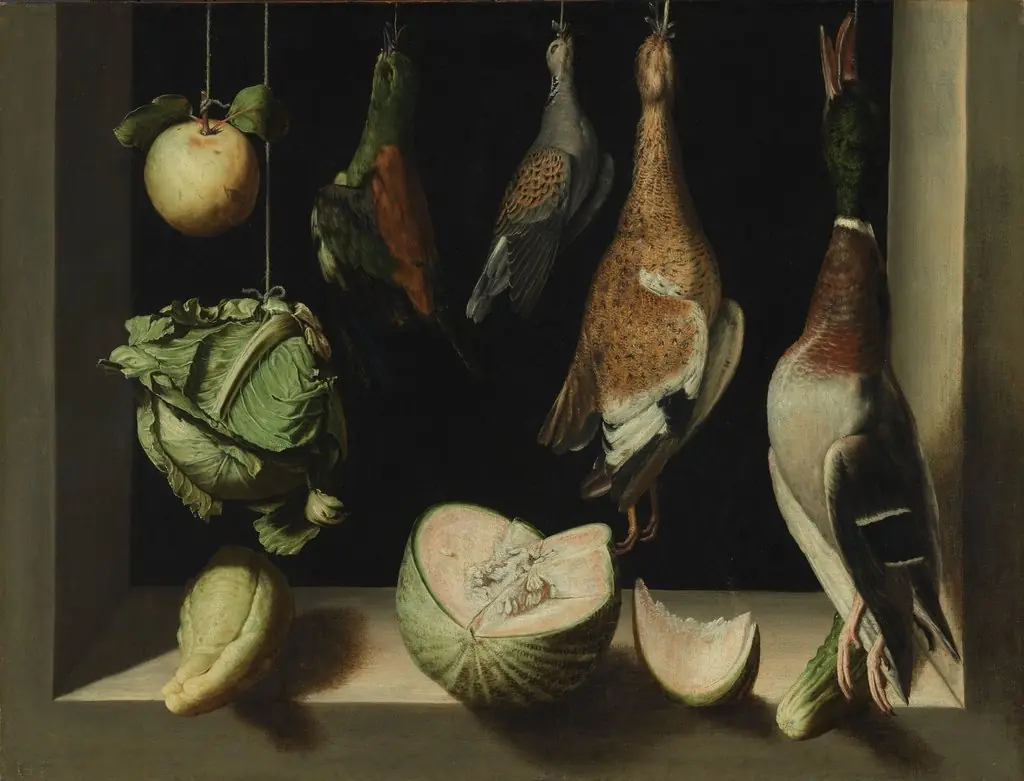 Still Life with Game Fowl
 Untitled
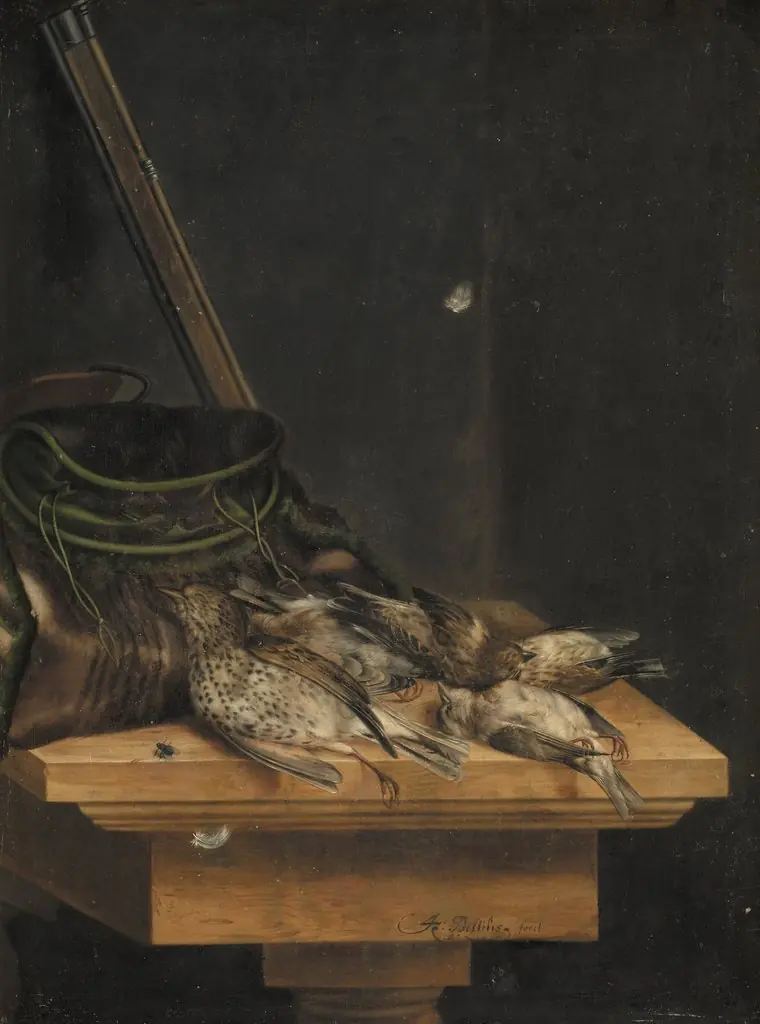 Dead Birds
 Dead Birds
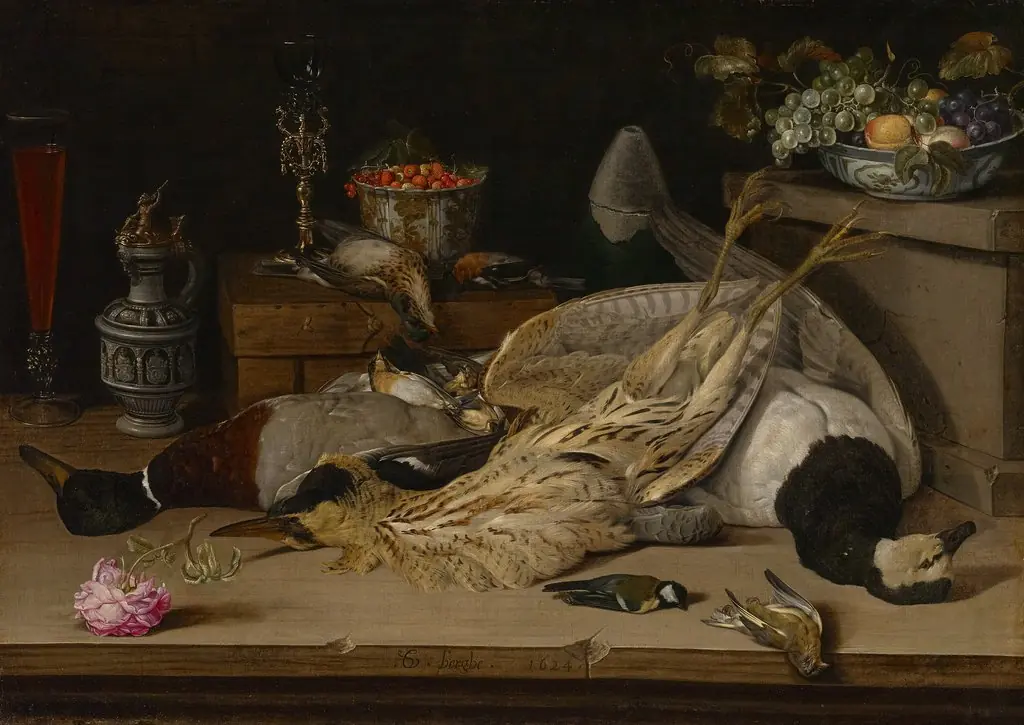 Still Life with Dead Birds
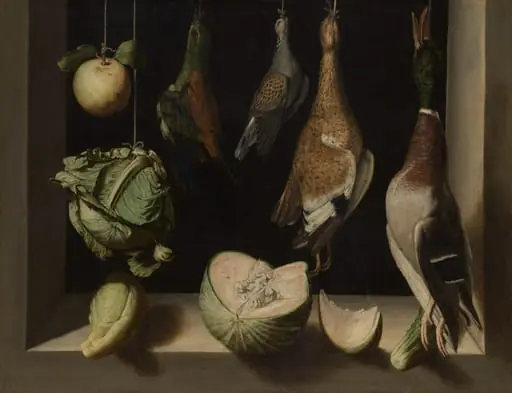 Still Life with Game Fowl
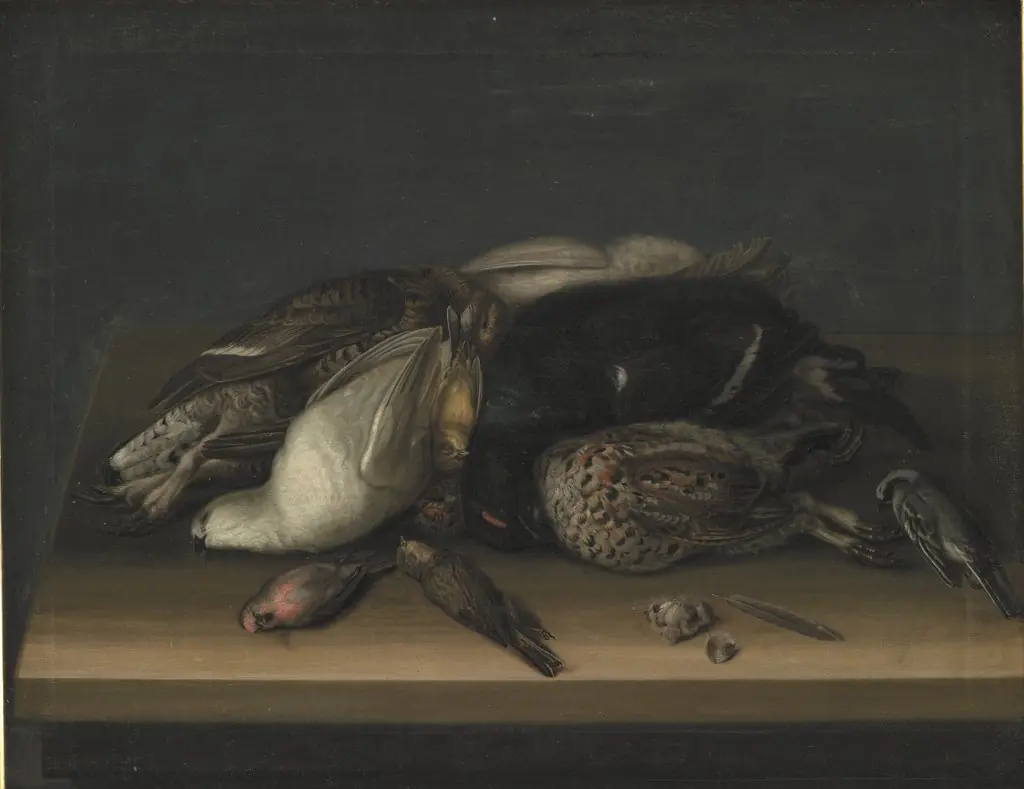 Wildfowl on a Wooden Table
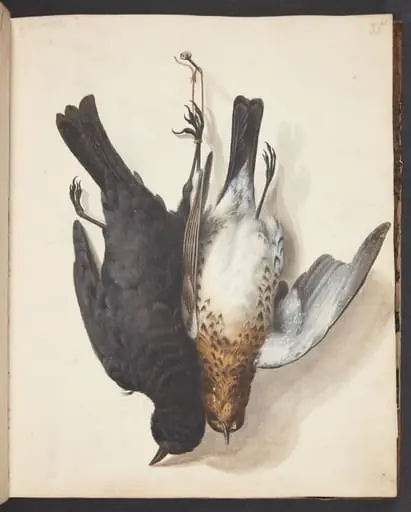 Studie af to døde solsorte, han og hun, ophængt i snor på en på en krog
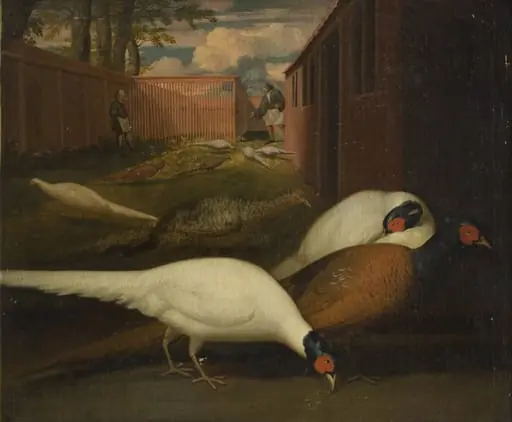 Fasaner i et indelukke
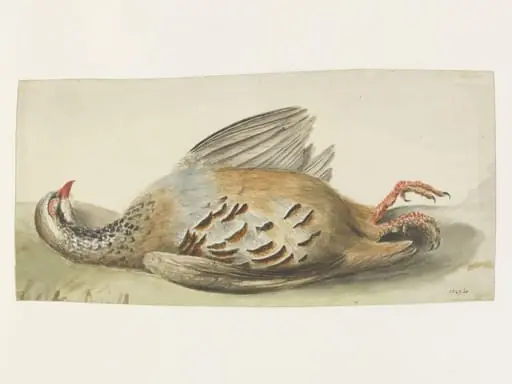 Study of a dead French partridge
 Trompe l'Oeil: A Curlew Hanging from a Nail