Artwork
Ospedale Civile, Venice
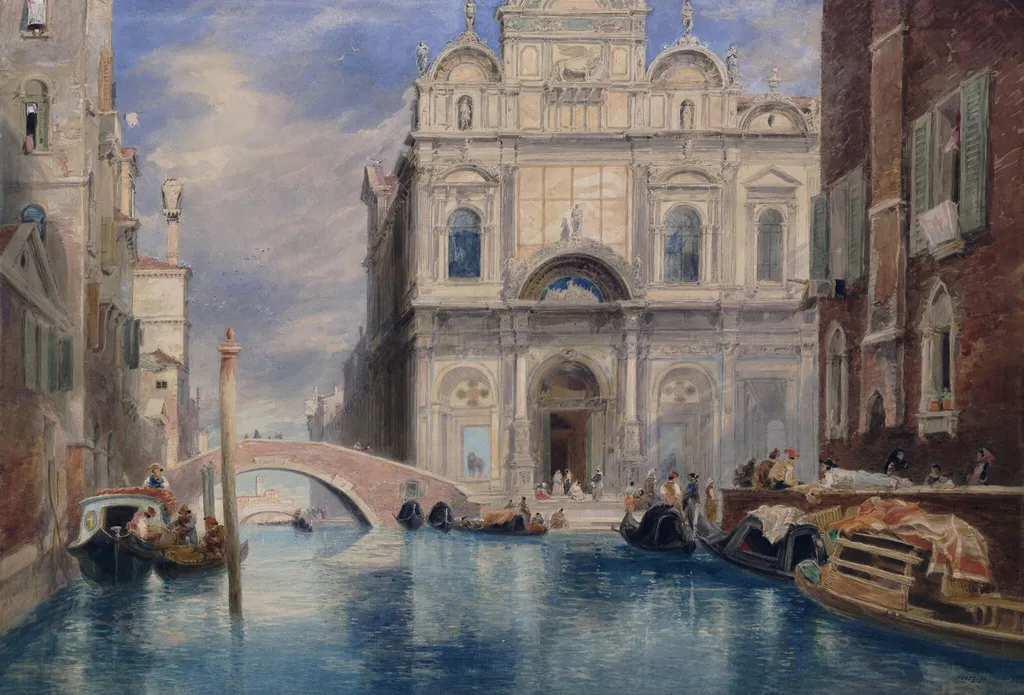
Ospedale Civile, Venice is a watercolor work on paper by the Impressionist artist James Holland. It dates from 1858 and is held in the collection of the Victoria and Albert Museum.
About this work
The artist focused on everyday life in Venice, with details like the boats and the bridge.
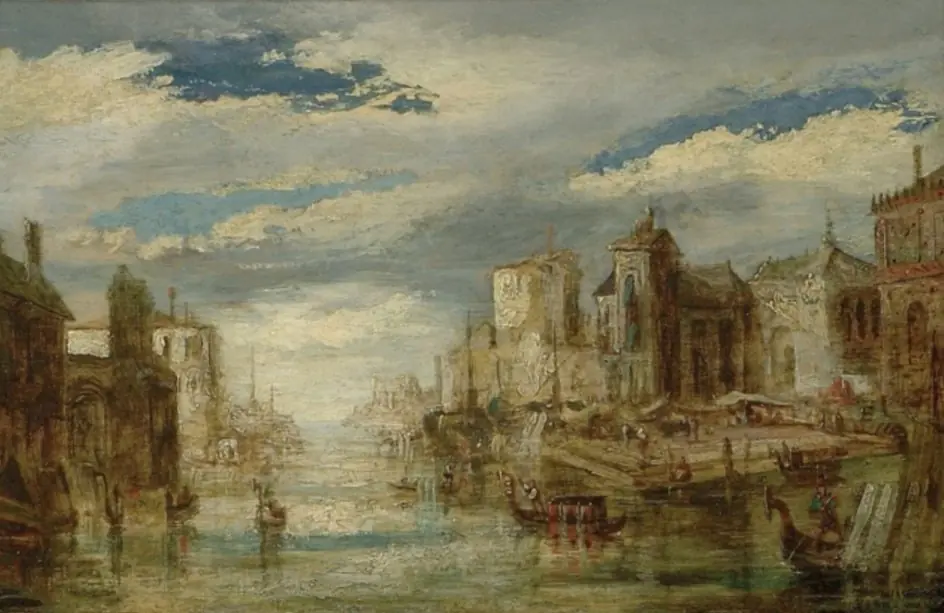
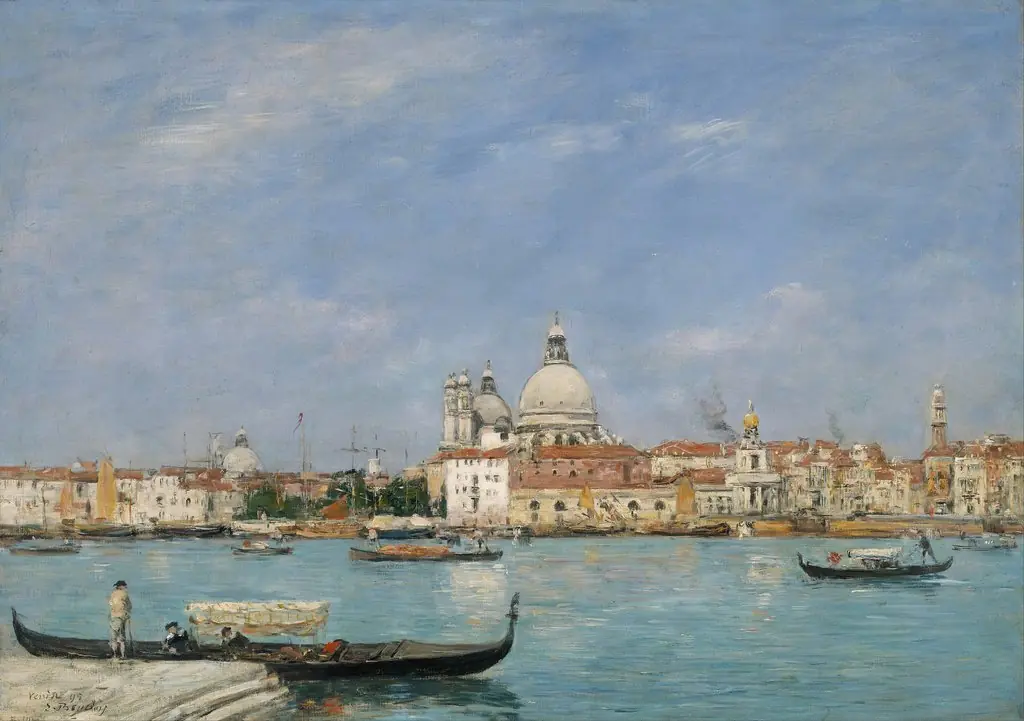
This painting shows a wide canal in Venice with boats full of people. On one side is a big, fancy building with lots of arches and statues on top. The water is calm, and a small bridge connects the two sides. People are sitting on the edge, watching the boats pass by.
The artist focused on everyday life in Venice, with details like the boats and the bridge. This painting was made in 1858 and is a watercolor.
Next, check out the Victoria and Albert Museum to see this painting in person.
Overview
James Holland’s watercolour *Ospedale Civile, Venice* (1858) captures a tranquil Venetian canal scene. The work is signed and dated by the artist, and it is held in the collection of the Victoria and Albert Museum. Holland’s composition presents a broad view of daily activity along the waterway, rendered in the delicate transparency of watercolor.
Subject & Meaning
The painting depicts a bustling canal flanked by a grand, arched façade crowned with ornamental statues. A modest bridge spans the water, linking the two banks, while numerous boats crowded with passengers glide through the calm surface. Figures linger on the quay, observing the traffic, suggesting a moment of ordinary urban life in mid‑nineteenth‑century Venice.
Technique & Style
Executed in watercolor, Holland employs layered washes to convey the luminous quality of the water and sky. Fine brushwork delineates architectural details such as the arches and statues, while broader strokes suggest movement of the boats. The palette balances muted earth tones with subtle blues, achieving a realistic yet atmospheric representation of the scene.
History & Provenance
Signed and dated 1858, the work reflects Holland’s interest in documenting Venetian everyday scenes during his travels. It entered the Victoria and Albert Museum’s collection, where it remains accessible to the public. The museum’s acquisition records indicate the piece was acquired as part of a broader effort to represent 19th‑century European watercolours.
Context
Created during a period when travel to Italy was popular among British artists, the painting aligns with the mid‑1800s fascination with picturesque urban vistas. Holland’s focus on ordinary activity, rather than grand historical narratives, mirrors contemporary trends toward genre scenes that emphasized the lived experience of foreign locales.
Artist & collection

Artist
James Holland (18 October 1799 – 12 February 1870) was an English painter of flowers, landscapes, architecture, marine subjects, and a book illustrator.

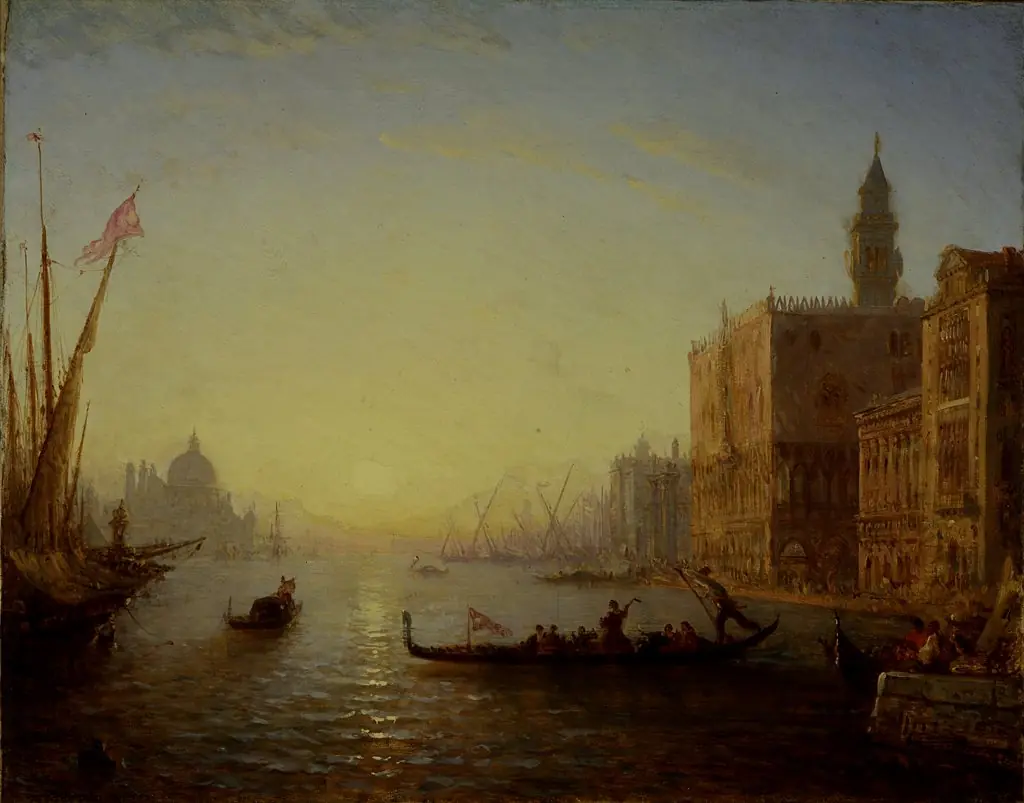 Venice, Evening
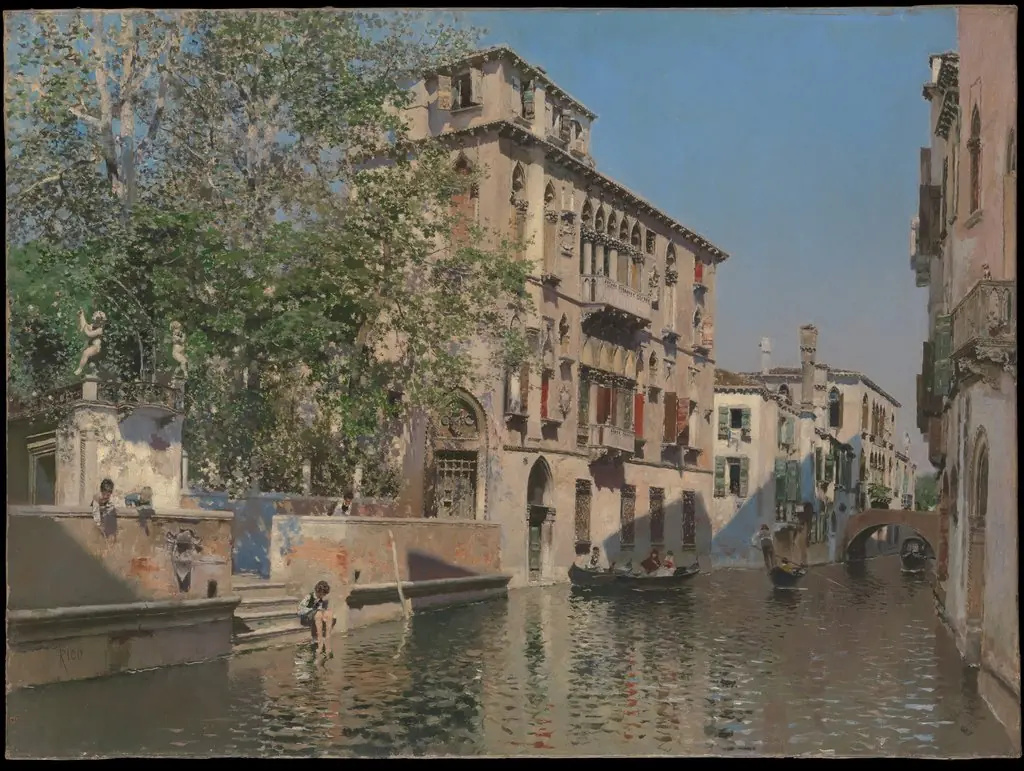 A Canal in Venice
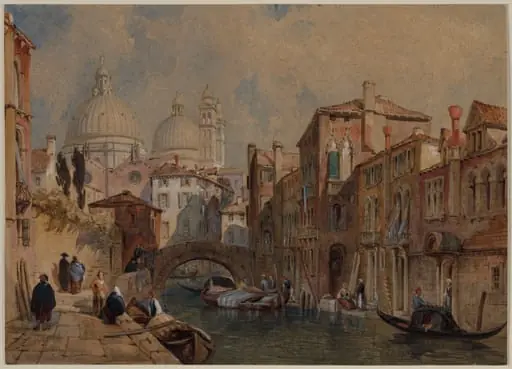 View of Venice: The Dome of Santa Maria della Salute Seen from the Rear of the Da Mula Palace, looking Eastward
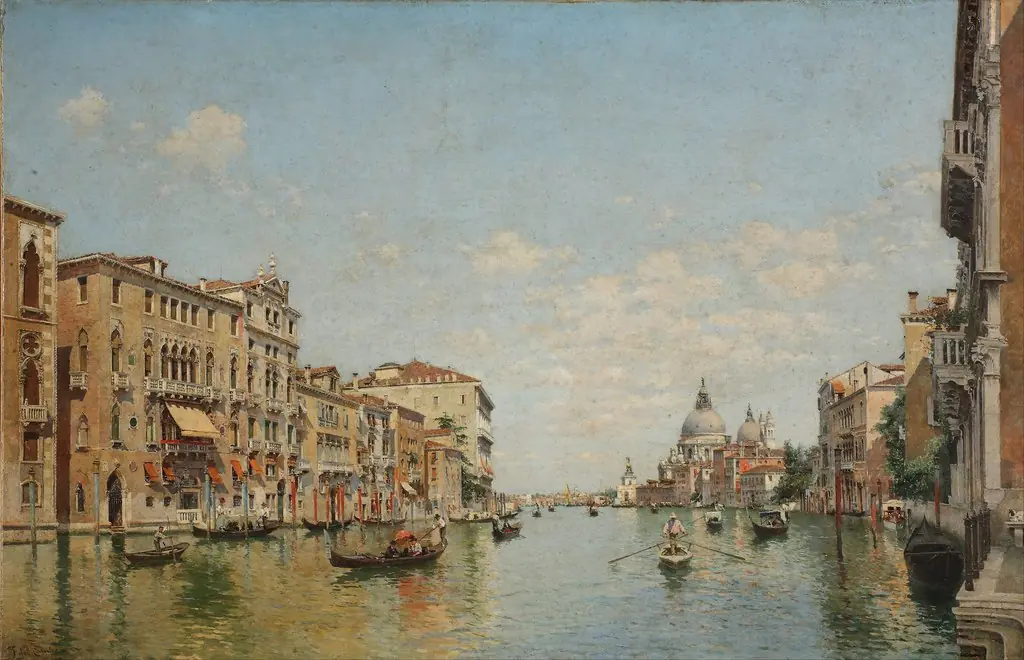 View of the Grand Canal of Venice
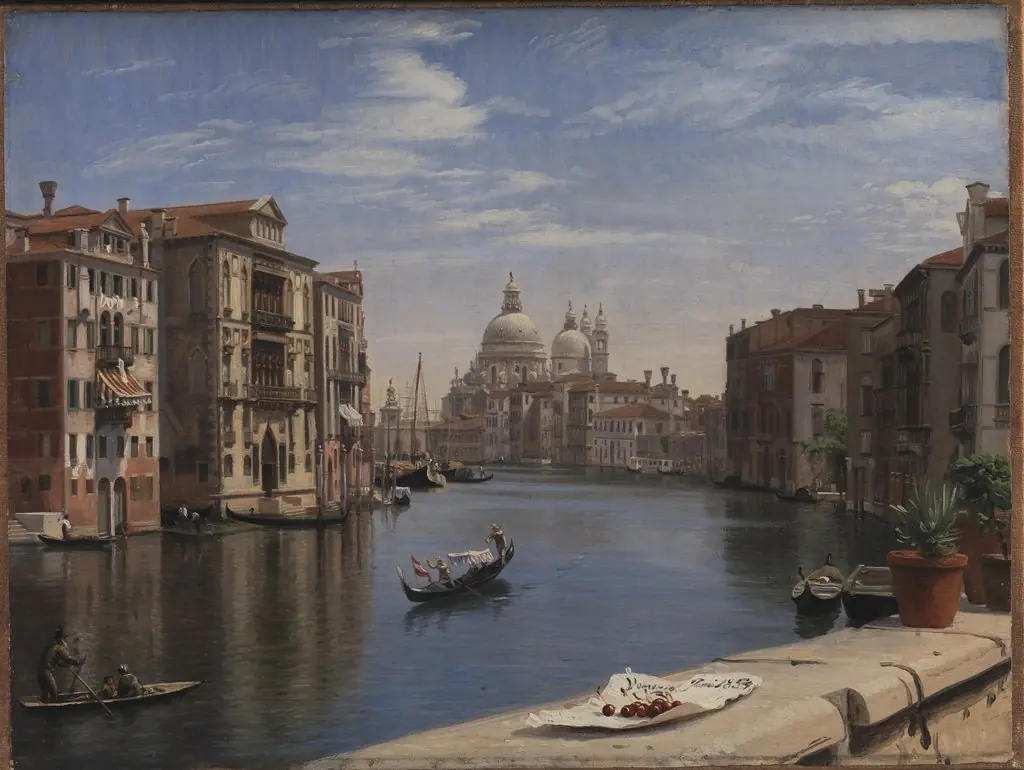 View of the Grand Canal, Venice. In the Background S. Maria della Salute
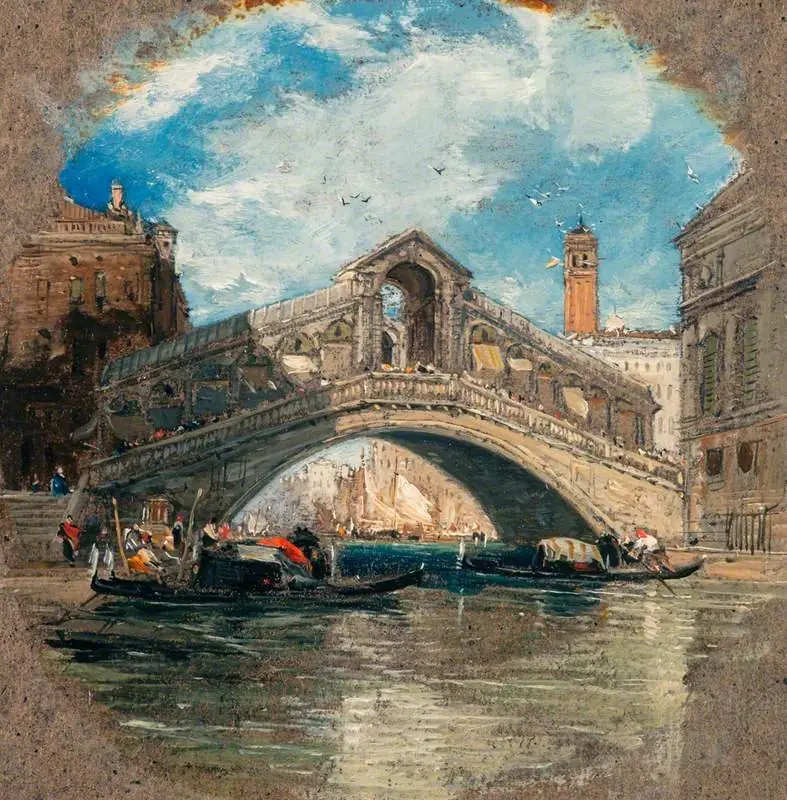
 Rialto Bridge, Venice
 Peisaj din Veneția
 Venice, Santa Maria della Salute from San Giorgio